
Garden Room Trends 2025 UK: Latest Designs, Styles & Innovations
The garden room industry is evolving rapidly, with 2025 bringing exciting new trends in design, materials, technology and functionality. As more UK homeowners embrace garden rooms for work, wellness and lifestyle, the designs are becoming bolder, smarter and more sustainable than ever.
In this comprehensive trend report, we’ll explore the top garden room trends shaping 2025, from architectural styles and interior design to materials, colors and innovative features that are defining the next generation of UK garden rooms.
Architectural & Exterior Design Trends
TRENDING NOW
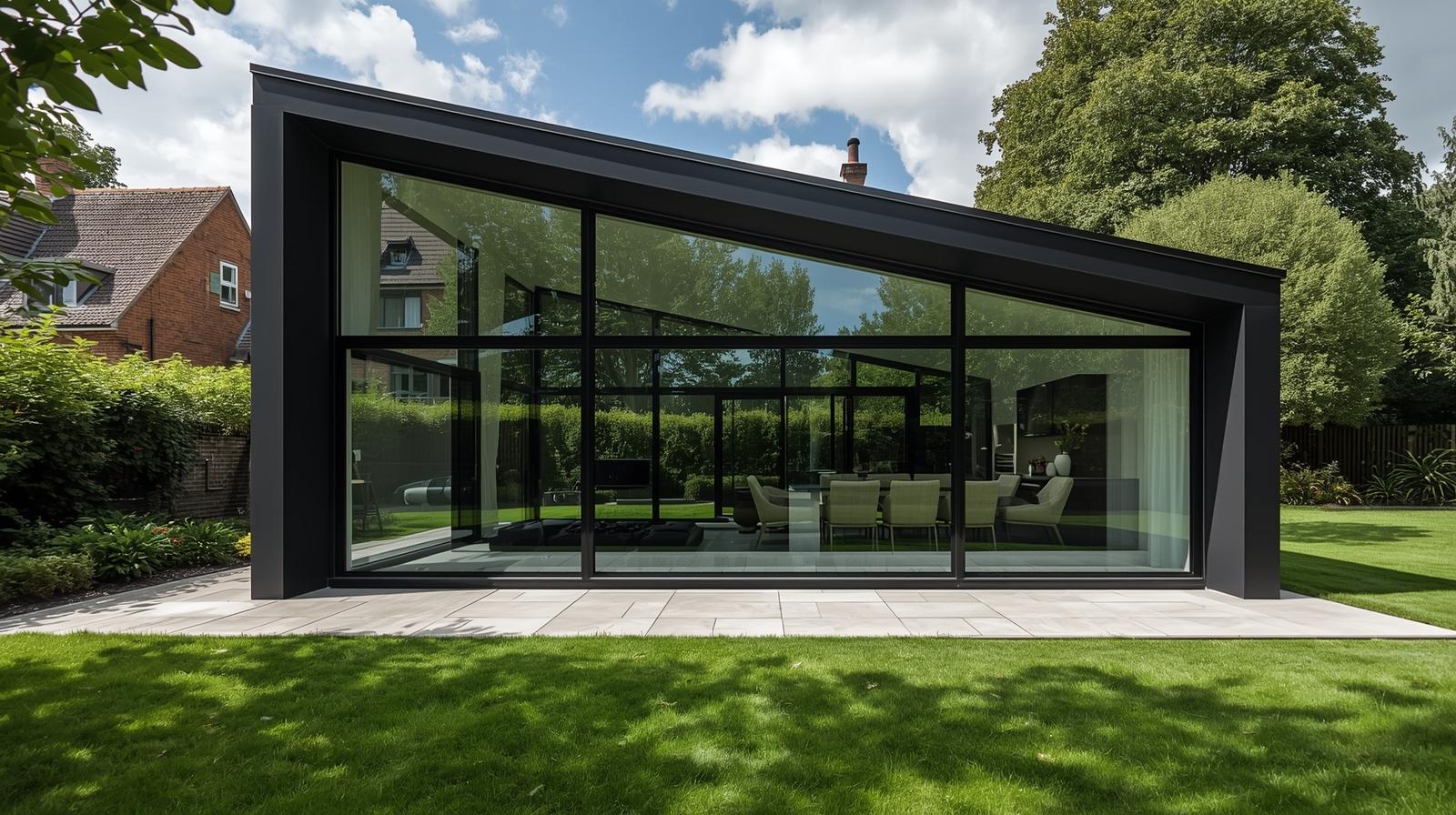
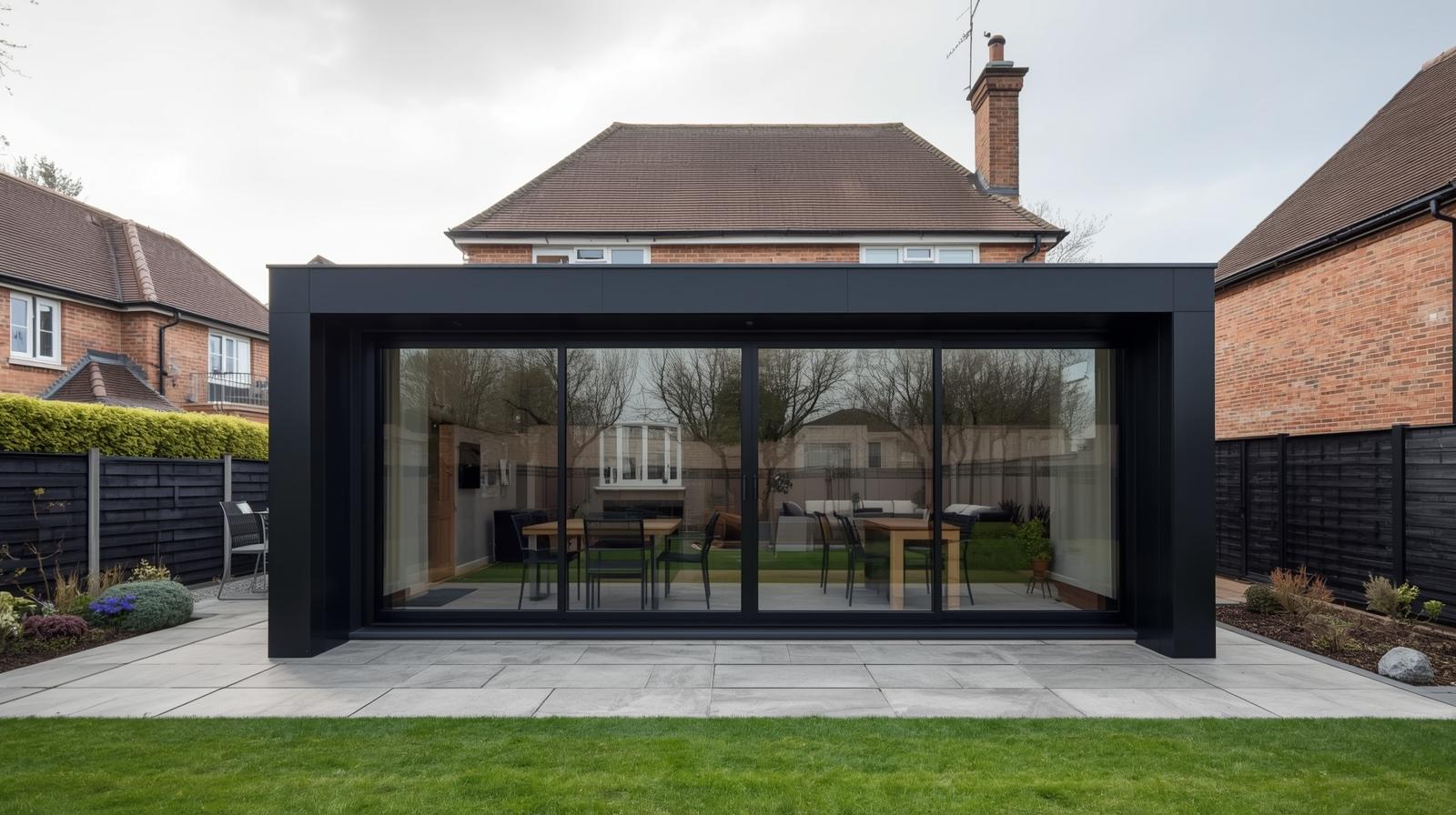
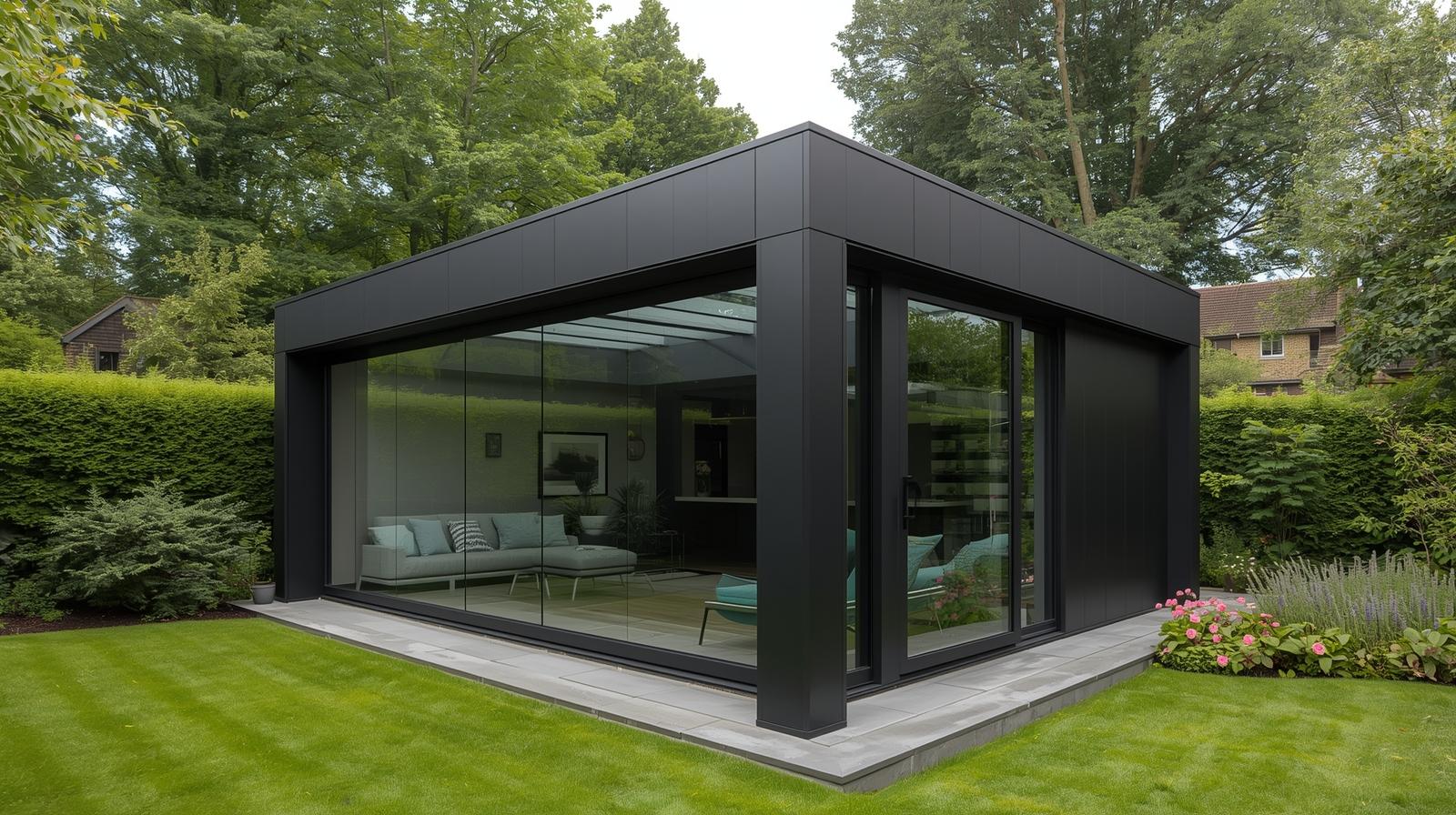
1Bold Black Exteriors
The trend: Black and dark charcoal cladding is dominating garden room exteriors in 2025, creating dramatic, contemporary statements in UK gardens.
Why it’s popular:
- Creates striking contrast with greenery
- Modern, sophisticated aesthetic
- Hides dirt and weathering better than light colors
- Makes garden rooms feel like architectural features, not sheds
- Works with both traditional and contemporary homes
How to achieve it:
- Cladding: Black-stained timber (Shou Sugi Ban technique), anthracite composite panels, or black metal cladding
- Accents: Natural wood reveals around windows/doors
- Glazing: Black aluminium frames for cohesive look
- Roofing: Black EPDM or dark tiles
Styling tip: Balance dark exteriors with warm, light interiors to prevent feeling cave-like.
Cost impact: Minimal – black stains/paints cost similar to other colors
This is a design classic, not a passing fad – safe long-term choice.
EMERGING TREND
2Curved and Organic Shapes
The trend: Moving away from rigid rectangles toward softer, curved forms and organic shapes.
Design elements:
- Curved walls or rounded corners
- Barrel-vaulted or curved roofs
- Circular or oval floor plans
- Flowing, non-linear layouts
Why it’s trending:
- Softer, more welcoming aesthetic
- Better integration with natural garden curves
- Unique, sculptural appearance
- Improved space efficiency (no dead corners)
- Reflects biophilic design principles
Examples:
- Curved Scandinavian-style “pods”
- Circular meditation rooms
- Organic-shaped artist studios
- Flowing multi-room complexes
Considerations:
- Higher construction costs (custom fabrication)
- More complex weatherproofing
- Furniture placement can be challenging
Those wanting a unique, statement garden room that stands out.
LUXURY TREND
3Glass Box Minimalism
The trend: Maximum glazing with minimal visible structure – the “invisible” garden room.
Design features:
- Floor-to-ceiling glass on multiple sides
- Slim aluminium frames (20-30mm sightlines)
- Sliding or folding glass walls
- Minimal external cladding
- Flat or low-pitch roofs
Why it’s popular:
- Blurs boundaries between inside and outside
- Maximises natural light and garden views
- Contemporary, high-end aesthetic
- Perfect for showcasing garden design
- Instagram-worthy spaces
Considerations:
- Higher heating/cooling costs (more glass = more heat loss/gain)
- Privacy concerns (need strategic positioning or smart glass)
- More expensive than traditional construction
- Requires excellent insulation elsewhere to compensate
Cost: £30,000-£60,000+ for high-spec glass box designs
Modern homes with beautiful gardens and privacy.
SPACE-SAVING TREND
4Multi-Level and Mezzanine Designs
The trend: Maximising vertical space with split-levels, mezzanines and double-height areas.
Design approaches:
- Ground floor office + mezzanine reading nook
- Double-height studio with gallery workspace
- Split-level with separate zones
- Loft sleeping area above main space
Benefits:
- More usable space without larger footprint
- Interesting, dynamic interiors
- Natural zone separation
- Dramatic ceiling heights
- Better use of smaller garden plots
Planning considerations:
- Height restrictions (4m maximum under permitted development)
- Staircase safety and building regulations
- Structural engineering required
- Higher construction costs
Cost impact: +£5,000-£12,000 for mezzanine addition
Smaller gardens where footprint is limited but height is available.
ECO TREND
5Green and Living Roofs
The trend: Sedum, wildflower or intensive green roofs are becoming standard, not optional extras.
Why it’s trending:
- Environmental benefits (biodiversity, carbon capture)
- Improved insulation (natural temperature regulation)
- Aesthetic appeal (living artwork)
- Stormwater management
- Longer roof membrane life (protected from UV)
Types:
Sedum (Extensive):
- Low maintenance (2-4 visits/year)
- Lightweight (60-150 kg/m²)
- Drought-tolerant plants
- Cost: +£1,500-£3,000
Wildflower (Semi-Intensive):
- More diverse planting
- Attracts pollinators
- Moderate maintenance
- Cost: +£2,500-£5,000
Intensive (Garden Roof):
- Full garden with shrubs, even small trees
- High maintenance
- Requires structural reinforcement
- Cost: +£5,000-£15,000
Green roofs will become standard specification by 2026-2027.
Interior Design & Style Trends
POPULAR STYLE
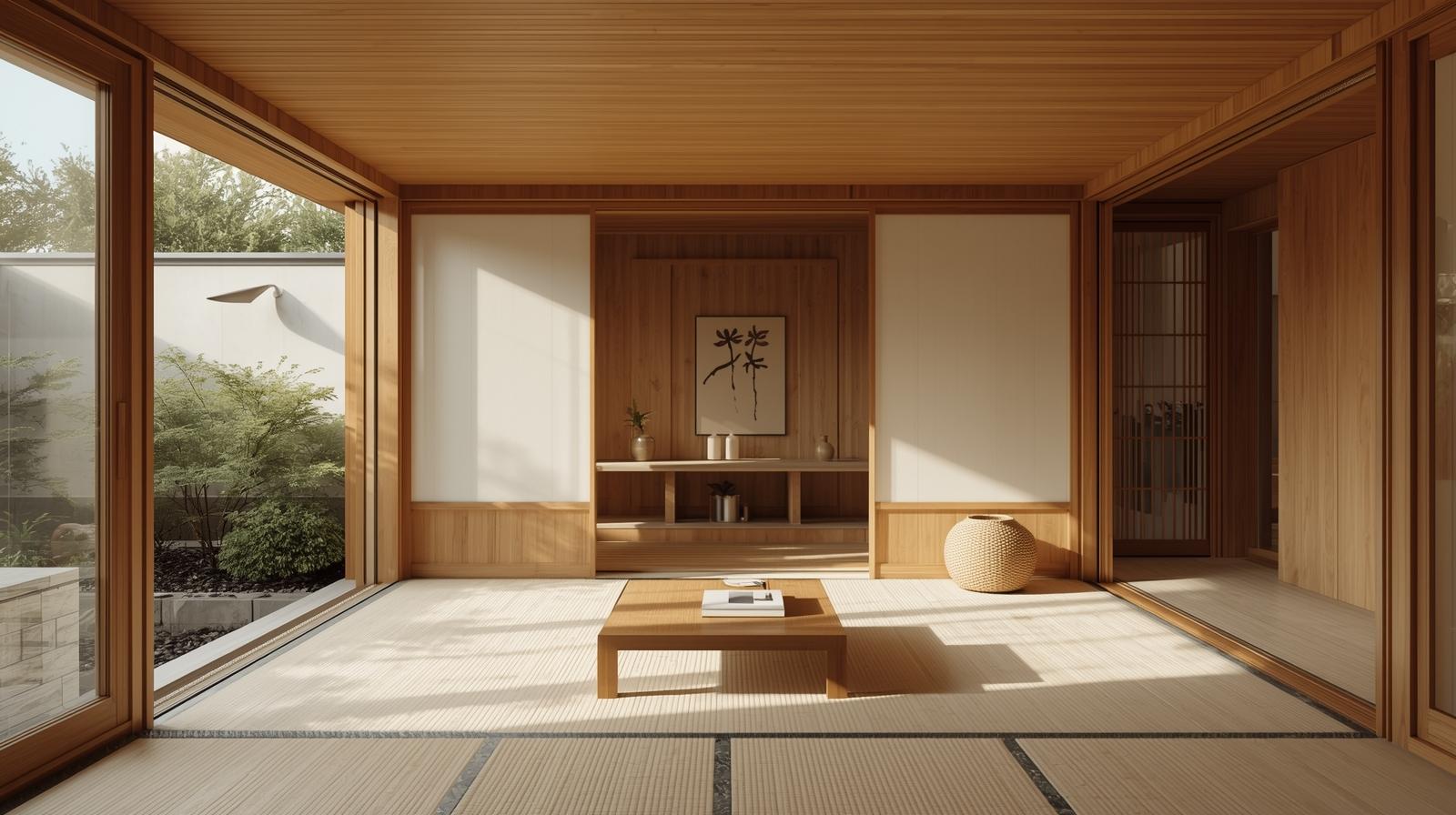
6Japandi Aesthetic
The trend: Fusion of Japanese minimalism and Scandinavian functionality – calm, natural, uncluttered spaces.
Key elements:
- Colors: Neutral palette (whites, beiges, soft greys, natural wood)
- Materials: Natural wood, bamboo, linen, cotton, stone
- Furniture: Low-profile, functional, handcrafted pieces
- Decor: Minimal, intentional, quality over quantity
- Lighting: Soft, warm, layered (paper lanterns, natural light)
Why it’s popular:
- Creates calm, stress-free environments
- Perfect for home offices and meditation spaces
- Timeless aesthetic (won’t date quickly)
- Easy to maintain and keep organised
- Supports wellbeing and focus
How to achieve it:
- Light oak or ash flooring
- White or off-white walls
- Natural fibre textiles
- Minimal window treatments (or none)
- One or two statement plants
- Hidden storage to maintain clean lines
Cost: Moderate – relies on quality basics rather than expensive features
WELLNESS TREND
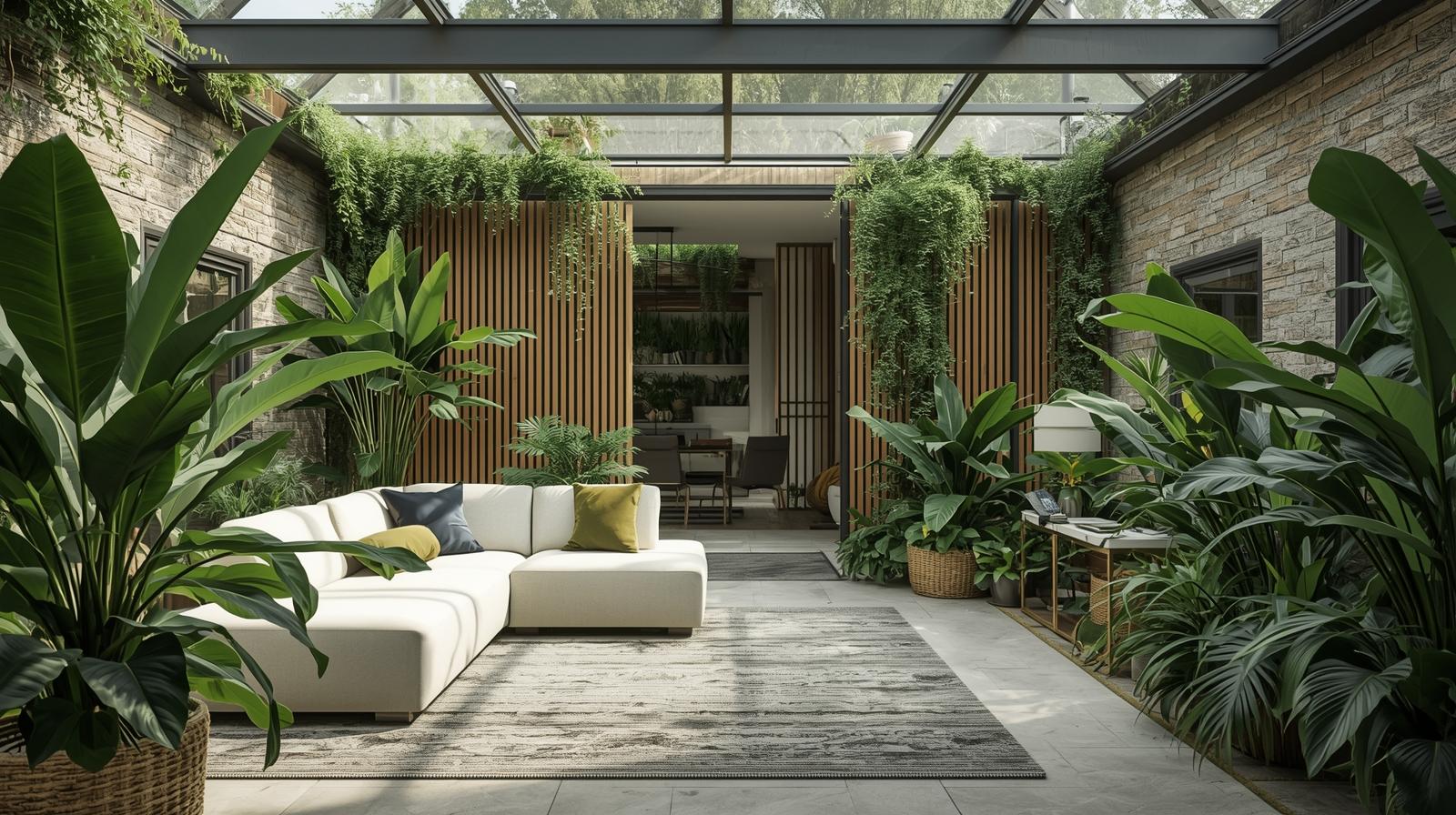
7Biophilic Design Integration
The trend: Intentionally connecting interior spaces with nature through design.
Biophilic elements:
Direct nature connection:
- Large windows framing garden views
- Indoor plants (living walls, potted specimens)
- Natural materials (wood, stone, cork)
- Water features (fountains, aquariums)
Indirect nature connection:
- Nature-inspired patterns and textures
- Natural colour palettes (greens, browns, blues)
- Organic shapes and curves
- Nature photography and artwork
Space and place:
- Views and vistas
- Connection to weather and seasons
- Natural light variation throughout day
- Transitional spaces (covered porches, window seats)
Benefits:
- Reduced stress and improved mental health
- Increased productivity and creativity
- Better air quality (plants)
- Enhanced connection to seasons and nature
Implementation:
- Position desk to face garden views
- Install living wall or multiple large plants
- Use natural materials throughout
- Maximise natural light with strategic glazing
Cost impact: £500-£3,000 depending on extent of plant installations and natural materials
BOLD TREND
8Maximalist Color and Pattern
The trend: Bold rejection of minimalism – vibrant colors, patterns, personality and eclecticism.
Characteristics:
- Rich, saturated wall colors (deep greens, navy, terracotta)
- Patterned wallpapers (botanical, geometric, vintage)
- Mixed textures and materials
- Gallery walls and collected objects
- Layered textiles and cushions
- Statement lighting fixtures
Why it’s trending:
- Reaction to years of “greige” minimalism
- Expresses personality and creativity
- Makes spaces feel unique and personal
- Perfect for creative studios and hobby rooms
- Instagram and Pinterest influence
How to achieve it:
- Choose one or two bold wall colors
- Layer patterns (vary scale – large, medium, small)
- Mix vintage and modern pieces
- Display collections and meaningful objects
- Don’t be afraid of color clashes (intentional eclecticism)
Art studios and creative spaces, entertainment and leisure rooms, personal retreats and hobby rooms
Avoid for: Professional home offices (can be distracting), resale-focused projects (polarising style)
LIFESTYLE TREND
9Wellness and Mindfulness Spaces
The trend: Garden rooms specifically designed for mental and physical wellbeing.
Popular wellness room types:
Yoga and Meditation Studios:
- Warm, natural materials (bamboo, cork flooring)
- Soft, dimmable lighting
- Minimal furniture (storage for mats, blocks, cushions)
- Calming colour palette
- Sound system for guided meditation
- Large windows for nature connection
Home Gyms:
- Durable, easy-clean flooring (rubber, vinyl)
- Wall-mounted mirrors
- Ventilation and climate control
- Equipment storage solutions
- Motivational design elements
Spa and Sauna Rooms:
- Infrared saunas (compact, energy-efficient)
- Hydrotherapy features
- Relaxation seating
- Mood lighting
- Sound systems
Therapy and Counselling Rooms:
- Comfortable, non-clinical aesthetic
- Soundproofing for privacy
- Calming colors and textures
- Separate entrance (if seeing clients)
Why it’s trending:
- Increased focus on mental health post-pandemic
- Expensive gym memberships driving home fitness
- Desire for private wellness spaces
- Preventative health becoming priority
Cost: £18,000-£45,000 depending on features and equipment
Material & Sustainability Trends
ECO TREND
10Reclaimed and Recycled Materials
The trend: Using salvaged, reclaimed or recycled materials for character and sustainability.
Popular applications:
Reclaimed timber cladding:
- Weathered barn wood
- Salvaged scaffold boards
- Reclaimed railway sleepers
- Old floorboards
Recycled materials:
- Recycled plastic composite decking
- Reclaimed brick or stone features
- Salvaged windows and doors (character projects)
- Recycled glass countertops
Benefits:
- Unique character and patina
- Environmental credentials
- Conversation pieces
- Often cheaper than new premium materials
Considerations:
- Structural reclaimed timber needs certification
- More time-consuming to source
- Variable quality requires inspection
- May need additional treatment
Cost: Variable – can be cheaper or more expensive than new, depending on material
SUSTAINABLE TREND
11Sustainable and Low-Carbon Materials
The trend: Prioritising materials with low embodied carbon and sustainable credentials.
Trending materials:
Cross-Laminated Timber (CLT):
- Engineered timber with negative carbon footprint
- Strong, fast to install
- Beautiful exposed finish option
- Cost: +15-25% vs traditional timber frame
Hempcrete:
- Hemp and lime mixture
- Carbon-negative material
- Excellent insulation and breathability
- Cost: +20-30% vs standard construction
Cork:
- Renewable (bark harvested without killing tree)
- Natural insulation
- Unique aesthetic
- Applications: flooring, wall panels, insulation
- Cost: £40-£80 per m²
Recycled insulation:
- Recycled plastic bottle insulation (similar performance to mineral wool)
- Sheep’s wool (renewable, natural)
- Wood fibre (carbon-storing)
Why it matters:
- Reduced environmental impact
- Aligns with net-zero goals
- Healthier indoor air quality
- Future-proofing against regulations
Sustainable materials will become standard as carbon regulations tighten.
HEALTH TREND
12Natural and Breathable Construction
The trend: Moving away from plastic-heavy construction toward breathable, natural materials.
Philosophy:
- Allow moisture to move through walls naturally
- Avoid vapour barriers and plastic membranes where possible
- Use hygroscopic materials (absorb and release moisture)
- Create healthier indoor environments
Materials:
- Lime plaster instead of gypsum
- Wood fibre insulation instead of PIR
- Breathable membranes instead of plastic DPM
- Natural paints and finishes
Benefits:
- Better indoor air quality
- Reduced condensation risk
- More forgiving of construction imperfections
- Healthier, more comfortable spaces
- Lower embodied energy
Considerations:
- Requires different construction approach
- Specialist knowledge needed
- May not achieve same U-values in same thickness
- Higher initial cost in some cases
Those prioritising health and sustainability over maximum thermal performance.
Technology & Smart Features Trends
TECH TREND
13Integrated Smart Home Systems
The trend: Garden rooms with factory-integrated smart technology, not aftermarket additions.
Standard smart features in 2025:
- Voice-controlled lighting and climate
- Automated blinds/curtains
- Smart locks and security
- Occupancy sensors (lights/heating activate on entry)
- Energy monitoring and optimisation
- Integration with main house systems
Advanced features:
- AI learning your usage patterns
- Weather-responsive climate control
- Circadian lighting (adjusts colour temperature through day)
- Air quality monitoring and auto-ventilation
- Remote monitoring and control via app
Why it’s trending:
- Smart home technology now affordable and reliable
- Seamless integration improves user experience
- Energy savings through intelligent automation
- Security and peace of mind
- Future-proof investment
Cost: £1,000-£4,000 for comprehensive smart integration
Smart features will be standard, not optional, by 2026.
ENERGY TREND
14Solar Integration and Energy Independence
The trend: Garden rooms designed for energy self-sufficiency from day one.
2025 approaches:
Integrated solar roofs:
- Solar tiles or panels as part of roof design
- Not added afterward – designed-in from start
- 4-8 kWh daily generation (typical garden room)
- Feeds excess to house or grid
Battery storage:
- Compact batteries (2-5 kWh) sized for garden room
- Stores solar for evening/night use
- Backup power during outages
- Smart energy management
Energy monitoring:
- Real-time consumption tracking
- Optimisation suggestions
- Carbon footprint calculation
- Cost tracking
Why it’s trending:
- Rising energy costs
- Environmental concerns
- Technology costs decreasing
- Energy independence appeal
- Government incentives (SEG payments)
Cost: £4,000-£12,000 for solar + battery system
Payback period:
- Solar only: 8-12 years
- Solar + battery: 12-18 years
- Improving as energy prices rise and technology costs fall
Color & Finish Trends
COLOR TREND
15Earthy and Natural Color Palettes
The trend: Moving away from stark whites and greys toward warm, earthy tones inspired by nature.
Trending colors for 2025:
Exterior:
- Charcoal and black: Dramatic, modern (RAL 9005, RAL 7016)
- Forest green: Blends with gardens (RAL 6009, RAL 6020)
- Warm grey: Sophisticated neutral (RAL 7039, RAL 7044)
- Terracotta: Warm, Mediterranean feel (RAL 8004)
- Natural wood: Cedar, larch, oak stains
Interior:
- Warm whites: Off-white, cream, ivory (not stark white)
- Sage green: Calming, natural (Farrow & Ball Vert De Terre)
- Terracotta and clay: Warm, grounding (Dulux Brave Ground)
- Soft blues: Serene, coastal (Farrow & Ball Borrowed Light)
- Warm beiges: Versatile, timeless (Dulux Natural Hessian)
Why it’s popular:
- Creates warm, welcoming spaces
- Connects to nature and biophilic design
- More forgiving than stark whites (hides marks)
- Supports mental wellbeing
- Timeless appeal
Styling tip: Layer different tones of the same color family for depth without being overwhelming.
FINISH TREND
16Textured and Tactile Finishes
The trend: Moving beyond flat, smooth surfaces to embrace texture and tactile interest.
Trending finishes:
Walls:
- Lime plaster: Natural texture, breathable, organic feel
- Textured wallpapers: Grasscloth, linen, embossed patterns
- Wood panelling: Vertical, horizontal, or herringbone
- Exposed brick or stone: Industrial or rustic character
Floors:
- Wide-plank wood: Natural grain and texture visible
- Textured tiles: Concrete-effect, stone-look
- Natural stone: Slate, limestone with natural variation
- Cork: Warm, soft, natural texture
Ceilings:
- Exposed timber beams: Architectural interest
- Tongue and groove: Cottage or Scandinavian feel
- Acoustic panels: Functional texture
Benefits:
- Adds visual interest and depth
- Creates sensory-rich environments
- Hides imperfections better than smooth finishes
- Supports biophilic design principles
Functional & Usage Trends
USAGE TREND
17Multi-Functional Transformable Spaces
The trend: Garden rooms that adapt to different uses throughout the day, week or year.
Design strategies:
Flexible furniture:
- Murphy beds (fold-away for office by day, guest room by night)
- Fold-down desks
- Modular seating that reconfigures
- Rolling storage units
Zoning techniques:
- Sliding partitions or curtains
- Different lighting zones
- Separate heating zones
- Acoustic separation
Technology integration:
- Scene-based lighting (work mode, relax mode, entertain mode)
- Adjustable climate settings
- Hidden AV equipment
- Motorised furniture
Popular combinations:
- Office by day / cinema room by evening
- Yoga studio / guest bedroom
- Art studio / entertaining space
- Home gym / playroom
Why it’s popular:
- Maximises return on investment
- Adapts to changing life circumstances
- Better use of limited garden space
- Prevents single-purpose “white elephants”
Cost: +£2,000-£6,000 for transformable furniture and systems
BUSINESS TREND
18Client-Facing Professional Spaces
The trend: Garden rooms designed specifically for seeing clients, with separate entrances and professional aesthetics.
Key features:
Access and privacy:
- Separate entrance (not through main garden)
- Dedicated pathway from street/driveway
- Waiting area or porch
- Privacy screening from house
Professional design:
- Neutral, sophisticated color schemes
- Quality finishes and furniture
- Professional signage options
- Accessible design (wheelchair access, disabled WC)
Functionality:
- Soundproofing for confidentiality
- Kitchenette for refreshments
- WC facilities
- Storage for client files/equipment
- High-speed internet and AV equipment
Popular professions:
- Therapists and counsellors
- Accountants and financial advisors
- Architects and designers
- Beauty therapists and hairdressers
- Tutors and music teachers
- Consultants and coaches
Planning considerations:
- Business use may require planning permission
- Building Regulations for commercial use
- Business rates may apply
- Insurance requirements different
- Accessibility regulations (Equality Act 2010)
Cost: £25,000-£50,000 for fully compliant client-facing space
LIFESTYLE TREND
19Entertaining and Social Spaces
The trend: Garden rooms designed as extensions of social and entertaining space, not just work areas.
Design elements:
Bar and entertaining:
- Built-in bar with sink and refrigeration
- Wine storage and display
- Comfortable seating arrangements
- Mood lighting and dimmers
- Sound system integration
Cinema and gaming:
- Large screen or projector
- Surround sound systems
- Blackout blinds
- Comfortable cinema seating
- Gaming console storage
Summer house style:
- Bi-fold or sliding doors opening to garden
- Covered deck or veranda
- Outdoor kitchen connection
- Fire pit or outdoor heating
- Relaxed, resort-style interiors
Music and performance:
- Acoustic treatment
- Instrument storage
- Recording equipment space
- Performance area with good sightlines
Why it’s popular:
- Post-pandemic focus on home entertaining
- Creates dedicated adult space
- Extends usable living space
- Adds property value and lifestyle appeal
Cost: £20,000-£45,000 depending on features and finishes
FAMILY TREND
20Teenage Dens and Study Spaces
The trend: Dedicated spaces for teenagers to study, socialise and gain independence.
Design features:
Study zone:
- Large desk with multiple screens
- Excellent lighting (task and ambient)
- Storage for books and study materials
- Quiet, focused environment
- High-speed internet
Social zone:
- Comfortable seating for friends
- Gaming setup
- TV and entertainment system
- Mini fridge and snack storage
Personal expression:
- Customisable decor
- Display space for hobbies/collections
- Music system
- Mood lighting options
Benefits:
- Provides independence while maintaining supervision
- Reduces household noise and conflict
- Dedicated study space improves academic performance
- Safe space for teenage socialising
- Can transition to guest room or office later
Safety considerations:
- Visible from house (parental oversight)
- Secure locks
- Adequate heating (won’t be neglected)
- Fire safety (smoke alarms, escape route)
Cost: £15,000-£30,000 for well-equipped teenage space
2025 Trend Predictions: What’s Next
Emerging Trends to Watch
1. Modular and Expandable Designs
Garden rooms designed to grow with your needs – add modules as family or business expands. Initial 3m x 3m office can become 6m x 3m with second module added later.
Timeline: Gaining traction 2025, mainstream 2026-2027
2. Prefab Luxury
High-end, architect-designed prefabricated garden rooms with luxury finishes, delivered and installed in days. Premium quality without custom build timelines.
Timeline: Already emerging, expect significant growth 2025-2026
3. Net-Zero Garden Rooms
Fully carbon-neutral construction and operation – sustainable materials, solar power, battery storage, heat pumps, rainwater harvesting as standard package.
Timeline: Early adopters 2025, standard offering 2027-2028
4. Health-Optimised Environments
Garden rooms designed around health metrics – air quality monitoring, circadian lighting, acoustic optimisation, biophilic design, materials selected for low VOCs and health benefits.
Timeline: Wellness-focused suppliers already offering, mainstream 2026
5. AI-Powered Smart Rooms
Garden rooms that learn your habits and optimise automatically – predictive heating, adaptive lighting, automated ventilation, energy optimisation without user input.
Timeline: Technology available now, integration improving rapidly, standard 2026-2027
6. Rental-Ready Garden Rooms
Purpose-designed for Airbnb/holiday lets with all compliance built-in – separate utilities, commercial-grade finishes, easy maintenance, designed for rental income from day one.
Timeline: Growing rapidly 2025, significant market segment by 2026
7. Transparent Solar Integration
Solar panels integrated into windows and glazing – generate power while maintaining views and natural light. Game-changer for glass-heavy designs.
Timeline: Pilot projects 2025-2026, commercial availability 2027-2028
How to Choose the Right Trends for Your Garden Room
Timeless vs. Trendy: Making Smart Choices
Invest in timeless elements:
- Structure and insulation: Quality construction never goes out of style
- Neutral base palette: Easy to update with accessories
- Classic proportions: Well-designed spaces age well
- Quality materials: Natural materials improve with age
- Flexible layout: Adaptable to changing needs
Follow trends in easily changeable elements:
- Paint colors: Easy and inexpensive to update
- Soft furnishings: Cushions, throws, curtains
- Accessories and decor: Plants, artwork, lighting
- Technology: Upgradeable as it improves
Questions to ask:
- Will I still love this in 10 years?
- Does this trend align with my personal style?
- Is this practical for my actual usage?
- Can I afford to change it if I tire of it?
- Does it add genuine value or just visual appeal?
| Trend | Longevity | Cost to Implement | Cost to Change Later | Recommendation |
|---|---|---|---|---|
| Black exteriors | Long-term classic | Low (standard cost) | Low (repaint) | Safe choice |
| Curved shapes | Timeless | High (custom) | Very high (structural) | Only if you love it |
| Glass box design | Modern classic | Very high | Very high | Lifestyle dependent |
| Green roofs | Growing appeal | Medium | High (structural) | Good investment |
| Japandi style | Timeless | Medium | Low (redecorate) | Safe, adaptable |
| Maximalist color | Personal/variable | Low-medium | Low (repaint) | If it’s your style |
| Smart home tech | Improving constantly | Medium | Low (upgradeable) | Recommended |
| Solar integration | Long-term value | High | Medium (upgradeable) | Strong ROI |
| Sustainable materials | Future-proof | Medium-high | N/A (permanent) | Highly recommended |
| Multi-functional design | Timeless practicality | Medium | Low (furniture change) | Excellent choice |
KC Modular Buildings: Bringing 2025 Trends to Life
At KC Modular Buildings, we stay at the forefront of garden room design trends, offering our clients the latest innovations while maintaining timeless quality and craftsmanship.
Our 2025 Trend Integration
- Bold architectural designs: Black exteriors, contemporary styling, custom shapes available
- Sustainable construction: Steel frames (75+ year lifespan), KINGSPAN insulation, FSC timber, low-VOC finishes
- Smart-ready infrastructure: Pre-wired for smart home integration, future-proof electrical systems
- Green roof options: Sedum and wildflower roofs available on all designs
- Biophilic design: Maximum glazing options, natural materials throughout
- Multi-functional layouts: Flexible designs that adapt to changing needs
- Energy efficiency: Solar-ready roofs, heat pump compatible, A-rated performance
2025 Design Collections
Contemporary Black Collection
Bold black exteriors with natural wood accents, floor-to-ceiling glazing, minimalist interiors. Perfect for modern homes seeking architectural statements.
From: £22,000-£45,000
Eco-Wellness Collection
Sustainable materials, green roofs, biophilic design, wellness-focused features. Ideal for yoga studios, meditation spaces, health-conscious home offices.
From: £25,000-£50,000
Smart Professional Collection
Fully integrated smart technology, client-facing design, separate entrance options, professional finishes. Perfect for therapists, consultants, tutors.
From: £28,000-£55,000
Entertaining & Lifestyle Collection
Bar facilities, cinema setups, bi-fold doors, covered decks, resort-style interiors. Designed for social spaces and family enjoyment.
From: £24,000-£48,000
Bespoke Trend Consultation
Our design team will help you:
- Identify which trends suit your lifestyle and property
- Balance trendy elements with timeless design
- Maximise value and longevity
- Create a unique space that reflects your personality
- Stay within budget while achieving your vision
Why Choose KC Modular Buildings for Trend-Forward Design
- Design expertise: Award-winning designs, experienced architects
- Quality construction: ISO 9001, 1090, 3834 certified manufacturing
- Sustainable approach: Environmental responsibility built-in
- Technology integration: Smart home specialists
- 15-year warranty: Confidence in longevity
- Flexible customisation: Your vision, our expertise
- Transparent pricing: No hidden costs, clear specifications
Trend Summary: Quick Reference Guide
Top 5 Trends for 2025
- Bold black exteriors – Dramatic, modern, practical
- Biophilic design – Nature connection, wellness focus
- Sustainable materials – Low-carbon, eco-friendly construction
- Smart home integration – Automated, efficient, convenient
- Multi-functional spaces – Adaptable, versatile, value-maximising
Trends to Avoid (Likely to Date Quickly)
- Overly themed designs (e.g., “beach hut” or “log cabin” pastiche)
- Trendy tile patterns (geometric, Moroccan – hard to change)
- Neon or accent lighting (RGB strips, colored LEDs)
- Overly specific tech (integrated tablets, proprietary systems)
- Fast-fashion furniture (cheap, trendy pieces that won’t last)
Best Value Trends (High Impact, Reasonable Cost)
- Black exterior cladding – Dramatic look, standard cost
- Japandi interior style – Timeless, achievable on budget
- Smart thermostats – Energy savings pay back quickly
- Natural materials – Age beautifully, add character
- Flexible furniture – Adaptability without structural changes
- LED lighting – Energy efficient, long-lasting
Investment Trends (Higher Cost, Long-Term Value)
- Green roofs – Environmental benefits, insulation, aesthetics
- Solar + battery – Energy independence, rising value as costs increase
- Sustainable construction – Future-proof against regulations
- Triple glazing – Comfort and efficiency for decades
- Quality insulation – Pays back through reduced running costs
- Professional design – Timeless appeal, better resale value
Regional Trend Variations Across the UK
How Trends Vary by Location
London & South East:
- Highest adoption of luxury trends (glass boxes, smart tech)
- Strong focus on maximising small spaces (mezzanines, multi-functional)
- Contemporary, architectural designs most popular
- Client-facing professional spaces in high demand
South West:
- Natural materials and eco-friendly construction leading
- Coastal and relaxed entertaining spaces popular
- Holiday let/Airbnb designs growing rapidly
- Emphasis on indoor-outdoor connection
Midlands:
- Practical, value-focused trend adoption
- Home offices and teenage dens most common
- Traditional styling with modern performance
- Multi-functional designs prioritised
North:
- Strong focus on insulation and heating efficiency
- Wellness spaces (gyms, saunas) popular
- Robust, weather-resistant designs
- Value and longevity over cutting-edge trends
Scotland:
- Maximum insulation and energy efficiency essential
- Scandinavian influences strong (climate similarity)
- Natural materials, especially timber
- Cosy, hygge-inspired interiors
Wales:
- Sustainable and eco-friendly construction prioritised
- Integration with natural landscapes
- Traditional materials with modern performance
- Creative and artistic spaces popular
Create Your Trend-Forward Garden Room
Ready to embrace the latest garden room trends while ensuring timeless quality? KC Modular Buildings combines cutting-edge design with proven construction excellence. Our expert team will help you choose the right trends for your lifestyle, budget and property.
Call us: 07443 564 451
Email: [email protected]
Visit: www.kcmodularbuildings.co.uk