
Portable Modular Buildings
Portable Modular Buildings UK
Portable Modular
Buildings
Portable modular buildings deliver relocatable, high-specification structures for commercial and public-sector projects across the UK. Specifically, these buildings outperform basic portable cabins on insulation, durability and long-term value.
Furthermore, KC Modular Buildings designs every unit for relocation across multiple sites and project phases. As a result, you redeploy the same asset without structural compromise.
☑ ISO 9001 Certified
☑ 15-Year Structural Warranty
☑ UK Mainland Delivery
Portable Modular Buildings UK for Flexible Project Use
Portable modular buildings suit projects that need more than a basic cabin. Specifically, they deliver higher specification and stronger long-term performance without committing to a permanent modular strategy from day one.
Furthermore, these buildings balance flexibility, transportability and build quality in a single route. As a result, buyers access a practical middle-ground option between temporary and permanent solutions.
For broader category context, review our modular buildings page for a full overview of available structural systems.
What Portable Modular Buildings Are and How They Differ
Portable modular buildings differ from basic portable cabins on specification, layout capability and building performance. Specifically, manufacturers build these units to a higher standard with more developed finishes and stronger thermal values.
Furthermore, these buildings relocate without structural compromise. Consequently, they suit projects where programme requirements change across phases or sites.
Moreover, this route works well where the project needs a balanced approach. Therefore, buyers avoid the cost of permanent construction and the limitations of basic temporary cabins.
Why Buyers Choose This Route
Benefits of Portable Modular Buildings
Portable modular buildings combine flexibility with stronger build quality than basic temporary cabins. Specifically, buyers select this route when programme needs may shift but specification requirements remain high.
Furthermore, this balance makes the route commercially attractive across commercial, education and public-sector projects.
🏗
Higher Specification
Portable modular buildings deliver stronger insulation values, better finishes and more developed layouts than basic temporary cabins. Consequently, occupants experience a higher-quality working environment from day one.
🚙
Relocatable Flexibility
Each unit relocates without structural compromise as project requirements change. As a result, buyers redeploy the same building across multiple sites and programme phases.
📋
Broader Use Cases
This route supports offices, education spaces, operational facilities and commercial functions. Moreover, the same structural system adapts across sectors without redesign.
⏱
Faster Programme
Factory production runs parallel to site preparation. Therefore, overall programme timelines shorten significantly compared to traditional on-site construction routes.
☑
Controlled Quality
90% of construction completes in a factory environment under ISO 9001 quality management. Specifically, this reduces weather-related defects and on-site variability.
💰
Long-Term Value
A 15-year structural warranty and 50–75 year design life protect the investment beyond the initial project. Furthermore, relocation value extends the asset life across future programmes.
Offices & Commercial Use
Portable Modular Buildings for Offices and Commercial Use
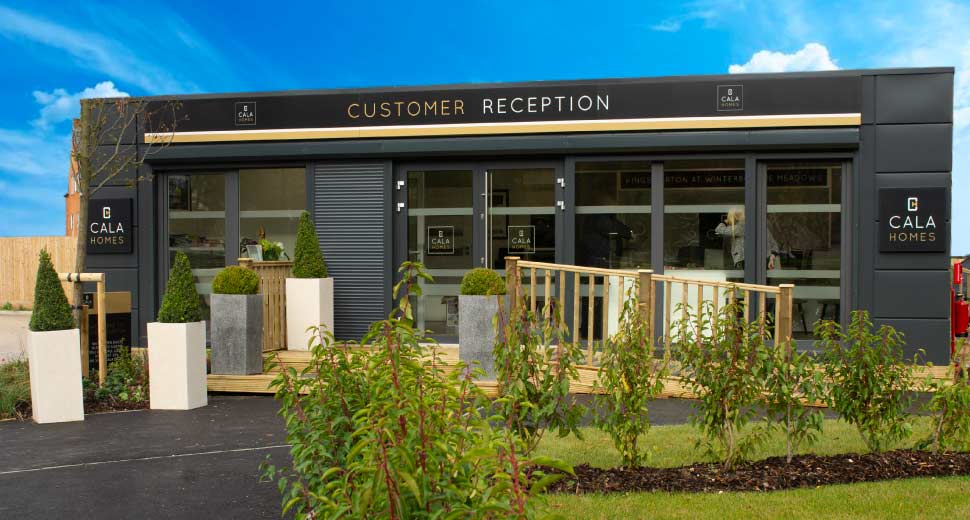
Portable modular office buildings deliver higher-quality workspace than basic cabins with full relocation capability. Specifically, organisations choose this route when specification requirements are high but programme flexibility remains a priority.
Furthermore, these buildings suit a wide range of commercial functions. As a result, buyers avoid commissioning separate structures for different operational needs.
Typical Applications
- → Site offices
- → Sales suites
- → Administration space
- → Operational support
- → Project accommodation
- → Management offices
Key Specification Points
☑ Energy-rated insulation — U-value walls 0.25–0.38 W/m²K
☑ Double or triple glazing as standard
☑ Full electrical fit-out included in factory build
For a dedicated office specification, review our modular offices page for full layout options and sector examples.
Sector Applications
Education and Public-Sector Applications
Portable modular buildings suit education and public-sector projects where speed, adaptability and future flexibility drive the brief. Specifically, these projects need more than a basic temporary solution but do not yet justify a permanent modular route.
Furthermore, this middle-ground position supports phased estate planning. As a result, buyers deploy now and reconfigure or relocate as programme requirements evolve.
Common Sector Applications
- → Schools & academies — temporary classrooms, SEN units, admin blocks
- → Local authorities — community space, operational offices, welfare facilities
- → Healthcare — clinical support, waiting areas, administration units
- → Construction & infrastructure — welfare, site offices, project accommodation
Specification & Systems
Modular Systems and Build Quality
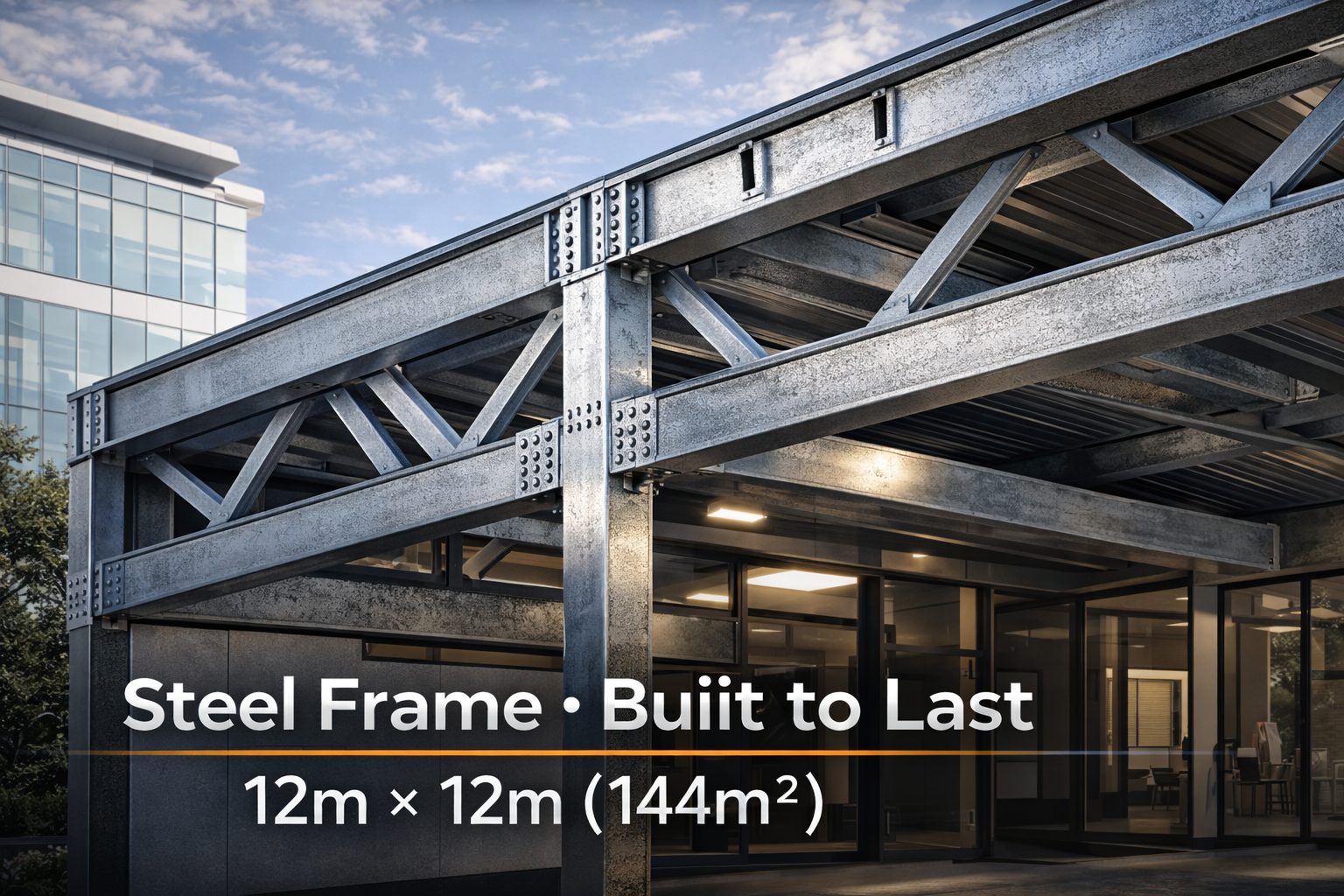
Portable modular building systems deliver stronger structural standards, improved insulation and more refined finishes than basic portable accommodation. Consequently, specification selection directly determines long-term performance and relocation value.
Moreover, the right system matches current use, layout needs and future movement frequency. Therefore, buyers shortlist on specification fit rather than unit price alone.
System Comparison
| System | Best For | Relocatable |
|---|---|---|
| MS (ISO Frame) | Fast delivery, hire or buy | ☑ Full |
| NOVO (Bespoke Steel) | Higher spec, bespoke layouts | ☑ Partial |
| LARK (Timber) | Residential, eco, leisure | ☑ Partial |
Logistics & Installation
Delivery, Relocation and Installation
Portable modular building delivery covers access, lifting, service connections, base preparation and future repositioning in one coordinated plan. Specifically, this planning stage separates a genuinely flexible modular route from a static building approach.
Furthermore, early coordination ensures the building performs at first installation and at any later relocation stage. As a result, programme risk reduces and site disruption stays minimal.
Delivery & Installation Process
1
Site Access Survey
We assess road widths, turning circles and overhead clearances before dispatch.
2
Base Preparation
Foundations match the structural system — concrete pad, piled or screw-pile options.
3
Crane Lift & Positioning
Modules arrive 90% complete and crane onto prepared bases in hours.
4
Service Connections
Electrical, water and drainage connect to pre-installed internal systems on site.
5
Future Relocation
Disconnect, lift and transport to a new site without structural compromise.
Note: Groundworks, utility connections and external works sit outside the standard KC Modular supply scope. Consequently, we define these exclusions upfront in every quotation.
Supplier Selection
Choosing the Right Supplier and Specification Route
Compare portable modular building suppliers on specification depth, relocation capability and long-term performance. Specifically, the strongest route fits the real project need rather than forcing the brief into a cabin-led or permanent-led model.
Furthermore, suppliers that define scope, inclusions and exclusions upfront carry less delivery risk. As a result, buyers compare on facts rather than assumptions at shortlist stage.
What to Compare at Shortlist Stage
- ☑ Scope clarity — inclusions, exclusions and assumptions defined in writing
- ☑ Structural system match — ISO frame, bespoke steel or timber to brief
- ☑ Relocation capability — can the unit move without structural compromise?
- ☑ Warranty terms — structural, defects and component warranties confirmed
- ☑ Certification — ISO 9001, SSIP, Constructionline or equivalent confirmed
KC Modular Scope Statement
We design, manufacture and install modular buildings. Groundworks, utility connections and external works sit outside our standard supply scope.
Moreover, we coordinate with your principal contractor and design team. Consequently, handover into groundworks and service connections stays structured and on programme.
Process & Planning
Process and Practical Planning
Portable modular projects require early planning across transport, site setup, service points and relocation intent. Specifically, this planning stage prevents costly redesign and programme delays later.
Furthermore, confirming whether the building stays in one location or moves later shapes the structural system selection. Therefore, buyers lock in the right specification before production begins.
Early Planning Checklist
🚙 Transport Route
Confirm access width, height restrictions and turning circles before production starts.
⚙ Site Setup
Base type, crane position and welfare requirements confirmed with the site team.
⚡ Service Connection Points
Electrical, water and drainage entry points agreed before factory fit-out finalises.
🔄 Relocation Intent
Confirm whether the unit moves in 1–3 years or stays permanently. This drives system selection.
Route Comparison
Portable vs Permanent Modular Buildings: Comparison
Buyers compare portable modular buildings against both portable cabins and permanent modular routes. Specifically, the right choice depends on whether flexibility, long-term performance or a balance of both drives the brief.
Furthermore, each route carries different specification, warranty and relocation characteristics. As a result, shortlisting on the correct route prevents programme risk and cost overrun.
| Feature | Portable Cabins | Portable Modular ★ | Permanent Modular |
|---|---|---|---|
| Relocatable | ☑ Full | ☑ Full | ☐ Limited |
| Insulation (U-value) | 0.40–0.60 | 0.25–0.38 | 0.16–0.25 |
| Design Life | 10–15 years | 25–50 years | 50–75 years |
| Structural Warranty | 1–2 years | Up to 15 years | Up to 15 years |
| Lead Time | 1–3 weeks | 5–12 weeks | 10–20 weeks |
| Best For | Speed, low cost, short-term | Flexibility + quality balance | Long-term, high spec, fixed |
Portable Cabins
Portable cabins prioritise speed, simplicity and lower upfront cost. Consequently, this route suits short-term projects where specification and long-term value rank lower.
Moreover, basic cabins relocate easily but deliver lower insulation and shorter design life.
View Portable Cabins →★ This Page
Portable Modular Buildings
Portable modular buildings balance relocatable flexibility with stronger specification and longer design life. Specifically, this route fills the gap between basic cabins and permanent modular construction.
Furthermore, buyers retain full relocation capability without sacrificing build quality or thermal performance.
Permanent Modular Buildings
Permanent modular buildings deliver the highest specification and longest design life. Therefore, this route suits fixed, long-term projects where relocation ranks lower.
Additionally, bespoke layouts and enhanced thermal performance support 50–75 year lifespans.
View Permanent Modular →Industry Context
Modern Methods of Construction
Portable modular buildings form part of the wider industry shift toward modern methods of construction. Specifically, offsite delivery reduces programme time, site waste and carbon impact across UK commercial and public-sector projects.
Furthermore, the UK Government recognises modern methods of construction as a strategic priority for programme efficiency and net-zero delivery. As a result, demand for factory-led modular routes continues to grow across all sectors.
MMC Category 1
Volumetric Modular
Three-dimensional units arrive fully fitted from the factory. Consequently, site installation time reduces dramatically compared to traditional construction.
MMC Category 2
Pre-Manufactured Value
UK Government targets 70% pre-manufactured value on public projects. Moreover, portable modular delivery directly supports this requirement.
MMC Category 3
Waste and Carbon Reduction
Factory construction reduces site waste by up to 90%. Therefore, portable modular routes support net-zero and sustainability commitments directly.
For broader UK policy context, review the official government guidance below.
UK Government: Modern Methods of Construction ↗FAQ
Frequently Asked Questions About Portable Modular Buildings
Q1
What are portable modular buildings?
Portable modular buildings are factory-built, relocatable structures that deliver higher specification than basic portable cabins. Specifically, they combine flexible positioning with stronger insulation, more developed layouts and longer design life.
Furthermore, factory-controlled production gives buyers greater quality assurance than traditional on-site construction. As a result, these buildings suit projects where specification and flexibility both rank as priorities.
Q2
How are portable modular buildings different from portable cabins?
Portable modular buildings deliver stronger structural standards, better insulation values and more refined finishes than basic portable cabins. Specifically, wall U-values reach 0.25–0.38 W/m²K compared to 0.40–0.60 W/m²K on standard cabin units.
Furthermore, design life extends to 25–50 years versus 10–15 years for basic cabins. Consequently, buyers retain full relocation capability without sacrificing long-term performance.
Q3
Can portable modular buildings be relocated?
Yes. Portable modular buildings relocate without structural compromise when planned correctly from the outset. Specifically, the MS (ISO Frame) system supports full relocation; NOVO and LARK systems support partial relocation depending on connection type.
Furthermore, early planning of transport route, base type and service connections ensures relocation stays straightforward. As a result, buyers redeploy the same asset across multiple sites and project phases.
Q4
Are portable modular buildings suitable for offices?
Yes. Portable modular office buildings deliver higher-quality workspace than basic cabins with full relocation capability. Specifically, typical applications include site offices, sales suites, administration space, project accommodation and operational management offices.
Moreover, full electrical fit-out, double or triple glazing and energy-rated insulation come as standard in the factory build. Therefore, buyers occupy a compliant, comfortable workspace from day one.
Need More Background Before You Enquire?
Our portable modular buildings brochure covers every building category, structural system and sector application in one document. Consequently, you compare the full product range before entering a live quotation stage.
Furthermore, the brochure sets out delivery timelines, specification tiers and scope inclusions side by side. As a result, your enquiry starts from a stronger, better-informed position.
☑
All Building Categories
Portable, permanent and bespoke routes in one place.
☑
Specification Comparison
Structural systems, insulation values and finishes compared directly.
☑
Sector Applications
Education, healthcare, commercial and residential use cases covered.
Need a Quote for Portable Modular Buildings?
Submit your project brief and our team matches you with the right portable modular building route. Specifically, we review your sector, building use and flexibility requirements against our three structural systems.
Furthermore, every enquiry receives a scoped response with clear inclusions, exclusions and delivery timeline. As a result, you compare routes on facts rather than assumptions.
⏱ Response Within 24 Hours
Every enquiry answered by a named project contact.
☑ Scope Defined Upfront
Clear inclusions, exclusions and assumptions from day one.
🏭 3 Structural Systems
MS, NOVO and LARK matched to your project brief.
No obligation · Scoped response · Named project contact