
Emergency Accommodation
Local Authority • Housing Provider • Rapid Delivery
Emergency Accommodation Buildings — Fast Modular Residential Delivery for Urgent Housing and Temporary Occupancy Needs
Designed for local authorities, housing providers, framework buyers and emergency-led residential projects that need rapid accommodation capacity without defaulting to poor-quality temporary solutions.
This page qualifies emergency accommodation as a serious residential delivery problem: speed, dignity, occupancy duration, welfare logic, repeatable room layouts, energy performance and long-term asset flexibility all matter before cost assumptions should be fixed.
FastDeployment logic
SafeDignified occupancy
ScaleRepeatable residential units
UKPublic-sector suitability
Temporary to semi-permanent
Rapid residential delivery
Local authority fit
Energy-led upgrade options
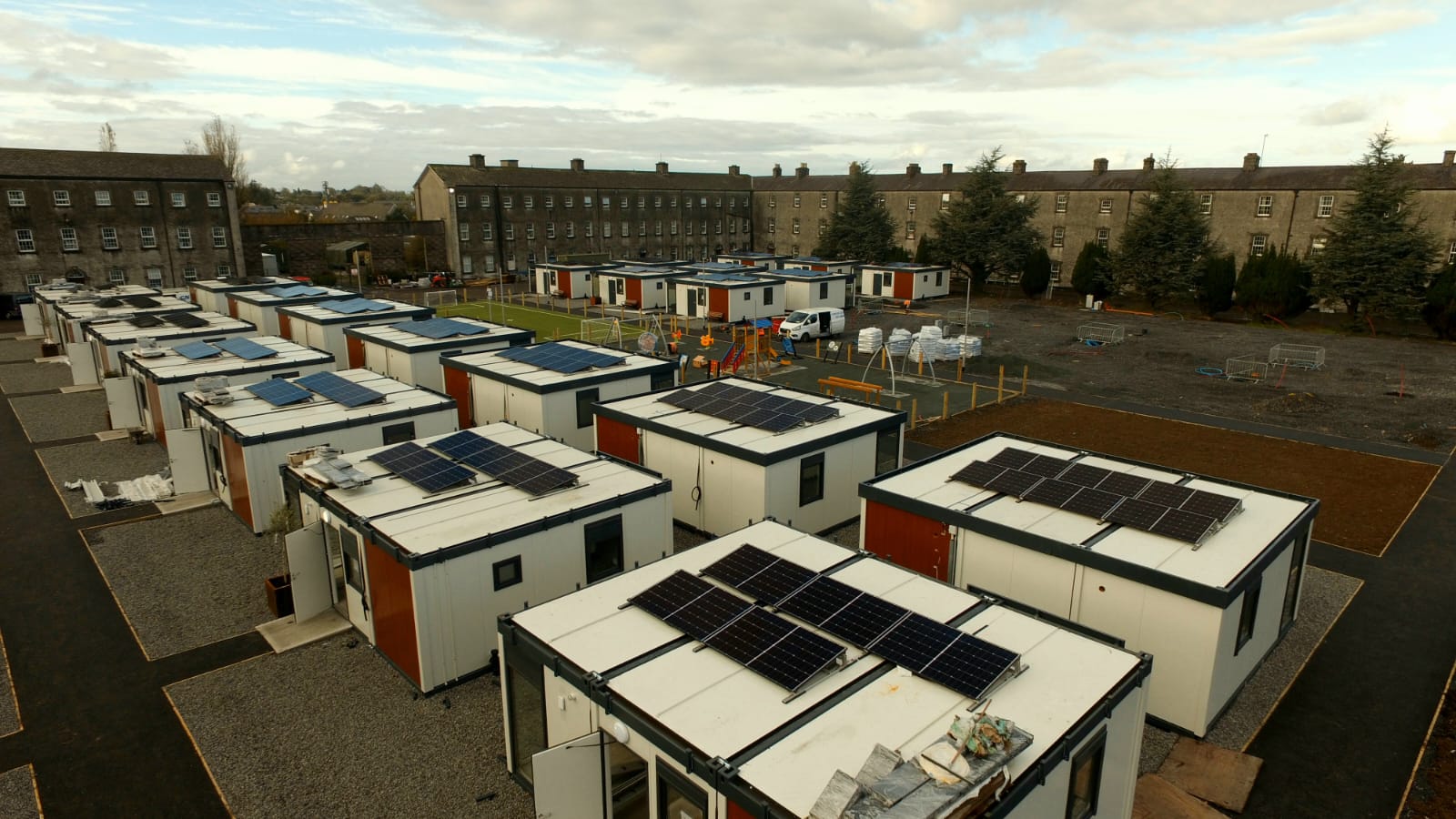
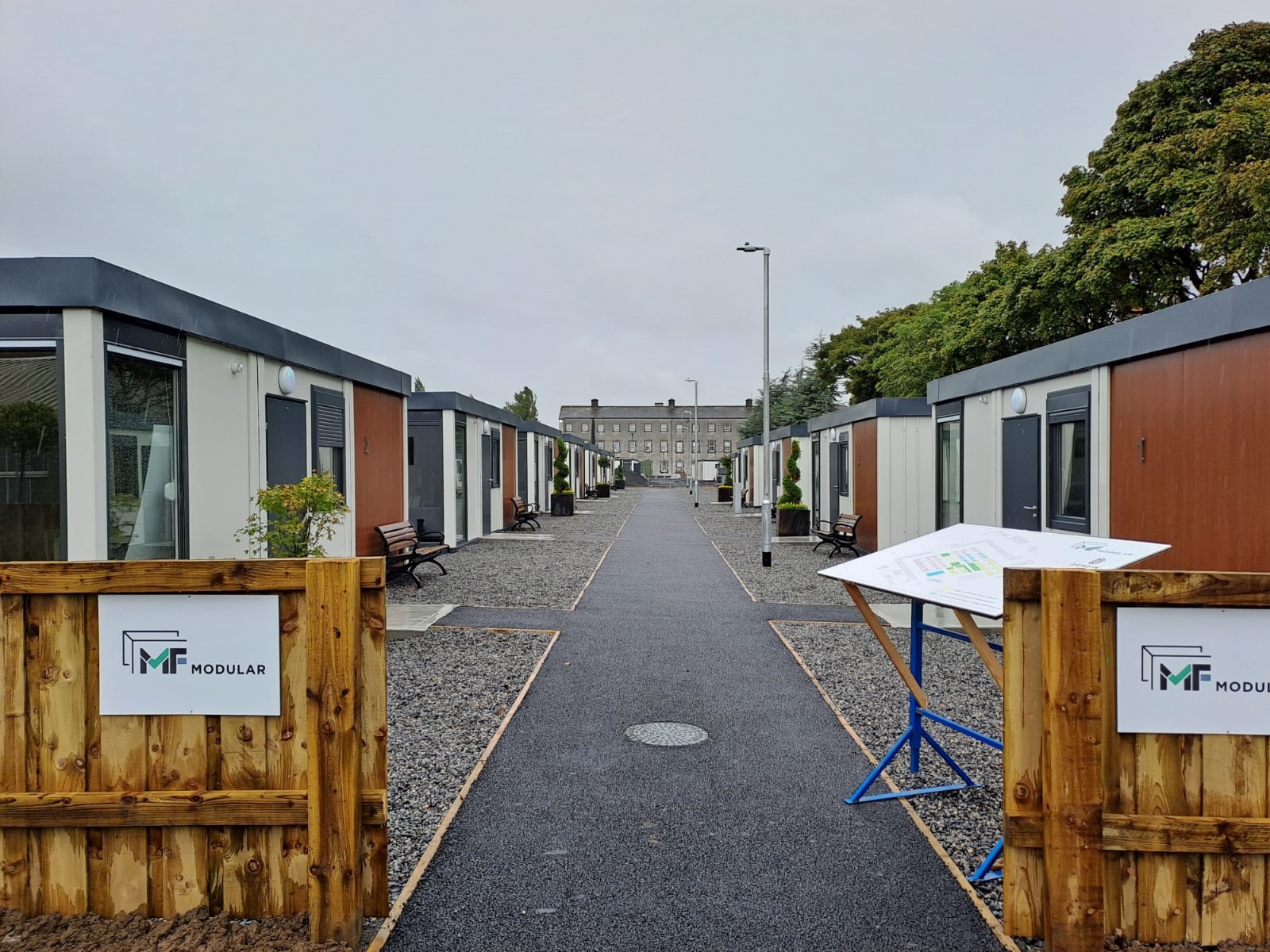
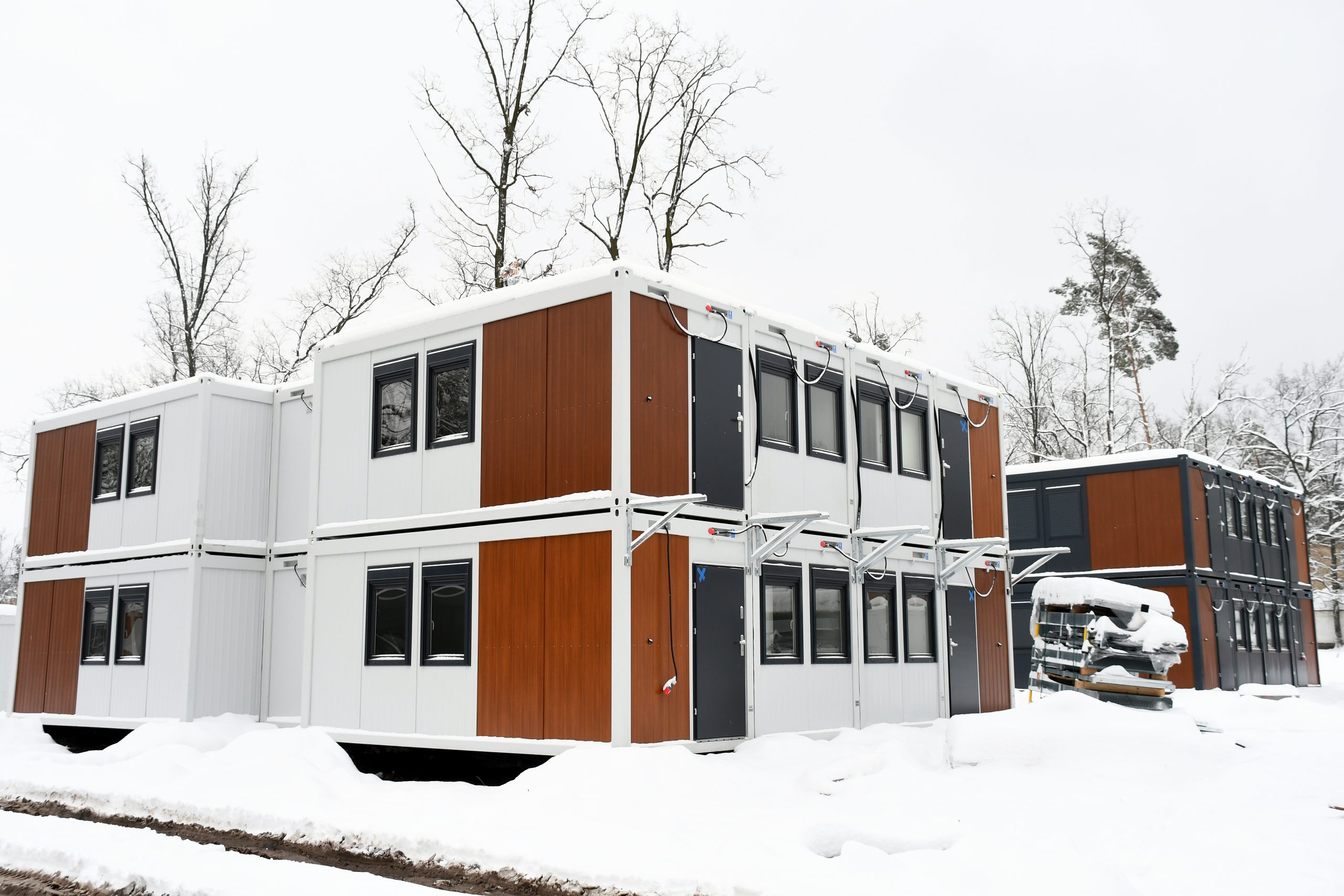
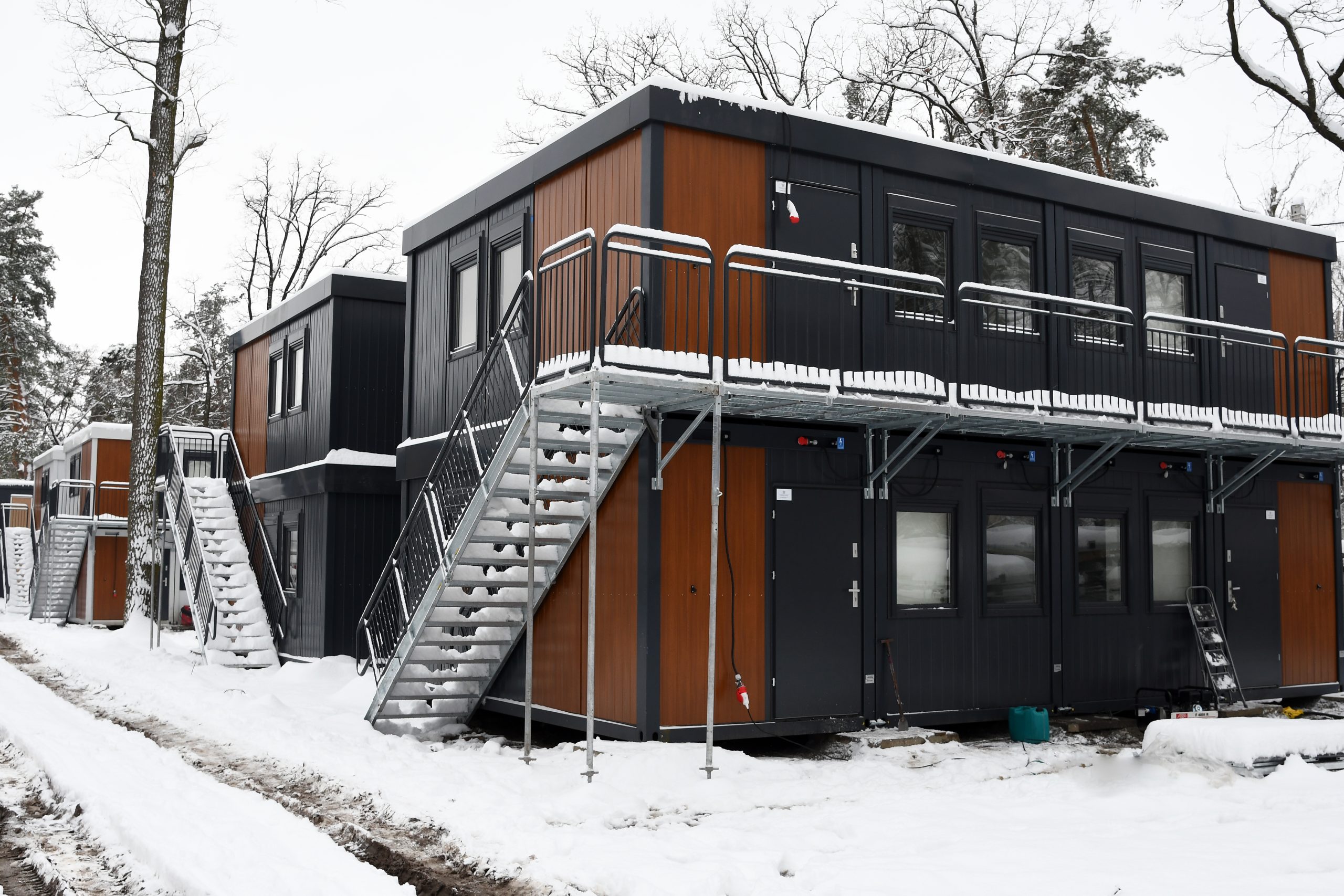
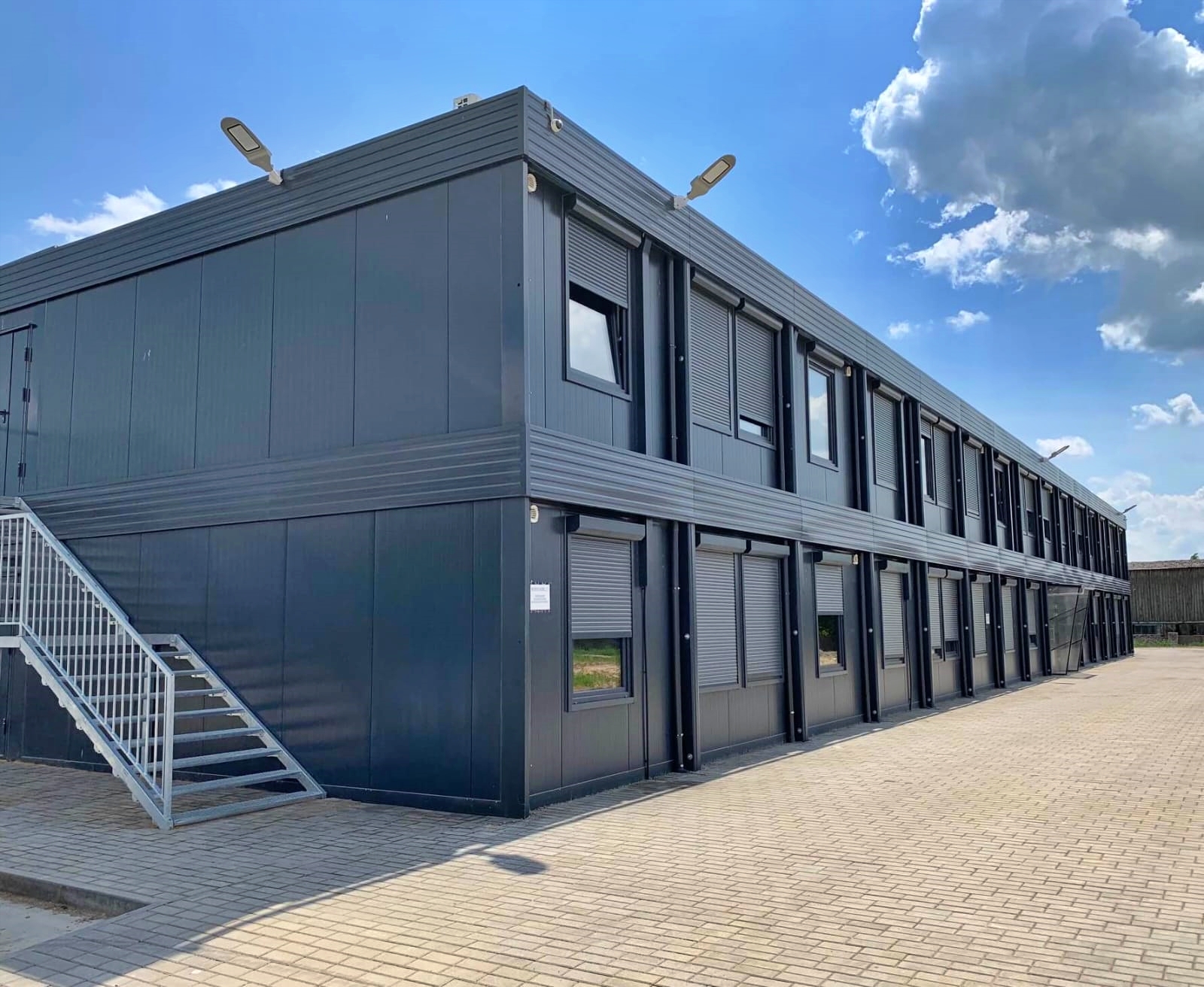
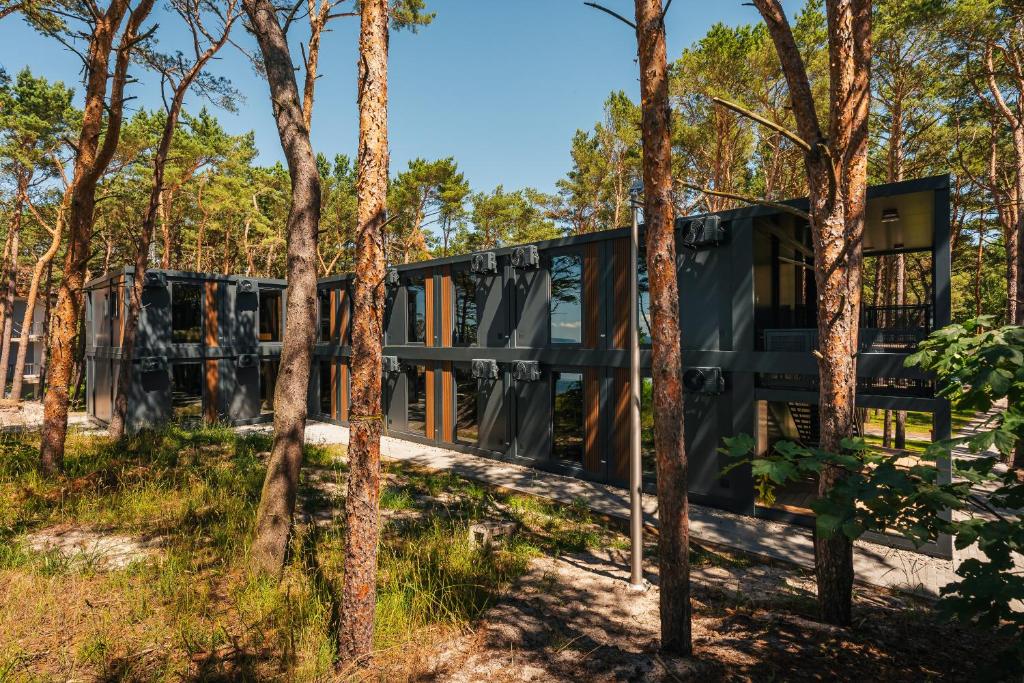
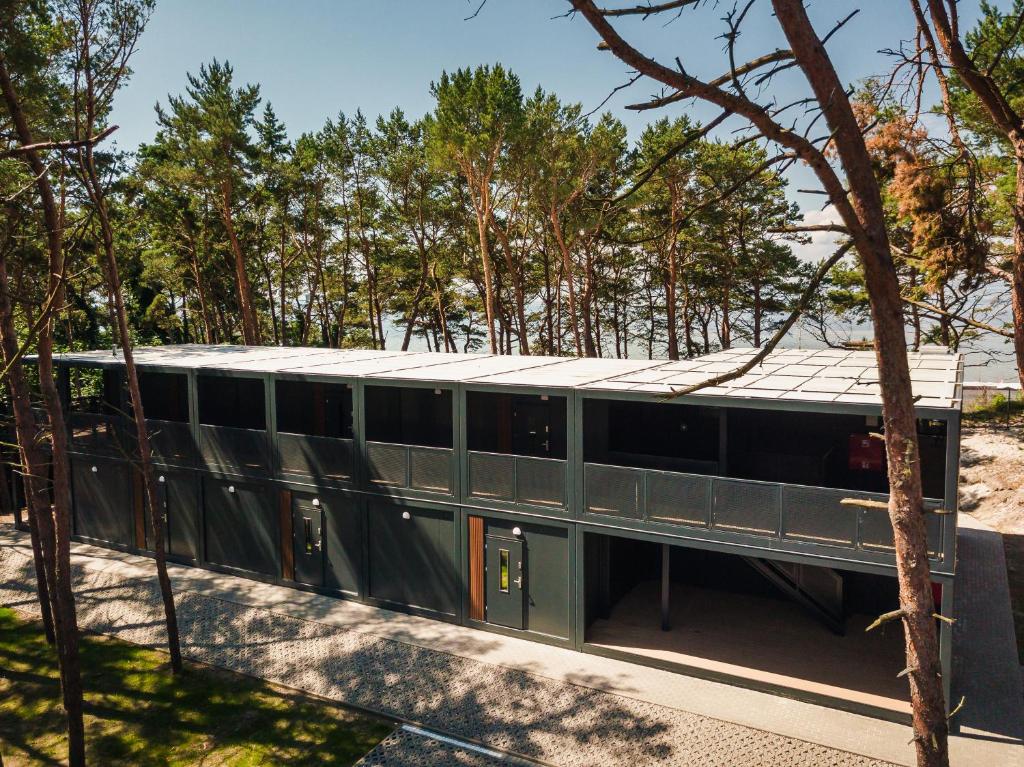
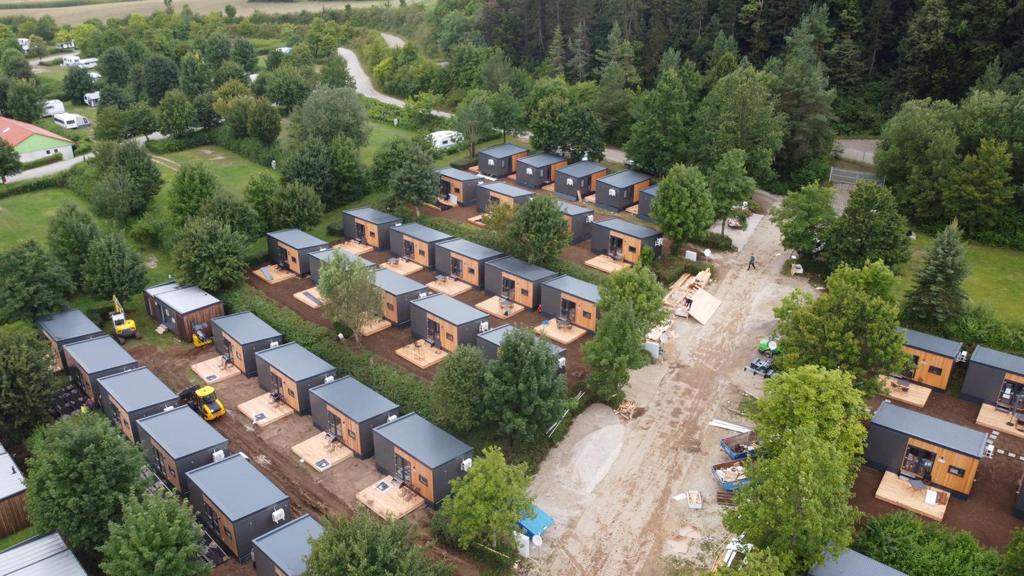
Definition and intent
What modular emergency accommodation actually means in delivery terms
This is not just temporary shelter. It is a rapid residential delivery model used when speed matters, but the accommodation still has to be safe, robust, compliant and suitable for real occupancy.
Emergency accommodation can be used for urgent rehousing, temporary residential provision, welfare-linked occupancy, homeless accommodation pathways, recovery programmes, site-decanted residents, crisis capacity and short-to-medium-term public-sector accommodation demand. The strongest solutions balance urgency with dignity.
Some projects arriving here may actually be closer to modular homes, student accommodation or even modular hotels where the operational model is different. This page exists to classify emergency accommodation correctly before detailed scope and pricing are set.
Page job
Qualify the right emergency accommodation route first, then convert. The page is built to stop urgent projects drifting into the wrong building type or the wrong quality standard.
The best result is not simply “fast units”. It is the right balance of speed, occupancy dignity, compliance and long-term flexibility.
Buyer logic
Why emergency accommodation buyers look at modular first
Emergency projects are usually defined by urgency, public scrutiny, room count, welfare outcomes and a need to avoid poor-quality fallback solutions.
Speed matters
The project usually exists because existing accommodation capacity is already under pressure.
Residential dignity matters
Emergency use does not justify poor-quality rooms or weak living conditions.
Repeatable unit logic
Fast deployment improves when room, bathroom and circulation layouts can repeat cleanly.
Controlled delivery
Urgent projects still need proper governance, not improvised building logic.
Fit analysis
Best-fit emergency accommodation projects
Local authority temporary housing
Strong where rapid occupancy, room count and dignified residential quality all matter at once.
Decant and urgent rehousing
Useful where existing residents need safe accommodation during wider works or displacement events.
Crisis capacity expansion
Best where the authority or provider needs more units quickly without compromising long-term usefulness.
Misfit analysis
Where emergency accommodation is a weaker fit
- ✓Projects where the brief is actually for permanent mainstream housing and not emergency or temporary occupancy.
- ✓Ultra-bespoke residential architecture where repeatability and speed are not central priorities.
- ✓Schemes where the site constraints remain too unresolved to define a workable unit, service and circulation strategy.
Critical delivery rule
If the client only values speed and ignores occupancy dignity, energy strategy, compliance and long-term flexibility, the project can easily drift toward a false economy.
Three-system route
Every emergency accommodation scheme should still be tested against all three KC systems
The right route depends on speed, permanence, unit repetition, welfare requirements, occupancy duration and expected service life.
ISO frame route
Best for rapid deployment, repeatable residential units and urgent accommodation programmes where controlled rollout is the priority.
Fast deploymentRepeatable unitsUrgent capacity
Bespoke steel route
Best where the project needs a more permanent emergency-housing solution or stronger site-specific design response.
PermanentUrban responseLonger service life
Timber frame route
Best where a warmer residential environment, improved wellbeing perception or a more community-led accommodation feel is important.
Residential qualityTimber environmentWellbeing-led
Room and occupancy logic
Emergency accommodation still depends on room logic, welfare logic and occupancy duration
The project is not only about how quickly units can be installed. It is also about how people will live in them, how bathrooms and shared spaces are arranged, how family or individual occupancy is handled, how services are maintained and whether the accommodation remains useful after the emergency phase changes.
That means room count alone is not enough. The stronger emergency accommodation schemes define room type, occupancy model, support-space requirements and service expectations early.
Emergency-housing truth
If the client defines the problem only as “beds needed quickly”, the solution risks becoming too crude. The stronger brief asks how people will actually live there, for how long, and what quality threshold the authority is willing to stand behind publicly.
Quality and resilience
Emergency use should still support dignity, comfort and running-cost control
Emergency accommodation often attracts public scrutiny because buyers fear it will be poor-quality by default. That fear is reasonable if the project is approached as a stopgap box rather than a real residential environment.
The right modular route can improve perceived dignity, thermal performance, ease of maintenance and long-term adaptability. For some clients, upgraded energy systems and solar integration may also support running-cost control and public accountability.
Cost structure
What affects emergency accommodation cost most
The cost discussion should usually start with occupancy type, room mix and expected use duration, not a flat cost-per-square-metre assumption.
| Cost driver | Why it matters | Commercial / operational impact |
|---|---|---|
| Bed count and room type | Single occupancy, family occupancy and support needs all change layout logic | Affects both capital cost and usability |
| Bathroom and kitchen strategy | Shared versus private facilities significantly alter design and welfare quality | Changes dignity threshold and delivery cost |
| Expected service life | Very short-term use is not the same proposition as semi-permanent accommodation | Changes the right system choice |
| Energy and resilience features | Heating, solar, insulation and running-cost strategy affect long-term value | Can materially influence lifecycle cost |
| Site access and servicing | Logistics, utility interfaces and groundwork assumptions affect delivery speed | Can improve or weaken the urgency advantage |
Emergency accommodation should be judged on deployment speed, occupancy suitability, operational resilience and whole-life usefulness — not just the fastest headline cost.
Comparison
Modular emergency accommodation vs improvised temporary solutions
| Question | Modular emergency accommodation | Improvised / poor-fit temporary options |
|---|---|---|
| Occupancy dignity | Can be designed as a real residential environment | Often feels stopgap and operationally weak |
| Delivery speed | Strong where repeatable units and controlled rollout are used properly | May appear fast but often lacks long-term suitability |
| Compliance and robustness | Supports a more proper building-led solution | Can create operational and reputational risk |
| Long-term flexibility | May remain useful for later accommodation strategies | Often difficult to repurpose well |
Next routes→→→
Move to the right next page
If the project is no longer truly emergency-led and is becoming more permanent housing, move into modular homes. If the accommodation is more operator-led and rooming-house-like, compare with student accommodation or modular hotels. If the system route itself is still not fixed, use which modular system to choose and modular vs prefabricated.
Modular homes
Use this if the scheme is becoming longer-term mainstream housing rather than emergency provision.
Student accommodation
Use this if the occupancy model is becoming more managed, room-led and operator-focused.
Modular hotels
Useful when the project starts behaving more like serviced accommodation than emergency housing.
Trust layer
Why this page should convert serious emergency accommodation enquiries
Urgency with control
The page is built to align rapid delivery with proper accommodation quality, not false urgency alone.
Manufacturing route
Internal routes support deeper trust through manufacturing, certifications and warranty pages.
Public-sector language
The content is written for accountable buyers, not generic promotional traffic.
Whole-life thinking
The solution is framed around occupancy, resilience and later adaptability, not just installation speed.
ISO 9001Manufacturing processWarranty routePublic-sector suitability
Authority references
Useful external references for compliance and planning context
Emergency accommodation projects still need the right regulatory and planning pathways. Useful starting points include the Approved Documents collection and the Planning Portal. Those do not replace project-specific advice, but they help frame the wider context around the building route.
Objections
The main concerns emergency accommodation buyers usually raise
“Will it feel too temporary?”
That depends on the route chosen. A proper modular residential solution can feel far stronger than many improvised stopgap options.
“Can it still be dignified?”
Yes. Quality thresholds in layout, finish, thermal comfort and privacy can be defined early and protected.
“What happens after the urgent phase?”
That is exactly why flexibility and longer-term usefulness should be part of the brief from day one.
Need the right emergency accommodation route first time?
Ask KC to review the emergency accommodation brief before speed, quality and occupancy assumptions drift apart
Send the target unit count, room mix, expected occupancy duration, site location, utility assumptions and any drawings or site constraints you already have. The first objective is to qualify the right emergency accommodation solution before detailed pricing is fixed.
Rapid housing deliveryDignified temporary accommodationPublic-sector logicFlexible future use
Scope boundary
What this page assumes about KC’s role
KC Cabins Solutions Ltd / KC Modular Buildings normally acts as the modular building supplier and installation contractor only, not the overall main contractor, unless explicitly agreed otherwise. Groundworks, utilities, wider external works, drainage, site preparation, M&E coordination, health and safety responsibilities, RAMS, planning management and Building Control coordination usually sit outside KC’s default quoted scope unless specifically included.