Do Modular Offices Get Hot? Heatwave Office Guide UKSkip to content
Heatwave readiness guide
Is Your Modular Office Ready for the Next UK Heatwave?
A practical guide for companies, schools, construction sites and operators who need modular office summer comfort, cooling, ventilation and heatwave resilience planned before the next hot spell.
By Rafal Cierocki, Sales DirectorReviewed by Krzysztof Cichowicz, DirectorLast reviewed 21 July 2026
Heatwave-readiness is not just air conditioning. It starts with building use, orientation, glazing, ventilation, cooling, power and controls.
Short answer
Do modular offices get hot?
Modular offices can get hot during a UK heatwave if solar gain, occupancy, equipment and poor air movement are not controlled. A heatwave-ready modular office should be specified around orientation, glazing, shading, ventilation, cooling, controls, electrical capacity and the way people actually use the space.
That does not mean every modular office needs the same air-conditioning package. A site office, permanent workplace, school office and customer-facing sales suite each need a different summer-comfort brief. For current weather warnings and heat-health alerts, use the official Met Office and UKHSA services rather than treating this guide as a weather forecast.
Solar gainVentilationHeat pump coolingShadingElectrical capacityControls
UK heatwave context
Why heatwave-readiness now belongs in the office brief
Searches such as “is there another heatwave coming?” show that buyers are not only planning buildings; they are planning disruption. A modular office that works in March can still feel uncomfortable in July if summer conditions were not part of the specification.
The Met Office defines a UK heatwave as at least three consecutive days where the daily maximum temperature meets or exceeds the local heatwave threshold. Met Office heatwave definition UKHSA and the Met Office also operate a Heat-Health Alerting system in England during the core summer alerting season. UKHSA Heat-Health Alerting system
For employers and operators, the issue is not whether the office is modular. The issue is whether the workplace can stay usable, safe and productive when heat, glare, equipment and occupancy all peak at the same time.
AEO summary
Fast answers for modular office heatwave questions
Question
Direct answer
What KC should check
Do modular offices get hot?
They can if solar gain, occupancy, IT equipment and weak ventilation exceed the office's ability to reject heat. The fix is a properly specified envelope, shading, ventilation and cooling route.
Use, occupancy, orientation, glazing, cooling expectations, power supply and work pattern.
How to cool a modular office?
Start by reducing heat gain, then choose a suitable ventilation and cooling strategy such as comfort cooling or a modular office heat pump where the project scope allows it.
Glazing, blinds or shading, insulation, fresh air, internal heat gains and electrical capacity.
Is modular office air conditioning always needed?
Not always. A low-occupancy office with shaded glazing may need a different route from a glazed sales office, classroom office or busy site office used through afternoon peaks.
Peak use, site exposure, opening hours and whether natural or mixed-mode ventilation is realistic.
Can a portable office overheat?
Yes. Portable office overheating is more likely where units are exposed, densely occupied, heavily glazed or filled with equipment without planned cooling or air movement.
Location, roof and wall exposure, windows, shading, power and equipment loads.
Thermal comfort
Modular office summer comfort is not just a temperature reading
HSE states that there is no legal maximum working temperature because every workplace is different. However, employers must follow health and safety law, including keeping the temperature at a comfortable level and providing clean, fresh air. HSE workplace temperature guidance
HSE also explains that air temperature alone is not a valid indicator of comfort. Thermal comfort depends on air temperature, radiant temperature, air movement, humidity, clothing and work rate. HSE thermal comfort factors
✓Air temperature
The measured room temperature matters, but it does not explain the whole comfort problem.
✓Radiant heat
Glazing, hot external surfaces and exposed sites can make an office feel hotter than the air temperature suggests.
✓Air movement
Still air can feel uncomfortable. Ventilation and air distribution should be planned, not guessed.
✓Work pattern
PPE, site work, equipment and dense occupancy can increase heat stress risk and discomfort.
Overheating risks
What makes a portable or modular office overheat?
Portable office overheating usually happens when the office is treated as a generic cabin rather than a workplace with a real occupancy pattern. The common risk is not one single design flaw; it is several small heat gains stacking together.
Heatwave pressure point
Why it matters
Design response to consider
Solar gain through glazing
East, west and south-facing glazing can make an office uncomfortable before the outside temperature peaks.
People, laptops, screens, printers and chargers all add heat.
Confirm occupancy and equipment loads before selecting ventilation or cooling.
Low air movement
Stagnant air can feel uncomfortable even when the measured air temperature looks acceptable.
Ventilation strategy, air movement, fan coil positions or controlled opening windows where appropriate.
Undersized cooling
Small comfort-cooling systems can struggle if the office changes use or occupancy later.
Size cooling against realistic summer use and future changes, not the quietest week.
Poor controls
Cooling wastes energy or fails comfort targets if users cannot control it sensibly.
Zoned controls, timers, set-point guidance and commissioning handover.
Exposed site position
Compounds, car parks and roof-level locations can increase radiant heat and heat reflected from hard surfaces.
Site orientation, planting/shading, roof colour, envelope specification and external services planning.
Cooling options
How to cool a modular office without overpromising one solution
Cooling should start with the passive brief. Reduce heat gain first, then decide whether modular office air conditioning, a modular office heat pump, mechanical ventilation, controlled natural ventilation or a mixed route is appropriate. A plug-in unit may cool a corner, but it rarely solves building-wide comfort, condensate, noise, controls or energy use.
Plan fresh air, air movement, extract, secure night purge where appropriate and whether windows can safely be opened.
3. Add active cooling where needed
Confirm heat pump, air conditioning or comfort cooling only after occupancy, equipment and electrical capacity are understood.
UKHSA hot-weather advice for buildings includes actions such as reducing indoor heat production, shading windows, closing windows when outside air is hotter and using cooler outdoor air when available. Those actions do not replace a building-services design, but they show why heatwave comfort needs operational planning as well as equipment selection. GOV.UK hot weather building actions
Route selector
Which modular office route needs which heatwave checks?
Office route
Heatwave-readiness focus
Typical notes
Short-term portable office
Fast comfort strategy without over-specifying a temporary unit.
Check whether hire or purchase scope includes cooling, blinds, electrics and maintenance.
Construction-site office
Durable summer comfort with heavy daily use and safety/welfare planning.
Think about PPE, shift patterns, outdoor heat exposure and rest-space quality.
Permanent modular office
Envelope, services, controls and energy performance as part of the building brief.
Coordinate Part L route, ventilation, heat pumps and SBEM/design evidence if required.
Glazed sales or customer office
Solar gain, glare, brand appearance and thermal comfort together.
Avoid treating full-height glazing as purely aesthetic.
School or education office
Comfort, ventilation and safeguarding of vulnerable users.
Use education-specific guidance where applicable and avoid generic office assumptions.
Two-storey or stacked office
Heat stratification, plant location and distribution between levels.
Plan vertical services, plant access and controls early.
Energy and regulations
Energy-efficient modular office design must still identify the correct regulatory route
An energy-efficient modular office should not be described as heatwave-ready only because it is insulated. Insulation, airtightness, glazing, ventilation, cooling, controls and commissioning all need to work together.
GOV.UK has published Approved Document L 2026, including Volume 2 for buildings other than dwellings. Earlier versions can still apply to projects subject to previous standards, so KC should identify the applicable edition for each project rather than making a blanket “2026 compliant” claim. Approved Document L 2026
Building Regulations approval is also separate from planning permission. A modular office project may need one, both or additional approvals depending on site, use and project scope. GOV.UK Building Regulations approval
Quote readiness
What KC needs before recommending cooling, air conditioning or heat pumps
A useful summer-comfort recommendation needs the workplace brief, not just the floor area. Send these details before asking for modular office air conditioning, a modular office heat pump or a heatwave-ready quote.
Input required
Question to answer
Building use
Is the space a site office, admin suite, classroom office, sales office, welfare office or permanent workplace?
Peak occupancy
How many people use the office during the hottest part of the day?
Glazing and orientation
Which elevations face south, east or west and how much glass is proposed?
Office equipment
What IT, monitors, printers, servers, chargers or production equipment will run inside?
Working hours
Will the office be used early, late, weekends or during heat-health alert periods?
Cooling preference
Is comfort cooling, heat-pump cooling, natural ventilation or mixed-mode operation expected?
Electrical capacity
What incoming electrical supply is available on site?
Shading and blinds
Are external shading, solar-control glazing, blinds or film needed?
Ventilation route
How will fresh air, air movement and extract be provided?
Site exposure
Is the office in a yard, compound, car park, exposed roof area or shaded position?
Future changes
Will the office be extended, relocated or reconfigured later?
Download the heatwave-readiness checklist Use this CSV to gather use, occupancy, glazing, equipment, services and cooling expectations before requesting a quote.
Modular office routes where summer comfort should be briefed early
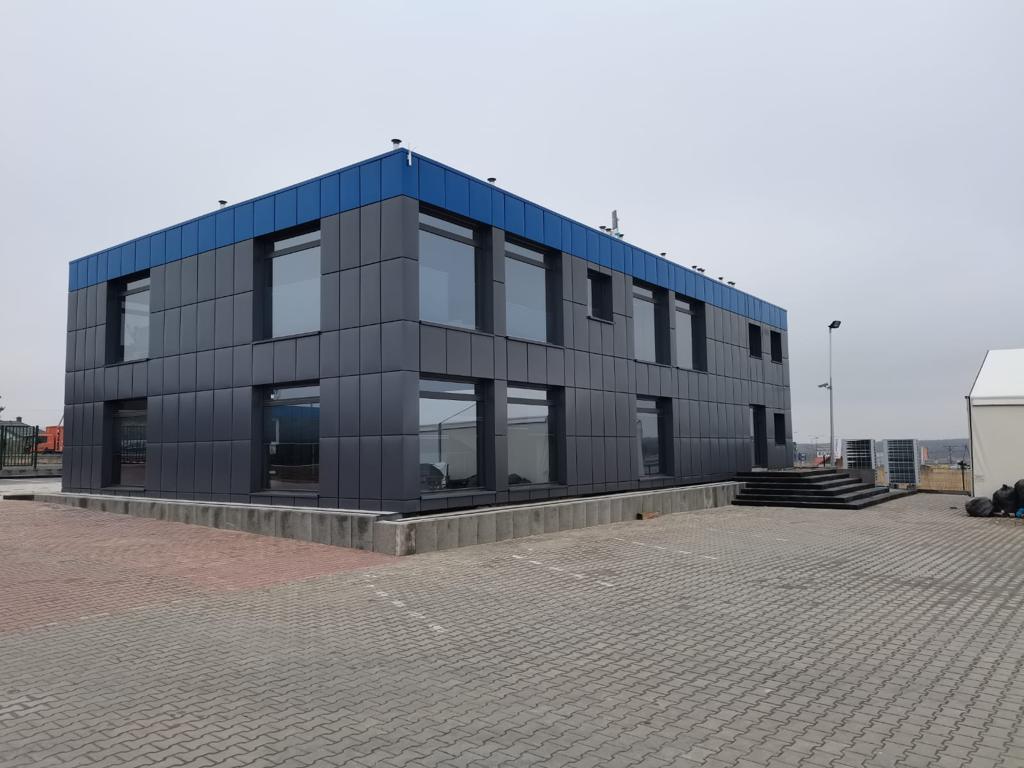
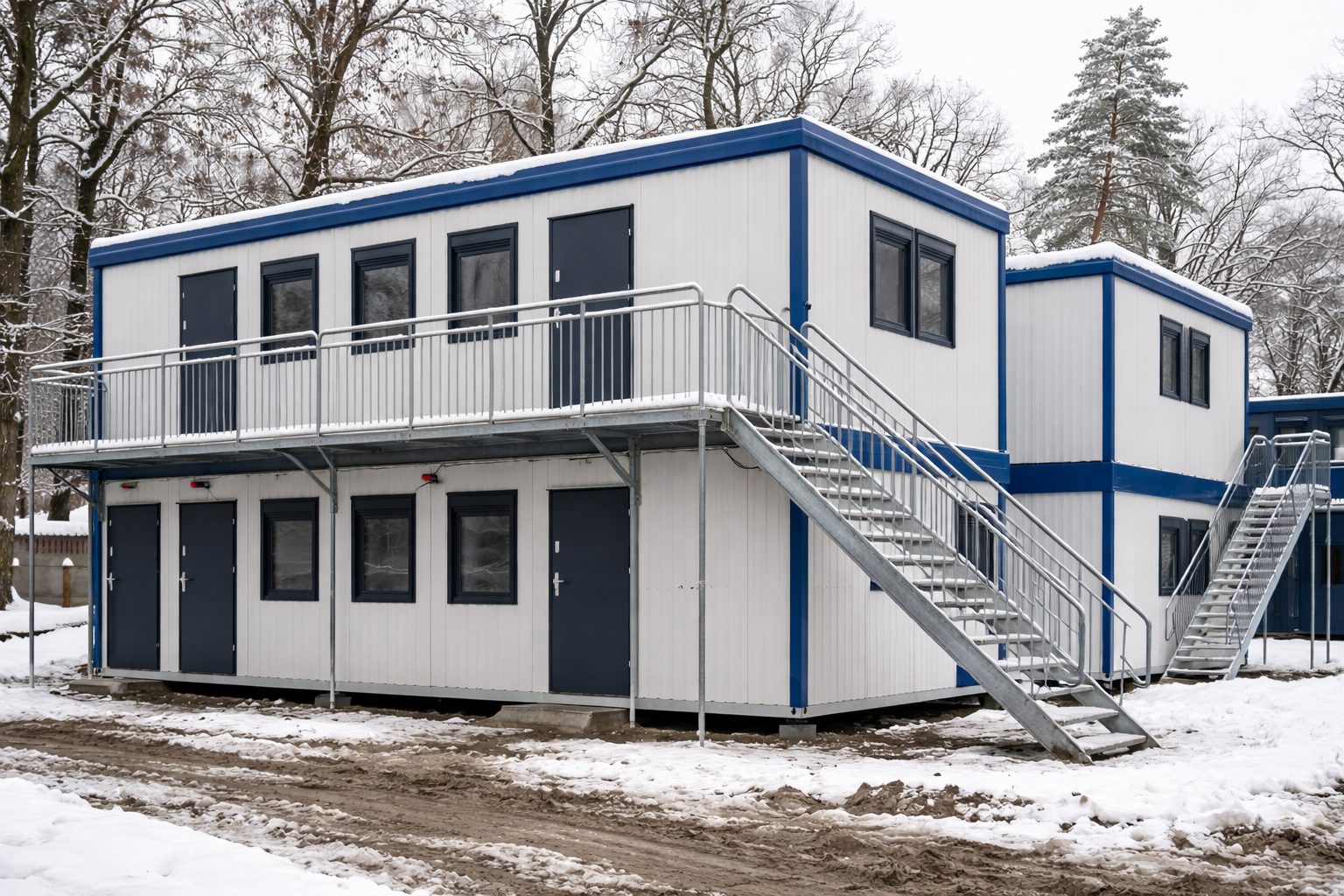
These KC office and ISO frame references show building routes where glazing, orientation, services and occupancy should be considered before manufacture or installation.
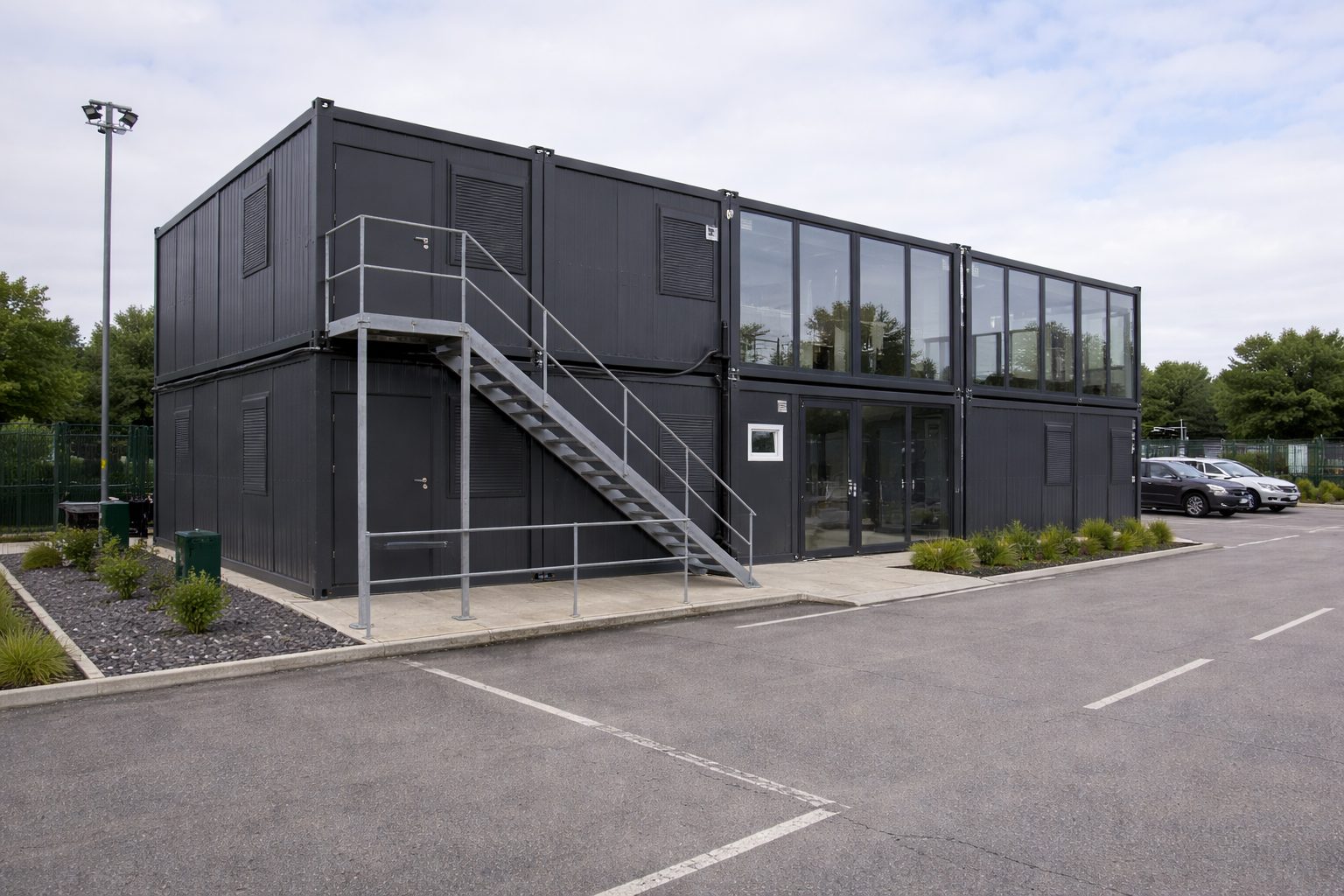
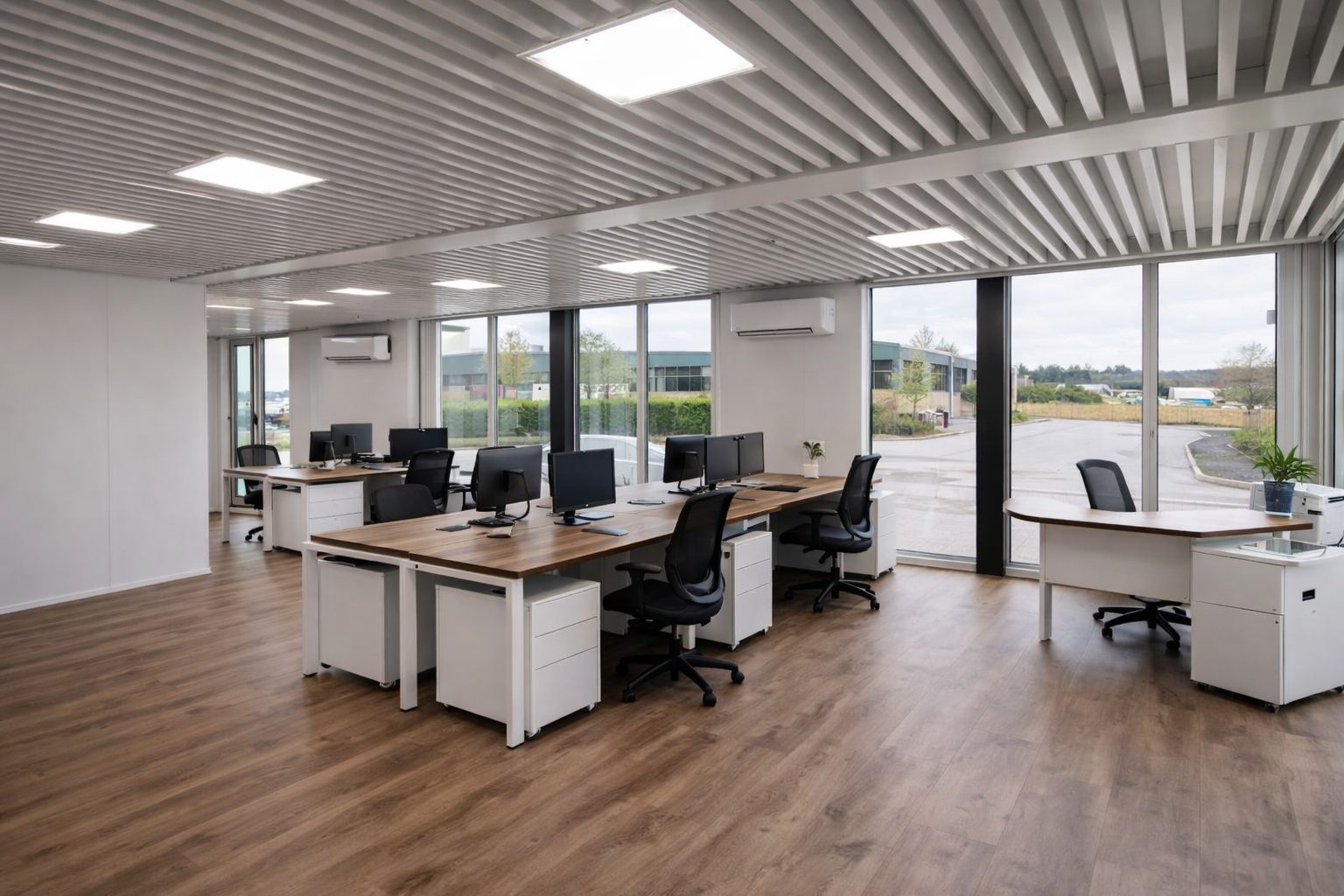
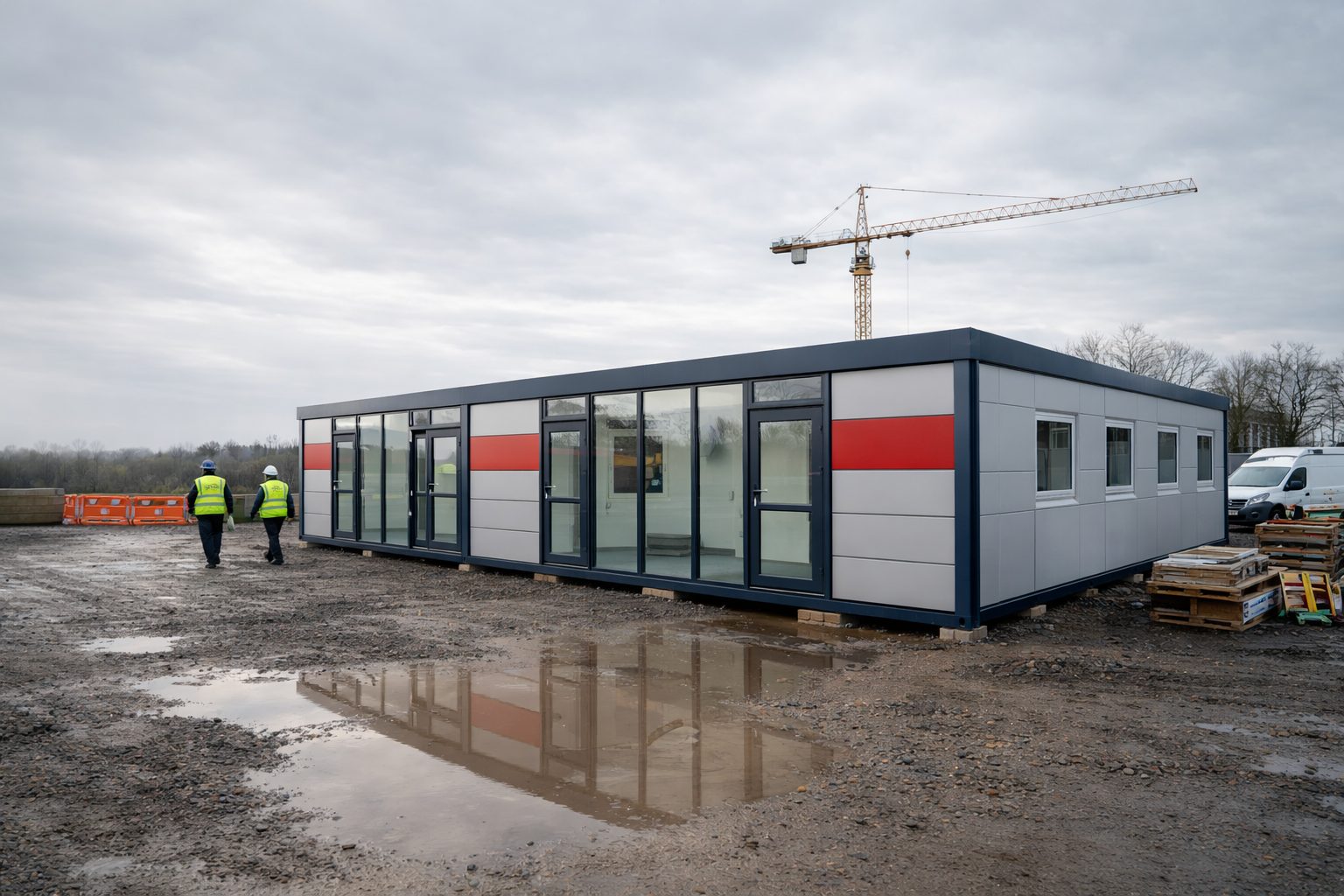
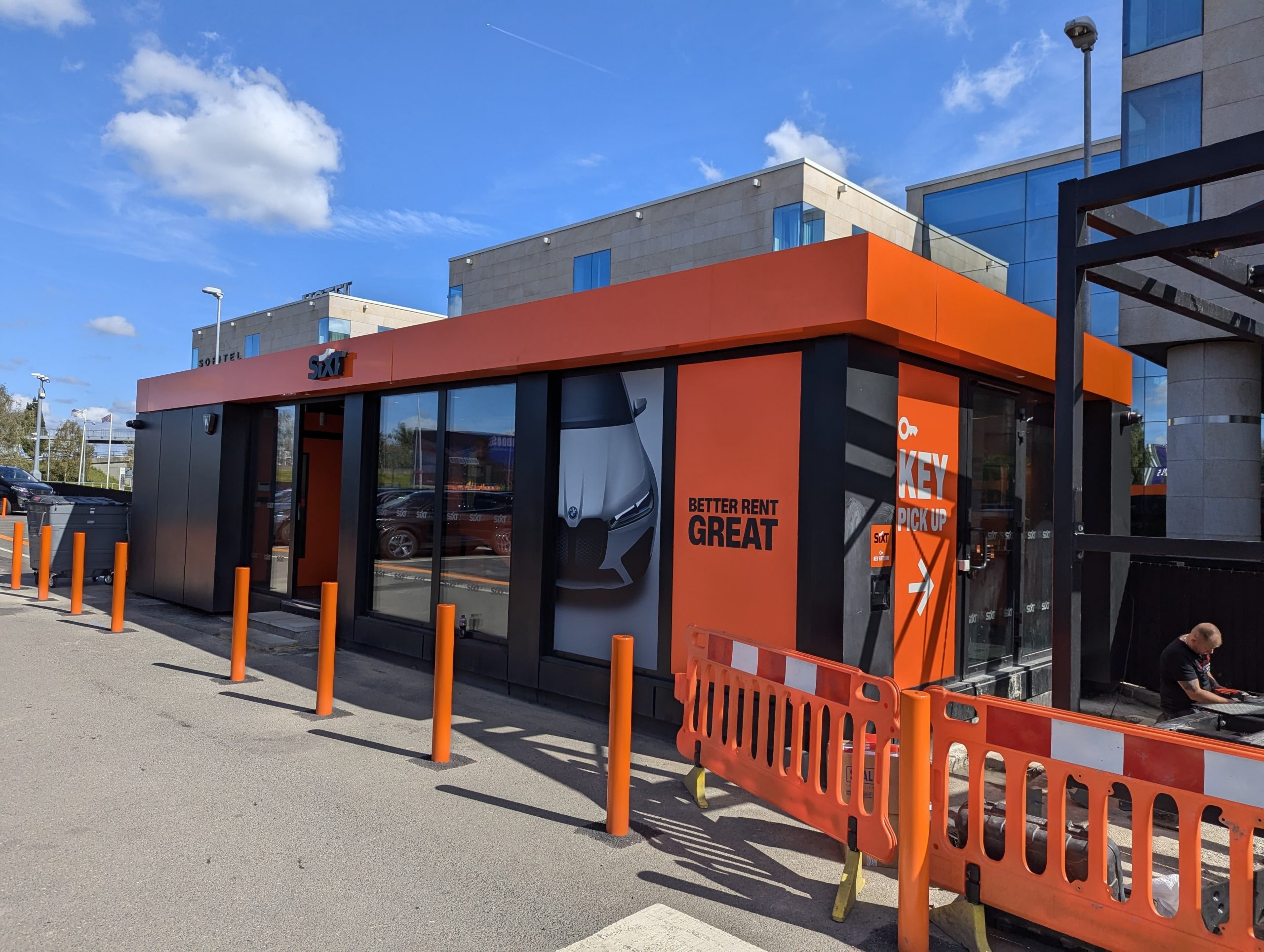
Interior office planningInterior office planning: occupant numbers, equipment gains and air movement affect how the space feels during hot weather.Portable office routePortable office route: temporary use still needs realistic cooling, ventilation, solar-gain and welfare planning.Energy-performance planningEnergy-performance planning: insulation and envelope design must work with ventilation and cooling strategy, not against it.Technical specification mattersTechnical specification matters: heat pumps, ventilation paths, electrical capacity and controls should be considered before manufacture.System choiceSystem choice: the right modular route depends on lifespan, use, occupancy, glazing, cooling needs and future reconfiguration.
Related guides
Where this guide fits in the modular-office cluster
A modular office can get hot if heat gains from sun, people, equipment and site exposure exceed the ventilation and cooling strategy. The building method is not the only issue; orientation, glazing, insulation, cooling, controls and use pattern matter more.
What is the best way to cool a modular office?
The best route is usually to reduce solar gain first, then confirm ventilation, air movement and mechanical cooling if needed. Modular office air conditioning or a modular office heat pump should be sized around actual occupancy, equipment and electrical supply.
Is air conditioning required in every modular office?
No. Some offices can remain comfortable with the right shading, ventilation and lower heat gains. Others need active cooling because they are heavily glazed, densely occupied, exposed or used during the hottest part of the day.
Can portable office overheating be fixed after installation?
Sometimes, but retrofitting cooling, blinds, solar film or ventilation can be more disruptive and less efficient than planning it early. Electrical capacity and plant positions can limit late changes.
Are heat pumps useful for modular offices?
A modular office heat pump can provide heating and cooling where the system is selected, powered and commissioned correctly. It should be treated as part of the services design, not a generic add-on.
Does insulation make a modular office hotter in summer?
Insulation helps slow heat transfer, but it must be paired with ventilation, solar control and sensible cooling. A well-insulated office can still overheat if solar gain and internal heat gains are not managed.
What temperature is too hot to work in an office?
HSE says there is no legal maximum working temperature because workplaces vary. Employers still need to keep the temperature at a comfortable level and provide clean, fresh air.
How can a construction-site office prepare for a heatwave?
Check shading, ventilation, rest areas, drinking water, welfare arrangements, cooling, maintenance access and electrical load before peak summer. Site offices can face additional pressure because staff may move between hot outdoor work and indoor admin areas.
Does Building Regulations approval guarantee summer comfort?
No. Building Regulations, energy performance and workplace comfort are related but not identical. The specific project needs the right edition, appointed design route, cooling strategy and commissioning evidence.
What should KC know before quoting a heatwave-ready office?
KC needs the use, occupancy, location, opening hours, glazing, equipment loads, cooling expectation, electrical supply, services, relocation plans and any Building Control or client-employer requirements.
Next step
Plan the office around the hottest working day, not the easiest day to quote.
Send KC the office use, occupancy, site exposure, glazing, equipment and cooling expectations so the team can recommend a realistic summer-comfort route.
Reviewed by Krzysztof Cichowicz, Director. Last reviewed 21 July 2026. Comfort, cooling, energy and approval requirements should be verified against the agreed project scope, current regulations and appointed design team.