Portable vs Permanent Modular Bars: Hire, Buy or Relocate?
A practical decision guide for portable bar buildings, temporary modular bars, permanent modular bars, modular bar hire UK and relocatable hospitality venues.
By Rafal Cierocki, Sales DirectorPublished 20 July 2026Reviewed by Krzysztof Cichowicz, DirectorReading time: 12 minutes
Can a modular bar be moved, and should you hire or buy?
A portable modular bar can often be relocated, but relocation is a project rather than a simple collection service. Hire is generally more suitable for short or uncertain requirements. Purchase is usually more appropriate where the building will trade for several years, carry a substantial fit-out or form part of a permanent venue.
Portable, temporary and relocatable are physical or commercial descriptions, not automatic planning, licensing or Building Regulations exemptions. The premises still needs the appropriate land-use, alcohol, food, fire and operational approvals for the selected site and use.
Answer-engine summary
Portable bar building, temporary modular bar or permanent modular bar?
Buyer question
Direct answer
What to confirm
Can a modular bar be moved to another site?
Yes, where it is designed for transport and lifting, but each move needs planning, services, logistics and recommissioning checks.
Future move frequency, service disconnection, crane access, foundations, licensing and storage.
Should I hire or buy a modular bar?
Hire can suit short or uncertain use. Purchase can suit long trading periods, stronger brand value and heavier fit-out.
Trading duration, fit-out intensity, future relocation, cashflow and whole-life cost.
Is a temporary modular bar planning-free?
No. Temporary status may affect the planning route, but it does not create a blanket exemption.
Site use, duration, scale, local policy, opening hours, neighbours and landlord consent.
When is a relocatable bar practical?
A relocatable bar is practical when repeated movement is designed into the structure, services, finishes and commercial plan.
Transport route, lifting method, utilities, storage, repairs and approvals at each destination.
Buyer terminology
Portable bar building, modular bar hire UK and hire or buy modular bar routes
Different buyers use different search terms for the same decision. A portable bar building may be hired, purchased or designed as a relocatable bar. A temporary modular bar may suit one trading season, while a permanent modular bar may suit a licensed venue that will trade for years.
Portable bar building
A portable bar building is usually compared when speed, future movement or seasonal trading matters. Portable still needs site-specific approval, service and access checks.
Temporary modular bar
A temporary modular bar is often investigated for events, pop-ups, interim hospitality or seasonal demand. Temporary does not mean planning-free or licence-free.
Permanent modular bar
A permanent modular bar is normally considered when the venue needs a stronger fit-out, customer toilets, brand identity and long-term trading value.
Portable pub building
A portable pub building may still require a full hospitality brief: bar counter, storage, cellar strategy, WCs, fire-risk route, licensing and accessible customer flow.
Modular bar hire UK
Modular bar hire UK is useful where availability, hire term and fit-out scope are confirmed. Do not assume every modular bar design is available for hire.
Pop-up bar building
A pop-up bar building can test demand, support a campaign or serve a seasonal venue, but repeated use should be designed around services, transport and storage.
Relocatable bar
A relocatable bar should be planned for multiple moves if relocation is a core part of the business model, not added as an afterthought.
Hire or buy modular bar
The hire or buy modular bar decision depends on trading duration, fit-out intensity, future relocation, finance route and whole-life cost.
Route selection
Hire, buy or relocate: decision table
Use this table to decide which commercial route to investigate before asking for a price. It does not replace a quote because availability, specification, location and approvals still matter.
Project situation
Route to investigate
Why this route may fit
Single event or short campaign
Temporary hire or event-specific provision
The operator avoids long-term commitment where the bar is tied to one date, launch or campaign.
One or two trading seasons
Hire or hire-to-buy
The venue can test demand before the operator commits to ownership or heavier specification.
Testing demand at a new location
Portable ISO purchase or hire
A repeatable route can support faster deployment while the commercial case is being proven.
Repeated use at several sites
Relocatable building designed for multiple moves
Relocation strategy, lifting points, robust finishes and service disconnection should be designed in from the start.
Permanent licensed venue
Permanent ISO or bespoke purchase
Longer trading periods usually justify stronger fit-out, services, brand and site-integration decisions.
Premium destination venue
Bespoke steel or timber
A stronger architectural or hospitality character can matter more than lowest upfront deployment cost.
Heavy kitchen and extraction package
Usually long-term purchase
A service-heavy fit-out is costly to disconnect, move, recommission and repair repeatedly.
Uncertain future capacity
Expandable modular configuration
An expandable layout helps operators defer commitment while keeping future growth options open.
Core distinction
Portable modular bars vs permanent modular bars
✓Portable bar building
A portable bar building is usually chosen for speed, seasonal trading, a pop-up bar building, testing demand or planned future relocation. It can still require foundations, connections, approvals, servicing and safe customer access.
✓Temporary modular bar
A temporary modular bar can support events, leisure-park seasons, venue decant or short trading windows. Temporary should not be read as planning-free, licence-free or service-free.
✓Permanent modular bar
A permanent modular bar is usually better for a long-term licensed venue, a modular pub building, a clubhouse or a hospitality offer with customer WCs, brand finishes and heavier services.
✓Relocatable bar
A relocatable bar should be designed for repeated movement from the start. The building may be transportable, but the operating model, approvals, services and fit-out determine whether moving it is commercially practical.
Commercial routes
Short-term hire, long-term hire, hire-to-buy, purchase or finance
Modular bar hire UK should only be discussed where a suitable unit and fit-out are genuinely available. A general cabin-hire route is not automatically a hospitality-ready bar route.
Route
Typical fit
What to check before committing
Short-term hire
Events, campaigns, interim hospitality or quick demand tests
Availability, hire term, equipment scope, delivery, damage terms and whether the bar configuration is actually available.
Long-term hire
Seasonal trading, redevelopment decant or uncertain demand
Whether cumulative hire, maintenance and movement costs begin to approach purchase economics.
Hire-to-buy
Projects that may become permanent after proof of demand
End-of-term options, ownership route, VAT, responsibility for repairs, relocation and alterations.
Outright purchase
Long-term venues, heavy fit-out, strong brand identity or planned expansion
Whole-life cost, site works, approvals, maintenance and future adaptation.
Asset finance
Purchased units where capital phasing matters
Finance availability, ownership, accounting treatment and whether the unit specification is finance-suitable.
Relocation reality
Technically relocatable is not the same as commercially practical to relocate
A modular bar may have lifting points and a transportable structure, but every move can still create cost, downtime and approval risk. If the bar is expected to move every season or between venues, design that assumption into the first brief.
Relocation stage
What to plan
Why it matters
Before decommissioning
Stock removal, waste, equipment inventory and protection of finishes
Hospitality equipment and customer-facing finishes are easy to damage if relocation is treated as a simple lift.
Service disconnection
Power, water, drainage, data, extraction and external plant isolation
A relocatable bar still needs safe disconnection by competent trades and later recommissioning.
Transport and cranage
Route survey, lifting strategy, crane position, access width and working hours
The new site may have harder access than the original location.
New site preparation
Foundations, levelling, drainage, incoming power, water and external access
A portable building still needs a suitable receiving site.
Approval checks
Planning, licensing, food registration, fire-risk review and landlord consent
A lawful setup at one location does not automatically transfer to another site.
Recommissioning
Testing, repairs, weathering, certification evidence and operator checks
The venue should not reopen until services, safety and operating controls are confirmed.
System routing
ISO Frame, bespoke steel or timber hospitality route?
The best system depends on trading duration, brand value, fit-out intensity and whether the building is intended to remain fixed, expand or move. KC should route the project before pricing it.
System route
Where it often fits
Important caveat
ISO Frame modular bars
Repeatable portable configurations, expandable venues, seasonal deployments and quicker programmes
ISO Frame can suit portable use, but bar counters, services, fire strategy and licensing still need project-specific design.
Portable and temporary bars still need site-specific approval checks
Do not treat a portable pub building, pop-up bar building or relocatable bar as automatically exempt. Planning, Building Regulations, licensing, food registration and fire-risk duties can still affect the project before trading starts.
Approval or duty
Why it matters for portable modular bars
Official check
Planning permission
A portable, temporary or relocatable bar can still involve development, change of use, external works, signage or site impacts.
GOV.UK planning guidance
Building Regulations approval
A bar may include building work, fixed services, drainage, ventilation, heating, electrical works and accessible customer areas.
GOV.UK Building Regulations approval
Premises licence
Alcohol sales and other licensable activities need the correct premises-licence route.
GOV.UK premises licence
Food-business registration
Food or drink sale, storage, handling, preparation or distribution can trigger registration with the local authority.
GOV.UK food-business registration
Fire-risk assessment
The operator has ongoing responsible-person duties for commercial premises and public-access venues.
GOV.UK workplace fire safety
Planning route
GOV.UK planning guidance explains that planning permission depends on whether the works amount to development and whether permission is granted directly or through permitted-development routes.
GOV.UK workplace fire-safety guidance explains the responsible-person duty to carry out and regularly review a fire-risk assessment for commercial premises.
Quote readiness
What KC needs before recommending hire, buy or relocation
A hire or buy modular bar recommendation is only useful when the commercial use is clear. Send the details below before comparing routes.
Trading duration
One event, one season, several seasons, long-term permanent trading or a staged expansion plan.
Bar and food model
Wet-led bar, packaged snacks, cold food, reheating, commercial kitchen, modular pub or mixed hospitality venue.
Fit-out scope
Counter, back bar, cellar, refrigeration, glasswashers, extraction, seating, toilets, staff areas and storage.
Site and services
Site postcode, access, crane position, foundations, incoming power, drainage, water, data and external plant.
Future movement
Fixed location, one future relocation, repeated seasonal relocation, storage between seasons or resale strategy.
Approval status
Planning, landlord consent, premises licence plan, food registration, fire-risk route and local authority feedback.
Downloadable route checklist Use the CSV checklist to gather hire, purchase, relocation and approval information before requesting a quote.
Portable, permanent and hospitality-led modular bar references
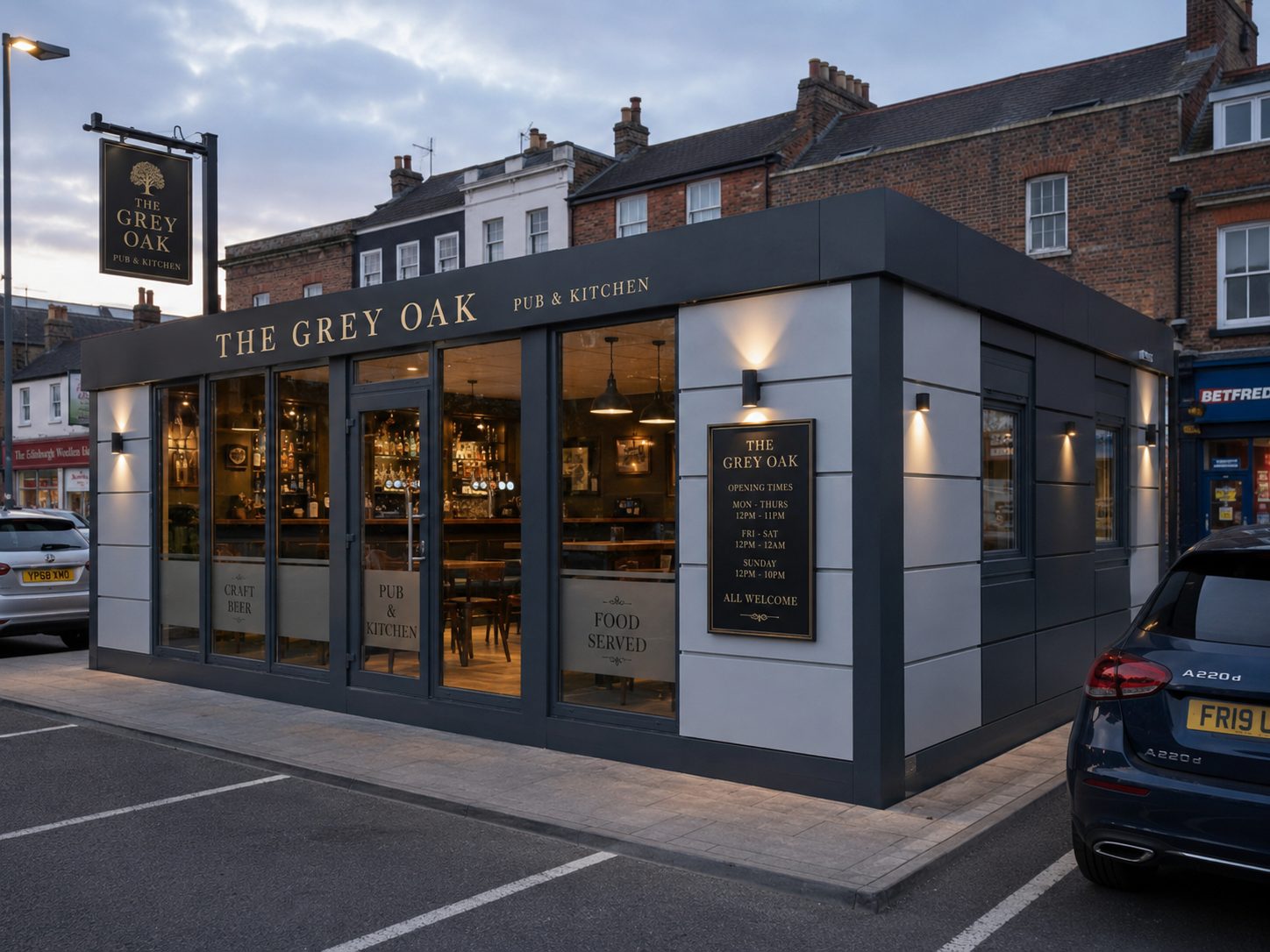
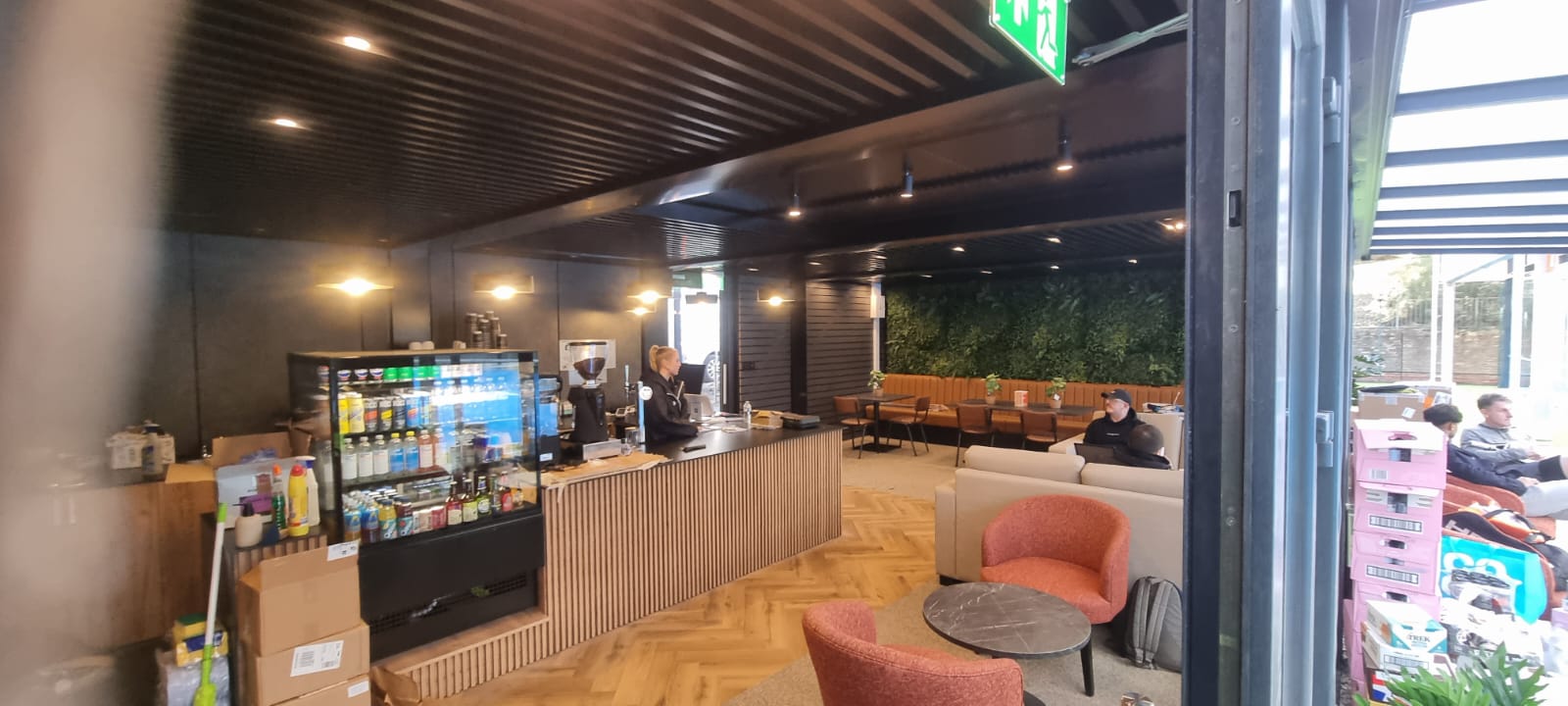
A selection of KC modular hospitality, bar, interior and system references. Captions are planning guidance, not fixed project-scope or pricing claims.
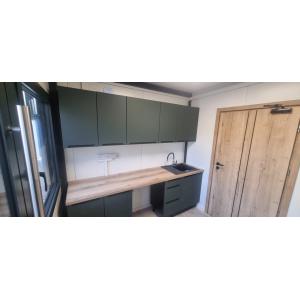
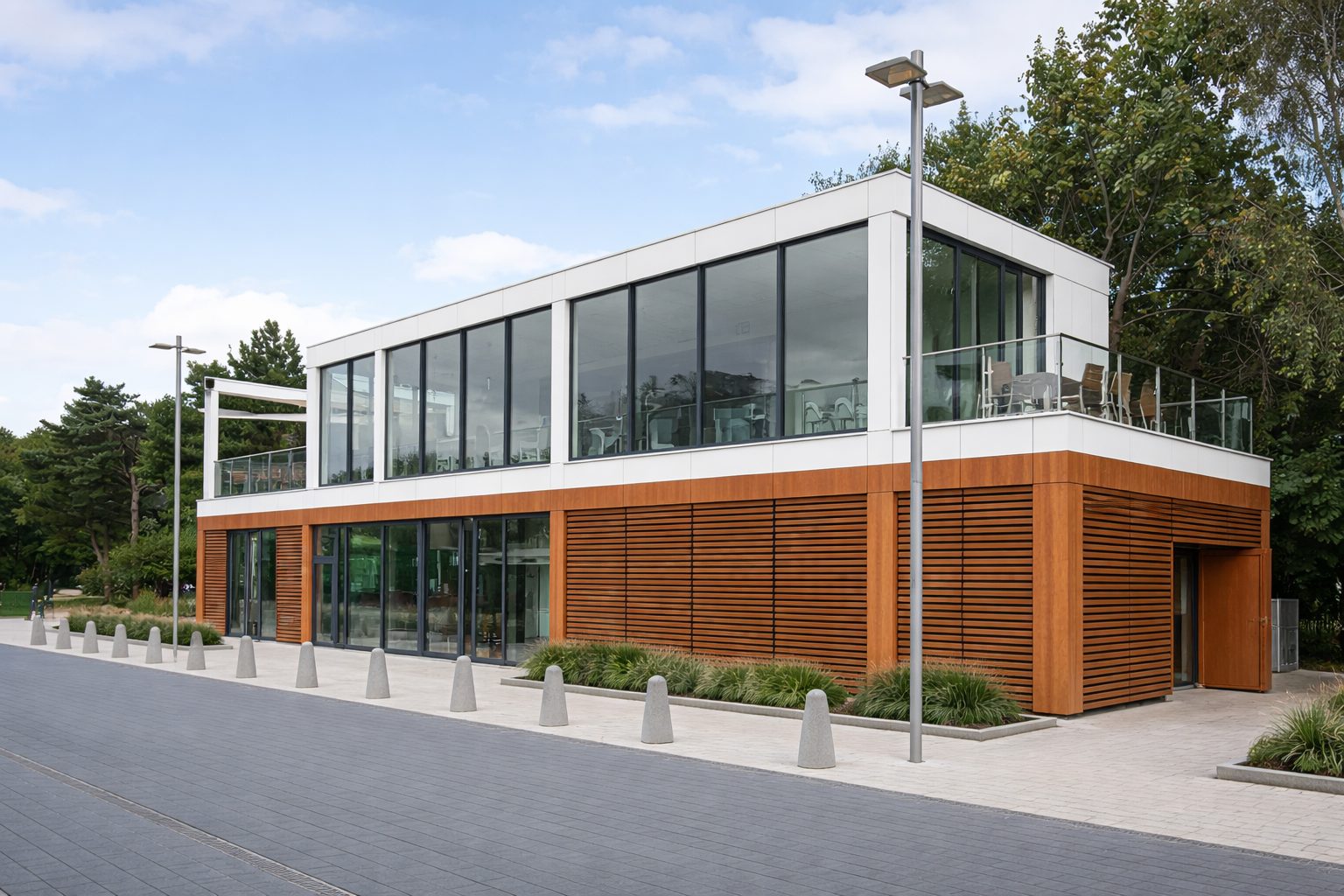
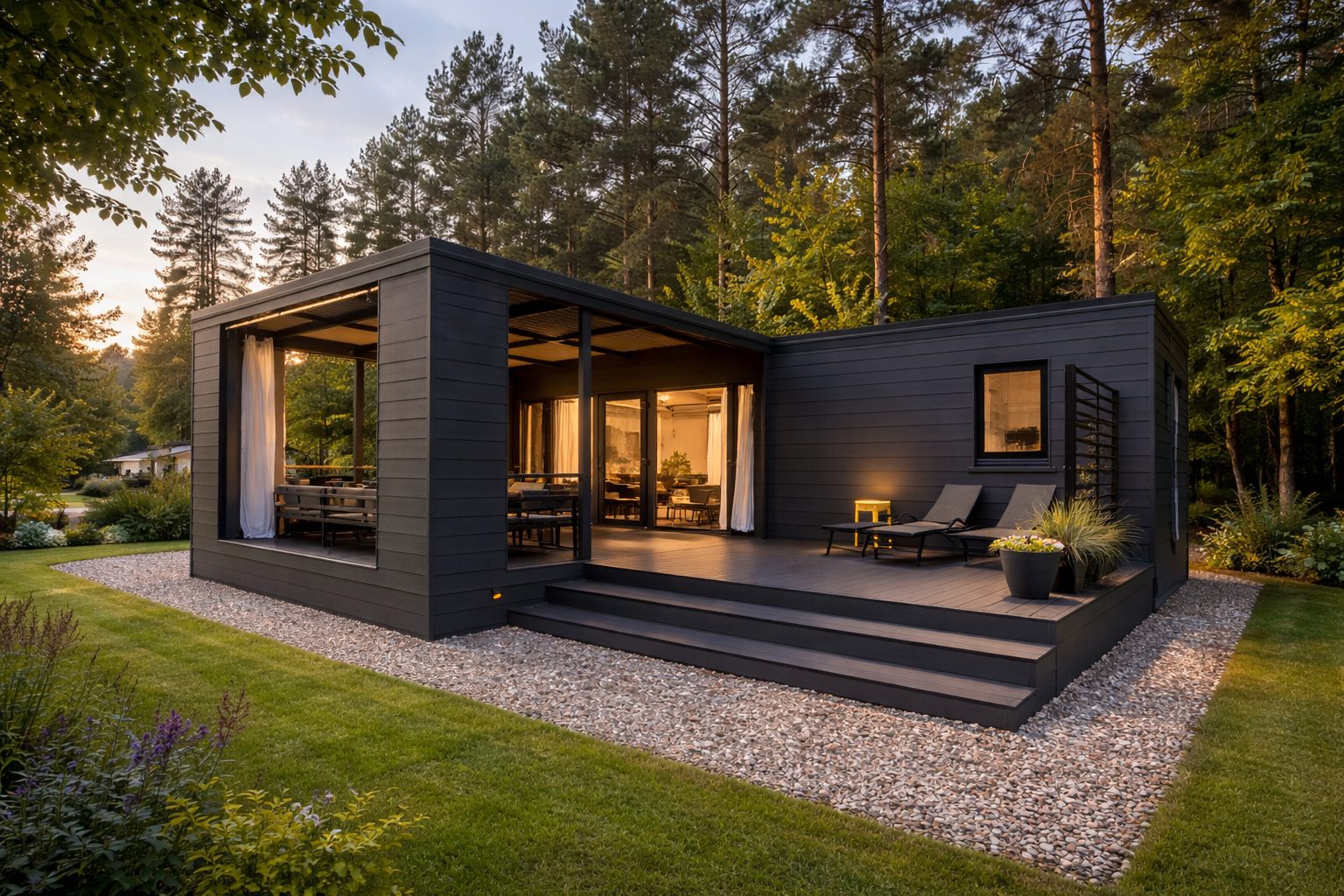
Interior bar fit-out and customer flow referenceInterior modular hospitality reference showing why bar layout, seating, services and finishes affect hire, purchase and relocation decisions.Seasonal hospitality building referenceA compact customer-facing modular hospitality building reference for temporary modular bar and pop-up venue planning.Hospitality interior and circulation referenceHospitality interior reference for seating, queueing, bar service, customer movement and accessible circulation planning.Kitchen and equipment intensity referenceCommercial kitchen reference showing why heavy catering, extraction and equipment can make purchase more practical than short-term hire.ISO Frame route for repeatable modular deploymentISO Frame reference for repeatable portable configurations where expansion, redeployment or quicker installation are important.Timber route for premium hospitality characterTimber modular reference for premium resort, countryside or destination hospitality settings where atmosphere matters.
Portable vs permanent modular bars: common questions
Can a modular bar be moved to another site?
A modular bar can often be moved where it has been designed as a transportable or relocatable building. However, relocation is a project. It can involve decommissioning, service disconnection, transport, cranage, new foundations, utility reconnection, approval checks, recommissioning and repairs.
Should I hire or buy a modular bar?
Hire is usually more suitable for a short, seasonal or uncertain requirement. Buying is usually more appropriate where the bar will trade for several years, carry a substantial fit-out, or become part of a long-term venue strategy.
Is a portable bar building planning-free?
No. Portable, temporary and relocatable are physical or commercial descriptions, not automatic planning or licensing exemptions. The correct planning route depends on the site, use, duration, scale and local authority position.
Can a temporary modular bar include a kitchen?
It can, but a kitchen changes the route. Extraction, power, drainage, fire strategy, hygiene, cleaning and recommissioning make heavy kitchen packages more suitable for longer-term purchase in many cases.
What is a relocatable bar?
A relocatable bar is a modular or portable hospitality building designed with future movement in mind. It should be planned around transport dimensions, lifting strategy, service disconnection, robust finishes and future recommissioning.
Is modular bar hire UK always available?
No. A hire route should only be offered where a suitable unit and fit-out are genuinely available at the time of enquiry. KC should confirm availability, specification, hire term, delivery scope and exclusions before quoting.
Can I use a modular bar for repeated seasonal trading?
Yes, if the building, services and business model are designed for repeated use. Seasonal reuse still needs storage, relocation logistics, maintenance, reconnection and approval checks at each site.
When is a permanent modular bar the better choice?
Permanent purchase is usually stronger when the building supports a licensed venue for several years, carries a substantial bar or kitchen fit-out, needs a branded exterior, or forms part of a destination hospitality site.
Does a modular bar need a premises licence?
If the venue sells alcohol or carries out licensable activities, the operator generally needs the correct premises-licence route. Licensing is separate from the modular building supply.
What should I send KC before asking about hire, buy or relocation?
Send the site postcode, trading period, intended use, bar/kitchen scope, services position, fit-out level, expected future moves, access constraints, approval status and whether the venue is a one-off, seasonal or long-term operation.
External references
Official references for approval and operator duties
These official links support the approval and operator-duty sections. They are not a promise that any planning, licence, Building Control or fire-safety outcome will be granted.
Whether you are exploring a one-season pop-up, a relocatable multi-site bar or a long-term permanent modular pub building, the most useful next step is a short brief covering duration, site, services and fit-out scope.
Reviewed by Krzysztof Cichowicz, Director. Last reviewed 20 July 2026. Route availability, hire terms, licensing assumptions and relocation scope should be verified against current KC information and project details.