
Bar approvals guide
Do Modular Bars Need Planning Permission? Licensing, Fire Safety and Opening Approvals
A practical UK roadmap for modular bar planning permission, portable bar planning permission, temporary bar licence checks, Building Regulations, fire safety, food registration and opening approvals.
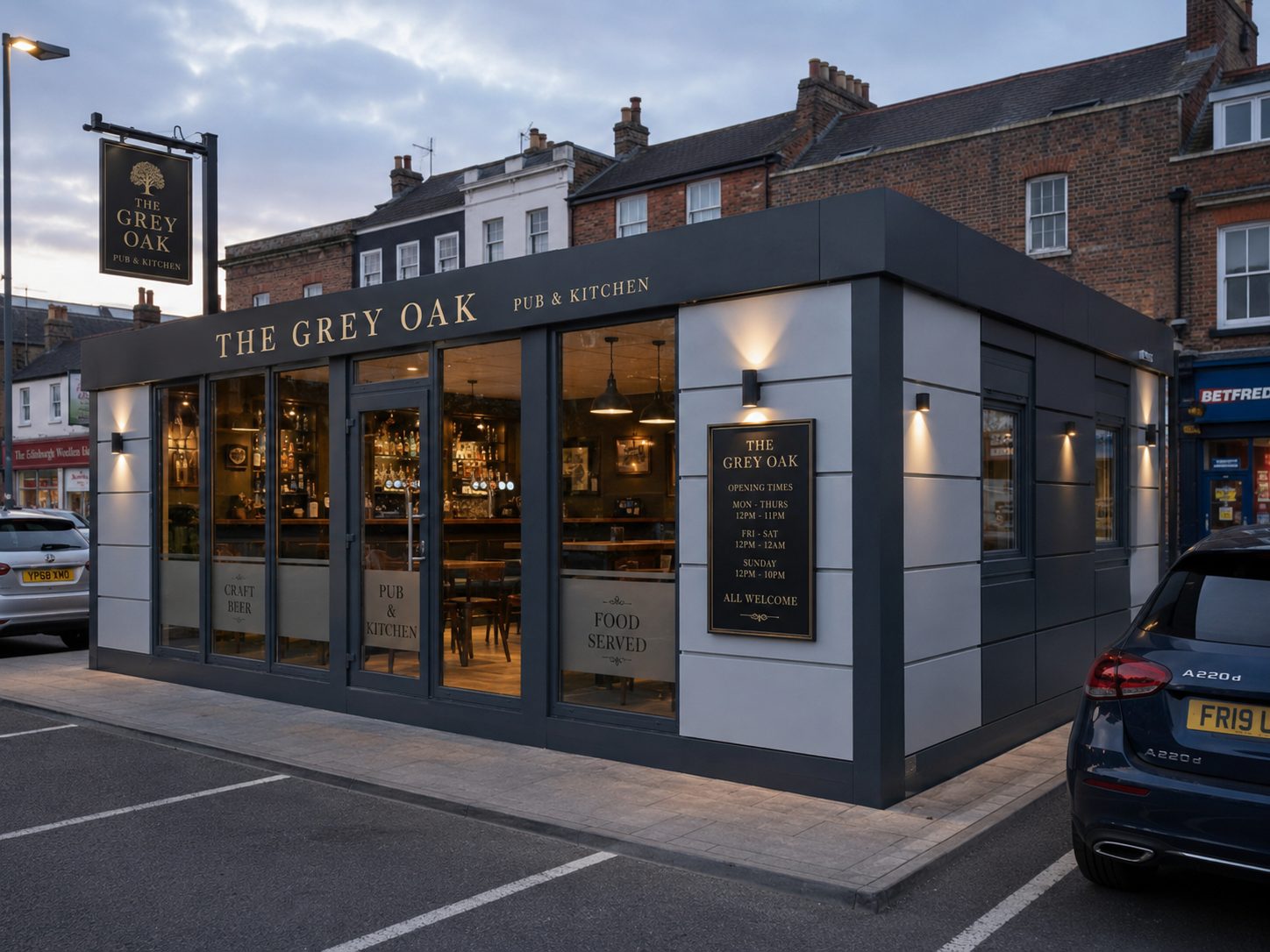
A modular or portable bar may require planning permission, Building Regulations approval, an alcohol premises licence or Temporary Event Notice, a fire risk assessment and food-business registration. Calling the building portable or temporary does not create a blanket exemption from those requirements.
The correct route depends on the site, use, duration, building work, occupancy, layout, customer capacity, food offer, alcohol sales, opening hours and the position taken by the relevant local authority. Planning permission, Building Regulations, licensing, food registration and fire-safety duties must be checked as separate workstreams.
Legal and standards references checked: 21 July 2026. This page is a decision framework, not legal advice. The appointed operator, planning adviser, licensing adviser, fire-risk assessor and Building Control route must be confirmed for the specific project.
Start by confirming which nation and authority controls the bar
This is a UK-facing guide, but licensing, planning, food-registration and fire-safety rules differ across England, Wales, Scotland and Northern Ireland. Statements about Temporary Event Notices and premises licences on this page refer mainly to England and Wales unless stated otherwise.
England and Wales
Use the local planning authority, Building Control route, local licensing authority and food-registration route relevant to the site.
Scotland
Alcohol licensing and food-business registration follow separate Scottish routes. The operator should confirm the correct local authority process.
Northern Ireland
Planning, building-control and licensing procedures are not identical to England and Wales. Confirm local statutory requirements before trading.
Approval matrix for opening a modular bar in the UK
A safe opening plan should split the job into separate approvals. A bar can be physically complete but still unable to trade if the land use, alcohol sales, food operation or fire-safety duties are unresolved.
| Workstream | What it controls | Main decision-maker |
|---|---|---|
| Planning permission | Building, land use, appearance, siting, opening impacts and change of use | Local planning authority |
| Building Regulations | Structure, fire, ventilation, energy, drainage and accessibility | Building Control |
| Premises licence | Alcohol, certain entertainment and late-night refreshment | Local licensing authority |
| Temporary Event Notice | Limited temporary licensable activity at unlicensed premises in England and Wales | Local licensing authority |
| Fire risk assessment | Safe operation, evacuation and ongoing fire precautions | Responsible person |
| Food-business registration | Food preparation, storage, service and hygiene oversight | Local authority |
| Landowner or lease consent | Legal right to install and operate the venue | Owner, landlord or estate manager |
| Other local permissions | Signage, outdoor furniture, highways, noise or public land | Relevant authority |
GOV.UK states that Building Regulations approval is different from planning permission and that a project may need both. Planning Portal also explains that planning and Building Regulations approval are separate regimes.
Modular bar planning permission: what the local authority usually needs to understand
Planning permission for a modular bar is not decided by the building method alone. The planning question is whether the proposal involves development, a material change of use, unacceptable site impacts or a breach of existing conditions. GOV.UK explains that a material change of use can require planning permission, and mixed uses or sui generis uses can need local consideration.
For England, official GOV.UK guidance on premises that supply alcohol notes that cafes and restaurants fall within Class E, while pubs and drinking establishments are sui generis. That distinction matters for modular pub planning, cafe-bar projects and mixed food-and-drink concepts.
| Planning factor | Question to answer |
|---|---|
| Existing authorised site use | Confirm whether the land is already authorised for bar, pub, cafe, restaurant, leisure, retail, event or mixed use. |
| Proposed use | Identify whether the unit is a wet-led bar, pub, cafe-bar, food-led venue, pop-up event bar or mixed hospitality use. |
| Temporary or permanent duration | State the intended installation period, operating season and removal or reinstatement plan. |
| Opening hours and customer numbers | Explain peak occupancy, late opening, amplified music, terrace use and servicing times. |
| Parking, traffic and servicing | Map deliveries, refuse collection, customer parking, staff parking, turning and emergency access. |
| Noise, lighting and signage | Assess external lighting, illuminated signs, music, extraction noise and nearby homes. |
| External extraction and plant | Show where vents, condensers, extraction cowls and kitchen equipment discharge or sit externally. |
| Conservation, heritage and landscape | Check conservation areas, listed buildings, National Landscapes, Green Belt and local design controls. |
| Drainage, ecology and flood risk | Confirm foul drainage, surface water, grease management, flood zone and ecology constraints. |
| Existing conditions and consents | Review current planning conditions, lease restrictions, estate rules and event-site controls. |
Do not rely on the 28-day idea as a bar-opening shortcut. Temporary-use rules have limits and do not replace alcohol licensing, food registration, fire-safety duties, landowner consent, Building Regulations or local conditions. A temporary modular bar can still need specific approvals.
Premises licence for portable bar use and Temporary Event Notice bar limits
In England and Wales, GOV.UK states that businesses carrying out licensable activities on a permanent basis must have a premises licence from the local authority. Licensable activities include the sale or supply of alcohol, regulated entertainment and late-night refreshment.
A Temporary Event Notice can be relevant for defined temporary activity at unlicensed premises. GOV.UK says a Temporary Event Notice is needed for licensable activity at unlicensed premises, and its restrictions include fewer than 500 people at all times, including staff, and no more than 168 hours.
A TEN is not
- Planning permission.
- Landowner consent.
- Building approval.
- Food-business registration.
- A fire-risk assessment.
- Approval for every event activity.
A premises licence may need to cover
- Alcohol sales.
- Regulated entertainment.
- Late-night refreshment.
- Opening hours.
- Operating schedule commitments.
- Site-specific licensing conditions.
Last legally reviewed: 21 July 2026. Licensing limits and local procedures can change. Always check the current process with the local licensing authority before committing to an opening date.
Modular bar Building Regulations matrix
Approved Documents provide guidance on ways to meet Building Regulations. They are not universal product certificates and they do not prove that every bar configuration is automatically compliant. The selected system, fit-out, services, occupancy and approval route must be checked against the agreed project brief.
| Area | Typical modular bar issue |
|---|---|
| Part A | Structure, imposed loads, glazing support, roof loads, kitchen equipment loads and anchoring strategy. |
| Part B | Escape, alarms, fire spread, fire resistance, travel distances, doors, compartmentation and emergency planning interface. |
| Part F | Ventilation, indoor air quality, kitchen extract coordination and replacement air where food service is included. |
| Part G | Sanitary provision, hot-water systems and hygiene facilities where WCs, handwashing or catering facilities are included. |
| Part H | Foul drainage, surface water, grease management and waste-water routes. |
| Part K | Stairs, ramps, guarding, impact safety, access steps and safety glazing. |
| Part L | Energy performance, envelope, glazing, HVAC, lighting, services and the applicable regulatory edition. |
| Part M | Access, entrance thresholds, circulation, accessible customer facilities and inclusive use. |
Part L must be handled by regulatory edition and project timing. GOV.UK published Approved Document L 2026, while the Future Homes and Buildings Standards circular states that the principal regulations come into force on 24 March 2027, subject to transitional provisions. Do not advertise loose “2026 compliant” or “Part L 2021” language without checking the project’s applicable route.
Bar fire regulations: construction fire strategy and operating fire-risk duties are different
A modular bar has two related but distinct fire-safety workstreams. The building design may need Part B fire strategy, alarms, escape, fire spread and compartmentation evidence. Separately, the operator or responsible person must manage the occupied venue safely once it is trading.
GOV.UK says the responsible person for business or public-access premises must carry out and regularly review a fire risk assessment. GOV.UK’s fire-risk-assessment guidance also lists issues such as emergency routes, fire detection, firefighting equipment, vulnerable users, staff training and emergency planning.
Construction-stage fire scope
- Part B strategy.
- Escape and travel distances.
- Alarm and detection strategy.
- Door and panel specification.
- Fire spread and separation.
- Commissioning records where included.
Operating fire-safety scope
- Fire risk assessment.
- Staff training.
- Emergency plan.
- Opening-hour controls.
- Furniture and occupancy management.
- Review after layout or use changes.
Food-business registration for opening a modular bar UK venue
Where food or drink is sold, stored, handled, prepared or distributed, the operator should check food-business registration. GOV.UK’s food-business registration guidance says registration applies to all types of businesses who sell food and drink, including mobile units and temporary premises. For England, Wales and Northern Ireland, the guidance says registration is generally required at least 28 days before trading, while Scotland has a separate route.
A modular building does not automatically satisfy food-registration or food-hygiene duties. A fitted unit still needs the right operating model, hygiene zoning, handwashing, storage, waste, cleaning, staff practices and inspections for the intended food or drink offer.
Modular bar planning permission, licensing and opening approval questions
Use these short definitions to brief KC and any appointed planning or licensing adviser before design is frozen.
Modular bar planning permission
Modular bar planning permission depends on the site, use, duration, height, external impacts and local authority position, not only on whether the unit is factory-built.
Portable bar planning permission
Portable bar planning permission can still be needed where the unit changes land use, remains for a significant period or affects neighbours, access, parking or conditions.
Temporary bar licence
A temporary bar licence route, such as a TEN in England and Wales, is a licensing route for activity. It is not planning permission or Building Regulations approval.
Modular pub planning
Modular pub planning should consider whether the use is a pub, cafe-bar, restaurant, clubhouse or mixed hospitality venue, because the use class and impacts may differ.
Premises licence for portable bar
A premises licence for portable bar trading may be required where the bar will sell alcohol or run regular licensable activity from the same venue.
Temporary Event Notice bar
A Temporary Event Notice bar can support limited temporary activity in England and Wales, but it has limits and does not replace wider site approvals.
Modular bar Building Regulations
Modular bar Building Regulations questions usually cover structure, fire, ventilation, drainage, energy performance, access and safety glazing.
Bar fire regulations
Bar fire regulations include construction-stage fire strategy and the operator's ongoing responsible-person duties once the venue is trading.
Opening a modular bar UK
Opening a modular bar UK venue requires a joined-up route across planning, licensing, Building Regulations, food registration, fire safety and landowner consent.
Who is responsible before a modular bar opens?
Approval work should not be left to one party by assumption. Some tasks sit with the operator, some with the landowner, some with the appointed professional team, and some with KC only where they are explicitly included in the contracted scope.
| Party | Typical responsibility |
|---|---|
| Client / operator | Defines the operating model, applies for licences or appoints licensing support, registers food operations, runs the venue safely. |
| Landowner / landlord | Grants the right to site and trade, approves lease or estate obligations, confirms reinstatement conditions. |
| Planning consultant or agent | Advises on use, applications, drawings, supporting statements and planning conditions where appointed. |
| KC Modular Buildings | Supplies the agreed modular building route and project information within the contracted scope. |
| Building Control body | Checks the Building Regulations submission and inspection route where approval is required. |
| Responsible person | Carries out and regularly reviews the fire risk assessment for the operating premises. |
| Licensing authority | Determines premises licence or TEN matters in line with local licensing processes. |
| Environmental health / food authority | Handles food-business registration and inspection where food or drink operations require it. |
Fast answers for modular bar planning permission and licensing questions
| Question | Direct answer |
|---|---|
| Is a portable bar planning-free? | No. Portable, temporary and relocatable describe the building or commercial route, not an automatic planning exemption. |
| Can I use a Temporary Event Notice bar? | Possibly in England and Wales for defined temporary licensable activity, but it has limits and does not replace planning, fire, food or landowner checks. |
| Does a premises licence approve the building? | No. A premises licence controls licensable activity. Building work and site use still need separate checks. |
| Does Building Control approve trading? | No. Building Control deals with construction requirements, not alcohol sales, food registration or operating conditions. |
| Can KC guarantee approval? | No. KC can confirm the building information and evidence available for the agreed scope, but approvals remain with the relevant authorities and appointed project team. |
Pre-opening checklist for modular bar planning, licensing and fire safety
Send these details before asking for a delivery date or trading date. They help KC and your appointed advisers understand whether the proposed modular bar route can support the intended use.
Site and lawful useAddress, current use, ownership, lease conditions and existing planning constraints.
Trading modelBar, pub, cafe-bar, event bar, food-led venue or mixed hospitality use.
Licensable activityAlcohol, regulated entertainment, late-night refreshment and proposed operating hours.
Food and drink scopeDrinks only, cold food, reheating, kitchen, takeaway, delivery or table service.
Building and servicesSize, layout, toilets, ventilation, drainage, power, heating, cooling, data and plant.
Opening riskFire risk assessment, staff training, customer capacity, vulnerable users and emergency planning.
Download the modular bar pre-opening checklist.
CSV format for planning, licensing, Building Control, fire, food and landowner discussions.
Download checklistCSV format for planning, licensing, Building Control, fire, food and landowner discussions.
What KC can and cannot promise on approvals
The required design information, product evidence and handover documentation will be confirmed for the selected system and agreed project scope. Planning, licensing, fire-risk, food-registration and Building Control approvals remain subject to the relevant authorities and appointed project team.
Do not assume that a modular bar purchase includes a planning support package, Building Regulations completion certificate, premises licence, food-business registration, fire-risk assessment or opening approval unless that scope is explicitly agreed in writing.
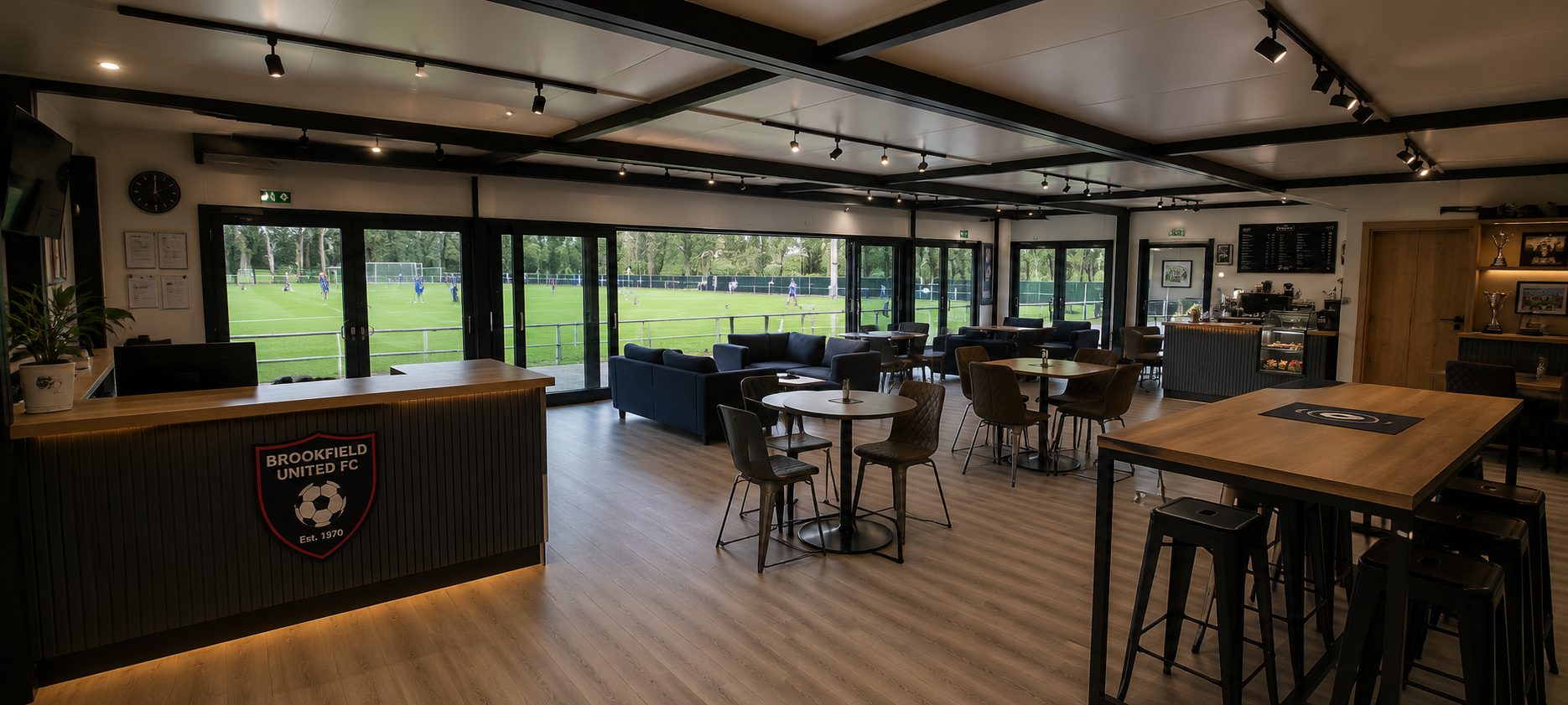
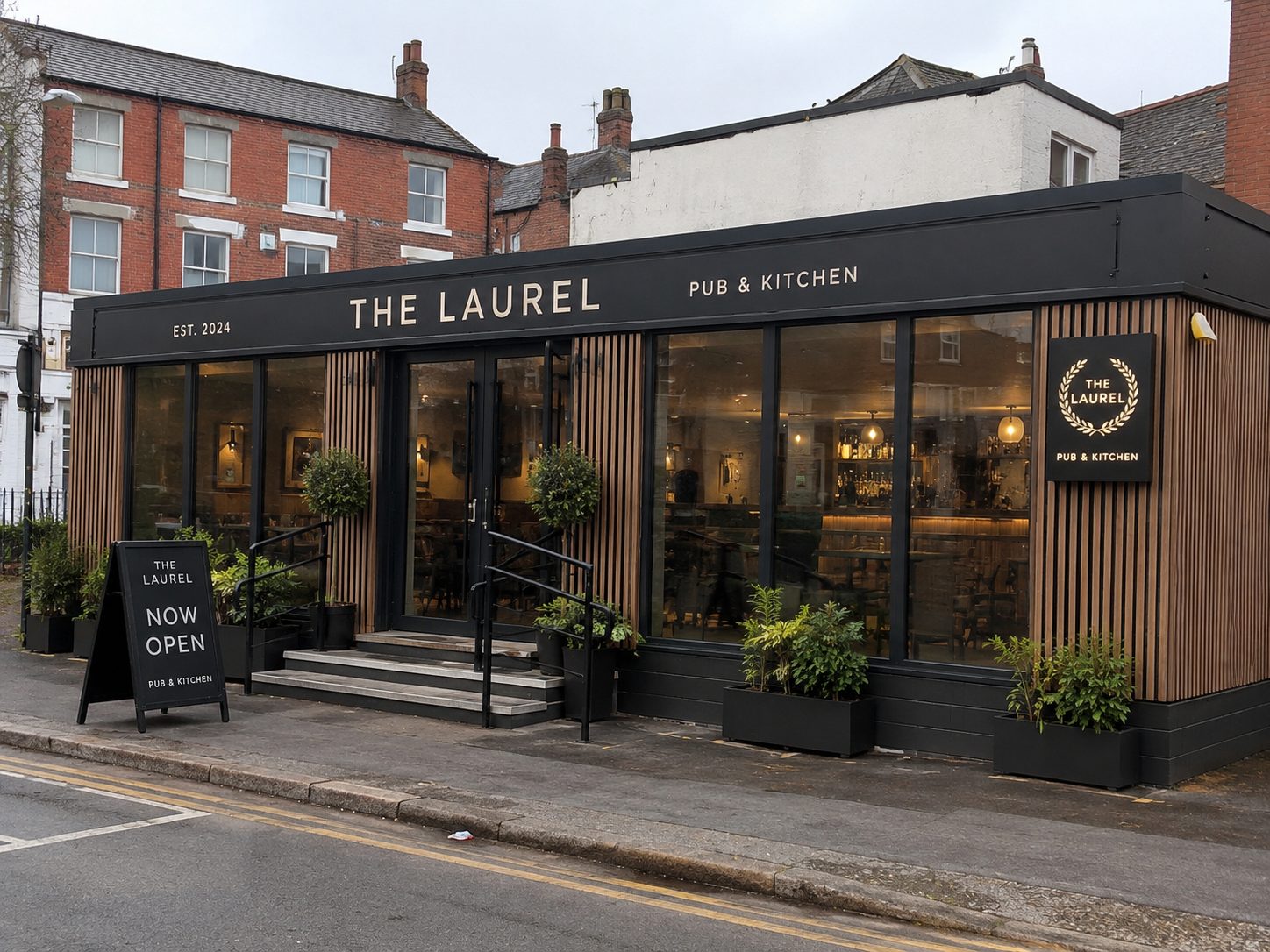
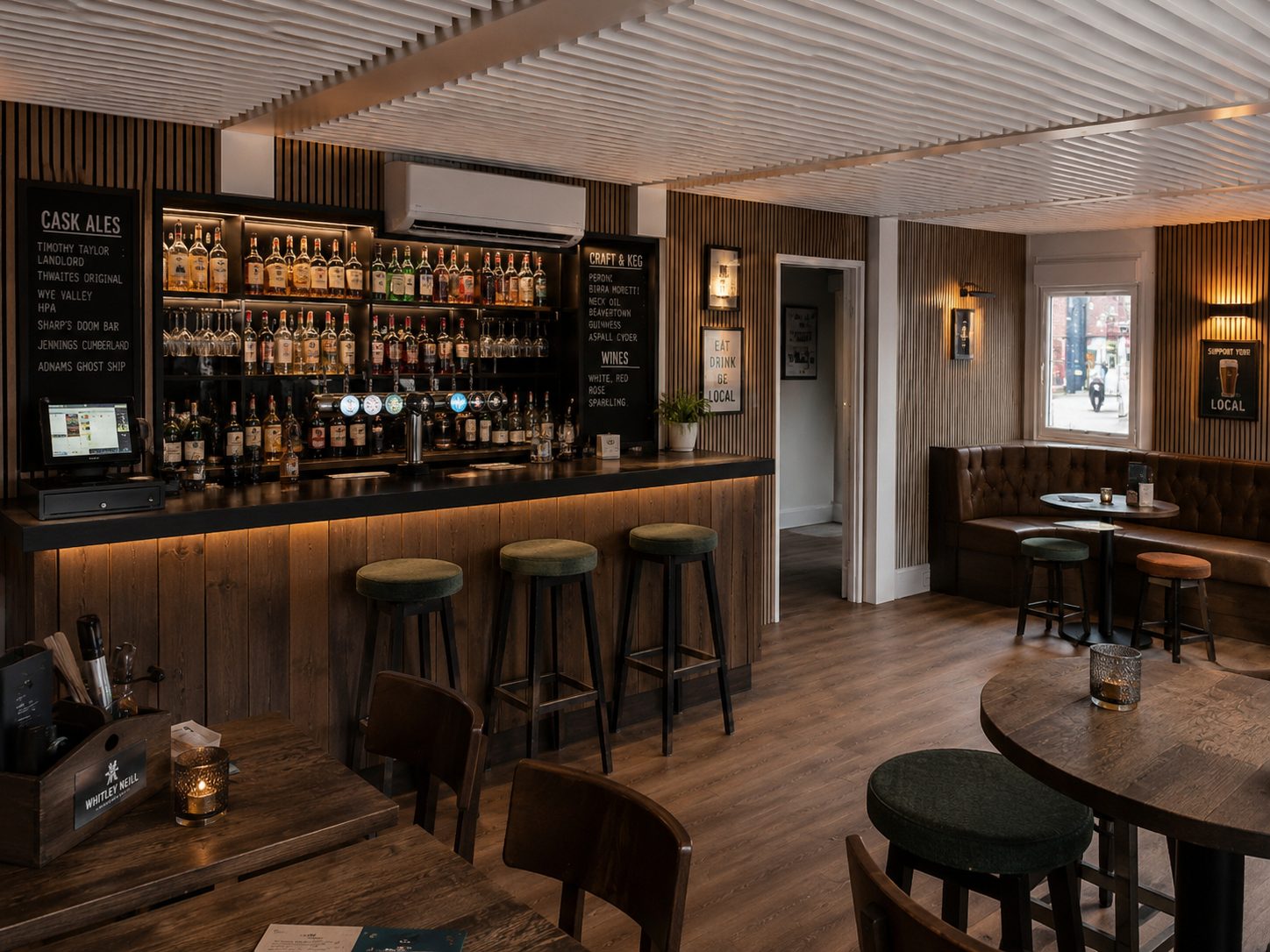
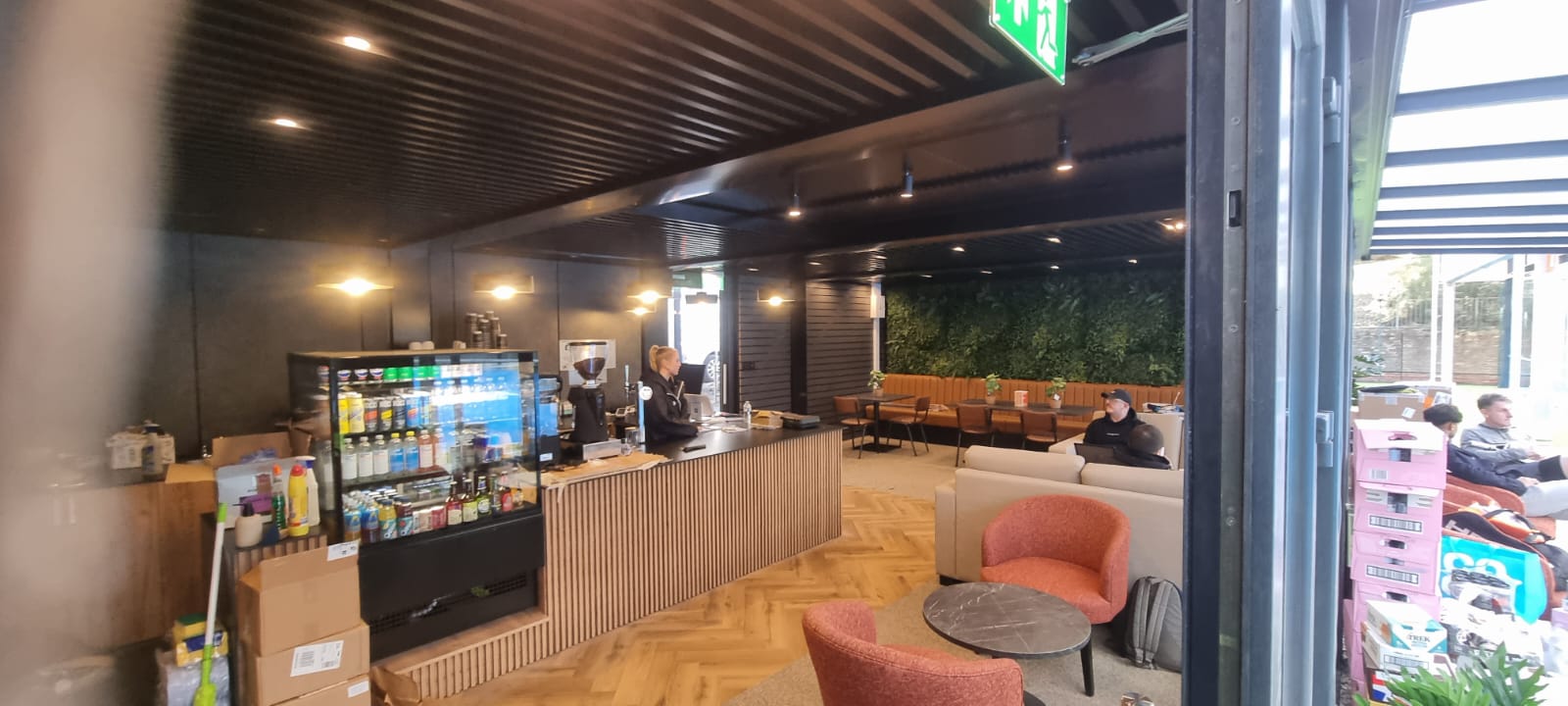
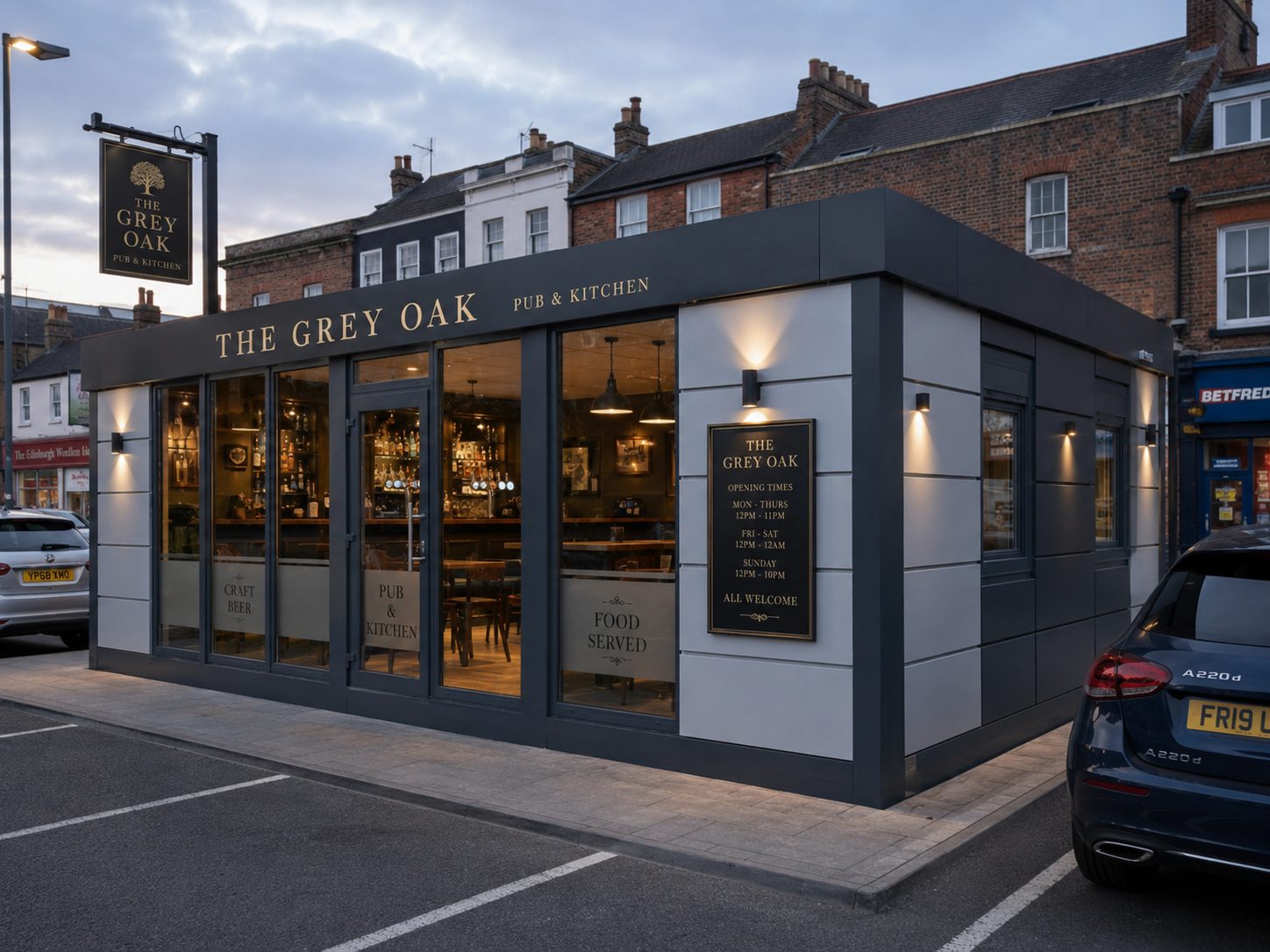
Modular bar and hospitality visual references
These images show hospitality, pub, bar and lounge references that can support early planning, licensing and opening discussions. Captions are planning guidance, not fixed case-study claims.
Frequently asked questions about modular bar approvals
Do modular bars need planning permission?
A modular bar may need planning permission depending on site use, duration, height, appearance, opening impacts, neighbours, traffic, signage, extraction, outdoor seating and local planning policy. The fact that the building is modular does not create a blanket exemption.
Do portable bars need planning permission?
Portable bar planning permission is site-specific. A portable or relocatable structure can still amount to development, a material change of use, or a use that is controlled by existing planning conditions.
Is a temporary bar licence the same as planning permission?
No. A temporary bar licence or Temporary Event Notice deals with defined licensable activities. It does not approve the building, land use, food registration, fire precautions or landowner consent.
What is a Temporary Event Notice bar?
In England and Wales, a Temporary Event Notice can authorise defined temporary licensable activities at unlicensed premises, subject to limits including fewer than 500 people including staff and no more than 168 hours. Current local procedures should always be checked.
Does a modular pub need different planning from a cafe?
In England, cafes and restaurants generally fall within Class E, while pubs and drinking establishments are generally sui generis. Moving into a pub or drinking-establishment use can therefore need careful planning advice.
Do modular bars need Building Regulations approval?
A modular bar may need Building Regulations approval where the works, use, services or fit-out fall within the regulations. Building Regulations approval is separate from planning permission and licensing.
What bar fire regulations apply to a modular bar?
There are construction-stage fire matters, such as Part B design, alarms and escape, and separate operational duties for the responsible person to carry out and review a fire risk assessment.
Do I need food-business registration for a modular bar?
If the operation sells, stores, handles, prepares or distributes food or drink, food-business registration may be required. GOV.UK says food businesses in England, Wales and Northern Ireland must generally register at least 28 days before trading, while Scotland has a separate route.
Does a premises licence for portable bar use cover late-night food?
A premises licence can cover alcohol, regulated entertainment and late-night refreshment, depending on what is applied for and granted. Check the specific operating schedule and licensing conditions.
What should I check before opening a modular bar UK venue?
Check planning, Building Regulations, licensing, food registration, fire risk assessment, landowner consent, signage, highways, outdoor seating, opening hours, utilities and any project-specific conditions before trading.
Official sources used for this guide
The following references are used to keep planning, Building Regulations, alcohol licensing, fire-safety and food-registration wording separated and source-led.
- GOV.UK - When is permission required?
- Planning Portal - Difference between Building Regulations and planning permission
- GOV.UK - Building Regulations approval
- GOV.UK - Alcohol licensing
- GOV.UK - Temporary Event Notice
- GOV.UK - Food business registration
- GOV.UK - Workplace fire-safety responsibilities
- GOV.UK - Fire-risk assessments
- GOV.UK - Approved Document L 2026
- GOV.UK - Future Homes and Buildings Standards circular 01/2026
Reviewed by Krzysztof Cichowicz, Director. Last reviewed 21 July 2026. Legal and standards references checked 21 July 2026. Project-specific advice should be verified against the current local authority, licensing, Building Control, food and fire-safety routes for the site.