
Construction Welfare Guide
Modular Welfare Units for Construction Sites: HSE-Compliant Site Welfare Explained
A contractor-focused guide to site welfare units, welfare cabin hire, HSE welfare duties, CDM checks, mobile welfare routes and the details KC needs before quoting.
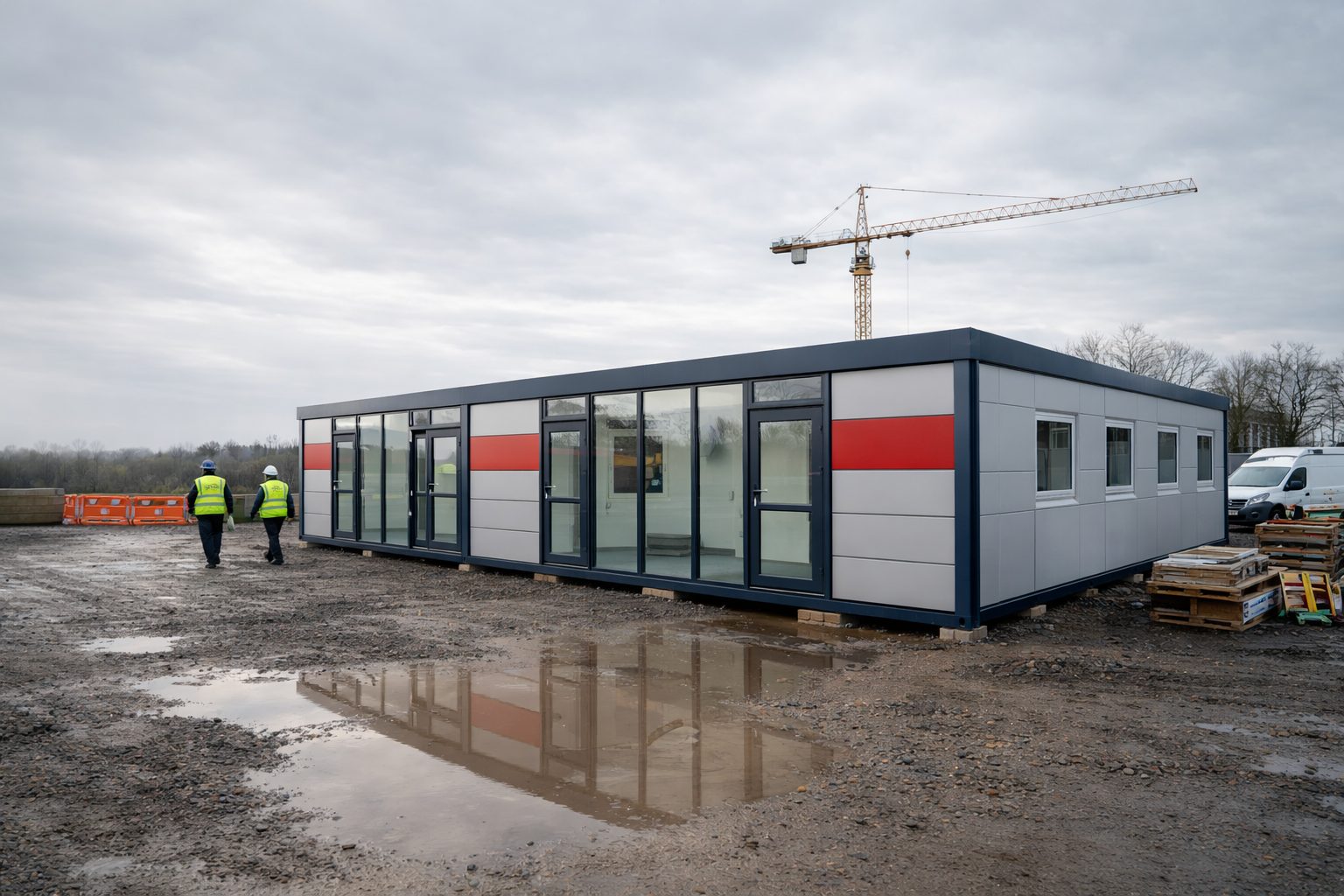
Primary buyerContractors, site managers, H&S managers and project teams.
Core requirementToilets, washing, drinking water, rest, eating and changing provision.
Price sourceKC catalogue ranges, last checked 10 July 2026.
Key caveatSite-wide compliance depends on the full welfare arrangement.
Short answer
A modular welfare unit gives contractors a transportable way to provide site welfare facilities such as toilets, washing, rest, eating, changing or drying space. In the UK, the arrangement must be planned around HSE guidance, CDM 2015 Schedule 2, workforce numbers, services, cleaning and site access — not the cabin alone.
For most construction buyers, the practical decision is not simply “which cabin is cheapest?”. The better question is: what facilities must be available from day one, how many people will use them, and how will water, waste, power, cleaning and servicing work on this site?
Who this guide is for
Principal contractors
Planning welfare compounds before a project starts and needing a practical quote route.
Site managers
Checking toilets, washing, rest, eating, changing and access before cabins arrive.
H&S managers
Preparing a welfare arrangement that reflects HSE and CDM expectations.
Civils and highway teams
Comparing mobile welfare units for remote, moving or infrastructure works.
Factories and estates teams
Needing temporary welfare, rest or changing accommodation during works or shutdowns.
Procurement teams
Comparing welfare cabin hire, buy routes, service assumptions and site-readiness requirements.
Welfare unit decision table
Use this table to decide which route to discuss before asking KC for a project-specific welfare cabin quote.
| Situation | Recommended route / what to check | Why it matters | Next step |
|---|---|---|---|
| Small site with short programme | Compact welfare cabin or mobile welfare unit with toilets and washing where needed. | Small sites still need suitable welfare from the start of work. | Confirm worker count, water, waste and power route. |
| Site office already planned | Check whether welfare is separate or combined with the office cabin. | Office space does not automatically cover toilets, washing, eating, rest, changing or drying. | Link this guide with the site office hire guide. |
| Medium construction site | 20 ft welfare or sanitary layout, possibly linked with office/canteen accommodation. | More workers usually mean more pressure on toilets, washing, rest space, cleaning and servicing. | Send a layout or compound sketch. |
| Remote, highway or utilities works | Mobile welfare unit or self-contained route where mains services are limited. | Water, waste, power, refilling and cleaning need a plan, not an assumption. | Confirm service access and movement schedule. |
| Long-duration or public-facing project | Higher-spec welfare compound with office, meeting, canteen, drying and WC planning. | User comfort, durability and presentation can affect the specification. | Request a welfare layout review. |
What welfare facilities are legally required on a construction site?
HSE states that everyone working on a construction site must have access to toilets and facilities for washing, changing, eating and rest. CDM 2015 Schedule 2 then lists minimum welfare facilities required for construction sites.
The point for contractors is practical: welfare must be available, suitable, maintained and accessible while work is taking place. A welfare cabin can help provide those facilities, but the site arrangement still needs active management.
Sanitary conveniencesToilets should be suitable, accessible, ventilated, lit, clean and maintained.
Washing facilitiesWorkers need suitable washing provision, including water, soap and hand-drying arrangements.
Drinking waterDrinking water should be available and clearly provided for the workforce.
Changing and lockersWhere needed, workers require changing provision and somewhere suitable to store clothing.
Rest and eating areasRest and eating facilities should be suitable for breaks and protected from site conditions.
Cleaning and servicingThe facilities need to remain usable; cleaning, waste and replenishment arrangements matter.
Why a welfare unit alone does not make the whole site compliant
The phrase “HSE-compliant welfare unit” is common in buyer searches, but it can create a false shortcut. A physical cabin can be part of the solution. However, compliance depends on the full site welfare arrangement.
Good welfare planning checks
- Worker numbers and shifts.
- Toilet and washing provision.
- Rest, eating, changing and drying needs.
- Water, drainage, waste, power and heating.
- Cleaning, servicing and consumable supplies.
- Safe access during the whole site programme.
Risky assumptions
- Assuming an office cabin counts as welfare.
- Using public toilets because they are cheaper.
- Forgetting cleaning and waste arrangements.
- Not checking water and drainage.
- Under-sizing rest or eating areas.
- Leaving welfare until the day work starts.
Welfare units, welfare cabin hire and mobile welfare units
The language buyers use varies. Some search for welfare units, others search for welfare cabin hire, site welfare units or mobile welfare unit. KC should route the enquiry by function first.
Welfare cabin hire
This is usually the practical route for contractors who need welfare accommodation for a defined project period. The layout may include WC, wash area, canteen, rest area, drying space or a small office depending on the unit.
Site welfare units
This wording often describes the whole welfare requirement for the site. It may involve one cabin, a linked compound, a sanitary module, a canteen/rest unit, office accommodation and separate storage.
Mobile welfare unit
A mobile welfare route can fit short-duration, highway, civils, utilities or remote works. The key checks are water supply, waste storage, power, towing or delivery route, servicing and whether the available facilities match the workforce.
Combined office and welfare accommodation
A combined layout may work where one building includes office, canteen, WC or rest functions. However, the quote should still separate the required functions, because each one affects services, layout, cleaning and compliance risk.
How much does welfare cabin hire cost per week in the UK?
The most useful answer is a range with a clear caveat. Based on the supplied KC ISO frame catalogue, small sanitary/welfare routes and office-welfare layouts can sit in the low hundreds per week, while larger 20 ft sanitary layouts can be higher. The weekly hire figure is not the full installed project cost.
Catalogue ranges last checked: 10 July 2026.
| Typical requirement | Catalogue route | Visible size route | Hire per week | Approx. monthly equivalent | Buyer note |
|---|---|---|---|---|---|
| Small sanitary welfare module | MS 10 | 10 ft × 8 ft | £92.50–£100 | £401–£433 | Relevant for compact sanitary provision where layout and services are suitable. |
| Office/welfare layout influence | MB 20-25 | 20 ft × 8 ft or 20 ft × 10 ft | £92.50–£121.50 | £401–£527 | Useful where office, kitchenette, WC or welfare-led planning may overlap. |
| Common 20 ft welfare / sanitary unit | MS 20 / MS 20-MU / MS 20-03 | 20 ft × 8 ft or 20 ft × 10 ft | £105–£160 | £455–£693 | Planning route for more substantial site welfare with sanitary facilities. |
| Higher-capacity or more specified sanitary layouts | MS 20-02 / MS 20-23 / MS 20-28 | 20 ft × 8 ft or 20 ft × 10 ft | £125–£205 | £542–£888 | Use when the layout, services or welfare function needs more capacity or specification. |
The monthly equivalent is calculated as weekly hire × 52 ÷ 12. It is only a budgeting aid. Final pricing can change with stock route, hire term, VAT, transport, delivery, collection, lifting, installation, service connections, cleaning, waste servicing and project location.
What changes the final welfare unit quote?
A welfare unit hire quote should not be judged by the weekly rate alone. The total site cost depends on the specification and the work needed to make the unit usable.
Workforce and use
Worker numbers, shifts and whether the unit includes toilets, washing, eating, rest, changing or drying.
Services
Water, waste, drainage, power, heating, lighting, hot water and servicing can all affect the quote.
Site access
Road access, gate width, turning space, hardstanding, cranage and safe working area affect delivery.
Hire duration
Short hires, rolling projects and long site programmes may be priced differently.
Specification
MW/PIR route, internal layout, sanitary layout, kitchen area, drying space and finish level matter.
Location and logistics
Distance, transport route, collection, relocation and out-of-hours restrictions can change the total.
How welfare needs change by site type
Small building sites
Small sites still need suitable welfare. A compact welfare cabin or mobile welfare unit may be enough if the toilet, washing, drinking water, rest and eating arrangements are suitable and maintained.
Large construction sites
Larger sites often need more than one unit or a linked compound. The arrangement may include offices, meeting rooms, canteen/rest rooms, toilets, washing, changing, drying and storage. Worker numbers and shift patterns become critical.
Remote and highway works
Remote works need early checks around water, waste and servicing. If there is no practical mains connection, the quote should consider tanks, servicing frequency, generator or power arrangements and safe access.
Factories and live estates
Factories, large estates and live commercial sites may need temporary welfare during shutdowns, refurbishments or phased work. Access control, segregation, noise, fire strategy, traffic management and working hours should be checked.
How this connects to portable site office hire
The portable site office guide covers the contractor’s everyday workspace: drawings, inductions, supervisor desks, site meetings and administration. This welfare guide closes the open loop: worker welfare remains a separate consideration.
A site office can sit beside welfare accommodation, or a combined unit may include both functions. However, the quote should make the difference clear. Office users need desk and meeting space. Workers also need suitable toilets, washing, rest, eating, changing and sometimes drying facilities.
Planning, Building Regulations and temporary site welfare
Do not assume that a temporary welfare unit is outside all approval routes. GOV.UK explains that Building Regulations approval is different from planning permission, and a project might need both. The Planning Portal also treats planning and building control as separate regimes.
For site welfare, the practical questions are usually duration, size, location, connection to services, proximity to existing buildings, fire/accessibility implications and the local route. KC can help prepare the project information, but local planning and building-control requirements remain project-specific.
Common mistakes before hiring welfare units
- Confusing an office cabin with welfare provision. A desk space is not the same as toilets, washing, changing, rest and eating facilities.
- Leaving services too late. Water, drainage, waste, power and heating need planning before the unit arrives.
- Using price without scope. A cheap weekly hire figure may exclude transport, installation, servicing, cleaning and collection.
- Underestimating worker numbers. Workforce size and shift pattern affect toilet, washing, rest and eating capacity.
- Not checking access. Gate width, turning space, hardstanding and cranage can affect the route and cost.
- Assuming compliance is automatic. The whole site welfare arrangement must be suitable and maintained.
What KC needs to quote modular welfare units
A clearer welfare unit quote starts with the site facts. Send as much of the following as possible.
- Intended use: WC, washing, rest, eating, changing, drying, office or combined layout.
- Approximate workforce and shift pattern.
- Hire, purchase or unsure.
- Site postcode and delivery location.
- Target delivery date and expected site duration.
- Site access: gates, turning space, hardstanding, restrictions and safe working area.
- Power, water, drainage and waste arrangements.
- Groundworks or base status.
- Need for mains connection, tanks, generator or servicing route.
- Cleaning, consumables and maintenance expectations.
- Budget direction if available.
- Drawings, compound sketches, photos or site logistics plan.
Need a welfare unit quote?
Send KC your worker numbers, site postcode, target date, welfare functions and service assumptions. KC can then advise what information is needed for a project-specific welfare cabin hire or purchase quote.
Explore our site accommodation portfolio
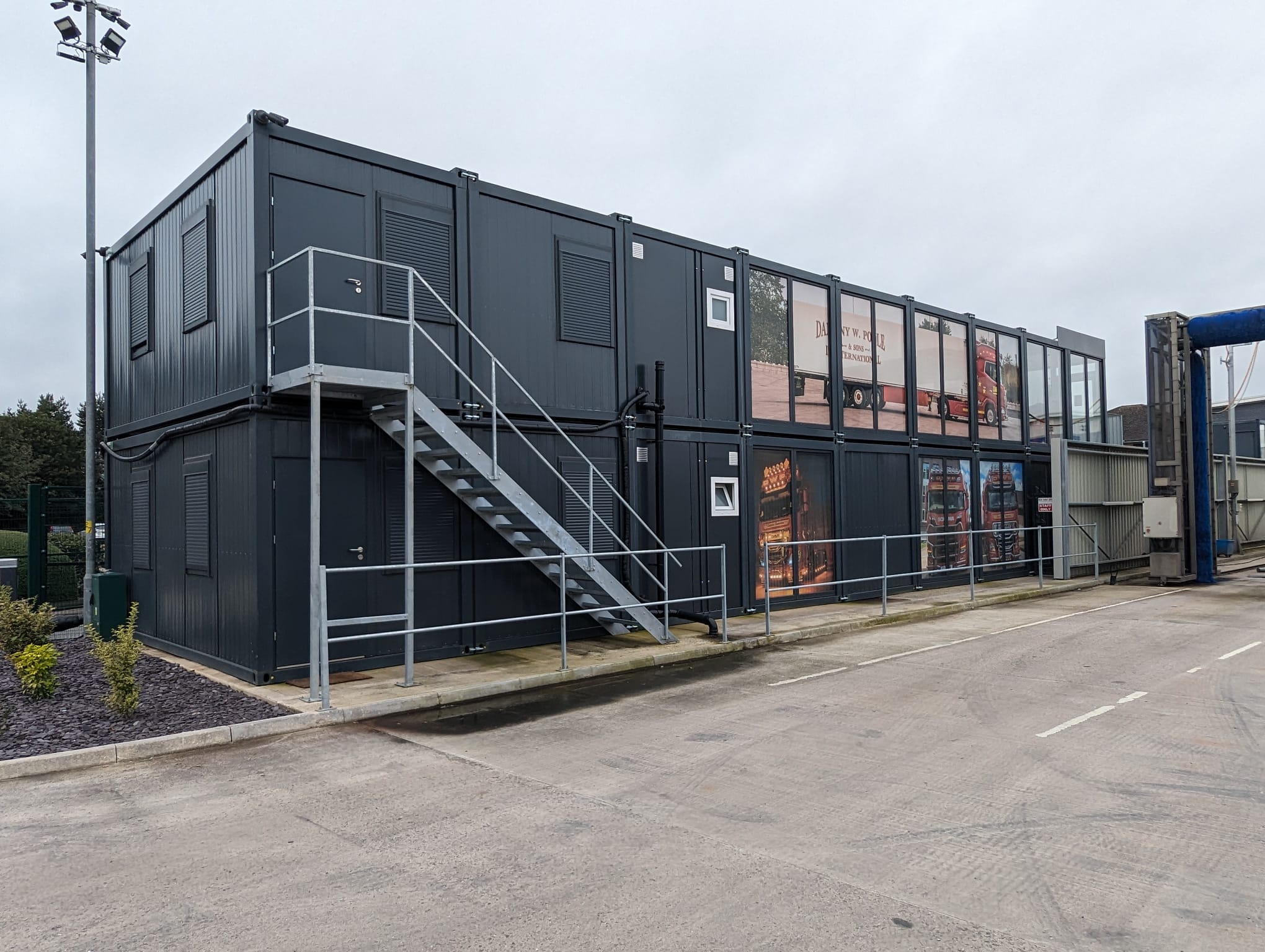
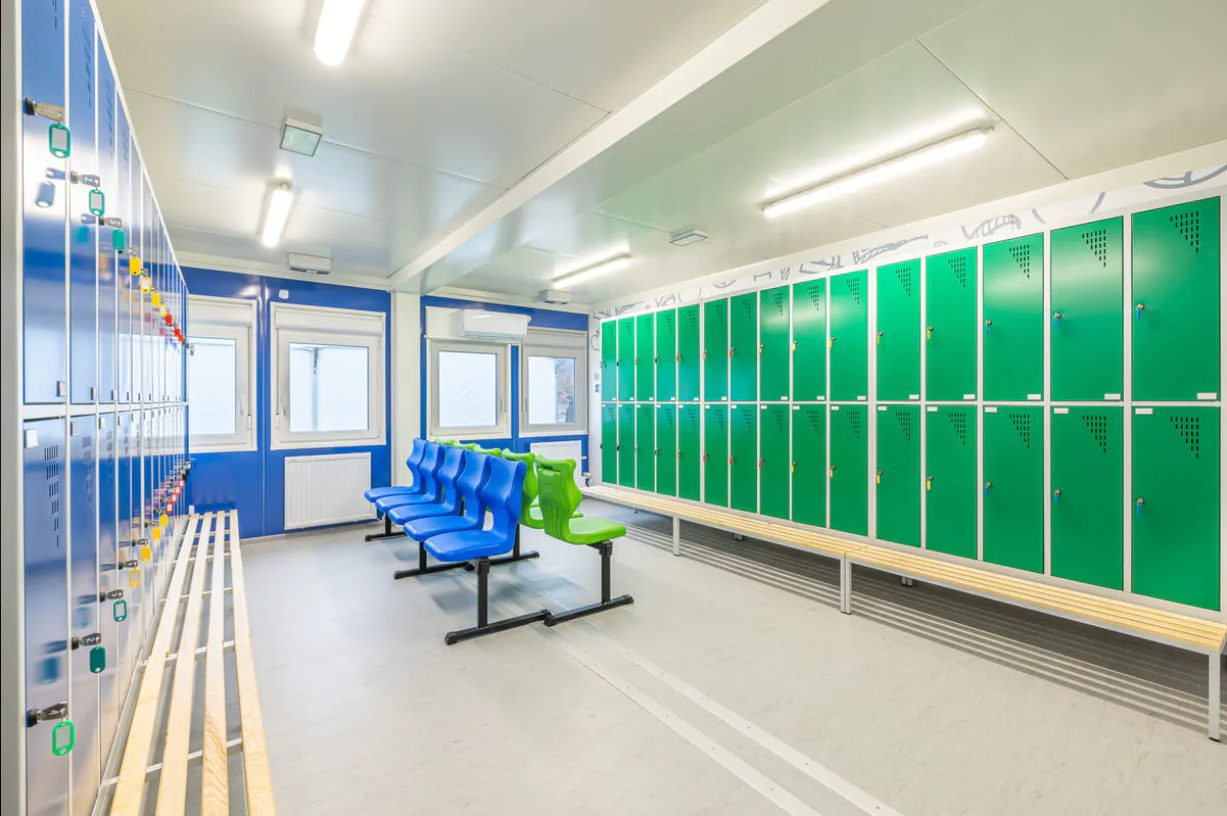
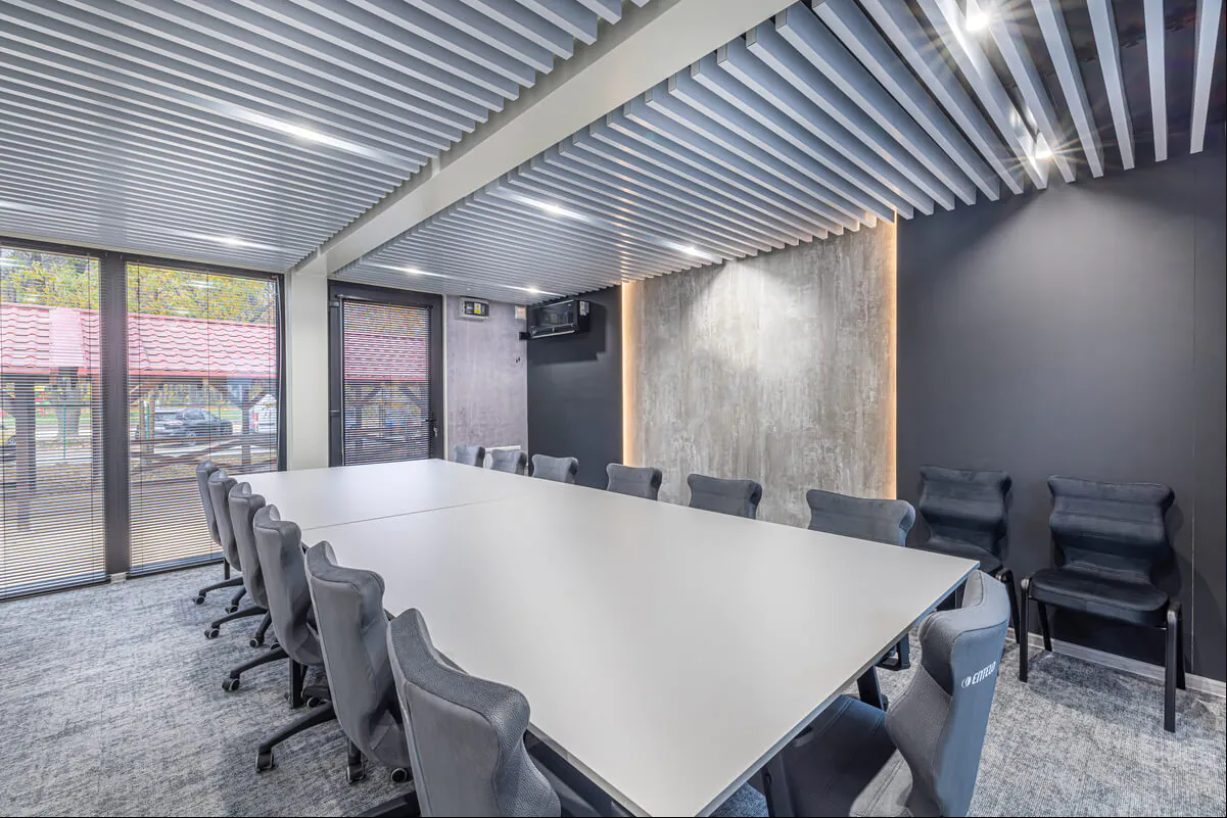
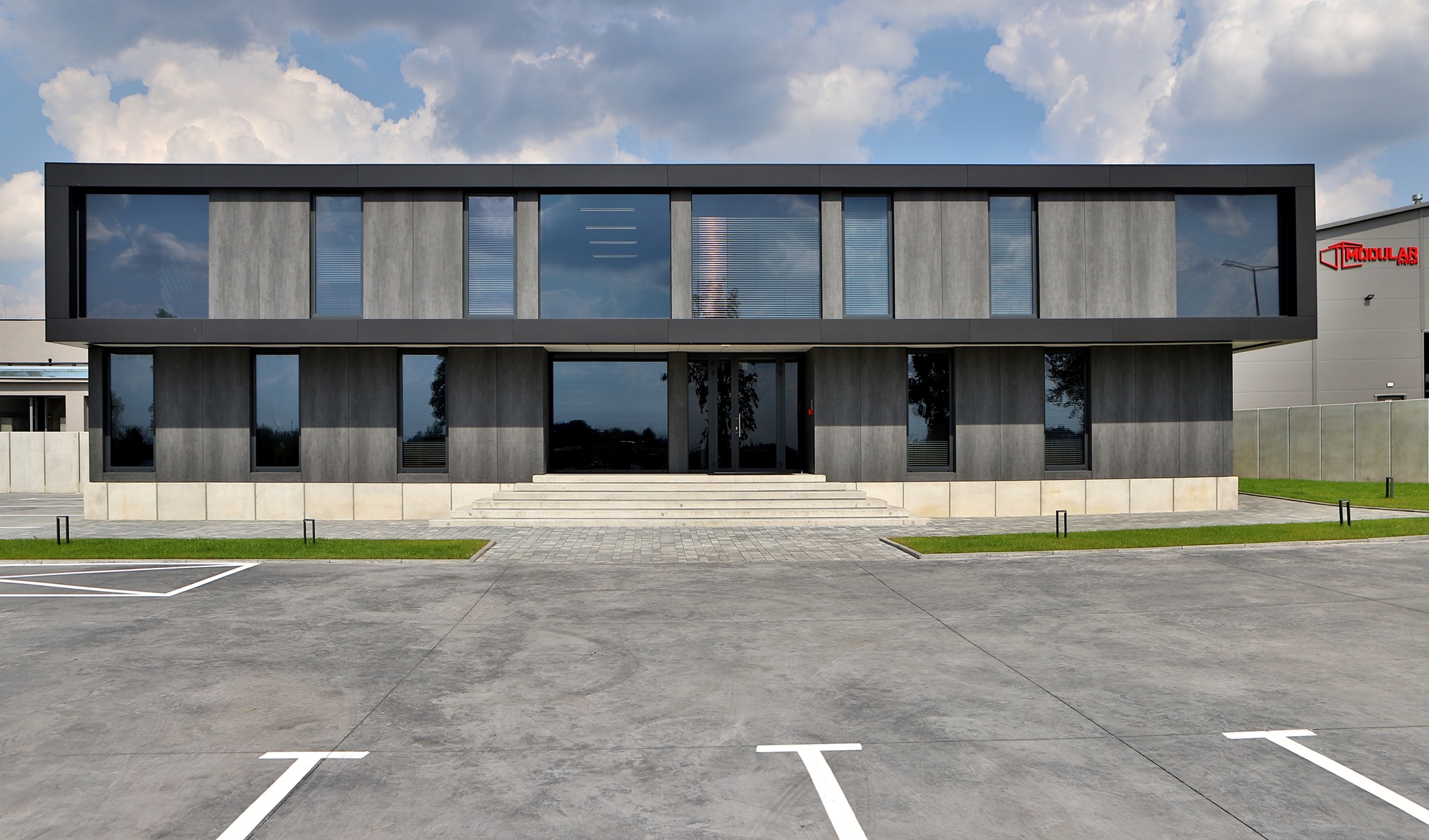
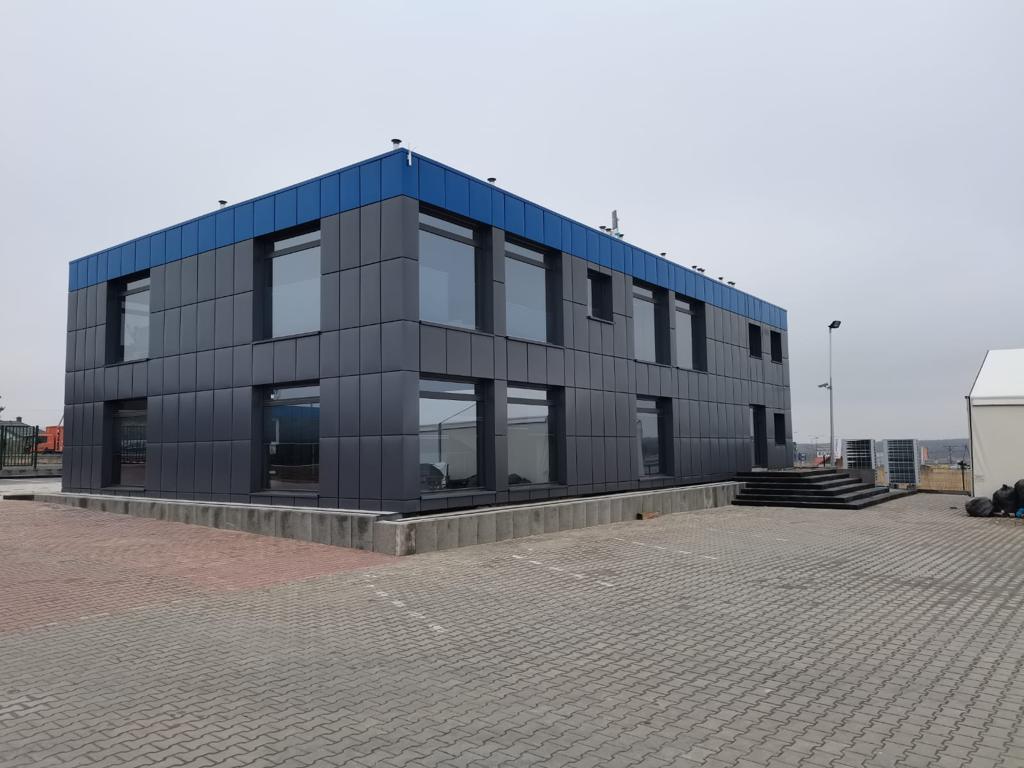
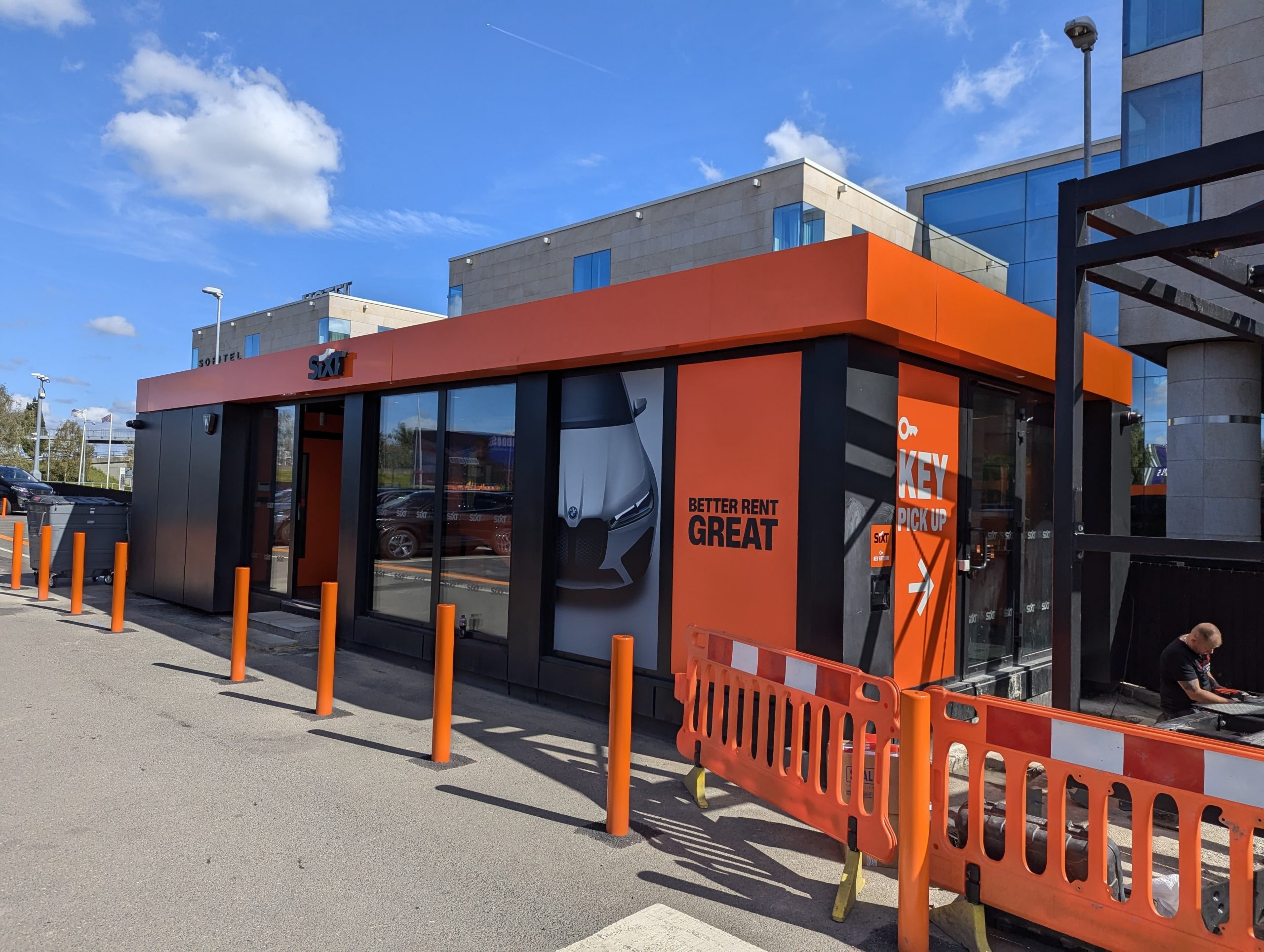
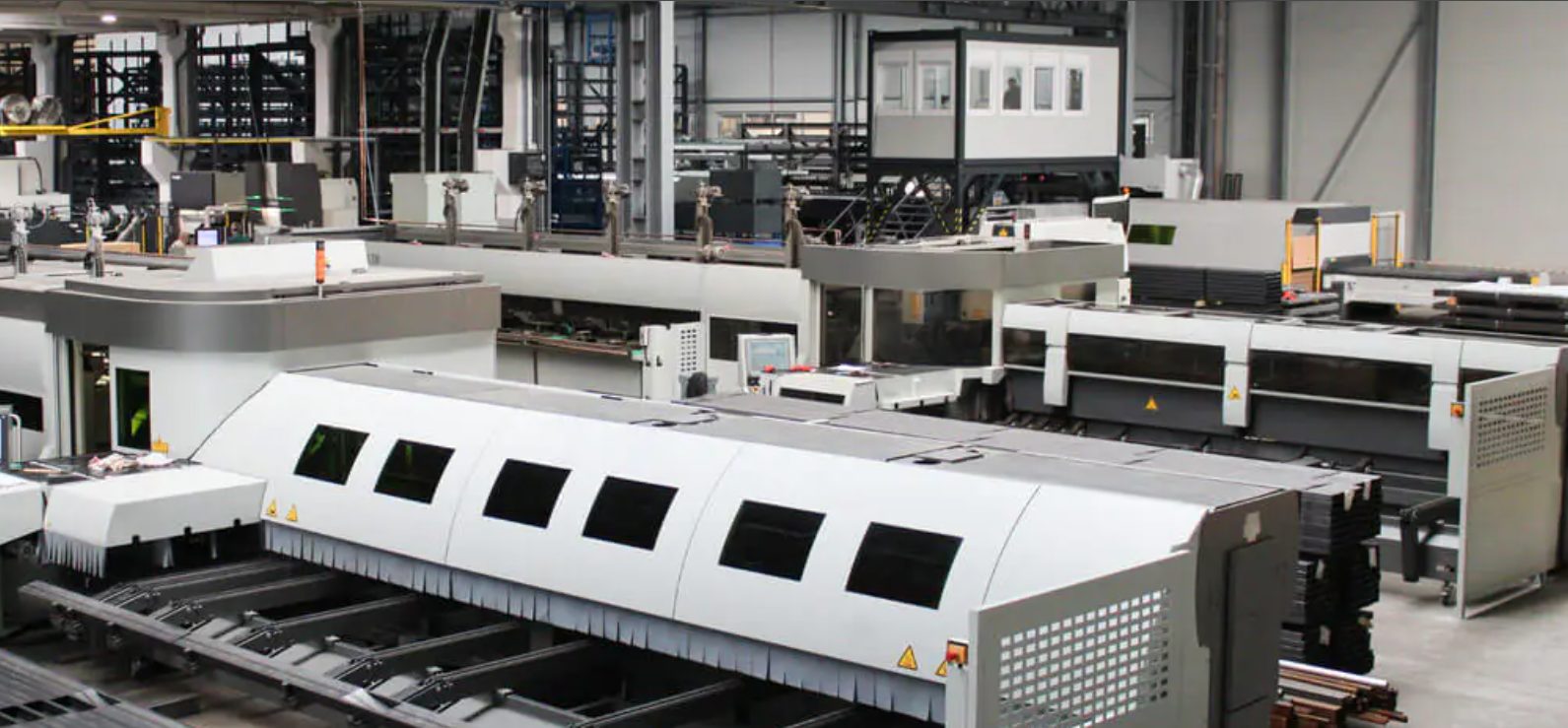
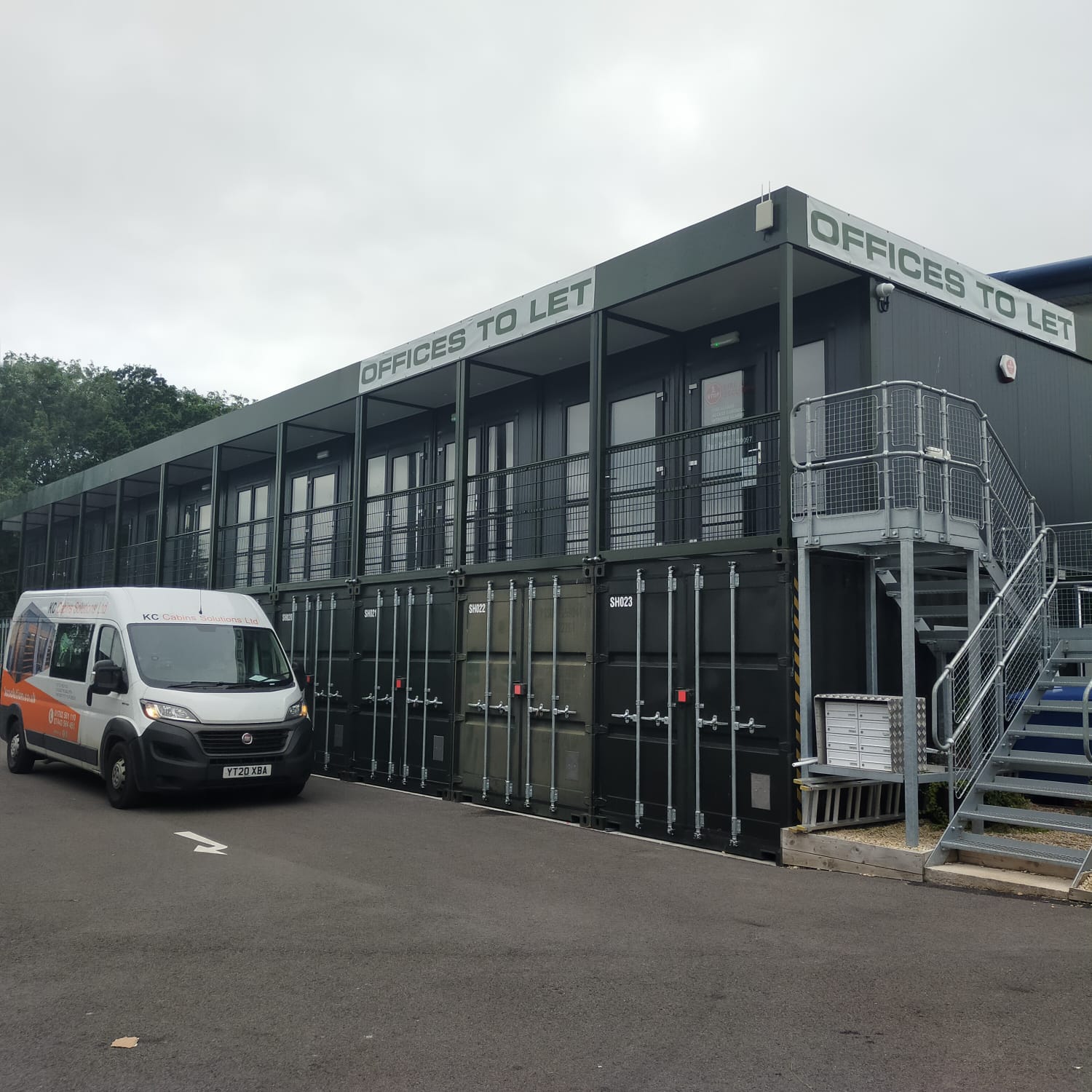
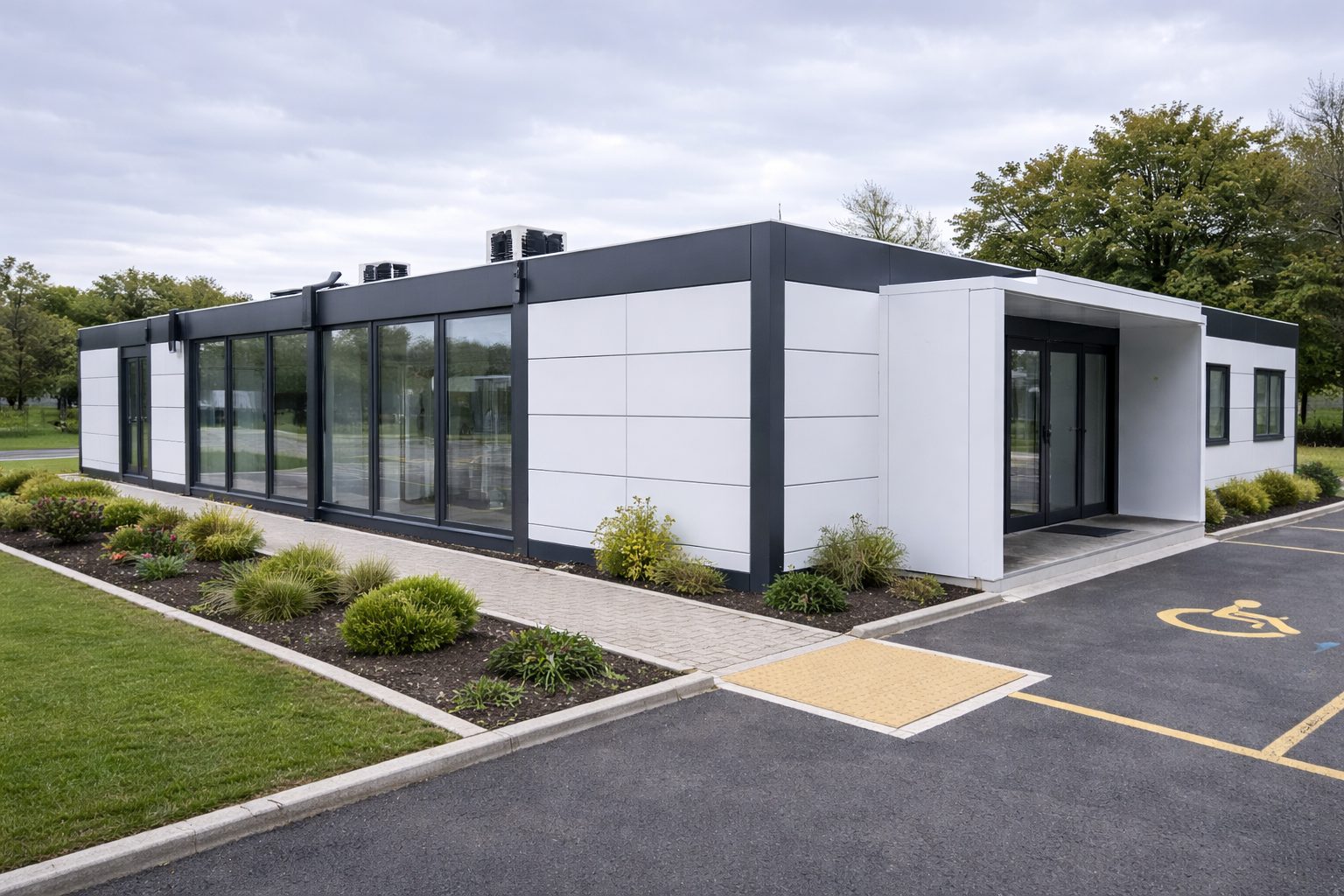
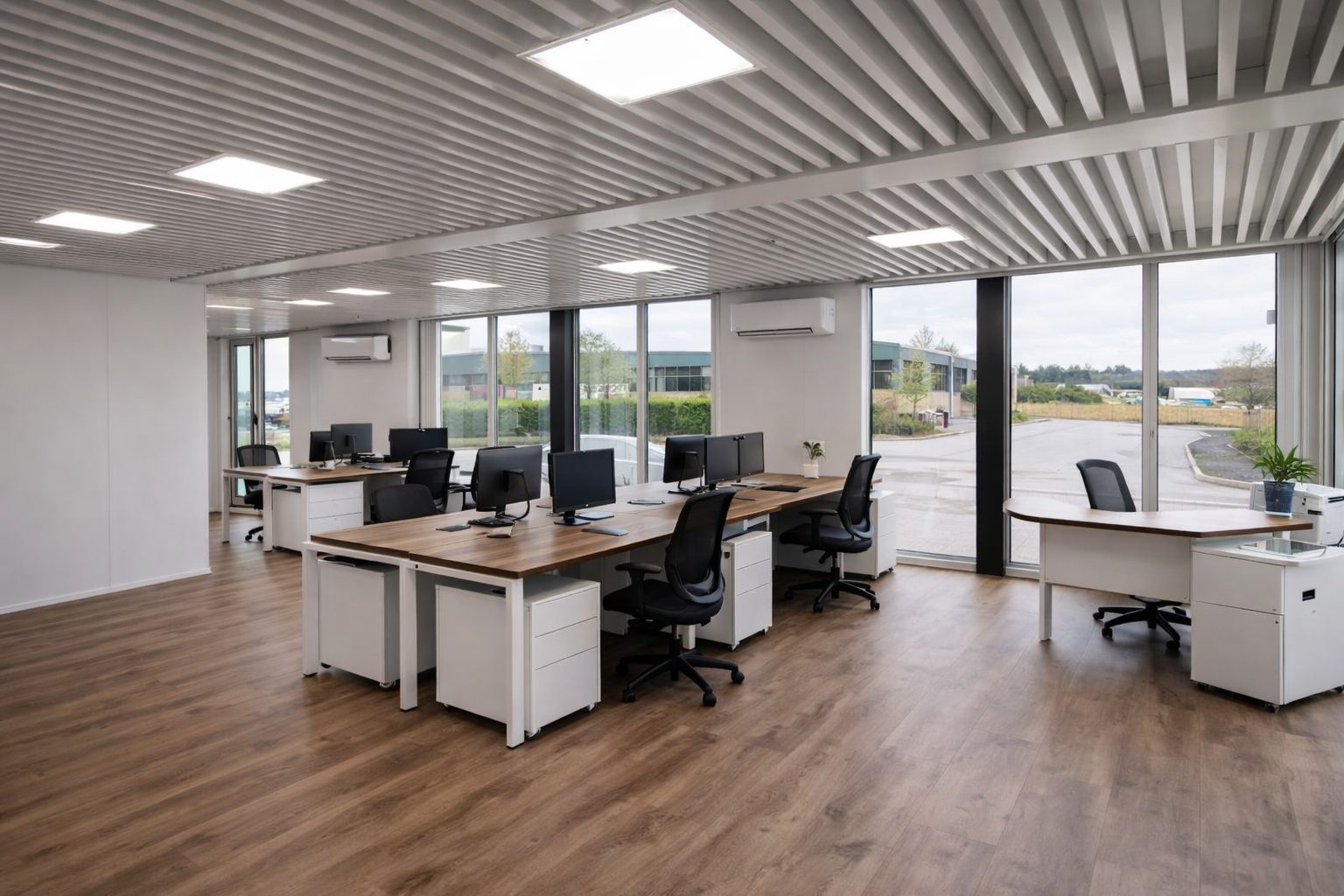
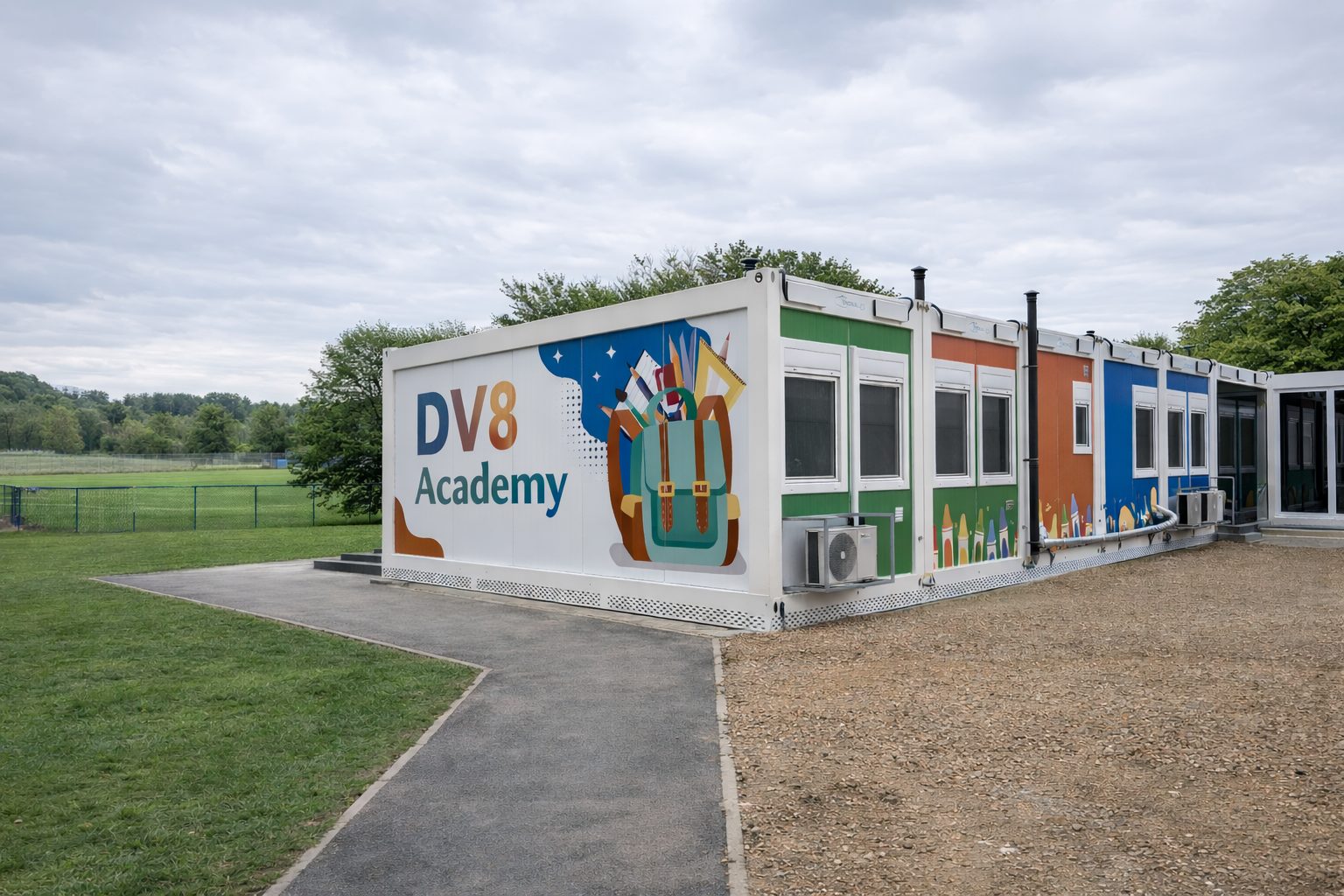
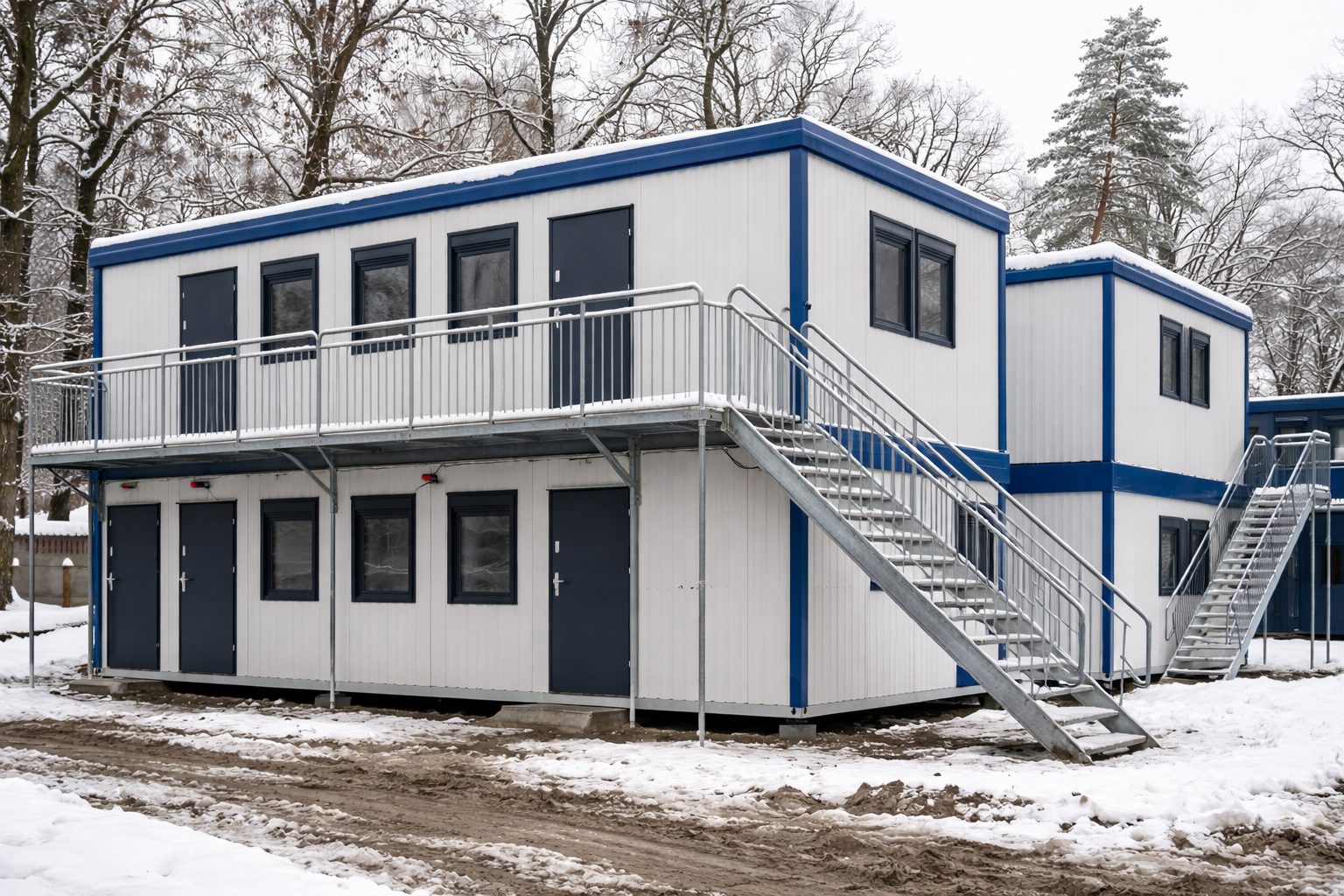
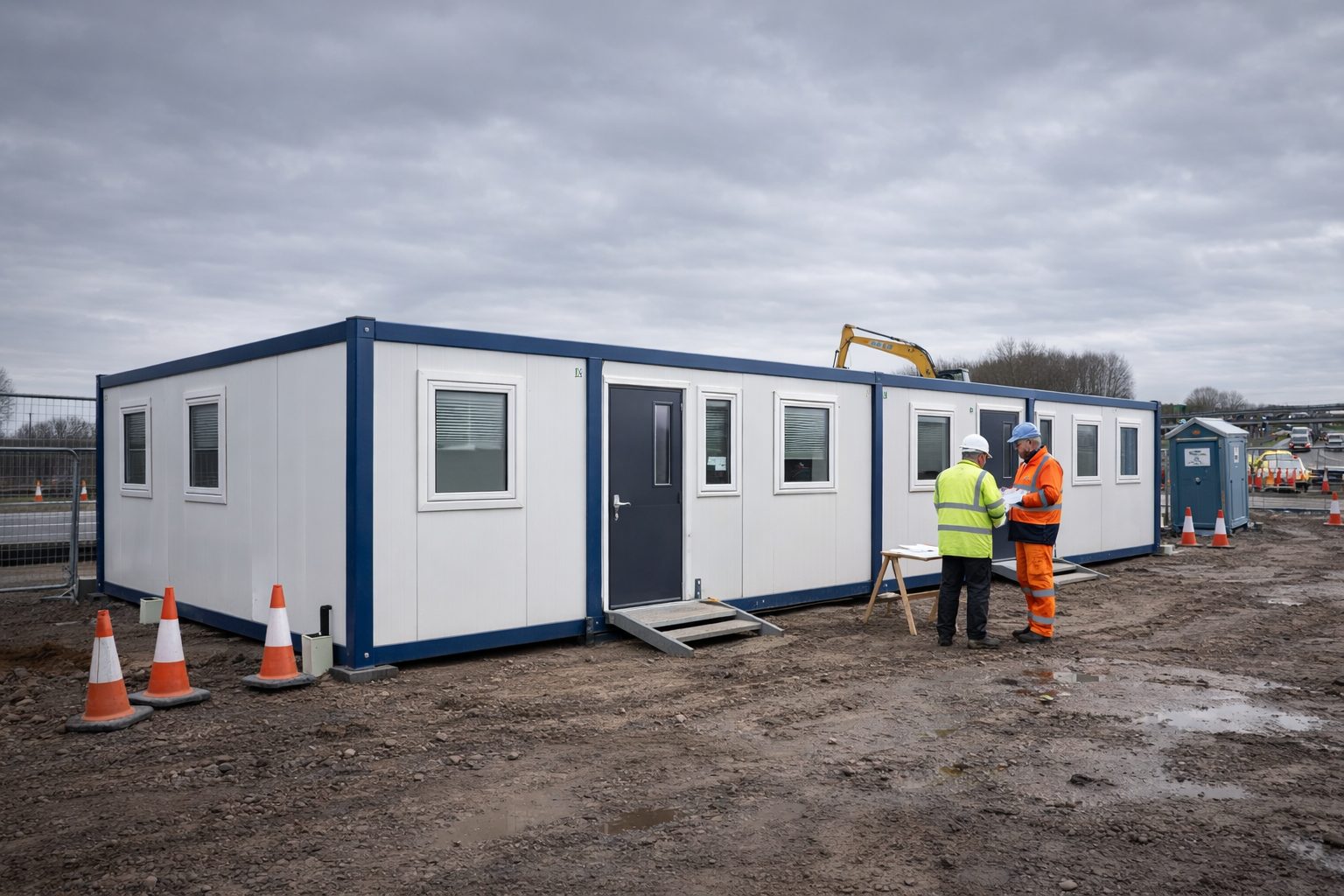
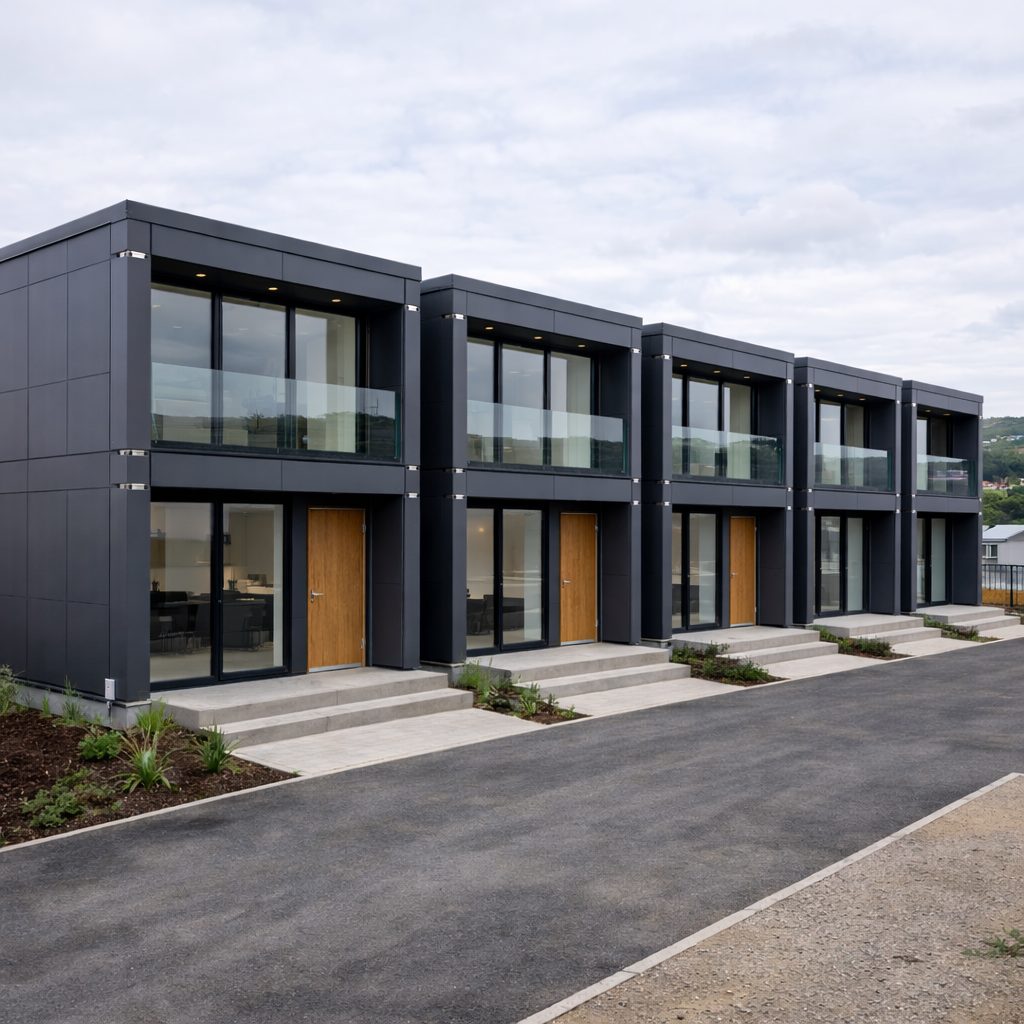
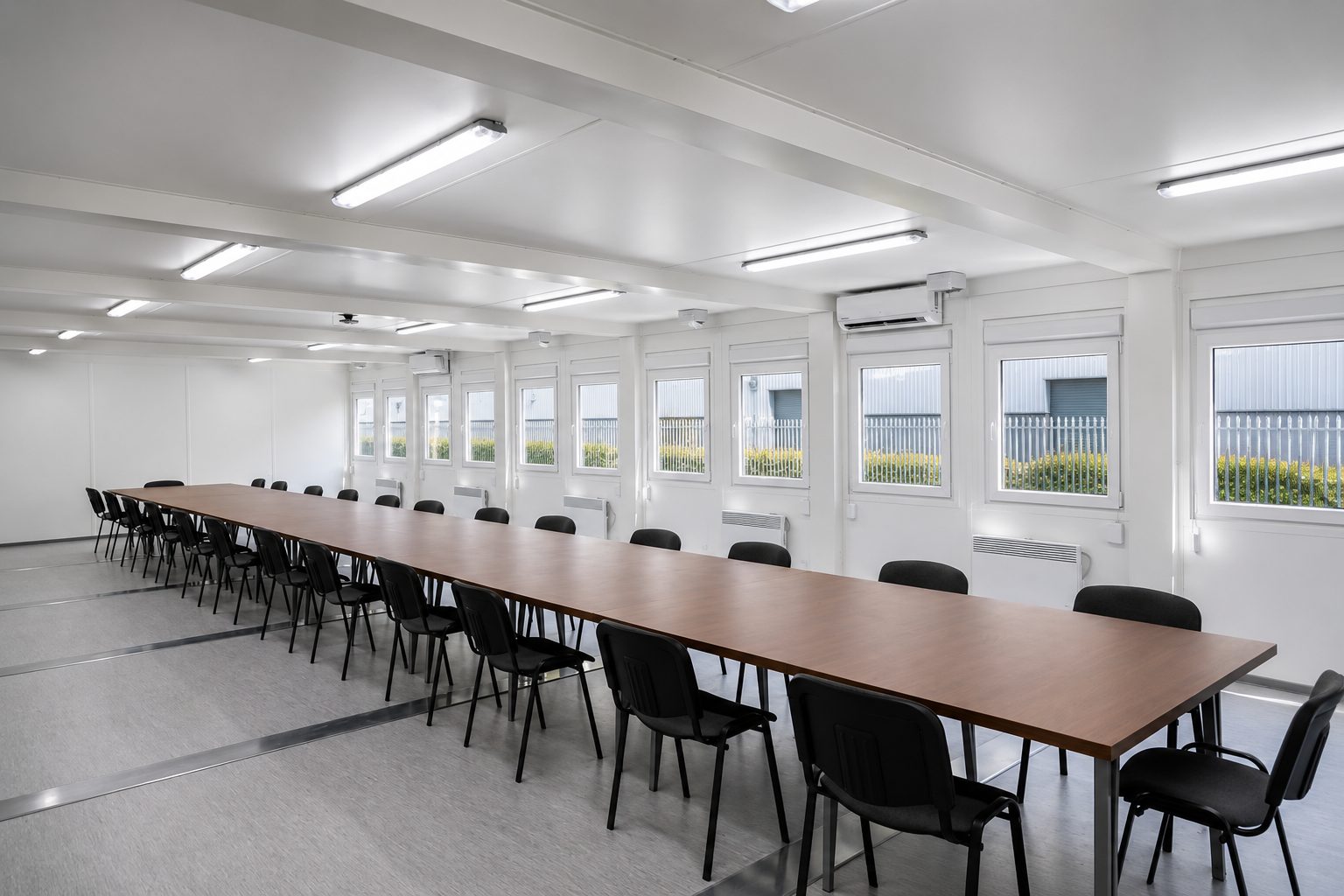
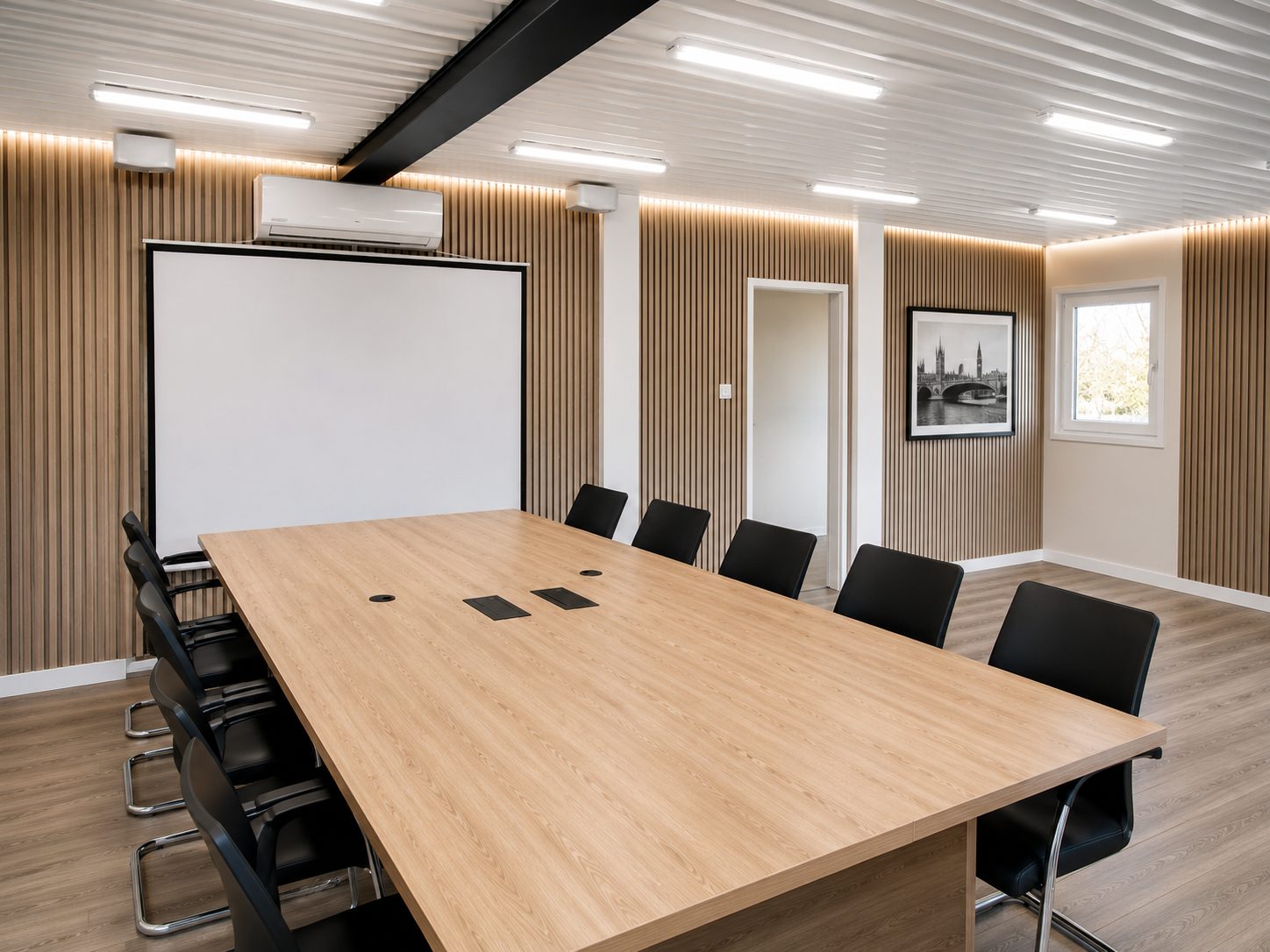
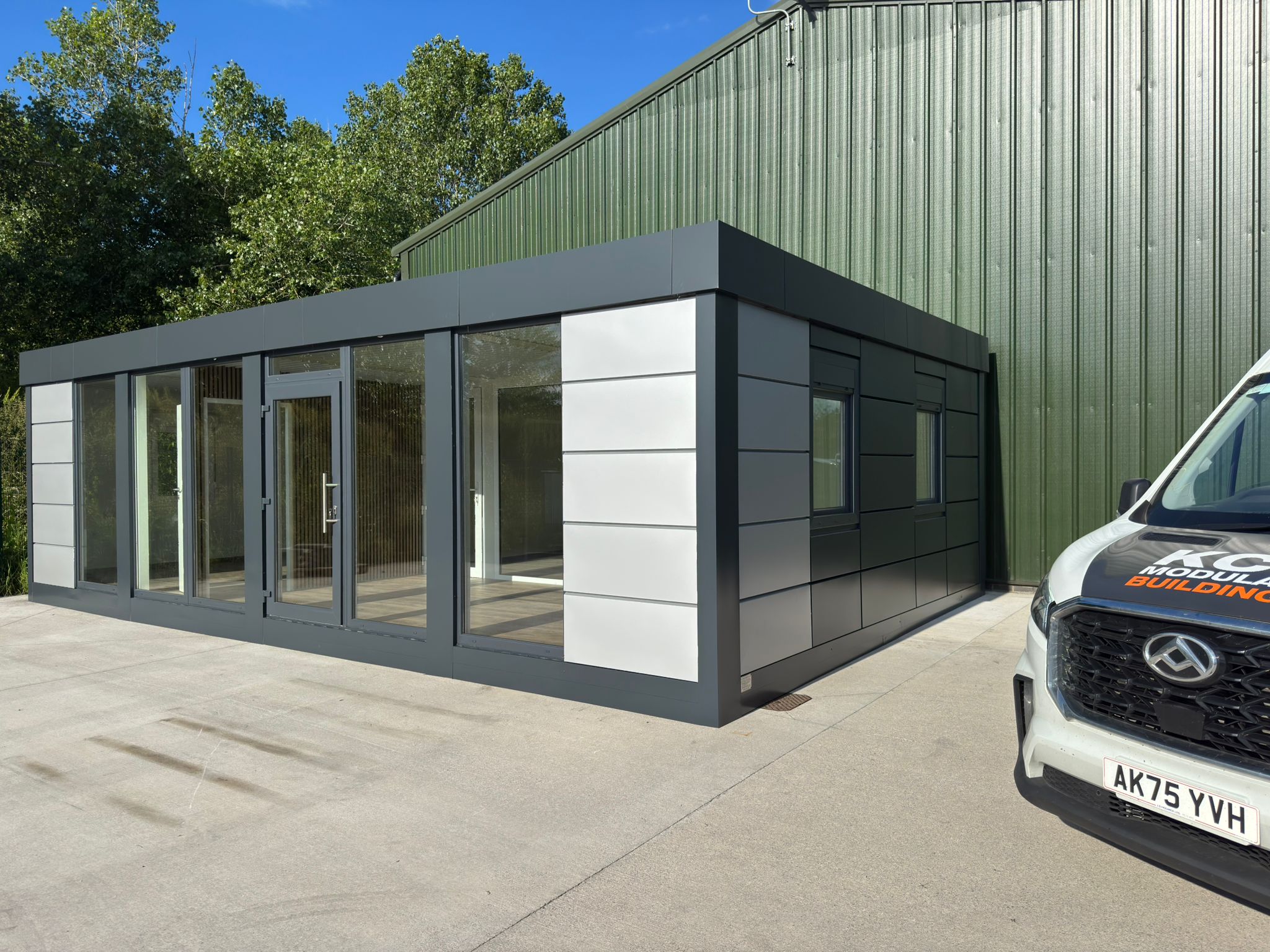
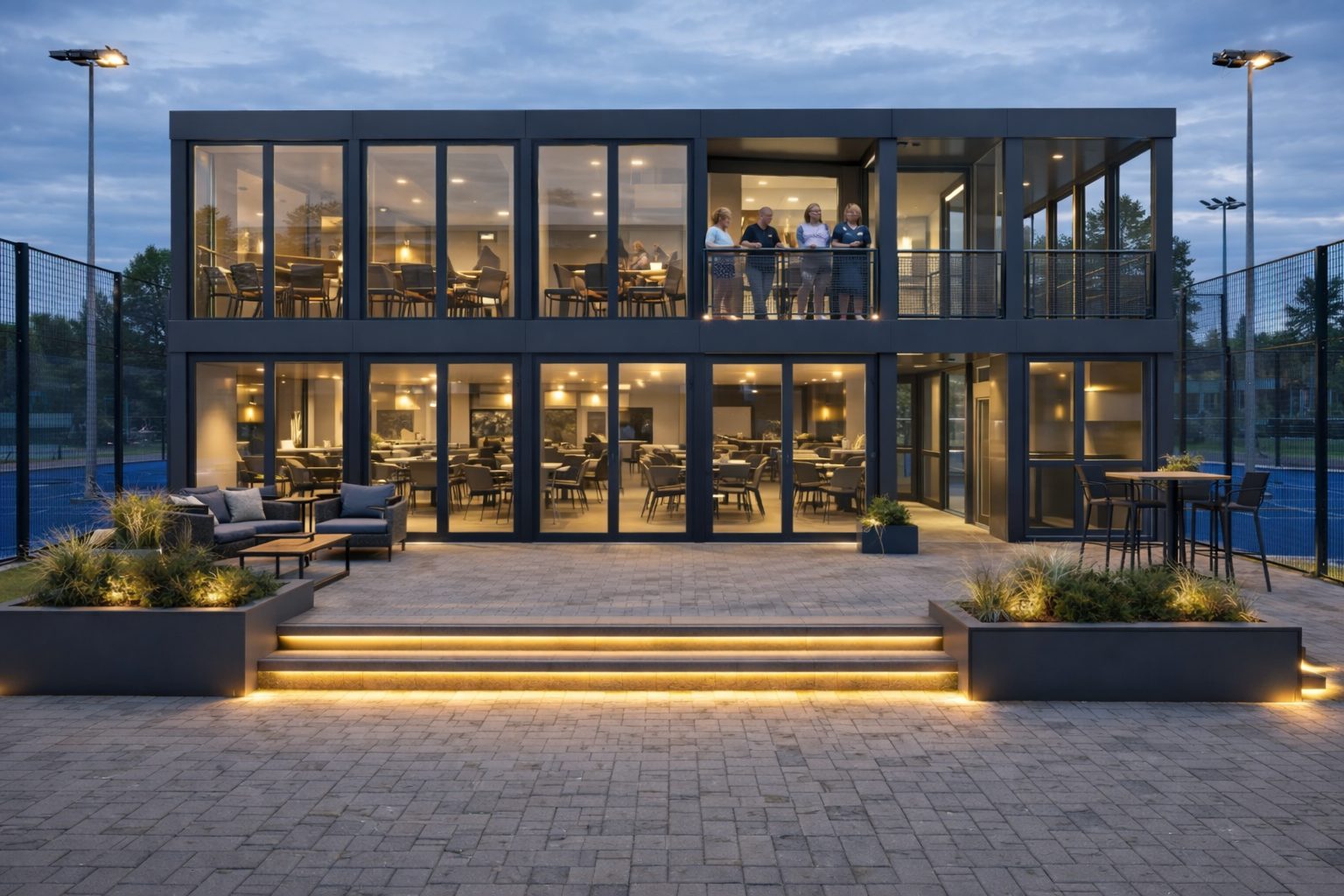
These images are retained from the site office article to keep the office/welfare cluster visually connected. Captions focus on use, access, specification and site accommodation planning rather than unsupported case-study outcomes.
External references for contractors
Use these official sources to check the regulated parts of site welfare and approvals. They do not replace project review, but they help prevent common assumptions.
- HSE construction welfare overview — access to toilets and facilities for washing, changing, eating and rest.
- HSE toilets and washing guidance — what construction workers need for toilets and washing.
- HSE changing, eating and rest areas guidance.
- CDM 2015 Schedule 2 — minimum welfare facilities required for construction sites.
- GOV.UK Building Regulations approval — Building Regulations approval is different from planning permission.
- Planning Portal planning and Building Regulations guidance.
Modular welfare units FAQ
What welfare facilities are legally required on a UK construction site?
Construction sites need suitable welfare facilities. HSE states that everyone working on a construction site must have access to toilets and facilities for washing, changing, eating and rest. CDM 2015 Schedule 2 also lists minimum welfare facilities, including sanitary conveniences, washing facilities, drinking water, changing rooms and lockers, and facilities for rest. The exact arrangement depends on the site, workforce, duration and risk assessment.
Does hiring a welfare unit make a construction site HSE compliant?
A welfare unit can help provide the physical facilities needed for site welfare, but a unit alone does not make the whole site compliant. Contractors still need to check worker numbers, access, cleaning, toilet paper, soap, towels or drying facilities, drinking water, heating, ventilation, waste management, servicing and whether the site arrangement meets CDM and HSE expectations throughout the project.
How much does welfare cabin hire cost in the UK?
Using the supplied KC catalogue as a planning source, visible welfare or sanitary routes start around £92.50 to £100 per week for MS 10 layouts, while common 20 ft sanitary and welfare routes appear from roughly £105 to £205 per week depending on route, size and MW or PIR option. These are planning ranges, not fixed live offers.
What is the difference between a site office and a welfare unit?
A site office mainly supports administration, drawings, inductions, supervision and meetings. A welfare unit supports worker welfare, such as toilets, washing, rest, eating, changing or drying. Some projects use linked or combined layouts, but the functions should not be confused. A meeting room or site office does not automatically satisfy welfare duties.
Can a mobile welfare unit be used on remote or highway works?
Mobile welfare units can suit remote, highway or short-duration works when the layout, water supply, waste storage, power, servicing and access route are appropriate. For remote sites, contractors should confirm how toilets, washing, drinking water, rest space and cleaning will be maintained. Public toilets should not be relied on simply because they are cheaper when on-site facilities can be provided.
Should contractors buy or hire welfare units?
Hire is often practical for defined projects, short-term works, changing site locations or contractors who need fast site setup without long-term ownership. Buying can make sense when the unit will be used across repeated projects, retained in a yard or adapted for a long programme. The better route depends on project duration, transport, servicing, budget and future use.
Do welfare units need planning permission or Building Regulations approval?
Planning and Building Regulations are separate issues. GOV.UK explains that Building Regulations approval is different from planning permission, and a project might need both. Temporary site welfare may still need project-specific review depending on duration, size, location, connection to services and local rules. Contractors should check the local route before assuming no approval is needed.
What information does KC need to quote welfare cabin hire?
KC needs the intended welfare function, approximate workforce, site postcode, programme, hire or purchase preference, target delivery date, access restrictions, water and drainage arrangements, power availability, ground conditions, servicing expectations and whether the unit needs toilets, washing, canteen, changing, drying, office or meeting space. Photos, sketches and compound layouts help clarify the quote.
Review note
Reviewed by Krzysztof Cichowicz, Director. Last reviewed 10 July 2026. Project-specific requirements apply. Price ranges, HSE/CDM wording, hire availability, services, cleaning, drainage, planning, Building Regulations and specification should be verified against the current KC catalogue and project information.