Could a Static Caravan Holiday Home Be Part of Your Retirement Plan?
A plain-English guide for buyers considering a static caravan holiday home, luxury lodge or retirement lodge UK route as part of later-life leisure, family time or part-year living.
By Rafal Cierocki, Sales DirectorReviewed by Krzysztof Cichowicz, DirectorLast reviewed: 21 July 2026
Best fit Holiday base, weekend retreat, family-use lodge or part-year leisure space.
Key warning Holiday use is not the same as lawful permanent residence.
Main checks Site licence, planning permission, pitch agreement and running costs.
Reviewed Legal and planning sources checked: 21 July 2026.
Short answer
Static caravan holiday home retirement plan: can it work?
A static caravan holiday home can be part of a retirement plan when it is treated as a leisure base or second holiday home. It should not be treated as a permanent home unless the site has the correct residential planning position, site licence and written agreement.
That distinction matters. A park may be open for long seasons or even much of the year, but that does not automatically mean the caravan or lodge can be used as your sole or main residence. Before paying a deposit, check the site licence, planning permission, pitch terms, occupation limits, proof-of-main-address rules and total running costs.
A sensible holiday home retirement plan starts with one question: is this a leisure base, or are you trying to make the holiday home your main residence? A holiday home main residence route needs stronger evidence than sales wording, and a caravan site licence retirement check should happen before the buyer treats the pitch as part of a long-term retirement plan.
Important: this guide is not financial, legal or pensions advice. Retirement decisions involving savings, property sale, tax, inheritance or full-time residence should be checked with the relevant professional adviser before commitment.
Fast answers for retirement buyers
Question
Short answer
What to check
Could a static caravan holiday home be part of a retirement plan?
Yes, if it supports holidays, part-year leisure use, family visits or a second-base lifestyle.
Holiday-use rules, running costs, resale terms and the site agreement.
Can you retire in a static caravan permanently?
Only where residential occupation is authorised and the agreement allows it.
Residential planning permission, residential site licence and pitch status.
Does a 12-month holiday park mean full-time living?
Not automatically. Opening season and residential permission are different issues.
Site licence conditions and any requirement to prove a main home elsewhere.
Is a holiday lodge the same as a park home?
No. A holiday lodge is usually leisure accommodation; a residential park home sits on a protected/residential site.
Holiday versus residential site status and legal rights.
Should price be the first decision?
No. Use, site status, comfort, mobility, pitch fees and resale terms usually matter more.
Total lifetime cost, not only the purchase price.
When a static caravan holiday home can make sense in retirement
A static caravan retirement route usually works best when the buyer wants planned leisure use rather than replacement main-home occupation.
Good fit
Weekend breaks, extended holidays, time near family, seasonal countryside or coastal use, or a lower-maintenance leisure base.
Needs caution
Selling the main home, relying on the holiday home as the only address, or assuming long opening hours equal lawful residence.
Get advice
When savings, pensions, inheritance, health needs, tax, care planning or a main-home sale are involved.
Holiday park vs residential park: the retirement distinction
A buyer planning retirement must separate the physical building from the site permission. A high-quality static caravan holiday home can feel residential, but legal use turns on the site, pitch agreement and planning position.
Area
Holiday static caravan / lodge
Residential park home route
Buyer check
Purpose
Holiday, leisure and part-year use.
Only or main home where the site is authorised for residential occupation.
Written site rules and pitch agreement.
Site status
Holiday park, seasonal park or holiday-only pitch.
Protected/residential site with planning for year-round residence.
Council records, site licence and site plan.
Main address
You may need a separate main home and proof of that address.
The park home is normally the main residence.
Proof-of-residence and council-tax position.
Season length
May be limited by closure periods or holiday-use wording.
Designed for occupation as a home.
11-month or closed-season clauses.
Rights and risk
Different rights from residential park-home occupation.
Greater statutory framework applies to relevant protected sites.
Independent legal advice before deposit.
Retirement planning decision framework
Retirement goal
Could a holiday home help?
Main risk to control
More holidays without booking each time
Yes. A static caravan holiday home can provide familiar accommodation and storage.
Annual pitch fees, site rules and whether the park suits year-round leisure use.
Spend part of the year near coast, countryside or family
Often. This is a common holiday-home use case.
Do not let part-year use become unlawful main residence.
Replace the main home after downsizing
Only with a residential route, not a holiday pitch.
Misunderstanding holiday licence, planning and residential site status.
Lower-maintenance leisure property
Possibly, if the park manages site grounds and common areas.
Pitch fees, maintenance responsibilities, insurance and age limits.
Long-term family asset
Sometimes, but resale and succession terms must be understood.
Depreciation, site-owner commission, transfer limits and model-age rules.
Costs to check before treating it as a retirement asset
Do not evaluate a static caravan holiday home only from the purchase price. A retirement plan should include total ownership cost and what happens if your circumstances change.
Up-front costs
Unit price, VAT status, delivery, siting, connection works, decking, steps, skirting, furniture, insurance and optional upgrades.
Annual costs
Pitch fees, utilities, gas/electricity, water, insurance, local charges, Wi-Fi, service charges and park-facility charges.
Change costs
Resale commission, park approval, model age rules, removal, transport, repair or upgrade obligations.
Retirement risks
Loss of mobility, health needs, inability to use stairs/decking, distance from GP/family and reduced resale value.
For current price ranges, use KC's lodge and static caravan cost guide rather than treating this retirement-planning guide as a price page.
Comfort, insulation and all-season use
A holiday home can be warm, attractive and well fitted, but comfort specification is separate from legal occupation rights. Ask whether the model is intended for holiday use, residential park-home use or a specific lodge route.
Specification topic
Why it matters in retirement
What to ask KC or the park
Insulation and glazing
More frequent use in colder months needs a clear comfort specification.
Which standard or specification applies to this model?
Heating and ventilation
Older buyers may be more sensitive to cold, damp, overheating or indoor air quality.
What heating, ventilation and moisture-control strategy is included?
Bathroom and access
Future mobility changes can make steps, narrow corridors or compact bathrooms difficult.
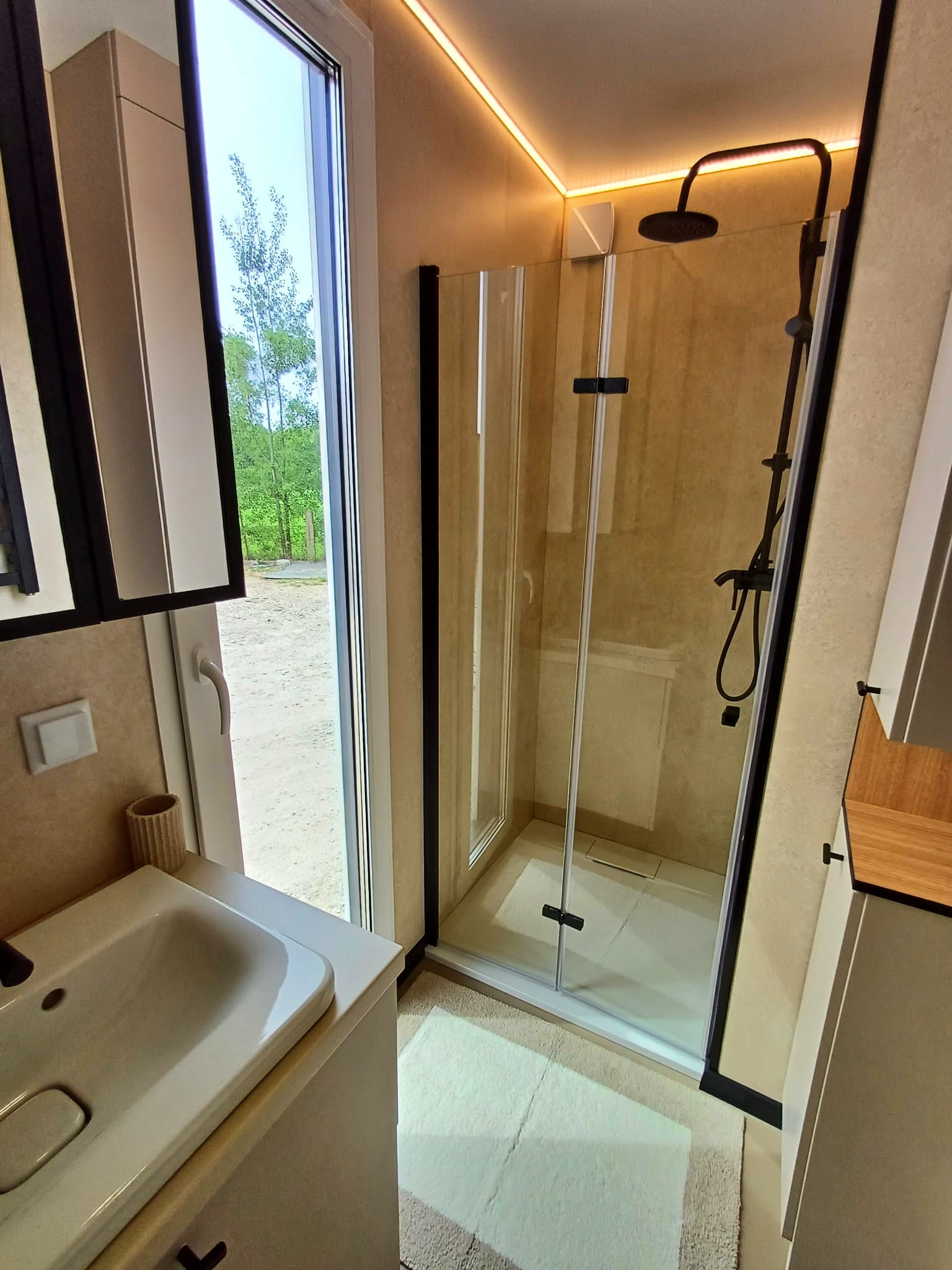
Can the layout, thresholds and shower access be adapted?
Storage and guest use
Retirement use often involves longer stays and visiting family.
What bedroom, wardrobe, utility and external storage is included?
Quote and due-diligence checklist
What to check before using a static caravan holiday home in your retirement plan
These checks help KC understand the building brief. They also help buyers separate lifestyle planning from lawful site occupation and running-cost risk.
Intended use Holiday base, part-year stay, family visits, full-time living or future move?
Site type Holiday park, residential park, mixed-use park or private land?
Occupation rules Holiday only, seasonal, 11-month, not sole/main residence, or residential?
Documents Site licence, planning records, site plan, pitch agreement and park rules.
Static caravan and lodge references for retirement planning
These KC visual references are planning and specification context, not claims that any specific park or pitch allows permanent residential use.
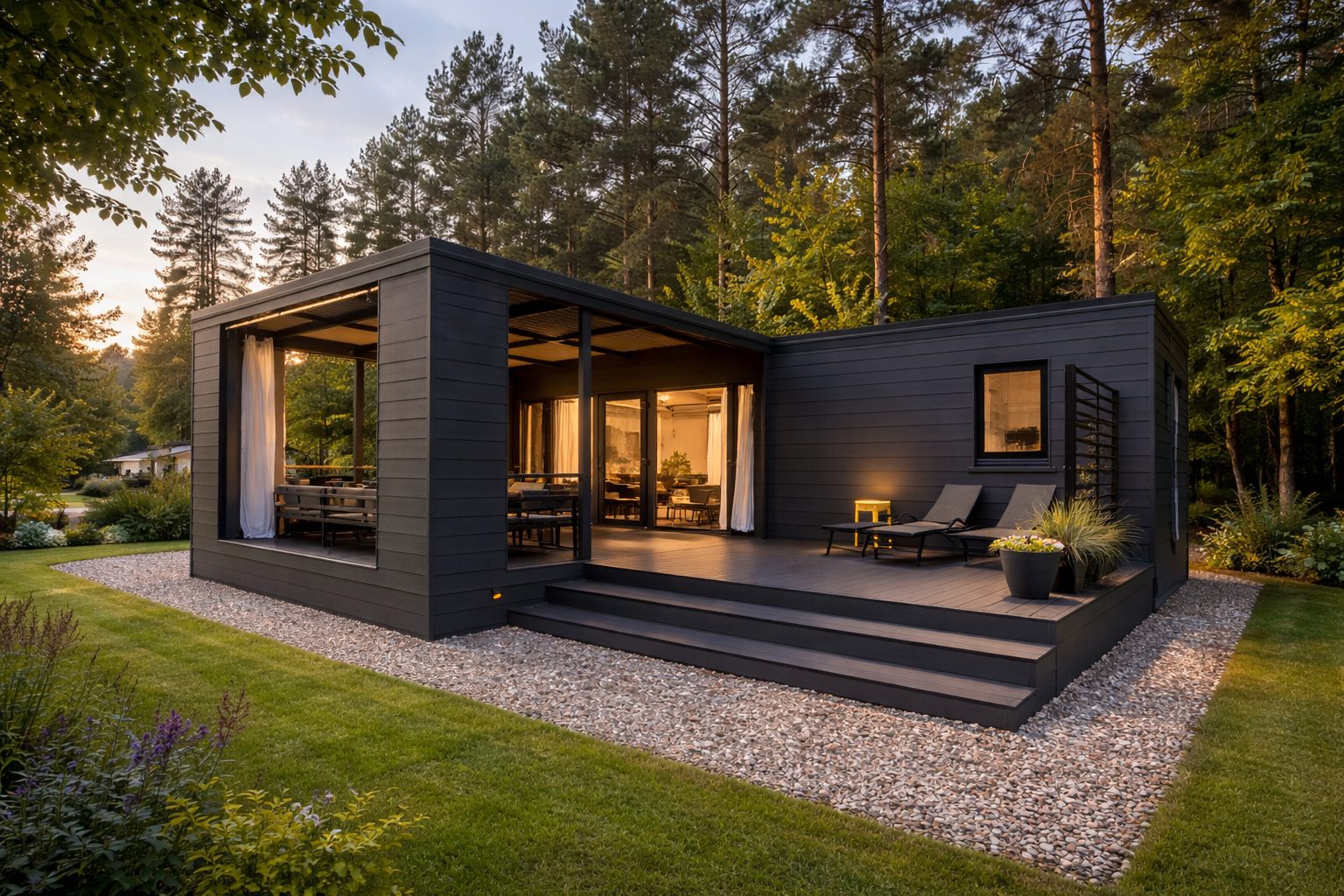
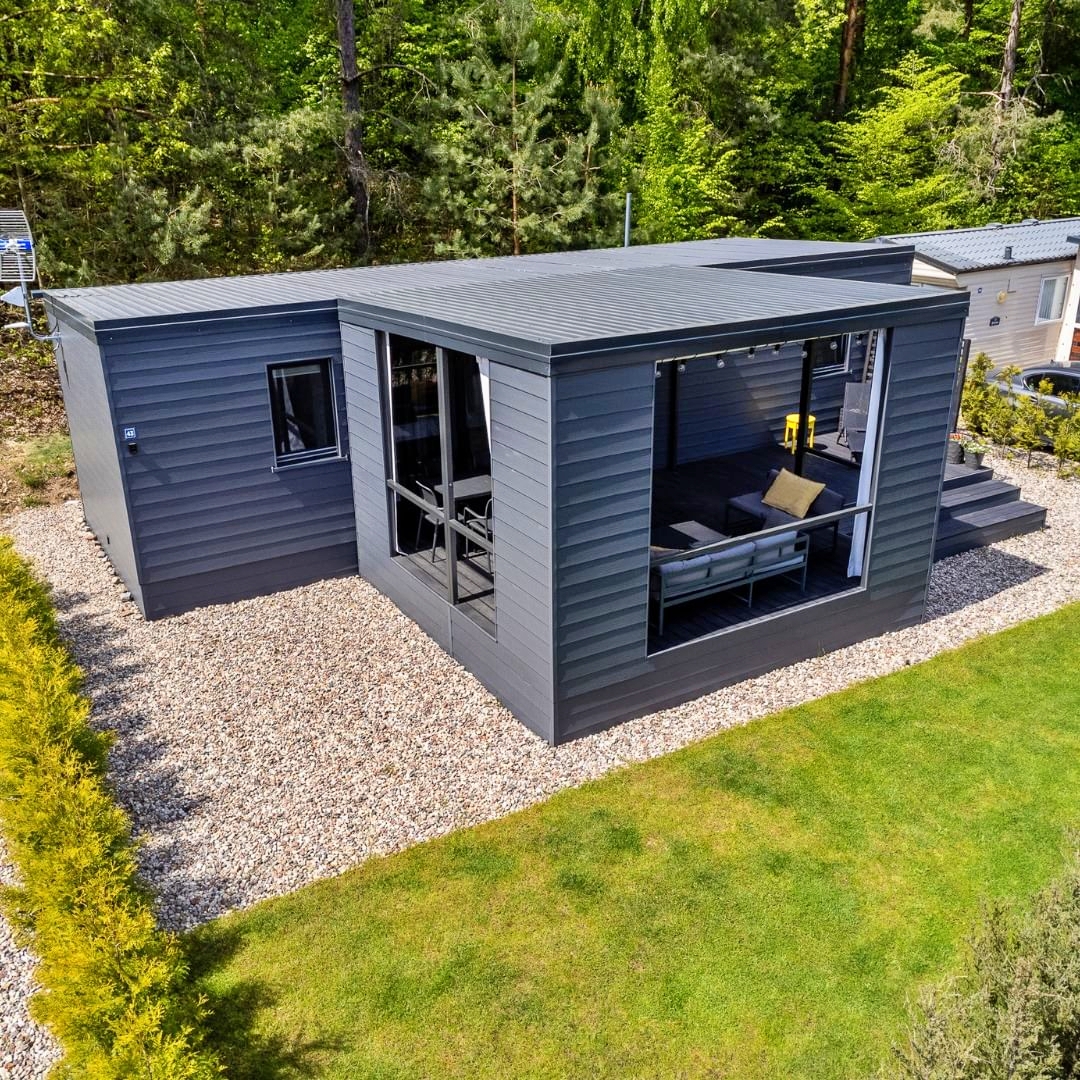
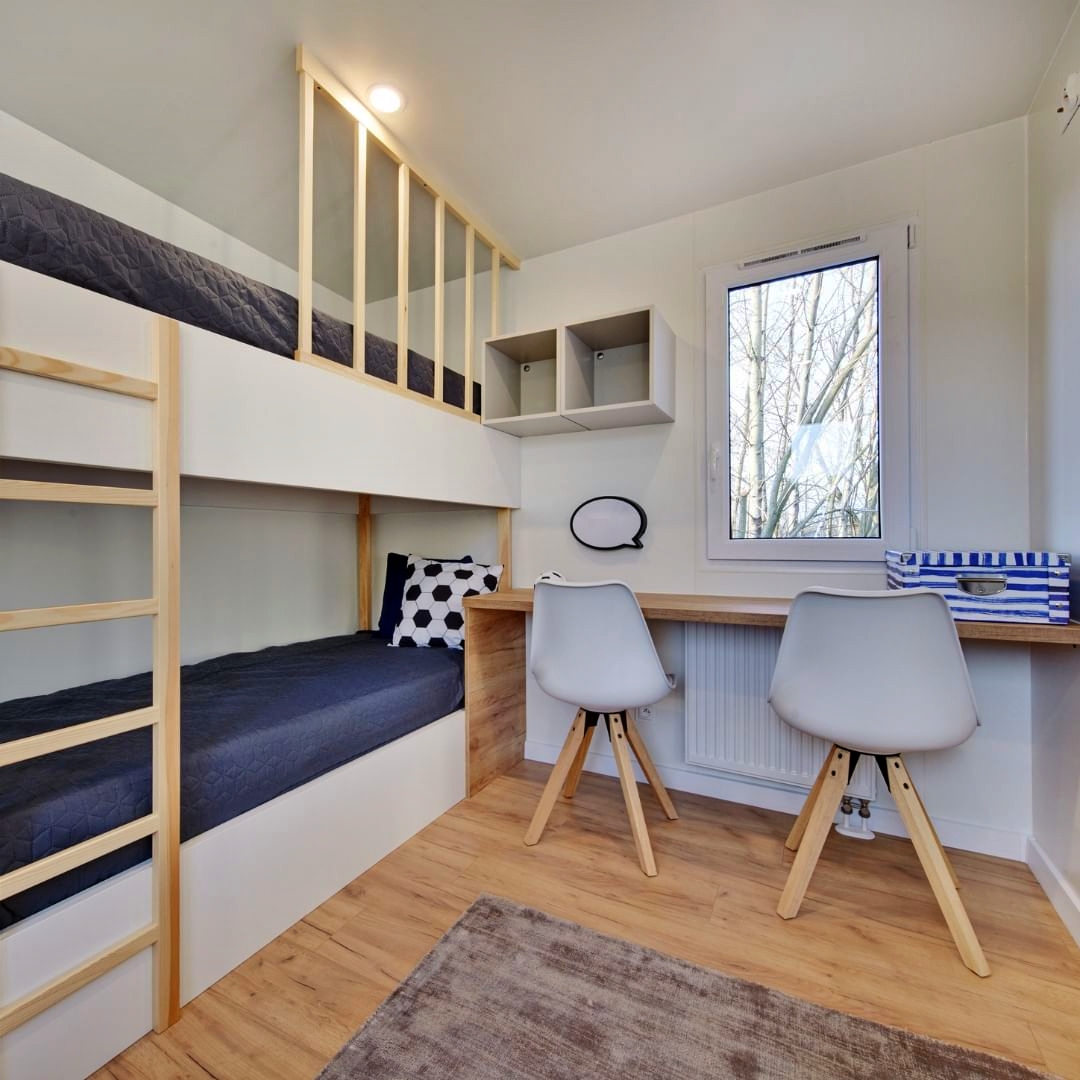
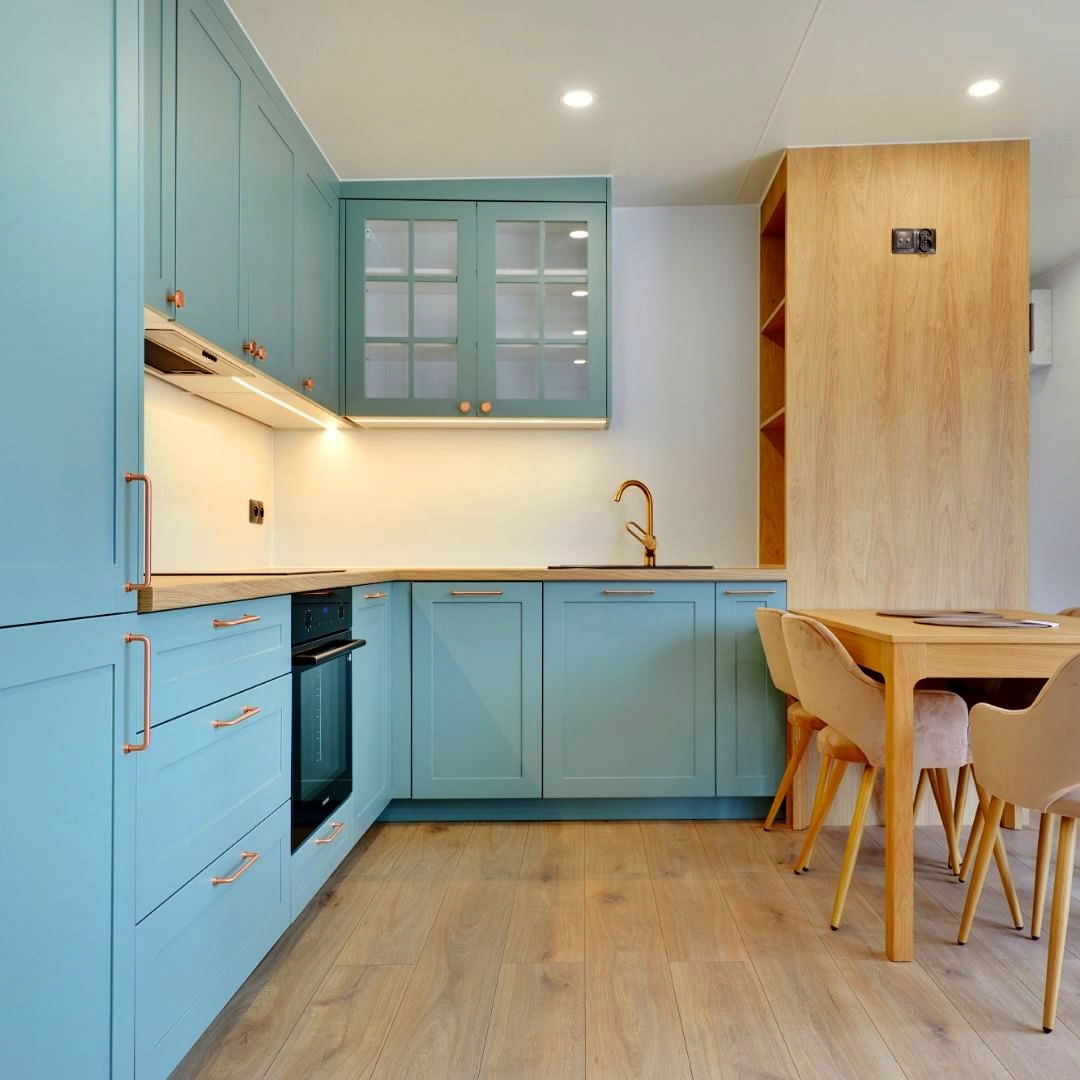
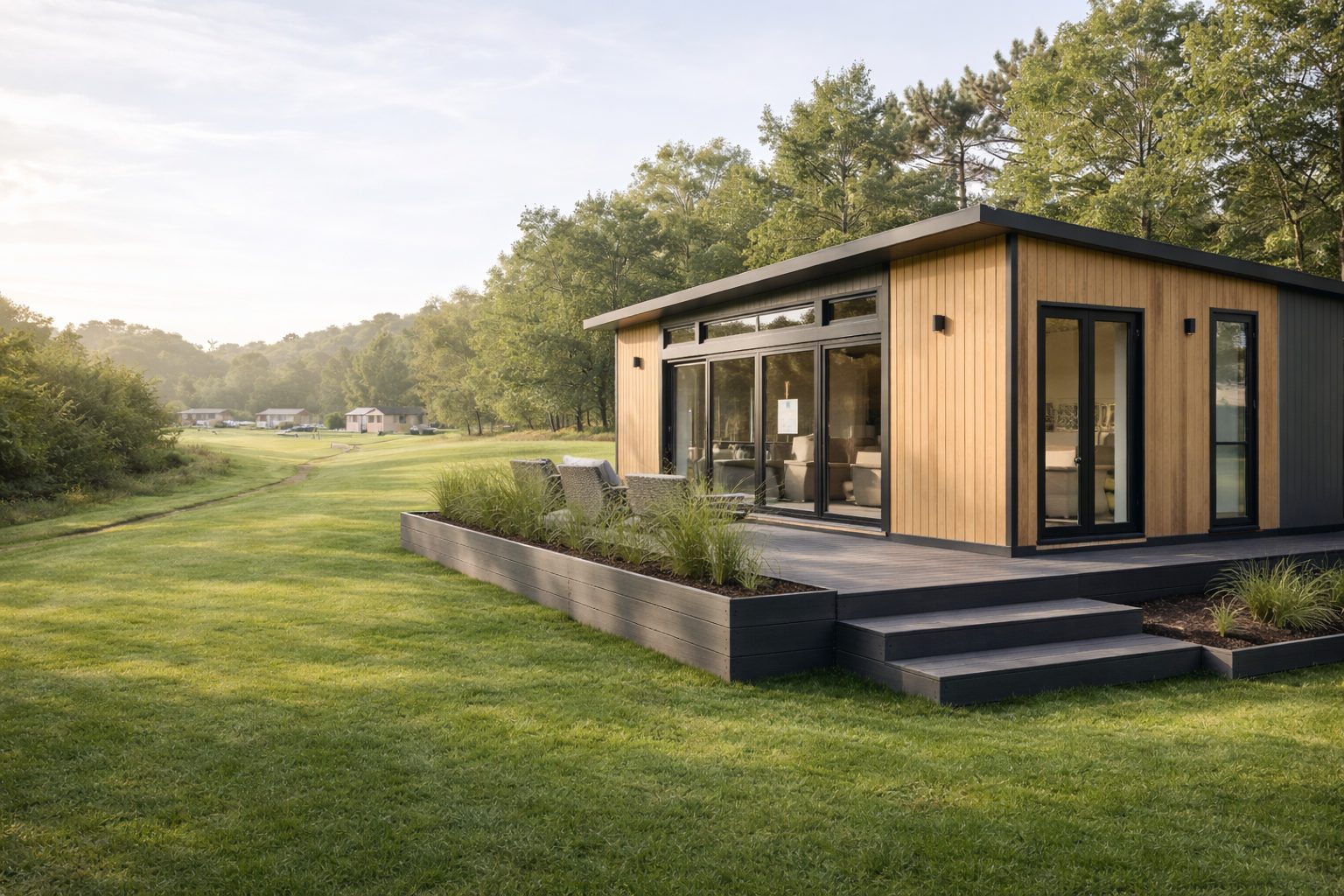
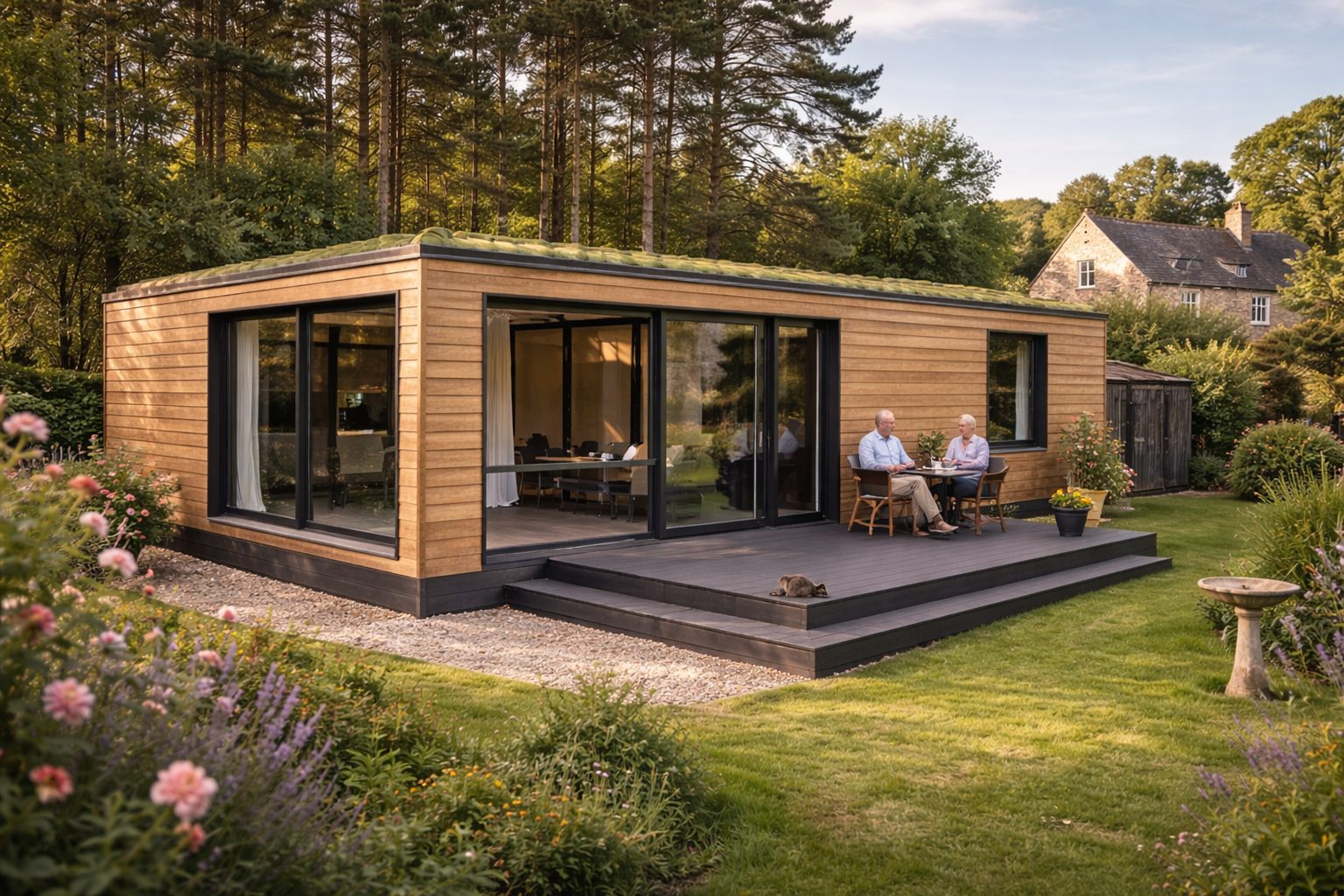
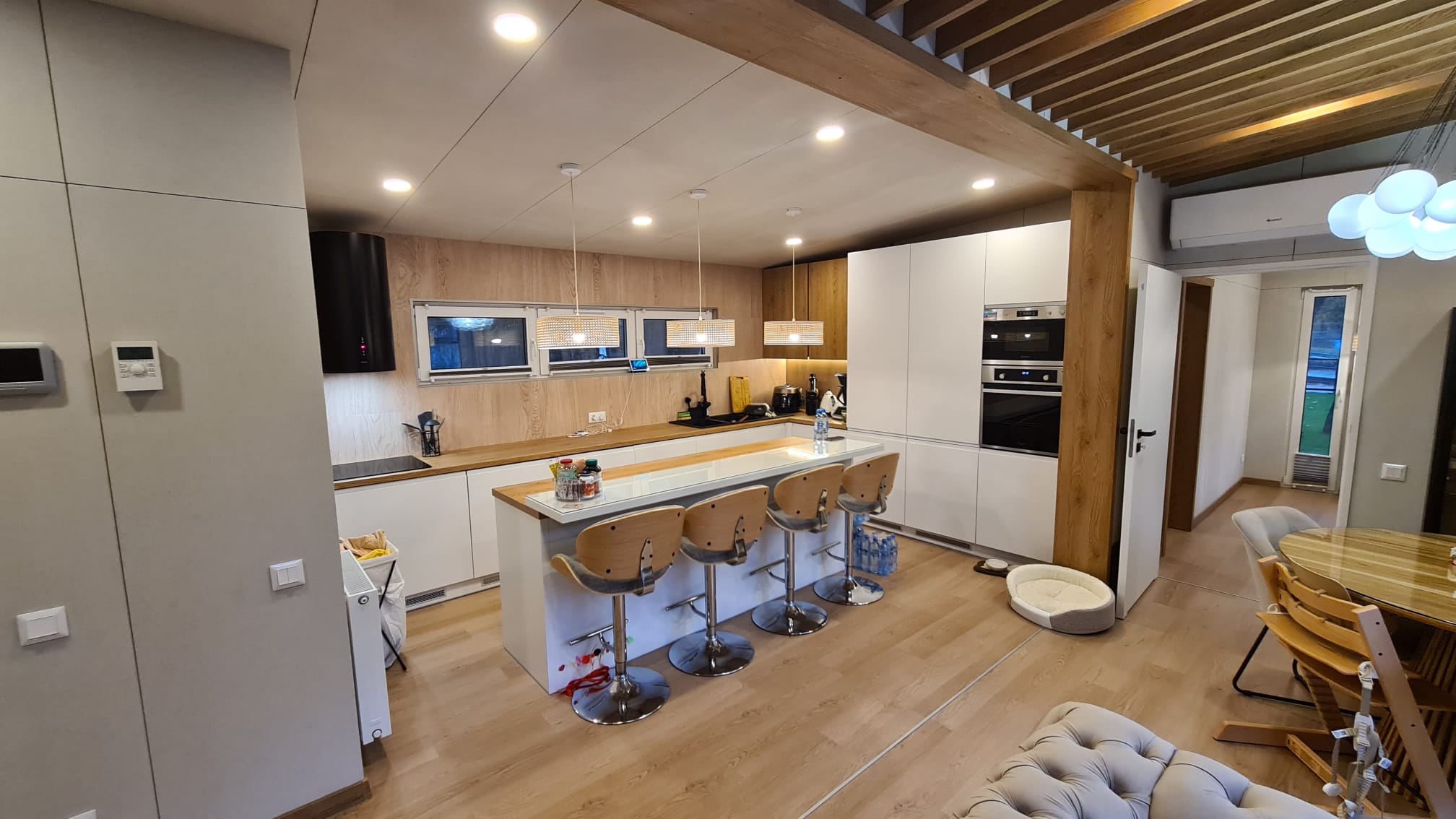
Static caravan holiday-home routeBefore treating a lodge as part of retirement planning, check the written agreement, site licence and planning position.Lifestyle value, not automatic residencyA premium lodge can improve holiday comfort, but the permission to live there full time depends on the site and agreement.Holiday park or residential park?The same building style can sit under different site rules. Buyers should check whether the pitch is holiday, residential or mixed-use.Retirement lodge UK planning checksFor retirement use, comfort, access, site costs and permitted occupation are all part of the brief.Check the buyer documentsSales material is not enough. Ask for the pitch agreement, site licence conditions and any residential or holiday-use restrictions.Access and future lifestyle planningA retirement brief should consider access, storage, visiting family, maintenance and the long-term practical use of the holiday home.Interior comfort and day-to-day useKitchen, bathroom, storage, heating and accessibility details matter when a holiday home will be used often in retirement.
Caravan site licence retirement checks and official references
Use official and site-specific documents before treating any holiday home or lodge as part of a retirement plan.
FAQ: static caravan holiday homes and retirement planning
Could a static caravan holiday home retirement plan work for me?
Yes, as a holiday or leisure base. It should not be treated as your permanent home unless the site and pitch are authorised for residential use and the written agreement permits it.
Can I live in a static caravan holiday home permanently after retirement?
Not on a holiday-only pitch. Full-time occupation depends on the site's planning permission, site licence, pitch agreement and whether the pitch is residential rather than holiday use.
Does a 12-month holiday park allow me to live there all year?
Not automatically. A park may be open for holidays for much of the year while still prohibiting use as a sole or main residence.
What documents should I request before buying?
Ask for the pitch agreement, park rules, site licence, site plan, planning position, fee schedule, resale terms and any clauses about holiday use, seasonal occupation or main-address evidence.
Is a holiday lodge the same as a residential park home?
No. A holiday lodge is typically leisure accommodation. A residential park home sits on a site authorised for residential occupation and may have a different legal framework.
Can a premium specification make a holiday home residential?
No. Insulation, glazing and high-quality finish may improve comfort, but they do not change the legal use of the pitch or site.
What costs should retirees consider?
Consider purchase price, pitch fees, utilities, insurance, maintenance, decking, transport, siting, resale commission, removal rules and possible future access adaptations.
Can a holiday home retirement plan use the caravan as a second home?
It may operate as a holiday or leisure base, but the detailed answer depends on the park licence, pitch agreement, local rules, tax position and whether you keep another main residence.
Should I sell my main home to buy a holiday caravan?
This is a major financial and legal decision. Get independent financial and legal advice before selling a main home or relying on a holiday park as your retirement address.
What should KC know before recommending a lodge route?
KC needs intended use, site type, season, pitch restrictions, layout needs, comfort expectations, access requirements, budget route and whether the project is holiday, residential or private-land related.
Reviewed by Krzysztof Cichowicz, Director. Last reviewed 21 July 2026. Site licence, residential-use, tax, inheritance and planning points should be verified against the current site documents and professional advice before commitment.