Completed Business & Workplace Projects
Commercial Projects UK
Commercial projects UK pages should show how modular buildings perform in real business settings. Therefore this page focuses on delivered and reference schemes across offices, reception buildings and working environments.
Why commercial clients choose modular delivery
Businesses often need space quickly. However they must keep operations moving during construction. As a result, many teams choose modular buildings because they reduce disruption and improve delivery control.
Modular commercial projects can support offices, reception buildings, fit-outs and operational spaces. Meanwhile clients can align the building route with programme, site constraints and long-term use.
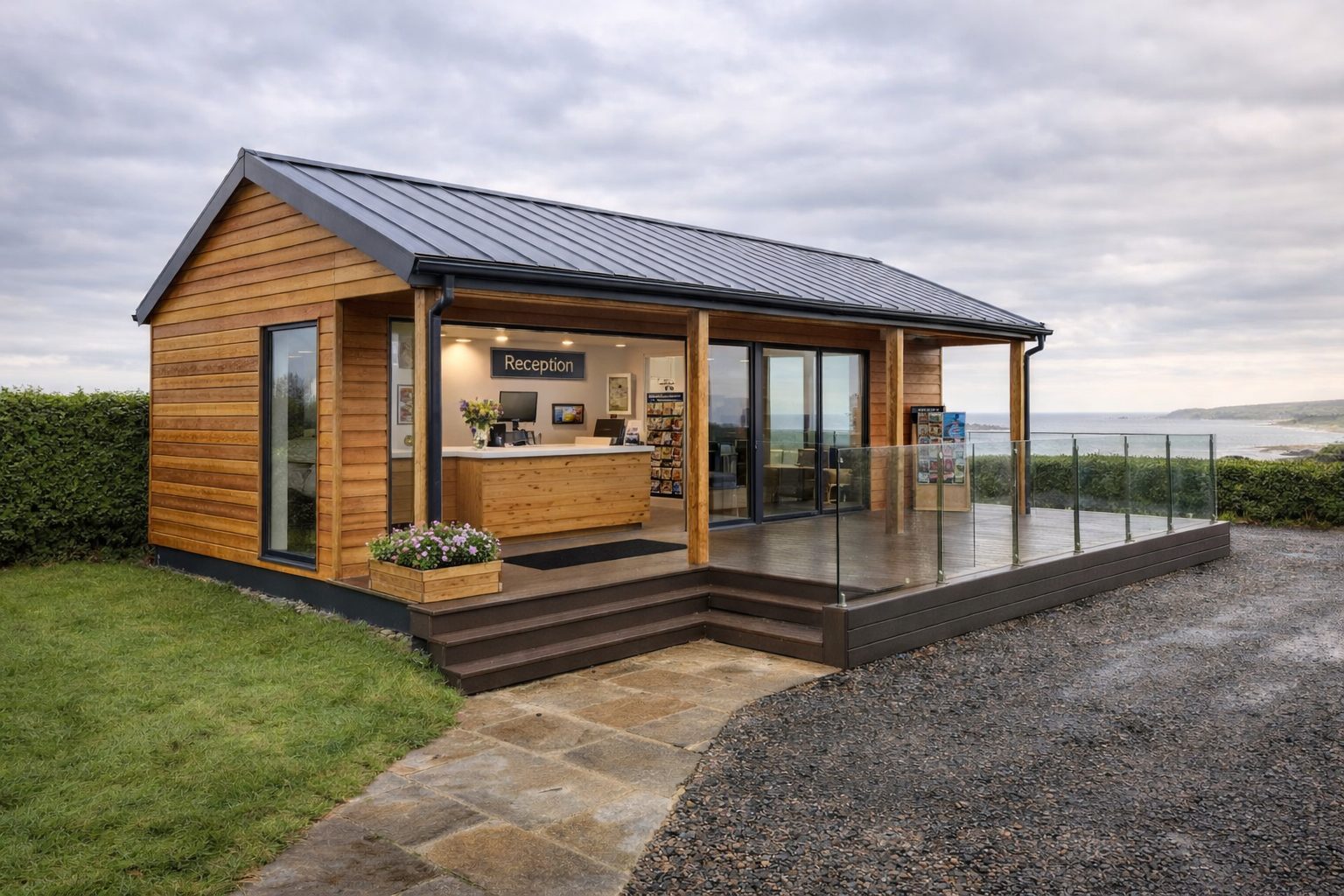
Description: Commercial reception building delivered for a holiday park in Cornwall, South West England, showing a modular front-of-house project for visitor-facing business use.
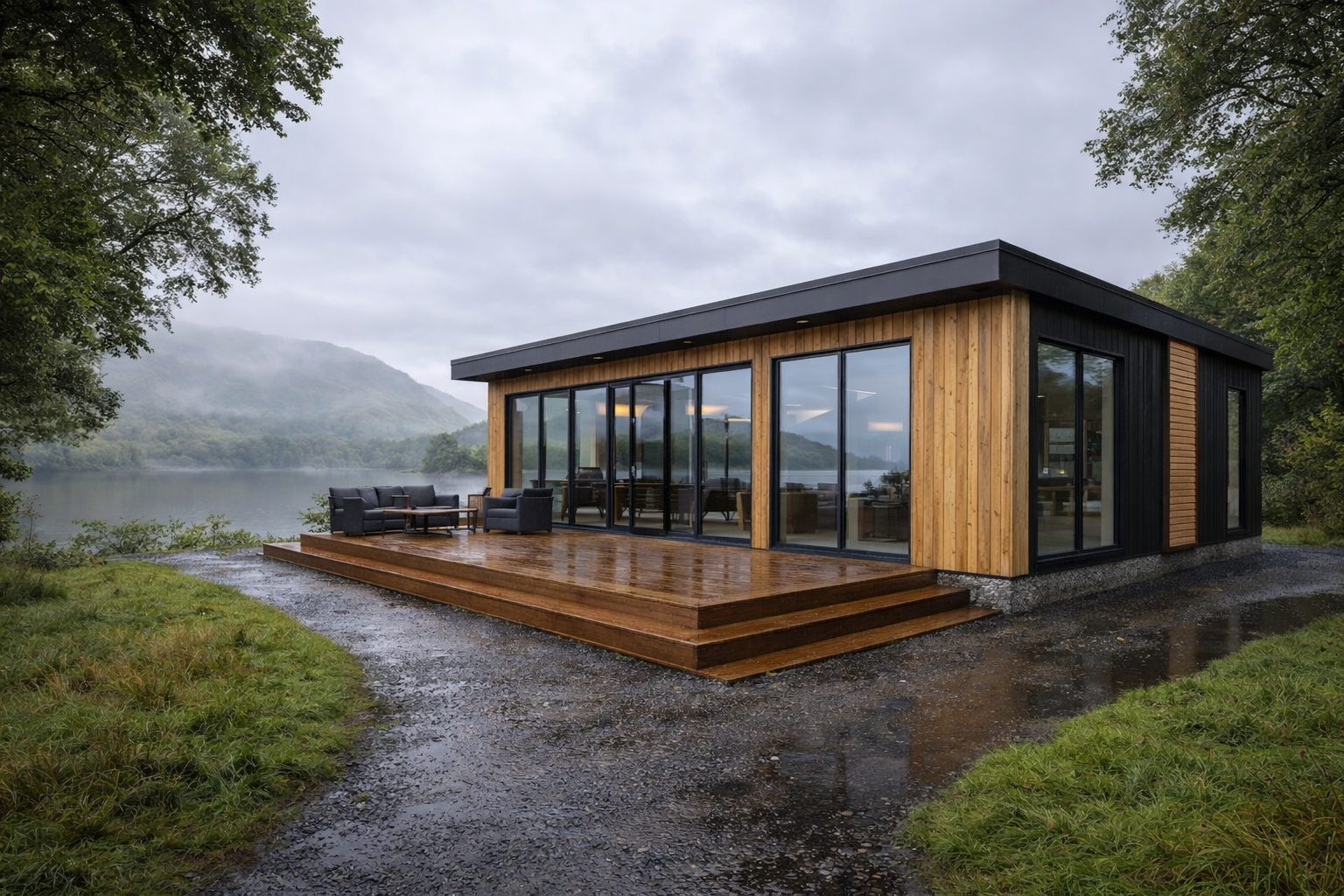
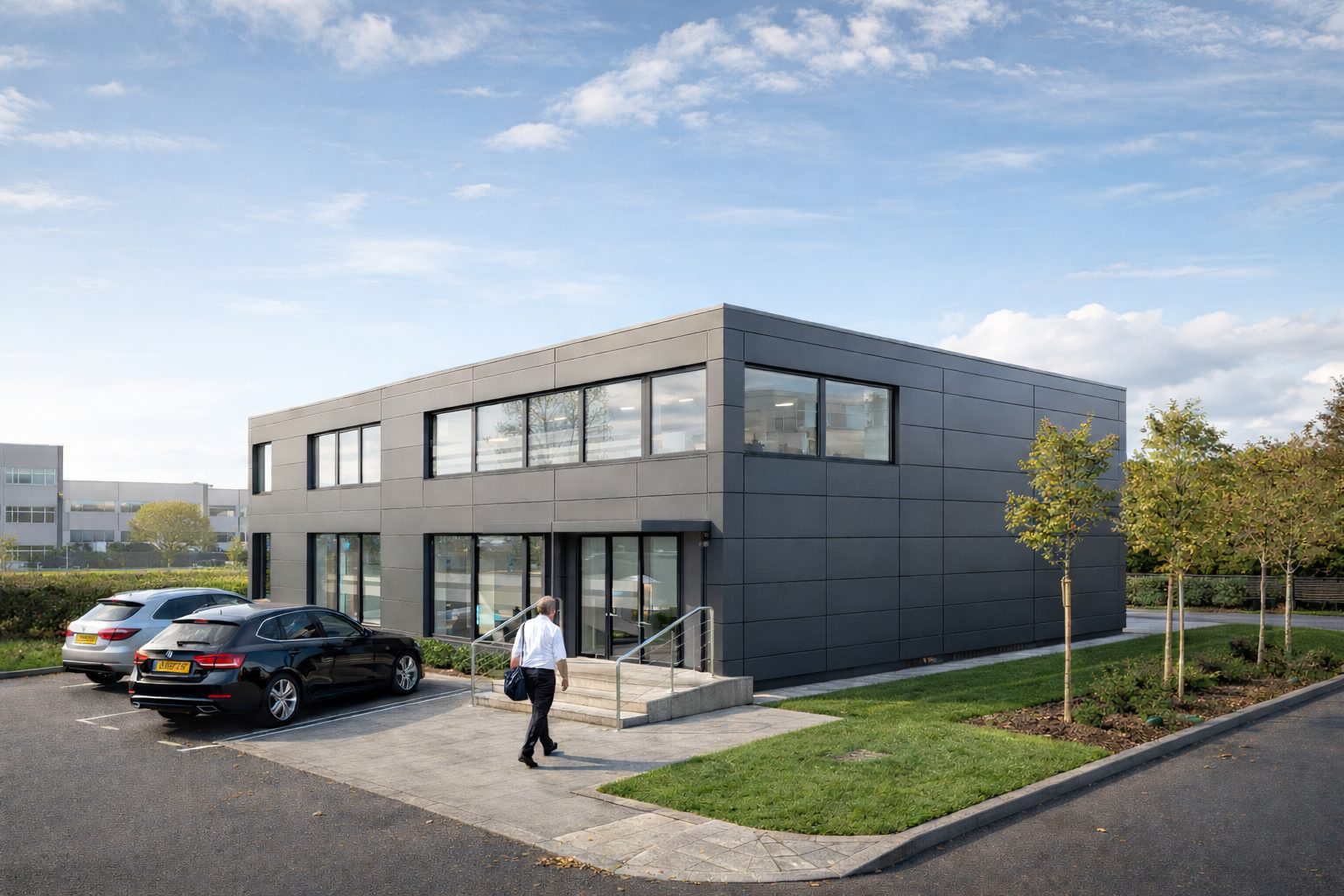
Description: Bespoke steel modular office building in London, Greater London, UK, showing a permanent commercial workspace solution for long-term business use.
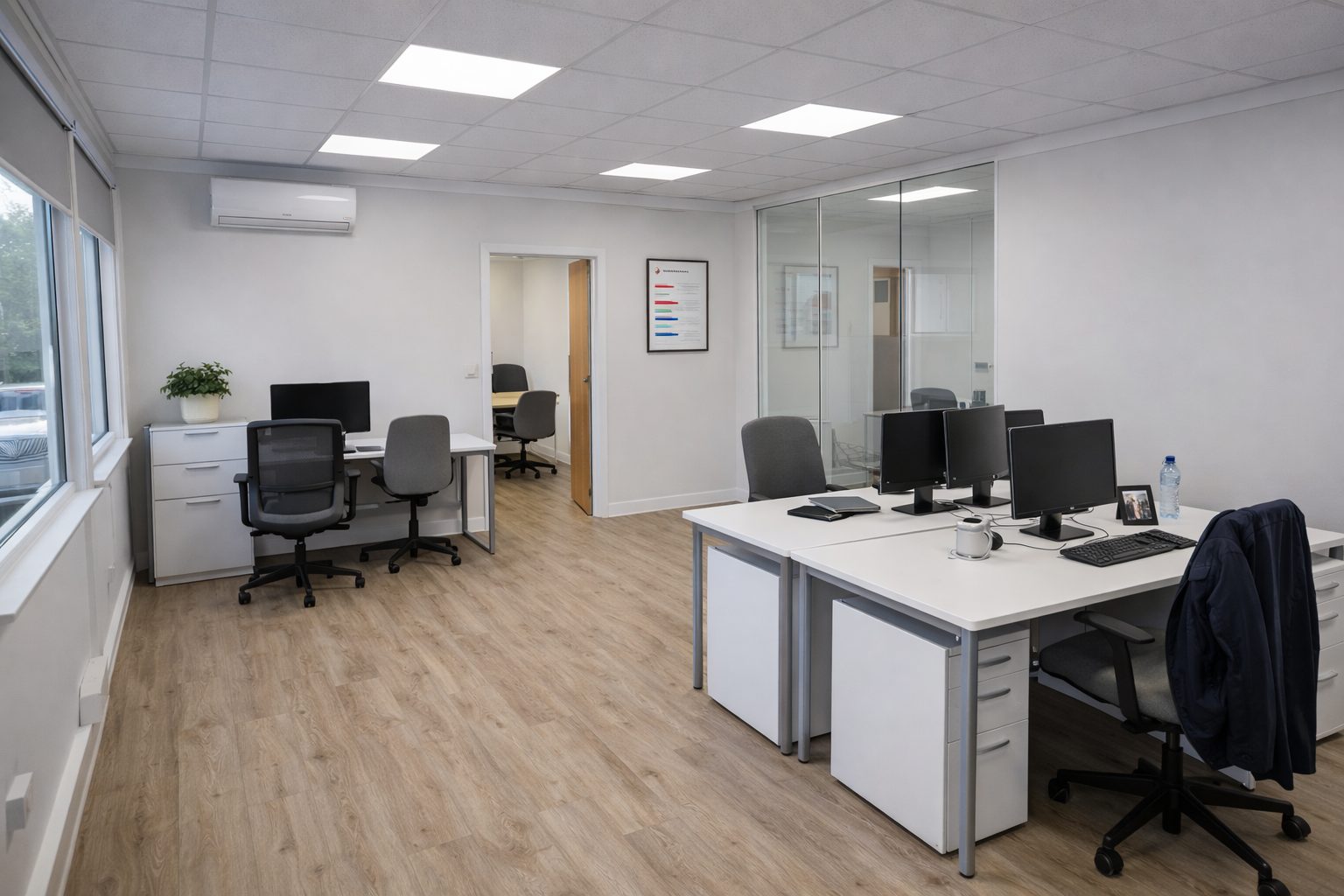
Description: Modular office interior fit-out in Manchester, Greater Manchester, UK, showing a finished commercial workspace designed for practical daily business use.
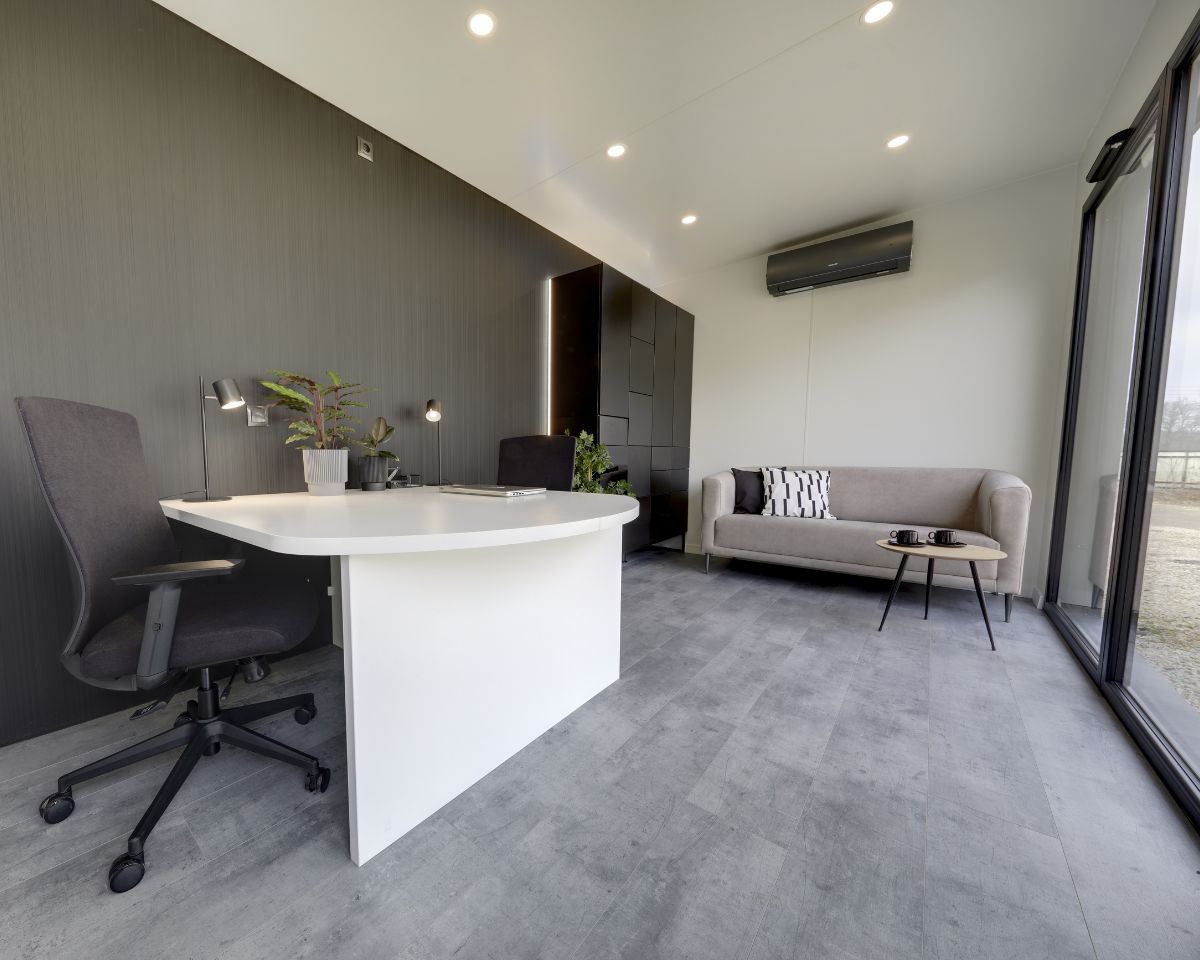
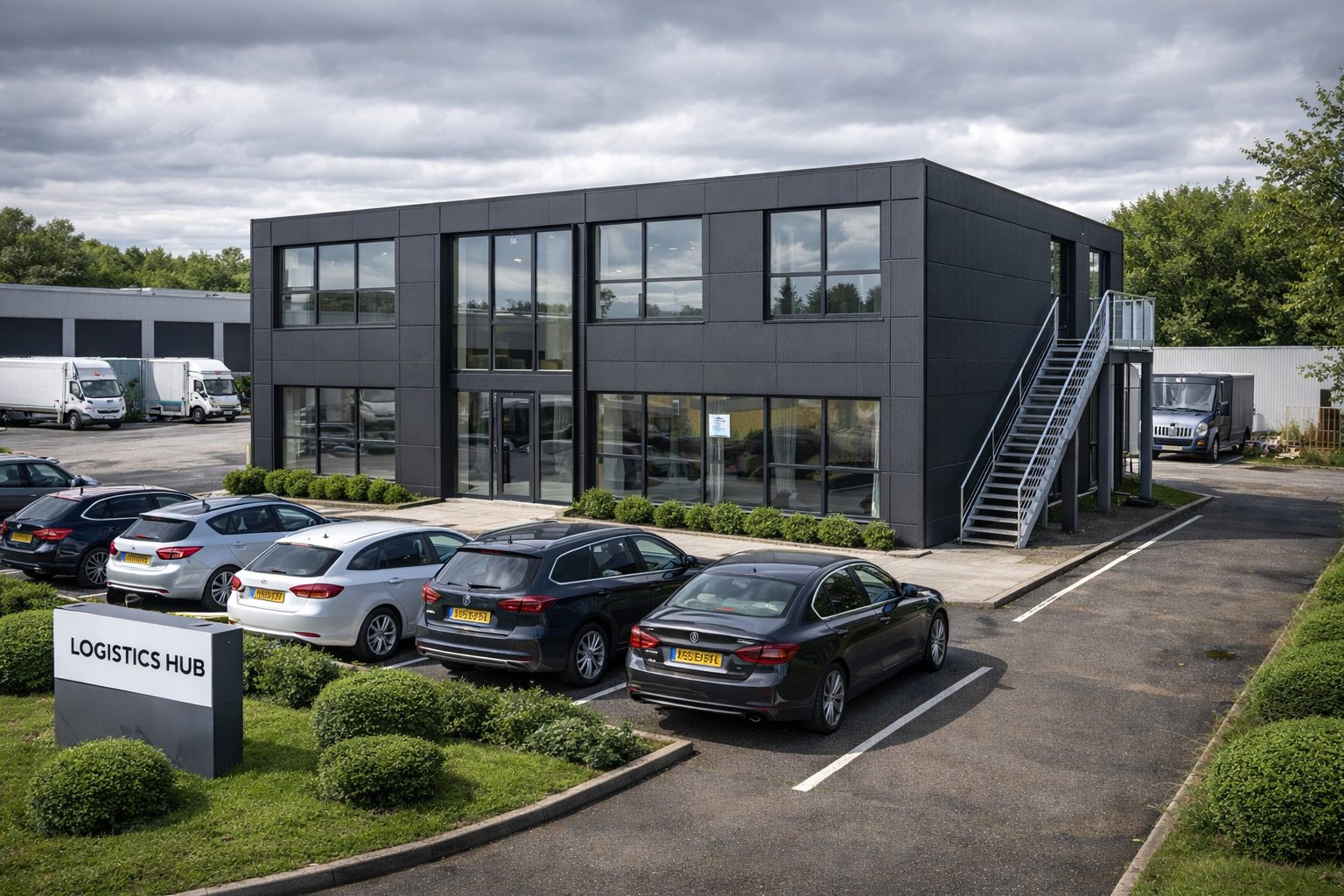
Description: Commercial modular building shown in a UK business environment, illustrating a flexible project route for office, operational or customer-facing commercial use.
When businesses need more space but cannot slow down operations
Commercial projects often start when a business outgrows its current space. However teams still need to keep staff, customers and daily operations moving while the new building route takes shape.
Why traditional build routes create pressure
Traditional construction can place more activity on site for longer. As a result, access becomes harder to manage, disruption increases and project timelines can put more pressure on the live business environment.
This challenge matters even more when the building supports customer-facing activity, office work or operational teams. Therefore businesses often look for a route that gives them better control over delivery.
How modular commercial projects solve the problem
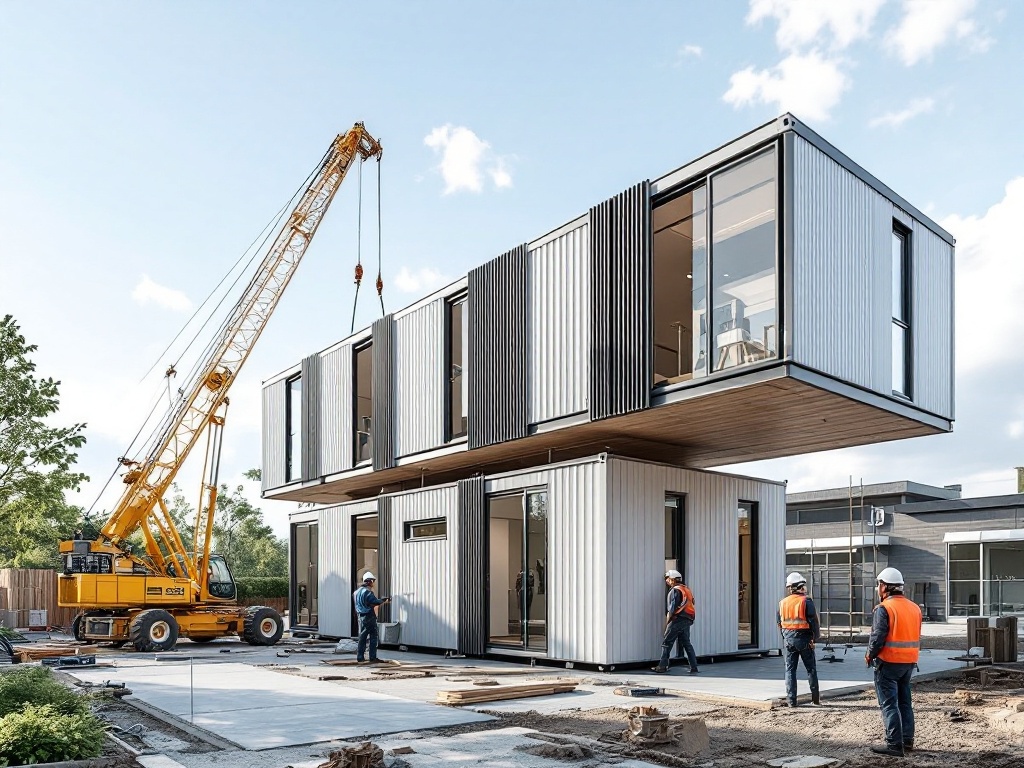
Modular construction moves a large part of the build process off site. Then teams deliver and install the building in a more controlled way. Therefore businesses can add new space with less disruption and a clearer programme.
- Expand office space without a long site-heavy build
- Add reception or customer-facing buildings faster
- Create operational space for growing teams
- Support phased commercial expansion programmes
- Keep live business environments more manageable during delivery
As a result, commercial clients can align new space with programme, budget and long-term use. However each project still depends on the site, the building type and the operating environment.
Description: Bespoke steel modular office building in London, Greater London, UK, showing how a commercial project can deliver permanent workspace with a controlled modular route.
What strong commercial projects usually require
Commercial projects are judged by how well they support business operations. Therefore clients focus on delivery control, usability and long-term performance rather than just construction speed.
Teams need to keep staff and customers moving. As a result, projects must reduce noise, access issues and downtime during delivery.
Businesses often work to tight timelines. Therefore modular construction helps shorten programmes and improve planning certainty.
Commercial buildings must support offices, customer areas or operational functions. However layouts need to adapt to business requirements.
Project teams benefit from cleaner and more predictable installation. As a result, they can manage logistics and sequencing more effectively.
Many commercial projects require durable buildings. Therefore the structure must support daily use over time, not just short-term needs.
Clients need straightforward advice and realistic timelines. As a result, clear communication improves decision-making and project flow.
Choosing the right system for commercial projects
Commercial projects do not follow a single route. Therefore the system choice depends on programme, building type and long-term business use. However selecting the correct system early helps reduce delays and improves delivery control.
ISO Frame (Volumetric) Systems
ISO frame systems suit projects where speed and repeatability matter most. As a result, businesses can deliver offices and operational buildings quickly.
- Best use: fast office delivery and scalable commercial units
- Strength: predictable programme and controlled installation
- Typical route: permanent or semi-permanent commercial buildings
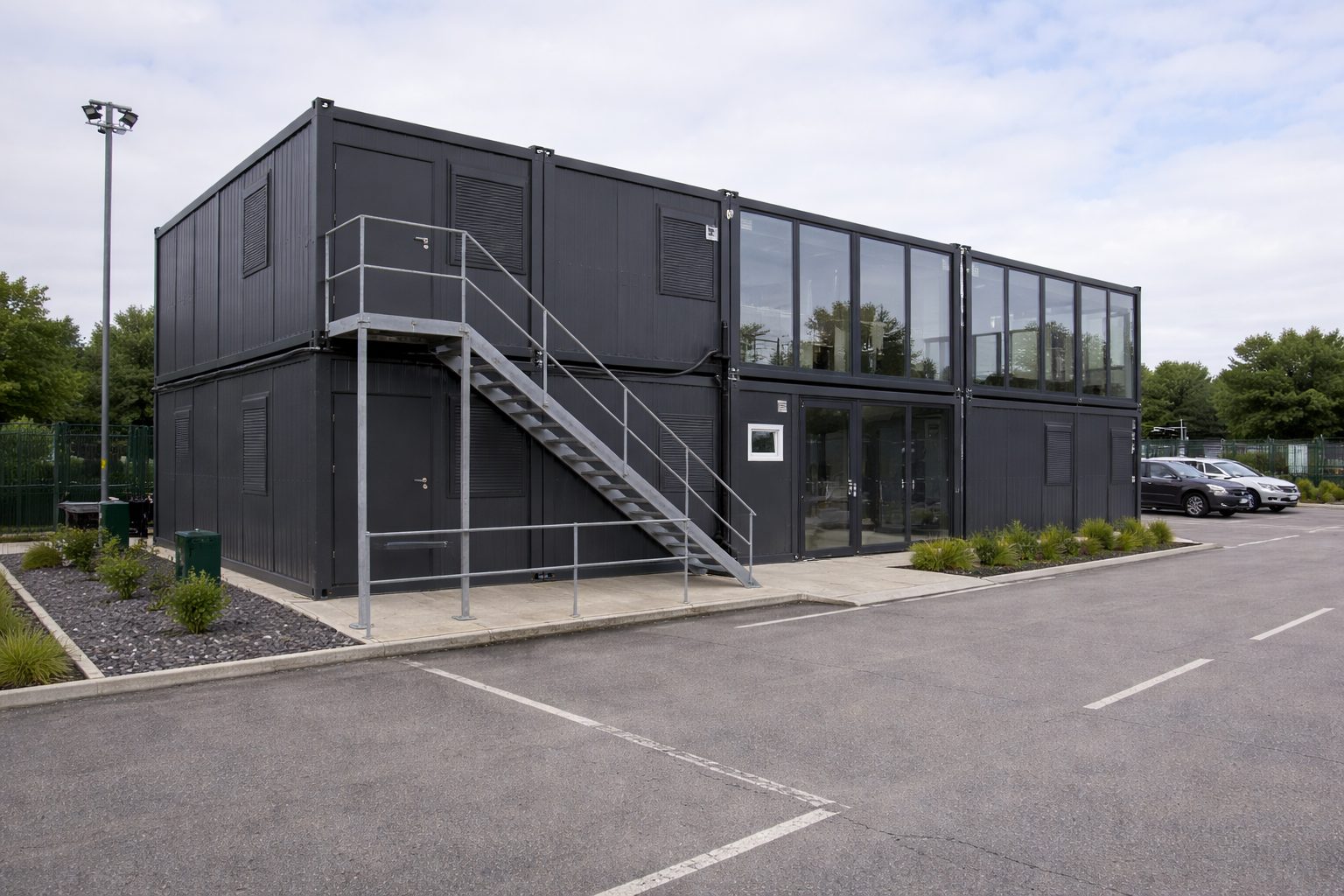
Description: Volumetric ISO frame commercial building used in a UK business environment, designed for fast delivery and repeatable project scaling.
Bespoke Modular Buildings
Bespoke modular systems fit projects that need tailored layouts or strong visual design. Therefore businesses often choose this route for high-spec commercial environments.
- Best use: offices, showrooms and premium commercial spaces
- Strength: design flexibility and upgraded finishes
- Typical route: permanent commercial buildings
Description: Bespoke modular office building in London, UK, showing a tailored commercial project with long-term business use and architectural design focus.
Interior Fit-Out & Workspace Delivery
Some commercial projects focus on internal space rather than structure. However modular fit-out solutions still support fast workspace delivery.
- Best use: office interiors and workspace upgrades
- Strength: rapid transformation of working environments
- Typical route: commercial interior projects
Description: Modular office interior fit-out in Manchester, UK, showing a commercial workspace designed for efficient daily business use.
Typical commercial project specification priorities
Commercial projects depend on how the building supports daily operations. Therefore a clear specification helps define performance, layout and delivery before detailed design begins.
What businesses usually define early
As a result, the project team can align the building with business needs before construction begins. However each commercial project still requires a solution that fits the site and operating environment.
Description: Modular reception building in Cornwall, South West England, showing a commercial project designed for customer-facing use and operational efficiency.
From enquiry to completed commercial project
Commercial projects require clear coordination between design, programme and business operations. Therefore the delivery process focuses on reducing disruption while keeping control of time and cost.
How commercial projects move forward
Teams define the building need first. Then they match the system to the programme and site constraints. As a result, the project follows a clearer and more predictable path from enquiry to handover.
Confirm the building use, size and layout. Therefore the project team can align the building with business operations from the start.
Choose ISO frame, bespoke modular or fit-out solutions. As a result, the system matches programme and long-term use.
Define internal layout, finishes and services. Meanwhile teams align the design with operational workflow and staff use.
Review access, logistics and business activity. Therefore installation can proceed without major disruption.
Teams build modules in a controlled environment. As a result, quality improves and site time reduces.
Install the building and connect services. Therefore the business can start using the space without delay.
Commercial project examples across UK business environments
Project examples show how modular buildings perform in real commercial settings. Therefore the examples below highlight reception buildings, office delivery and interior workspace projects.
Three common commercial project routes
Some businesses need front-of-house buildings. Others require office space or internal upgrades. As a result, these examples show how different commercial needs shape project delivery.
Reception and customer-facing buildings
Businesses often need a strong first impression. Therefore modular reception buildings can support customer-facing operations with a clean and efficient delivery route.
Description: Modular reception building delivered in Cornwall, UK, showing a commercial project designed for customer-facing business use.
Permanent office buildings
Some commercial projects require long-term workspace. However modular systems can still deliver permanent office buildings with strong design and performance.
Description: Bespoke modular office building in London, UK, showing a permanent commercial project for long-term business use.
Commercial workspace interiors
Some projects focus on internal environments. As a result, modular fit-out solutions can transform workspace quickly without major structural work.
Description: Modular office interior fit-out in Manchester, UK, showing a commercial workspace designed for efficient daily use.
Commercial projects UK can range from single buildings to full site development. Therefore the best solution depends on business needs, site conditions and long-term use.
Modular commercial projects vs traditional building routes
Businesses often compare modular delivery with traditional construction before selecting a project route. Therefore this comparison focuses on programme, disruption and operational impact.
Key decision differences
Each route offers benefits. However commercial projects usually depend on how quickly the building becomes usable and how well it fits into a live business environment.
| Decision factor | Modular commercial projects | Traditional construction |
|---|---|---|
| Programme speed | Teams build modules off site. As a result, they reduce overall delivery time and provide a clearer timeline. | Teams complete more work on site. Therefore programmes often extend due to site conditions and sequencing. |
| Business disruption | Modular delivery limits site activity. As a result, businesses can keep operations running more easily. | Site-heavy construction increases noise, access pressure and disruption for staff and customers. |
| Project control | Factory production improves consistency. Therefore teams manage quality and scheduling more effectively. | Site conditions affect build quality and programme. As a result, projects may become less predictable. |
| Design flexibility | ISO and bespoke systems support both standard and tailored layouts. Therefore businesses can match the building to their needs. | Traditional construction allows flexibility. However it may increase complexity and extend timelines. |
| Best-fit use | Offices, reception buildings, workspaces and operational units that require fast and controlled delivery. | Projects where extended site activity does not affect operations or programme requirements. |
Common commercial project types and applications
Commercial projects vary by business type, scale and operational needs. Therefore modular construction supports several building uses rather than a single fixed solution.
How businesses group these projects
Some companies need customer-facing buildings. Others require workspace or internal upgrades. As a result, it helps to define the project type before selecting the building system.
Modular office buildings
Businesses often need new office space quickly. Therefore modular offices provide a faster route to operational workspace without long delays.
Reception and front-of-house buildings
Customer-facing buildings shape first impressions. As a result, businesses use modular reception buildings to create clean and efficient entry points.
Commercial workspace fit-outs
Some projects focus on internal space rather than structure. Therefore modular fit-outs allow teams to upgrade work environments quickly.
Operational and support buildings
Businesses often require additional space for staff, logistics or operations. As a result, modular buildings support growing teams without complex construction.
Temporary commercial space
Some projects require short-term solutions during expansion or redevelopment. Therefore modular buildings provide flexible and scalable options.
Permanent commercial expansion
Many businesses invest in long-term buildings. Therefore modular systems can deliver permanent structures with controlled programmes and consistent quality.
Commercial projects UK often combine several of these uses in one scheme. Therefore the strongest results come from matching the project type to the correct modular system early.
UK coverage for commercial projects and business buildings
Location affects access, delivery planning and how a new building integrates with the live business environment. Therefore including the site postcode and building type in the first enquiry usually helps define the most suitable commercial project route. However we can still advise at concept stage if the exact site details are not final yet.
Quality assurance and delivery confidence for commercial projects
Commercial projects require clear proof of quality before approval. Therefore businesses and stakeholders often review delivery methods, build standards and compliance pathways early.
Why authority proof matters for businesses
Companies rely on predictable outcomes. As a result, they need evidence that the building system supports consistent quality and controlled delivery. Clear documentation also helps align decision-makers during early planning.
Commercial build quality reference
This project shows how teams deliver consistent quality across commercial spaces. Therefore clients can review real results before committing to a project route.
Description: Modular office interior fit-out in Manchester, UK, showing build quality and delivery standards for commercial projects.
Controlled factory production
Teams build modules in a controlled environment. As a result, they maintain higher consistency and reduce variation across projects.
Clear project documentation
Teams provide structured information from the start. Therefore stakeholders can review design intent and delivery steps with more confidence.
What this means for commercial delivery
Strong documentation and controlled production reduce risk. As a result, projects move forward with better coordination between design, approval and installation.
Commercial projects UK — frequently asked questions
Commercial projects involve planning, delivery and operational decisions. Therefore these answers explain the most common questions before a project starts.
Planning and approvals
Delivery and installation
Design and performance
Tip: include site location, building type and timeline when you request a quote. This helps define the project route faster.
Start your commercial project with a clear delivery route
Commercial projects require more than extra space. Businesses need a solution that supports daily operations, fits the programme and delivers long-term value. Therefore early planning helps define the correct modular route before work begins.
Whether you need offices, reception buildings or operational space, the next step is to define the site, building type and timeline. As a result, the project team can recommend a suitable solution with greater accuracy.
Typical quote response within 48h (Mon–Fri)
Description: Modular reception building delivered in Cornwall, UK, showing a commercial project designed for customer-facing use and efficient business operation.