Kitchen-led modular hospitality projects need equipment schedules, extraction, hot-water demand, drainage and hygienic finishes confirmed before design is frozen.
Short answer
Can a modular bar include a commercial kitchen?
A modular building can contain a commercial kitchen, but it must be designed around the actual menu, appliances, extraction, replacement air, electrical or gas demand, drainage, hygiene zoning, fire strategy and maintenance access. Adding domestic kitchen units to a cabin does not create a commercial catering facility.
The safest route is to define the operating model first. A drinks-only bar, cold-food preparation space, light hot-food offer and full commercial kitchen each need different services, finishes and evidence. KC should not label a hospitality unit as commercial-kitchen ready unless the required extraction, hygiene, utility, equipment and fire provisions are specified for the agreed brief.
Answer-engine summary
Fast answers for modular bar with kitchen projects
Buyer question
Direct answer
Can a modular bar include a commercial kitchen?
Yes, but only when the building is designed around the real menu, equipment schedule, extraction, replacement air, utilities, hygiene zoning and fire strategy.
Is a kitchenette the same as a commercial kitchen?
No. Domestic-style kitchen units or a small tea point do not make a modular bar suitable for commercial catering.
Is electric cooking simpler than gas?
Often, but it can still need substantial electrical capacity, heat rejection, ventilation, commissioning and equipment access.
Does gas cooking change the design?
Yes. Gas-fired catering equipment introduces additional gas installation, ventilation, flueing, safety and maintenance duties.
Who registers the food business?
The operator normally registers the food business with the local authority. It is not automatically satisfied by buying a fitted modular building.
Four operating levels
Do you need a kitchenette, drinks-service fit-out or full commercial kitchen?
A modular commercial kitchen building should be specified from the food operation, not from a generic modular size. The same external bar building can carry very different service, ventilation, drainage and fire loads depending on what is cooked, stored, washed and served.
Operating model
Typical design implications
Kitchen status
Drinks only
Refrigeration, glasswash, sinks, ice, cellar or keg storage and bar ventilation. The offer may still involve food-business registration if food or drink is sold regularly.
Drinks-service fit-out, not a commercial kitchen.
Packaged or cold food
Handwashing, hygienic preparation, chilled storage, allergen control, segregation and cleaning routes become more important.
Cold-food preparation route.
Reheating or limited hot food
Higher electrical load, heat management, equipment ventilation, handwashing, wash-up, refrigeration and waste planning are needed.
Light catering or modular hospitality kitchen route.
Full commercial kitchen
Dedicated extraction, replacement air, cookline, wash-up, drainage, grease strategy, fire strategy, hygiene finishes and substantial services must be designed in.
Commercial-kitchen ready or fully fitted commercial kitchen route.
Technical design
Extraction, utilities and food safety have to be designed early
Commercial kitchen scope changes the building. The design team needs to understand the heat, steam, grease, odour, stock, wash-up and staff movements before the layout is fixed. HSE guidance treats kitchen ventilation as a safety issue for catering workplaces, not a decorative option.
Design area
Why it matters in a modular hospitality kitchen
Electric versus gas strategy
Electric cooking can reduce gas-specific obligations but may increase incoming electrical capacity, distribution boards, cooling and heat-rejection loads.
Kitchen extract and discharge
Cooking fumes, heat, steam, grease and odour need a planned extract route and safe discharge location, not an afterthought.
Replacement air
Extracted air must be replaced. Poor make-up air can make kitchens uncomfortable and can affect appliance safety, especially where gas is used.
Water and hot water
Handwashing, glasswashing, dishwashing, cleaning and food preparation can require higher hot-water demand than a simple bar.
Foul drainage and grease
Wash-up, sinks and kitchen equipment need drainage routes. Grease management may be required depending on the food offer and local drainage expectations.
Food-preparation segregation
Raw, cooked, allergen and ready-to-eat routes may need separation, workflow control, storage discipline and cleaning procedures.
Hygienic finishes
Wall, ceiling and floor finishes should suit the food operation, cleaning routine, splash risk and durability needed.
Fire strategy
Cooking appliances, extraction, suppression, alarms, escape, compartmentation and maintenance access must be reviewed for the agreed operation.
Maintenance access
Equipment, filters, ductwork, condensers, grease systems and plant need safe access for service, cleaning and replacement.
Electric cooking
Electric equipment still needs load planning
Electric cooking can remove gas-specific risks, but it does not make the project low-service. Induction, fryers, combi ovens, dishwashers, refrigeration and hot-water generation can require three-phase power, larger distribution, heat management and ventilation design.
Incoming electrical capacity
Distribution board and RCD strategy
Heat gain and cooling load
Maintenance access
Gas cooking
Gas changes ventilation and maintenance duties
Gas-fired catering equipment introduces additional installation, ventilation, flueing and maintenance duties. The equipment schedule should confirm gas type, connected load, appliance clearances and the competent-person route before the building is treated as kitchen-ready.
Gas Safe competent installation
Make-up air and flueing
CO and combustion-product control
Inspection and maintenance evidence
Send this before design starts
Commercial kitchen brief checklist for KC
A kitchen decision is only useful when the operator can describe the actual menu, service pattern and equipment loads. Use this checklist before asking whether a modular café building, commercial kitchen cabin or modular catering building is feasible.
Proposed menuDrinks, cold food, reheated snacks, full meals or mixed hospitality.
Cooking methodsElectric, gas, induction, ovens, grill, fryer, pizza, solid fuel or no cooking.
Equipment scheduleMake, model, dimensions, load, clearances and maintenance access.
Daily covers and peak serviceNormal day, match day, event peak and customer dwell time.
Staff and storageShift numbers, chilled, frozen, dry, keg, bottle, glass and waste storage.
Utilities and extraction routePower, water, drainage, gas preference, discharge location and external plant.
Do not call every fitted unit a commercial kitchen
Hospitality product pages and quotations should use precise language. A domestic-style kitchenette, drinks counter and full commercial kitchen are not interchangeable. This protects the buyer and avoids overclaiming what the building can safely support.
Label for product or quote copy
Use it only when
Kitchenette only
The unit has tea-point or domestic-style facilities for staff welfare, light refreshment or basic use. It is not a commercial catering claim.
Drinks-service fit-out
The building supports bar service such as glasswash, refrigeration, sinks, cellar or drinks storage, but not full cooking.
Cold-food preparation
The layout, finishes and equipment support cold or packaged-food handling, storage and basic hygienic preparation.
Commercial-kitchen ready
The structure and services are designed to accommodate a confirmed commercial kitchen specification, but the final equipment or operator fit-out may be separate.
Fully fitted commercial kitchen
The agreed scope includes specified catering equipment, extraction, utilities, hygienic finishes, commissioning information and handover evidence.
Food registration and operator duties
Food registration is an operator obligation
For England, Wales and Northern Ireland, GOV.UK states that a food business must register with its local authority at least 28 days before trading. The GOV.UK registration guidance also says that food businesses trading from a mobile unit or temporary premises may need to register. Scotland has a separate Food Standards Scotland route.
Registration
Buying a fitted modular building does not automatically register the food business. The operator must confirm the correct local-authority process for the site and operation.
Hygiene operation
The operator still needs food-safety systems, cleaning, allergen control, temperature control, training, inspection readiness and process discipline.
Licensing and fire
Alcohol sale, late-night refreshment, public use and fire-risk assessment duties may apply separately from the building procurement route.
KC route selector
Which KC route suits a modular hospitality kitchen?
The right route depends on kitchen intensity, customer space, future relocation, appearance and utility demand. More complex food-led venues often need bespoke design input earlier than a drinks-only portable bar.
Project route
Where it may fit
Link
ISO Frame modular route
Repeatable portable bars, cafe counters, clubhouse service points and lighter hospitality uses where transportable dimensions and speed matter.
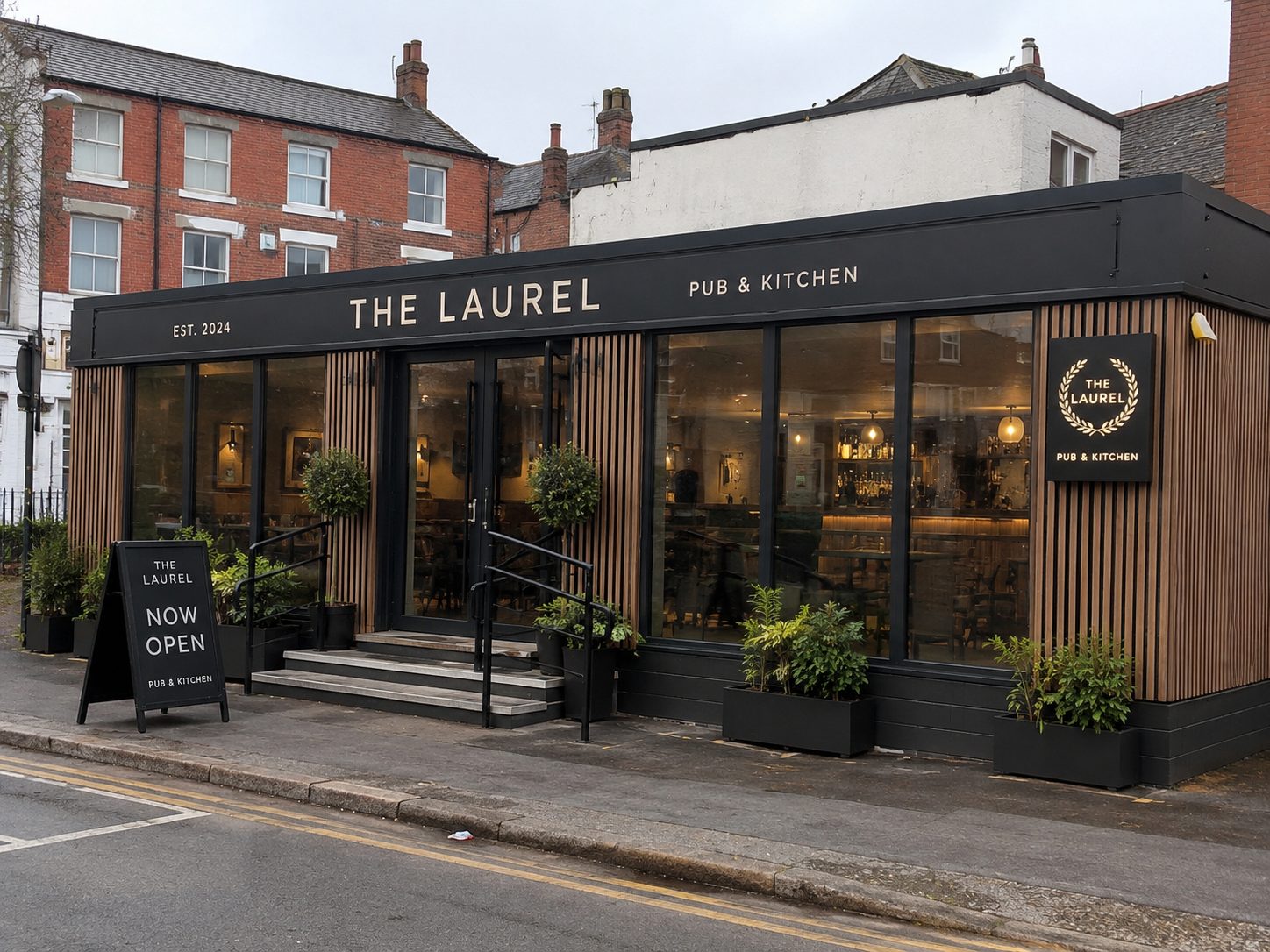
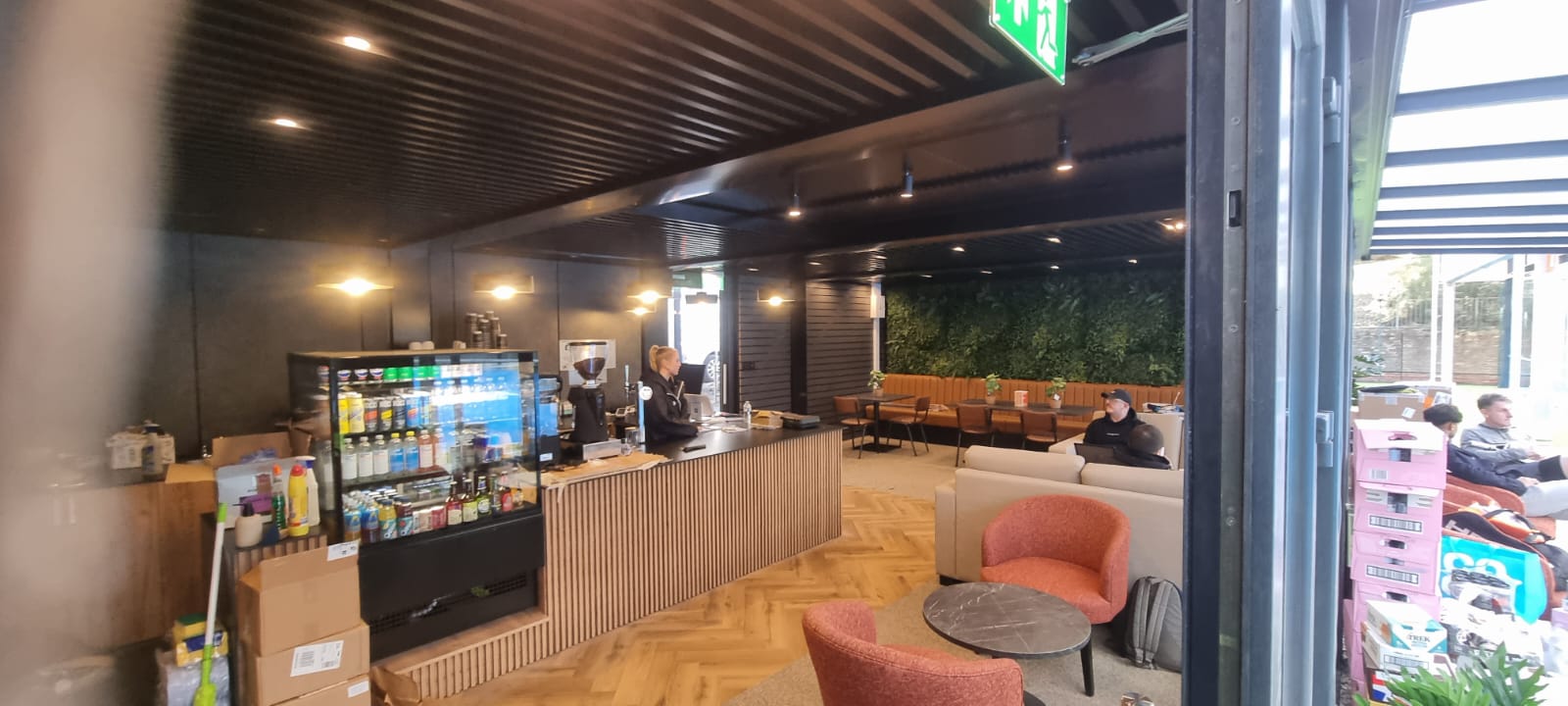
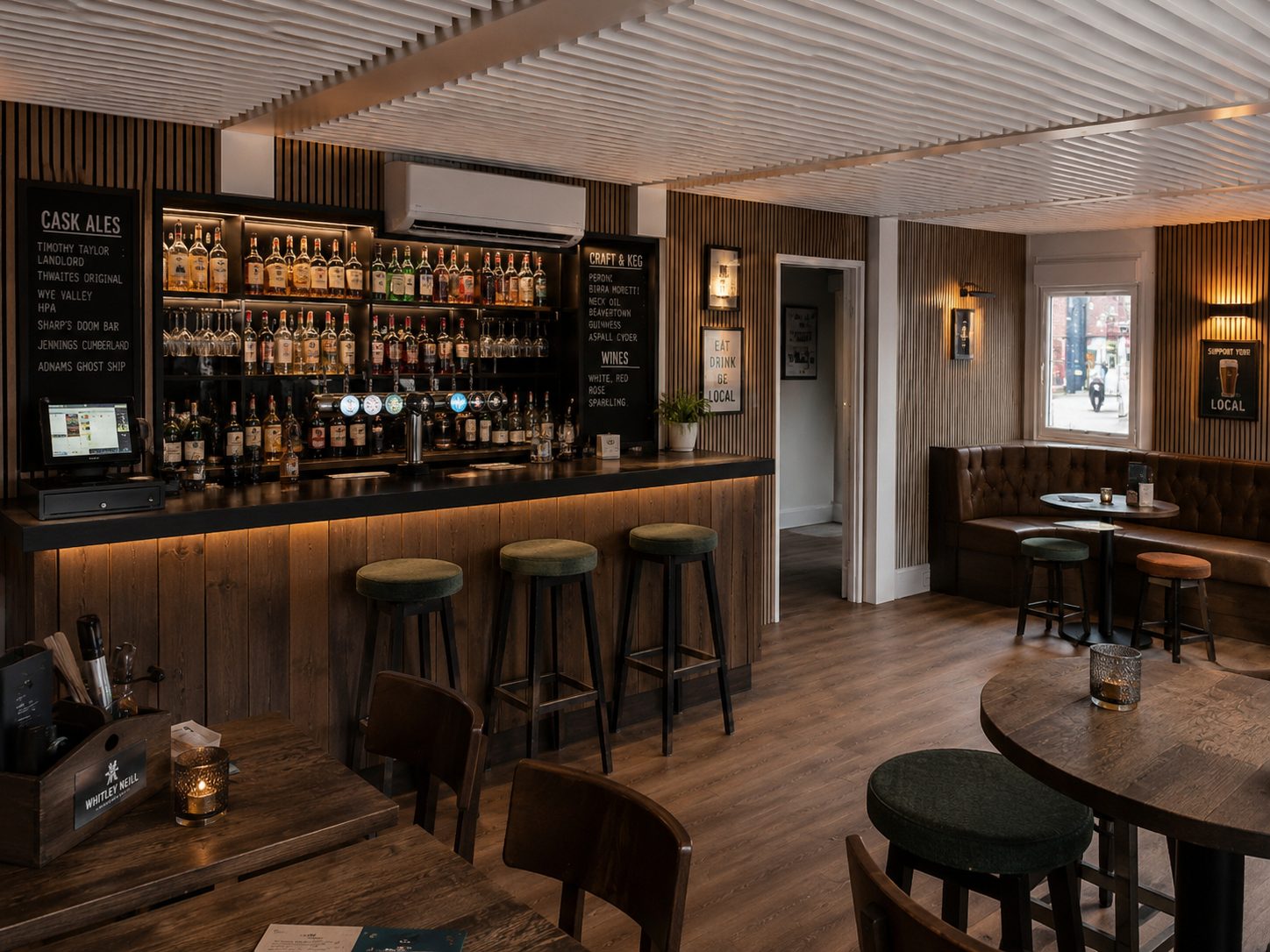
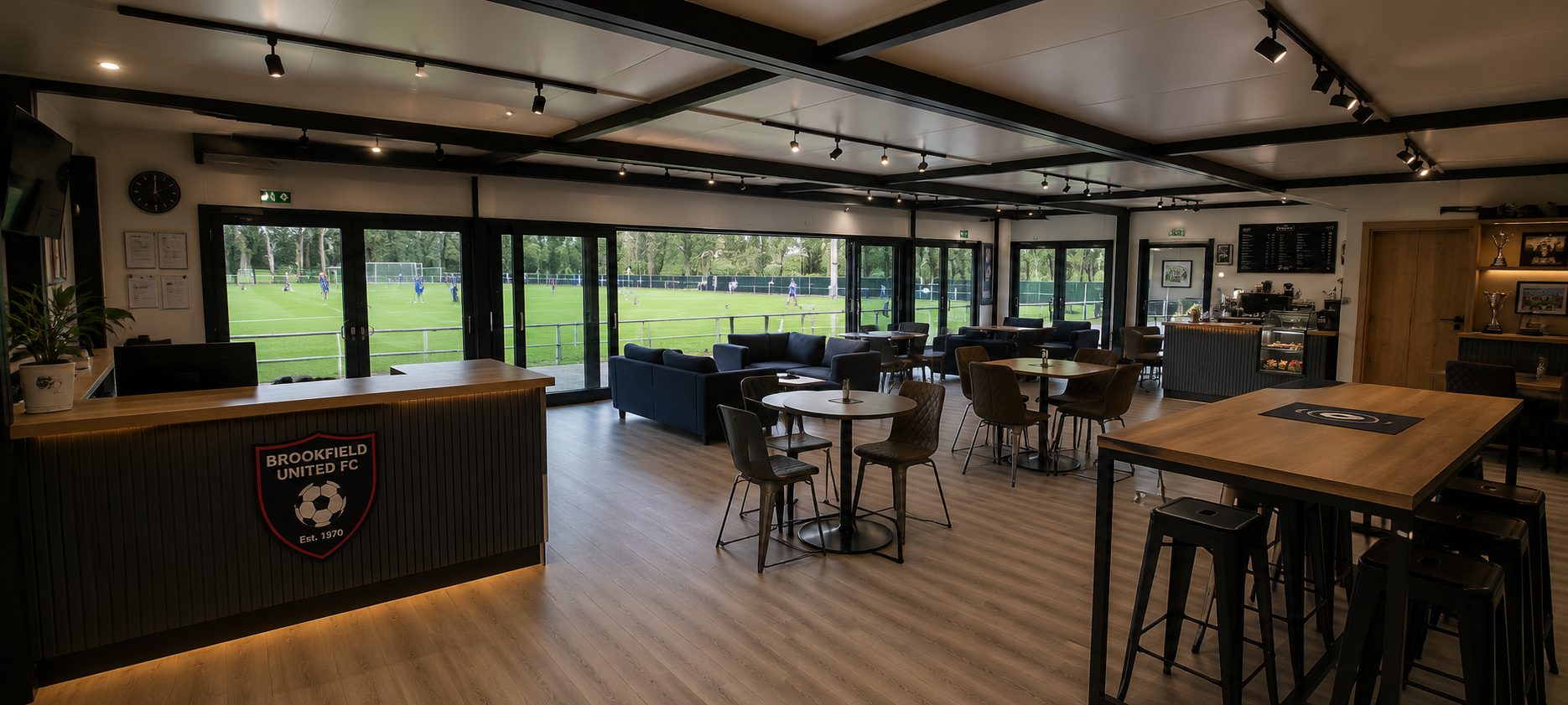
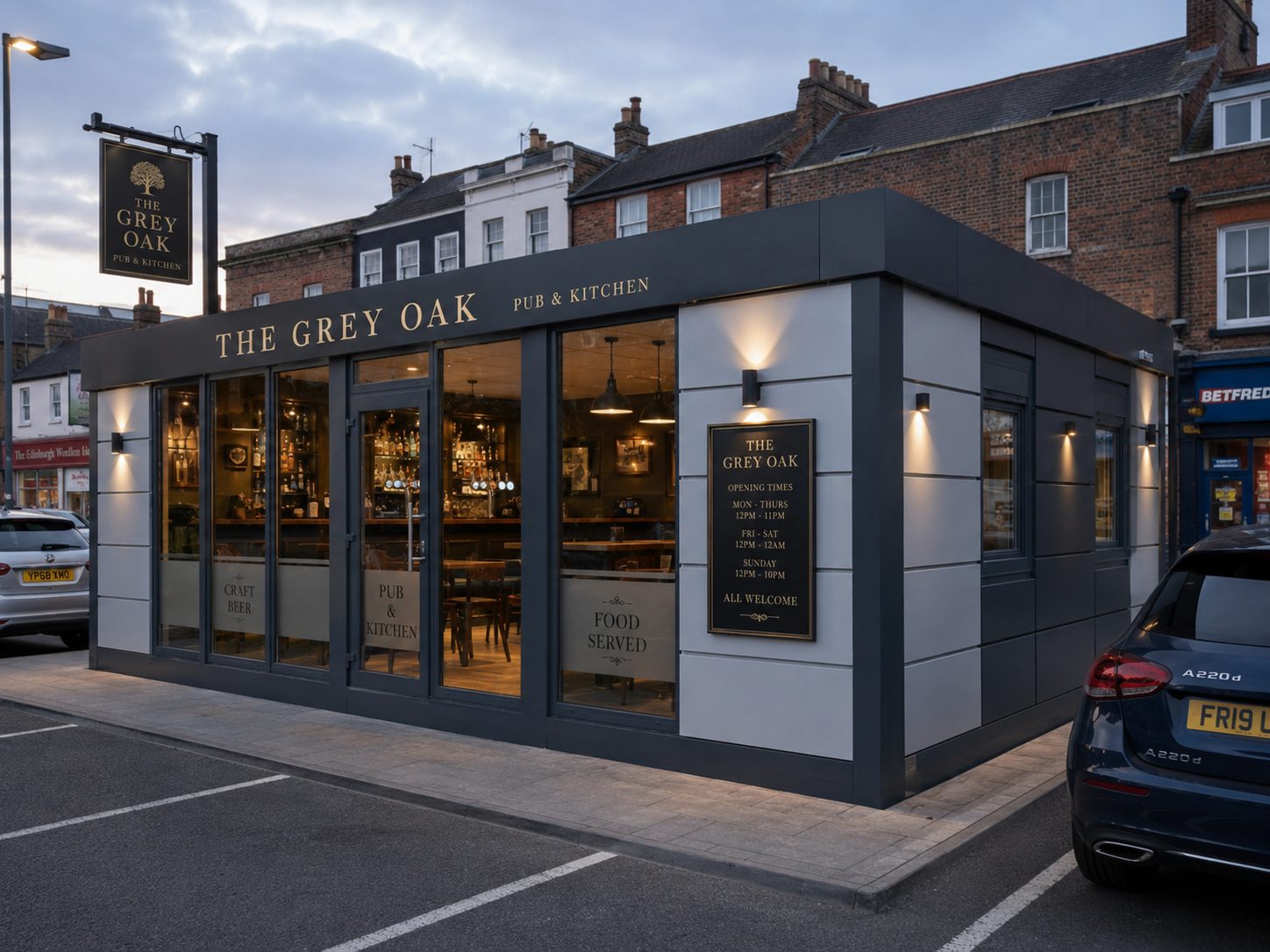
These images show hospitality interiors and modular bar routes that can support early design discussion. Captions are planning guidance, not fixed case-study claims.
Bar and kitchen adjacency Where a modular bar includes food service, the bar, preparation area, wash-up route and customer handover point should be planned together.Hospitality interior reference A modular pub or cafe building can carry a premium customer experience, but the kitchen intensity still controls ventilation, storage, fire and services strategy.Clubhouse and cafe-bar use Sports clubs, leisure sites and visitor venues often need bar service, cafe-style food, accessible WCs and storage rather than a full restaurant kitchen.Modular pub building route External space, drainage routes, intake and extract positions should be considered before a bar building is treated as kitchen-ready.
Approvals and evidence
Kitchen-ready still means project-specific checks
A modular hospitality kitchen can involve planning, Building Regulations, food-business registration, licensing and fire-risk duties. The required design information, product evidence and handover documentation should be confirmed for the selected system and agreed project scope.
Building Regulations
Building Regulations approval is separate from planning permission and may be required depending on the work, services and use. Read GOV.UK guidance.
Public and commercial premises require fire-risk assessment discipline, and alcohol or late-night refreshment may need licensing. Read GOV.UK fire-risk guidance.
Yes. A modular bar can include a commercial kitchen when the building is designed around the actual menu, equipment, extraction, replacement air, utilities, hygiene zoning, fire strategy and maintenance access.
Is a modular bar with kitchen the same as a commercial kitchen?
Not automatically. A modular bar with kitchen might only include a kitchenette or drinks-service fit-out. It should only be described as a commercial kitchen where the relevant extraction, hygiene, utility, equipment and fire provisions are specified.
Can KC provide a portable commercial kitchen?
KC can review portable commercial kitchen requirements, but the correct route depends on the equipment schedule, site utilities, extraction path, drainage, fire strategy and whether a suitable portable or bespoke configuration is available.
What is the difference between a modular cafe building and a modular catering building?
A modular cafe building may focus on customer area, counter service and lighter food preparation. A modular catering building may need stronger back-of-house space, storage, wash-up, extraction, drainage and food-preparation segregation.
Does a prefabricated restaurant kitchen need extraction?
Usually, if cooking produces heat, steam, fumes, grease or odour. The extract and make-up air strategy should be designed around the equipment, menu and discharge location.
Should a commercial kitchen cabin use electric or gas cooking?
It depends on the menu, available services, operator preference and site constraints. Electric routes still need load planning. Gas routes add gas safety, ventilation, flueing and maintenance duties.
Does a portable food kiosk need food-business registration?
If it sells, stores, handles, prepares or distributes food or drink, registration may be required. Operators should check the correct local-authority route for the country and site before trading.
Can a domestic kitchenette be used for food-led hospitality?
A domestic-style kitchenette should not be treated as a commercial catering facility unless the agreed scope covers the required hygiene, extraction, services, equipment, storage and fire provisions.
What should be sent before KC designs a modular hospitality kitchen?
Send the proposed menu, cooking methods, equipment schedule, power or gas loads, daily covers, peak service period, staff numbers, delivery frequency, storage needs, site utilities, extraction route and waste arrangements.
Does buying a fully fitted commercial kitchen satisfy all operator duties?
No. The operator still needs to manage food registration, hygiene systems, licensing where relevant, fire-risk assessment, staff procedures and ongoing maintenance.
Review note
Reviewed by Krzysztof Cichowicz, Director. Last reviewed 20 July 2026. Kitchen, extraction, food-registration, licensing, gas, fire and handover wording should be verified against the selected system, agreed project scope and current operator obligations.
Next step
Send KC the kitchen equipment and menu before layout starts
A commercial kitchen decision cannot be made from a building size alone. Send the menu, equipment list, services information and site constraints so KC can review the correct modular route.