
TREND GUIDE · CONSTRUCTION WELFARE
Hosepipe Ban in Your Area? How Much Water Is Your Site Welfare Unit Using?
Hosepipe bans and wider water restrictions turn welfare water demand into a real operational issue for construction and infrastructure sites. This guide explains how to brief a modular welfare unit without claiming water-saving performance that has not been confirmed in the specification.
KC can plan modular welfare unit layouts around toilets, washbasins, showers, hot-water capacity, surface-mounted water and waste routes and ready-to-connect plumbing. Water-saving fittings, metering, isolation points and tank options should be confirmed in the project specification.
Construction managers
Infrastructure teams
HSEQ / sustainability leads
Short answer
A water-efficient welfare unit is not created by calling a cabin sustainable. Water demand depends on site headcount, shifts, toilets, washbasins, showers, hot-water storage, cleaning routines, fitting flow rates and whether the unit connects to mains services or tanks.
KC’s safe, confirmed feature is a factory-installed sanitary and plumbing package planned around the site headcount and required facilities. For construction site water efficiency, the water brief should identify site welfare water usage before layout and connections are finalised. Low-flow fittings, dual-flush WCs, metering, leak isolation valves and tank-fed options should only be described where they are included in the agreed project specification.
Why water demand is now a site welfare question
Thames Water announced a temporary hosepipe ban after prolonged dry weather, recent heatwaves, very low rainfall, higher-than-normal demand and forecasts for continued hot, dry weather. The legal notice states that the ban starts at 00:01 BST on 23 July 2026 and continues until further notice across the Thames Water supply area.
That does not mean every construction site welfare unit is affected in the same way. It does mean site teams should understand where water is used, which fittings are specified, how cleaning is managed and whether welfare is connected to mains services, drainage tanks or another project-specific arrangement.
Source checked: 23 July 2026. See the Thames Water temporary hosepipe ban page and Thames Water legal notice.
Water-efficient welfare unit: what must be checked?
| Search question | Direct answer | What KC should confirm |
|---|---|---|
| Is this a water-efficient welfare unit? | Only if the selected fittings and system design support that claim. | WC type, tap type, shower type, metering, tank or mains connection and service scope. |
| What drives site welfare water usage? | Workforce size, shifts, WC use, handwashing, showers and cleaning allowance. | Headcount assumptions, flow rates, hot-water demand and cleaning or servicing plan. |
| Can a welfare cabin use a water tank? | Tank-fed or built-in supply/drainage tank routes may be possible where specified. | Tank capacity, emptying/refill method, servicing access and whether the arrangement meets site welfare needs. |
| Are low-flow welfare cabin fittings standard? | Do not assume this. Treat them as options until confirmed. | Dual-flush WCs, timed or sensor taps, low-flow showers, isolation valves and sub-metering. |
| How should a welfare cabin water tank be briefed? | Confirm whether the welfare cabin water tank is for supply, waste or both, then check capacity, refill, emptying, access and servicing intervals. | Tank capacity, connection route, drainage strategy, tanker access, water-company restrictions and who is responsible for servicing. |
| What affects portable sanitary unit water consumption? | Portable sanitary unit water consumption depends on toilets, washbasins, welfare unit showers, staff numbers, shift pattern, cleaning allowance and fitting flow rates. | Whether the project is mains-connected, tank-fed, low-flow specified, metered and suitable for the intended construction site water efficiency target. |
What KC can safely say before specification confirmation
The safest product feature to state is: factory-installed sanitary and plumbing package planned around the site headcount and required facilities. KC welfare content and product pages describe configurations with WC, washbasins, urinals, showers, surface-mounted water and waste systems, hot-water provision and ready-to-connect plumbing, depending on the chosen layout.
For example, KC’s MS20-MSKZ welfare cabin page describes a fully insulated 20ft × 8ft modular site cabin with complete electrical and sanitary installations, including WC, washbasins, urinal and shower as per layout, delivered ready to connect to site water, waste and power. The exact fittings and water-saving options still need project confirmation.
See KC’s modular welfare units page and the MS20-MSKZ welfare cabin product route for current model-specific wording.
Water-demand calculator inputs: send this before design starts
A useful water-demand estimate should start with project inputs, not generic outputs. Do not publish example daily water-use totals unless the actual tap flow rates, shower flow rates, flush volumes and usage assumptions have been confirmed.
| Input required | Question to answer | Why it matters |
|---|---|---|
| Workforce size | How many people will use the welfare unit on a normal and peak day? | Headcount drives WC use, handwashing, showers and consumables. |
| Number of shifts | Will the unit serve one shift, multiple shifts or extended working hours? | More shifts increase daily use even when peak occupancy looks modest. |
| WC usage | How many WC visits should be assumed per person per shift? | Flush volume and usage rate are major drivers of daily demand. |
| Showers per shift | Are showers required, and how many users are expected? | Showers can dominate hot-water and water-supply demand. |
| Tap flow rates | What tap type and flow rate are specified? | Timed, sensor or low-flow taps can change consumption materially, but only if specified. |
| Shower flow rates | What shower head and flow rate are specified? | Low-flow shower heads may reduce demand, but the selected product must be confirmed. |
| Cleaning allowance | How often will the unit be cleaned and what water use is expected? | Cleaning and wash-down requirements can be significant on muddy or high-use sites. |
A safe calculation structure, without invented results
The calculation can be simple, but it must use real fitting data. A defensible estimate usually follows this structure:
| Water-use item | Calculation input | Do not assume |
|---|---|---|
| WC use | Number of uses × confirmed litres per flush. | That every WC is dual flush or low-volume unless specified. |
| Handwashing | Number of washes × seconds used × tap flow rate. | That every tap is timed, sensor-controlled or low-flow. |
| Showers | Number of showers × minutes used × shower flow rate. | That shower heads are low-flow or that showers are optional where the work requires them. |
| Cleaning | Cleaning events × water allowance per clean. | That daily cleaning is always enough or that cleaning water is negligible. |
| Hot-water demand | Handwashing, shower and cleaning hot-water load. | That a 200-litre heater suits every headcount or shower pattern. |
Specification options to confirm, not assume
Water-saving language should be conditional until the final welfare route has been confirmed. The following items may be useful, but they must not be presented as standard features unless the selected offer includes them.
Potential water-saving fittings
- dual-flush WCs,
- timed or sensor taps,
- low-flow shower heads,
- sub-metering,
- leak isolation valves.
Potential service strategies
- tank-fed or built-in supply routes,
- planned servicing intervals,
- clear isolation points,
- separate supply to showers where needed,
- project-specific reuse or alternative-water review where technically appropriate.
Use evidence-based specification language. Do not use absolute water-performance claims unless KC has written specification evidence for the exact welfare configuration.
Water efficiency must not reduce required welfare
Water efficiency is useful only if the site still provides suitable welfare. HSE states that everyone working on a construction site must have access to toilets and facilities for washing, changing, eating and rest. HSE toilet and washing guidance also says flushing toilets should be connected to mains water and drainage where possible; otherwise, facilities with built-in water supply and drainage tanks can be used.
HSE also expects washing facilities with hot and cold, or warm, running water, soap, drying facilities, ventilation and lighting. Showers may be needed depending on the work. That means water-saving choices must sit alongside, not replace, the welfare assessment.
Read the HSE construction welfare overview and toilets/washing guidance: HSE construction welfare overview and HSE toilets and washing guidance.
Send KC your welfare water brief
Use this section to turn the article into a practical enquiry. The same fields should be added to the quote form so KC can discuss the right welfare configuration before the layout, heater capacity, connection points or water-saving options are fixed.
Site and workforce
Headcount, peak use, number of shifts, project duration, welfare location and whether the unit may move during the works.
Facilities required
WC count, washbasins, urinals, showers, changing space, drying room, canteen and whether separate male/female or accessible facilities are required.
Water and waste
Mains water, tank supply, waste connection, drainage tank, emptying access, cleaning allowance and any water-company restrictions affecting the site.
Efficiency options
Dual-flush WCs, low-flow taps, low-flow showers, isolation valves, sub-metering and monitoring requirements to confirm in writing.
Welfare and site accommodation references
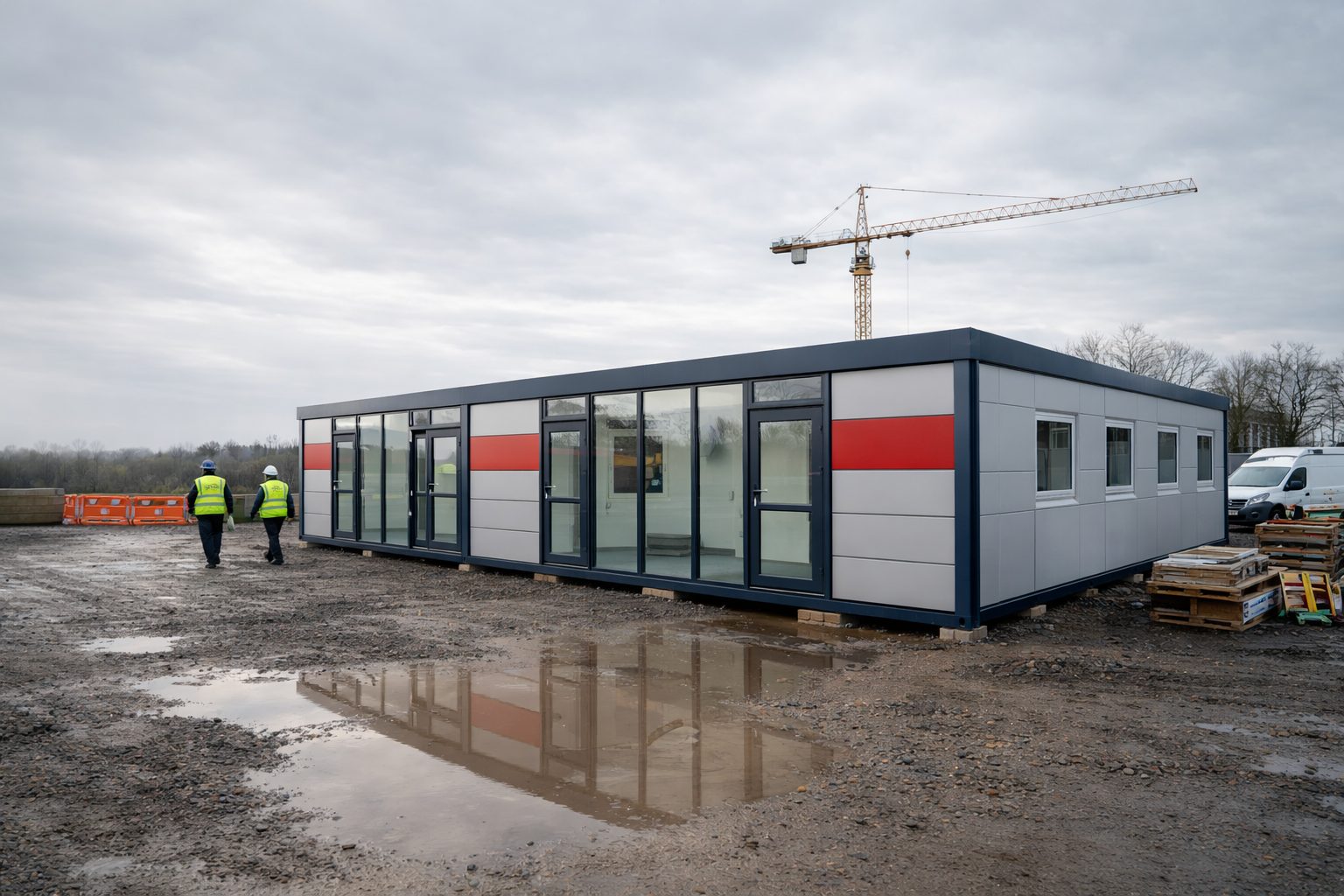
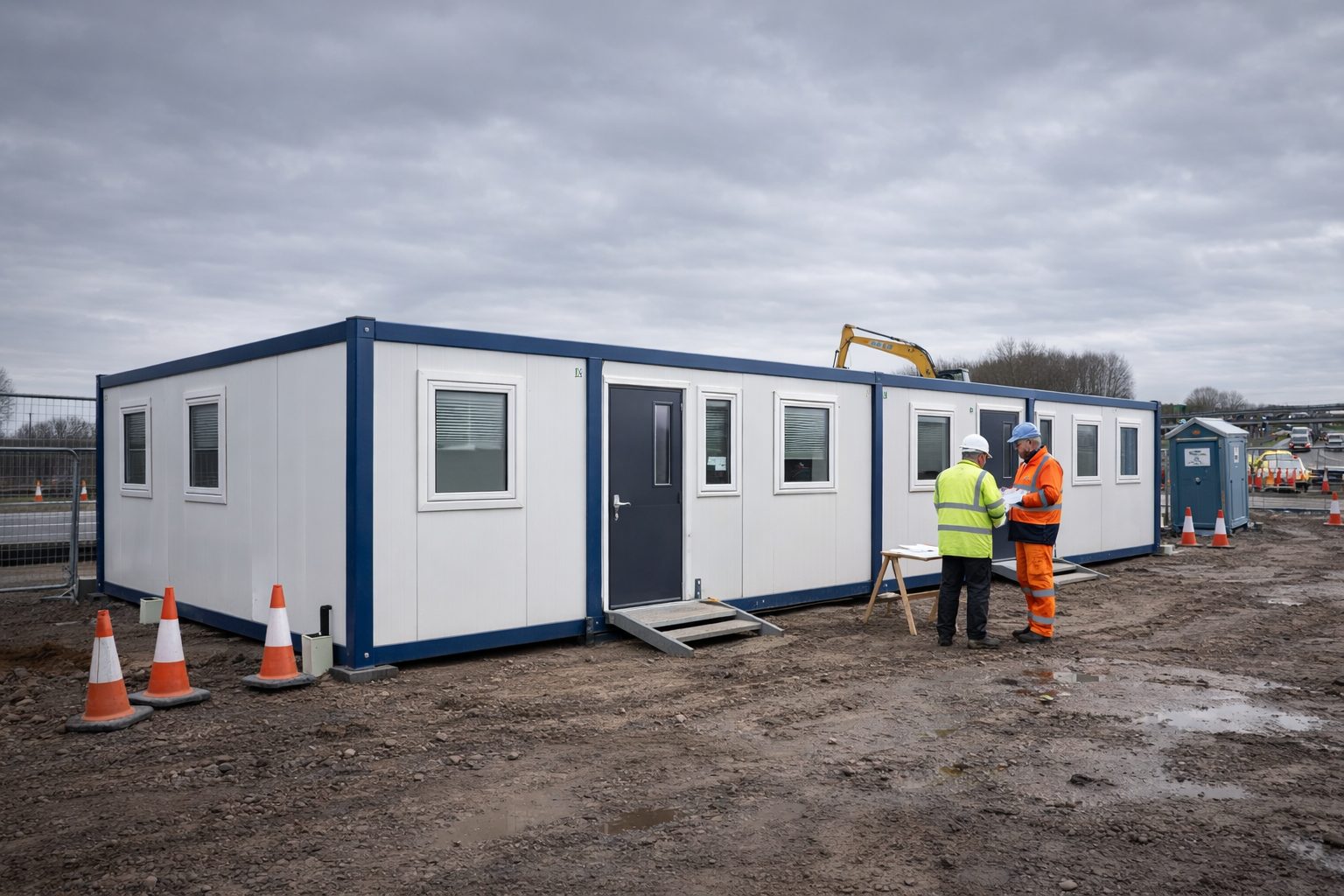
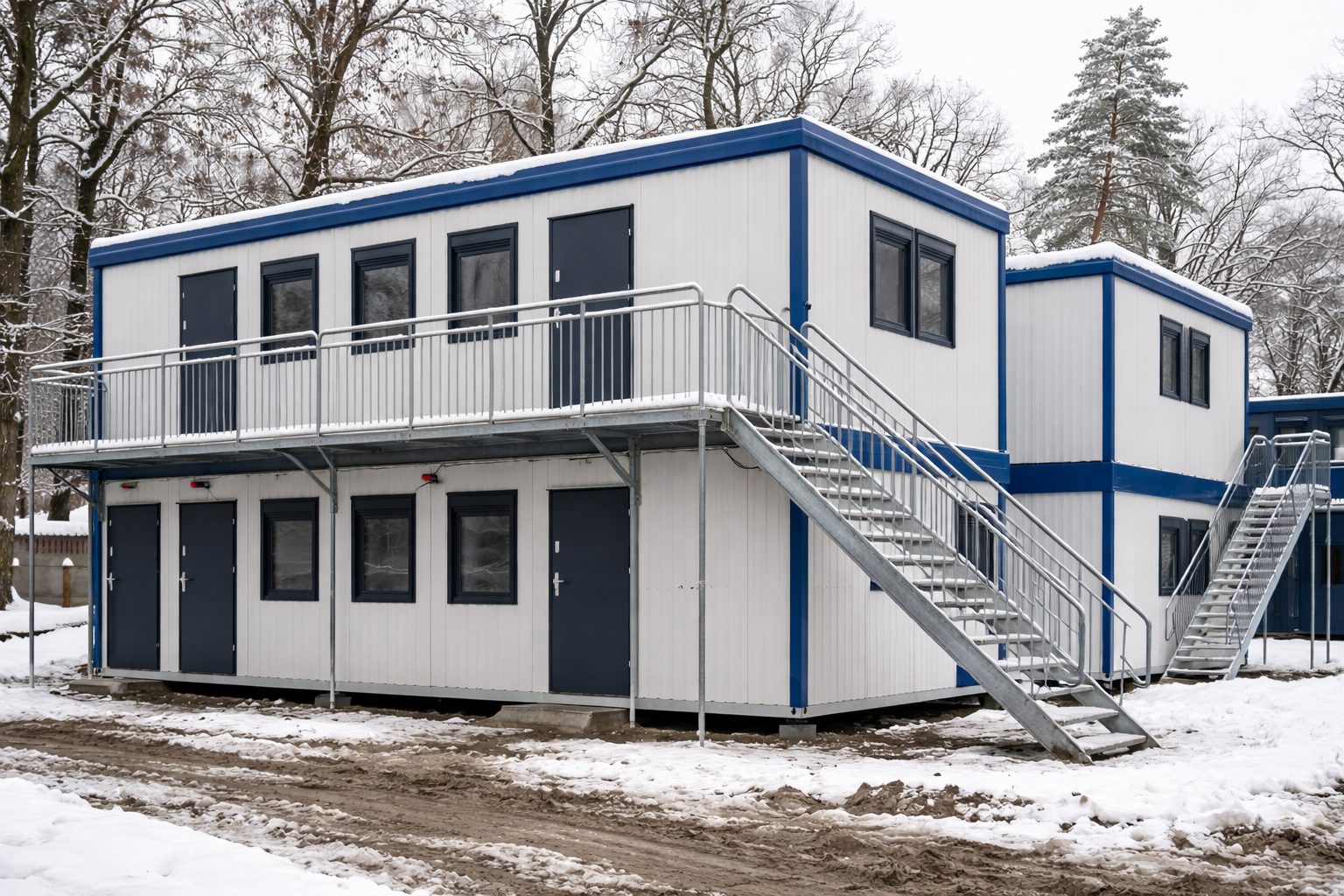
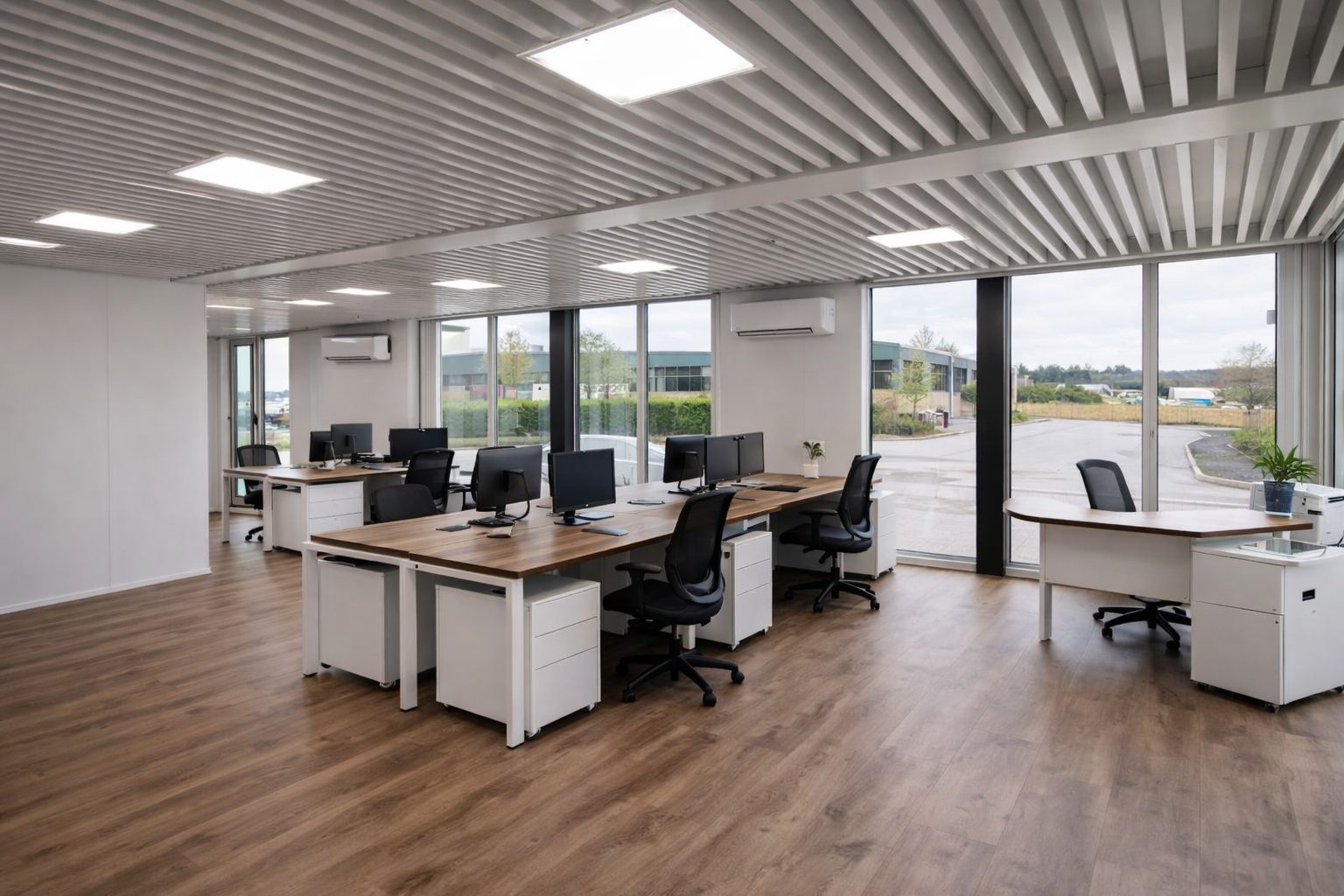
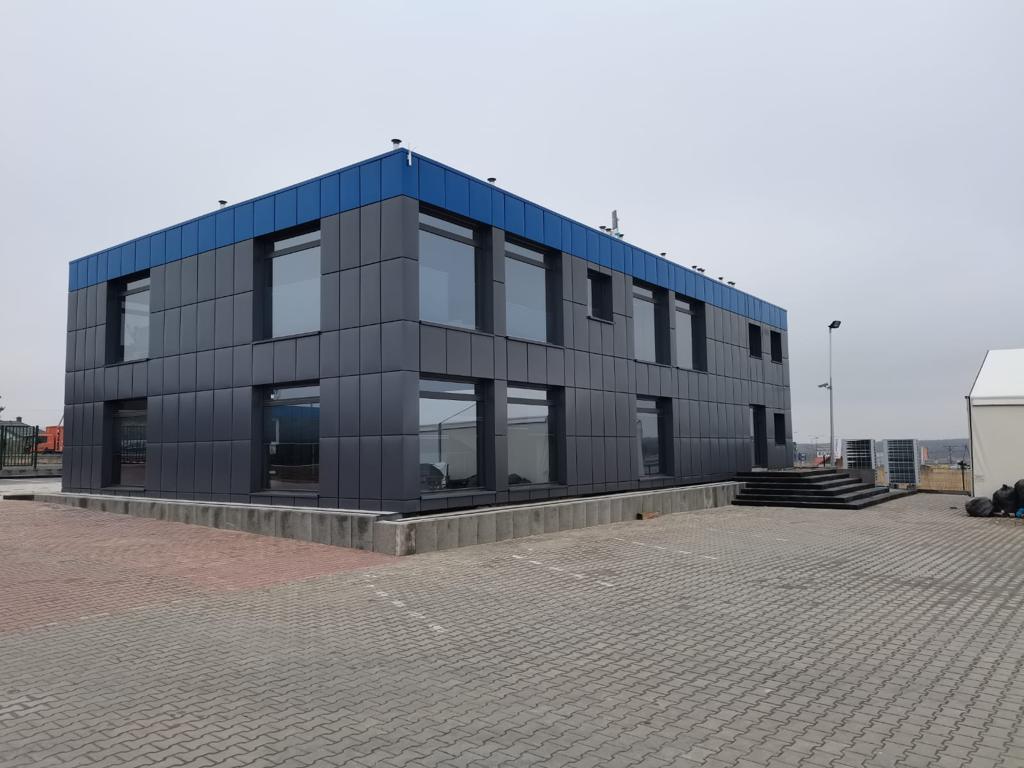
These KC images support the site accommodation and modular welfare context. Captions are planning guidance, not claims that every unit includes every water-saving option.
External references
Frequently asked questions
Is a KC welfare unit automatically a water-efficient welfare unit?
No. A welfare unit can be specified with sanitary layouts, plumbing routes, hot-water capacity and connection points, but water-saving fittings such as dual-flush WCs, low-flow taps, metering or tank-fed options must be confirmed in the final project specification.
How do I estimate site welfare water usage?
Start with workforce size, shifts, expected WC use, handwashing, showers, cleaning allowance, tap flow rates and shower flow rates. Do not use generic results unless the actual fittings and flow rates are known.
Can a welfare cabin use a water tank?
Some welfare routes may be tank-fed or use built-in water supply and drainage tanks where mains connection is not available, but the selected unit, tank capacity, servicing interval and site duties must be confirmed for the project.
Do low-flow welfare cabin fittings come as standard?
Do not assume so. Low-flow taps, timed taps, sensor taps, low-flow shower heads and metering should be treated as specification options until KC confirms the exact offer for the selected welfare route.
Can water efficiency reduce the required welfare facilities?
No. Water efficiency must not reduce the toilets, washing, showers or hygiene provision required for the work. HSE welfare expectations still apply.
Are welfare unit showers always required?
Showers may be needed depending on the work and the exposure risks on site. The decision should be made through the project welfare assessment, not only by the cabin model name.
Does a hosepipe ban make a welfare unit non-compliant?
A water-use restriction does not automatically make a welfare unit non-compliant, but it can expose poor water planning. Sites should check supply arrangements, restrictions, cleaning methods and any exemptions or business-specific rules with the water supplier.
Can KC provide a fully independent welfare route?
This page does not make that claim. Self-contained or tank-fed options should only be described that way where the exact model and written specification support the claim.
What information should I send before asking KC to quote?
Send headcount, shift pattern, required toilets, washbasins, showers, hot-water demand, water and waste connection details, cleaning allowance, tank requirements and any sustainability or metering requirements.
What wording should be avoided without written specification evidence?
Avoid absolute water-performance claims. Use conditional wording until the exact fittings, tanks, metering, isolation valves and service arrangements are confirmed for the project.
NEXT STEP
Review your site welfare specification before restrictions expose weak points
A modular welfare unit can be planned around sanitary layout, plumbing routes, hot-water capacity and site connection points. The important step is confirming the selected fittings, service strategy and water assumptions before the building is ordered.