Home › Solutions › Modular Bars
Modular Bars UK
Modular bars UK help venues open faster than a traditional build. Therefore, if your season window is tight, offsite manufacture can cut on-site time and reduce delays.
In practice, modular works well for events, leisure parks, resorts and destination venues. However, the best result depends on how the bar will run day to day, not only how it looks.
How to choose the right route
ISO suits speed, bespoke steel suits a strong look, and timber suits premium venues. Moreover, it helps to confirm early whether you need portable use, an REI60 option (tested assemblies where required), or a permanent “A-path” intent under Part L 2021.
As a result, you get clearer pricing and fewer late changes. For example, a portable unit can reduce risk while you test demand.
Typical quote response within 48h (Mon–Fri)
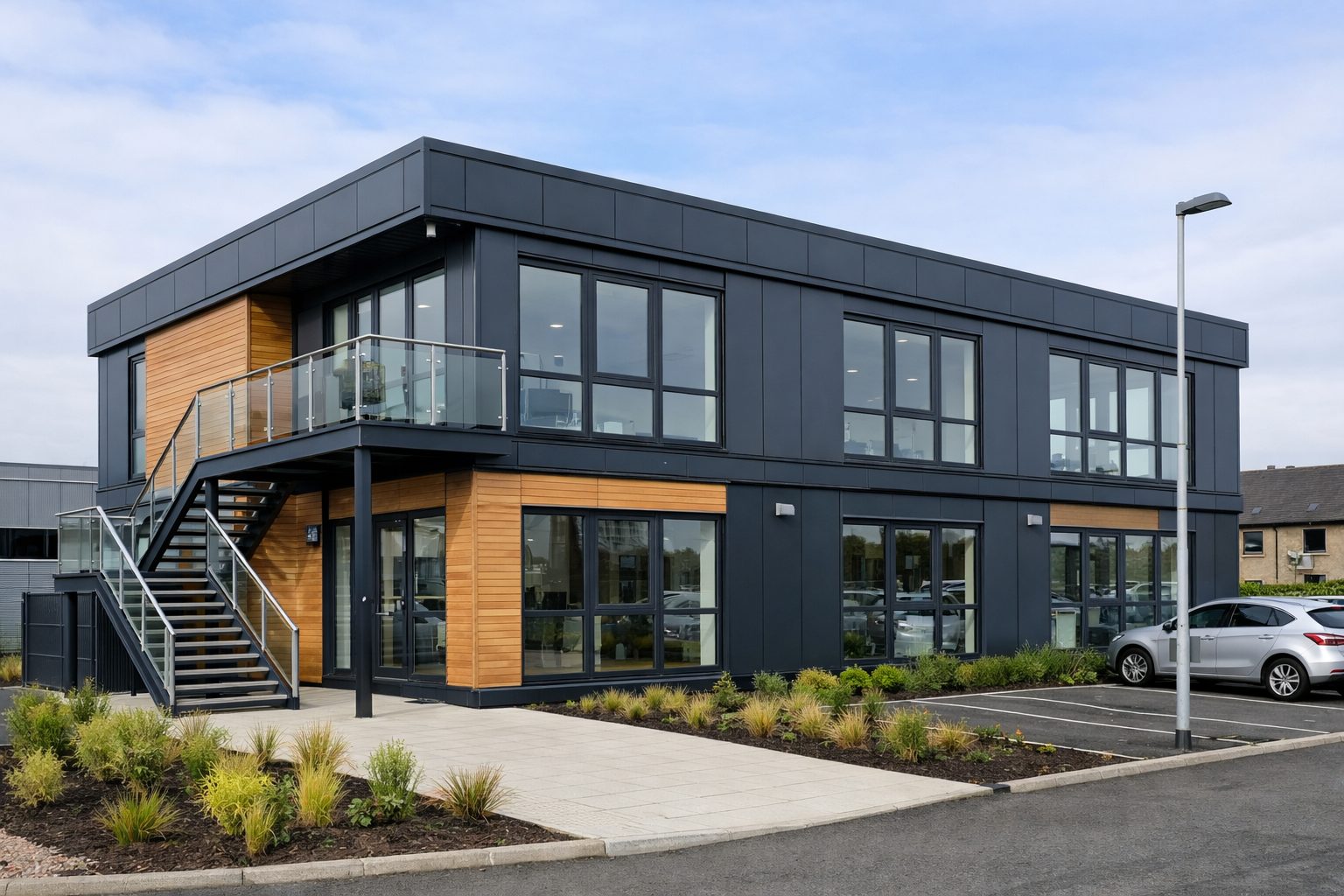
Hospitality growth often depends on speed to revenue
Bar operators, leisure venues and event organisers frequently face short seasonal windows. However, traditional construction timelines can delay opening dates and increase financial exposure. Therefore, speed and programme certainty directly affect revenue performance.
Modular bars UK provide a structured alternative. In practice, offsite manufacture reduces on-site duration and allows controlled interior fit-out before delivery. As a result, operators can plan marketing, staffing and licensing milestones with greater confidence.
- Seasonal event launches requiring rapid deployment
- Leisure park expansion ahead of peak visitor periods
- Permanent bar venues requiring architectural integration
- Pop-up concepts testing new locations before long-term investment
Moreover, system selection — ISO volumetric for speed, bespoke steel for architectural design, or timber for premium hospitality — ensures the building aligns with operational strategy rather than simply “filling space”.
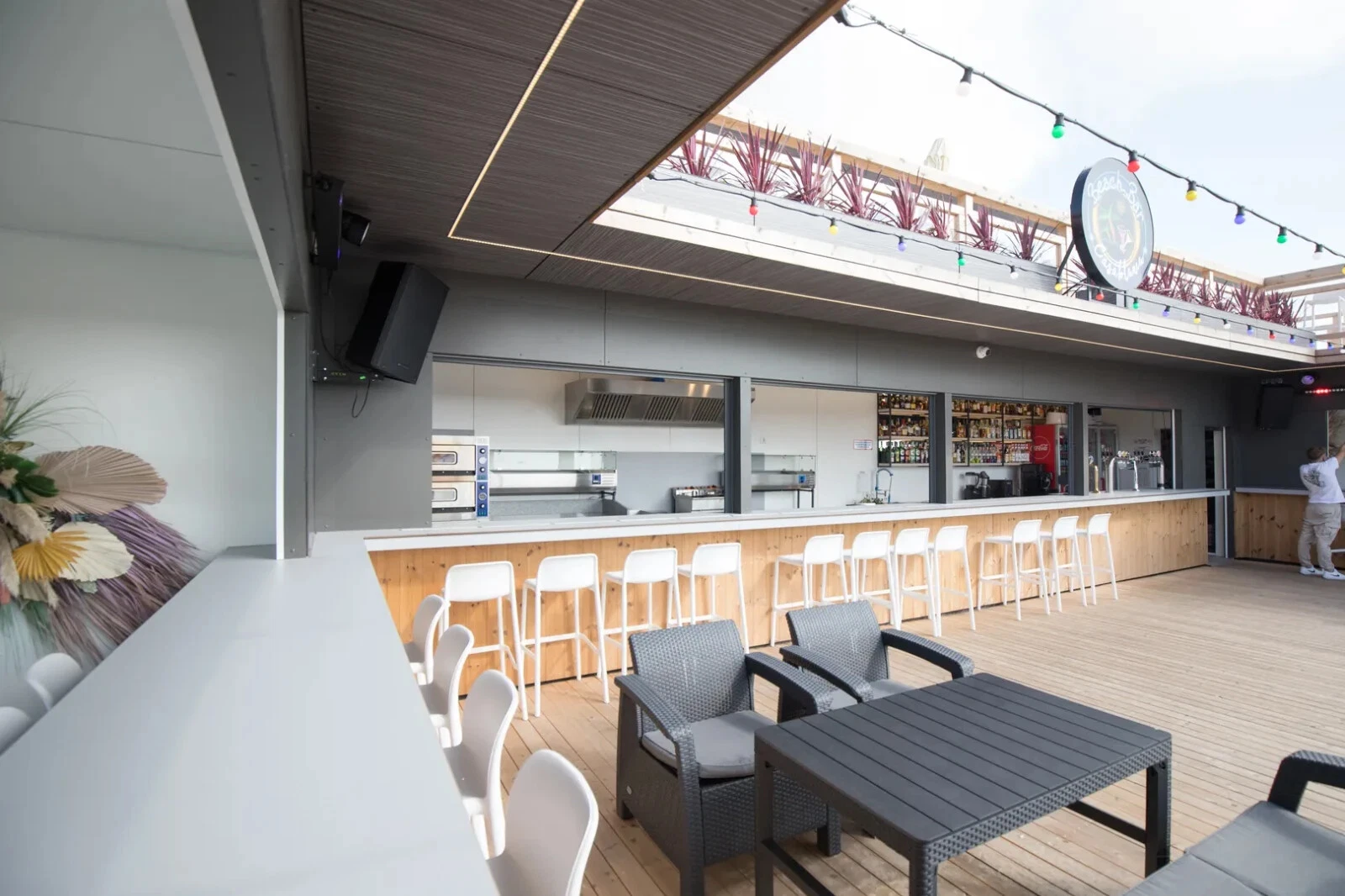
Description: A modular bar installation designed for a hospitality venue in Manchester, North West England, illustrating service counter layout, seating arrangement and controlled customer circulation.
What modular bars are designed to solve
Hospitality buildings are judged by flow, speed and consistency. Therefore, a modular bar needs to support operations first, then brand experience. However, the best outcome depends on system choice, fit-out strategy and the intended lifespan.
Offsite manufacture reduces time on site. As a result, you can align delivery with event seasons, peak weekends or lease start dates.
Counter layout, storage zoning and customer circulation are planned early. Therefore, service speed improves while queues are easier to manage.
ISO suits repeatable speed, bespoke steel suits architectural venues, and timber suits premium hospitality. In practice, the system should match your venue model.
Fire strategy, accessibility intent and energy performance wording are handled defensibly. However, final outcomes remain project dependent and approval-driven.
Cladding and interior finishes can be matched to brand identity. Moreover, you can choose standard or premium fit-out levels depending on footfall expectations.
Portable pathways can support relocation. That said, permanent builds are also possible when you need long-term stability and stronger performance targets.
Choose the right hospitality system
The most successful modular bars UK projects begin with correct system selection. Therefore, we clarify whether speed, architectural presence or premium finish is the priority before locking the pathway. However, each system can be aligned with portable or permanent use.
1) ISO Frame (Steel Volumetric)
Best suited for rapid deployment, repeatable layouts and seasonal hospitality operations. As a result, ISO volumetric systems are often selected for event bars, leisure parks and temporary venue expansions.
- Temporary / Portable: Fastest deployment option.
- REI60 option: Where tested assemblies are required (project dependent).
- Permanent “A-path” intent: Designed to achieve A Energy Performance under Part L 2021 pathway.
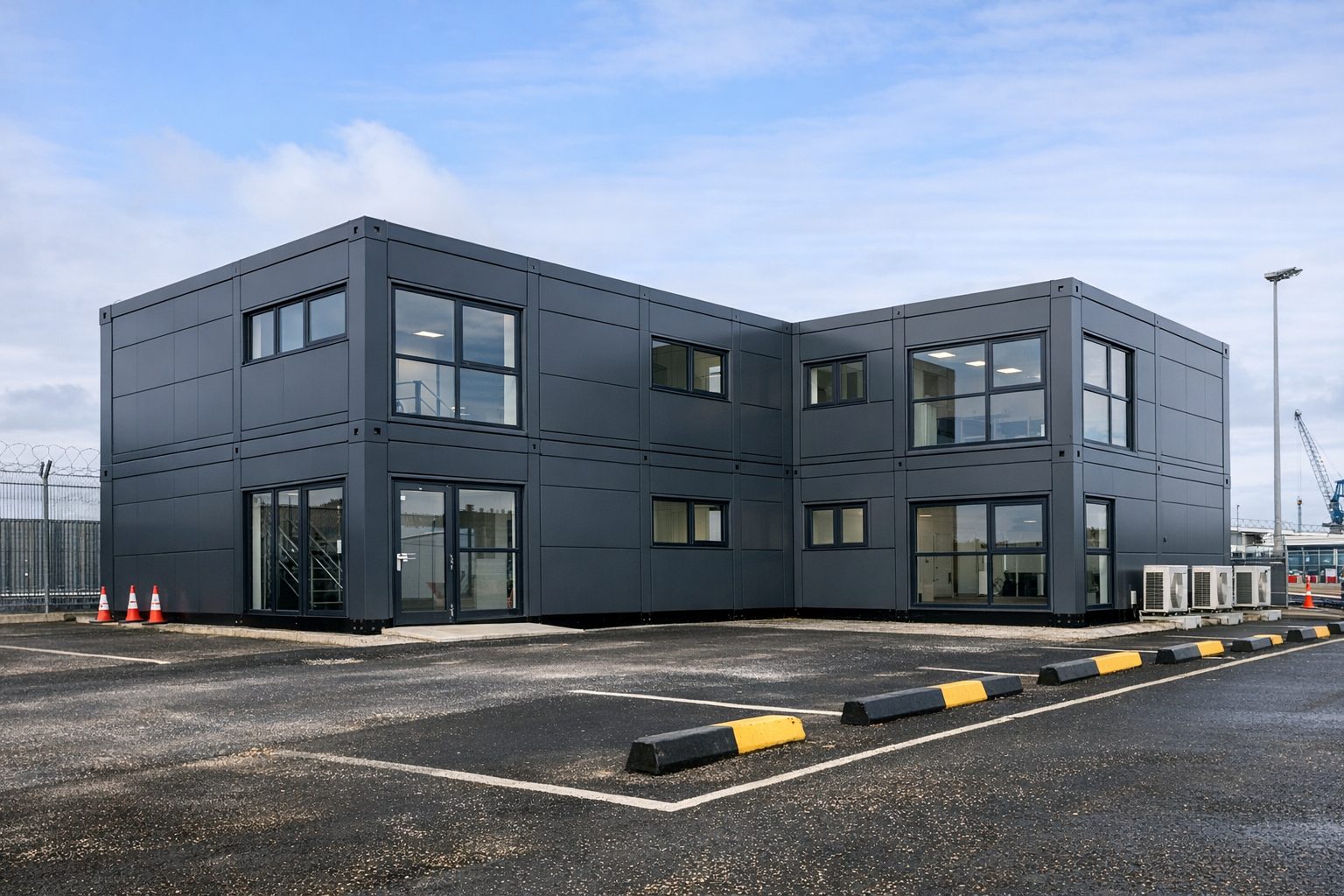
Description: A steel volumetric ISO-frame modular building in Portsmouth, South East England, illustrating fast deployment potential for hospitality or commercial venues.
2) Bespoke Modular Buildings (Steel Frame Custom)
Ideal for architectural bar venues, rooftop terraces and destination hospitality concepts. Therefore, bespoke steel is selected when circulation, façade presence and branding are critical.
- Temporary / Portable: Custom layouts with short programmes.
- Permanent “A-path” intent: Designed to achieve A Energy Performance under Part L 2021 pathway.
- Hi-End Permanent: Premium interior finishes and branded façade detailing.
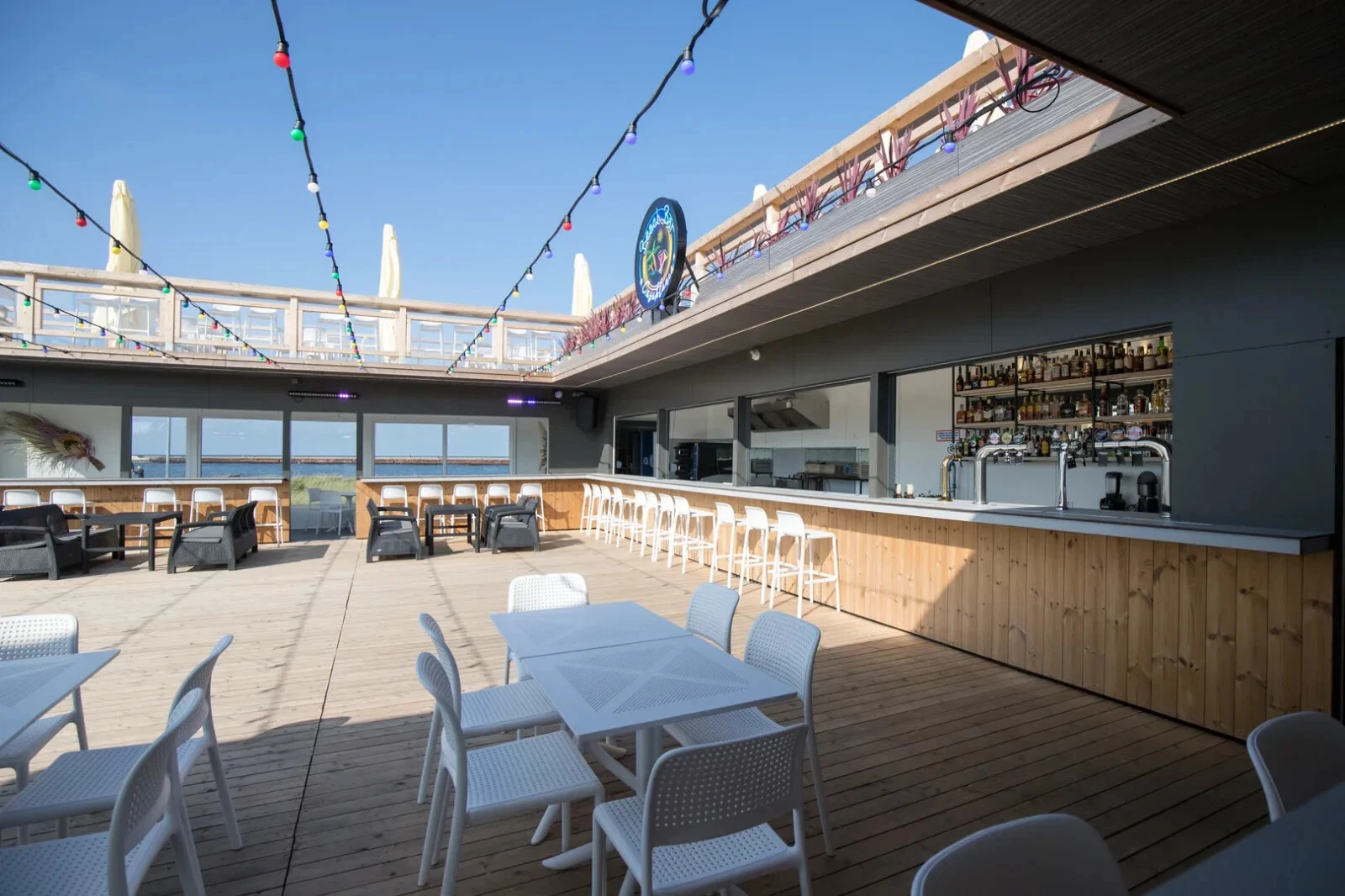
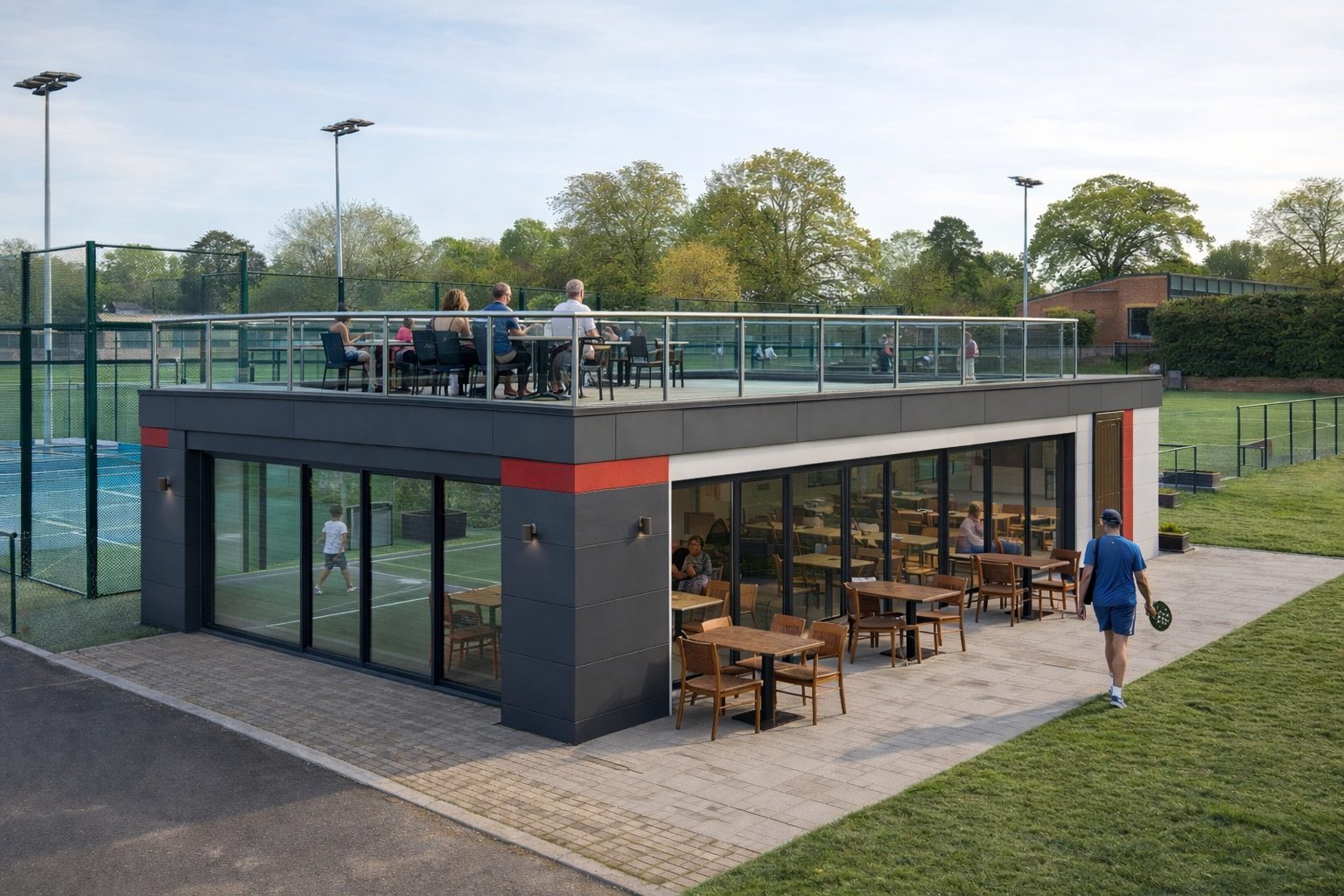
Description: A bespoke steel-frame modular café and rooftop terrace building, demonstrating architectural potential for permanent hospitality venues in the UK.
3) Timber Frame Modular Buildings
Often chosen for premium leisure resorts or environmentally positioned hospitality venues. However, timber systems can also support long-term hospitality buildings where aesthetic warmth is important.
- Temporary / Portable: Short-term leisure or seasonal use.
- Permanent “A-path” intent: Designed to achieve A Energy Performance under Part L 2021 pathway.
- Hi-End Permanent: Interior-led premium hospitality environments.
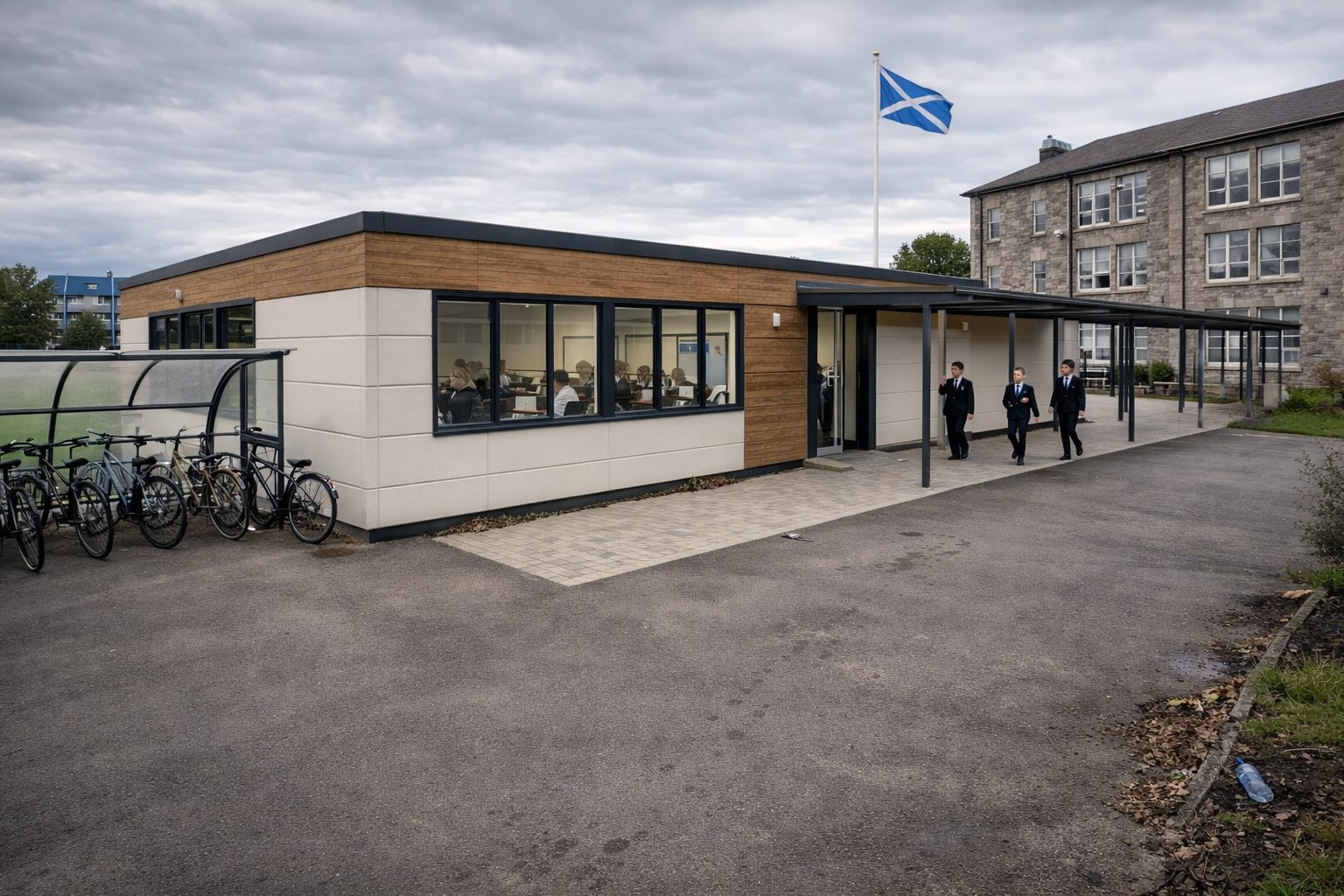
Description: A timber frame modular building in Aberdeen/Obar Dheathain, North East Scotland, illustrating hospitality-ready architectural character.
Moreover, modular bars UK benefit from early pathway confirmation. In practice, choosing ISO, bespoke or timber before finalising layouts reduces redesign cycles and improves budgeting clarity.
Specification snapshot for hospitality environments
Hospitality buildings must balance operational efficiency, compliance requirements and customer experience. Therefore, modular bar projects are typically specified around service flow, ventilation strategy and energy intent from the outset.
However, final specification depends on location, licensing conditions and intended lifespan. As a result, early clarity improves approvals discussions and reduces redesign risk.
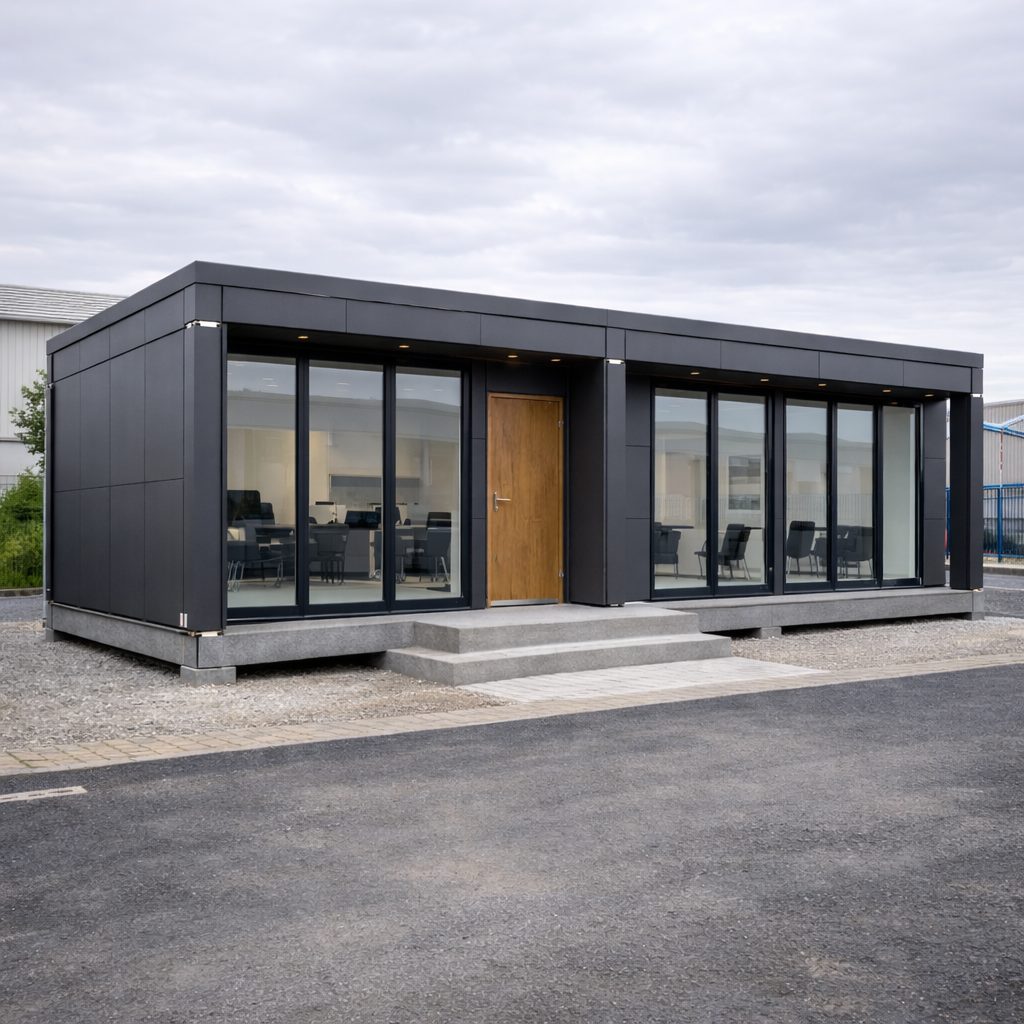
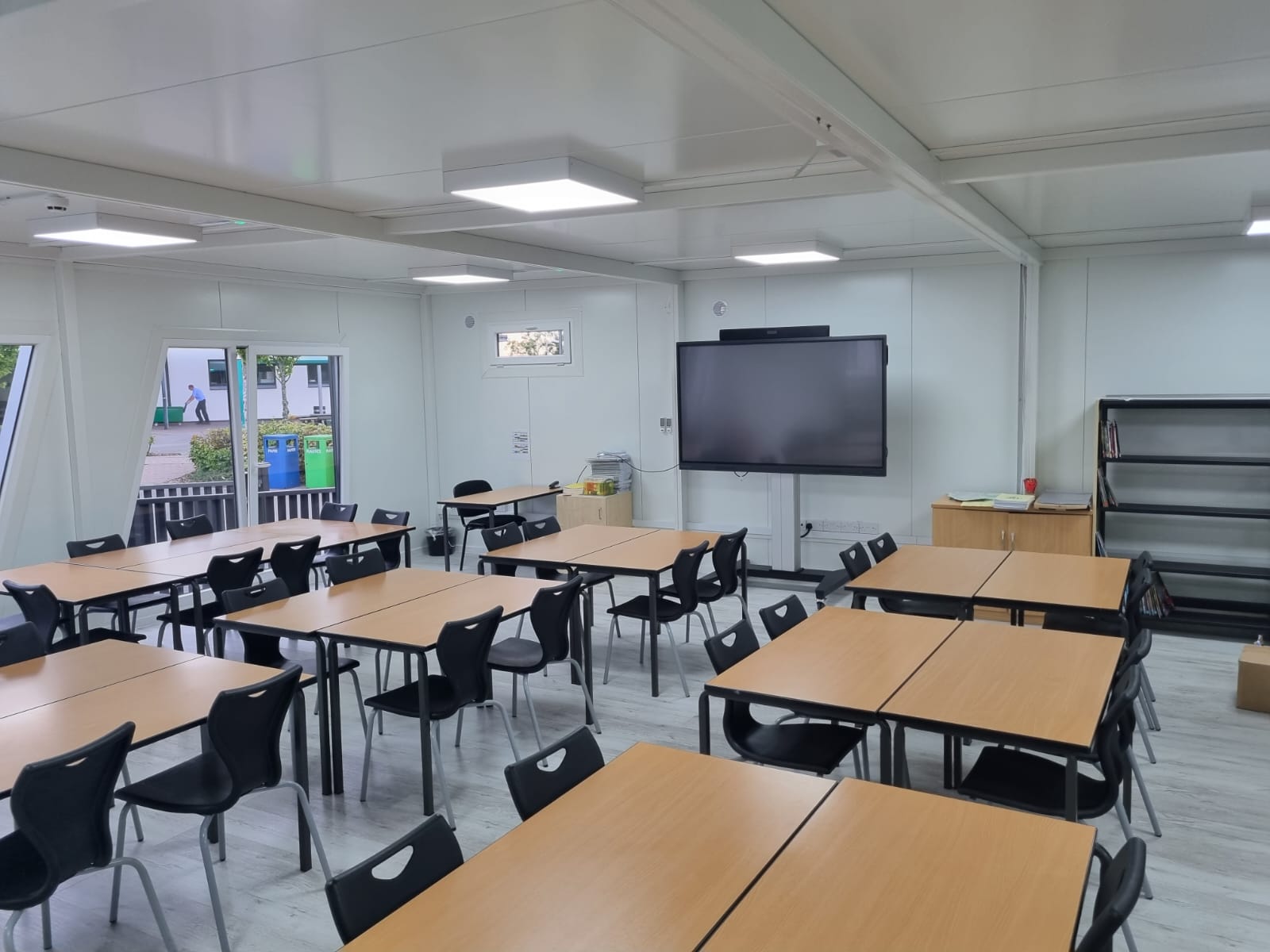
Description: A modular hospitality building installed for a UK leisure venue, illustrating external cladding, glazing configuration and an operational entrance layout suitable for bar or café environments.
From concept to opening (hospitality-focused delivery flow)
Hospitality projects are measured by speed to revenue and operational reliability. Therefore, we use a structured delivery flow that clarifies decisions early and reduces late-stage change. However, licensing, site constraints and services capacity still shape the final programme.
Confirm operating style (event, leisure park, permanent venue), target opening date, expected footfall and service flow priorities.
ISO volumetric for speed, bespoke steel for architectural venues, or timber for premium hospitality character. In practice, this choice prevents redesign later.
Bar counter layout, storage zoning, refrigeration and electrical loads, ventilation/extraction, and accessibility intent.
Planning considerations, fire strategy (REI options where tested assemblies apply), and the agreed compliance pathway for permanent builds.
Factory manufacture with staged checks. As a result, quality is more repeatable and onsite time is reduced.
Logistics and lift planning, services connections, testing, snagging and operational handover support.
Hospitality outcomes from modular delivery
Modular hospitality projects vary widely in size and concept. However, the strongest results come from aligning system choice with operational needs. Therefore, these reference examples illustrate how modular bars and hospitality buildings can support customer flow, service efficiency and brand presence.
Architectural modular hospitality venue
Bespoke modular hospitality buildings allow operators to create architectural bar venues with strong visual identity. As a result, venues can combine rapid construction with high-quality finishes suitable for permanent leisure destinations.
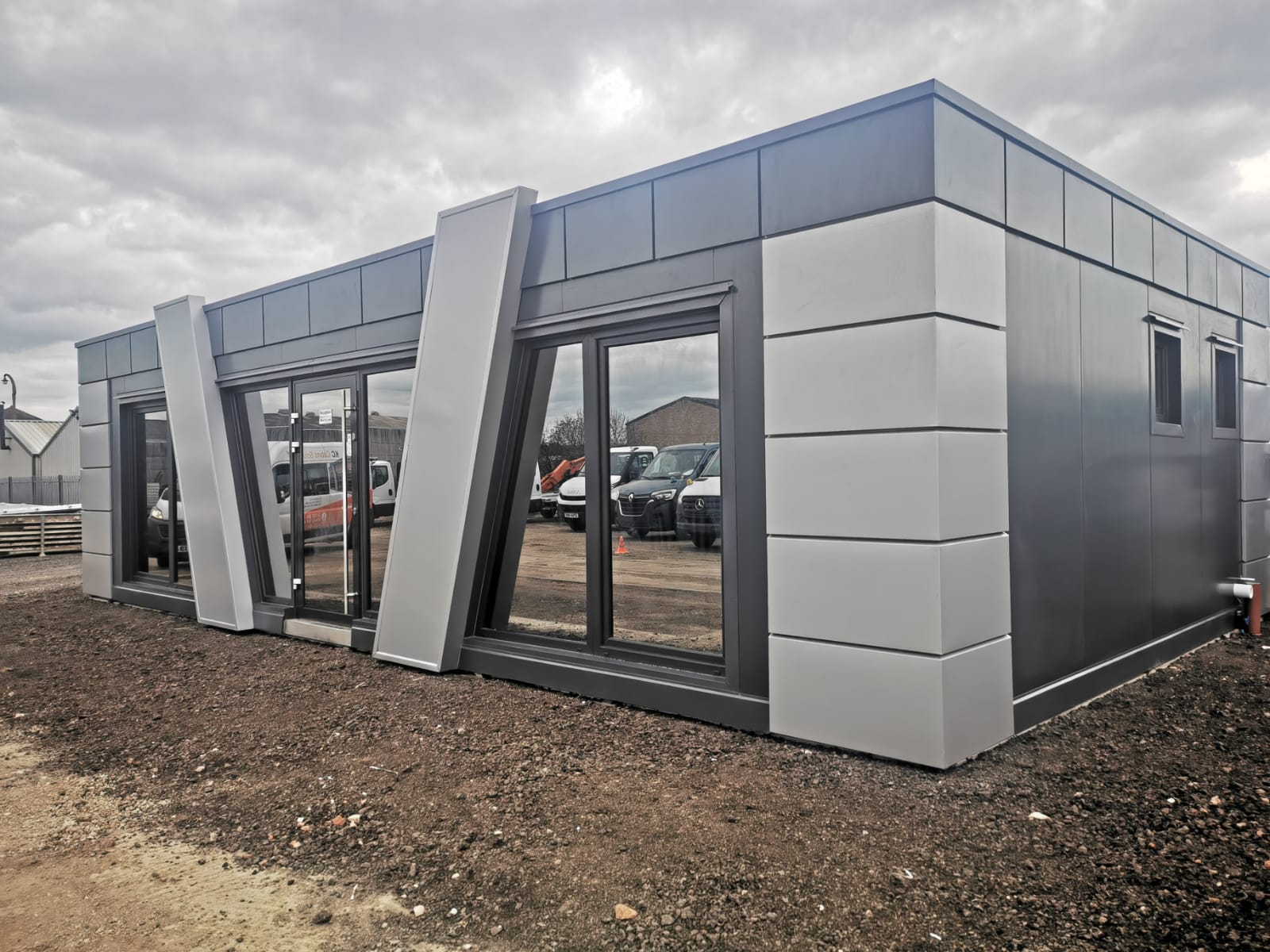
Description: A bespoke modular building illustrating how hospitality venues such as bars, cafés or lounge spaces can be delivered using modular construction in the UK.
Leisure venue bar & pavilion
Modular hospitality buildings are frequently used within leisure parks, sports venues and event destinations. In practice, bar service areas, seating zones and terrace access can all be integrated into a modular pavilion layout.
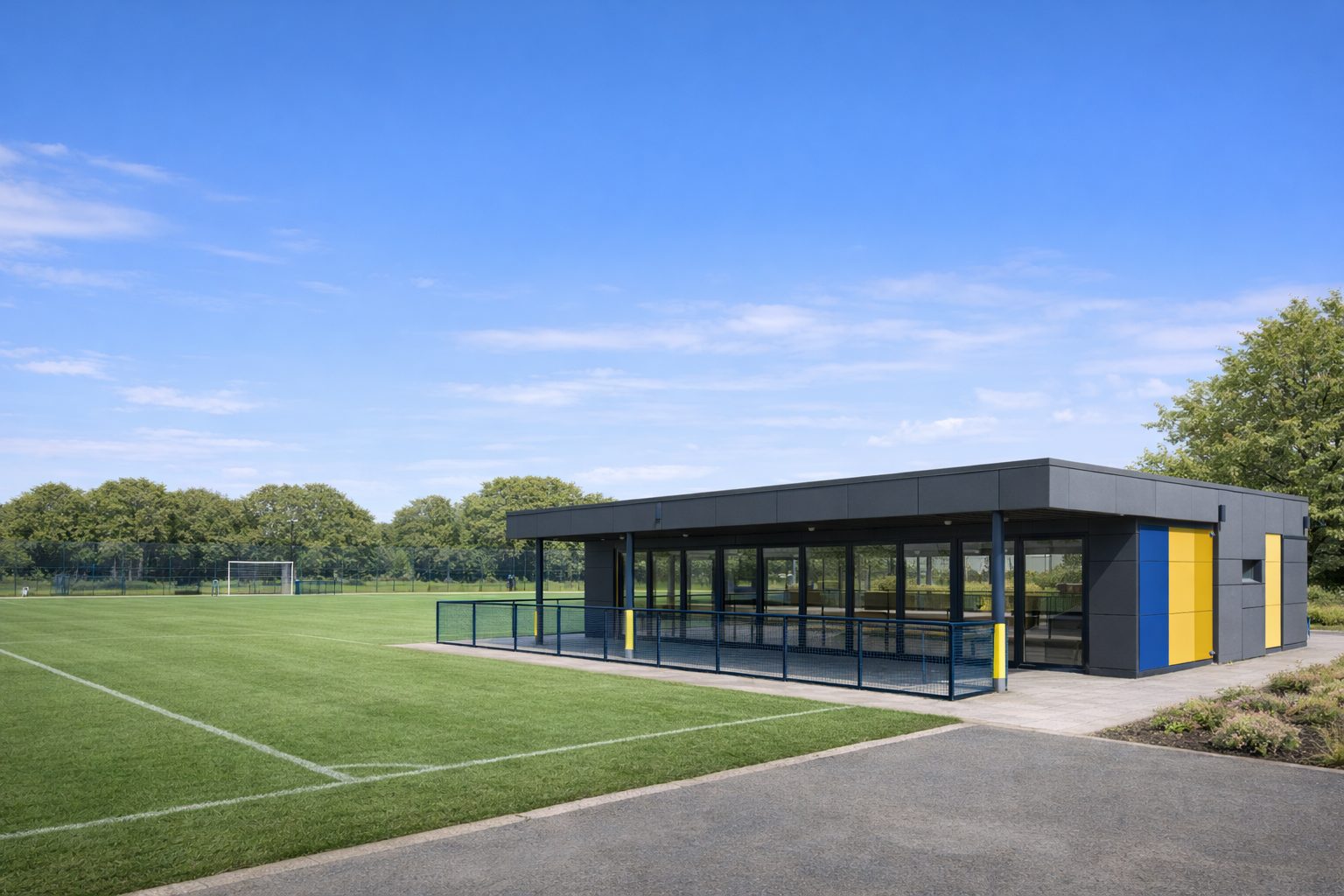
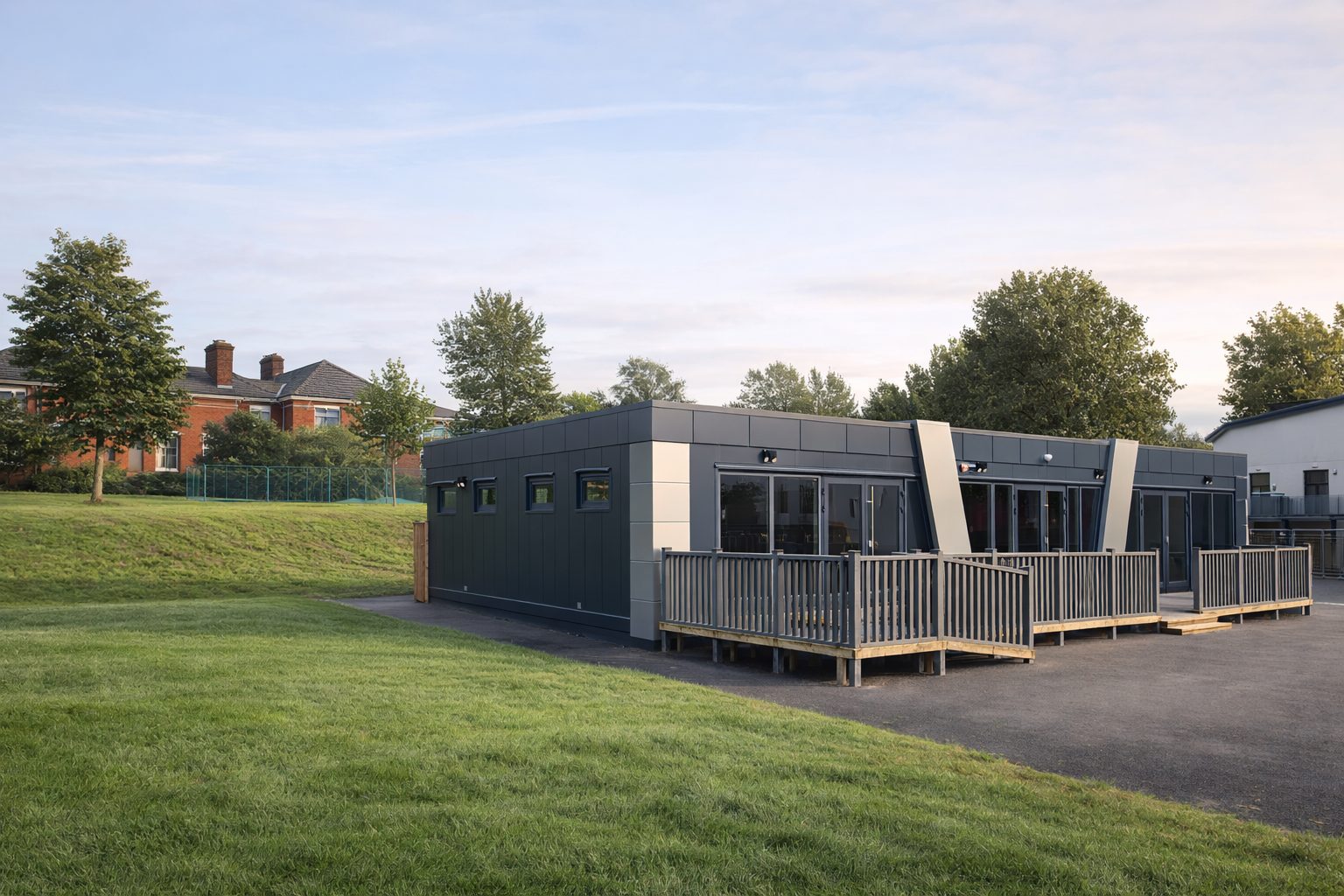
Description: A modular sports pavilion building used as a reference for bar service, seating areas and customer circulation within leisure and event environments in the UK.
Moreover, modular hospitality buildings can scale from compact bar units to multi-room venues depending on operational needs and site constraints.
Modular bars vs traditional build (hospitality decision table)
Operators typically compare options based on speed to revenue, disruption and the ability to expand later. Therefore, the table below frames the most common decision drivers. However, final outcomes still depend on approvals, site constraints and services capacity.
| Decision driver | Modular bar / hospitality building | Traditional build |
|---|---|---|
| Speed to opening | Offsite manufacture can reduce onsite duration; commissioning can be planned earlier. | Longer on-site programme and higher dependency on weather and sequential trades. |
| Programme certainty | Factory workflow supports staged checks and more predictable sequencing. | Higher variability from site conditions and subcontract interfaces. |
| Disruption to operations | Reduced on-site footprint; useful for live venues and leisure parks. | Extended construction presence; disruption can impact customer experience. |
| Fit-out control | Bar counter layout, storage and back-of-house can be pre-built in controlled conditions. | Fit-out quality depends on site sequencing and multiple contractors. |
| Future expansion | Phased deployment is easier; additional modules can be added where planning allows. | Extensions often require fresh mobilisation and extended disruption windows. |
| Portable vs permanent | Portable pathways can support relocation; permanent pathways support long-term venues. | Typically fixed in place; relocation is rarely practical. |
| Best-fit scenarios | Seasonal bars, event venues, leisure parks, resorts and branded hospitality concepts. | Long timeline projects with stable access and no seasonal revenue pressure. |
Large hospitality venue layouts
Larger modular hospitality buildings can combine bar service areas, seating zones and terrace access within one structure. Therefore operators can scale venues quickly while maintaining controlled customer circulation.
- Main bar service counters
- Indoor seating areas
- Outdoor terrace connections
- Back-of-house storage zones
- Integrated WC or welfare areas
In practice bespoke steel frame systems are often selected because they allow wider spans and stronger architectural presence.
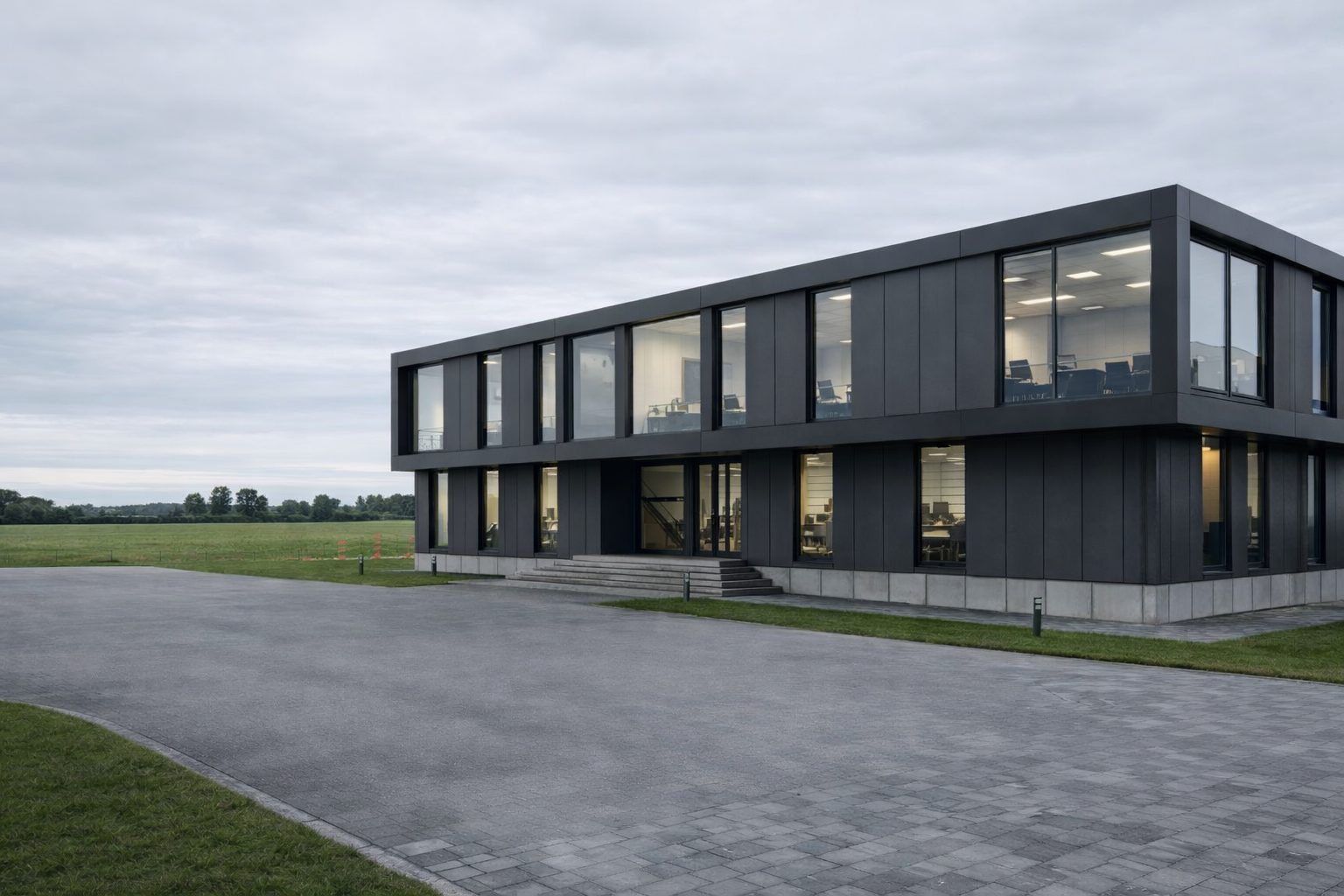
Description: A steel frame modular building illustrating how hospitality venues such as bars or cafés can combine service counters, seating and customer circulation within one modular structure.
Compact bar & event venue units
Smaller modular bar units are commonly used for festivals, leisure parks and seasonal venues. However compact layouts can still deliver efficient service when counter flow and storage zones are designed correctly.
- Portable bar service counter
- Compact preparation space
- Integrated refrigeration storage
- Queue management circulation
- Optional terrace seating
As a result ISO volumetric systems are often used because they allow rapid deployment and relocation when venue strategies change.
Description: A compact modular hospitality building illustrating how portable bar venues can operate within event or leisure environments across the UK.
Moreover modular bars UK can expand from compact units to multi-room hospitality venues depending on operational growth and site constraints.
UK coverage for bars, leisure & hospitality (examples)
Location affects delivery route planning, cranage options and working-hour constraints. Therefore, include the site postcode in your quote request so we can validate access and logistics early. However, if you are still shortlisting locations, we can advise on the typical information venues need for planning and landlord approvals.
Compliance, performance and delivery transparency
Hospitality venues must balance regulatory requirements with commercial performance. Therefore, our approach focuses on defensible compliance wording, realistic energy performance pathways and transparent delivery planning. However, final approvals always depend on site conditions and local authority guidance.
Energy performance pathway
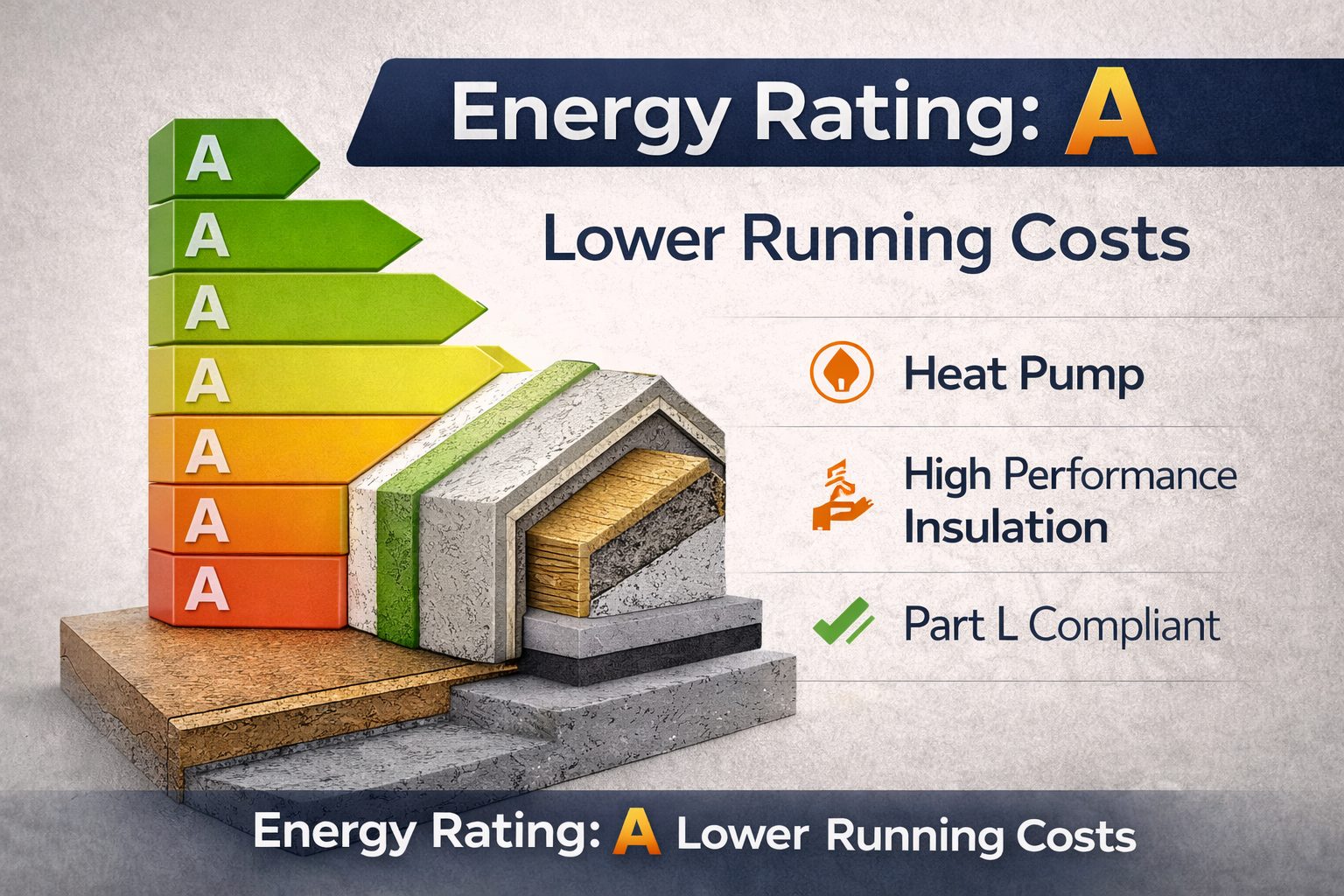
Modern modular hospitality buildings can be designed with strong insulation and efficient services strategies. As a result, permanent buildings may follow a pathway designed to achieve A Energy Performance under Part L 2021.
Description: A-rated energy performance illustration used to explain the Part L 2021 pathway for permanent modular hospitality buildings in the UK.
Compliance strategy clarity
Fire performance, ventilation and accessibility requirements depend on building use and local approvals. Therefore, modular hospitality projects normally review compliance pathways early to reduce redesign later.
Description: A compliance overview graphic showing typical performance considerations for modular hospitality buildings including fire strategy and regulatory alignment.
Delivery and installation planning
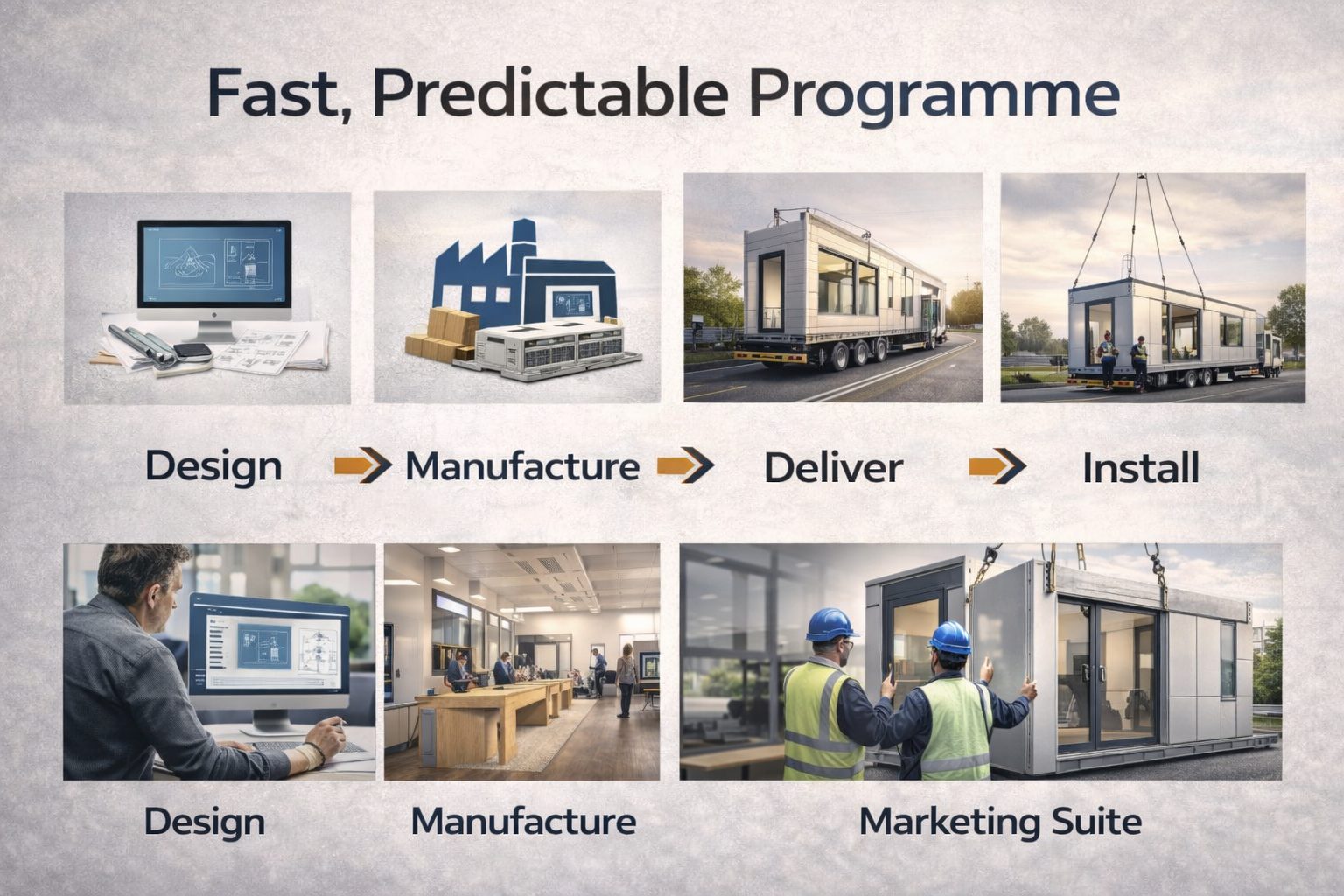
Hospitality projects often require precise opening dates. In practice, modular construction allows manufacturing to occur offsite while site preparation progresses, helping operators plan launch schedules with greater certainty.
Description: Illustration of modular building transport and installation logistics used to explain programme certainty for hospitality projects.
Moreover, modular bars UK benefit from early coordination between designers, operators and regulators. Therefore, clarity around compliance pathways typically accelerates both approvals and operational readiness.
What affects cost for modular bars & hospitality buildings?
Costs vary because sites and venue plans vary. Therefore, the quickest way to improve quote accuracy is to confirm the system, the lifespan and the fit-out scope early.
However, we avoid generic “from” prices because access limits, power capacity and approval routes can change the result. As a result, a short, clear scope usually produces a better budget range.
- System choice: ISO volumetric vs bespoke steel vs timber frame.
- Portable or permanent: and the required performance intent.
- Services capacity: power, water, data, ventilation/extraction.
- Fit-out scope: counters, refrigeration, storage, back-of-house.
- Access planning: delivery route, lift plan, site working hours.
- Kitchen add-on: extraction, more services, extra compliance needs.
- Finish level: standard vs upgraded vs premium.
- Fire route: options such as REI60 where tested assemblies apply.
- External works: steps/ramps, decking/terrace links, drainage tie-ins.
- Programme limits: fixed opening dates and staged access windows.
In practice, modular bars UK become easier to price once the pathway is clear. Therefore, operators can plan staff, stock and launch marketing with fewer unknowns.
Modular bars & hospitality buildings — FAQs
Operators usually need quick answers on approvals, fit-out and delivery. Therefore, these are written in plain English. However, if you share the site postcode and target opening date, we can route you faster.
Planning and compliance
Operations and fit-out
Cost and delivery
Start planning your modular bar or hospitality venue
If you are planning a bar venue, leisure destination or hospitality expansion, modular construction can provide a faster route to opening. Therefore operators can align construction timelines with event seasons, visitor demand and licensing schedules.
However, choosing the correct system early — ISO volumetric, bespoke steel or timber — significantly reduces redesign risk and improves budgeting clarity. As a result, hospitality operators can focus on brand experience rather than construction delays.
Typical quote response within 48h (Mon–Fri)
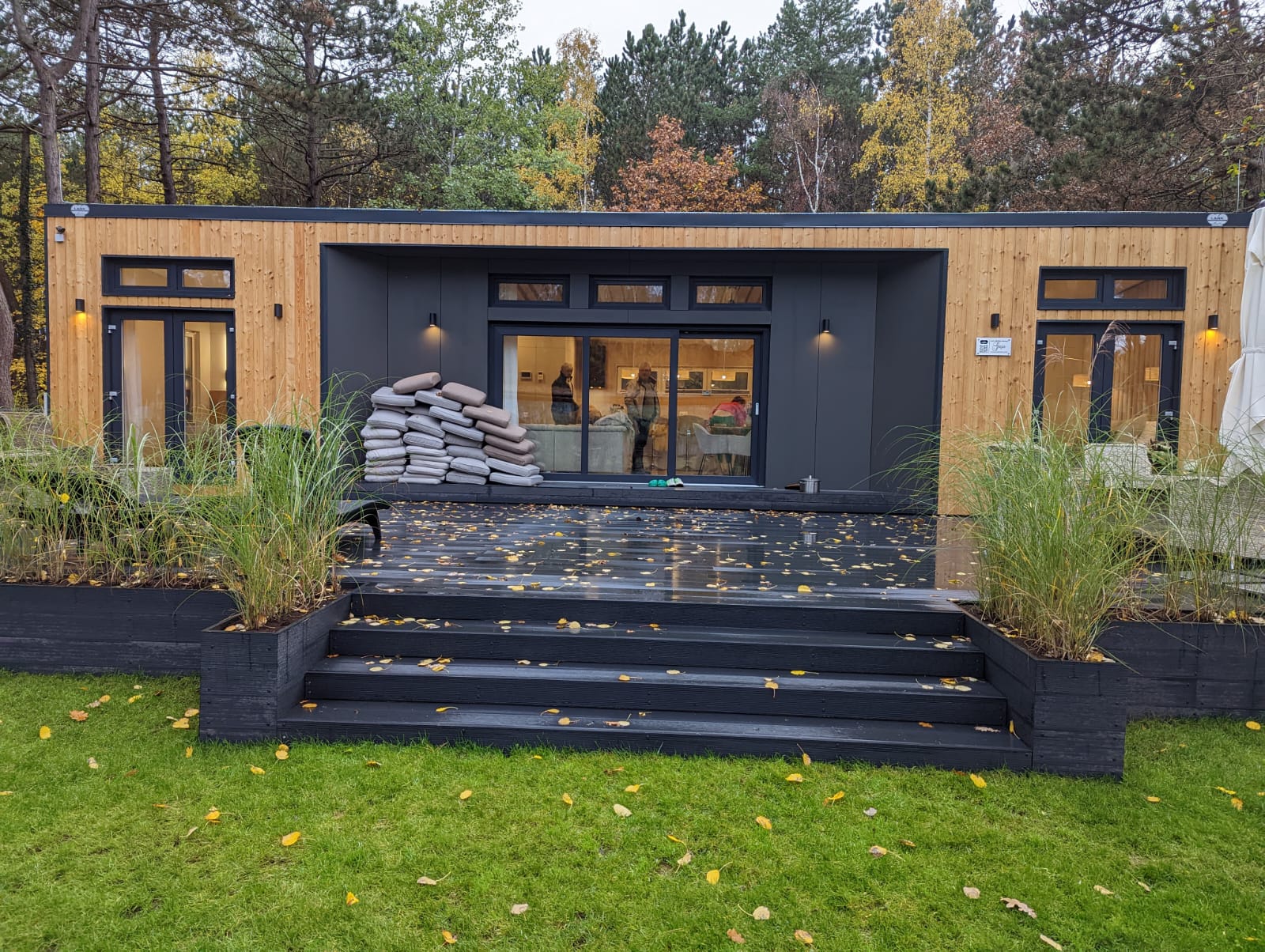
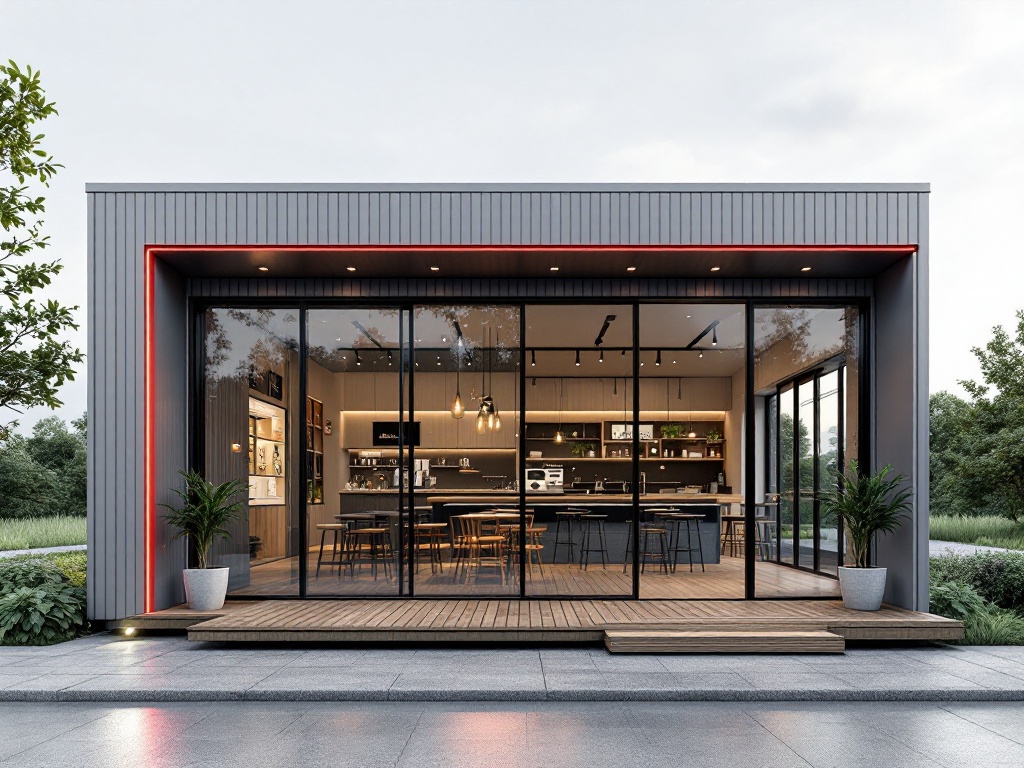
Description: A modular hospitality building used as a reference example for bar venues, cafés or leisure destinations where architectural presence and operational efficiency are required.
Visit our showroom (finish levels, layouts & system routing)
Many hospitality buyers prefer to see finishes, cladding options and internal layout approaches before locking decisions. Therefore, the showroom is the quickest way to confirm whether ISO volumetric, bespoke steel or timber is the best-fit route for your venue.
However, if you cannot visit, a quote request with your site postcode and venue concept is still enough to start a structured route recommendation.
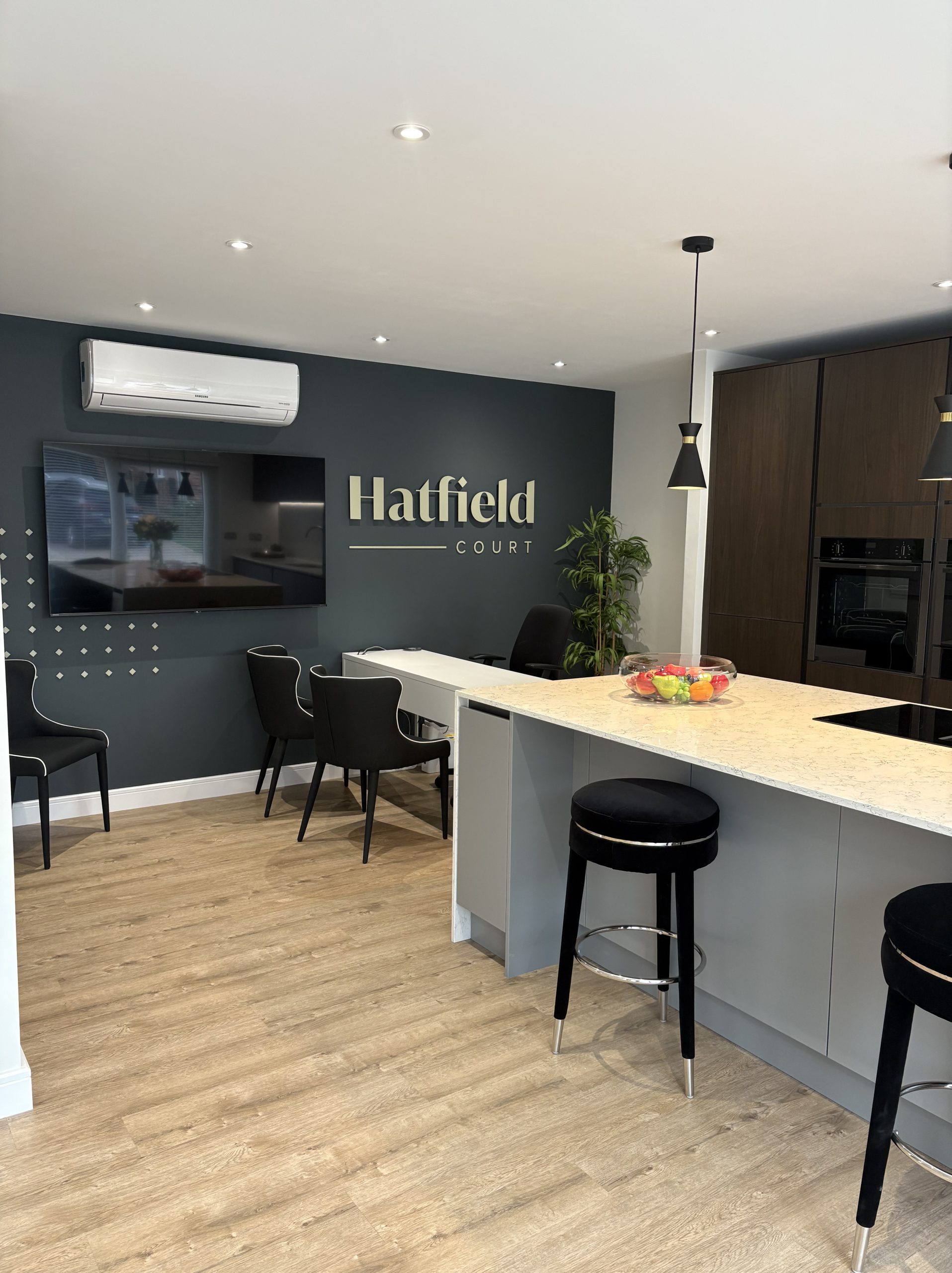
Description: A modular building reference image used to support showroom discussions on finishes, layout options and system routing for hospitality and leisure projects in Stoke-on-Trent, West Midlands.
What our clients say
We keep this transparent. Therefore, the themes below are summarised for quick reading, while the most current reviews remain on Google. However, hospitality buyers typically care about programme reliability, build quality and smooth handover — because those factors directly affect opening dates.
Clear sequencing and practical updates help operators align marketing, staffing and launch dates.
Theme: programme certaintyDurable finishes and sensible layout planning reduce maintenance and improve day-to-day operations.
Theme: build qualityRouting the project into ISO, bespoke steel or timber early reduces redesign and accelerates approvals.
Theme: system choiceWhy KC Modular Buildings for bars & hospitality venues
Hospitality projects are not judged by drawings — they’re judged by opening dates, customer flow and day-to-day reliability. Therefore, we focus on system clarity, compliance-first wording and practical delivery planning. However, the best solution always depends on your venue model and site constraints.
We separate ISO volumetric, bespoke steel and timber frame systems clearly. As a result, operators avoid confusion that often delays approvals and pricing accuracy.
Counter flow, storage zoning and services capacity are treated as core design drivers. Therefore, the venue is easier to staff, easier to maintain and faster to operate.
We use realistic, approval-aligned statements for fire performance and energy pathways. However, outcomes remain project dependent, so expectations stay accurate.
You can specify cladding, glazing and interior finish levels aligned to your venue concept. Moreover, bespoke steel is ideal when architectural presence matters.
We plan around real-world constraints such as access routes, cranage and opening dates. As a result, operators can coordinate marketing and staffing with fewer unknowns.
Seeing finish levels and layout options early reduces rework later. Therefore, venue decisions become faster and more defensible internally.
Compliance transparency for hospitality buildings
Hospitality venues must satisfy both operational requirements and regulatory expectations. Therefore, our approach focuses on clear specification pathways and defensible compliance language rather than exaggerated claims. However, approvals always depend on the specific site, intended use and local authority interpretation.
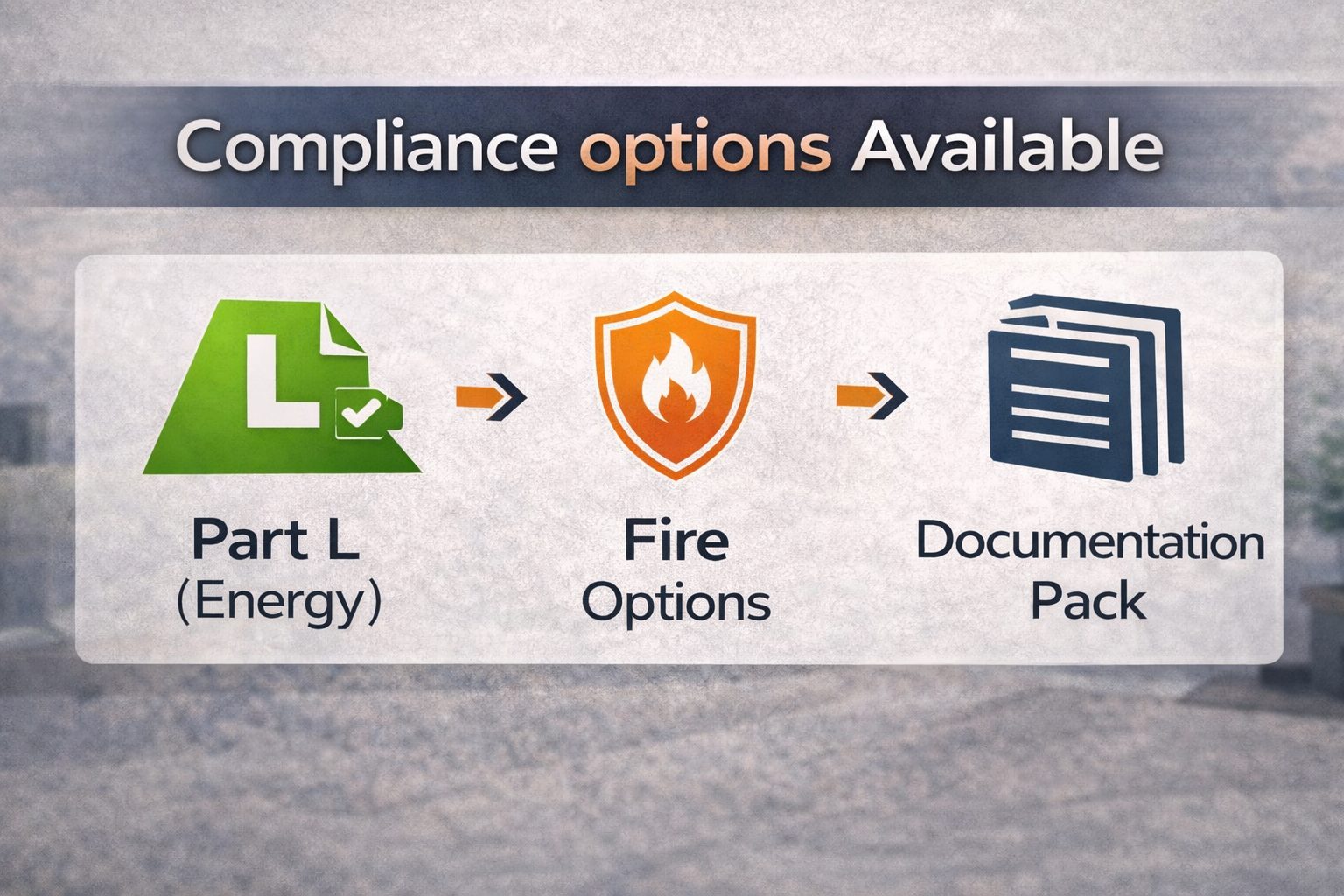
Where required, fire performance can follow tested assembly routes such as REI60. In practice this refers to the period a structure can maintain structural capacity, integrity and insulation under fire conditions.
Permanent hospitality buildings can be designed using a pathway intended to achieve A Energy Performance under Part L 2021. However, final performance always depends on the agreed specification and building services design.
Planning permission, alcohol licensing and environmental health requirements vary by location. Therefore early consultation with local authorities often accelerates approval timelines for hospitality venues.
Authority references (official guidance)
Hospitality projects often involve planning, fire strategy, accessibility and construction duties. Therefore, these sources help stakeholders validate terminology and routes independently. However, project requirements still depend on the specific site and intended use.
- Planning Portal (England & Wales)
- GOV.UK — Building Regulations & Approved Documents
- HSE — CDM 2015 (construction duties)
- GOV.UK — Fire safety in the workplace (overview)