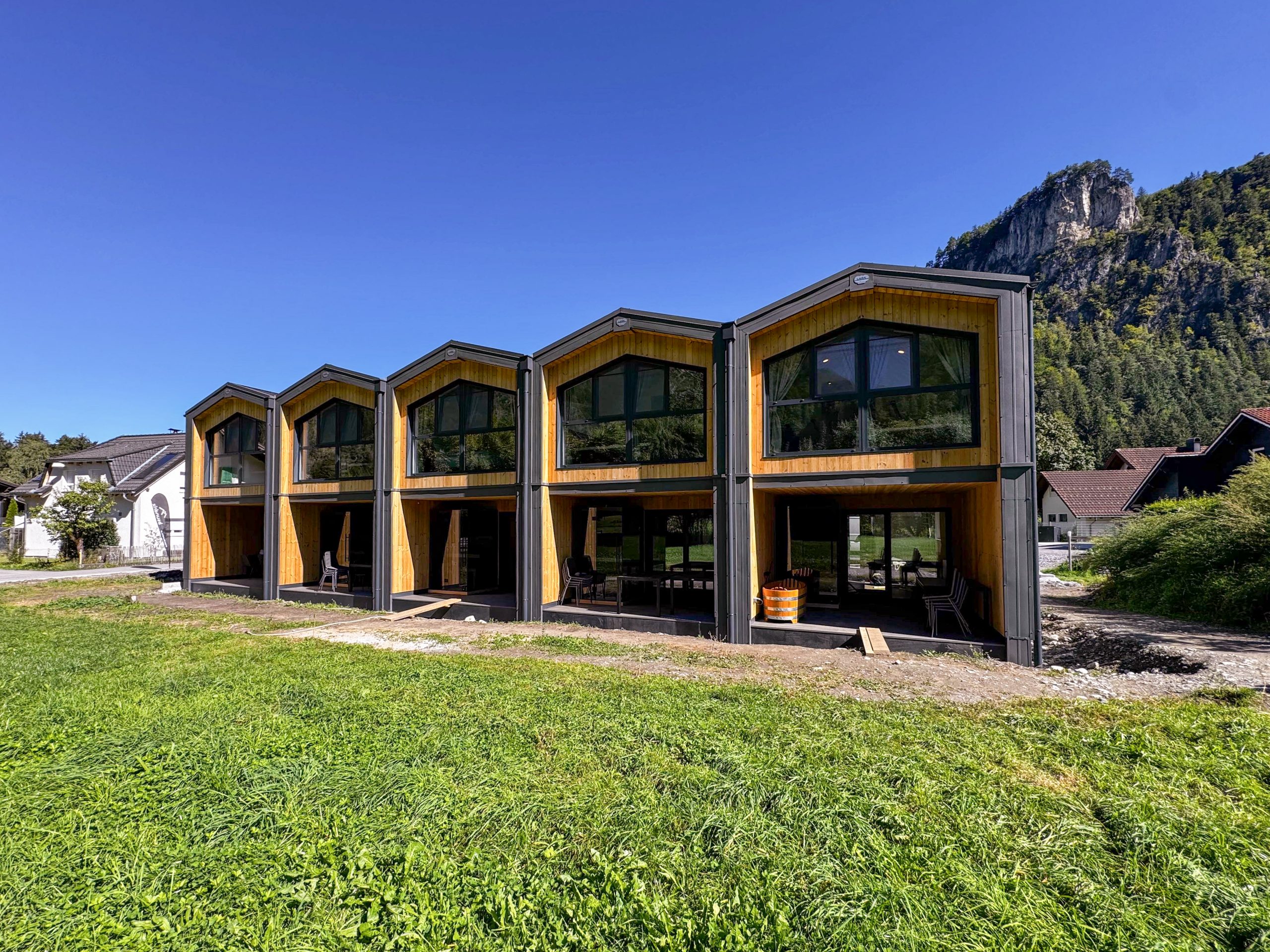
Modular Buildings for Residential
Modular buildings for residential use give developers, landowners and housing-led projects a clearer route to modular homes, modular housing units and other residential formats across the UK. For example, a project may need a permanent modular home, a phased housing layout or a temporary residential building. Likewise, some residential modular homes UK schemes focus on long-term living, while others support interim or site-specific accommodation needs.
Speak to a human within 48 hours
Moreover, we’ll confirm feasibility, outline next steps, and flag any site constraints early.
Consequently, you get a clear plan for design, manufacture, delivery, and installation – without guesswork. Final specification subject to engineering design and site conditions.
Permanent modular homes, phased residential units, compact housing formats and selected temporary accommodation schemes.
Some projects need permanent modular homes, while others need temporary residential buildings or phased housing delivery.
Residential projects prioritise comfort, layout, energy performance, natural light and practical long-term living standards.
Projects can be coordinated around access, cranage, utilities, foundations and the realities of live development sites.
Why residential modular buildings are used in the UK
Residential modular buildings are used when a project needs greater programme control, cleaner manufacture and a more predictable route to site delivery. In many cases, modular homes help teams reduce weather dependency and improve build consistency. In addition, they support phased delivery on sites where speed and certainty matter.
Where modular buildings for residential use are applied
Residential demand covers more than one housing format. For example, some projects focus on modular homes for permanent living. Others require modular housing units for phased delivery or site-specific housing supply. Similarly, some briefs are temporary in nature, particularly where interim accommodation is needed before permanent works are completed.
- Permanent modular homes for residential living
- Modular housing units for phased development layouts
- Prefabricated residential buildings for offsite-led housing delivery
- Temporary residential buildings for short-term accommodation need
- Residential modular homes UK schemes with site-specific design and servicing requirements
How the residential route works
This page helps you understand the residential applications we support. Therefore, the primary goal is to move qualified residential enquiries into the quotation route. Meanwhile, users still gathering information can use the brochure route above the fold.
If you want to see wider project proof while staying in the right topic family, review our residential project examples early in the journey rather than treating proof as a final-stage add-on.
Primary CTA: request a quote. Secondary CTA above the fold: brochure only. Final specification subject to engineering design and site conditions.
Key residential applications for modular homes and housing units
Residential modular buildings serve different project types. For instance, some focus on permanent living while others support phased or temporary housing needs. As a result, the specification, layout and compliance route vary by application.
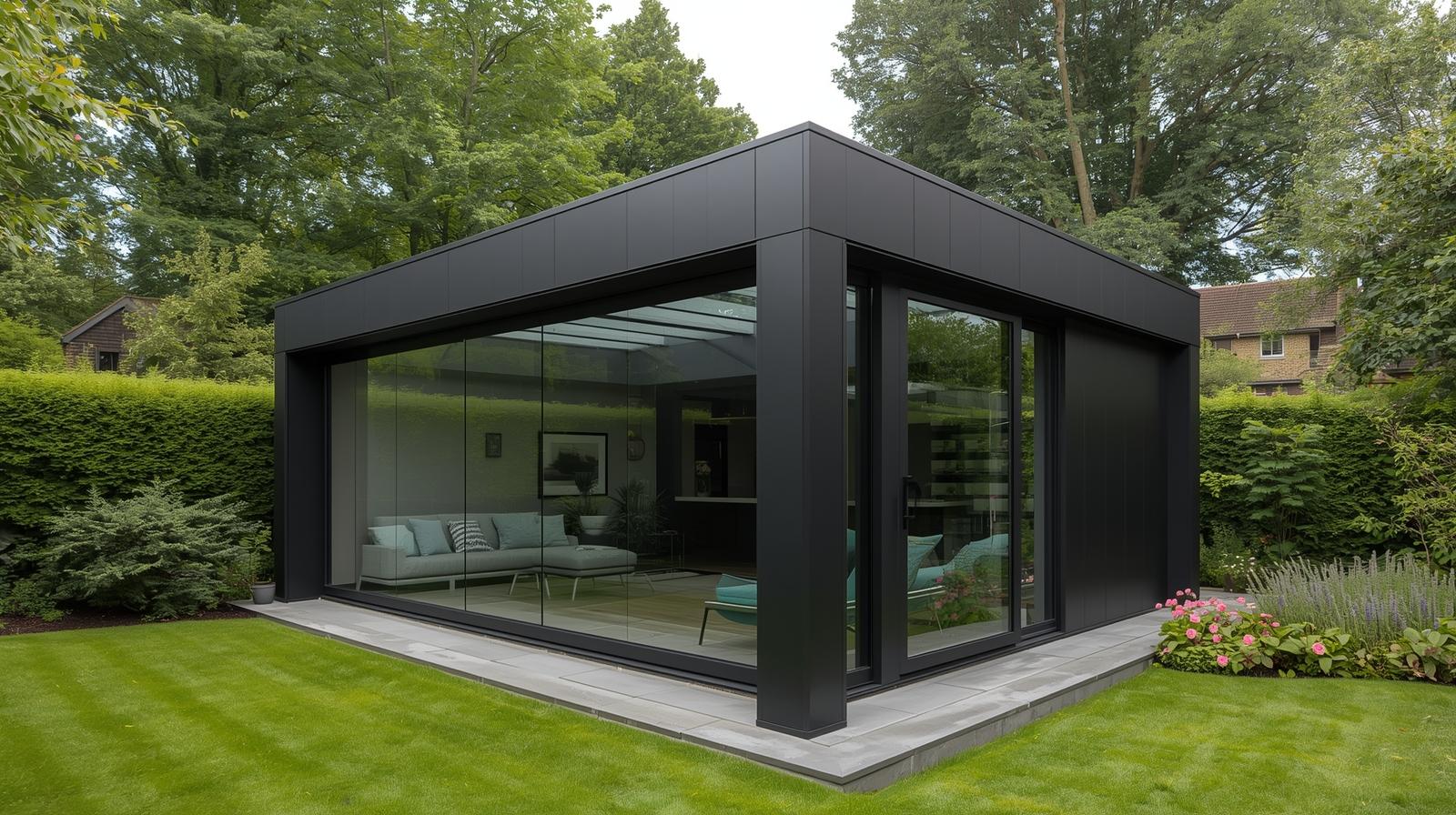
Permanent modular homes
Designed for long-term residential living with comfort, energy performance and layout flexibility. Consequently, they suit self-build, infill and replacement dwelling projects.
Discuss a permanent home →
Phased housing and modular housing units
Deliver multiple residential units in phases to match programme milestones. Moreover, modular manufacture reduces weather dependency across the build.
Plan phased housing →
Temporary residential buildings
Support interim living, decant accommodation or site-specific housing needs. As a result, residents can be housed while permanent works are completed.
Explore temporary options →
In addition, we can plan practical details like foundations, utility routing, access and phasing. Final specification subject to engineering design and site conditions.
Designed around comfort, compliance and practical living
Residential modular buildings need to perform as homes, not just as structures. Therefore, we design around layout, natural light, insulation and long-term living standards. Moreover, we plan key compliance and servicing details early, so the project stays predictable from manufacture to handover.
Programme certainty
Off-site manufacture reduces weather dependency. As a result, delivery dates are typically more predictable.
Energy and insulation
Wall, roof and floor build-ups support thermal performance. Consequently, running costs and comfort improve.
Layout flexibility
Open-plan, multi-room and accessible layouts are all possible. Moreover, internal finishes can be tailored to the brief.
Natural light and glazing
Window and door positions are planned for daylight and ventilation. Therefore, the living environment feels open.
Phased delivery options
Units can arrive in stages to match site readiness. In addition, this reduces storage and access pressure.
Clear scope boundaries
We define what’s included and excluded early. As a result, procurement and approvals stay on track.
Final specification subject to engineering design and site conditions.
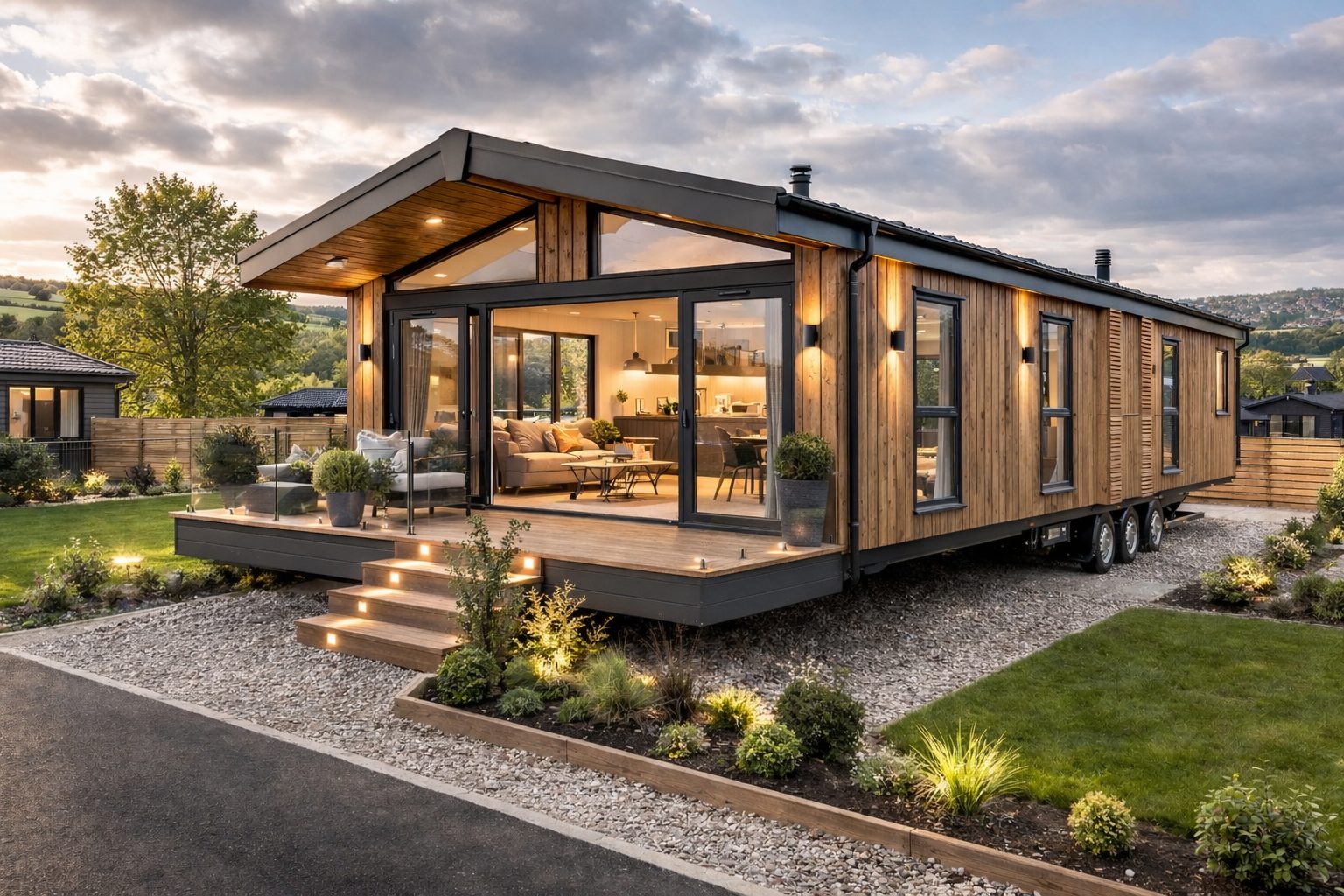
Ready to explore a residential modular building for your project?
Tell us about the site, intended use and your programme. Moreover, we’ll confirm feasibility, recommend the right system and outline next steps. As a result, you get a clearer plan before you commit to detailed design.
What to send us
- Use-case (permanent home, phased housing, temporary)
- Preferred size, layout and number of units
- Site postcode + access notes
- Target delivery date or programme milestone
What you get next
- System recommendation (MS / NOVO / LARK)
- Outline scope and assumptions
- Indicative programme steps
- Clear next actions for design and delivery
Important note
We manufacture and install the modular building. However, groundworks, utility connections, foundations, drainage and external works are typically by others unless agreed in writing.
Final specification subject to engineering design and site conditions.
Useful UK references (planning, building regulations, and guidance)
These links help you sense-check early requirements for residential projects. Therefore, you can plan approvals and compliance earlier in the process.
- Planning guidance: Planning Portal (UK)
- Building regulations overview: GOV.UK – Building regulations
- Health & safety basics: Health and Safety Executive (HSE)
- Residential building standards: LABC – Local Authority Building Control