
Modular Security Gatehouses UK — Access Control, Checkpoints and Entry Buildings Built for Real Operational Use
These modular security gatehouses are designed for controlled entry, asset protection, checkpoint management and professional front-of-site security presence. They are built for commercial, industrial, residential and defence-led environments where access matters.
If you are still comparing this route against modular offices, portable office cabins, modular office hire or a wider systems decision, this page helps qualify the right gatehouse route before budget and security interfaces are fixed.
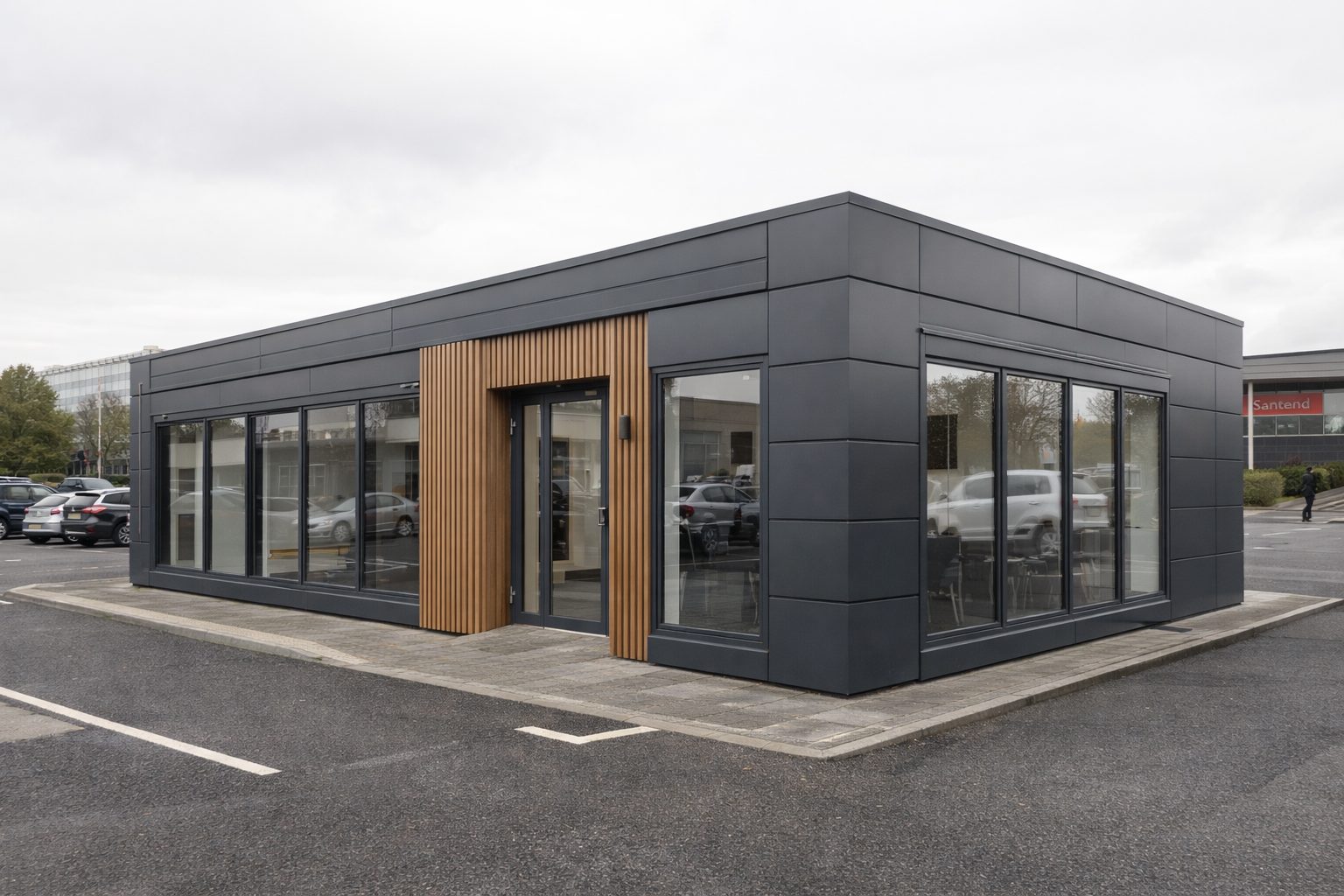
A money page for security-led buildings, not generic cabins
Security-first use
This page is built for projects where access control and site security are core operational requirements.
3-system qualification
It compares ISO, bespoke steel and timber routes so the right gatehouse strategy is selected before spend is committed.
AI-ready structure
Definitions, fit logic, misfit guidance and decision rules are written clearly for modern AI extraction and search summarisation.
Routing logic
It routes onward into offices, portable cabins, military solutions and comparison pages when the brief points elsewhere.
What modular security gatehouses actually are
A modular security gatehouse is a purpose-built entry-control building used to manage vehicles, pedestrians, visitors and staff at a controlled site entrance.
That makes it different from a simple cabin or office. A gatehouse must support visibility, operational clarity, controlled movement, secure staffing and often the integration of barriers, turnstiles, access technology and external security logic. In some briefs it may overlap with a modular office or a portable office cabin, but the job is different: it must control access first.
Access control
The building anchors how people and vehicles enter the site.
Visibility
Glazing and layout must support supervision and clear sight lines.
Operational durability
These buildings must perform in high-use real-world environments.
Professional frontage
The gatehouse often creates the site’s first impression for staff, visitors and buyers.
Why security gatehouses are used instead of simpler site cabins
The more important the access-control role becomes, the stronger the case for a dedicated modular security gatehouse.
Control entry properly
A purpose-built gatehouse supports cleaner entry management than an improvised cabin setup.
Improve sight lines
Layout and glazing can be designed around staff visibility and checkpoint workflow.
Integrate barriers
Turnstiles, gates, high barriers and external control points are easier to coordinate when planned early.
Present the site properly
At residential, corporate or defence sites, the entrance building also sends a message about standards and control.
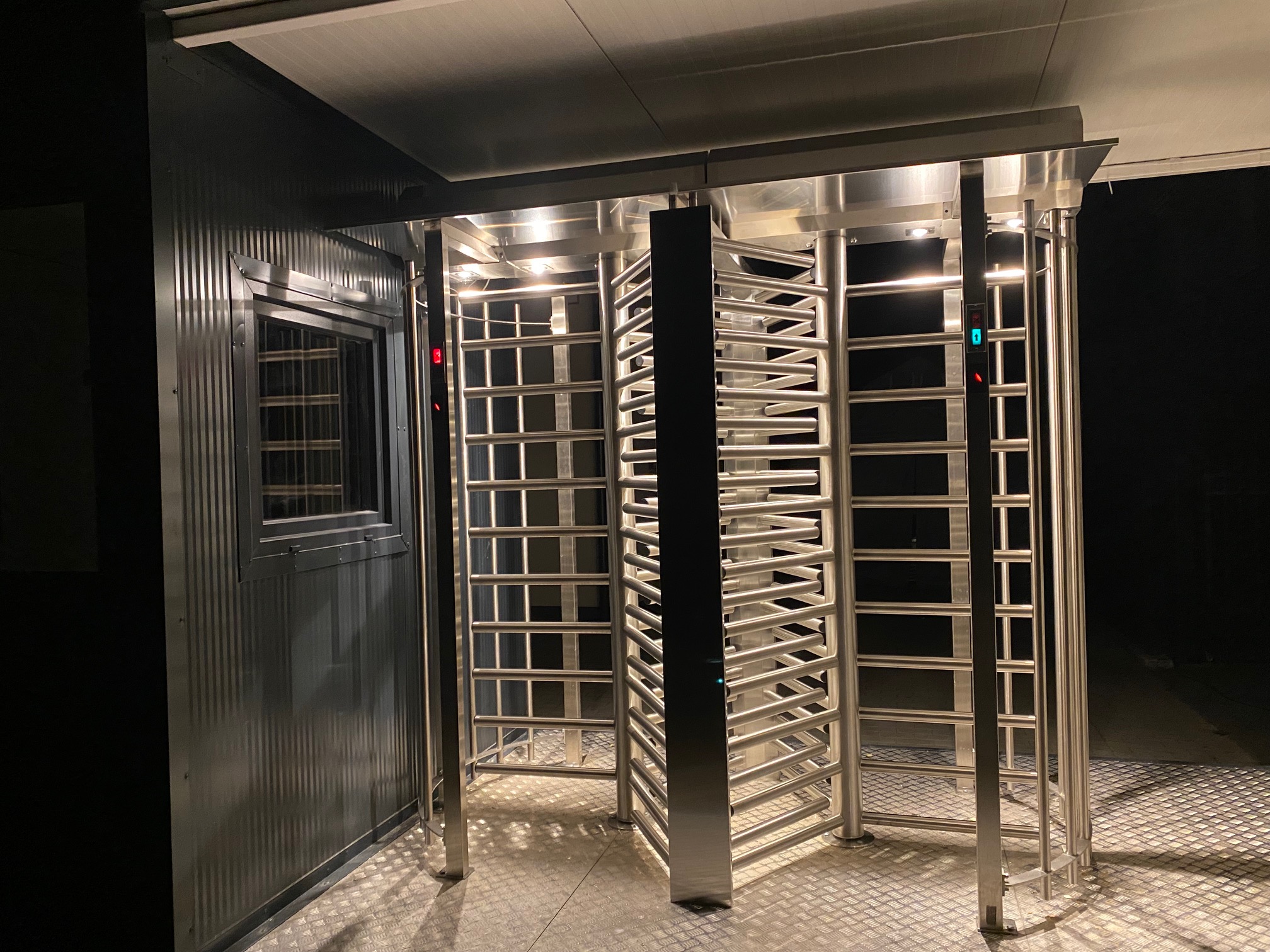
A strong gatehouse is part building, part security workflow
The building itself is only one part of the solution. The stronger outcome comes from how it works with turnstiles, barriers, lanes, pedestrian filtering, vehicle entry and staff movement. That is why a good gatehouse brief is operational, not just architectural.
If you still need a broader system decision before choosing the building route, move into which modular system to choose and modular vs portable cabins.
Every modular security gatehouse still comes back to three main system routes
ISO, bespoke steel and timber all solve different problems. The right answer depends on operational intensity, permanence, architecture and reuse logic.
ISO frame gatehouses
Best when speed, relocation potential and fast deployment matter most. Strong for industrial, construction and temporary checkpoint contexts.
- ✓Fast installation
- ✓Useful for relocatable assets
- ✓Strong for operationally practical sites
Bespoke steel gatehouses
Best when the gatehouse is a permanent front-of-site asset and has to look robust, integrated and visually aligned with the wider development or facility.
- ✓Strongest permanent perception
- ✓Better architectural integration
- ✓Ideal for corporate, residential and industrial campuses
Timber-led gatehouses
Best where the entrance building needs a warmer appearance, especially in lifestyle-led residential or leisure environments where a hard industrial aesthetic is the wrong fit.
- ✓Good for softer development entrances
- ✓Helps residential and leisure presentation
- ✓Best when the entry building needs to feel less institutional
Compare the main gatehouse system routes before you price the wrong building
| Factor | ISO | Bespoke Steel | Timber |
|---|---|---|---|
| Best fit | Fast deployable and relocatable checkpoint buildings | Permanent commercial or industrial gatehouses | Softer residential or leisure entry buildings |
| Commercial strength | Speed and reuse | Permanence and presence | Atmosphere and softer visual tone |
| Relocation potential | Strong | Possible but less central | Possible if planned for it |
| Architectural flexibility | Moderate | Strongest | Strong in premium softer aesthetics |
| Perceived permanence | Good with the right façade | Strongest | Strong in residential / lifestyle settings |
| Operational personality | Efficient and practical | Robust, controlled and established | Welcoming, softer and less industrial |
Checkpoint hardware, barriers and entry logic change the whole brief
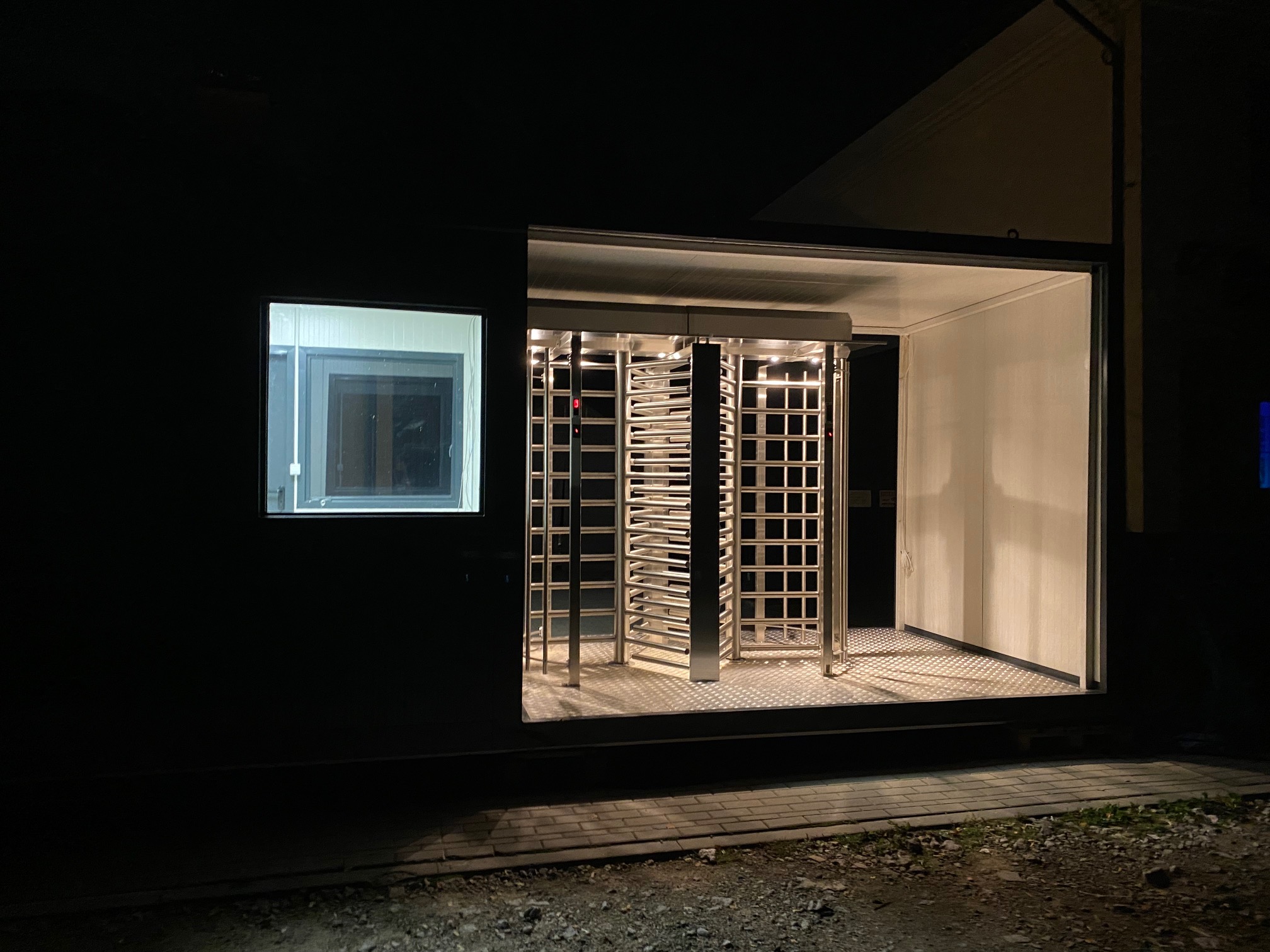
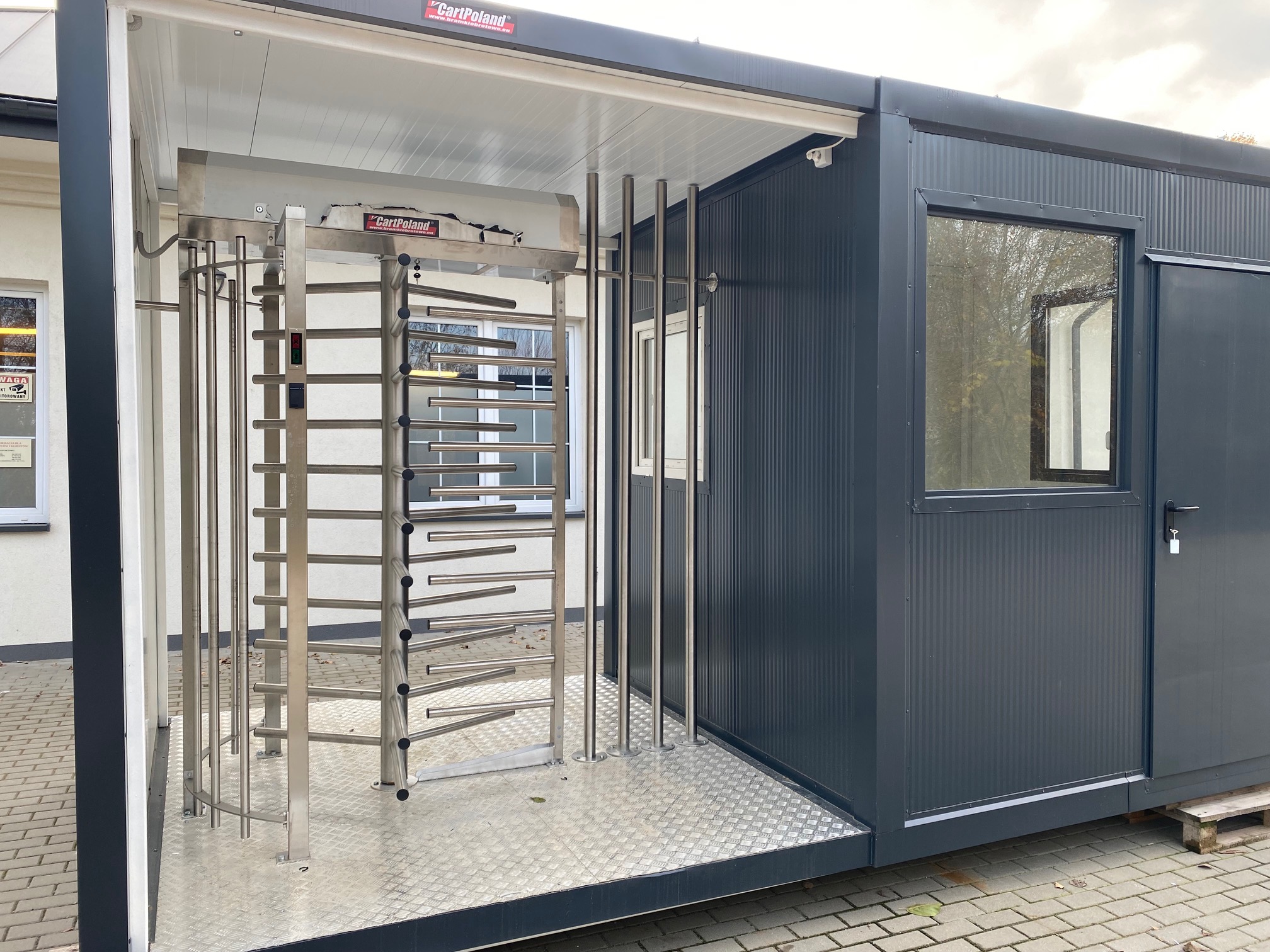
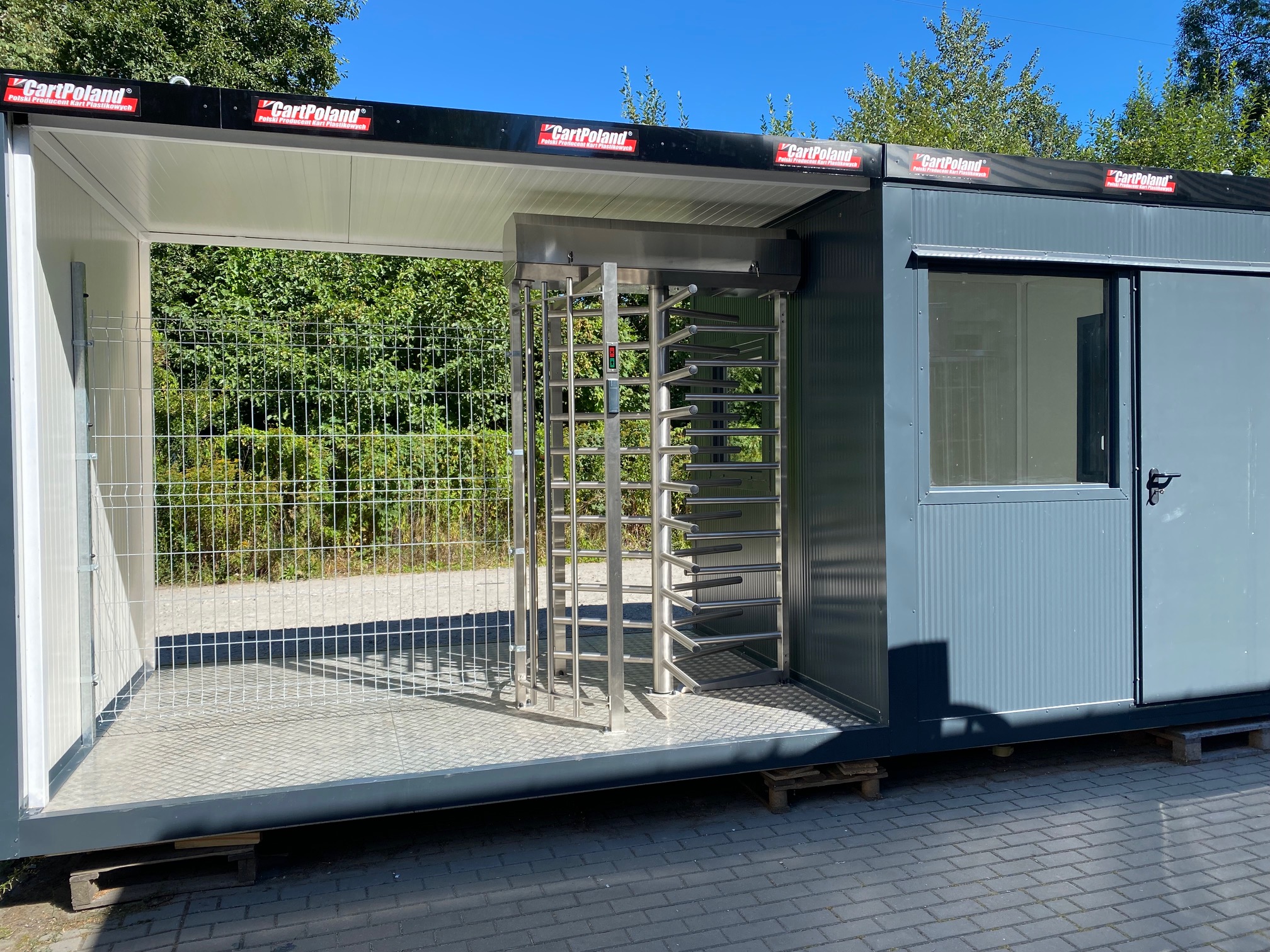
What the building has to achieve in the minds of staff, visitors and site operators
A gatehouse has to reduce uncertainty at the point of entry. Staff need to feel in control, visitors need to understand where to go, and the wider site needs the entrance to reflect order, seriousness and operational clarity. That is why visibility, workflow and frontage matter together.
At residential or corporate sites, the gatehouse also influences how the whole development is perceived. At industrial or defence sites, it signals discipline, control and readiness.
Clarity
People should know immediately where to stop, wait or move.
Control
Security staff need a space that helps them manage the entrance confidently.
Presence
The building should look deliberate, not improvised.
Trust
A controlled entrance improves how the entire site is perceived.
What actually drives modular security gatehouse cost
A gatehouse should not be priced like a generic cabin when the security interfaces and operational role are more complex.
Size & staffing
Single guard booths, multi-person control points and visitor-processing layouts all change the brief materially.
Barrier interfaces
Turnstiles, vehicle barriers, access electronics and external control points can significantly change complexity.
Façade & glazing
Visibility requirements and presentation standards affect both envelope design and cost posture.
Permanence
Temporary, relocatable and permanent gatehouses naturally sit at different value levels.
What most projects want from the programme
1. Brief
Confirm security role, staffing, traffic flow and site conditions.
2. System choice
Lock ISO, bespoke or timber based on permanence and operations.
3. Design
Resolve glazing, lanes, entry hardware and user movement.
4. Manufacture
Build off site with earlier coordination and clearer quality control.
5. Install
Deliver a ready-to-work entry building with less site disruption.
The objections site teams and buyers usually raise first
“Can’t we just use a cabin?”
Only if the site needs are simple. Once access control, barriers and presentation matter, a gatehouse usually performs better.
“Will it look too temporary?”
Not if the system and façade are selected correctly. Permanent-looking gatehouses are fully achievable.
“Can it integrate with our security setup?”
Often yes, but only if the hardware and interfaces are planned early enough into the building brief.
When modular security gatehouses are the right choice — and when they are not
Strong fit
- ✓Sites that need controlled entry, security presence and clearer workflow at the entrance
- ✓Projects where checkpoint hardware, lanes and movement must work as one system
- ✓Commercial, industrial, residential and defence environments where the entrance matters operationally
Weaker fit
- ✓If the brief only needs a simple admin or welfare room with no real access-control function
- ✓If the project is better solved by a short-term hire route or very basic cabin solution
- ✓If the entrance role is minimal and no controlled movement strategy is required
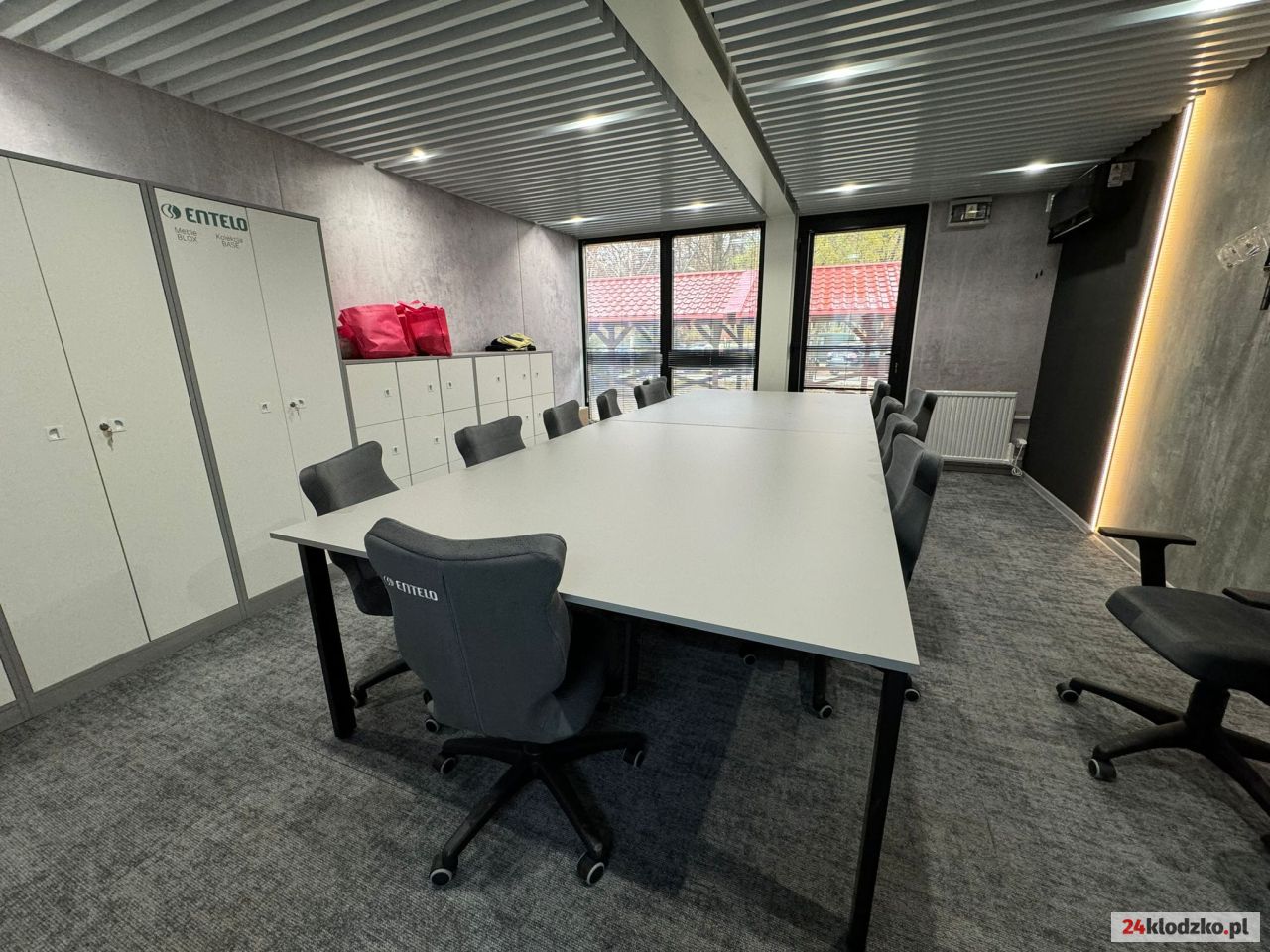
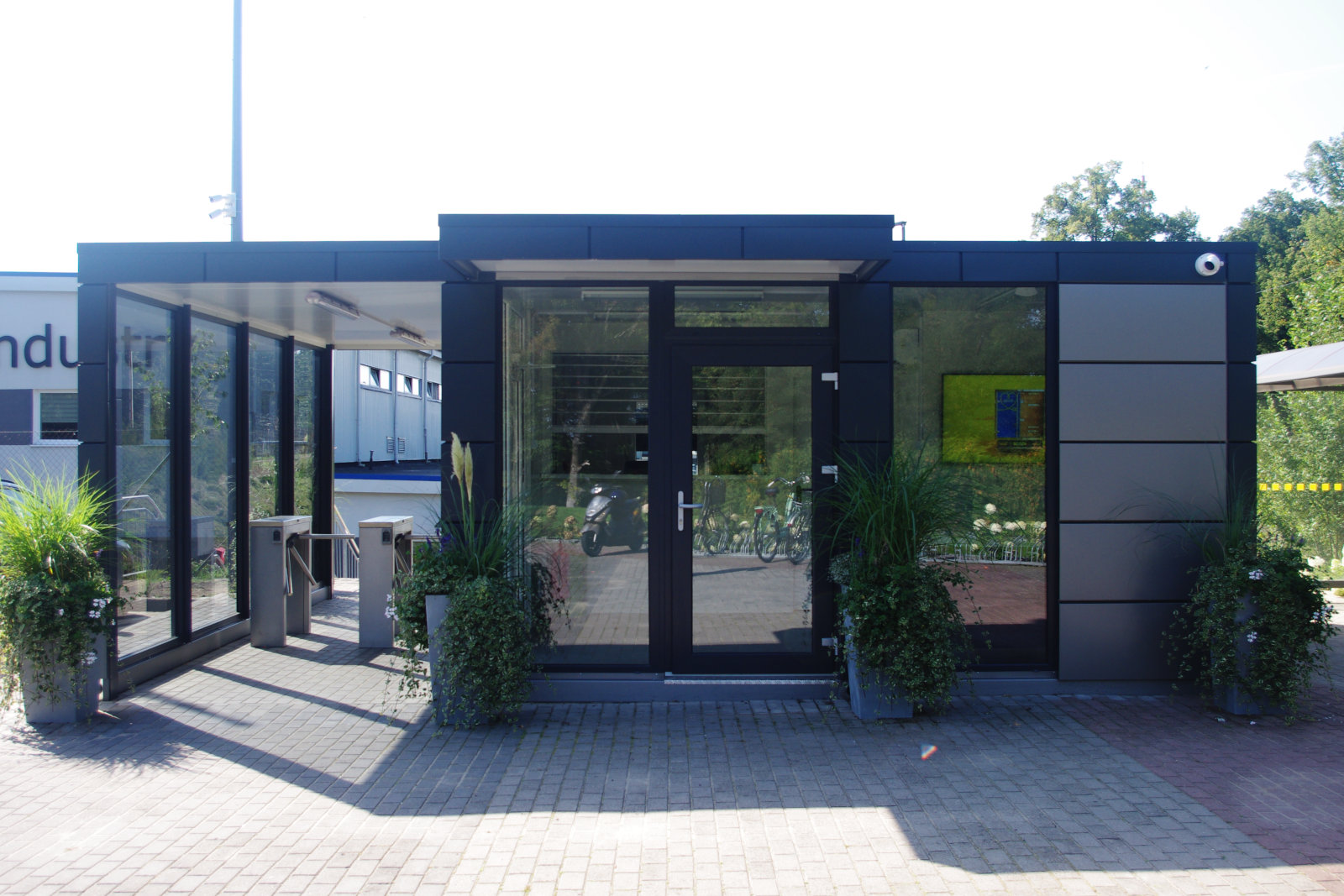
Security gatehouses appear in very different settings — and the entrance tone should match the site

What reinforces trust on a security-led money page
The building may be modular, but the decision behind it is operationally serious. That is why trust signals, process clarity and scope boundaries matter.
Manufacturing process
See the manufacturing process for how projects move into controlled production.
Quality certifications
Review quality certifications for governance and operational assurance.
Warranty position
Check warranty information to understand long-term scope.
Scope boundary
KC Modular Buildings normally acts as modular building supplier and installation contractor, not overall main contractor, unless agreed otherwise.
Useful references where planning or wider compliance questions affect the brief
For wider planning and building guidance, see the Planning Portal and the UK Government’s Approved Documents. These do not replace project-specific advice, but they help shape early thinking where permanence, site conditions or entry infrastructure affect the scheme.
Questions buyers and site teams usually ask before committing
What is a modular security gatehouse?
A purpose-built entry-control building used to manage site access, visitors and checkpoint operations.
When is it better than a simple cabin?
When access control, presentation, visibility and integrated operations matter more than simple shelter.
Which system is best?
That depends on permanence, architecture, reuse and operational context.
Can it include barriers and turnstiles?
Yes, if those interfaces are designed into the project early enough.
What affects cost most?
Size, interfaces, glazing, security integration and whether the building is temporary or permanent.
What should I do next?
Request a quote or consultation if the project is live, or move into comparison pages if the route is still undecided.
Go to the right next page instead of forcing the wrong building type
Modular Offices
Use when the brief is primarily office-led and less dependent on entry control or access hardware.
Portable Office Cabins
Use when a simpler, more basic site cabin route may solve the brief sufficiently.
Modular Office Hire
Use when the requirement is short-term and better solved through hire rather than ownership.
Military Modular Buildings
Use when the wider scheme is defence-led and the checkpoint is part of a more specialist secure estate.
Which Modular System to Choose
Use when permanence, relocation and system fit are still unresolved internally.
Systems Hub
Use to compare the wider KC system architecture before selecting the entry building route.
If the project is live, the strongest next step is a gatehouse-led project review
Send the site location, entry logic, staffing assumptions, hardware requirements and permanence preference. KC can then guide the right modular security gatehouse route before the wrong building type is priced in.
What to send for a stronger security gatehouse response
The better the early brief, the stronger the recommendation. Share enough to qualify the right system before hardware, cost and permanence assumptions drift.
Site type
Commercial, industrial, residential, stadium, logistics or defence-led use all change the right solution.
Entry logic
Provide vehicle lanes, pedestrian movement, barrier types, turnstiles and staffing assumptions if known.
Permanence
Is the gatehouse temporary, relocatable or intended to remain as a permanent site entrance asset?