
EV Forecourt Buildings
Commercial EV Infrastructure • UK Rollout
EV Forecourt Buildings UK — Modular Charging Hubs, Solar Canopies and Customer-Facing Infrastructure
Built for operators, developers, investors and landowners planning commercial EV rollout at scale. These EV forecourt buildings combine charging-bay planning, canopy structures, customer buildings and stronger programme control into one modular delivery route.
If you are still deciding whether your site needs a pure charging forecourt, a customer waiting pavilion, a branded retail hub, a technical plant room or a broader mixed-use charging environment, this page helps qualify the brief before price and scope drift start to erode the project.
90%Factory-built off-site
8–16wkTypical programme
50yr+Design-life mindset
UKNationwide rollout logic
ISO 9001
Commercial rollout
Solar-ready canopies
Customer buildings
Multi-site replication
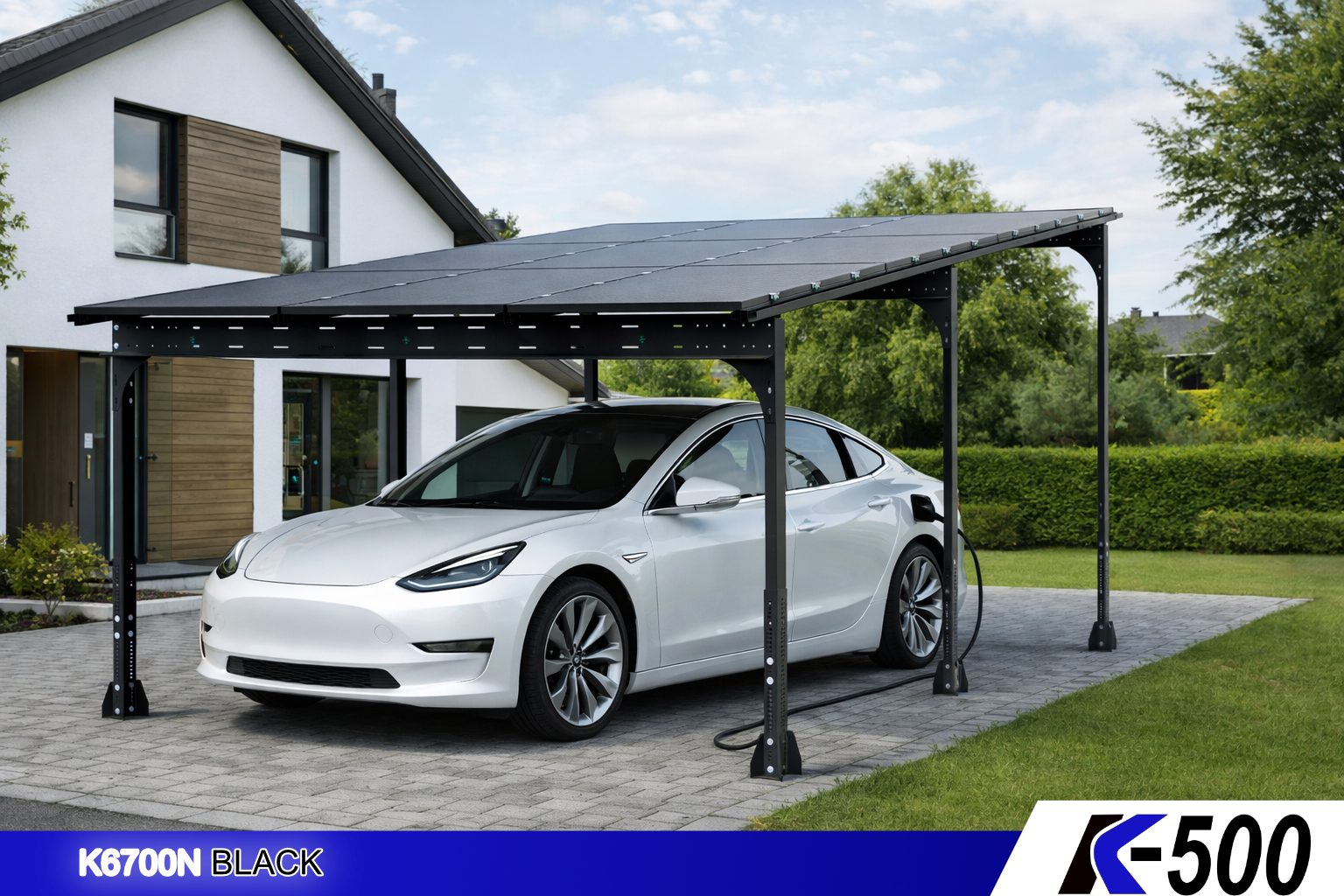
Featured EV hub visual
Definition and commercial intent
What EV forecourt buildings actually are
EV forecourt buildings are modular infrastructure hubs designed around electric vehicle charging environments rather than around traditional fuel-retail assumptions.
They can combine canopy systems, charging bays, waiting areas, washrooms, technical rooms, operational welfare, branded customer space, food or retail concessions, and site-management functions into one repeatable deployment model. The strongest projects do not treat the building as an afterthought. They treat it as part of the revenue, customer-experience and operational-efficiency strategy.
For some operators, the right route is a fast ISO-led installation. For others, it is a more permanent modular office building-style structure adapted to EV use. For others again, a hybrid charging pavilion with stronger architectural expression may be the right commercial answer. This page exists to qualify that choice before capital is committed too early.
Core page job
This is a money page, but its first job is qualification: define the right EV forecourt model, then convert only after the right route is clear.
The best outcome is not forcing every site into the same answer. It is identifying whether the brief should lean towards a fast rollout hub, a premium branded destination, a mixed retail and charging site, or a more operational fleet-first solution.
Fit analysis
Where modular EV forecourt buildings are strongest
Modular is strongest when the project needs speed, repeatability, controlled coordination and a commercial charging offer that can be replicated or scaled.
Motorway and arterial hubs
Best where charging volume, shelter, wayfinding and user-flow need to be delivered quickly on high-visibility transport corridors.
Retail park charging sites
Strong where dwell time links directly to customer spend, convenience retail, café use or service-led commercial uplift.
Fleet and logistics depots
Useful where operational efficiency, welfare support and repeatable infrastructure standards matter more than retail theatre.
Urban rapid charging environments
Good where constrained sites still need a branded and efficient customer environment without a long traditional build programme.
Misfit analysis
When this is not the right solution
Not every EV site needs a full modular forecourt response. Overbuilding a site can damage the commercial case as much as underbuilding it.
- ✓Single domestic or ultra-small charger installations where no meaningful customer or operational building is needed.
- ✓Short-lifespan temporary sites where the investment horizon does not justify a more developed forecourt environment.
- ✓Projects with unresolved power or access issues where infrastructure assumptions remain too uncertain to freeze the design properly.
- ✓Sites where a simple canopy-only approach is sufficient and no customer or operational built element is actually required.
Critical rule
If the project does not need a proper forecourt environment, do not force one. Qualifying the minimum viable built scope is one of the most important commercial decisions on the page.
That is also why related routes such as portable office cabins or modular building hire remain relevant for certain briefs.
Three-system route
Every EV forecourt should still be qualified against all three KC systems
Money pages must show all three systems. The right EV forecourt answer is not always the same structural route.
ISO modular route
Best when rollout speed, repeatability and controlled deployment across multiple charging sites are the main drivers. Strong for operational, utility-led or fleet-led environments.
Fast rolloutReplicableOperationally efficient
Bespoke steel route
Best when the EV forecourt is a permanent branded commercial destination and the finished architecture, public-facing quality and longer-term asset value matter heavily.
PermanentBrand-ledArchitectural freedom
Timber modular route
Best when ESG positioning, premium user perception, warm materiality or hospitality-adjacent charging environments are central to the concept.
Premium feelESG-ledDestination sites
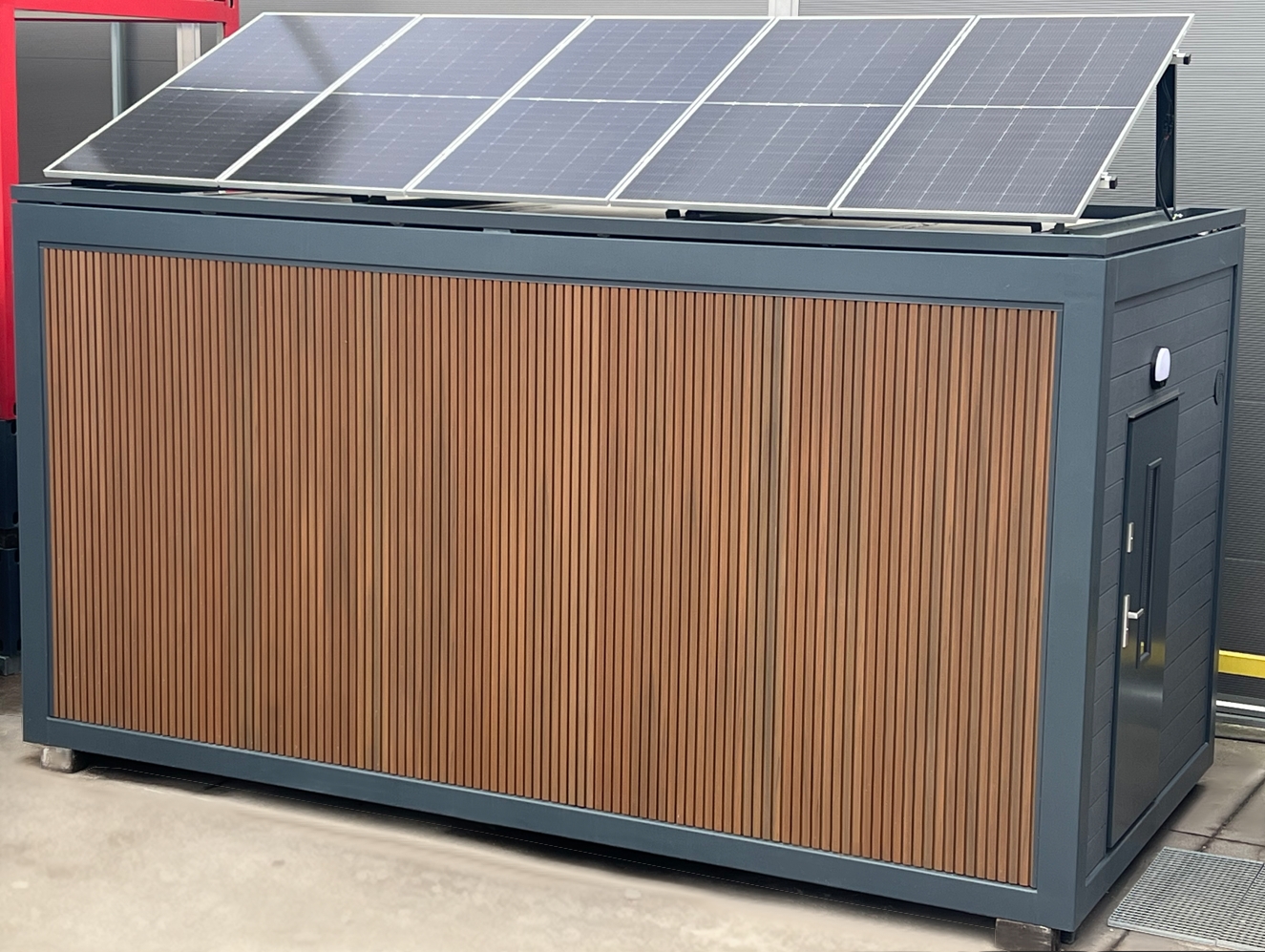
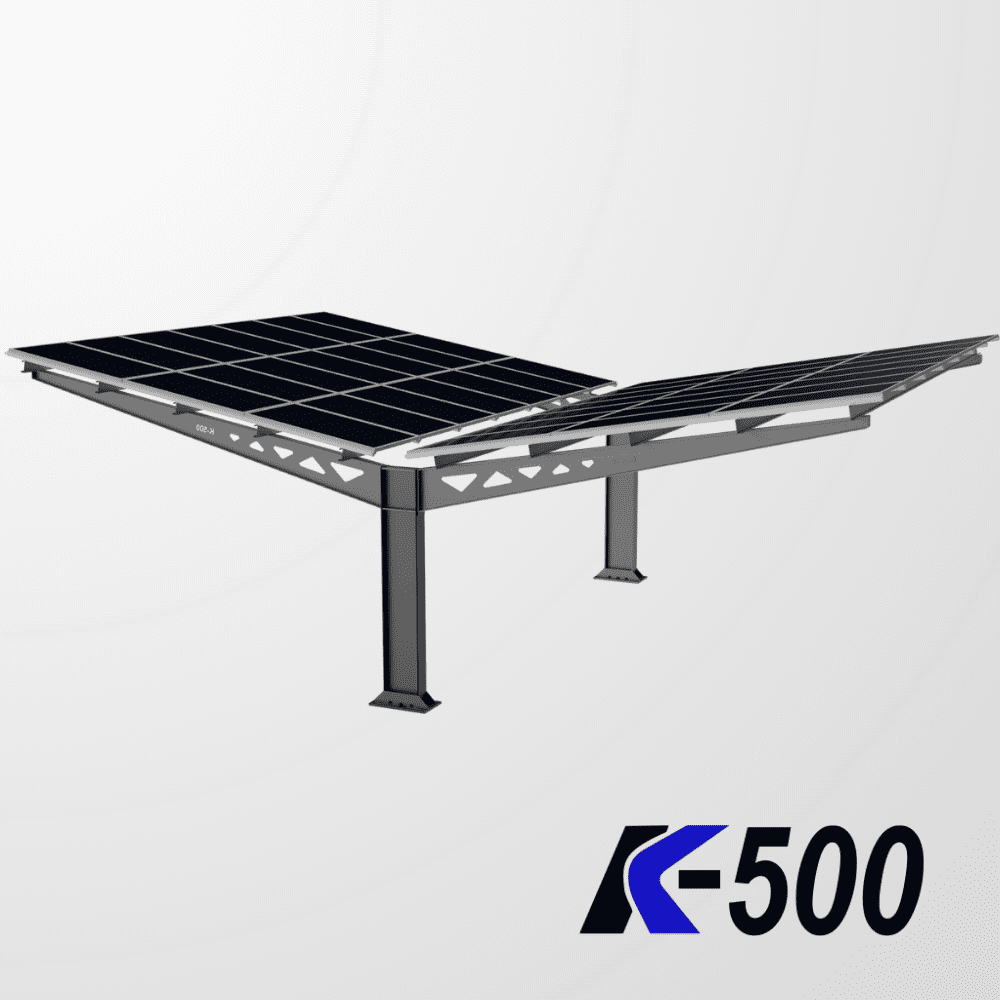
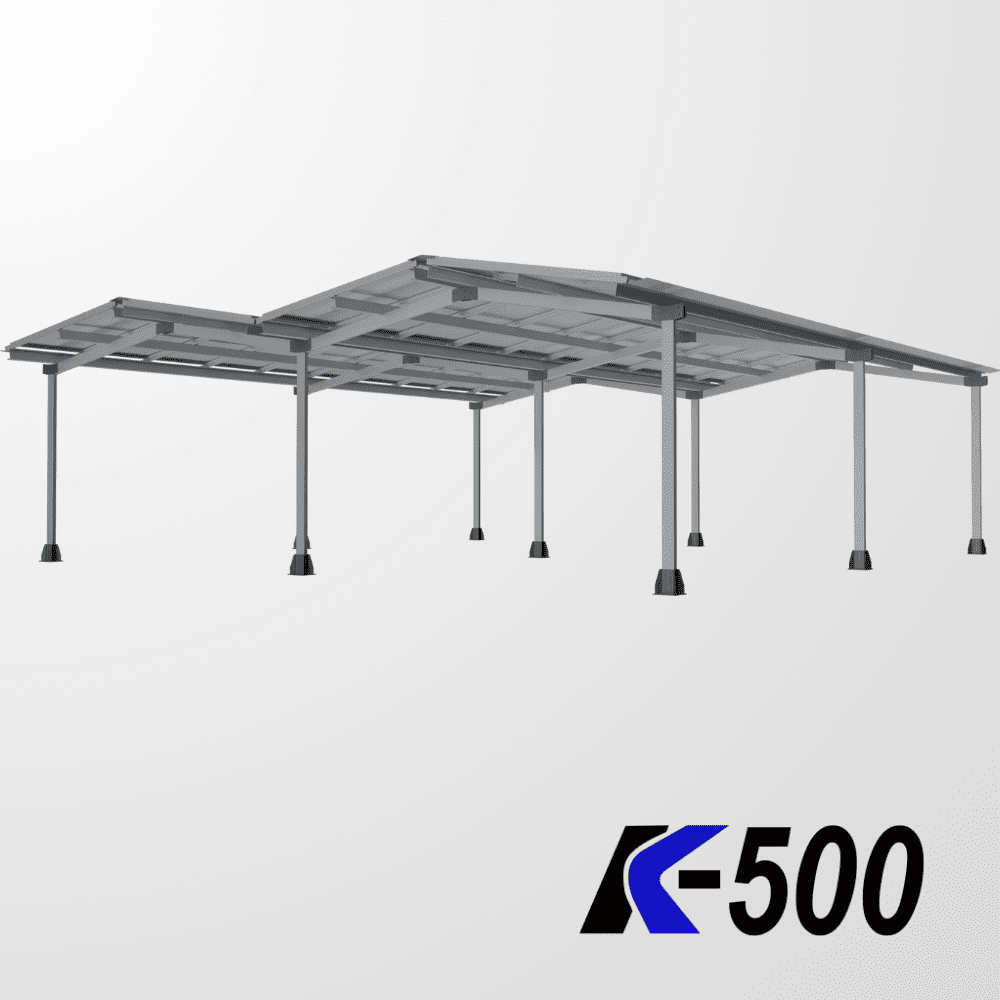
Solar-ready canopy reference
Specification logic
What typically sits inside the EV forecourt brief
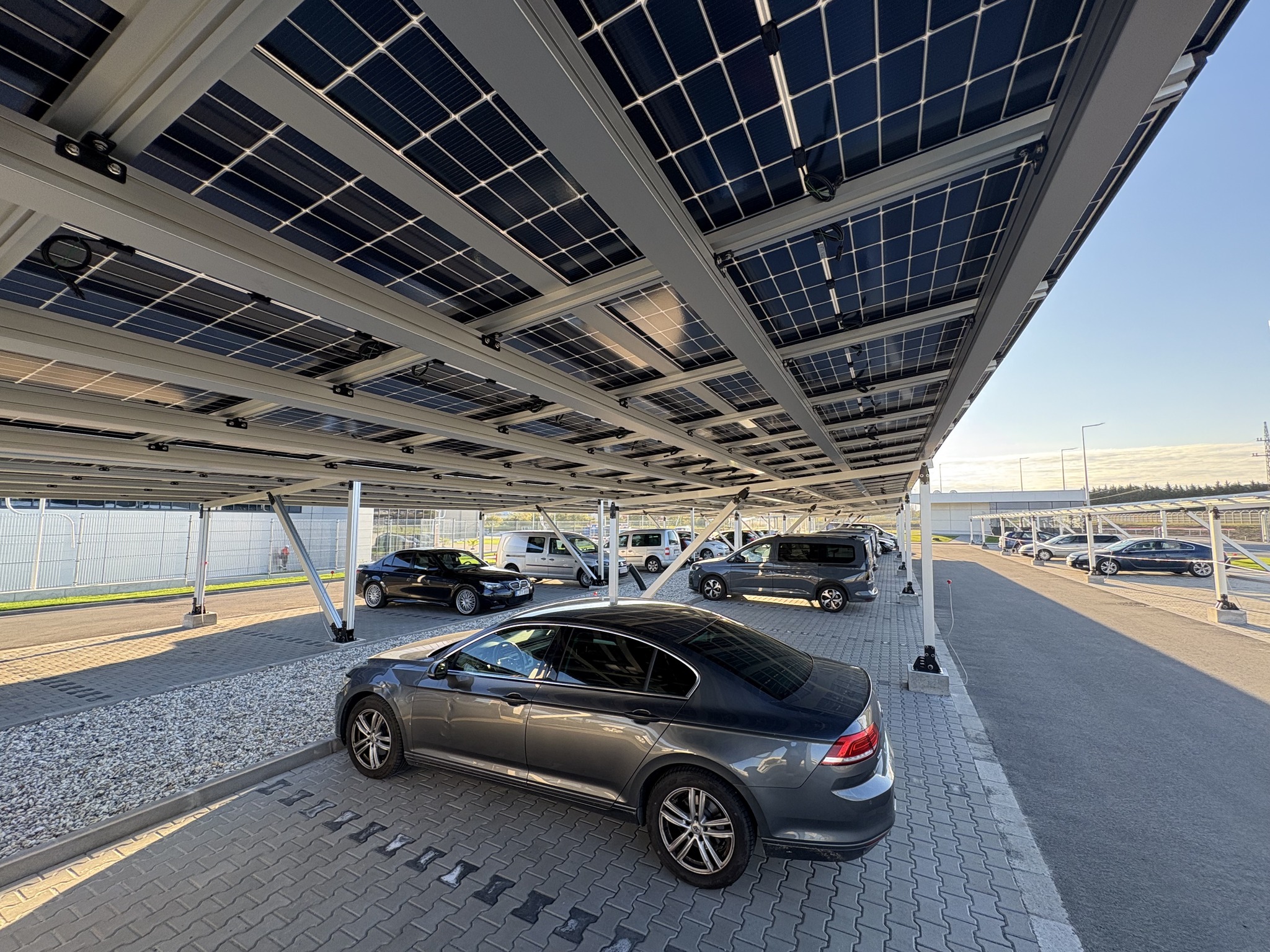
An EV forecourt can include charging-bay canopies, customer waiting space, washrooms, technical and plant accommodation, operator or staff space, welfare provision, signage integration, service counters, or a larger commercial building element depending on the business model.
- ✓Canopy structures and weather protection
- ✓Customer lounge, café, retail or waiting areas
- ✓Technical rooms, storage and plant interfaces
- ✓Solar-ready roof logic where commercially justified
- ✓Operational welfare and site-management functions
The strongest commercial EV sites usually treat weather cover, user comfort, dwell-time conversion and operational support as one joined-up package instead of separate late-stage extras.
Visual proof
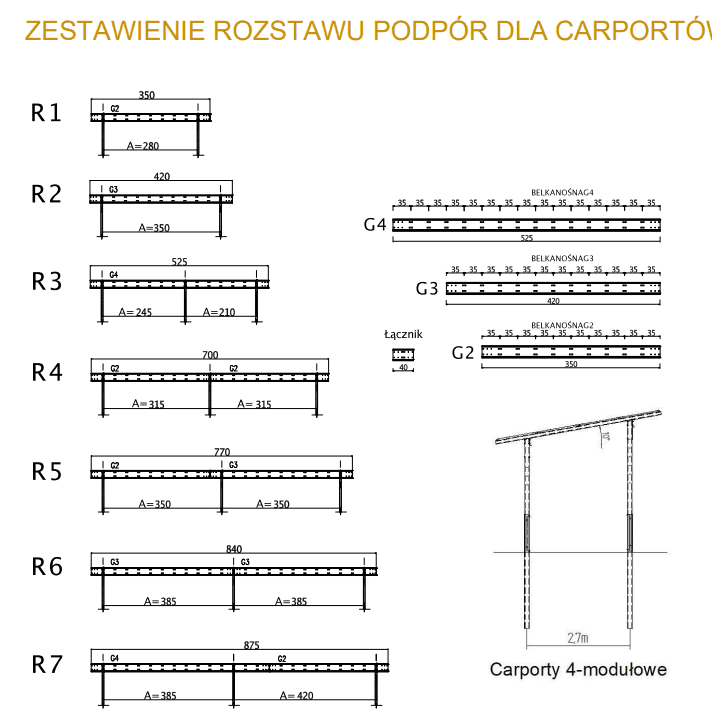
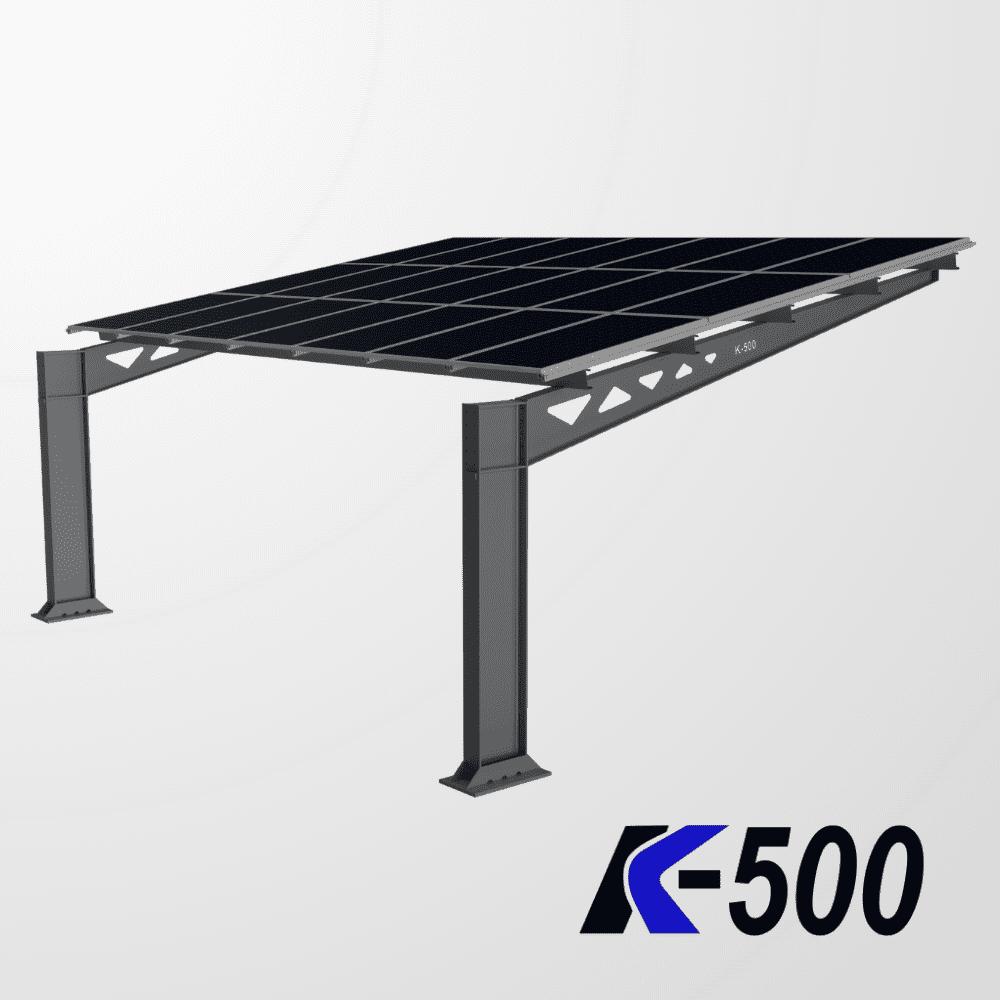
Reference media for canopy, layout and charging-hub design language
Cost logic
What affects EV forecourt cost most
The most expensive mistake is pricing the building in isolation from the forecourt strategy.
| Cost driver | Why it matters | Commercial effect |
|---|---|---|
| Canopy span and quantity | Bigger structural coverage changes steel, detailing and coordination complexity | Can materially shift total project cost |
| Number and type of charging bays | Affects circulation, protection, user flow and site interfaces | Shapes both CAPEX and revenue capacity |
| Customer building brief | A simple waiting room is not the same as a café or branded retail pavilion | Changes both cost and income potential |
| Grid and infrastructure coordination | Power strategy can define feasibility and programme risk | Often one of the biggest unknowns early on |
| Permanence and architectural ambition | A fast rollout hub and a flagship destination site are different products | Raises or lowers structural and fit-out cost |
A good commercial review should test the minimum viable built scope first, then upgrade only where the revenue model or brand strategy justifies it.
Revenue logic
How EV forecourts make money beyond the charger itself
The charger is only part of the commercial story. Strong EV forecourts are designed around charging throughput, dwell-time monetisation and customer conversion into additional spend.
- ✓Charging throughput: more viable charging turnover drives core site revenue.
- ✓Dwell time: waiting time can become a conversion window rather than a friction point.
- ✓Retail and service spend: coffee, convenience, hospitality or service offers can increase site value materially.
Commercial reality
If the business case depends on users staying on site long enough to spend money, the forecourt environment becomes part of the revenue engine. That means shelter, comfort, visibility and building design are not cosmetic. They are commercial infrastructure.
Programme
Why modular suits EV rollout programmes
Brief qualification
Define charger count, customer offer, permanence and brand position first.
System route
Choose ISO, bespoke steel or timber based on rollout and site goals.
Factory delivery
Move more work off site and reduce live-site build pressure.
Activation faster
Earlier site opening means earlier customer use and earlier revenue capture.
The strongest modular EV programmes are usually the ones planning more than one site. Repeatability is where the model gets commercially sharper.
Objections
The main concerns buyers usually raise
“What about grid capacity?”
Grid and power strategy often sit outside the modular package itself, but the building and forecourt layout should be designed with those realities in mind from the start.
“What if planning changes?”
A clear system review reduces late redesign. The project must separate what is building-related from what is site, planning and utility related.
“Is CAPEX too high?”
That depends on whether the site is being treated as a utility install or as a customer revenue environment. The right scope can only be set after that distinction is made.
Real-world thinking
Typical EV rollout brief this page is built for
A developer or operator has multiple sites under review. The charging strategy is broadly clear, but the built environment is not. Some locations may only justify a utility-led charging hub. Others may justify a stronger branded destination with customer spend, shelter and longer dwell time conversion.
This page is designed to help that buyer decide whether to standardise one repeatable solution or create a tiered forecourt model across the portfolio.
Comparison
Modular EV forecourt vs traditional site-built approach
| Question | Modular EV forecourt | Traditional site build |
|---|---|---|
| Programme speed | Usually faster where design can freeze early and replication matters | Often slower with more site exposure and sequencing complexity |
| Multi-site rollout logic | Strong fit for repeatable portfolio deployment | Harder to standardise and repeat consistently |
| Commercial control | Higher where the same building concept is deployed across more than one site | More variable by location and contractor chain |
| Brand consistency | Stronger for operators wanting repeated customer experience | Can drift more between sites |
| Best use case | Speed, scale, repeatability and tighter rollout discipline | One-off heavily bespoke projects with slower timelines |
Decision rules
Simple rules to decide whether modular EV forecourt buildings fit
Multi-site rollout = stronger fit
The more repeatable the portfolio, the stronger the modular case usually becomes.
Customer spend strategy = stronger fit
If dwell time matters commercially, the building becomes strategically important.
Unclear infrastructure = pause and qualify
Do not freeze the built solution before the basic site realities are understood.
Next routes
Go to the right next page
If the project now looks more like a permanent customer-facing building than a pure charging forecourt, move into modular offices. If the requirement is smaller or more temporary, compare portable office cabins or modular building hire. If the system route itself is still unclear, use which modular system to choose before fixing cost expectations.
Trust and delivery
Why this page should convert commercially serious enquiries
System qualification first
The page helps stop wrong-fit briefs before they turn into wrong-fit prices.
Scope discipline
The modular package is kept separate from wider site, utility and planning responsibilities unless agreed.
Quality and manufacture
Trust routes point users into manufacturing, certification and warranty pages where needed.
UK project mindset
The page is written for real commercial buyers, not generic brochure traffic.
ISO 9001Manufacturing processWarranty routeCommercial delivery
Authority references
Useful external references
Projects involving commercial charging infrastructure, customer buildings and canopy structures should still be checked against the correct statutory and planning routes. Useful starting points include the Approved Documents collection and the Planning Portal.
FAQ
Common questions about EV forecourt buildings
What are EV forecourt buildings?
They are modular charging-hub developments combining canopy structures, charging bays and supporting commercial or operational space.
What affects ROI most?
Charging throughput, dwell-time conversion and the quality of the on-site customer offer normally drive returns.
When is modular best?
Usually when the operator needs speed, repeatability, portfolio rollout and tighter control over programme and brand consistency.
Need the right EV route first time?
Let KC review your EV forecourt project before scope and cost drift set in
Send the target site use, charger count assumptions, canopy ambition, customer-building needs and any layout information you already have. The first objective is to qualify the right solution, not force a generic answer.
UK-wide commercial projectsSystem-qualified adviceTemporary to permanent routesCustomer and operator spaces
Scope boundary
What this page assumes about KC’s role
KC Cabins Solutions Ltd / KC Modular Buildings normally acts as the modular building supplier and installation contractor only, not the overall main contractor, unless explicitly agreed otherwise. Groundworks, utilities, wider external works, power infrastructure coordination, site preparation, drainage networks, M&E coordination, RAMS, health and safety duties, planning coordination and Building Control management usually remain outside KC’s default quoted scope unless specifically included.