
Hospitality Projects UK
Hospitality projects UK pages show how modular buildings perform in real customer-facing environments. Therefore this page focuses on bars, cafés, retail units and leisure buildings delivered across active sites.
Why hospitality businesses choose modular delivery
Hospitality venues need to open quickly and operate without disruption. However traditional construction can delay opening dates and increase site pressure. As a result, many operators choose modular buildings to control timelines and reduce risk.
Modular hospitality projects support bars, restaurants, retail units and reception spaces. Meanwhile operators can align design with branding, layout and customer experience.
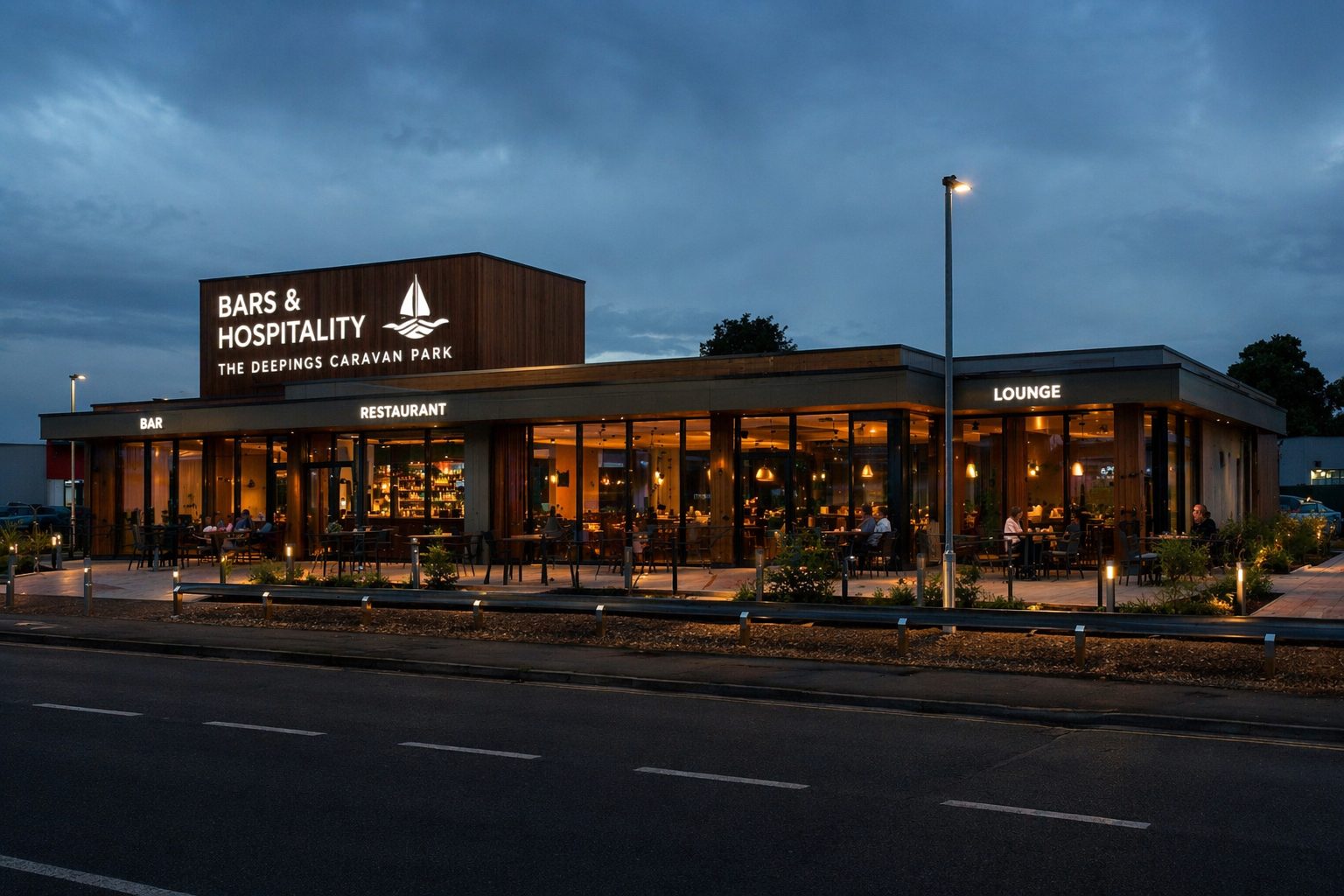
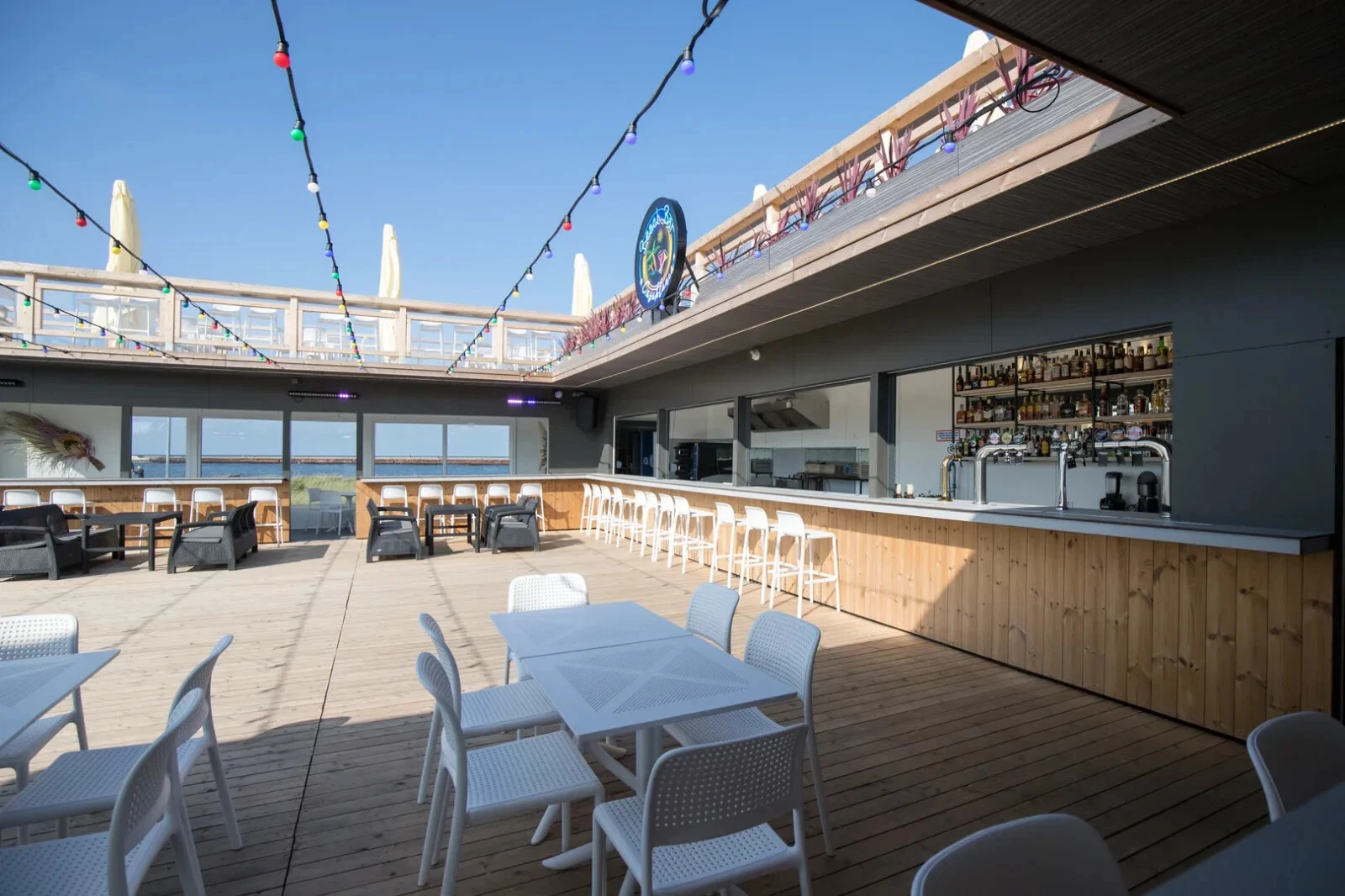
Description: Modular bar building at The Deepings Caravan Park, Lincolnshire, UK, designed for customer-facing hospitality use with fast installation.
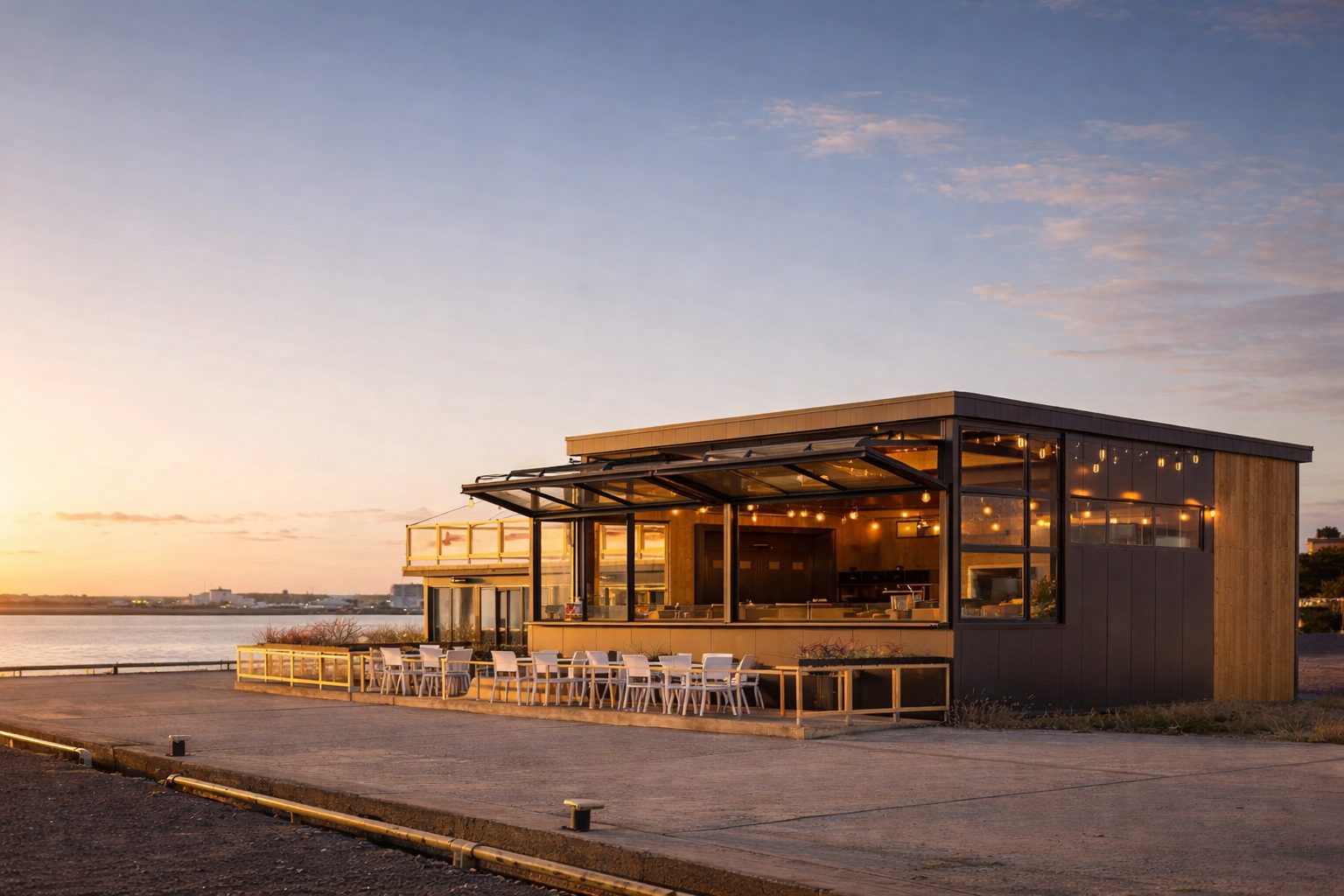
Description: Modular restaurant and café structures designed for hospitality projects, supporting fast delivery and customer-ready environments.
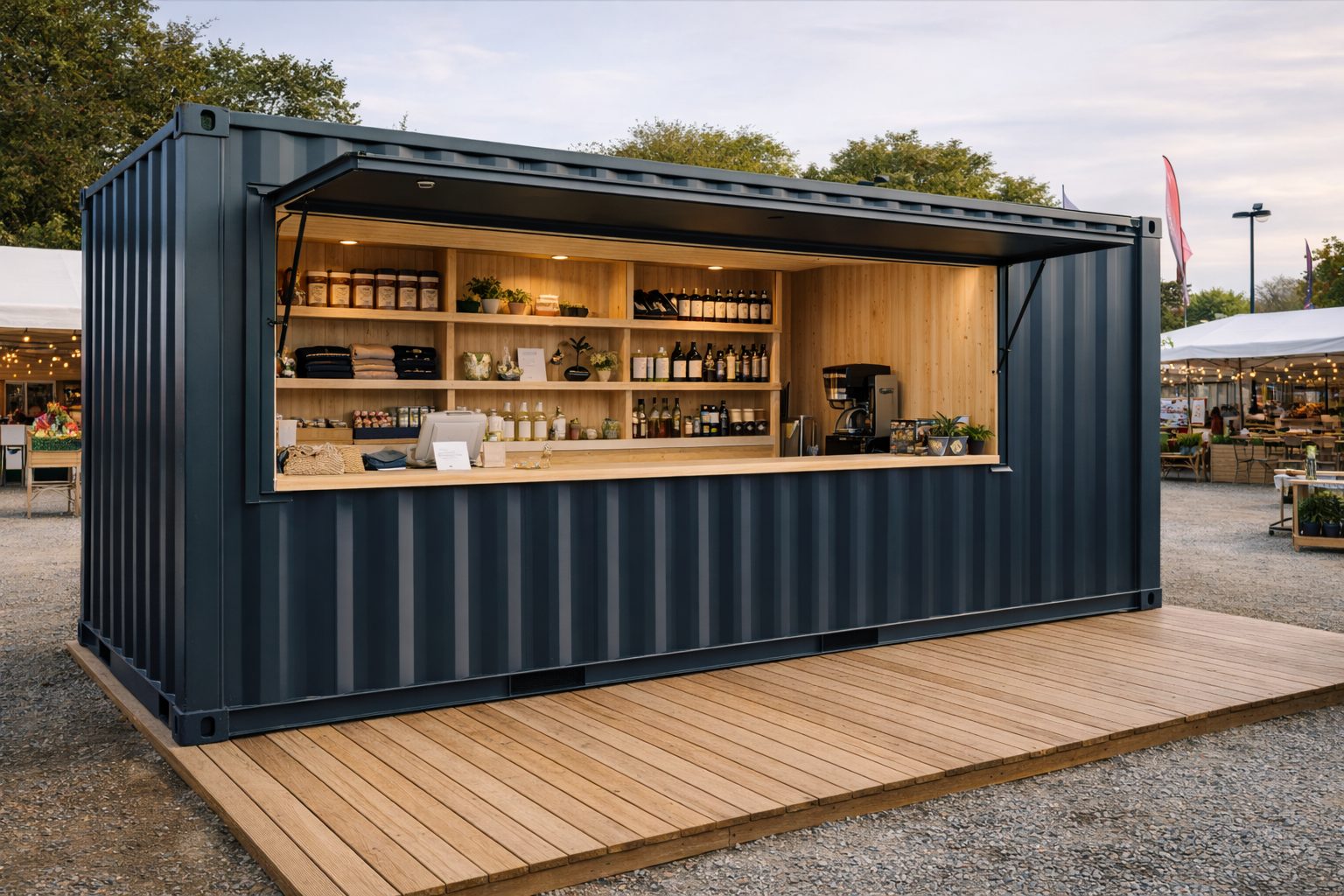
Description: Container-based modular retail and hospitality unit used for pop-up trading environments with flexible deployment.
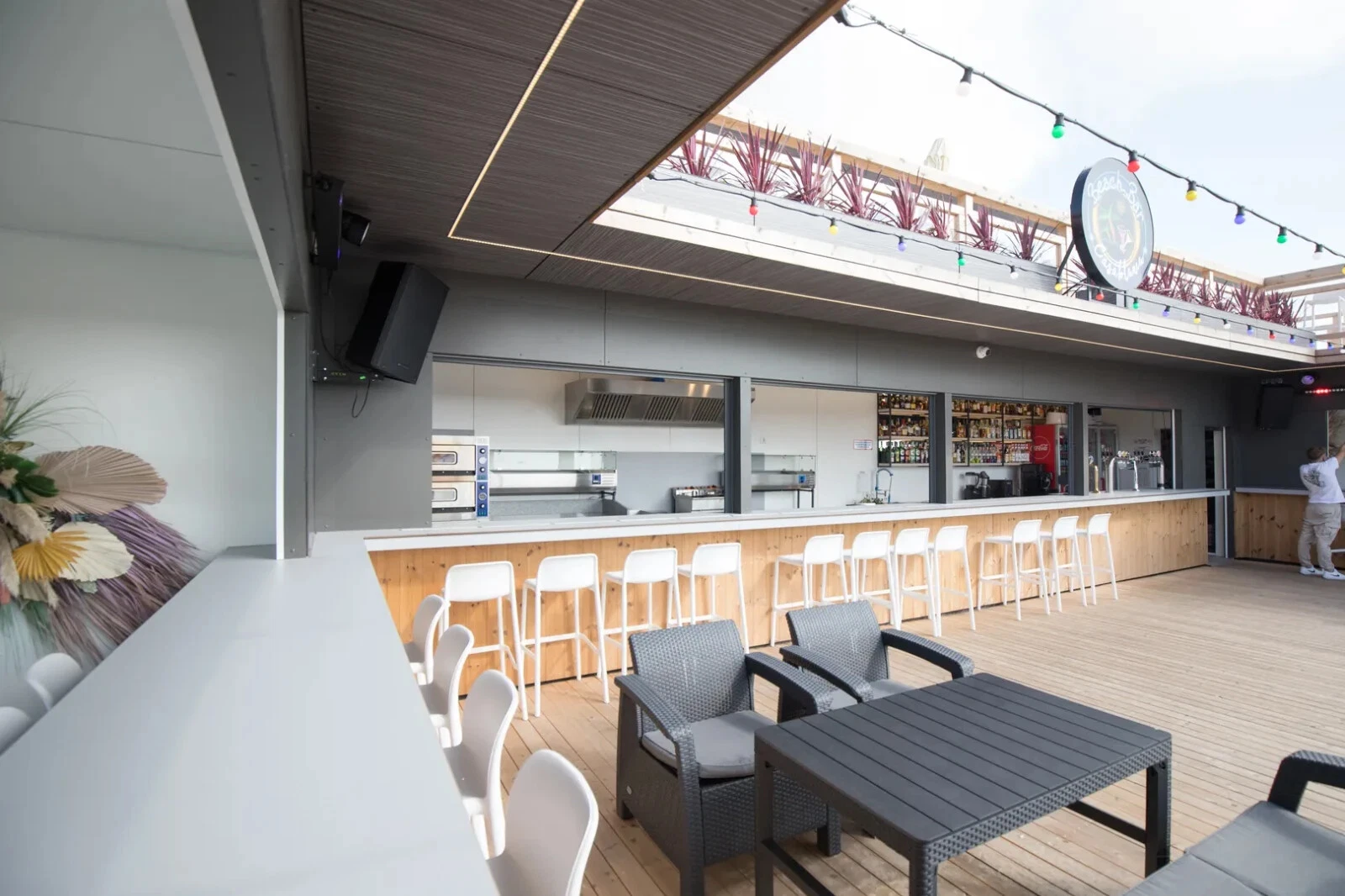
Description: Modern modular bar interior showing a finished hospitality environment designed for customer experience and daily operation.
When hospitality venues need new space without delaying trade
Hospitality projects often begin when operators need to grow capacity, refresh the customer offer or add a new revenue space. However they still need to protect the guest experience while the project moves forward.
Why traditional construction creates pressure
Traditional build routes can increase site disruption and extend programmes. As a result, operators may face more pressure around opening dates, customer flow and day-to-day venue activity.
This matters even more when the project supports food service, bar use or customer-facing reception space. Therefore many operators look for a route that gives them more control over timing and layout.
How modular hospitality projects solve the problem
Modular construction moves much of the build process away from the live site. Then teams install the finished building in a more controlled way. Therefore operators can add new hospitality space with less disruption and a clearer programme.
- Add bars, cafés or reception spaces faster
- Improve customer experience without long closures
- Create branded hospitality environments more efficiently
- Support seasonal or phased venue expansion
- Keep live trading sites more manageable during delivery
As a result, hospitality operators can align new space with commercial goals, site limits and long-term use. However each venue still needs a project route that fits its location and customer offer.
Choosing the right system for hospitality projects
Hospitality projects do not all need the same building route. Therefore the best system depends on opening speed, brand presentation and how the venue will operate day to day. However choosing the right route early helps operators protect programme and customer experience.
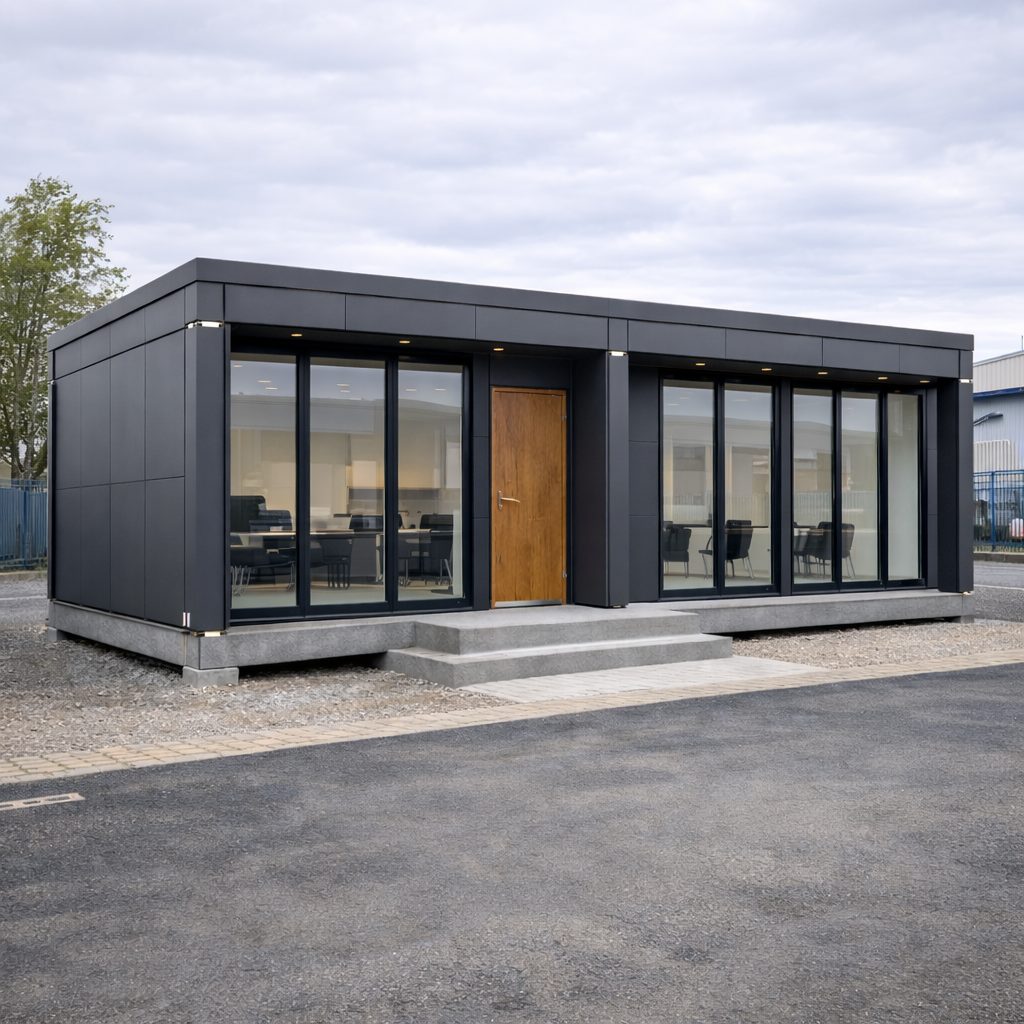
ISO Frame (Volumetric) Systems
ISO frame systems suit hospitality projects where speed and repeatability matter most. As a result, operators can deliver scalable venue space with better control over programme and installation.
- Best use: fast hospitality delivery and scalable venue buildings
- Strength: controlled factory build and predictable installation
- Typical route: permanent or semi-permanent leisure and hospitality buildings
Bespoke Hospitality Buildings
Bespoke modular buildings fit projects that need stronger visual identity and a more tailored guest experience. Therefore operators often choose this route for bars, receptions and branded hospitality environments.
- Best use: bars, receptions, cafés and premium customer-facing venues
- Strength: design flexibility and stronger brand presentation
- Typical route: permanent hospitality buildings with a tailored layout
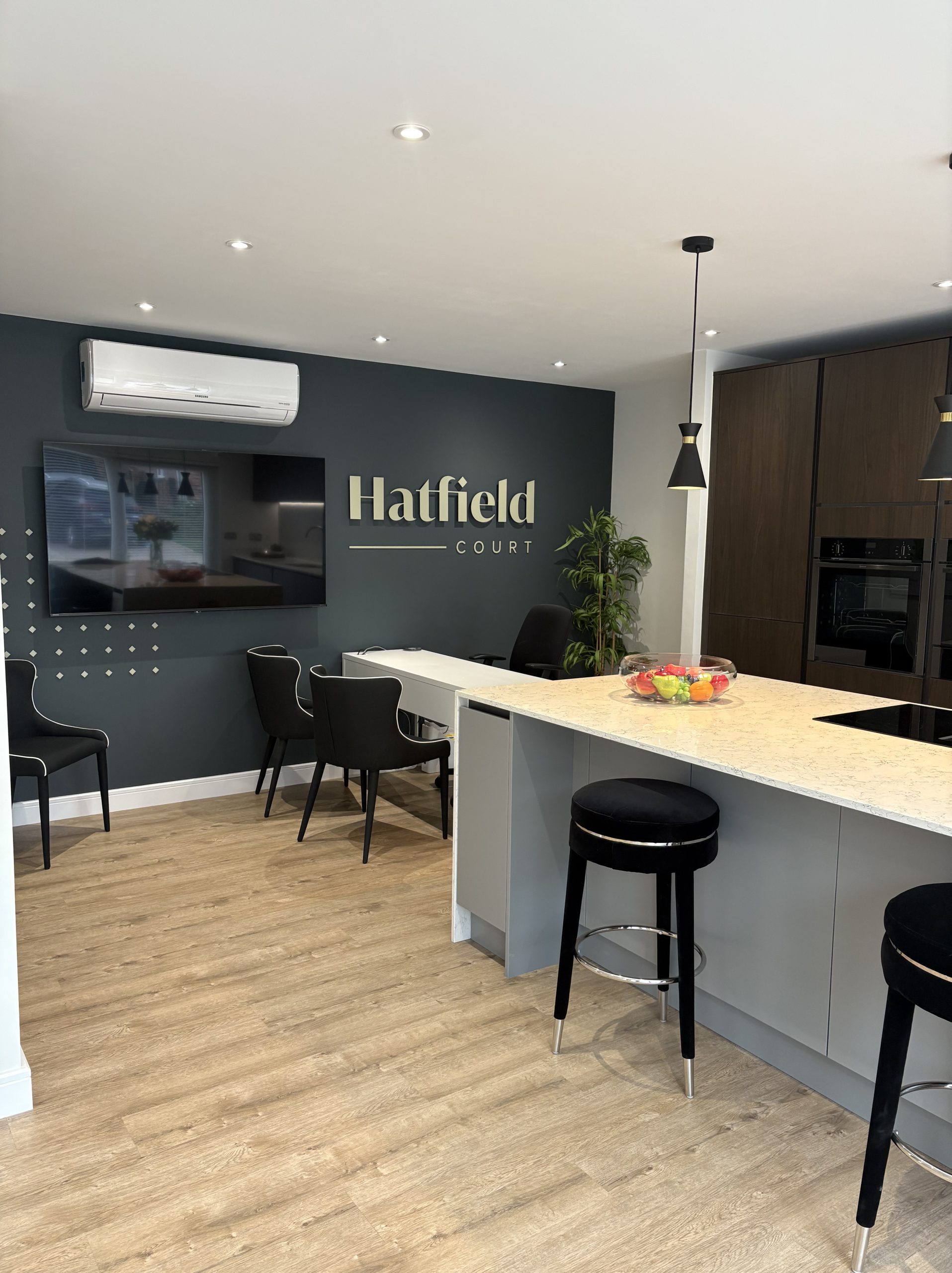
Interior Fit-Out & Customer Space Delivery
Some hospitality projects focus on the guest environment more than the outer shell. However modular fit-out solutions still help operators shape bars, seating areas and service spaces quickly.
- Best use: bar interiors, dining areas and customer-facing venue upgrades
- Strength: rapid transformation of guest spaces
- Typical route: hospitality interior and fit-out projects
Typical hospitality project specification priorities
Hospitality projects depend on how well the building supports guests and daily trading. Therefore a clear specification helps define layout, performance and delivery before work begins.
What operators define early
As a result, operators can align the building with brand, layout and service needs before construction starts. However each hospitality project still depends on the site and the customer experience required.
Hospitality project examples across real venues
Project examples show how modular buildings perform in real hospitality environments. Therefore the examples below highlight bars, cafés and flexible venue spaces delivered for live customer use.
Three common hospitality project routes
Some operators focus on customer-facing buildings. Others need flexible retail or bar environments. As a result, these examples show how different venue types shape project delivery.
Bar and hospitality venue building
This project shows how operators can add a dedicated bar space quickly. Therefore venues can expand capacity and improve guest experience without long delays.
View case studies
Restaurant and café buildings
Some projects focus on dining environments. As a result, modular buildings can support café and restaurant spaces that match brand and layout requirements.
Request a Quote
Pop-up and flexible hospitality units
Some operators need flexible or seasonal spaces. Therefore modular pop-up units provide a practical route for temporary or mobile hospitality environments.
View hospitality solutionsHospitality projects UK can range from single venues to full site developments. Therefore the best solution depends on the customer experience, site layout and long-term business plan.
Quality and delivery confidence for hospitality projects
Hospitality projects depend on customer experience and operational reliability. Therefore operators need clear proof that the building will perform in real trading environments.
Why authority proof matters for hospitality venues
Hospitality businesses rely on consistent service. As a result, they need evidence that the build quality supports daily use and high footfall. Clear project examples help operators review results before committing.
Hospitality build quality reference
This example shows how modular construction supports a finished bar environment. Therefore operators can assess layout, finish and customer flow before starting a project.
Controlled production process
Teams build modules in a factory environment. As a result, they maintain consistent quality across hospitality spaces.
Reliable delivery approach
Teams plan each stage carefully. Therefore operators can align opening dates with the project timeline.
What this means for hospitality operators
Strong build quality and controlled delivery reduce risk. As a result, venues can open on time and operate with confidence from day one.
Start your hospitality project with a clearer delivery route
Hospitality projects need more than extra space. Operators need a solution that supports customer experience, protects opening dates and works in a live trading environment. Therefore early project planning helps define the right modular route before work begins.
Whether you need a bar, café, reception building or flexible venue space, the next step is to define the site, venue type and timeline. As a result, the project team can recommend a suitable solution with greater accuracy.
Typical quote response within 48h (Mon–Fri)