
fbpx

Modular Sports Facilities

HomeProjects › Sports

Sports Projects UK

Sports projects UK pages show how modular buildings perform in real club and leisure environments. Therefore this page focuses on delivered sports facilities, changing rooms and clubhouse buildings.

Why sports clubs choose modular buildings

Sports organisations often need new facilities quickly. However they must keep training, matches and events running. As a result, many clubs choose modular construction to reduce disruption and control delivery timelines.

Modular sports projects support clubhouses, changing rooms, gyms and multi-use spaces. Meanwhile clubs can align design with player needs, visitor flow and long-term use.
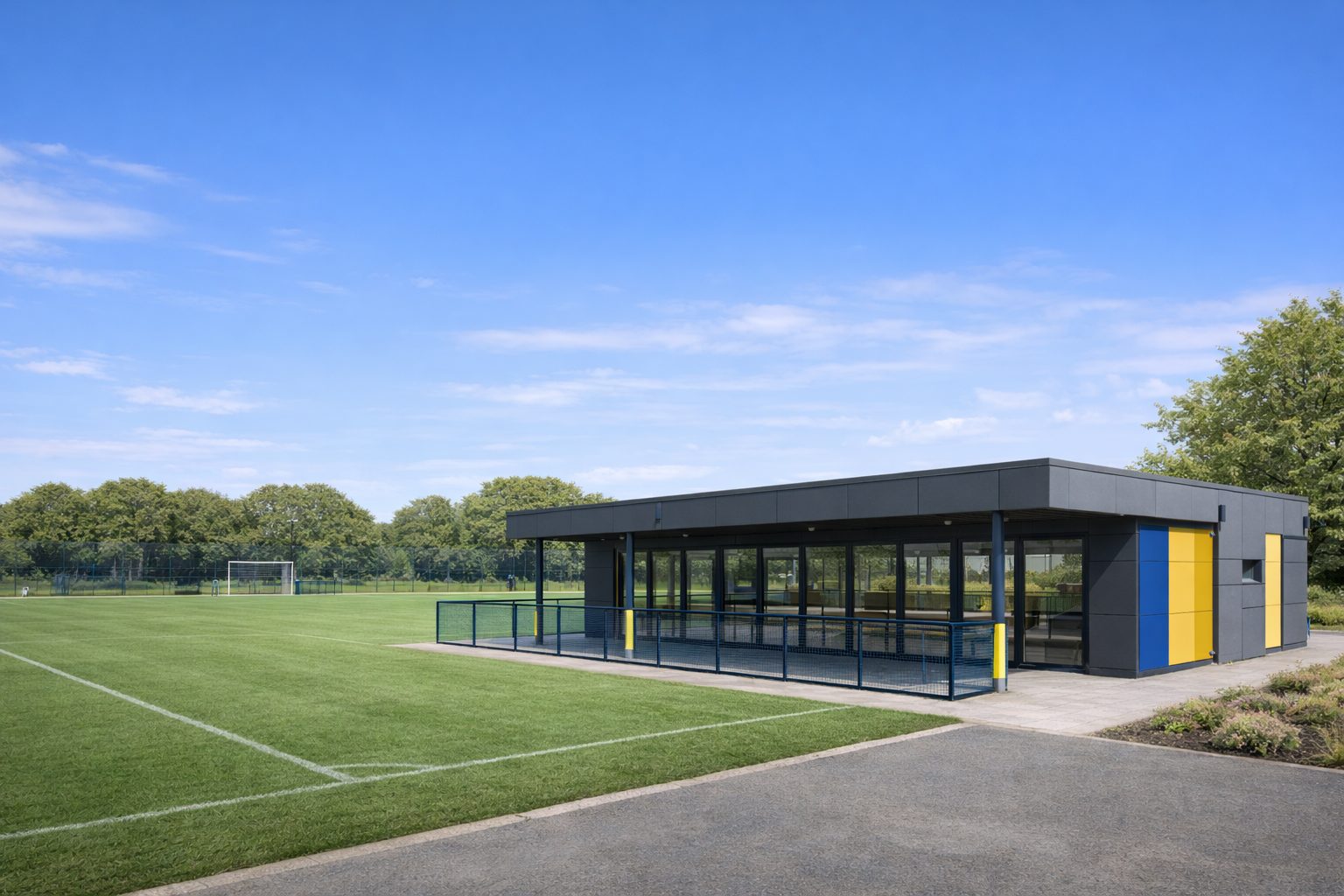
Sports club pavilion building in the UK for football and community use.
Caption: Sports pavilion — UK club facility.
Description: Modular sports pavilion building used by a UK club for players, staff and visitors.
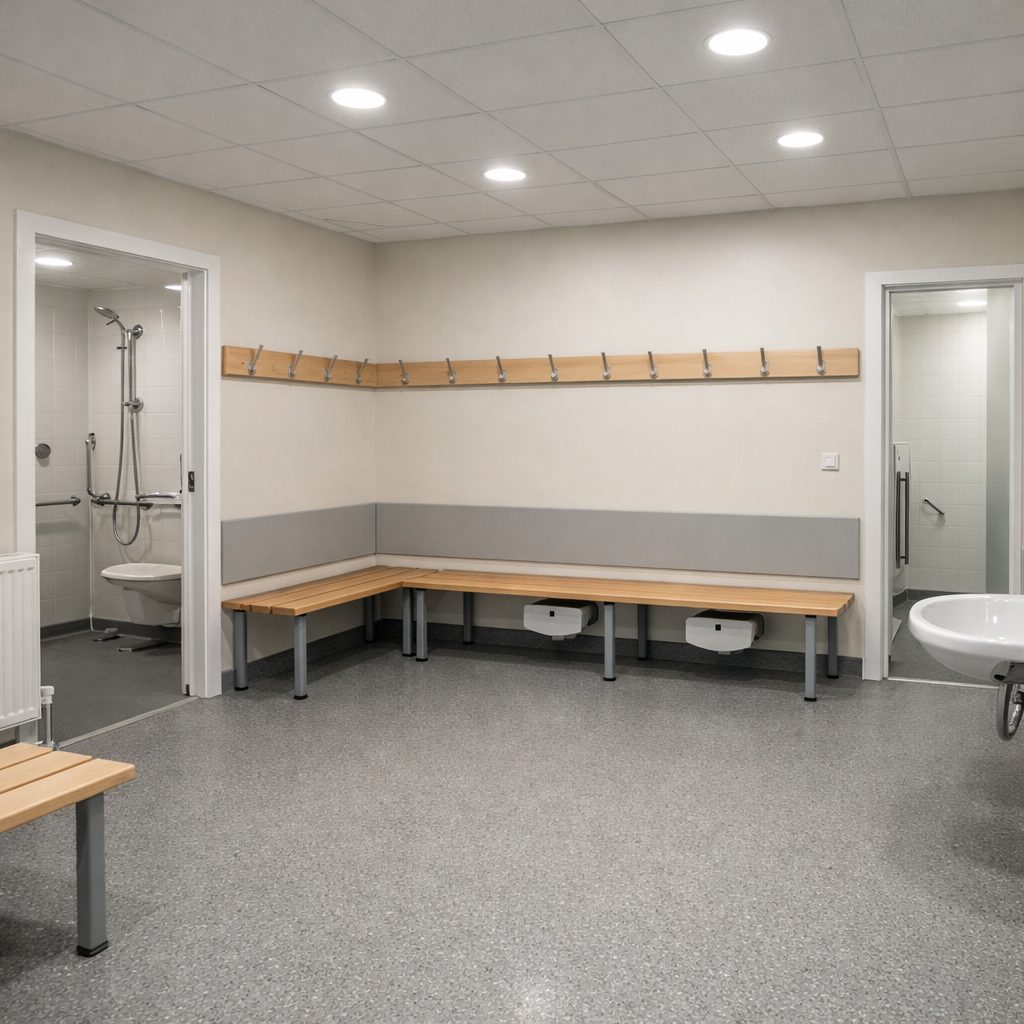
Modular sports changing rooms interior for UK clubs.
Caption: Changing rooms — sports facility UK.
Description: Interior of modular sports changing rooms designed for teams and match-day use.
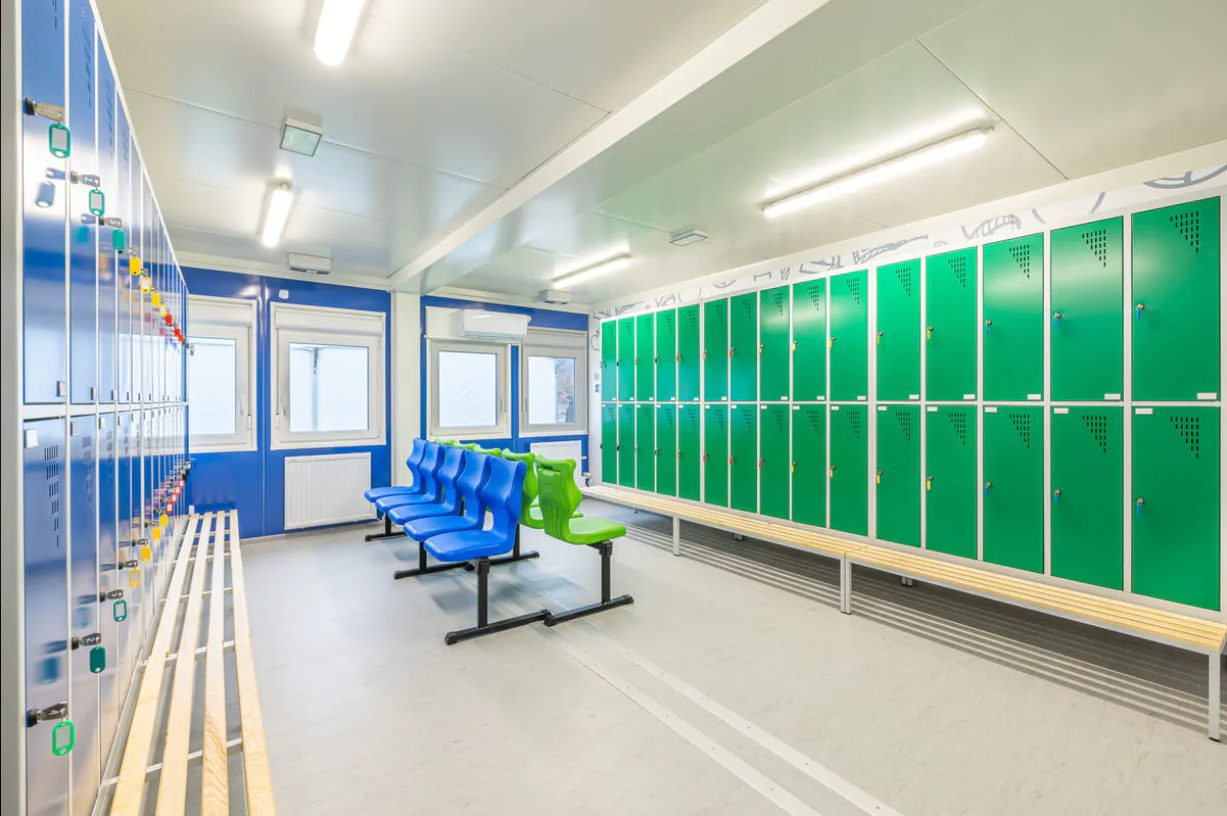
Modular sports building used for club operations in the UK.
Caption: Sports facility building — UK.
Description: Modular sports building used for training and operational support.
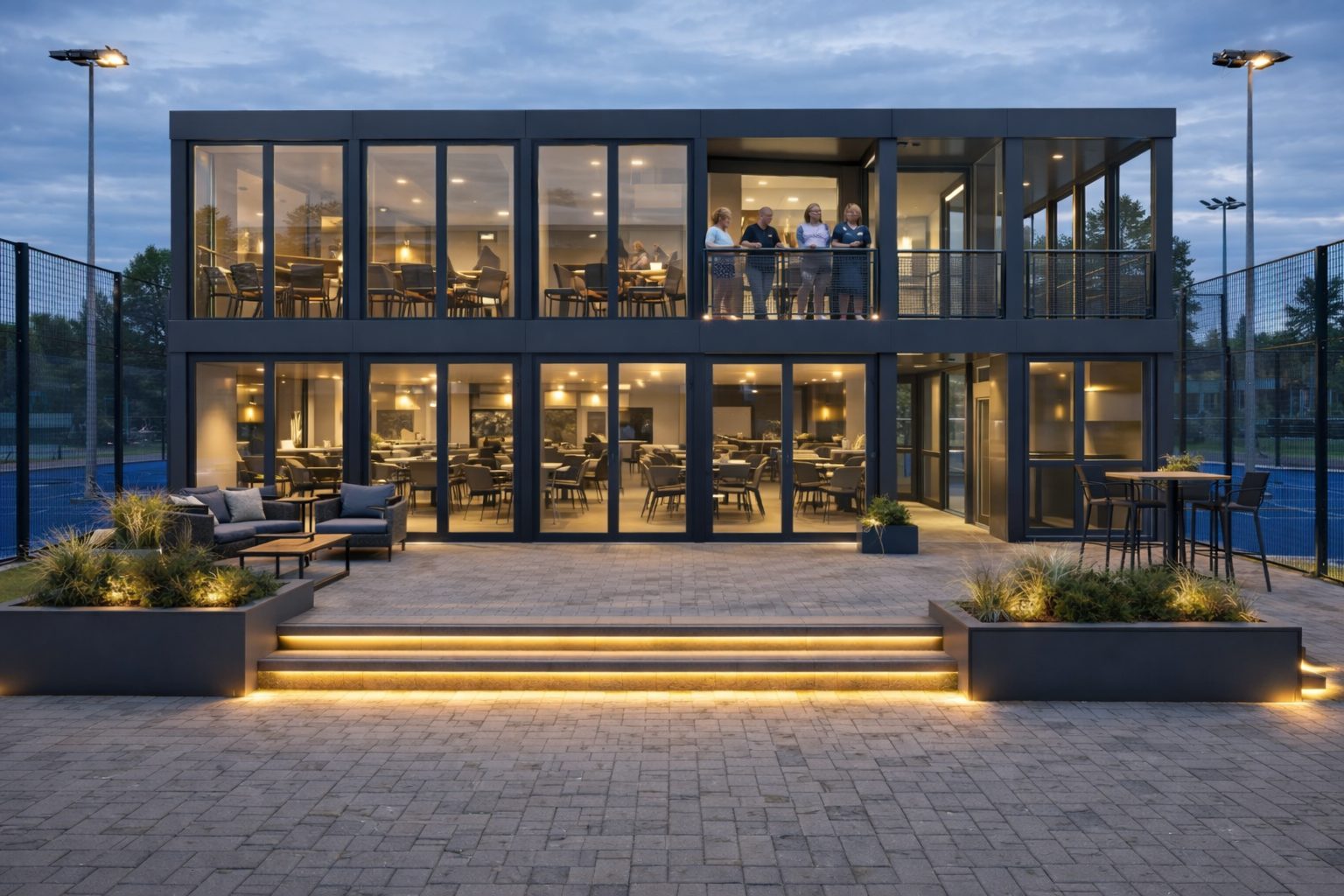
Padel court modular facility for sports and leisure projects in the UK.
Caption: Padel facility — UK sports project.
Description: Modular padel facility supporting modern sports and leisure environments.
Sports projects delivered for real club environments Clubhouses, changing rooms and sports facilities designed for active use.
Clubhouses and sports pavilions Changing rooms and team facilities Minimal disruption to training and matches Typical quote response within 48h (Mon–Fri) Call: 01782 561110

When sports clubs need new facilities without stopping activity

Sports projects often begin when clubs need better facilities for players, staff or visitors. However they must keep training sessions, matches and events running during the build.

Why traditional construction creates challenges

Traditional building methods can increase time on site. As a result, access becomes harder to manage and disruption affects club operations.

This becomes a bigger issue when facilities support match-day use or regular training. Therefore clubs often look for a faster and more controlled solution.

How modular sports projects solve the problem

Modular construction shifts much of the build off site. Then teams install the facility in a shorter timeframe. Therefore clubs can upgrade facilities while keeping activity on track.

  • Add changing rooms and pavilions faster
  • Improve player and visitor experience
  • Upgrade facilities without long closures
  • Support club growth and community use
  • Maintain operations during delivery

As a result, clubs can align new buildings with performance, usage and long-term planning. However each project still depends on the site and facility requirements.

Modular sports pavilion building used by a UK club for players and visitors.
Caption: Sports pavilion — UK club facility.
Description: Modular sports pavilion building used by a UK club, designed to support players, staff and match-day operations.

What strong sports projects usually require

Sports projects must support players, staff and visitors from day one. Therefore clubs usually focus on delivery speed, durability and how well the facility works during training and match-day use.

Minimal disruption to club activity

Clubs need to protect fixtures, training and events. As a result, projects should reduce noise, access issues and disruption during delivery.

Faster delivery routes

Many clubs work to tight seasonal deadlines. Therefore modular construction helps shorten programmes and improve opening certainty.

Practical player facilities

Changing rooms, showers and support spaces must work well every day. As a result, layout and usability matter as much as appearance.

Clubhouse and visitor usability

Sports buildings often serve more than players. Therefore clubs need spaces that support spectators, staff and community use too.

Long-term durability

Sports facilities face frequent use and heavy wear. Therefore the building must support daily activity over time.

Clear project communication

Clubs need realistic advice and dependable timelines. As a result, clearer communication improves decision-making from the start.

Choosing the right system for sports projects

Sports projects do not all follow the same route. Therefore the best system depends on delivery speed, club requirements and long-term facility use. However choosing the right system early helps reduce delays and improves project outcomes.
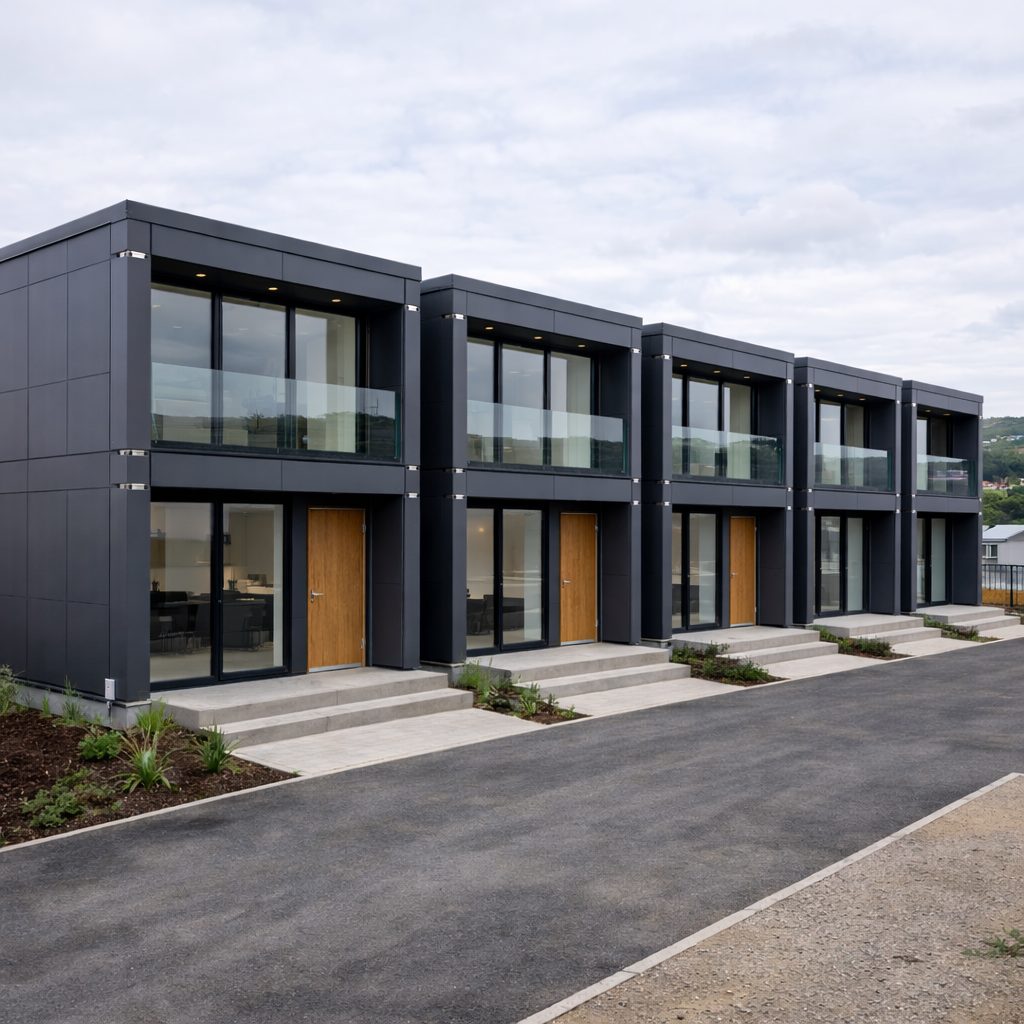
ISO frame volumetric modular building for sports and leisure projects in the UK.

ISO Frame (Volumetric) Systems

ISO frame systems suit projects where speed and repeatability matter most. As a result, clubs can deliver new facilities quickly and efficiently.

  • Best use: fast sports facility delivery
  • Strength: predictable build and installation
  • Typical route: permanent or semi-permanent buildings
Caption: ISO frame sports building — UK.
Description: Volumetric modular building used for sports and leisure projects, supporting fast delivery and scalable facilities.
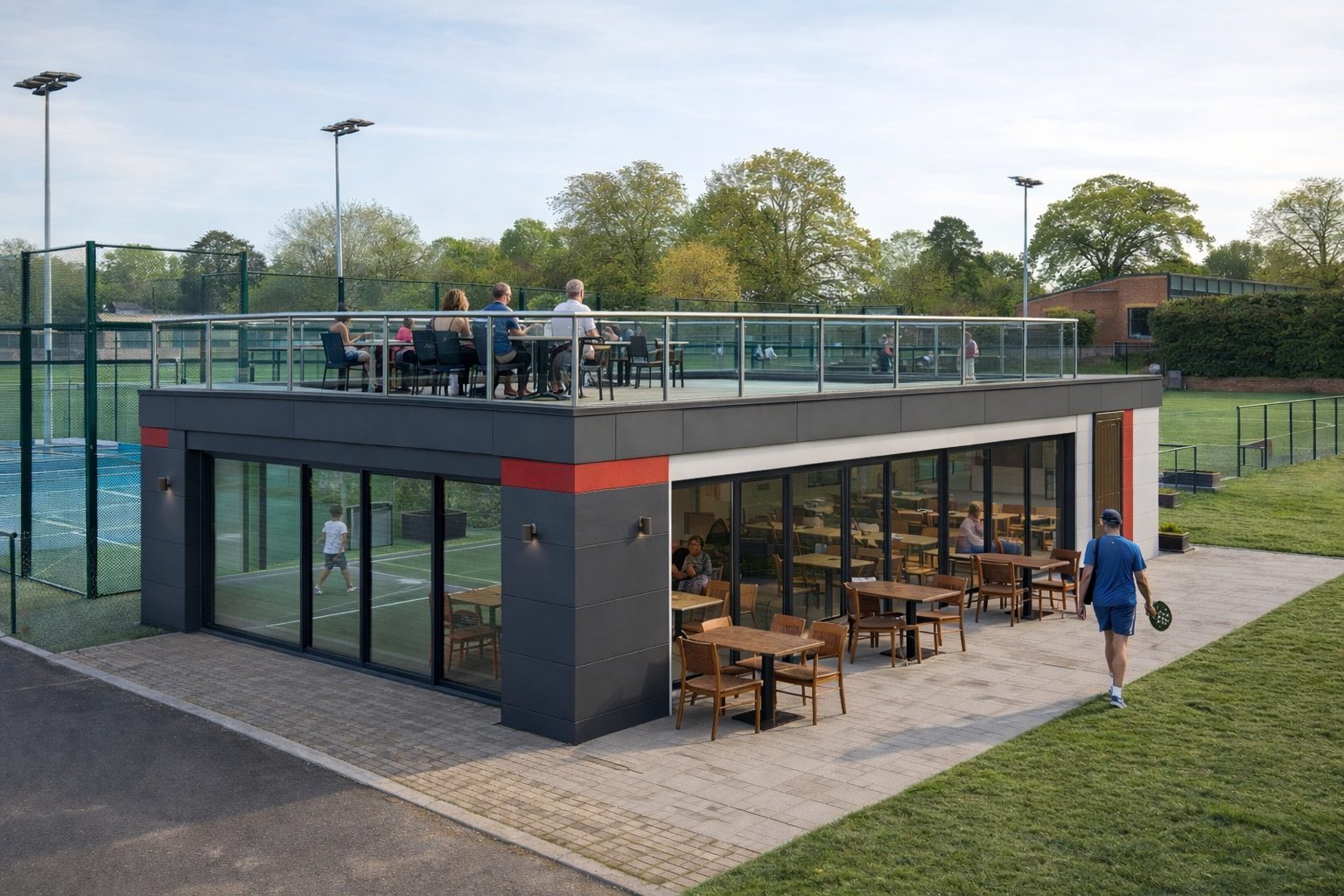
Bespoke modular sports clubhouse with rooftop terrace in the UK.

Bespoke Sports Buildings

Bespoke modular systems suit clubs that need a stronger visual identity. Therefore they work well for clubhouses, cafés and spectator areas.

  • Best use: clubhouses and social spaces
  • Strength: design flexibility and branding
  • Typical route: permanent sports facilities
Caption: Sports clubhouse — UK.
Description: Bespoke modular sports building with rooftop terrace, designed for club and leisure use.
Sports changing rooms interior in a modular sports facility in the UK.

Interior Fit-Out & Player Spaces

Some projects focus on internal facilities. Therefore modular fit-out solutions help clubs create high-quality changing rooms and player areas quickly.

  • Best use: changing rooms and internal facilities
  • Strength: fast interior delivery
  • Typical route: upgrades or new internal spaces
Caption: Sports changing rooms — UK.
Description: Modular changing room interior designed for sports clubs, supporting player comfort and daily use.

Typical sports project specification priorities

Sports projects depend on how well the building supports teams, staff and visitors. Therefore a clear specification helps define layout, performance and delivery before work starts.

What clubs usually define early

Building use Clubhouses, changing rooms, gyms, cafés and multi-use sports spaces
System route ISO frame for speed, bespoke modular for clubhouse design, fit-out for interiors
Site priority Minimal disruption to training, fixtures and visitor activity
Performance focus Durability, usability, player comfort and efficient match-day flow
Constraints Access, programme deadlines, utilities and integration with existing sports grounds

As a result, clubs can align the building with operational needs before installation begins. However each sports project still depends on the site, the user groups and long-term facility goals.

Modular sports pavilion building used by a UK club for players and visitors.
Caption: Sports pavilion — UK club facility.
Description: Modular sports pavilion building used by a UK club, designed to support players, staff and match-day visitors in a practical sports environment.

From enquiry to completed sports facility

Sports projects require careful timing around training, fixtures and venue use. Therefore the delivery process focuses on reducing disruption while keeping the project clear and manageable.

How sports projects usually move forward

Clubs define the facility need first. Then they align the building system with the site and programme. As a result, the project follows a more predictable route from enquiry to handover.

1) Define the club brief

Confirm whether the project needs changing rooms, a clubhouse, gym space or multi-use support areas. Therefore the facility matches how the club operates.

2) Select the delivery route

Choose ISO frame, bespoke modular or fit-out solutions. As a result, the system supports speed, design and long-term sports use.

3) Agree layout and specification

Define player facilities, circulation and support spaces. Meanwhile teams align the design with match-day flow and daily club activity.

4) Plan for live site delivery

Review access, utilities and fixture schedules. Therefore installation can proceed without major disruption to club operations.

5) Manufacture off site

Teams build modules in a controlled environment. As a result, quality improves and site time reduces.

6) Deliver and complete the facility

Install the building and finish the facility for player, staff and visitor use. Therefore the club can start using the space without a long wait.

Tip: include the site postcode, building type and target completion date in the quote request form. This helps define the sports project route more accurately.

Sports project examples across UK clubs and facilities

Project examples show how modular buildings perform in real sports environments. Therefore the examples below highlight clubhouses, changing rooms and modern sports facilities.

Three common sports project types

Some clubs need player facilities. Others require social or multi-use space. As a result, these examples show how different sports needs shape project delivery.

Modular sports pavilion building for football and community clubs in the UK.

Clubhouse and pavilion buildings

This project shows how clubs can create central facilities for players and visitors. Therefore pavilions support both sport and community use.

Caption: Sports pavilion — UK club facility.
Description: Modular sports pavilion building used by a UK club for players, staff and match-day visitors.
View case studies
Sports changing rooms interior for modular sports facilities in the UK.

Changing rooms and player facilities

Many projects focus on player experience. As a result, modern changing rooms improve comfort and support match-day operations.

Caption: Changing rooms — UK sports facility.
Description: Modular sports changing room interior designed for team use and daily club operations.
Request a Quote
Padel court modular facility for sports and leisure projects in the UK.

Modern sports and leisure facilities

New sports like padel require updated infrastructure. Therefore modular buildings support modern sports growth and flexible facility design.

Caption: Padel facility — UK sports project.
Description: Modular padel facility supporting modern sports and leisure environments in the UK.
View sports solutions

Sports projects UK can range from small club upgrades to larger facility developments. Therefore the best solution depends on the level of use, site conditions and long-term club plans.

Modular sports projects vs traditional construction

Sports clubs often compare modular buildings with traditional construction before starting a project. Therefore this section focuses on speed, disruption and facility usability.

Key differences that affect sports facilities

Each route offers benefits. However sports projects depend on timelines and uninterrupted use. As a result, the delivery method has a direct impact on club operations.

Decision factor Modular sports projects Traditional construction
Delivery speed Modules are built off site. As a result, clubs receive facilities faster and reduce waiting time. Most work happens on site. Therefore projects often take longer to complete.
Impact on club activity Installation is shorter and more controlled. As a result, training and matches can continue with less disruption. Extended site work can affect access, noise and daily club operations.
Build quality Factory production improves consistency. Therefore facilities meet expected standards more reliably. Site conditions can affect build quality and timing.
Design flexibility Modular systems allow both standard and bespoke layouts. Therefore clubs can match buildings to their needs. Traditional builds offer flexibility. However they often increase complexity and programme length.
Best use Clubhouses, changing rooms, gyms and sports facilities that require fast delivery. Projects where extended build time does not affect club operations.
Tip: swipe horizontally on mobile to view the full comparison table.
Fast delivery → ISO frame Custom clubhouses → Bespoke modular Facility upgrades → Fit-out

Common sports project types and applications

Sports projects vary depending on the club, sport and level of use. Therefore modular construction supports a wide range of facilities rather than a single fixed solution.

How clubs define their projects

Some clubs focus on player facilities. Others need social or community space. As a result, defining the project type early helps select the right building route.

Sports pavilions and clubhouses

Many clubs need a central facility. Therefore modular buildings provide a fast route to clubhouses that support players and visitors.

Changing rooms and player facilities

Player areas are essential for any club. As a result, modular changing rooms improve comfort and match-day readiness.

Gym and training spaces

Some clubs require indoor training areas. Therefore modular buildings can support gyms and fitness spaces efficiently.

Community and social areas

Sports clubs often serve communities. As a result, facilities may include cafés, lounges and multi-use social spaces.

Multi-sport and leisure facilities

Modern sports require flexible spaces. Therefore modular buildings can support a range of sports in one facility.

Facility upgrades and expansion

Clubs grow over time. Therefore modular solutions provide a practical way to expand or upgrade existing facilities.

Sports projects UK often combine several of these uses. Therefore the best results come from matching the facility type to the correct modular system early.

UK coverage for sports projects and facilities

London, Greater London Manchester, Greater Manchester Birmingham, West Midlands Leeds, West Yorkshire Liverpool, Merseyside Bristol, South West England Reading, Berkshire Southampton, Hampshire Cardiff/Caerdydd, Wales Swansea/Abertawe, Wales Edinburgh/Dùn Èideann, Scotland Glasgow/Glaschu, Scotland Inverness/Inbhir Nis, Scotland Belfast, Northern Ireland

Location affects access, scheduling and how a facility integrates with an existing sports ground. Therefore including the site postcode and facility type in your first enquiry helps define the most suitable project route. However we can still provide early guidance if the site is not fully confirmed.

Quality and delivery confidence for sports projects

Sports facilities must perform under daily use and match-day pressure. Therefore clubs need clear proof that the building will support long-term activity and reliability.

Why quality matters for sports facilities

Sports buildings experience constant use. As a result, materials, layout and build quality must support players, staff and visitors every day. Reviewing real projects helps clubs make confident decisions.

Sports changing rooms interior showing build quality in a modular sports facility.

Sports facility build quality reference

This example shows how modular construction supports high-quality player facilities. Therefore clubs can assess layout, durability and usability before starting a project.

Caption: Changing rooms — UK sports facility.
Description: Modular sports changing room interior designed for durability, comfort and daily use by teams.

Controlled production process

Facilities are built in a factory environment. As a result, quality remains consistent across each project.

Reliable delivery timelines

Projects follow a structured process. Therefore clubs can plan openings and upgrades with greater confidence.

What this means for sports clubs

Strong build quality and predictable delivery reduce risk. As a result, clubs can focus on performance, growth and community use.

Sports projects UK — frequently asked questions

Sports projects involve planning, delivery and ongoing use. Therefore these answers cover the most common questions before a facility is developed.

Planning and approvals

Most sports buildings require planning approval. However requirements depend on location, size and use. Therefore clubs should confirm planning early.
Yes. Modular buildings can be designed for long-term use. As a result, they are suitable for permanent sports facilities.

Delivery and installation

Modular construction reduces site time. Therefore clubs can receive facilities faster compared to traditional construction.
Modular delivery limits disruption. As a result, clubs can often continue training and events during installation.
Yes. Teams regularly install buildings on live sports grounds. Therefore they manage access and activity during delivery.

Design and use

Modular systems support pavilions, clubhouses, changing rooms, gyms and multi-use spaces. Therefore they suit many sports environments.
Yes. Layout, finishes and features can be adapted. As a result, the building can match club requirements and branding.
Cost depends on size, specification, location and system choice. Therefore early planning improves pricing accuracy.

Tip: include the site location, facility type and timeline in your enquiry to get a more accurate project recommendation.

Start your sports project with a clearer delivery route

Sports projects need more than extra space. Clubs need facilities that support players, staff and visitors while fitting the programme and site conditions. Therefore early planning helps define the right modular route before work begins.

Whether you need a pavilion, clubhouse, changing rooms or a multi-use sports facility, the next step is to define the site, building type and timeline. As a result, the project team can recommend a suitable solution with greater accuracy.

Typical quote response within 48h (Mon–Fri)

Modular sports pavilion building used by a UK club for players and visitors.
Caption: Sports pavilion — UK club facility.
Description: Modular sports pavilion building used by a UK club, designed to support players, staff and match-day visitors with a practical and durable facility.