

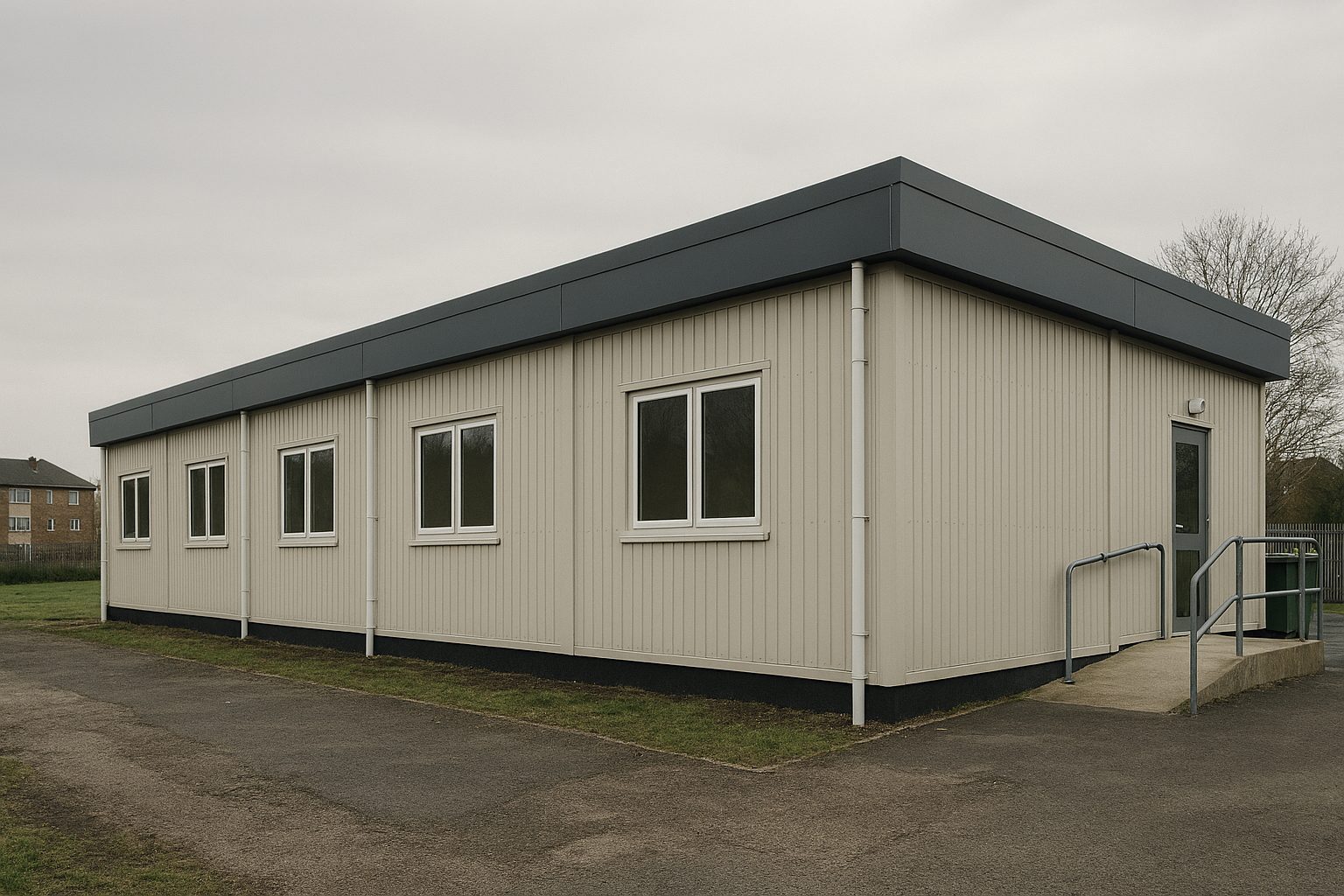
Modular buildings are often assumed to be temporary — but planning may assess them as permanent development
In UK planning, permanence is usually assessed through use, duration, and site integration — not how a building is manufactured.
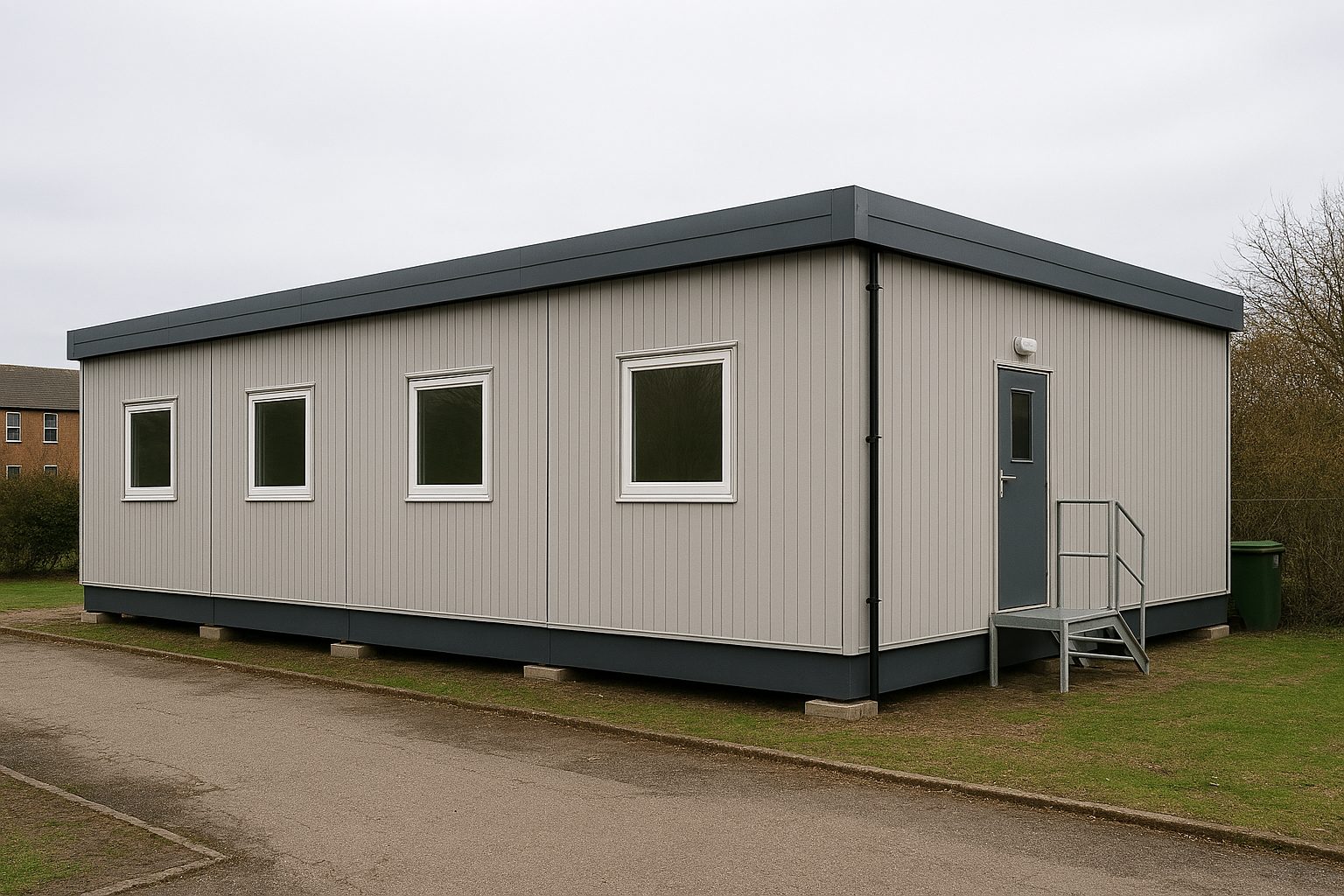
In planning, "temporary vs permanent" depends on use and integration — not appearance
Many people assume that modular buildings automatically count as temporary structures. This assumption comes from their factory-built nature and the fact that, in theory, someone could relocate them. However, UK planning authorities take a fundamentally different approach when they assess whether a development qualifies as temporary or permanent.
In reality, planning officers evaluate permanence based on intended duration of use, connections to utilities and services, fixing methods to the ground, and how a proposal functions within the wider site context. As a result, the construction method — whether traditional brick-and-mortar or factory-built modular — rarely determines the outcome.
"Just because you can dismantle and move a building doesn't mean planning considers it temporary. What matters most is how long you intend it to remain and how it integrates with the site."
Key factors that planning authorities consider
When you submit a planning application for a modular building, local authorities typically evaluate several criteria. Specifically, they want to determine whether they should treat the development as temporary or permanent:
Intended Duration
How long will the building remain on site? For example, if you plan to keep a modular classroom for 10+ years, planners will likely assess it as permanent — even though you could technically relocate it.
Service Connections
Permanent connections to mains electricity, water, drainage, and gas suggest long-term use. Therefore, these connections indicate strong integration with site infrastructure.
Foundation Type
Concrete pad foundations, piled foundations, or permanent groundworks clearly indicate that you intend the building to remain indefinitely. Consequently, planners treat these projects differently.
Site Integration
Landscaping, access roads, parking, and how the building relates to existing structures all factor into the assessment. In other words, context matters significantly.
Stated Purpose
The intended use matters considerably. For instance, a temporary site office for a 12-month construction project differs greatly from a permanent school expansion.
Building Regulations
Compliance with Part L, fire safety, and accessibility standards often signals permanent intent. Additionally, meeting these standards demonstrates commitment to long-term occupation.
Why this matters for your project
Understanding how planning authorities assess permanence proves crucial when you specify a modular building. If your project requires full planning permission, your application should clearly articulate the intended use, duration, and site integration. Importantly, this applies regardless of the construction method you choose.
On the other hand, if you genuinely need a temporary structure (for example, a site welfare unit during construction), the planning approach differs significantly. In many cases, temporary buildings benefit from permitted development rights. Alternatively, they may require only prior notification, depending on the use class and duration.
When you clearly define these elements, planning authorities may assess your modular building as permanent development. However, planning outcomes ultimately depend on site conditions and local authority interpretation. As a result, no single building approach guarantees approval. Nevertheless, early engagement with your local planning authority — or working with a manufacturer experienced in planning submissions — can significantly improve your chances of success.