
Offsite Prefabrication for UK Projects That Need Better Control, Better Sequencing and a Stronger Route to Delivery
Offsite prefabrication is a wider delivery category that includes multiple factory-built routes, not one single system. This page explains what offsite prefabrication means, where offsite prefabrication is strong, where offsite prefabrication can weaken, and how buyers should move from broad offsite language into the right specific KC system route.
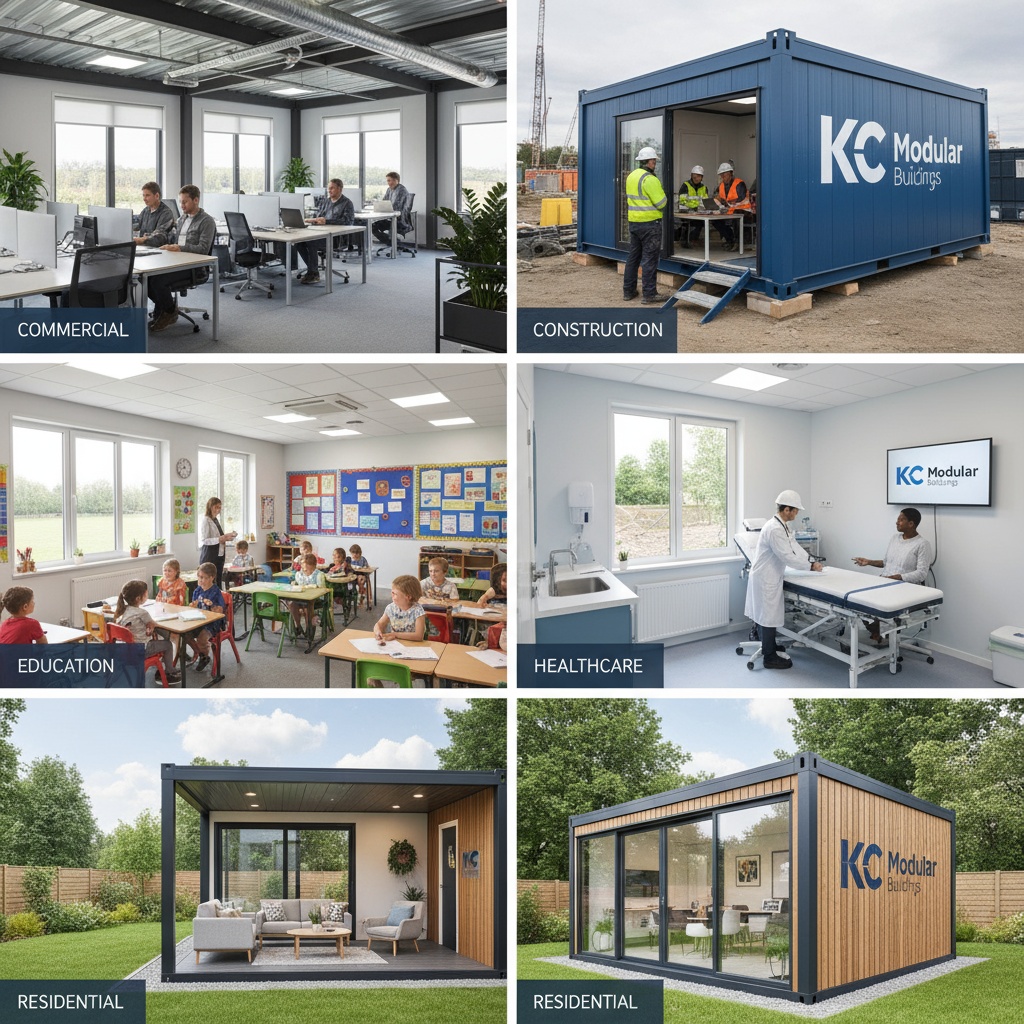
What offsite prefabrication actually means
Because offsite prefabrication is broader than one single method, this page acts as a category bridge. Buyers often search for offsite prefabrication before they know whether their project is better suited to volumetric modular systems, panelised modular systems, hybrid modular systems or another factory-built route.
That makes this page strategically important. It must define offsite prefabrication clearly, explain the commercial and technical logic behind offsite prefabrication, and then route people into the strongest specific KC page instead of leaving them trapped in vague terminology.
Factory-built approach
Offsite prefabrication moves more work into controlled manufacture before site assembly or installation.
Multiple route family
Offsite prefabrication can include modular, panelised, hybrid and other prefabricated building systems.
Programme advantage
The right offsite prefabrication route can reduce site time and improve sequencing.
Wrong-method risk
Calling something offsite is not enough if the selected method still fights the real brief.
Offsite construction UK, prefabricated building systems and modular vs prefabricated decisions
Anyone researching offsite construction UK needs to know that offsite construction UK covers multiple routes, not one identical building method. Good offsite construction UK decisions compare structural logic, transport, site constraints, programme, interfaces and end use instead of assuming every factory-built approach behaves the same way. The strongest offsite construction UK outcome is almost always a clearer system decision rather than a broader category label.
The wider family of prefabricated building systems includes a range of methods with very different commercial and technical consequences. Some prefabricated building systems are room-sized modules. Some prefabricated building systems are panel-led. Some prefabricated building systems combine methods or rely on a hybrid logic. That is why prefabricated building systems should be compared by fit, not by buzzword alone.
The phrase modular vs prefabricated matters because buyers often assume modular and prefabricated are interchangeable. A proper modular vs prefabricated explanation shows that modular can sit inside the wider prefabricated category, while not every prefabricated route is fully modular. A strong modular vs prefabricated page therefore helps buyers understand the decision ladder before they land on the wrong specific route.
The offsite manufacturing process is one of the biggest reasons projects move toward offsite prefabrication in the first place. A strong offsite manufacturing process can improve quality control, reduce weather sensitivity, improve sequencing and reduce live-site disruption. A weak offsite manufacturing process can still fail if design freeze, logistics or interfaces are handled badly. The category works best when the offsite manufacturing process is tied to the right delivery method.
The language of factory-built building systems is also useful here because many buyers understand the concept more quickly through that phrase. However, factory-built building systems still require system selection. Some factory-built building systems will point toward volumetric modular systems. Some factory-built building systems will point toward panelised routes or hybrids. The phrase helps awareness, but the route still needs qualification.
For more technical buyers, the phrase MMC offsite systems may also appear during research. Strong MMC offsite systems analysis should still end in a practical decision: which method matches the actual brief, which route simplifies delivery, and which page the buyer should visit next. The best MMC offsite systems decision is always the one that becomes more specific, not less.
Offsite prefabrication is a category. The project still needs the right route inside that category.
Use this selector to avoid treating offsite prefabrication as the final answer when it is only the starting point.
Offsite prefabrication
The broad category page for buyers who know they want factory-led delivery but not yet which exact method fits.
Volumetric modular systems
Use when room-sized modules and higher factory completion are the main advantage.
Panelised modular systems
Use when a panel-led route is stronger than full volumetric delivery.
Hybrid modular systems
Use when one method alone creates too much structural, design or sequencing compromise.
Request route review
Best route if the category is clear but the correct delivery method still needs technical comparison.
Where offsite prefabrication is usually strongest
Offsite prefabrication is often strongest where the project benefits from controlled manufacture, reduced site disruption, repeatability, better sequencing and a clearer route to predictable delivery.
- ✓Projects that need shorter, cleaner live-site activity windows.
- ✓Projects where repeatability and earlier coordination improve commercial value.
- ✓Projects that benefit from more factory QA and less weather exposure during key construction stages.
When offsite prefabrication can be weaker than expected
Offsite prefabrication is not automatically strong just because the project uses a factory. Weak results usually come from choosing the wrong method, freezing design too late, misjudging logistics or underestimating interfaces.
Late design change
Frequent late changes can weaken the commercial value of offsite prefabrication dramatically.
Poor logistics planning
Transport, access and cranage can quickly erode the benefit if not reviewed early.
Weak interface control
If junctions, services or scope boundaries are unresolved, problems do not disappear just because the build is offsite.
Wrong method choice
Using volumetric when panelised is stronger, or vice versa, is one of the most avoidable errors in offsite prefabrication.
A typical offsite manufacturing process and where value is created
Method selection
Choose the correct offsite route before commercial assumptions are fixed.
Technical coordination
Resolve structure, interfaces, services, transport and installation sequencing early.
Factory manufacture
Produce panels, modules or prefabricated elements under more controlled conditions.
Delivery logistics
Transport to site according to route, timing and lifting constraints.
Site assembly or installation
Install or assemble the prefabricated elements into the final building.
Completion and handover
Complete inspections, finishing, snagging and project close-out.
| Process stage | Main value | Common mistake |
|---|---|---|
| System selection | Correct method from the start | Choosing category before method |
| Technical coordination | Cleaner factory and site interface | Leaving major details unresolved |
| Manufacture | Better control and repeatability | Assuming factory work solves bad design decisions |
| Delivery and installation | Faster site progression | Underestimating logistics and access constraints |
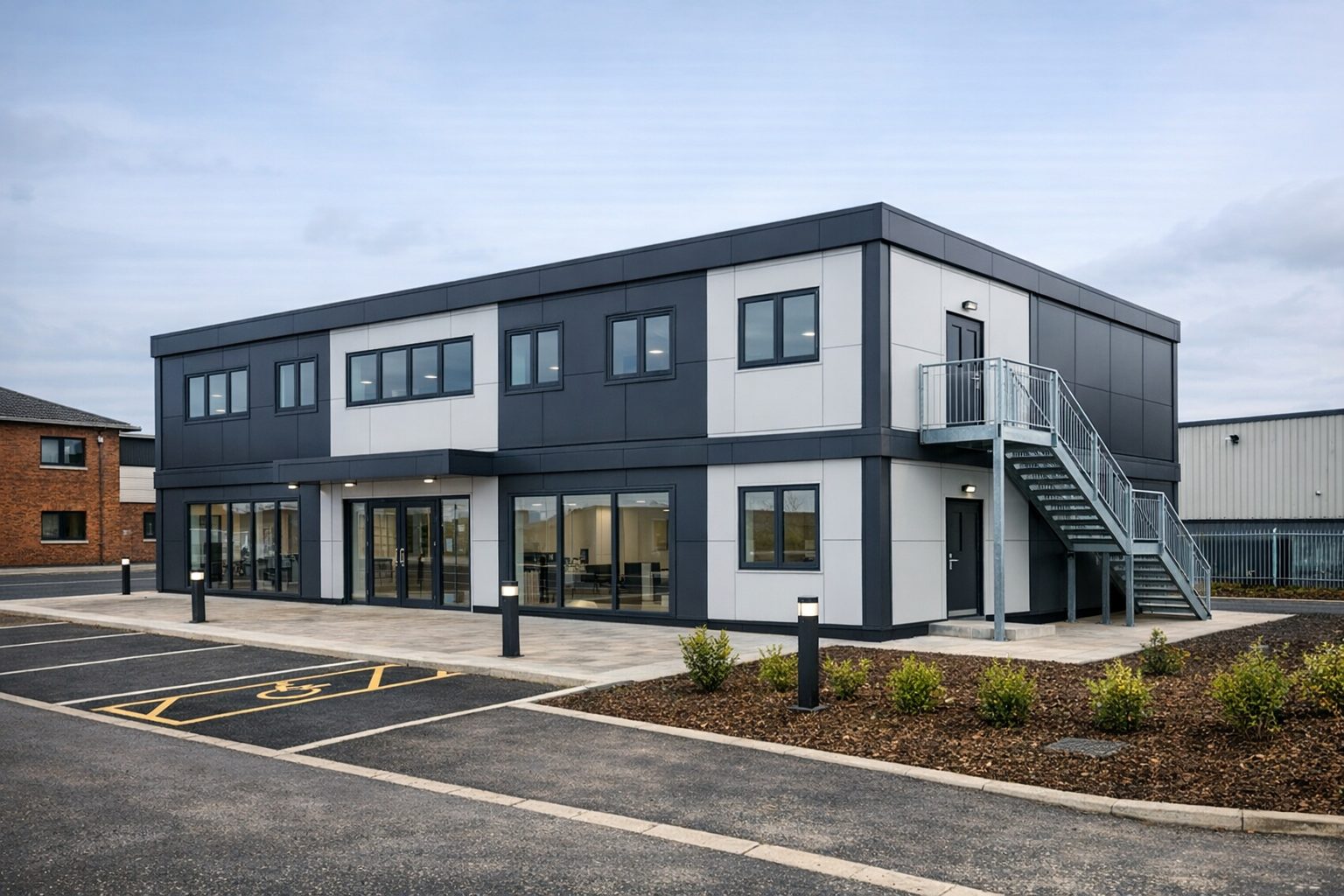
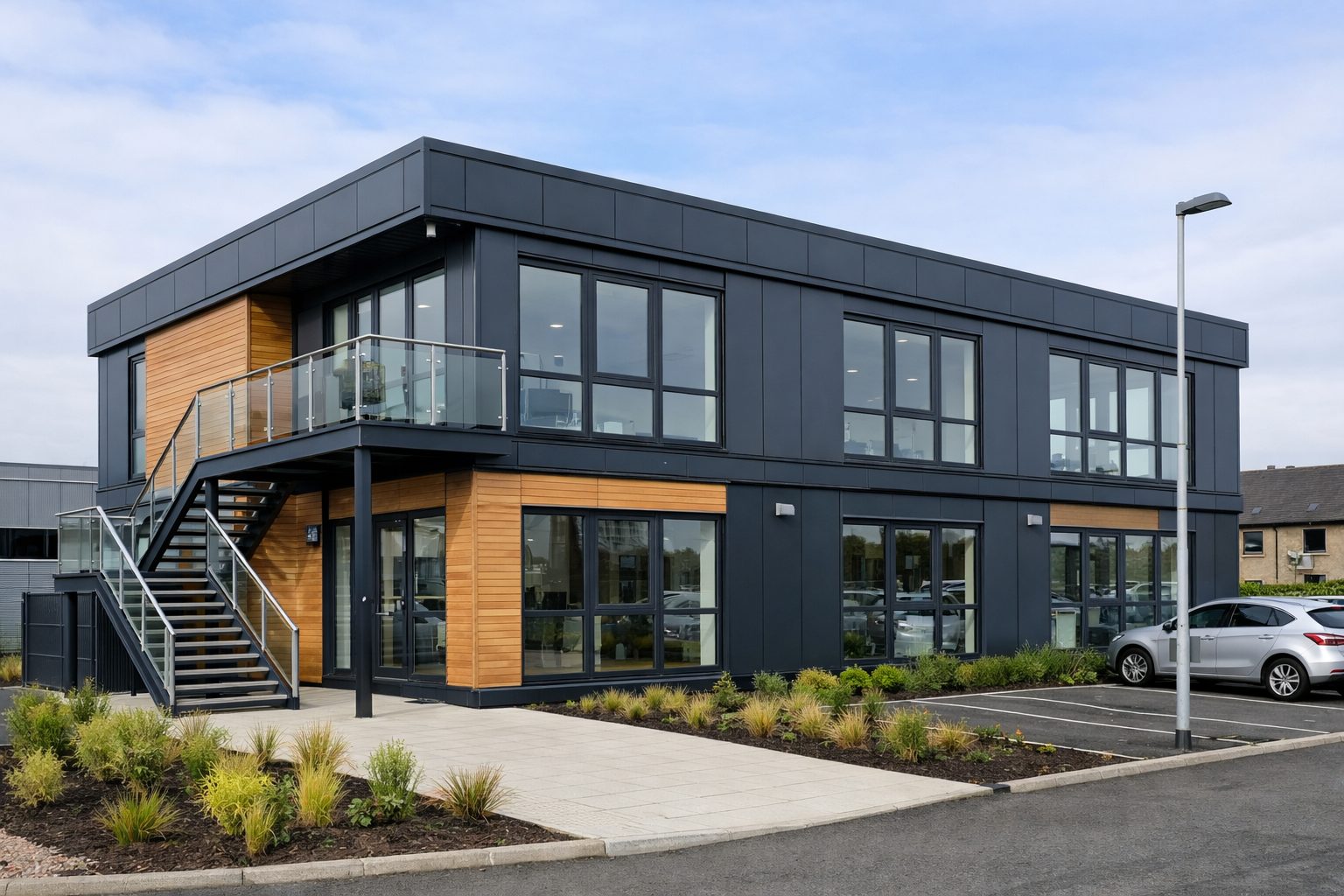
Real use-case images selected to support the category story
The image mix below supports the category nature of offsite prefabrication by showing broader sector application, delivery logic and completed building outcomes rather than pushing one single system too early.
How offsite prefabrication should be discussed from a UK compliance perspective
For UK context, use the Approved Documents guidance and the Planning Portal where planning context is relevant. Offsite prefabrication is a delivery route, not an automatic compliance guarantee.
Compliance statements must still be scoped to the correct UK jurisdiction.
Different offsite methods create different structural, fire and detailing implications.
Healthcare, education, office and accommodation projects do not all follow the same route.
Quality and compliance need project-specific evidence, not broad category-level assumptions.
Frequently asked questions about offsite prefabrication
What is offsite prefabrication?
Offsite prefabrication is a delivery approach where major building elements are manufactured away from the final site, then transported for assembly or installation. It is a wider category that can include panelised systems, volumetric modules and other prefabricated building systems.
Is offsite prefabrication the same as modular construction?
Not exactly. Modular construction sits within the wider offsite prefabrication category. Some offsite prefabrication routes are modular, while others are panel-led, hybrid or component-led rather than room-sized modules.
When is offsite prefabrication strongest?
Offsite prefabrication is often strongest when the project benefits from better quality control, less site disruption, more repeatability, improved programme certainty and earlier technical coordination.
When can offsite prefabrication be weaker?
Offsite prefabrication can be weaker when the brief changes too late, logistics are poorly understood, interfaces are unresolved or the wrong offsite method is chosen for the real project constraints.
Why does this page matter if KC already has system pages?
Because many buyers search for offsite prefabrication before they know which specific system type they need. This page helps bridge that gap and route them into the right KC system path.
What should I do if I am still unsure?
Use the system review route so KC can compare offsite prefabrication options against the live project brief before a quote is built around the wrong delivery method.
Move from broad offsite language into the right specific route
Volumetric modular systems
Use when room-sized modules and higher factory completion are the main advantage.
Panelised modular systems
Use when a panel-led route is stronger than full volumetric delivery.
Hybrid modular systems
Use when the project benefits from combining multiple methods.
Offsite construction explained
Use for deeper guide-level reading before comparing systems.
Modular vs prefabricated
Useful if the terminology itself is still confusing.
Request a quote
Best route if the project is live and needs technical routing plus commercial response.
Let KC compare the offsite prefabrication options around your real brief
Send your use case, approximate size, target programme, site conditions and any plans or sketches. KC can compare offsite prefabrication routes before the wrong system gets priced in.