
Volumetric Modular Systems for Faster, More Controlled Building Delivery
KC Modular Buildings uses volumetric modular systems where the brief benefits from factory-finished modules, shorter site programmes, and stronger control over quality, sequencing, and repeatability.
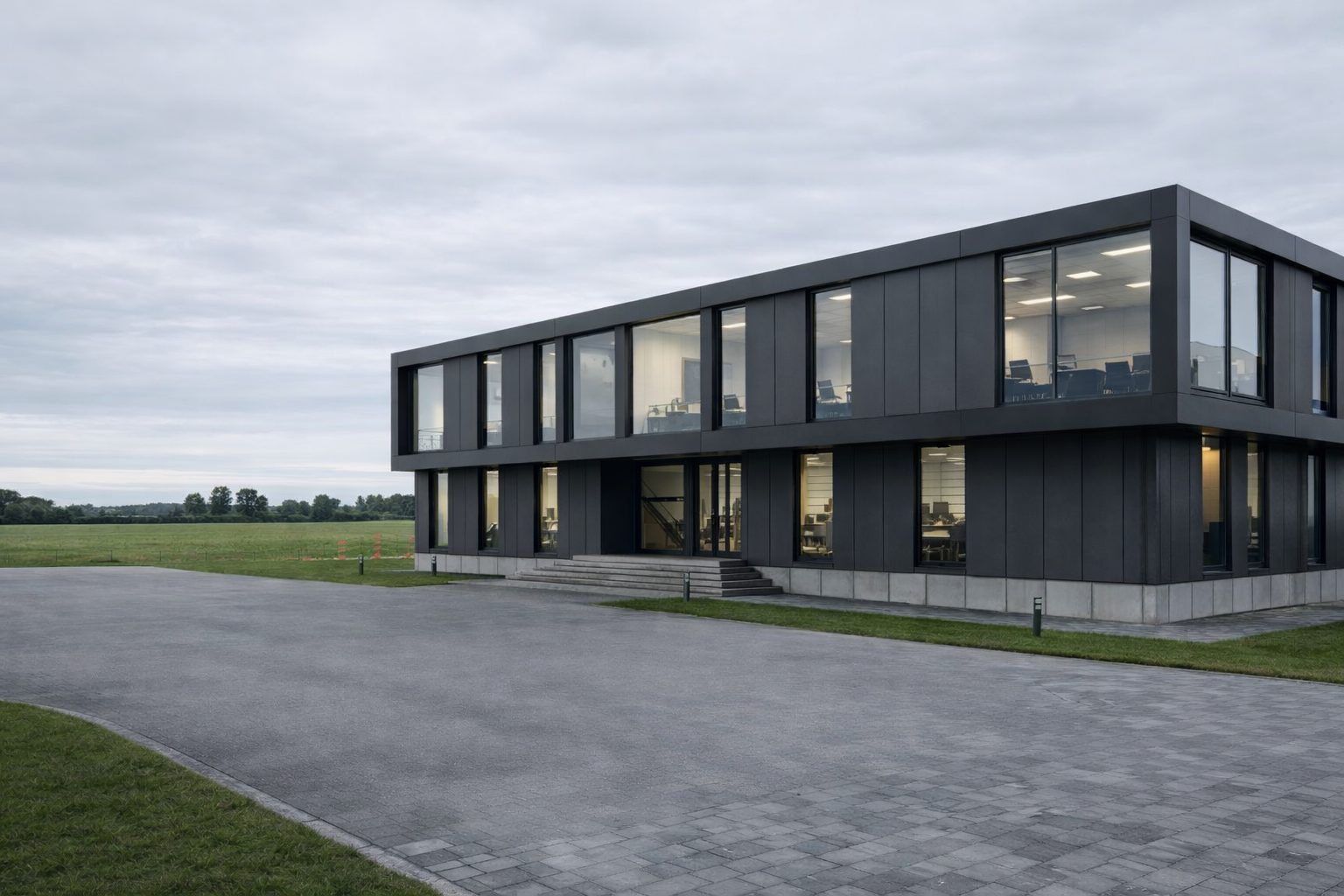
A qualification page, not a generic brochure
Factory-first delivery
Volumetric modular pushes more work into controlled manufacture before modules reach site.
Shorter site programmes
A strong route where live-site disruption, weather exposure, and sequencing risks need reducing.
Higher control
Consistent repetition and earlier design resolution help reduce late-stage surprises.
Fit / misfit guidance
This page helps buyers decide when volumetric is the right route and when another KC system fits better.
What volumetric modular systems actually mean
A volumetric modular system uses 3D modules manufactured off site, then transported and assembled on site into a complete building or a major part of one.
The commercial advantage is not only speed. It is earlier certainty over interfaces, repeatable quality, cleaner sequencing, and a stronger chance of delivering predictable outcomes when the project suits the method.
Less site time
More work completed before delivery means fewer site activities and less live-site pressure.
Repeatability
Repeated room types and repeated modules often make volumetric commercially stronger.
Clearer QA
Factory conditions support more controlled finishing, services coordination, and inspection stages.
Transport-led design
The method works best when transport, lifting, and access are built into the design logic early.
| Question | Volumetric | Panelised / Flat-pack | Traditional site build |
|---|---|---|---|
| How much is factory completed? | High | Medium | Low |
| Best for repeated room types? | Strong fit | Good fit | Variable |
| On-site assembly burden | Lower | Medium | Higher |
| Transport constraints | Higher | Lower | Low |
| Early design freeze importance | High | Medium | Lower |
Volumetric is one route inside the wider KC systems architecture
Use this selector to avoid wrong-fit enquiries. The strongest page outcome is not choosing volumetric every time. It is choosing the system that matches the brief properly.
Volumetric modular systems
3D modules with more factory completion and less on-site assembly time.
Best for: schools, healthcare, offices, accommodation with repeated layouts.
Modular steel frame system
A strong route where permanence, larger spans, or different external expression matter.
Go there if: you need more design freedom or a different structural logic.
Modular timber system
Useful for warmer architectural language, lodge-led or timber-led project identity.
Go there if: design tone and timber-led aesthetics lead the brief.
Hybrid modular systems
Combines methods where one route alone does not solve the whole design or delivery challenge.
Go there if: the brief combines competing priorities that need blending.
Request specification review
If the brief is not fully fixed yet, a quote request is often better than forcing the wrong system choice.
Use when: you need system selection help before price anchoring.
Where volumetric modular gives KC the strongest advantage
Volumetric modular works well where the building can be broken into transportable modules with a high degree of factory completion, clear repetition, and early coordination of interfaces.
- ✓Repeated layouts such as classrooms, offices, clinical rooms, or accommodation modules.
- ✓Projects needing less live-site disruption and a tighter installation window.
- ✓Clients who value predictable sequencing, factory QA, and clearer accountability early in the programme.
Volumetric does not have to look temporary or generic
The delivery method is about how the building is made and assembled. The finished appearance still depends on the external envelope, detailing, and the system selected.
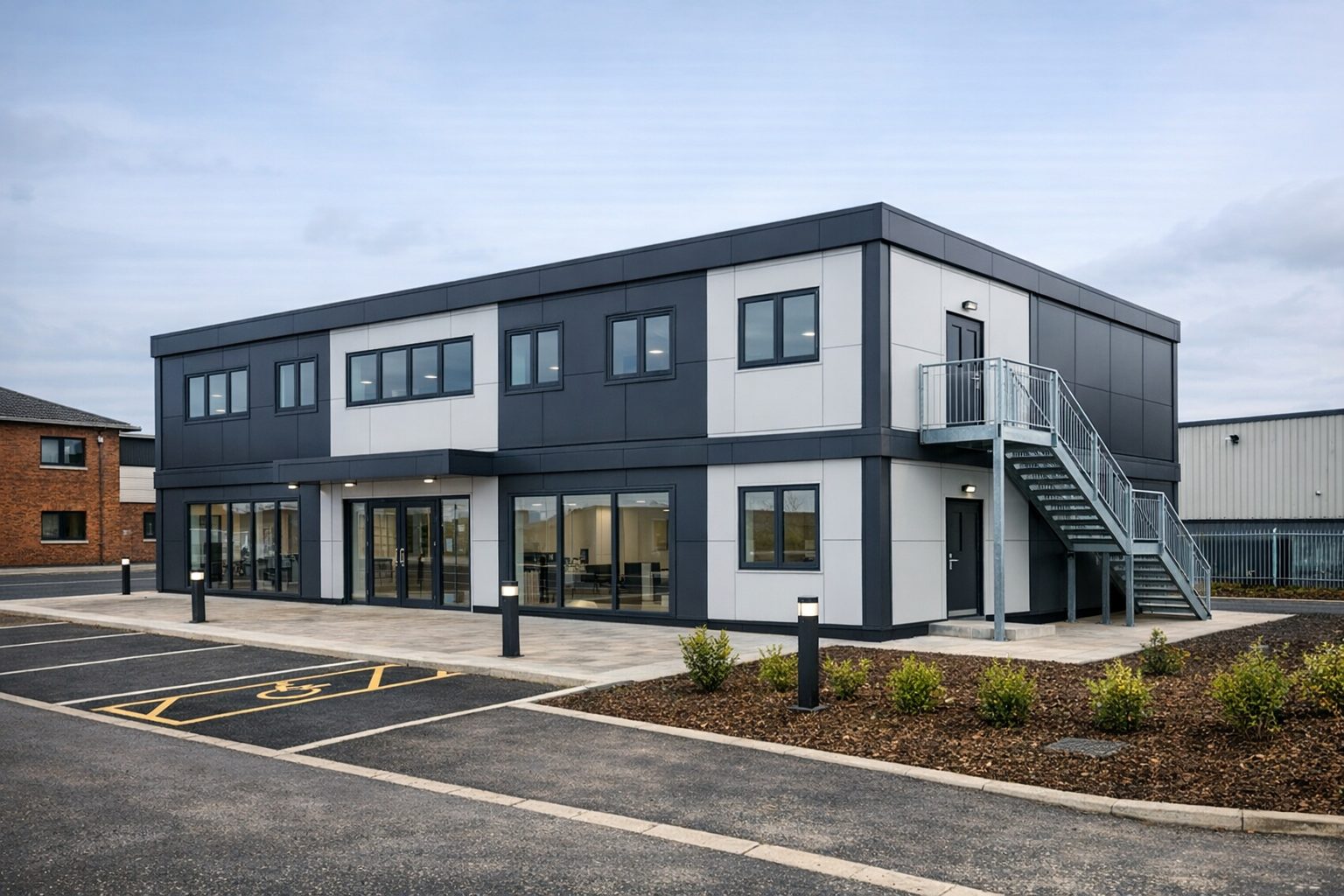
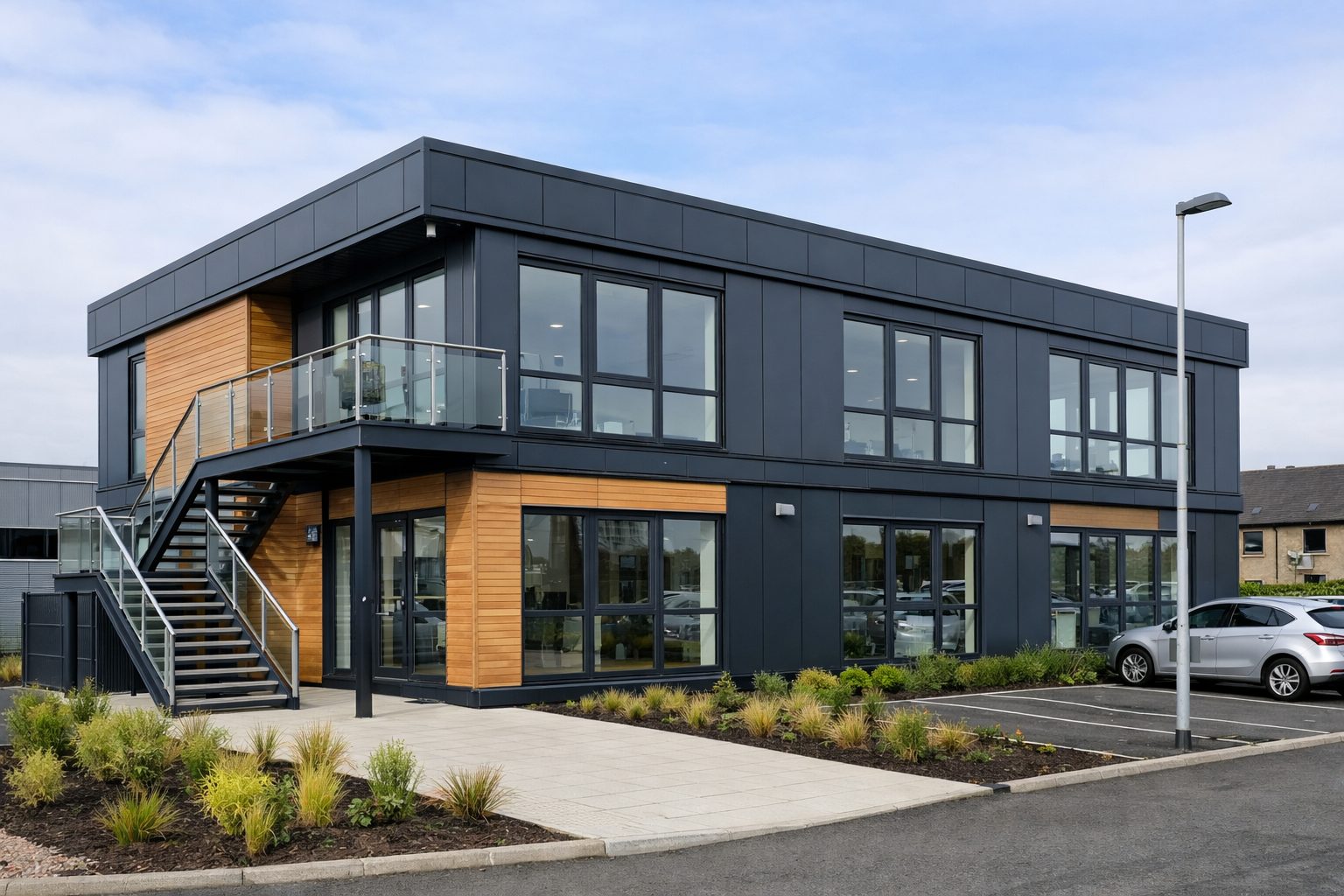
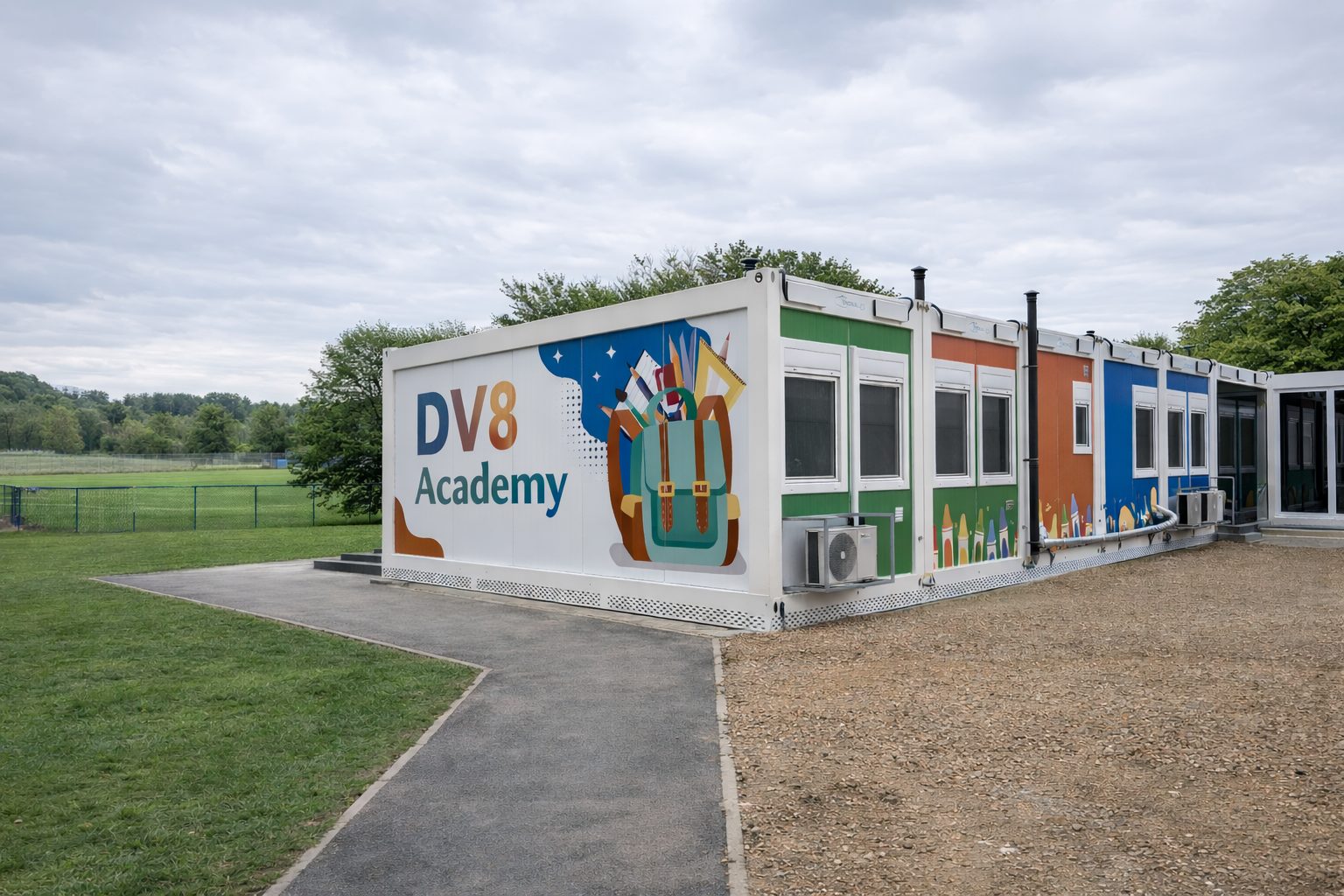
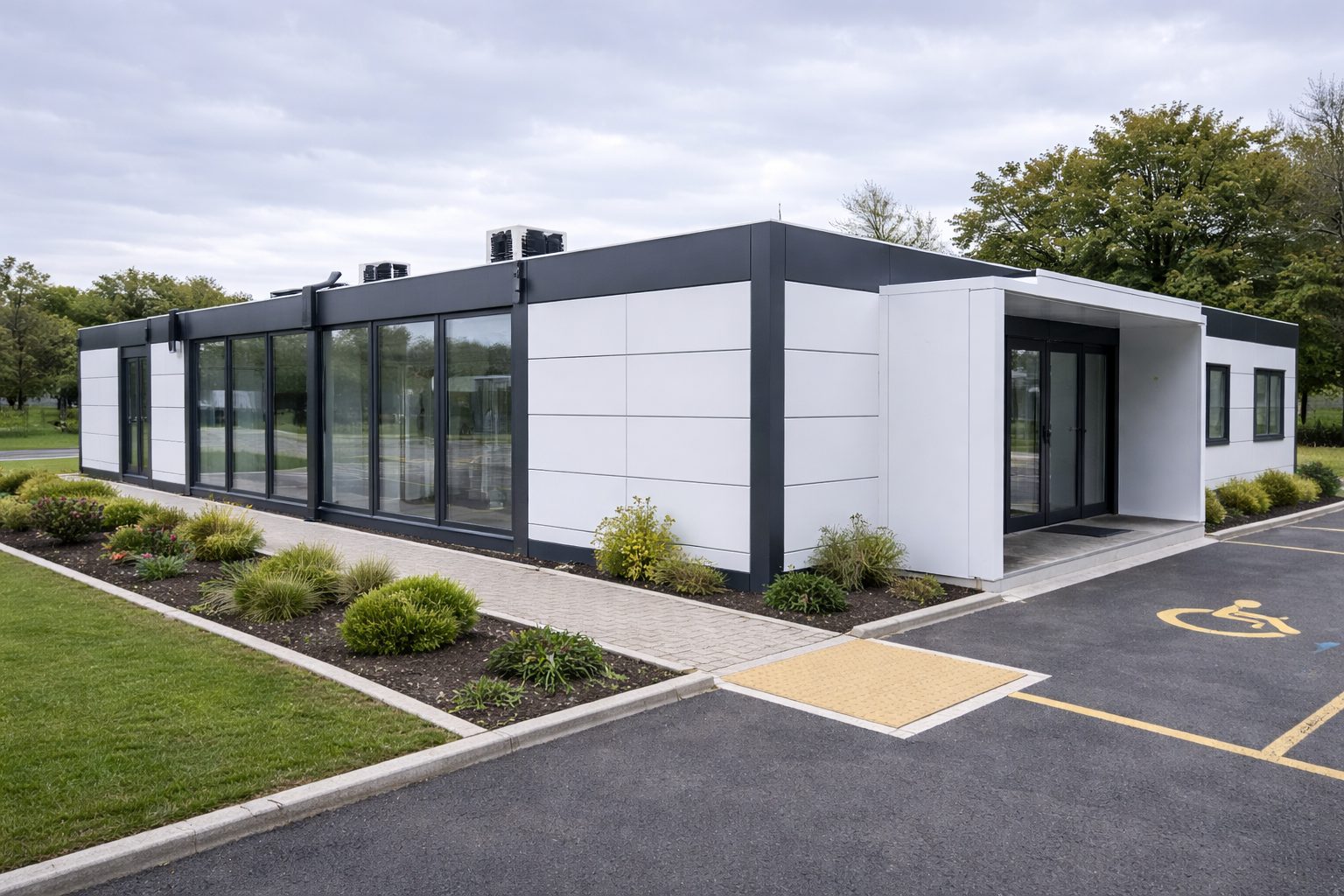
| External strategy | Why it matters on volumetric projects | Best fit | Watch-outs |
|---|---|---|---|
| Clean commercial facade | Helps the building read as permanent and professional | Offices, public buildings | Needs strong junction detailing |
| Education-led envelope | Supports repeated teaching layouts and lower disruption delivery | Schools, colleges | Needs circulation and safeguarding logic early |
| Healthcare-led envelope | Supports controlled finishes, hygiene, and consistent internal zones | Clinics, support buildings | Need services coordination locked early |
| Part L-oriented permanent envelope | Strengthens long-term energy and compliance positioning | Permanent UK projects | Do not over-claim without project scope |
How volumetric projects should be sequenced
Brief and suitability check
Confirm whether the project actually suits a volumetric route before cost anchoring starts.
Module strategy
Define transportable module sizes, repeated room logic, and major junctions.
Early coordination
Lock structure, MEP interfaces, access, cranage, and installation sequence earlier than on many traditional builds.
Factory manufacture
Carry out controlled off-site manufacture with staged QA and consistency across repeated modules.
Delivery and install
Transport, lift, place, connect, and complete the building with fewer live-site tasks.
Commissioning and handover
Complete inspections, testing, snagging, and project close-out with clear accountability.
The module can repeat. The specification does not have to feel generic.
External envelope
Commercial, civic, education, or healthcare-led facade strategies can all sit on a modular delivery route.
Layout logic
Open plan, corridor-led, repeated room pods, treatment rooms, teaching rooms, and admin zones can all be resolved early.
Interior finish
From robust utility finishes to professional office-grade and controlled clinical interiors.
MEP integration
Services can be coordinated earlier, which is one reason volumetric works well on repeatable room types.
Accessibility
Circulation, entrances, accessible WCs, and end-user movement paths should be built into the module strategy from the start.
Energy route
Permanent projects can align envelope, openings, and systems around stronger energy performance targets.
Volumetric size logic should follow transport, lifting, and layout efficiency
Single room modules
Best where individual rooms or compact blocks repeat and access constraints are tighter.
Multi-room volumetric blocks
Strong balance where repeated rooms, internal finishes, and services can be completed substantially off site.
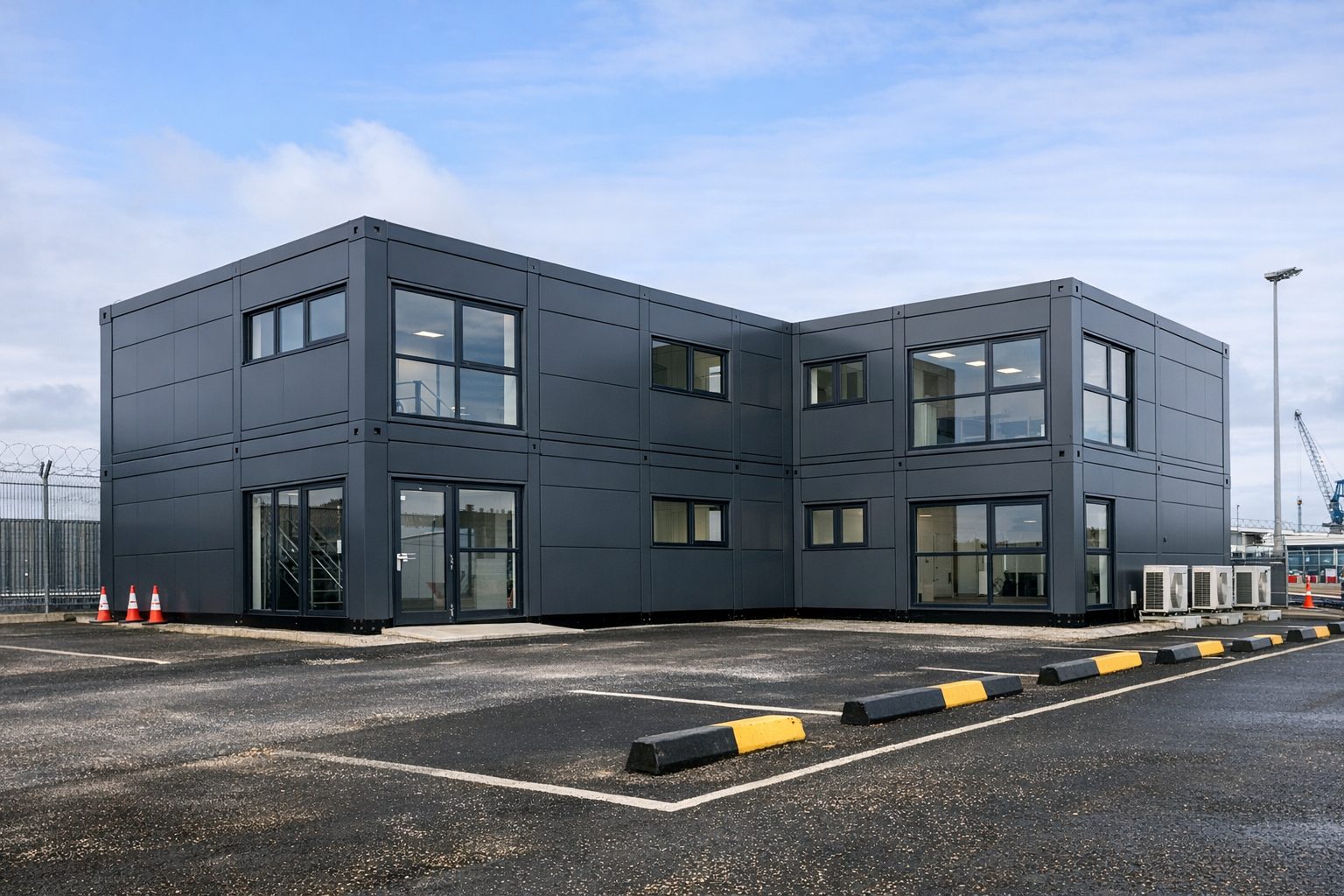
Stacked or linked modules
Used when the building becomes a larger arrangement of multiple transported units assembled into one scheme.
| Configuration question | Why it matters | Volumetric implication |
|---|---|---|
| Can the module travel safely? | Transport limits shape the module envelope | Do not over-design module sizes without logistics review |
| Is cranage clean and practical? | Lifting affects site layout and sequence | Plan install routes early |
| Do rooms repeat enough? | Repetition often drives commercial value | The stronger the repetition, the stronger the case |
| Are interfaces manageable? | Junction quality affects performance and handover | Coordinate module-to-module details early |
Volumetric works best when the internal finish strategy is decided early
Robust operational finish
Good for back-of-house, utility, or harder-wearing applications where durability leads.
Office / education finish
A balanced route for teaching, administration, and public-facing support spaces.
Clinical / higher-spec finish
Best where consistency, hygiene, acoustic comfort, or premium perception must be stronger.
| Finish posture | Best for | Why it suits volumetric |
|---|---|---|
| Robust | Utility and back-of-house areas | Simple repeatable finish packages work efficiently in factory completion |
| Professional | Offices, classrooms, support buildings | Consistent room types and services coordination work well together |
| Clinical / premium | Healthcare and controlled user environments | Factory-controlled installation can improve consistency and reduce site disruption |
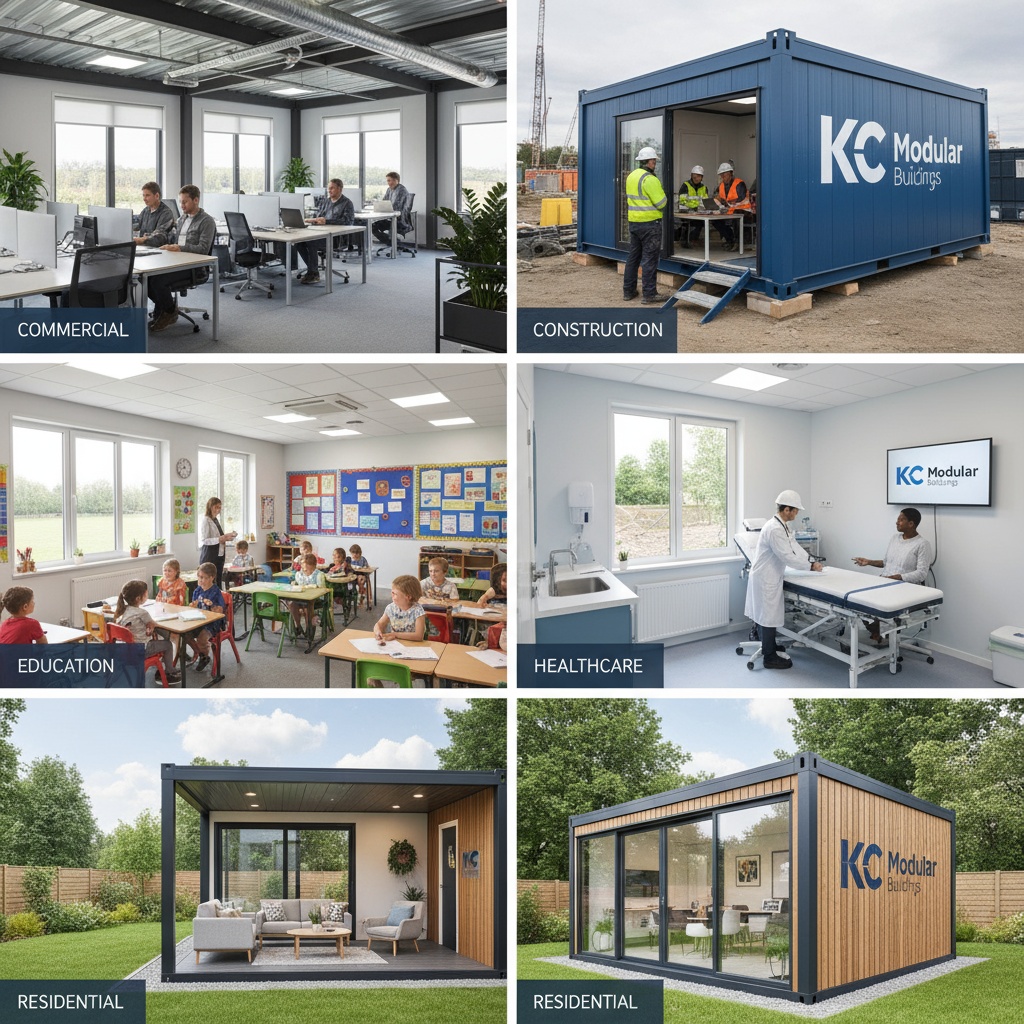
Where volumetric modular is usually strongest
Education
Strong where classroom types, staff areas, or support rooms repeat across the scheme.
Healthcare
Good for clinical support spaces and repeated room logic with controlled finishes.
Commercial offices
Useful for repeatable office modules, admin spaces, and faster occupancy programmes.
Accommodation
Particularly relevant where bedroom and bathroom modules repeat extensively.
Public sector
Strong where delivery certainty, accountability, and programme visibility are critical.
Sports and leisure
Useful for support buildings with repeated room logic, depending on access and finish requirements.
Construction support
Less common than simpler temporary systems unless the finish and permanence need rises.
Mixed-use schemes
Sometimes better served by hybrid modular systems when one route alone cannot solve the brief.
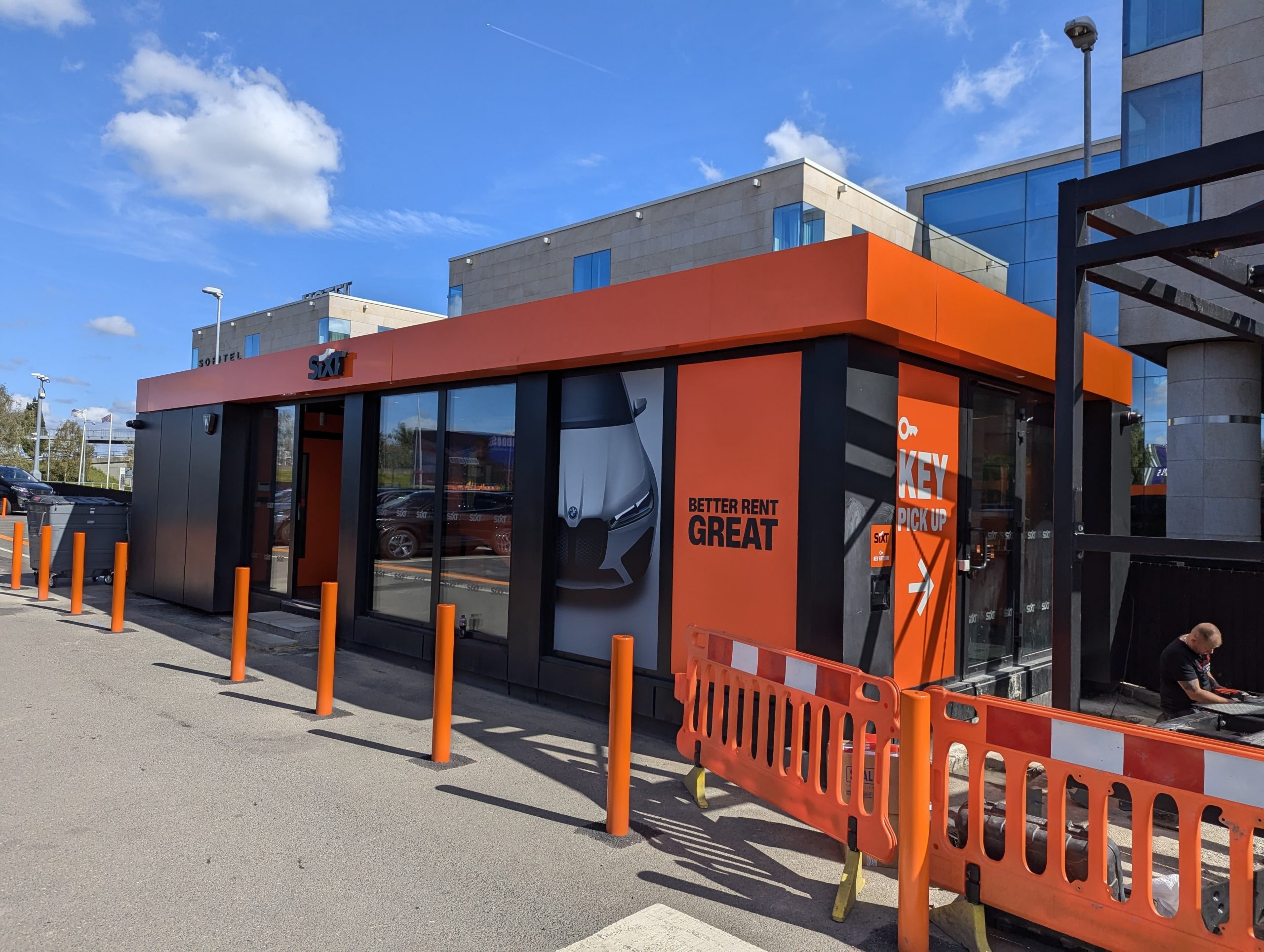
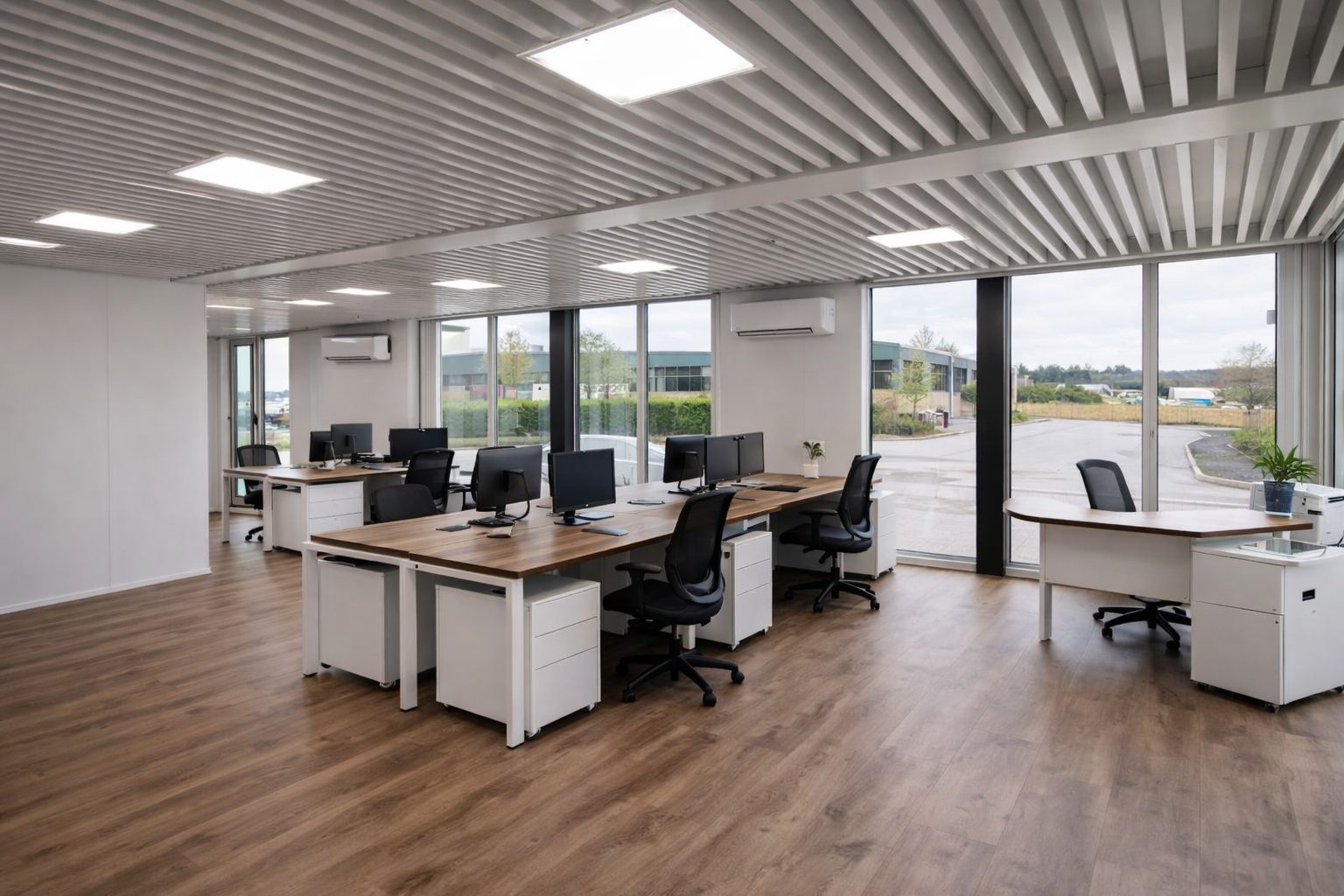
Reference visuals for repeated, controlled building delivery
How compliance should be talked about on volumetric projects
Volumetric modular should be described with scoped, project-specific compliance language. The right question is not “is it compliant?” in the abstract. The right question is “what regime, what use, what scope, and what evidence route apply here?”
England, Wales, Scotland, and Northern Ireland do not operate as one identical building control regime.
Unusual structural approaches and larger or more complex buildings may need early agreement on design intent and evidence.
Inclusive access, entrances, circulation, and WC strategy must be resolved inside the module logic early.
Permanent projects should align envelope, openings, and services to the project energy target rather than use generic claims.
What usually affects volumetric pricing most
| Pricing driver | Why it matters on volumetric schemes | Commercial effect |
|---|---|---|
| Repetition level | Repeated room types often improve manufacturing efficiency | Can strengthen commercial case |
| Transport and cranage complexity | Module movement and lifting can change logistics sharply | Can add delivery and install cost |
| Early design certainty | Late changes hurt a method built around earlier decisions | Can reduce efficiency and create variation cost |
| Envelope and finish quality | The final building appearance still depends on the specified finish strategy | Raises or lowers value posture |
| Project compliance scope | Fire, access, energy, and services routes affect engineering and fit-out | Can materially change final budget |
Do not price it like a generic cabin
Volumetric should be priced against its actual delivery method and scope.
Repetition can help
The commercial case improves when modules repeat more cleanly.
Logistics can hurt
Transport, access, and cranage can quickly change the value equation.
Early review wins
A system review before quoting usually protects both speed and margin.
Volumetric is normally a buy-led decision, but the project duration still matters
Consider non-volumetric temporary routes
If the requirement is short-term and highly temporary, simpler temporary systems may often outperform volumetric commercially.
Buy for medium to long-term use
Volumetric tends to make the most sense where the building is part of a real operational plan rather than a very short-term stopgap.
Run a system comparison first
Where project duration, permanence, and finish expectations are still unclear, compare systems before pushing into a single commercial route.
Frequently asked questions about volumetric modular systems
What is the difference between volumetric and standard modular?
Volumetric modular is a subset of modular construction where 3D room-sized or room-group modules arrive more complete from the factory, rather than being largely assembled from flatter elements on site.
When is volumetric the best choice?
Usually when room types repeat, the design can freeze early enough, and the site benefits from reduced on-site activity and shorter live installation windows.
When is volumetric the wrong choice?
Often when the building is highly bespoke, the layout keeps changing late, site access is very constrained, or the transport logic becomes inefficient compared with another system.
Can volumetric buildings still look premium?
Yes. The delivery method and the finished appearance are not the same thing. The final look depends on the specified envelope, detailing, and fit-out strategy.
Does volumetric mean automatic compliance?
No. Compliance must always be scoped to the building use, location, project type, and agreed responsibilities. System pages should guide this, not over-claim it.
Is volumetric mainly for accommodation?
Accommodation is a strong use case because room types repeat, but the method also fits education, healthcare, and office schemes where module logic is clear.
Simple rules to decide whether volumetric fits
High repetition = stronger fit
The more repeated rooms or repeated module types the building has, the stronger the volumetric case usually becomes.
Early design freeze = stronger fit
If the client can decide layouts, services, and interfaces early, volumetric usually performs better.
Access risk = weaker fit
If transport and cranage are too constrained, the method can lose efficiency quickly.
Live-site sensitivity = stronger fit
Schools, healthcare environments, and operating sites often benefit from fewer site activities.
Constant late change = weaker fit
When the brief remains highly fluid too late, another modular or hybrid route may be safer.
Need help? Route onward
If two or more rules conflict, move to system comparison rather than forcing a single route too early.
Go to the right next page, not just the next link
Modular steel frame system
Use when permanence, envelope freedom, or a different structural route matters more.
Hybrid modular systems
Use when one system alone does not solve the whole project brief cleanly.
Modular offices
Move to the solution page if the office use case is already fixed.
Modular classrooms
Strong downstream route when the education use case is now clear.
Modular building regulations
Use for deeper technical reading on regulation and compliance posture.
Request a quote
Best route if the project is live and system qualification is needed now.
Let KC review whether volumetric is the right route for your project
Send your use case, target programme, site constraints, and any drawings or sketches. We will help qualify the right delivery method instead of forcing the wrong system.
Ready to discuss a volumetric modular project?
Share the building use, site location, target programme, and where the project still feels uncertain. That helps KC guide the system choice more accurately.
Call KC
Speak directly with the team about system suitability, lead times, and commercial posture.
01782 561 110Email the brief
Send plans, dimensions, room schedules, or site constraints for a more accurate review.
[email protected]Request a quote
Use the quote form when the scheme is live and needs technical routing plus commercial response.
Start Quote Request