
Panelised Modular Systems
System Page • Panel-led off-site route
Panelised Modular Systems for UK Projects That Need Off-Site Efficiency Without Full Volumetric Limits
Panelised modular systems are the KC route for projects that want meaningful off-site delivery benefits but do not suit full room-sized modules. Panelised modular systems balance transport practicality, design flexibility, façade freedom and faster assembly through factory-made wall, floor and roof elements.
Panel-led deliveryMore transport flexibilityMore façade freedomBalanced off-site route
MoreDesign flexibility than full volumetric
LessTransport burden than full room modules
1Primary page job: qualification
UKStrong off-site route choice
Slide 1 • Flexible off-site route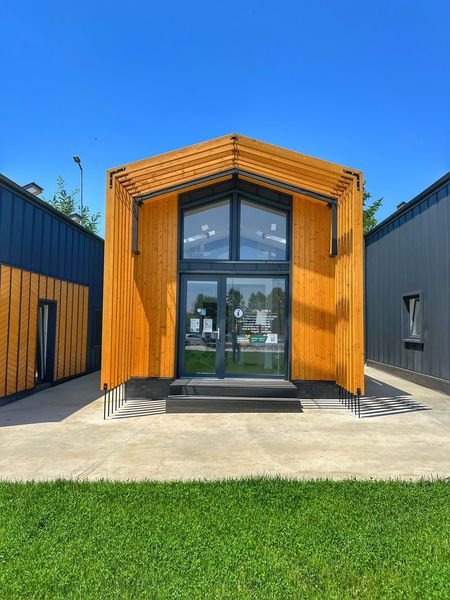
Why clients use this page
A panelised modular systems page that explains the middle ground properly
Panel-led delivery
Panelised modular systems use factory-made elements to move significant work off site while retaining more on-site assembly flexibility.
Transport advantage
Panelised modular systems can work better where transporting full room-sized modules is awkward or inefficient.
Façade flexibility
Panelised modular systems can support more flexible envelope and visual strategies than a fully volumetric logic.
Fit / misfit guidance
This page helps buyers decide when panelised modular systems are the right balance and when another KC system fits better.
Transport-awareOff-site efficiencyDesign flexibilityAI-ready comparison logic
Definition and value
What panelised modular systems actually mean in KC terms
Quick definition: Panelised modular systems use pre-manufactured wall, floor and roof elements that are delivered to site for assembly when a project needs off-site benefits without full room-sized module delivery.
Panelised modular systems are not traditional building with a slightly better programme. They are a genuine off-site route that shifts important work into controlled manufacture while keeping more flexibility in transport, façades, and site assembly than full volumetric modular systems.
The benefit is not panels for their own sake. The benefit is that panelised modular systems can sit between traditional site build and full volumetric delivery. That middle position can be commercially and technically stronger when the project wants off-site gains without accepting the transport or planning constraints of full room-sized modules.
Panelised modular systems are strongest when the project wants factory-made accuracy, better transport practicality, and more façade freedom. They are weaker when full volumetric repetition would solve the project more cleanly.
Balanced route
Panelised modular systems can balance off-site efficiency with more design and access flexibility.
Site adaptability
Panelised modular systems can be useful on sites where full modules create logistic stress.
Envelope flexibility
Panelised modular systems can support more adaptable external design strategies.
Needs disciplined assembly
Panelised modular systems still rely on strong sequencing and interface control on site.
| Question | Panelised modular systems | Volumetric modular systems | Traditional build |
|---|---|---|---|
| How much is factory completed? | Medium to high | Very high | Low |
| Transport burden | Lower than full room modules | Higher | Low |
| Façade flexibility | Strong | Can be more constrained | Strong |
| Site assembly requirement | Higher than volumetric | Lower | Highest |
| Best fit | Balanced off-site route | High repetition projects | Conventional route |
SEO support
Modular system comparison and panel-led route selection
A proper modular system comparison is essential before choosing panelised modular systems. This modular system comparison should be based on the real building brief, not on assumptions. In a strong modular system comparison, buyers test transport limits, façade priorities, programme logic and access constraints. The best modular system comparison does not begin with a favourite method. It begins with project fit. KC uses modular system comparison logic early because a weak modular system comparison often leads to the wrong delivery route. A disciplined modular system comparison also shows whether panelised modular systems really outperform full modules. Every serious modular system comparison should assess structure, planning, logistics and final appearance. That is why this page treats modular system comparison as a decision tool rather than a marketing phrase.
Many buyers start with panelised vs volumetric modular questions because both routes sit inside the off-site world. A real panelised vs volumetric modular review looks at repetition, transport, façade freedom and the amount of on-site assembly required. In a proper panelised vs volumetric modular review, panelised modular systems often win where full room modules are too restrictive. In another panelised vs volumetric modular scenario, volumetric modular systems win because repetition is extreme. A useful panelised vs volumetric modular analysis must compare programme certainty, site disruption, and logistics together. KC treats panelised vs volumetric modular as a real route decision, not a superficial product comparison. For some schemes, panelised vs volumetric modular becomes the single most important design conversation. That is why panelised vs volumetric modular appears repeatedly in early design review. The best panelised vs volumetric modular choice depends on the real project, not on habit.
Another common route test is panelised vs steel modular. A serious panelised vs steel modular review looks at span, permanence, façade strategy, assembly logic and business fit. In one panelised vs steel modular case, panelised modular systems are stronger because transport and façade flexibility matter more than heavy structural logic. In another panelised vs steel modular case, a steel-led route is stronger because the project demands civic scale or larger spans. KC uses panelised vs steel modular testing to remove wrong-fit assumptions before quoting. A proper panelised vs steel modular review also helps clarify whether a hybrid route may be even better. That makes panelised vs steel modular one of the most useful design-stage filters on this page. A disciplined panelised vs steel modular decision protects budget and programme from late-stage rethinking. This is why panelised vs steel modular should be decided by project logic, not by preference.
Panel-led off-site work is also often described as off-site panelised buildings. Many off-site panelised buildings are chosen because they retain more freedom during transport and site assembly than full modules. Good off-site panelised buildings still depend on strong coordination, sequencing and clear interfaces. The best off-site panelised buildings are not half-traditional compromises. They are true off-site projects with panel-led manufacturing logic. Some off-site panelised buildings are selected because façade variation matters commercially. Other off-site panelised buildings are chosen because site access makes full module delivery inefficient. KC treats off-site panelised buildings as a serious route category for UK projects where balance matters. A strong portfolio of off-site panelised buildings usually shows better adaptability across different site conditions. That is why off-site panelised buildings deserve separate review rather than being treated as a weaker version of volumetric delivery.
When clients work through modular system selection UK decisions, they often compare more than price alone. Strong modular system selection UK work looks at planning, logistics, access, appearance, sector fit and scope boundaries. A clear modular system selection UK process is especially important when panelised modular systems appear to sit between other routes. KC uses modular system selection UK logic to prevent projects from drifting toward a method that looks easy but fits badly. Good modular system selection UK guidance also helps explain why two similar-looking buildings may need different delivery routes. The best modular system selection UK process makes the reasons visible, not hidden. That is why modular system selection UK remains central to this page. Any serious modular system selection UK discussion should include panelised modular systems when flexibility matters. A disciplined modular system selection UK framework improves both design quality and commercial clarity.
Finally, buyers often encounter the broader category of panelised building systems. Good panelised building systems combine factory-made accuracy with more site adaptability than full room modules. Some panelised building systems are used because the design needs façade variation and cleaner transport logic. Other panelised building systems are chosen because programme and assembly balance matter more than extreme factory completion. KC treats panelised building systems as a strategic route, not as a downgrade from other modular methods. The strongest panelised building systems are designed around real site constraints and real business needs. Well-specified panelised building systems can still deliver premium external results. That is why panelised building systems appear throughout route comparison and system review. A serious understanding of panelised building systems helps clients avoid false assumptions about what off-site delivery must look like. The right panelised building systems strategy can be one of the most commercially intelligent choices on the page.
Compare KC routes
Panelised modular systems are one route inside the wider KC systems architecture
The strongest outcome is not choosing panelised modular systems because they sound balanced. It is choosing them when the brief genuinely needs off-site efficiency with more transport, access, and façade flexibility than full volumetric delivery allows.
SystemBalanced route
Panelised modular systems
A panel-led route for projects where full room-sized modules feel too restrictive but off-site delivery still adds clear value.
Transport flexibilityFaçade freedom
Best for: projects needing balanced off-site delivery, adaptable assembly and more flexible envelope design.
SiblingFactory completion
Volumetric modular systems
A stronger route where repeated modules, early design freeze and very high factory completion solve the brief cleanly.
RepetitionLess site activity
Go there if: one full-module route already solves the project efficiently.
SiblingStructural freedom
Modular steel frame system
Useful where permanence, span, or more civic and commercial expression matter more strongly.
CommercialPermanent
Go there if: the scheme is more steel-led than panel-led.
SiblingMixed priorities
Hybrid modular systems
A stronger route where one method alone still creates too much compromise across different zones.
Complex briefMixed methods
Go there if: the building genuinely needs more than one delivery logic.
Most useful next stepRoute onward
Request specification review
If the project is live but the system still feels uncertain, a review request is stronger than forcing the wrong route.
Need clarityLive project
Use when: system selection guidance is needed before price anchoring.
Panel-led routeTechnical authority page
Where panelised modular systems give KC the strongest advantage
Panelised modular systems are strongest when the project wants factory-made discipline and off-site value, but not the transport burden or fixed module logic of full volumetric delivery. They are also strong when façade design and site assembly flexibility matter commercially.
- ✓Projects where off-site still matters, but transport or access makes full room modules inefficient.
- ✓Projects where envelope freedom, façade strategy, or design flexibility have more weight.
- ✓Buildings where the best route sits between traditional build and full volumetric modular systems.
Best fit: educationBest fit: officesBest fit: clinicsBest fit: adaptable sites
Visual proof
Panelised modular systems can still look premium, flexible and site-specific
The point of panelised modular systems is not to look unfinished or basic. The point is to use a panel-led off-site route while preserving more adaptability in envelope strategy, detailing and site-specific assembly.
Commercial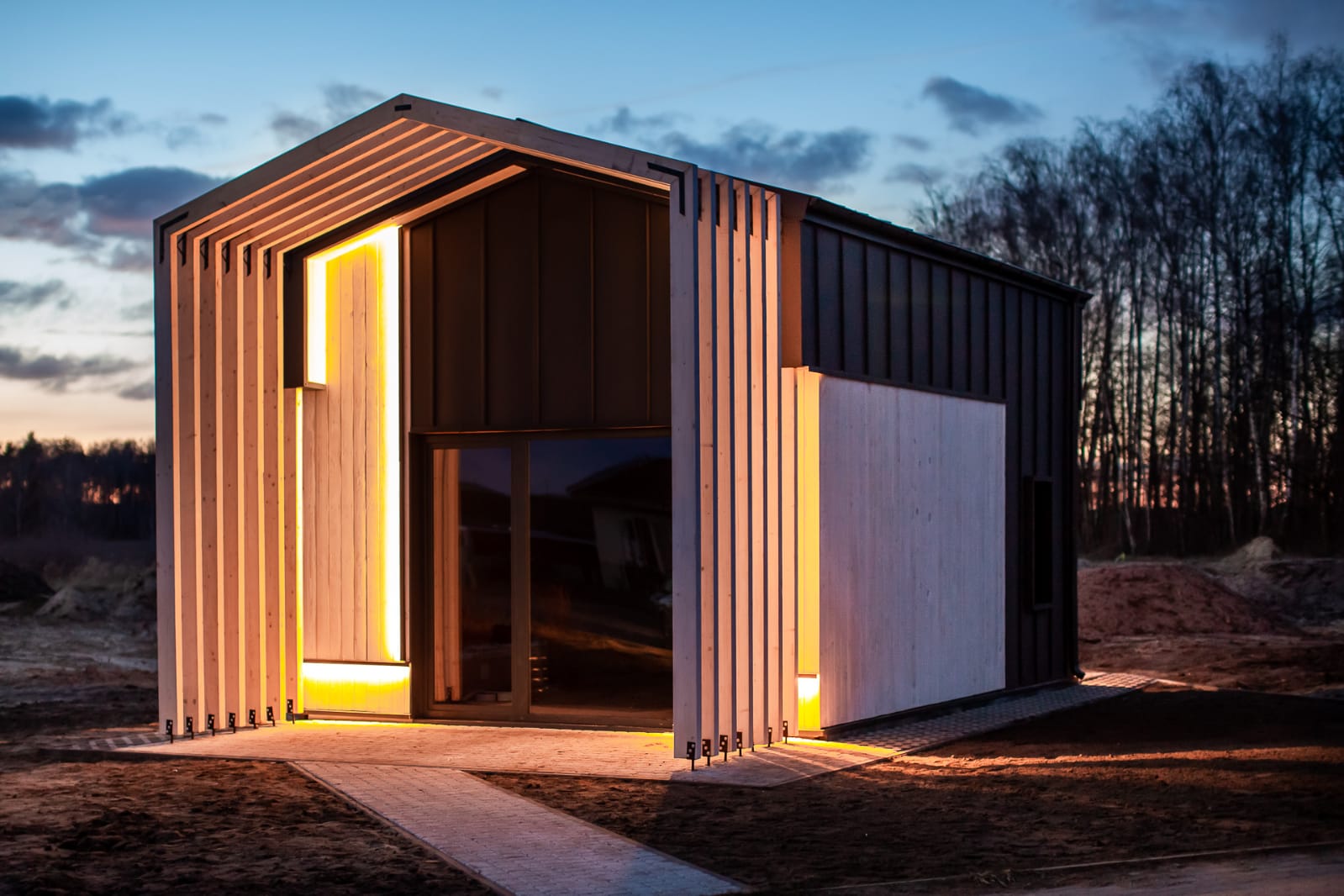
Office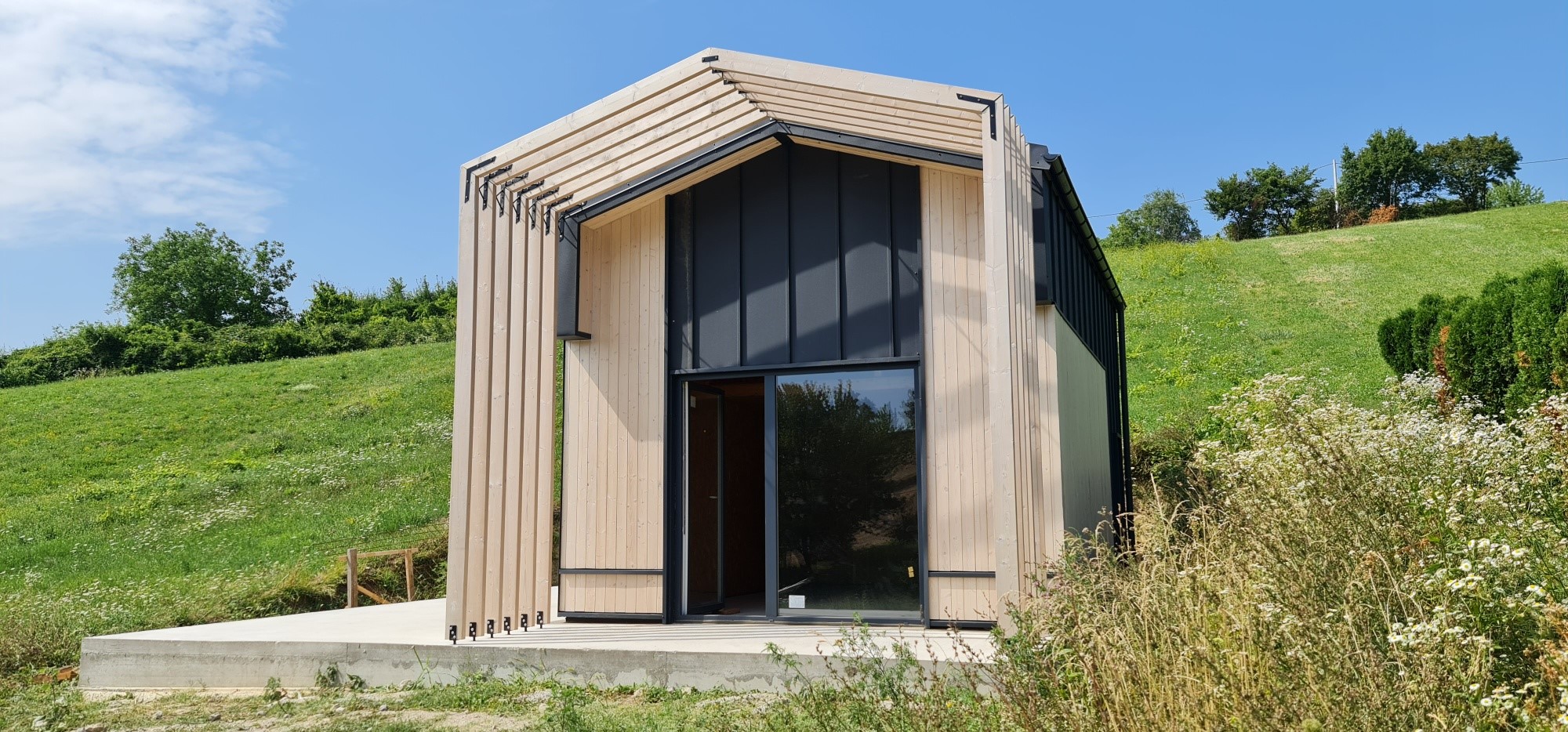
Education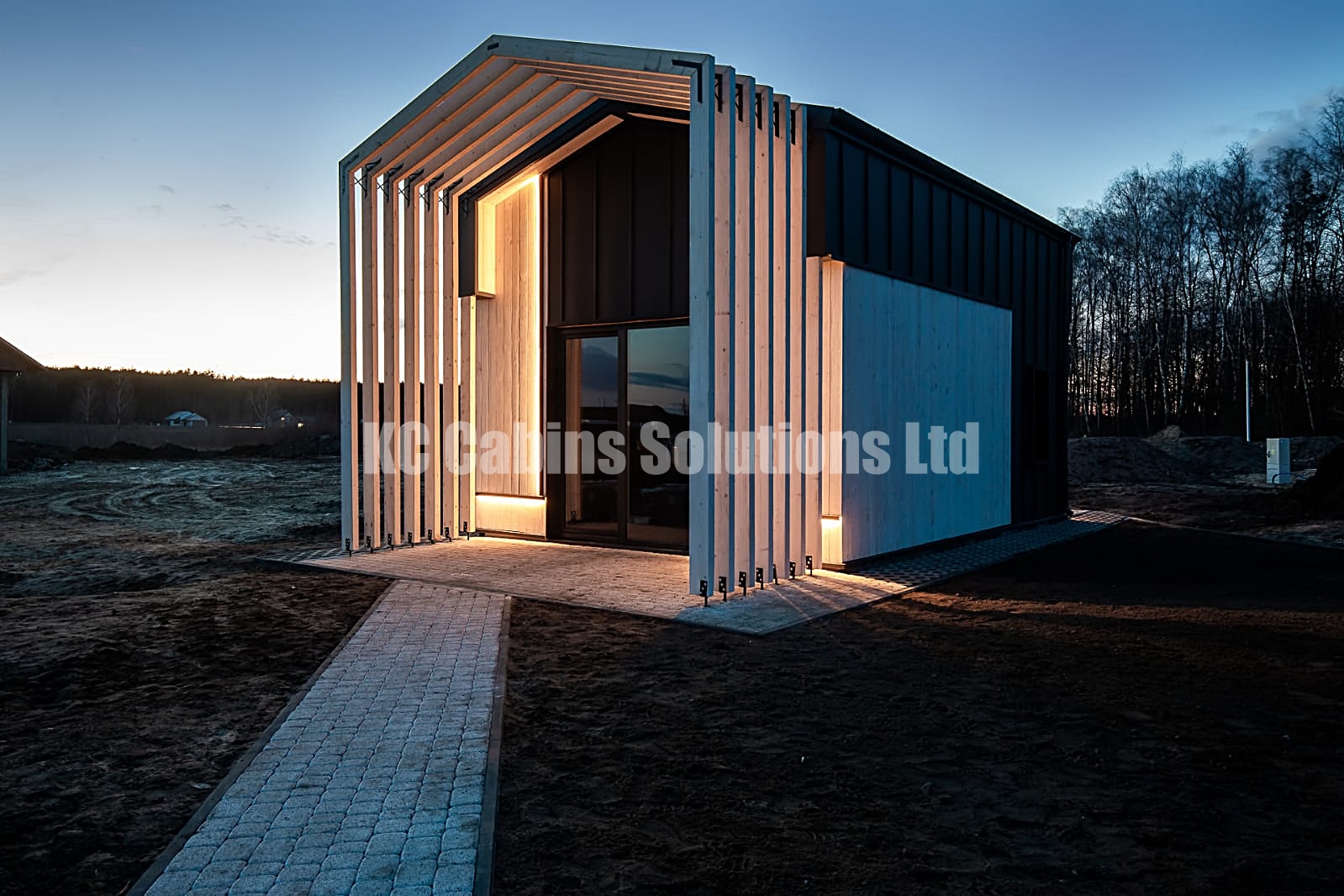
Clinic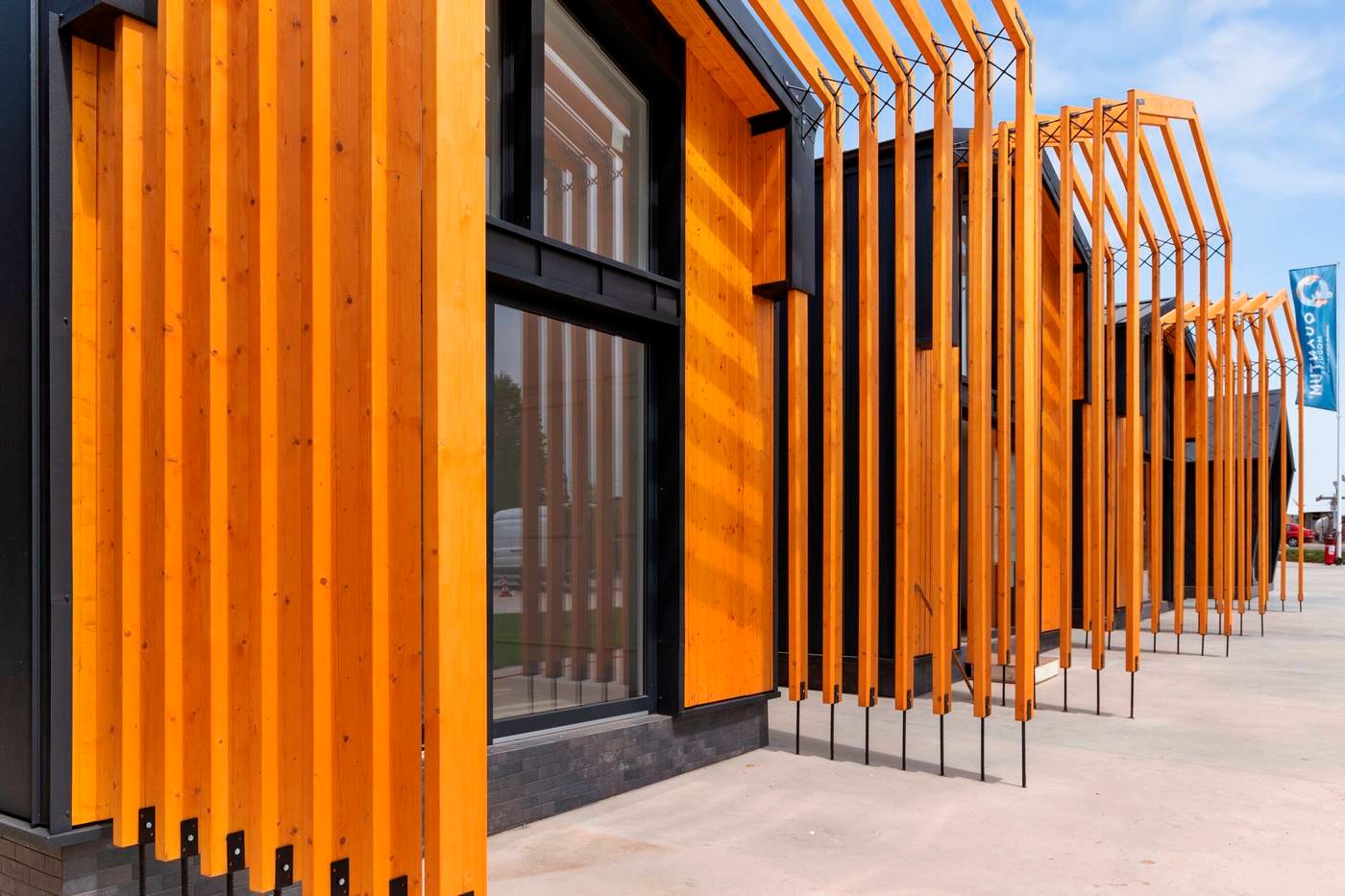
Showroom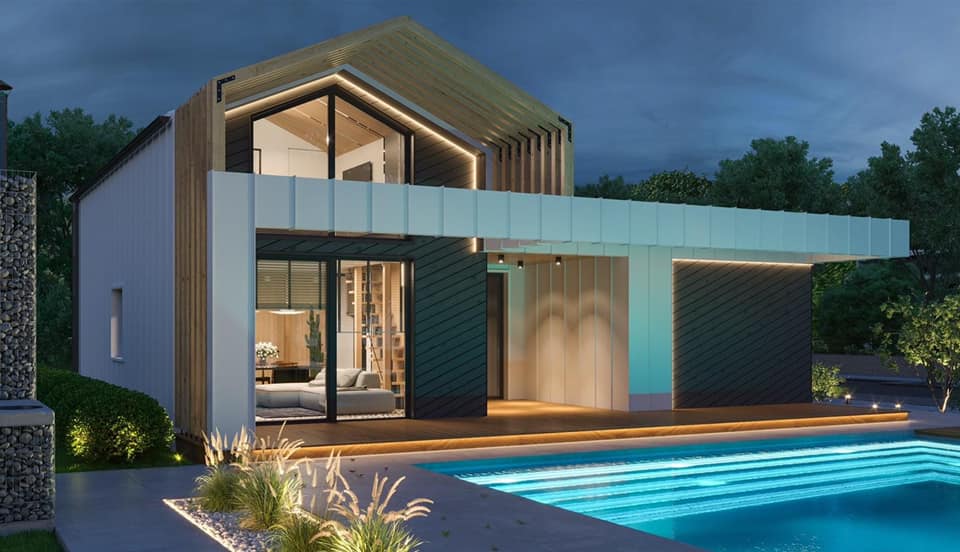
| Visual strategy | Why it matters on panelised projects | Best fit | Watch-outs |
|---|---|---|---|
| Flexible premium envelope | Panelised modular systems can support more adaptable façade strategies than full module logic | Commercial and public-facing schemes | Needs strong detailing discipline |
| Site-specific frontage | Useful where the building must respond to local site conditions or customer perception | Showrooms, offices, clinics | Do not lose off-site discipline |
| Adaptable education façade | Supports repeated internal logic with more external freedom | Schools and colleges | Needs clean junction coordination |
| Controlled healthcare envelope | Supports practical assembly with strong final presentation | Clinics and support buildings | Requires careful services and finish integration |
Delivery process
How panelised modular systems should be sequenced
Before panelised modular systems are fixed, project teams should be clear on responsibilities, sequencing, site access and duty-holder roles. For current UK pre-construction responsibilities, review the HSE CDM guidance alongside project-specific technical advice.
Brief suitability check
Confirm whether panelised modular systems genuinely suit the site, access conditions and design priorities.
Panel strategy
Define how wall, floor and roof elements will be manufactured, transported and assembled.
Interface coordination
Resolve junctions, services integration, openings and envelope sequencing before production advances too far.
Factory production
Manufacture the elements under more controlled off-site conditions before delivery to site.
Delivery and assembly
Assemble the panels on site in the correct sequence so the project retains its speed and quality advantages.
Handover and close-out
Complete inspections, commissioning, snagging and finishing with the final envelope and internal fit aligned properly.
Panelised modular systems only outperform simpler routes when panel sequencing, site assembly and interface planning are handled properly.
Customisation
Panelised modular systems let the project keep more flexibility without abandoning off-site logic
Envelope freedom
Panelised modular systems can support more varied external strategies than highly rigid module-led routes.
FlexibleSite-specific
Layout adaptability
The project can preserve more freedom in openings, internal arrangement and façade composition while staying off-site led.
AdaptiveBalanced
Programme logic
Panelised modular systems still reduce site work compared with traditional building while retaining more site assembly flexibility.
Off-siteAssembly-led
Openings and glazing
Strong where design intent depends on more freedom around openings than a fixed module geometry might allow.
GlazingFacade
Sector-specific fit-out
Education, offices, clinics and other spaces can use the same panel-led logic while still being finished for their real end use.
EducationHealthcare
Envelope performance route
Panelised modular systems can align insulation, airtightness and external strategy around project-specific performance goals.
Energy-ledComfort-led
Configuration guide
Panelised modular systems size logic should follow transport, access and assembly efficiency
Compact projects
Simple panel-led buildings
Best where the project wants off-site manufacturing and site-friendly delivery without complex full module transport.
SimpleEfficient
Most common decision zone
Mid-scale flexible off-site schemes
Strong where the project needs more adaptability than full room modules but still wants a serious off-site route.
BalancedPanel-led
Larger schemes
Linked panelised projects
Useful where the building becomes larger and more site-specific, but still benefits from off-site element manufacture.
Linked layoutsSite-specific
| Configuration question | Why it matters | Panelised implication |
|---|---|---|
| Does full module transport feel restrictive? | Transport often decides whether volumetric stays efficient | Panelised modular systems may strengthen |
| Does the façade need more flexibility? | Envelope freedom affects commercial and architectural fit | Panelised modular systems often strengthen |
| Can the site handle assembly well? | Panel-led routes still rely on effective site sequencing | Assembly planning stays critical |
| Would a simpler route already solve the project? | Not every project needs the same level of off-site balance | Use the simplest strong-fit method |
Interior posture
Panelised modular systems are strongest when finish quality and assembly logic stay aligned
Level 1Practical
Operational finish
Best where the building is practical, robust and use-led, with limited need for premium internal presentation.
Most commonBalanced
Professional sector finish
A strong route for schools, offices, clinics and support spaces where quality and practicality need to coexist.
Higher valuePremium
Premium customer-facing finish
Best where the building must feel more refined, customer-ready or visually stronger without abandoning a panel-led route.
| Finish posture | Best for | Why it suits panelised modular systems |
|---|---|---|
| Operational | Support spaces and practical buildings | Keeps specification aligned with function |
| Professional balanced finish | Offices, classrooms, clinics | Matches practical use with stronger final presentation |
| Premium customer-facing finish | Showrooms, public-facing spaces | Supports a stronger visual result while preserving panel-led flexibility |
Sector fit
Where panelised modular systems are usually strongest
Commercial offices
Strong where off-site value and façade flexibility both matter.
Education
Useful where repeated internal logic exists but the scheme still benefits from adaptable delivery and envelope strategy.
Healthcare and clinics
Good where controlled internal planning and balanced off-site assembly are needed.
Showrooms and customer-facing spaces
Useful when the façade and first impression matter more than a rigid full-module route.
Public sector
Strong where quality, control and project-specific design response need balance.
Sports and leisure
Works where club, support and public-facing zones benefit from a more adaptable off-site route.
Site-constrained projects
A clear fit where transport or access complicates full room-sized module delivery.
Balanced off-site briefs
The clearest fit where the project wants off-site gains but not the full constraints of volumetric delivery.
Visual proof
Reference visuals for balanced off-site panel-led delivery
Featured reference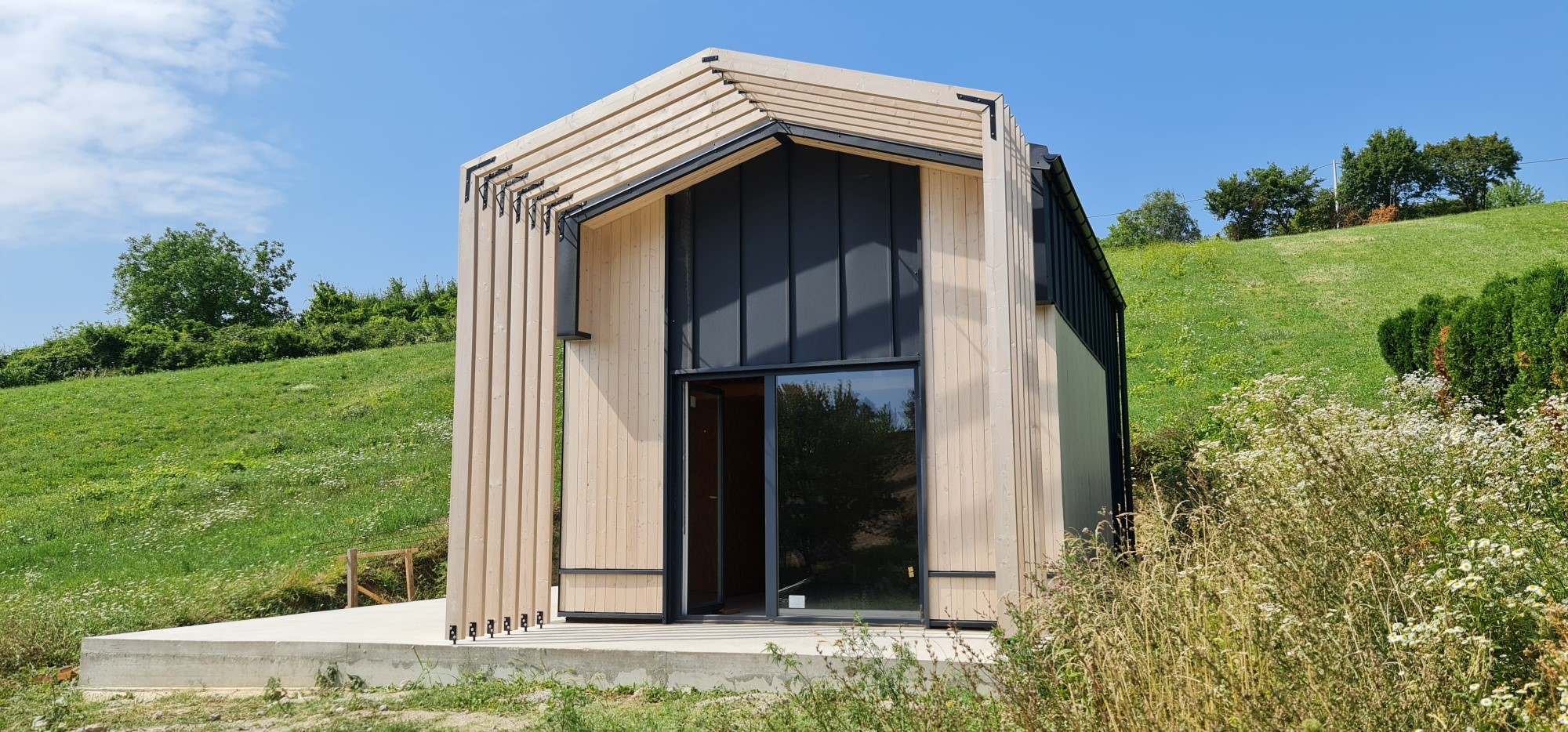
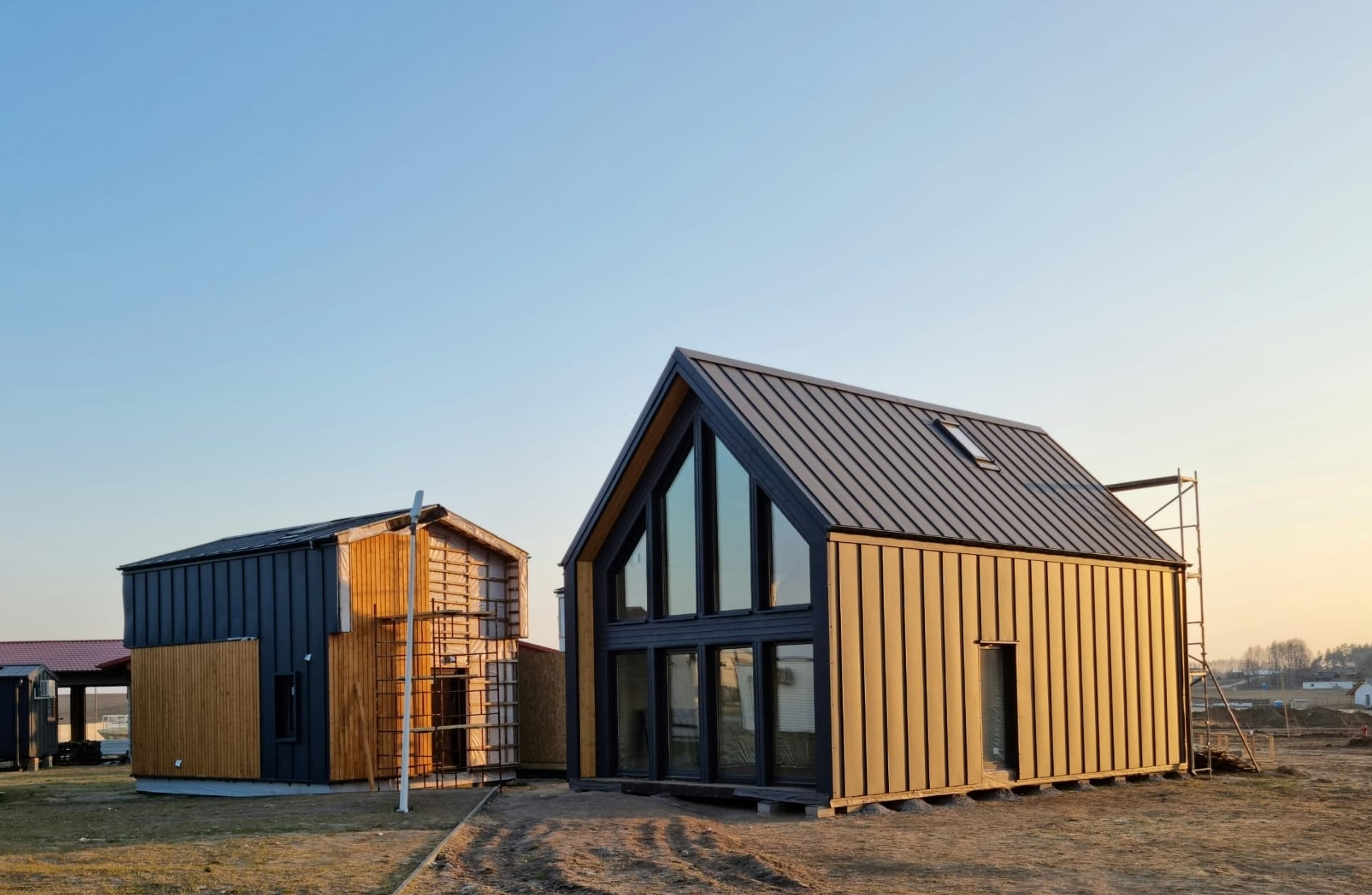
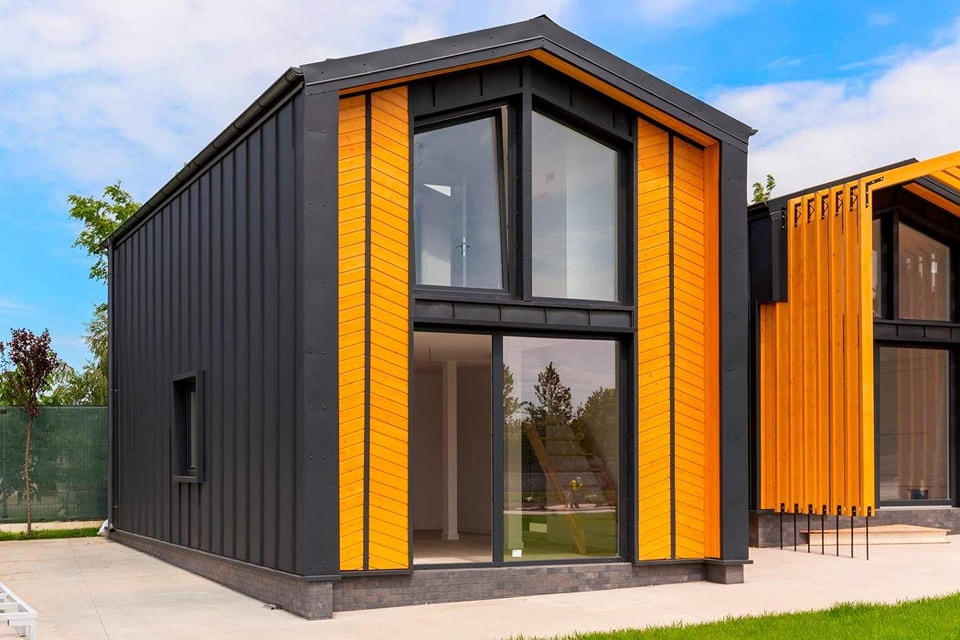
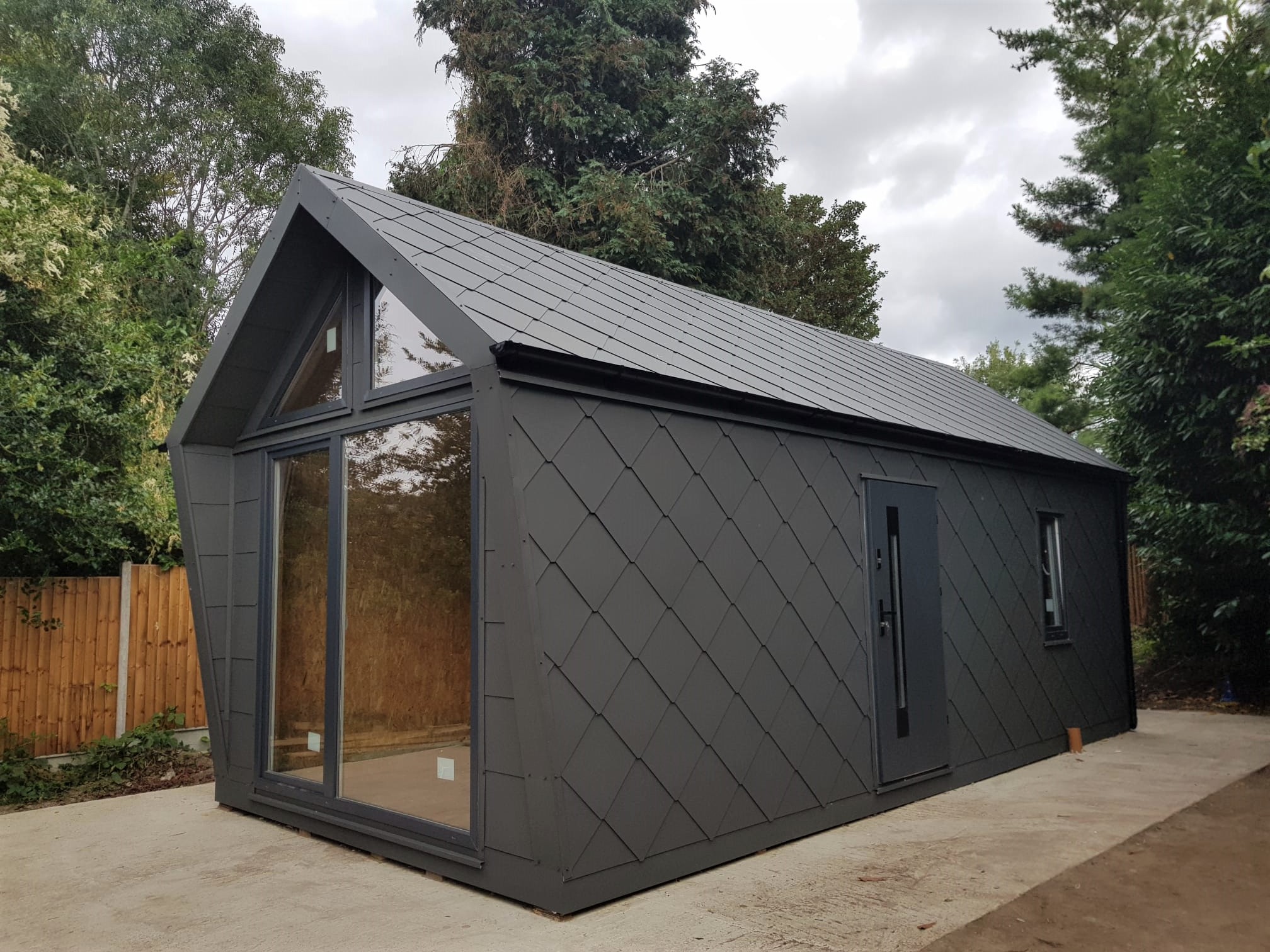
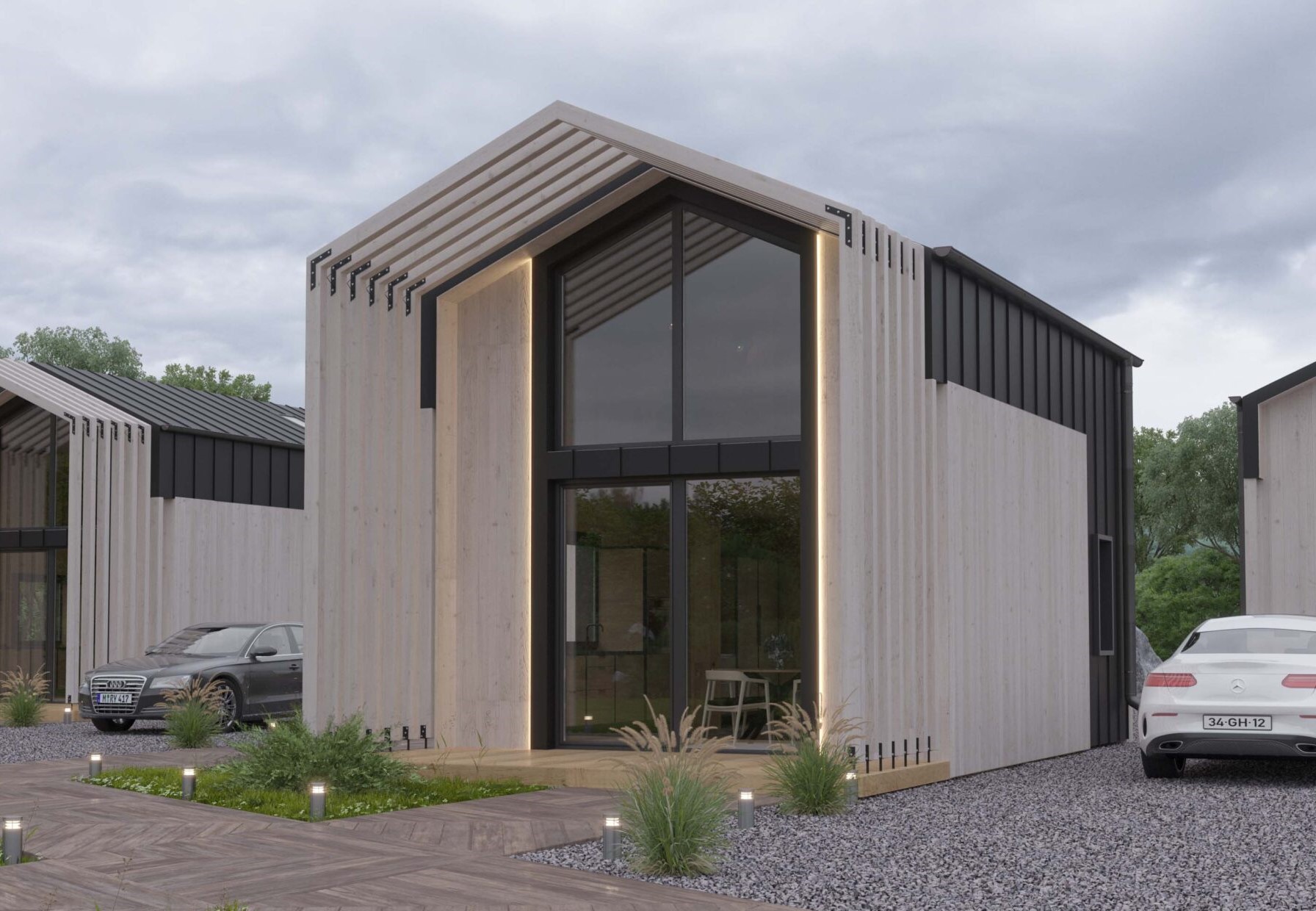
BalancedOff-site route
MoreEnvelope flexibility
LessTransport burden than full modules
StrongSite adaptability
Compliance planning
How compliance should be talked about on panelised modular systems projects
Panelised modular systems should be described with scoped, project-specific compliance language. The right question is not whether panel-led delivery is automatically compliant. The right question is how the exact project scope, use, jurisdiction, and assembly interfaces are being resolved. For current UK reference material, review the UK Building Regulations guidance and use the Planning Portal guidance when checking planning and consent context.
✓ Jurisdiction first
England, Wales, Scotland, and Northern Ireland do not share one identical route.
✓ Interface discipline
Panelised modular systems need clear assembly and junction logic because on-site sequencing still matters strongly.
✓ Envelope strategy early
Fire, access, energy and envelope logic should be resolved before panel production locks in critical details.
✓ No floating claims
Do not imply that panel-led delivery alone solves compliance. The real project route still needs proper evidence.
KC should always scope panelised modular systems claims by use case, jurisdiction, envelope design and agreed responsibilities rather than imply a universal technical answer.
Commercial framing
What usually affects panelised modular systems pricing most
Pricing should be assessed against the real balance the project is solving. Panelised modular systems are not just cheaper volumetric or faster traditional build. They sit in their own commercial space and should be priced against the value of transport flexibility, façade freedom, off-site control and site assembly efficiency.
| Pricing driver | Why it matters on panelised schemes | Commercial effect |
|---|---|---|
| Envelope strategy | Panelised modular systems often support more adaptable façade decisions | Can raise or lower final cost profile |
| Transport and access conditions | Panelised modular systems often win where full modules become inefficient to move | Can strengthen value case |
| Site assembly complexity | Panelised modular systems still rely on efficient on-site sequencing | Can affect programme and labour profile |
| Project repetition level | If repetition is extreme, volumetric may become stronger commercially | Can shift the preferred route |
| Whether one simpler route would work | Panelised modular systems only make sense if they solve real project friction | Wrong-fit use can waste value |
Do not price panelised as a half-step
The right commercial test is whether panelised modular systems solve the project better than both full volumetric and conventional site build.
Transport flexibility has value
If logistics are cleaner, panelised modular systems can outperform a more restrictive route.
Assembly planning still matters
Panel-led delivery is not friction-free. Site sequence and interface planning still affect commercial results.
Early review protects fit
A system review before quoting reduces the risk of pricing the wrong route too early.
Scenario logic
A typical real-world case where panelised modular systems outperform a full-module route
Imagine a project with a site that can accept panel deliveries comfortably but would struggle with full room-sized modules, while the design also needs more freedom in openings and façade composition. A purely volumetric solution may lose efficiency because transport, access or envelope constraints become too restrictive. Panelised modular systems let the project keep meaningful off-site value without forcing the whole building into a module geometry that no longer fits cleanly.
Wrong full-module risk
A more rigid route may solve repetition well but weaken access, façade or site assembly logic.
Panelised advantage
Panelised modular systems keep the off-site logic while giving the project more practical freedom where it needs it most.
Buyer takeaway
If full room modules feel too restrictive but traditional build feels too site-heavy, panelised modular systems deserve serious consideration.
Commercial route
Panelised modular systems are usually chosen when the project needs a balanced off-site route rather than the most rigid one
Early-stage projects are still welcome. If the brief is not fully fixed, KC can review the route before you commit to panel-led delivery, which reduces the risk of selecting the wrong system too early.
Simple high-repetition use
Consider volumetric first
If the project is highly repetitive and full room modules already solve it well, panelised modular systems may not be the strongest answer.
Most common
Buy when the project needs balance
Panelised modular systems make most sense when the project needs off-site benefits without accepting the full constraints of room-sized modular delivery.
Unsure?
Run a system comparison first
If you are unsure whether the project needs panel-led delivery, compare routes before locking in a system too early.
Decision help
Frequently asked questions about panelised modular systems
These answers are here to reduce avoidable misfit, not to push panelised modular systems where a different route would be stronger.
1
What are panelised modular systems?
Panelised modular systems use factory-made wall, floor and roof elements that are transported to site and assembled into the building rather than delivered as complete room-sized modules.
2
When are panelised modular systems better than volumetric modular?
Panelised modular systems are often stronger when transport size limits, access, design flexibility or façade freedom make full volumetric delivery less efficient.
3
Do panelised modular systems reduce site work?
Yes, but usually not as much as full volumetric systems. Panelised modular systems still move significant work off site while preserving more flexibility in transport and assembly.
4
Are panelised modular systems a good fit for UK projects?
Yes. Panelised modular systems can work well on UK projects where off-site efficiency, façade flexibility, transport practicality and site access all matter at the same time.
5
Can panelised modular systems still look premium?
Yes. The finished appearance depends on envelope design, detailing, fit-out and façade strategy rather than on the panel-led delivery route alone.
6
Should I choose panelised modular systems by default?
No. Panelised modular systems are strongest when the project needs a balance between off-site efficiency and design flexibility. If repetition is extreme, volumetric may be stronger. If mixed priorities conflict heavily, hybrid may be stronger.
Decision rules
Simple rules to decide whether panelised modular systems really fit
If full volumetric solves it cleanly, panelised weakens
Panelised modular systems should not be used just because they look like the middle ground.
If transport is restrictive, panelised strengthens
The more full room modules stress access and transport, the stronger the panel-led case becomes.
If façade flexibility matters, panelised strengthens
Panelised modular systems are often strong where envelope freedom has real architectural or commercial value.
If site assembly is poorly managed, panelised weakens
Poor sequencing can destroy the value of the panel-led route.
If the project needs balance, panelised strengthens
Panelised modular systems are often strong when the brief sits between conventional build and full volumetric modular.
Need help? Route onward
If the brief still feels uncertain, compare routes before choosing a panel-led delivery strategy by default.
Routing hub
Go to the right next page, not just the next click
If panelised modular systems are not clearly the best fit yet, move to the most relevant sibling or downstream page rather than forcing a decision too early.
Volumetric modular systems
Use when repeated modules and full factory completion solve the project cleanly.
Hybrid modular systems
Use when one method alone still creates too much compromise across multiple zones.
Modular steel frame system
Use when the building is really steel-led rather than panel-led.
Modular offices
Move to the solution page if the office use case is already fixed.
Modular classrooms
Strong downstream route when the education use case is already clear.
Request a quote
Best route if the project is live and system qualification is needed now.
Need the right system, not just the safest-sounding middle route?
Let KC review whether panelised modular systems are actually the right route for your project
Send your use case, target programme, site constraints, and where the project needs more flexibility than a full-module route allows. We will help qualify whether panelised modular systems improve the result or whether a different system is stronger.
Early-stage enquiries are fine. You do not need a fully locked design before asking KC to review the route.
System selection helpTechnical-first responseUK project supportPremium not generic
Final step
Ready to discuss a panelised modular systems project?
Share the building use, access conditions, façade priorities, site location, and where the brief still feels uncertain. That helps KC guide the right system route and commercial response more accurately.
Call KC
Speak directly with the team about system suitability, access issues, and project posture.
01782 561 110Email the brief
Send plans, dimensions, site notes or access constraints for a more accurate review.
[email protected]Request a quote
Use the quote form when the scheme is live and needs technical routing plus commercial response.
Start Quote Request1Primary page job: system qualification
4+Key fit scenarios
2Best next actions: compare or quote
UKNation-aware delivery thinking
Technical clarityRouting-aware architecturePremium KC visual systemNo placeholder build