
Public Sector Projects UK
Public sector projects UK require reliable delivery and clear planning. Therefore this page shows how modular buildings support offices, operational space and public-use facilities.
Why public sector teams choose modular buildings
Public sector teams often work to fixed deadlines. However they must also keep services running. As a result, modular construction improves control and reduces disruption.
Modular buildings reduce time on site. In addition, they provide predictable delivery. Therefore they support both short-term needs and long-term use.
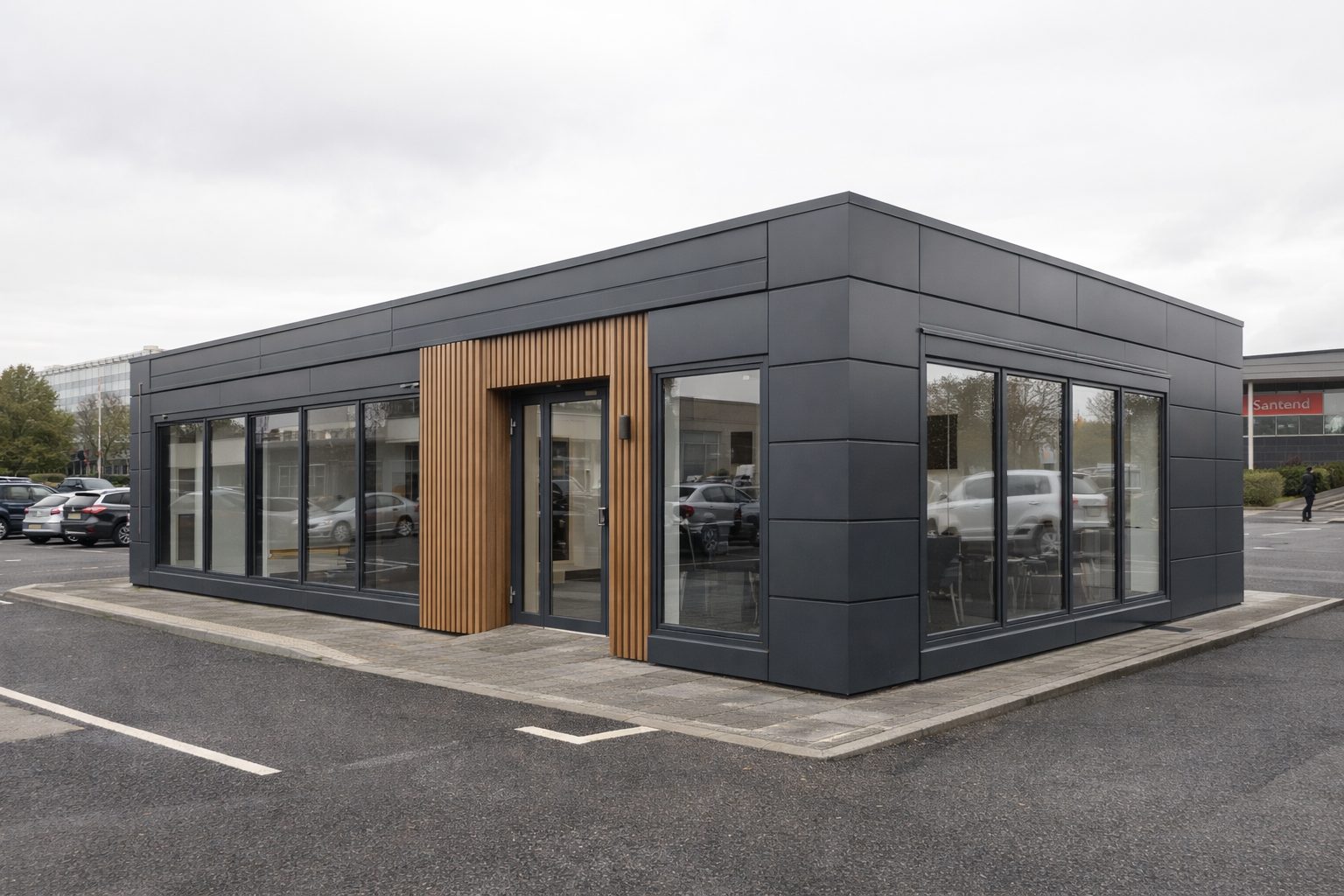
Description: Permanent modular office building used for administrative and public sector functions.
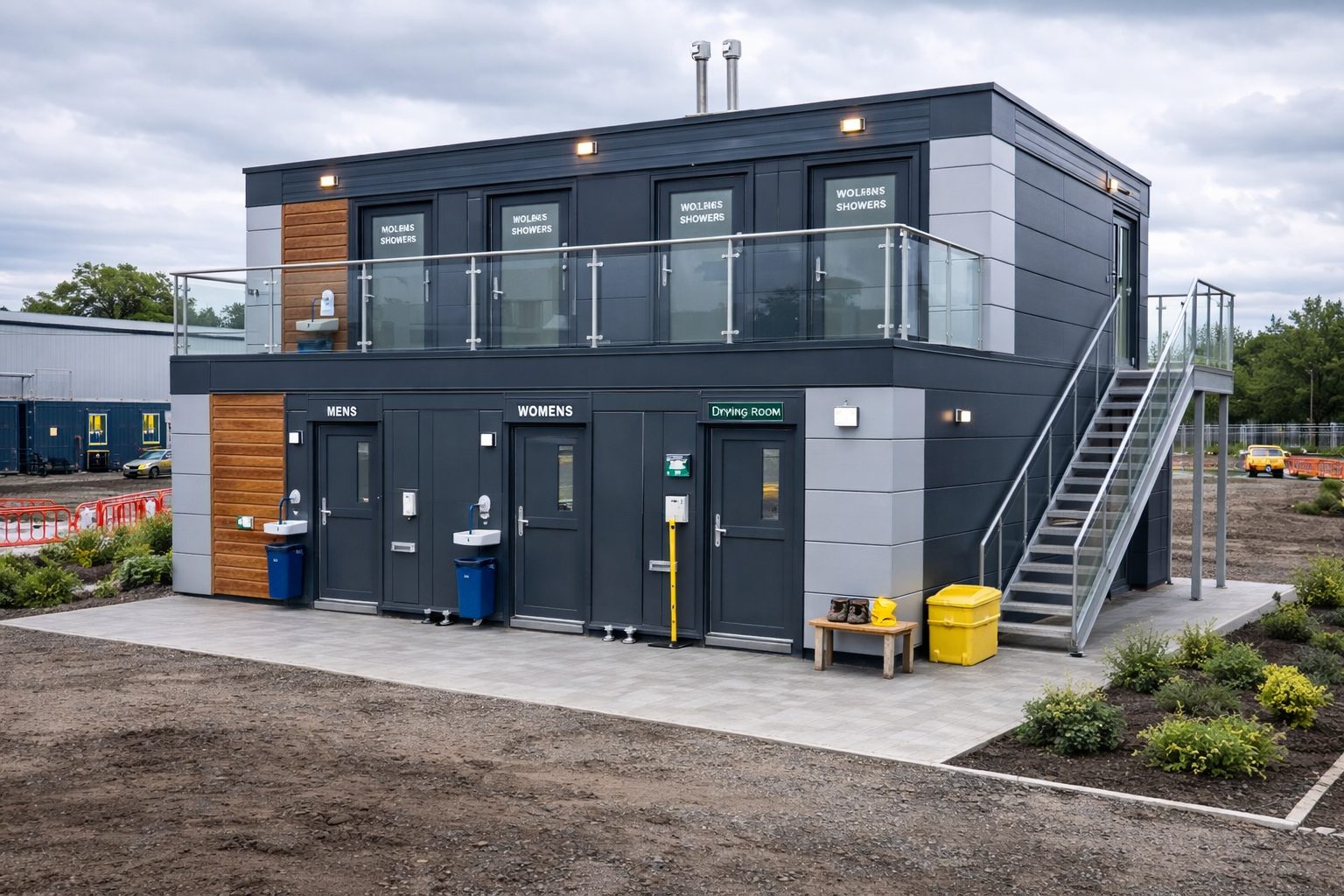
Description: Modular welfare building designed for operational and public sector support environments.
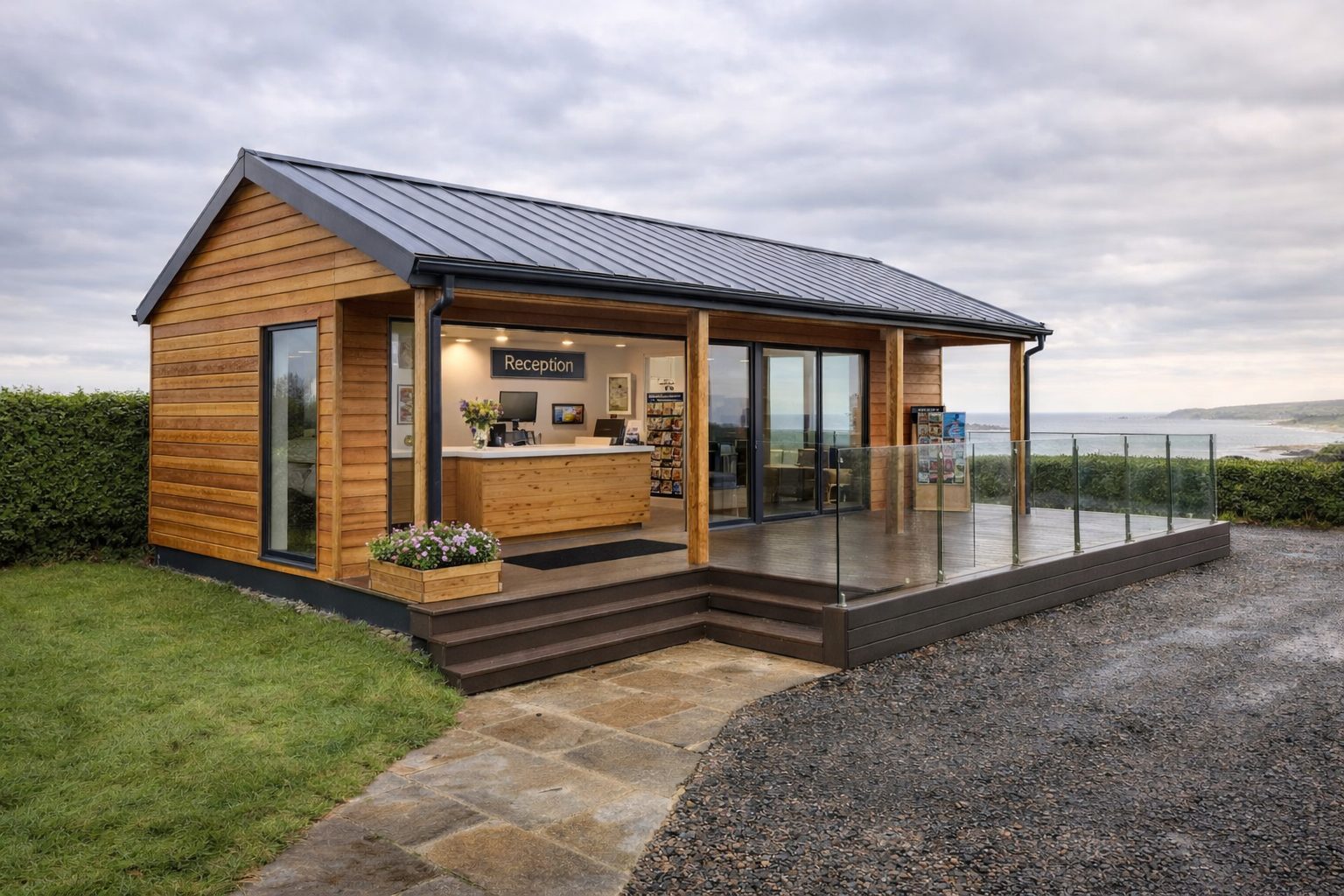
Description: Modular reception building used for public-facing environments and visitor management.
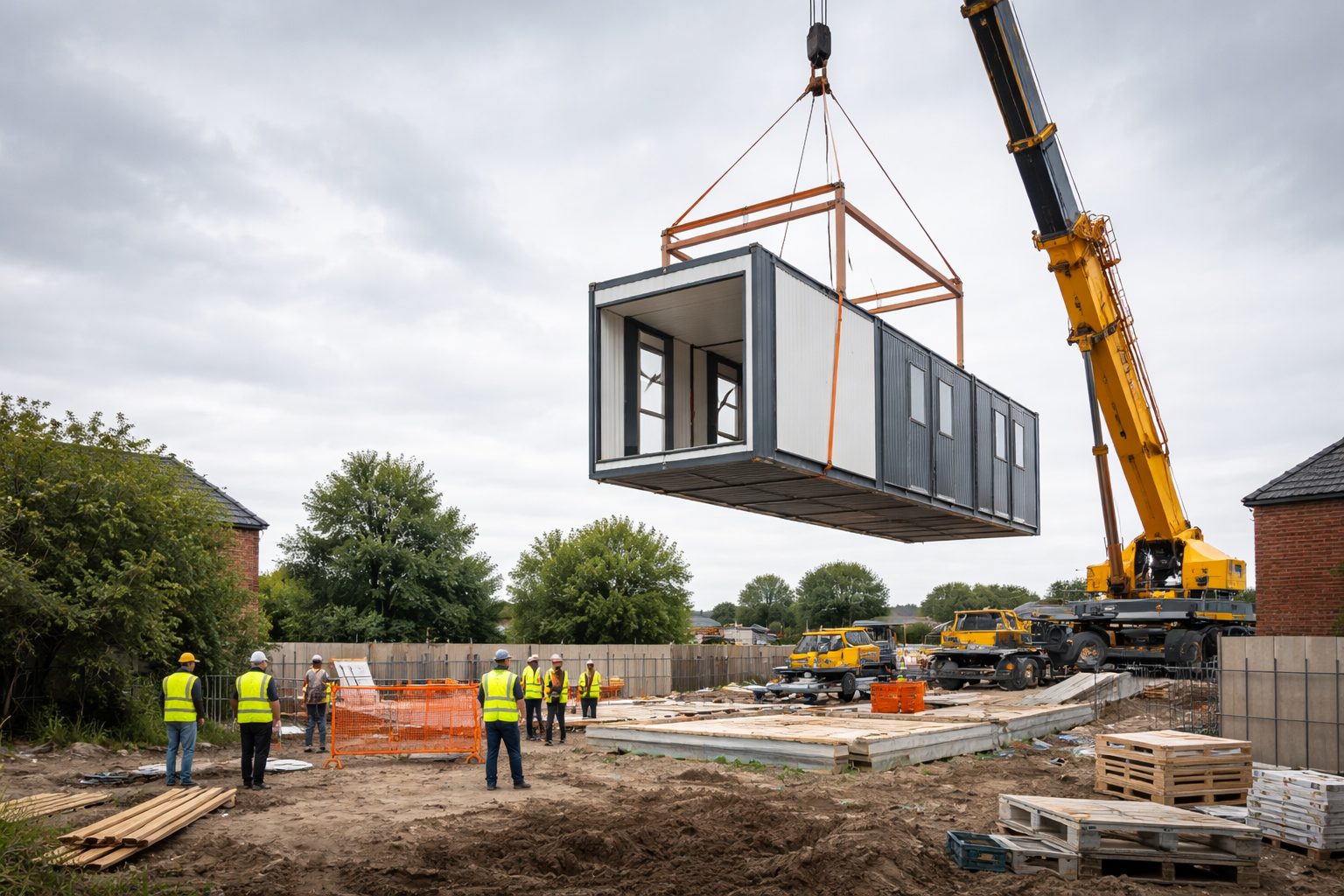
Description: Modular building delivery showing rapid installation and reduced disruption.
When public sector teams need space without stopping services
Public sector projects often start when teams need extra space quickly. However services, staff access and site activity must continue.
Why traditional building routes can add pressure
Traditional construction usually keeps more work on site. As a result, access, noise and programme control can become harder to manage.
This creates risk for estates teams and service managers. Therefore many public sector buyers look for a more controlled delivery route.
How modular construction helps
Modular construction moves much of the build process off site. Then teams install the building in a shorter, planned window.
- Reduce disruption on live public-use sites
- Improve delivery speed and programme certainty
- Support offices, welfare space and operational buildings
- Help manage temporary or phased accommodation needs
- Keep essential services running during delivery
Therefore public sector teams can plan new space with more confidence.
Description: Modular building installation showing a controlled delivery route for public sector, council and operational building projects in the UK.
What strong public sector projects usually require
Public sector projects need clear delivery, durable buildings and low disruption. Therefore the best modular route should support daily operations from the start.
Fixed deadlines matter. As a result, a controlled modular process helps teams plan with more confidence.
Public sites often stay active. Therefore shorter installation periods help protect services and access.
Teams need buildings that work every day. Therefore layouts should support staff, visitors and service flow.
Needs can change during planning. As a result, modular systems can support phased or temporary requirements.
Public-use buildings face regular demand. Therefore materials and specification must support repeated use.
Buyers need clear information. As a result, early scope, site and specification details improve decisions.
Choosing the right system for public sector projects
Public sector projects do not all follow the same route. Therefore the system should match programme, site conditions and long-term use.
ISO Frame (Volumetric)
ISO frame systems suit projects where speed and control matter most. As a result, teams can deliver buildings faster.
- Best use: offices and operational space
- Strength: predictable delivery
- Typical route: permanent buildings
Description: Volumetric modular office building used for public sector administrative and operational use.
Bespoke Modular Buildings
Bespoke systems suit projects that require a tailored layout. Therefore they support specific operational needs.
- Best use: welfare and public-use buildings
- Strength: design flexibility
- Typical route: permanent or semi-permanent
Description: Bespoke modular welfare building designed for public sector operational environments.
Rapid Delivery & Installation
Some projects focus on installation speed. As a result, modular delivery reduces time on site.
- Best use: urgent or phased projects
- Strength: low disruption
- Typical route: operational sites
Description: Modular building delivery and installation showing a controlled approach on active public sector sites.
Typical public sector project requirements
Public sector projects need clarity from the start. Therefore teams define building use, delivery route and site conditions early.
What is usually defined first
As a result, teams can plan the project with more control and fewer delays.
Description: Permanent modular office building designed for administrative and public sector use in the UK.
From enquiry to completed public sector building
Public sector projects require clear planning. Therefore teams follow a structured process to reduce risk and improve delivery.
Typical delivery stages
Each project starts with scope definition. Then teams select the right system and plan installation. As a result, delivery becomes more predictable.
Confirm building use, size and site conditions. Therefore the project starts with clear objectives.
Choose volumetric or bespoke modular. As a result, the system aligns with programme and site needs.
Define internal use, access and workflow. Meanwhile teams align layout with operational needs.
Review logistics, access and live site activity. Therefore disruption remains controlled.
Build modules in a factory environment. As a result, quality improves and timelines stay consistent.
Install the building on site and complete final works. Therefore the facility becomes operational quickly.
Public sector project examples and use cases
Project examples help teams compare real modular routes. Therefore these examples focus on offices, welfare space and public-facing buildings.
Three common public sector project routes
Some teams need permanent offices. Others need welfare or visitor-facing space. As a result, each project route should match the site and service need.
Permanent administrative buildings
Permanent modular offices can support estates teams, councils and operational services. Therefore they suit long-term public sector use.
Description: Permanent modular office building suitable for administrative and public sector operational use in the UK.
Welfare and operational support
Welfare buildings help teams support staff and site operations. As a result, they work well for live public-use environments.
Description: Modular welfare building designed for operational support, staff facilities and public sector site use.
Reception and public-facing spaces
Public-facing buildings support visitors, staff and daily service flow. Therefore modular reception spaces can improve front-of-house use.
Description: Modular reception building suitable for public-facing use, visitor management and operational service environments.
Public sector projects UK can include offices, welfare buildings and service spaces. Therefore the best route depends on site access, timescale and long-term use.
Modular vs traditional delivery for public sector projects
Public sector teams often compare delivery routes before starting a project. Therefore this section focuses on programme control, disruption and long-term use.
Key differences that affect public sector delivery
Each route offers benefits. However public sector projects depend on reliability and service continuity. As a result, the delivery method has a direct impact on outcomes.
| Decision factor | Modular public sector projects | Traditional construction |
|---|---|---|
| Programme control | Factory production improves control. As a result, teams can plan delivery with greater certainty. | Programme depends on site conditions. Therefore timelines can change more often. |
| Site disruption | Less time is spent on site. As a result, disruption to services and access is reduced. | Longer site activity increases disruption. Therefore operations may be affected. |
| Delivery speed | Modules are built off site. Therefore installation happens faster. | Most work takes place on site. As a result, projects take longer to complete. |
| Quality control | Controlled environments improve consistency. Therefore build quality is easier to manage. | Quality depends on site conditions. As a result, outcomes can vary. |
| Best use | Offices, welfare buildings and operational spaces that require fast delivery. | Projects where time and disruption are less critical. |
Common public sector project types and applications
Public sector projects vary by use, location and operational need. Therefore modular buildings support several building types rather than a single fixed solution.
How public sector teams define project scope
Some projects focus on administration. Others support operational or public-facing use. As a result, defining the application early helps select the correct delivery route.
Administrative offices
Offices support staff and services. Therefore modular buildings provide a fast route to operational workspace.
Welfare and staff facilities
Welfare buildings support teams on site. As a result, they improve working conditions and operational efficiency.
Public-facing buildings
Reception and service areas support visitors. Therefore buildings must work well for both staff and public use.
Temporary accommodation
Some projects need short-term space. As a result, modular buildings support phased or transitional use.
Operational support buildings
Facilities can support storage, logistics or services. Therefore layout and access remain important.
Expansion and upgrades
Existing sites often grow over time. Therefore modular solutions provide a flexible way to expand capacity.
Public sector projects UK often combine several of these uses. Therefore the best results come from aligning the building type with the correct modular system.
UK coverage for public sector projects
Location affects access, logistics and delivery planning. Therefore including the site postcode and building use in your enquiry helps define the most suitable project route. However early-stage guidance is still available if details are not final.
Quality and delivery confidence for public sector projects
Public sector buildings must perform reliably over time. Therefore teams need clear proof of build quality and delivery standards before committing to a project.
Why quality matters in public sector delivery
Buildings must support staff, services and visitors every day. As a result, quality, durability and consistency are essential from the start.
Built for long-term public sector use
This example shows a finished modular building designed for daily use. Therefore teams can assess layout, finish and overall quality before starting a project.
Description: Permanent modular office building showing high-quality finish for administrative and public sector environments.
Controlled production process
Buildings are manufactured off site. As a result, quality remains consistent across each project.
Reliable delivery approach
Each stage follows a planned process. Therefore teams can manage timelines with more confidence.
What this means for public sector teams
Strong quality and clear delivery reduce risk. As a result, teams can plan projects with greater certainty and fewer delays.
Public sector projects UK — frequently asked questions
Public sector projects involve planning, delivery and long-term use. Therefore these answers cover the most common questions before a project begins.
Planning and approvals
Delivery and installation
Design and use
Tip: include building use, site location and timeframe in your enquiry to improve project recommendations.
Start your public sector project with a clearer route
Public sector projects need practical buildings, clear planning and reliable delivery. Therefore the first step is to define the site, building use and required timescale.
Whether you need offices, welfare space, reception areas or operational buildings, modular construction can support a faster route. As a result, teams can reduce disruption and plan with more confidence.
Typical quote response within 48h (Mon–Fri)
Description: Modular building installation showing a controlled delivery route for public sector, council and operational building projects in the UK.
