
Hybrid Modular Systems
KC Modular Buildings delivers hybrid modular systems that combine LARK (C24 timber), NOVO (bespoke steel) and MS (ISO frame) elements within a single project. Specifically, the KC engineering team selects the correct system combination at the design stage — matching structure, layout, logistics and programme to each zone of the building.
Furthermore, hybrid configurations deliver the structural and thermal performance of each system exactly where the brief requires it — without forcing the entire project into a single construction route.
KC Modular Buildings Delivers Hybrid Configurations for Residential and Accommodation Projects
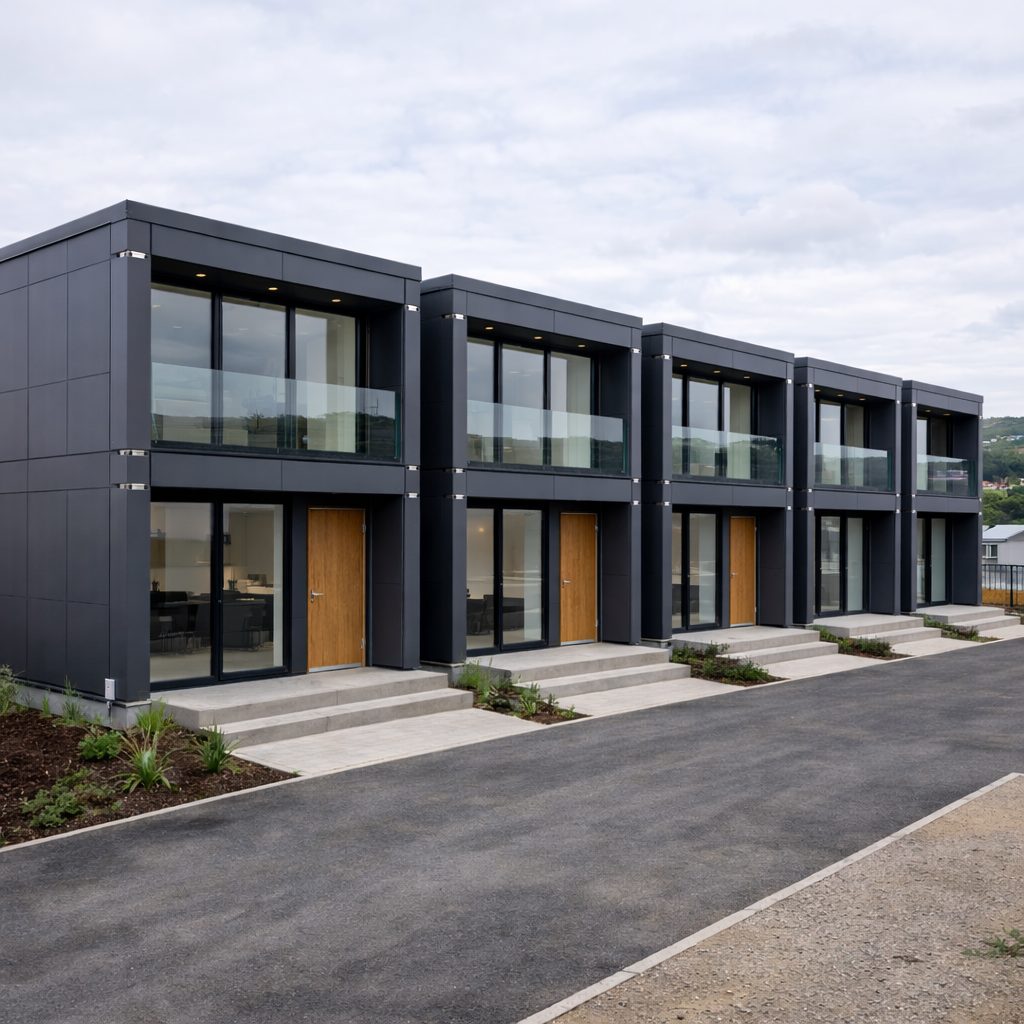
KC Modular Buildings combines LARK timber and NOVO steel elements within residential projects where different zones require different structural logic. Specifically, hybrid residential builds suit mixed-height, mixed-use and phased accommodation programmes where a single system route limits layout or programme flexibility.
KC Modular Buildings Delivers Hybrid Builds for Mixed-Use and Multi-Zone Projects
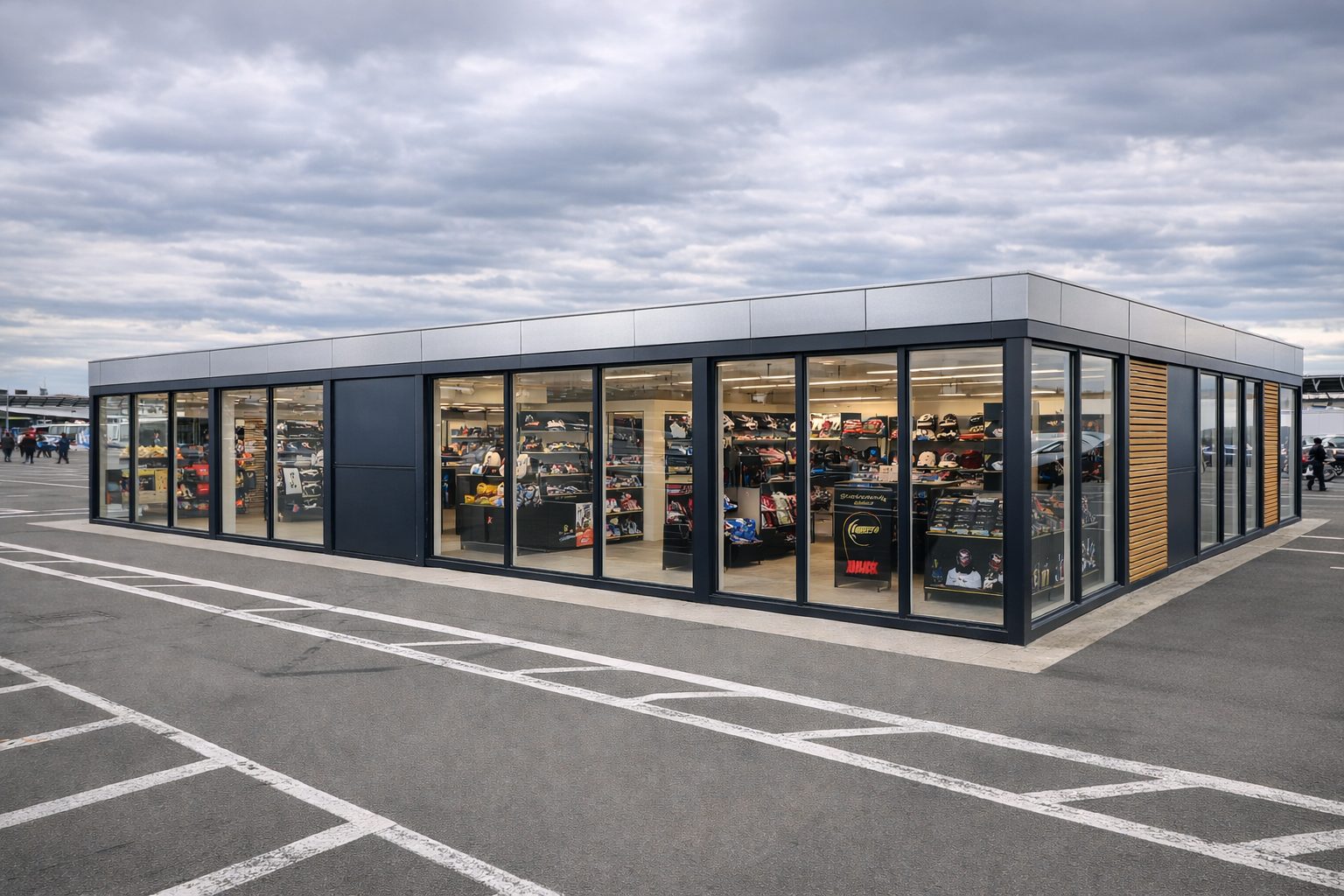
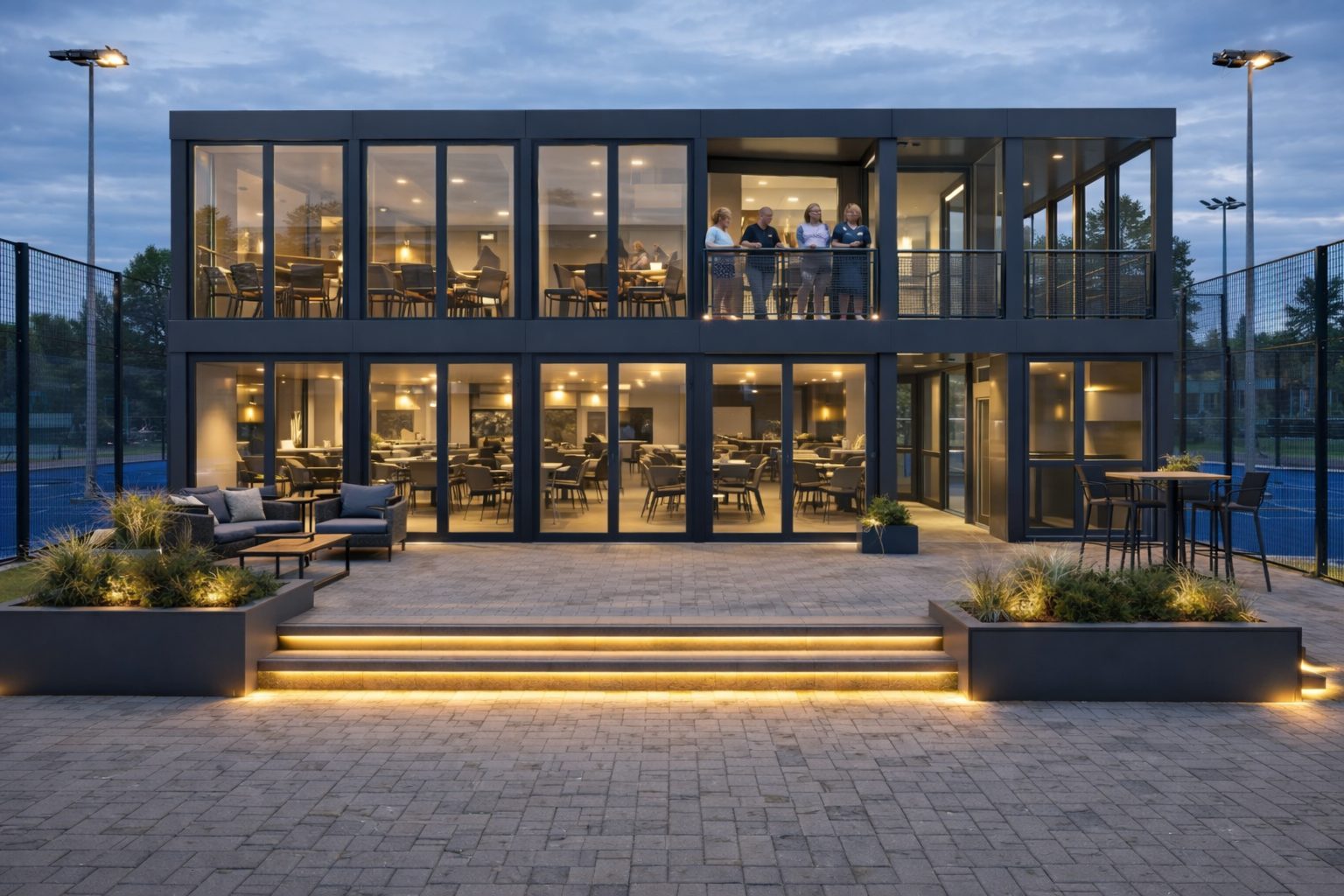
KC Modular Buildings combines different system elements within projects that require different spans, envelope strategies and functional zones under one roof. Consequently, hybrid configurations suit sports facilities, commercial mixed-use, education campuses and community projects where each zone has distinct structural and performance requirements.
What Hybrid Modular Systems Mean for Your Project
Hybrid modular systems use a deliberate combination of offsite construction methods within one project. Specifically, KC Modular Buildings combines LARK C24 timber frame, NOVO bespoke steel frame and MS ISO frame elements — selecting the correct system for each zone based on structural demands, layout requirements and programme.
For example, one zone of a building requires volumetric room modules for rapid installation, while another zone requires a NOVO steel open-plan frame for larger spans or higher loads. Furthermore, a third zone delivers LARK timber low-rise accommodation where thermal performance and residential character drive the brief.
KC Modular Buildings confirms the hybrid system combination at the design stage — before production begins and before any delivery commitment. Consequently, the engineering team coordinates structural interfaces, thermal junctions, services integration and installation sequencing across all system elements as a single managed scope.
◆ Structure where it matters
KC Modular Buildings places NOVO steel, LARK timber or MS ISO frame in each zone based on structural load, span and performance requirements — not system convenience.
◆ One coordinated scope
KC Modular Buildings manages design, engineering, manufacture, delivery and installation across all system elements — as a single coordinated project scope.
◆ 90%+ factory completion
All system elements achieve 90%+ factory completion before delivery — reducing site programme, weather risk and installation complexity regardless of system mix.
For system-specific technical detail, review the NOVO modular steel frame system → and the LARK modular timber system →
Trusted hybrid modular thinking built around real project fit
Hybrid systems only work when the mix is intentional. The right answer comes from design logic, engineering, and delivery planning, not from using more systems for the sake of it.
|
🧩
System flexibilityA hybrid route allows the project to use the right system in the right zone instead of forcing one answer everywhere. |
🏭
Offsite coordinationFactory-led delivery can still be retained while allowing different structural or modular methods across the scheme. |
📐
Design-led solutionHybrid modular systems are often chosen where layout, span, use, and envelope requirements differ across the same building. |
UK project deliveryProjects can be developed nationwide, subject to scope, logistics, specification, and the final modular route selected. |
How hybrid modular systems usually work
A hybrid route depends on deciding early which parts of the building suit which system. The main challenge is not choosing two systems. It is coordinating the interfaces between them properly.
Break the building into zones
The project team identifies which parts of the building suit volumetric, steel, timber, panelised, or other offsite methods.
Resolve interfaces early
Connections between systems, tolerances, structure, envelope, and services are coordinated before manufacture starts.
Manufacture by package
Different building packages may be fabricated using different methods, while still following one coordinated programme.
Install in a planned sequence
Hybrid projects depend on sequencing. One package often sets up the next, so planning matters more than on simpler single-system schemes.
Where hybrid modular systems often fit best
Hybrid modular systems are often selected where the building contains different functional zones that do not all suit the same modular approach. A scheme may need open-plan commercial areas in one section, repeated room modules in another, and a different envelope or structural strategy elsewhere.
This can make hybrid particularly relevant for mixed-use buildings, larger commercial projects, leisure buildings, education and healthcare environments with varied room logic, and accommodation schemes where some parts of the building are highly repetitive while others are not.
- Commercial buildings with mixed room and span requirements
- Accommodation projects combining repeated rooms with shared spaces
- Leisure buildings where front-of-house and support areas differ structurally
- Education or healthcare projects with varied room types and performance needs
- Projects where one system alone would create avoidable compromise
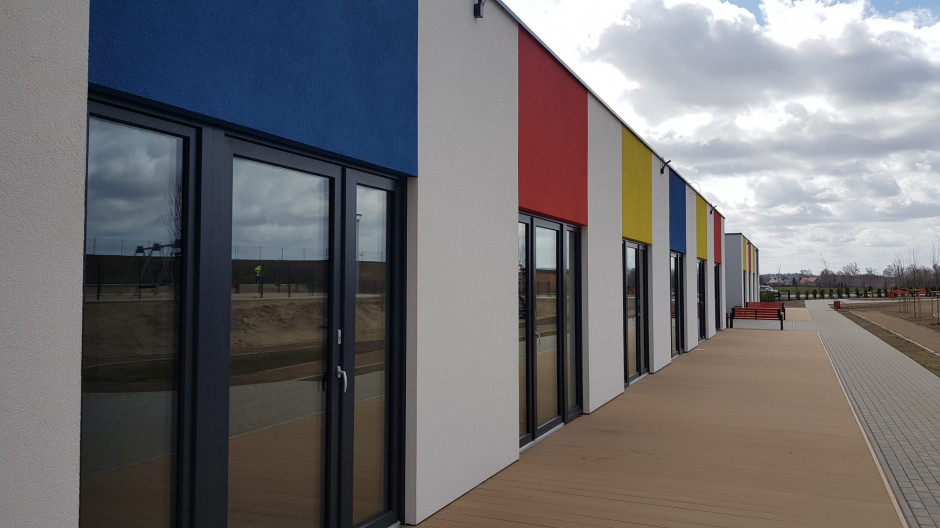
Description: Hybrid modular systems image for the education sector nursery building solution in Staffordshire, showing how mixed modular strategies can support early years buildings.
Where hybrid modular systems may be less suitable
Simple repetitive buildings
If one system already fits the project well, adding a second or third system can add unnecessary coordination and cost.
Very small schemes
On compact buildings, the added interface management of a hybrid route may outweigh the benefits of mixing systems.
Projects without strong design coordination
Hybrid routes usually need better front-end coordination than single-system projects. Without that, complexity increases quickly.
Why hybrid modular systems are chosen
Where the project is too varied for one method to solve everything well, hybrid can create a more practical overall building strategy.
Use the right system in the right place
Hybrid allows the building to follow its real needs instead of forcing every part into one structural or modular method.
Better design fit
It can help solve conflicting needs around span, room repetition, structure, and envelope strategy within one scheme.
Structural flexibility
Some parts of the building can use stronger or more open structural logic while other areas remain more efficient and modular.
Offsite advantages retained
A hybrid route can still preserve offsite manufacture, programme overlap, and factory quality where that adds value.
Mixed-use building support
Hybrid modular systems often align well with mixed-use, accommodation-plus-amenity, and sector-crossing projects.
Fewer forced compromises
Where one system alone would be too restrictive, hybrid can produce a better overall project result.
Delivery, interfaces and site-readiness matter even more on hybrid projects
Hybrid modular systems do not remove complexity. They move it into a more coordinated form. The success of the route depends on how well the interfaces between systems are designed, sequenced, and delivered.
Interface planning
Connections between different systems must be resolved early to avoid buildability problems later.
Transport strategy
Different modular packages may have different delivery needs, handling constraints, and installation sequences.
Installation sequencing
Hybrid projects often require a carefully phased installation plan because one part of the structure may depend on another.
Site coordination
Envelope, services, access, and finishing packages need tighter integration where multiple systems meet.
For wider project-readiness guidance, review delivery and installation and offsite construction explained.
Hybrid modular systems compared with other offsite routes
Hybrid is not automatically stronger than steel, timber, or volumetric. It is usually selected when the project needs a more mixed answer than any one of those routes can give on its own.
Hybrid modular systems
Often selected where the project benefits from mixing systems deliberately across different parts of the building.
Modular steel frame system
Often better where the whole project is best served by one strong structural steel-led route.
Modular timber system
Often better where a lighter timber-led route suits the whole building and the brief does not need mixed structural logic.
Volumetric modular systems
Often better where repeatable room-sized modules already solve most of the building efficiently.
Compliance and design-stage considerations
Hybrid modular systems are not simpler to approve just because they are modular. In many cases, they need more care because multiple systems and interfaces must work together across structure, fire, thermal build-up, acoustics, weathering, and services coordination.
In practice, the key question is whether the combined approach has been designed as one coherent building, not as separate packages that happen to meet on site. The more intentional that coordination is, the stronger the hybrid result becomes.
For wider background, review the UK government’s Approved Documents collection and NHBC technical standards.
Where this system connects into the wider KC site
Hybrid modular systems are often part of a larger decision about building use, layout, and delivery strategy. Most visitors still need to move into the right solution or sector route.
Commercial
Commercial buildings often benefit from hybrid thinking where front-of-house, open-plan, and support spaces all behave differently.
Explore modular offices →Accommodation and leisure
Accommodation projects can benefit where room modules, amenity spaces, and envelope needs differ across the same scheme.
Explore holiday lodges →Education and community
Hybrid can be relevant where educational or community buildings combine repeatable rooms with larger shared or specialist spaces.
Explore education sector →Frequently asked questions about hybrid modular systems
What are hybrid modular systems?
Hybrid modular systems combine more than one offsite construction method within the same building, such as steel, timber, volumetric, or panelised elements.
Why would a project use a hybrid modular system?
A hybrid route may be used where one system alone would create compromises around span, room repetition, structure, envelope, logistics, or overall project fit.
Are hybrid modular systems more complicated?
They can be. The main issue is not the number of systems, but how well the interfaces between them are coordinated during design and delivery.
Are hybrid systems better than steel, timber, or volumetric?
Not automatically. They are often selected only when the project brief benefits from mixing systems deliberately rather than relying on one route alone.
Can hybrid modular systems meet UK Building Regulations?
Yes, but compliance depends on how the full building is designed, detailed, and coordinated across all systems and interfaces.
Can KC help compare hybrid against other modular routes?
Yes. We can review your brief, likely constraints, and the most practical modular route before you commit to the wrong system.
Need help choosing the right modular route?
If you are comparing hybrid modular systems against steel, timber, volumetric, or wider offsite routes, we can review the brief and recommend the most practical next step.
