
Modular Hotels
Developer, Investor & Operator Focus
Modular Hotels UK — Fast-Track Hospitality Buildings with Repeatable Room Modules and Stronger Programme Control
Designed for hotel developers, investors and operators who need hospitality projects delivered faster, with controlled room-module repetition, earlier opening windows and better alignment between programme and revenue logic.
If the project still sits somewhere between hotel, student accommodation, serviced apartments or modular homes, this page helps classify the right hospitality route before pricing, operator assumptions and room-count decisions become fixed on the wrong basis.
90%Factory-built off-site
8–20wkProgramme logic
ADRRevenue-timed thinking
UKScalable hospitality rollout
Repeatable room modules
Earlier room availability
Operator-focused delivery
Public-area integration
Brand-led fit-out routes
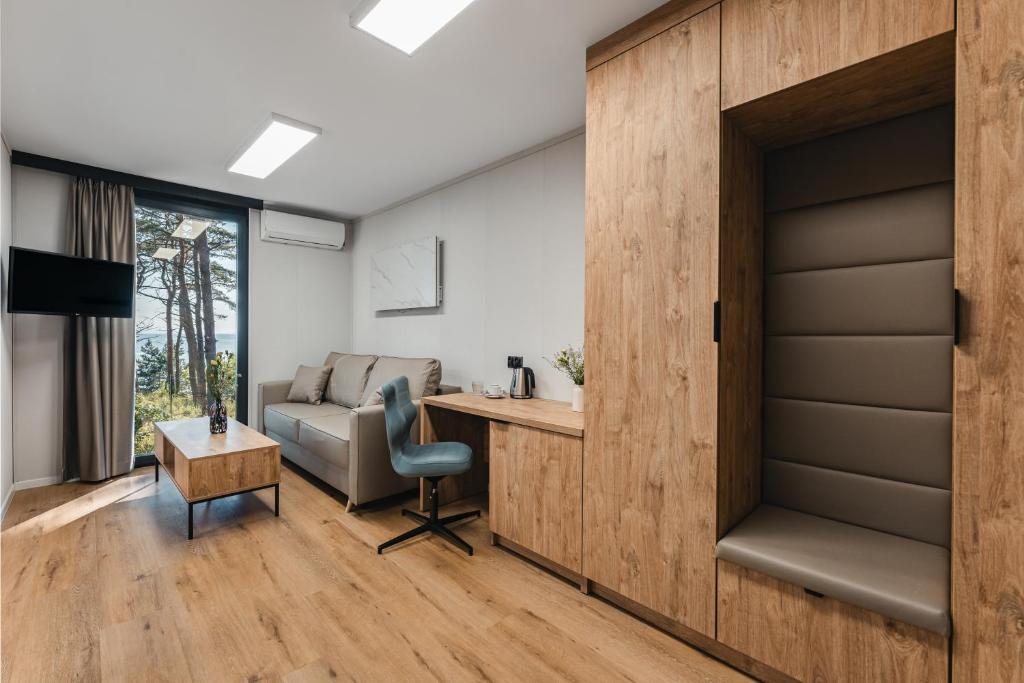
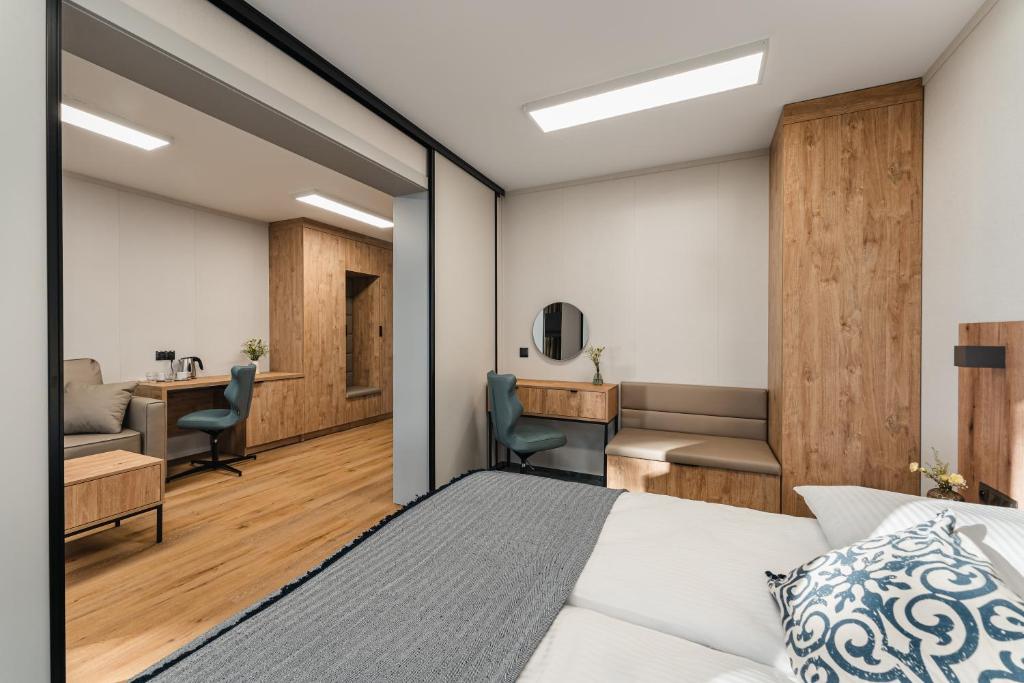
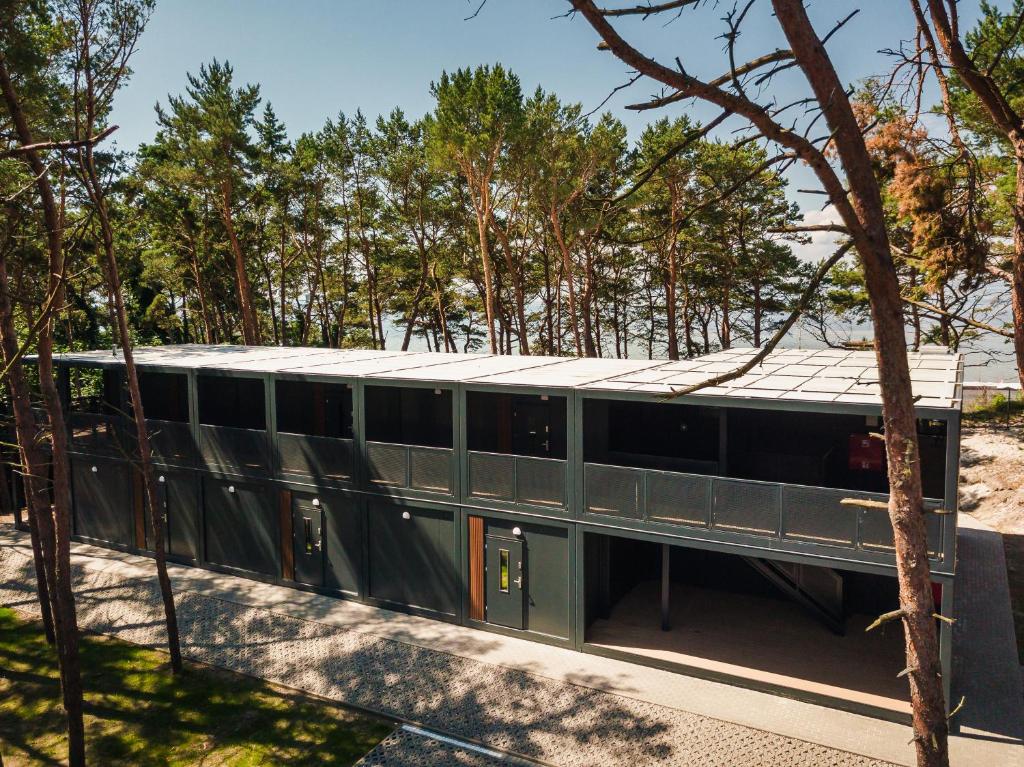
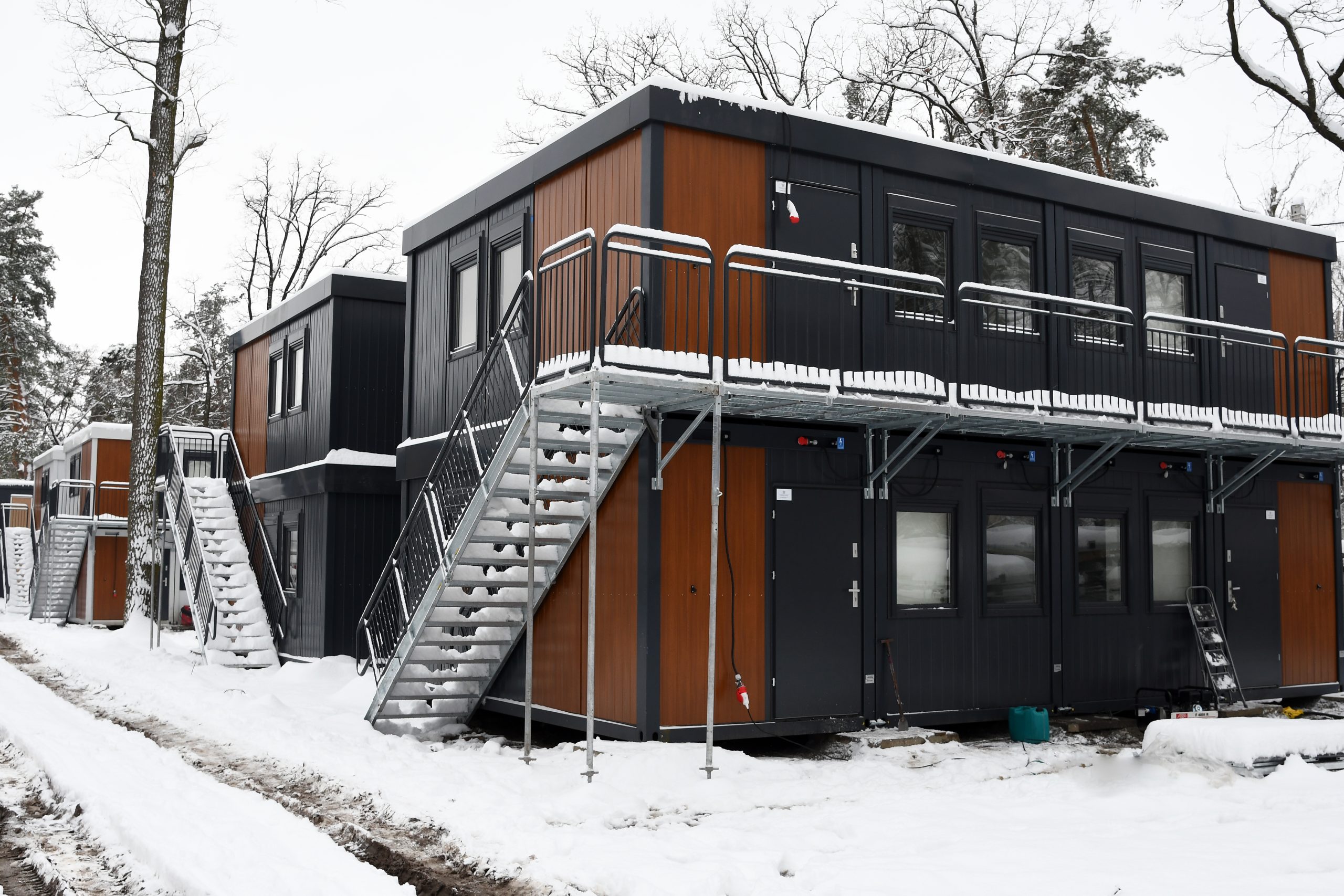
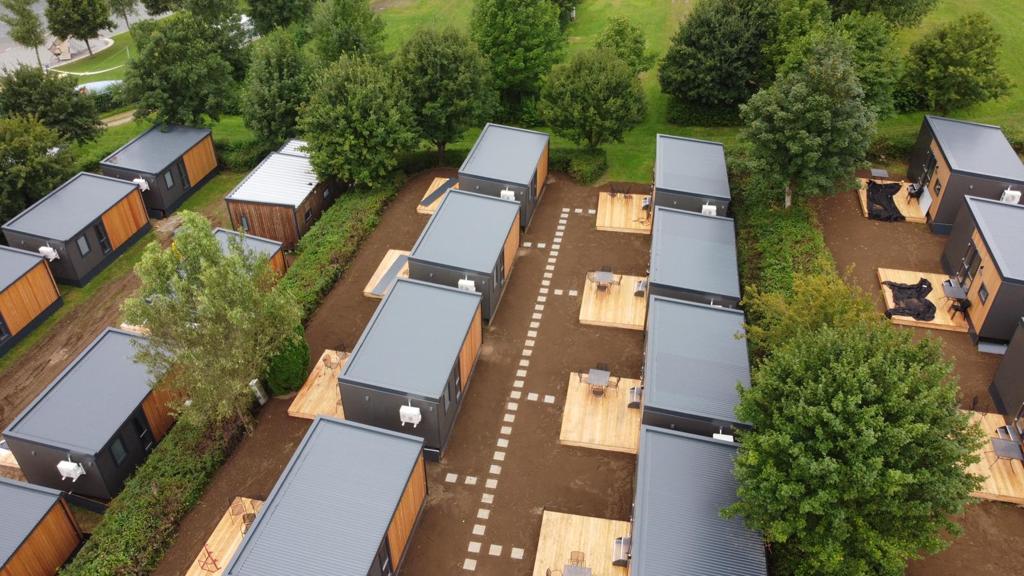
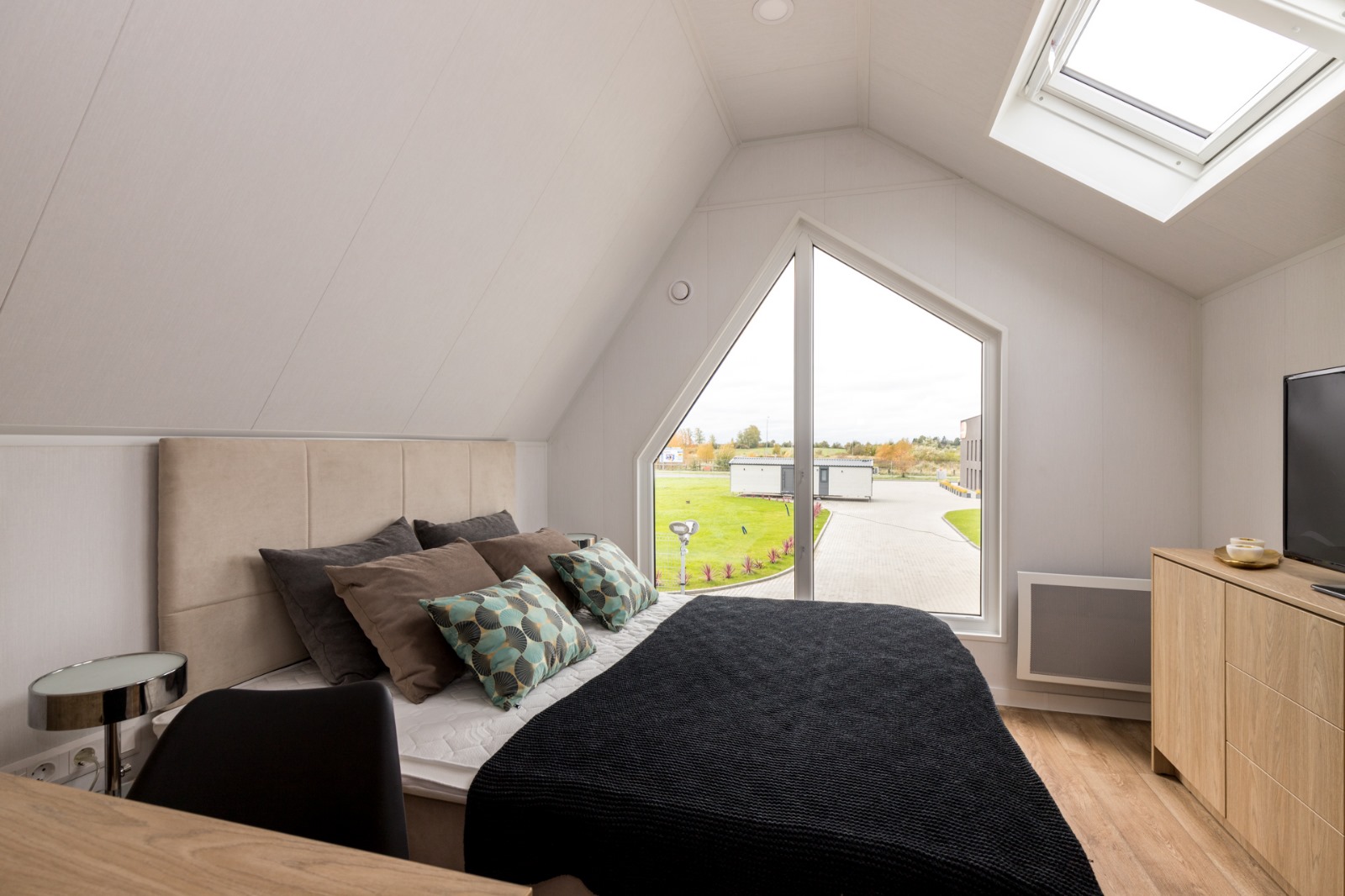
Definition and intent
What modular hotels actually mean in commercial hospitality terms
This is not just modular accommodation in general. It is a hospitality delivery model built around repeated guest-room types, compressed opening programmes and operator-minded build logic.
Modular hotels can work for economy, midscale, branded select-service, aparthotel or more premium hospitality schemes depending on room-module design, public-area strategy, façade ambition and the operator’s commercial model. The strongest hotel projects use modular where repetition is a strength, not a compromise.
Some users arriving here may actually be closer to student accommodation, modular homes or mixed residential accommodation. This page exists to qualify the hotel route before the wrong asset type is priced in detail.
Page job
Qualify the right hospitality route first, then convert. The page is built to align hotel-room logic, public-area requirements and commercial timing before assumptions become expensive.
The best result is not simply “a modular hotel quote”. It is the right hotel system, room strategy and commercial structure for the scheme.
Developer and operator logic
Why serious hotel projects look at modular delivery
For hotel projects, modular is usually about opening date, room-count certainty, repeated room manufacture and stronger alignment between build and revenue timing.
Room-module repetition
Hotel bedrooms are one of the clearest use cases for repeatable modular design logic.
Earlier room availability
Opening sooner can materially influence the commercial value of the programme.
Operator consistency
Repeated room quality and repeated layout logic are valuable in branded hospitality.
Programme-linked revenue
For many hotel schemes, timing affects returns as much as construction method itself.
Fit analysis
Best-fit modular hotel projects
Branded select-service hotels
Strong where room types repeat heavily and public areas are clearly defined.
Aparthotels and extended stay
Useful where room modules and studio formats can be standardised across the scheme.
Portfolio rollouts
Best where a developer or operator wants the same hospitality solution repeated across multiple sites.
Misfit analysis
Where modular hotels are a weaker fit
- ✓Ultra-bespoke luxury hotels where almost every room and public space is unique.
- ✓Hospitality concepts where the room grid cannot be rationalised into sensible module repetition.
- ✓Schemes that are actually closer to residential or student accommodation than true hotel operation.
Critical commercial rule
If the hotel concept does not benefit from repeated room manufacture, programme compression or opening-date discipline, modular can still work technically, but the hospitality edge becomes weaker.
Three-system route
Every hotel scheme should still be tested against all three KC systems
The right route depends on speed, permanence, room repetition, façade ambition and guest-experience targets.
ISO frame route
Best for repeated room modules, programme compression and multi-site or phase-led hospitality delivery.
Fast rolloutRepeatable roomsOperator efficiency
Bespoke steel route
Best where the hotel is more permanent, urban, architecturally expressive or public-facing in a stronger brand sense.
PermanentUrban hospitalityArchitectural freedom
Timber frame route
Best where a warmer, more lifestyle-led or premium hospitality atmosphere is central to the concept.
Premium feelLifestyle hospitalityESG-led
Room logic
Hotels are usually won or lost on room count, room mix and public-area balance
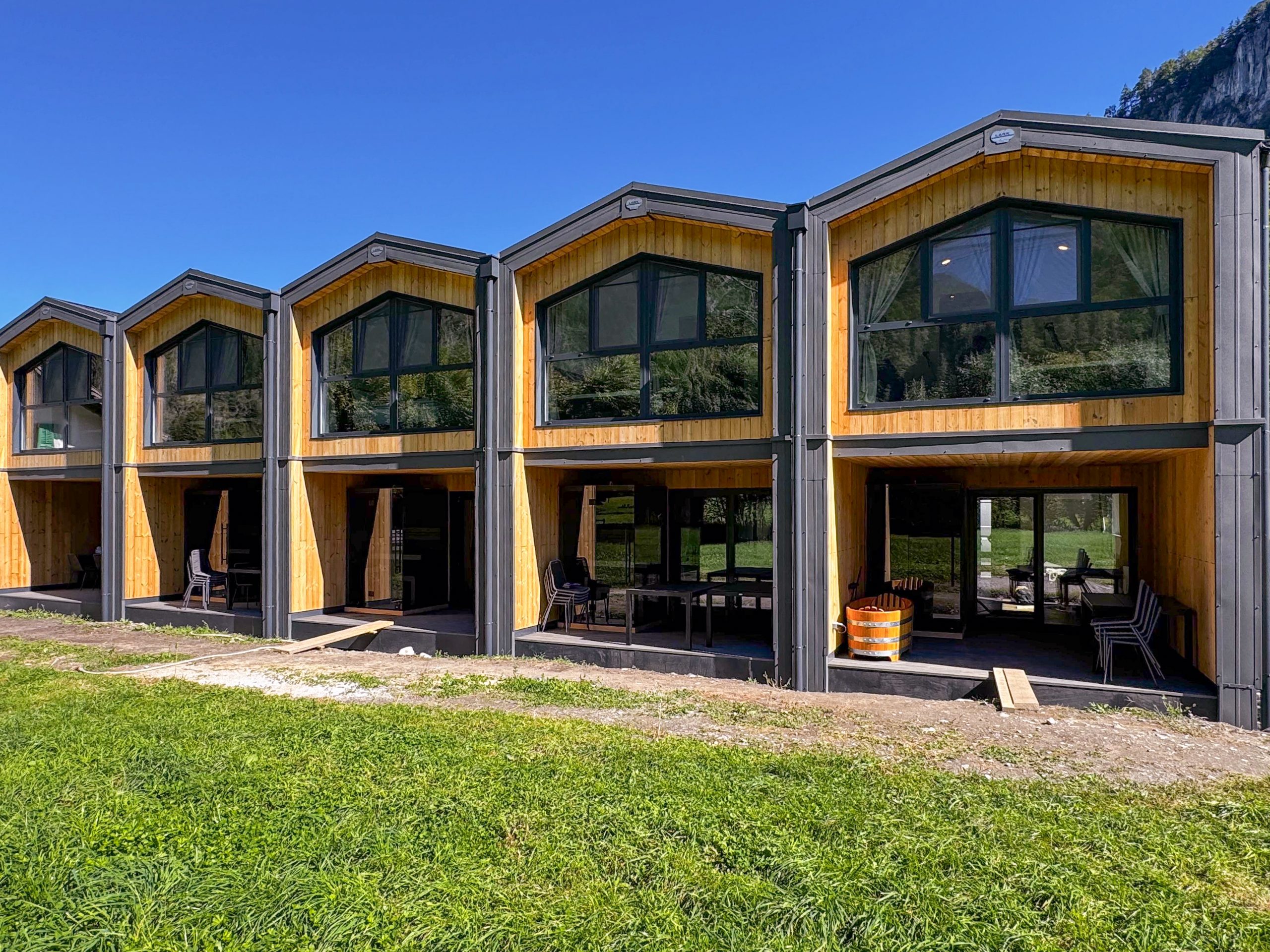
A modular hotel project is not only about how quickly the structure goes up. It is about whether the room module strategy, corridor efficiency, core positions, housekeeping logic and public-area scale all support the hotel’s operating model.
In many schemes, the strongest gains come from disciplined repetition in the guest-room layer while keeping enough flexibility in the public-facing areas to preserve brand identity.
Hospitality truth
Guest rooms are one of the clearest modular opportunities in construction. Lobby, bar, restaurant and arrival spaces usually need more selective treatment. The project becomes stronger when those layers are separated intelligently instead of treated as one generic building problem.
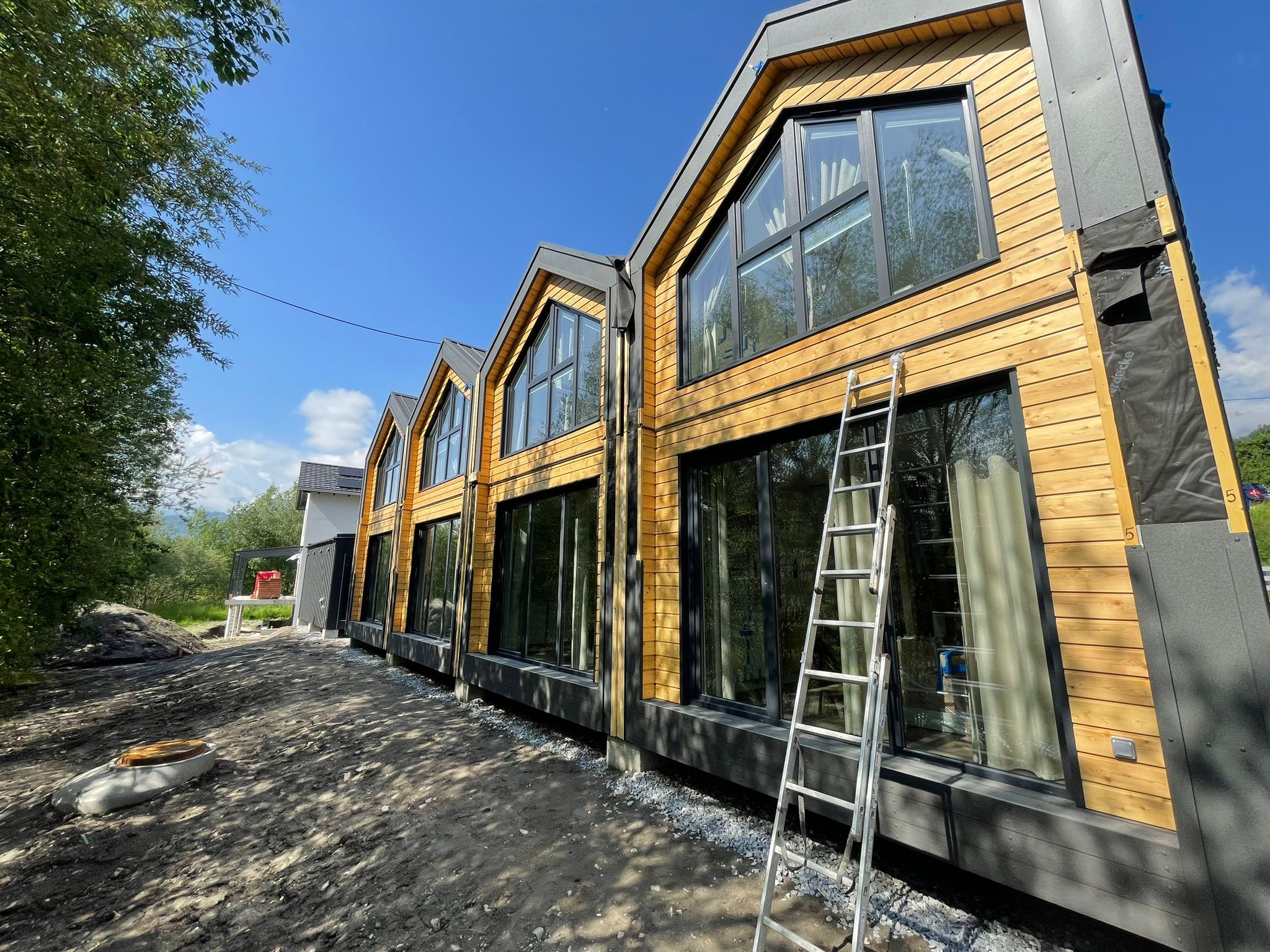
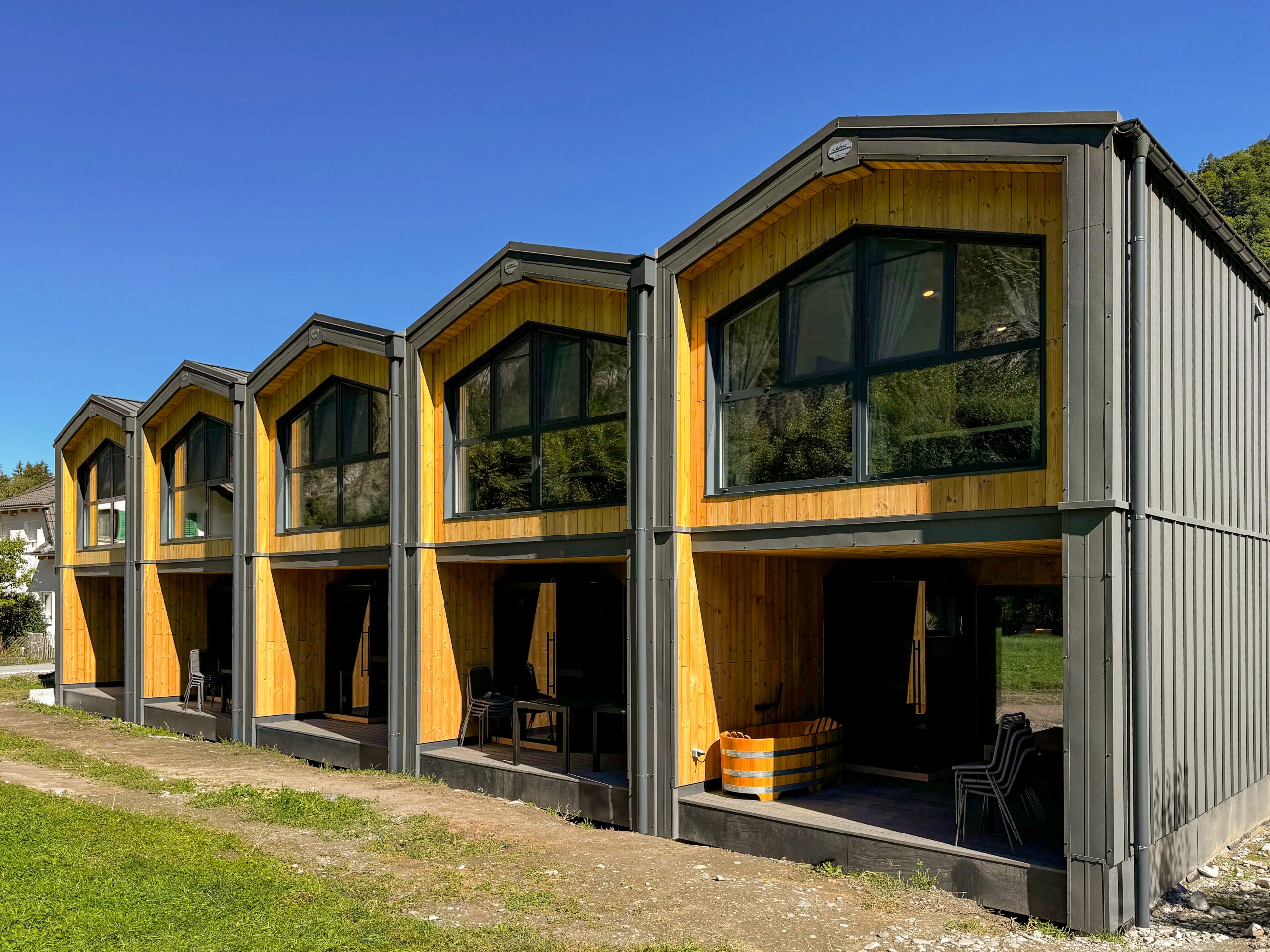
Guest experience layer
Guest experience still decides room rate and brand perception
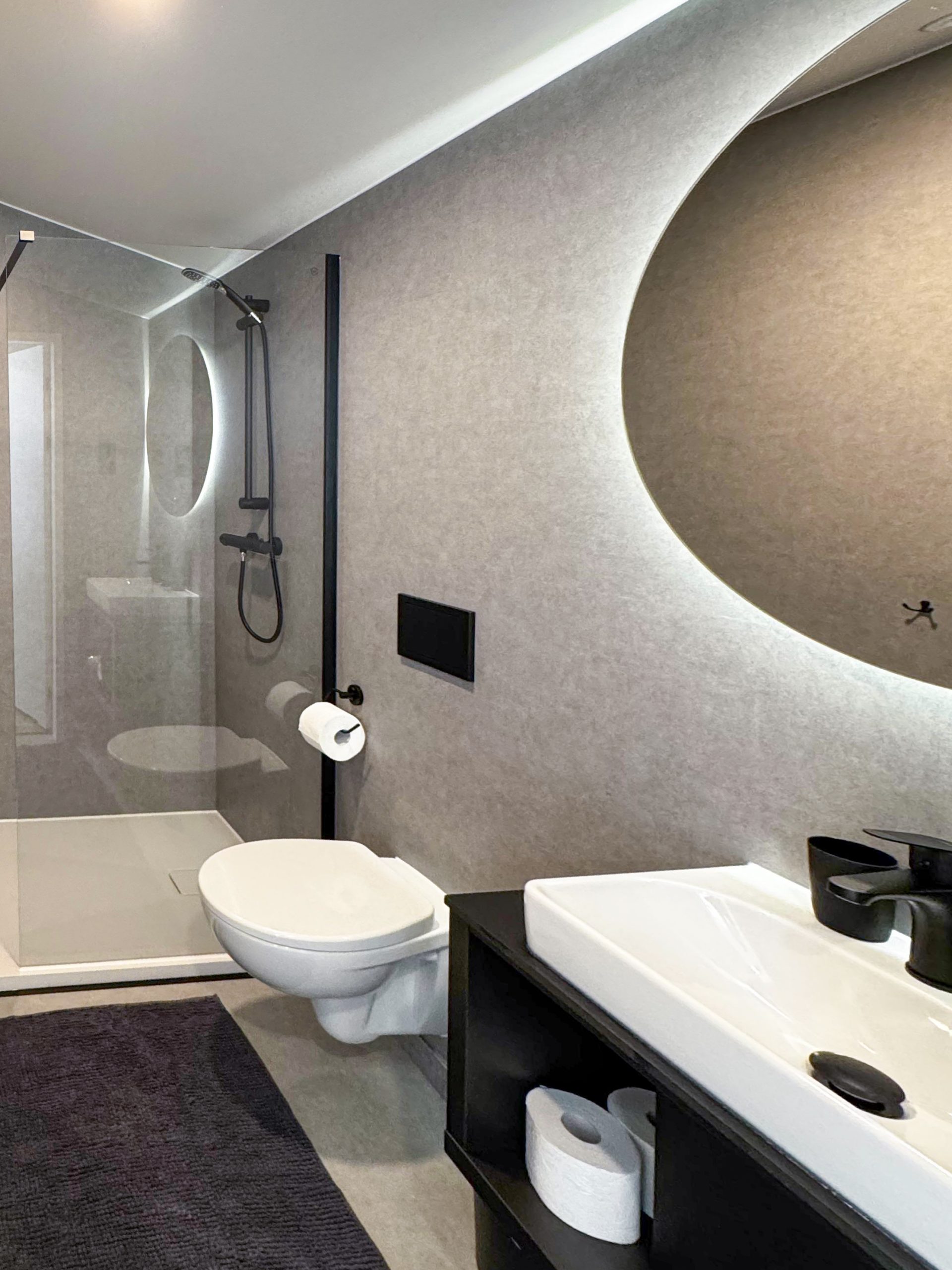
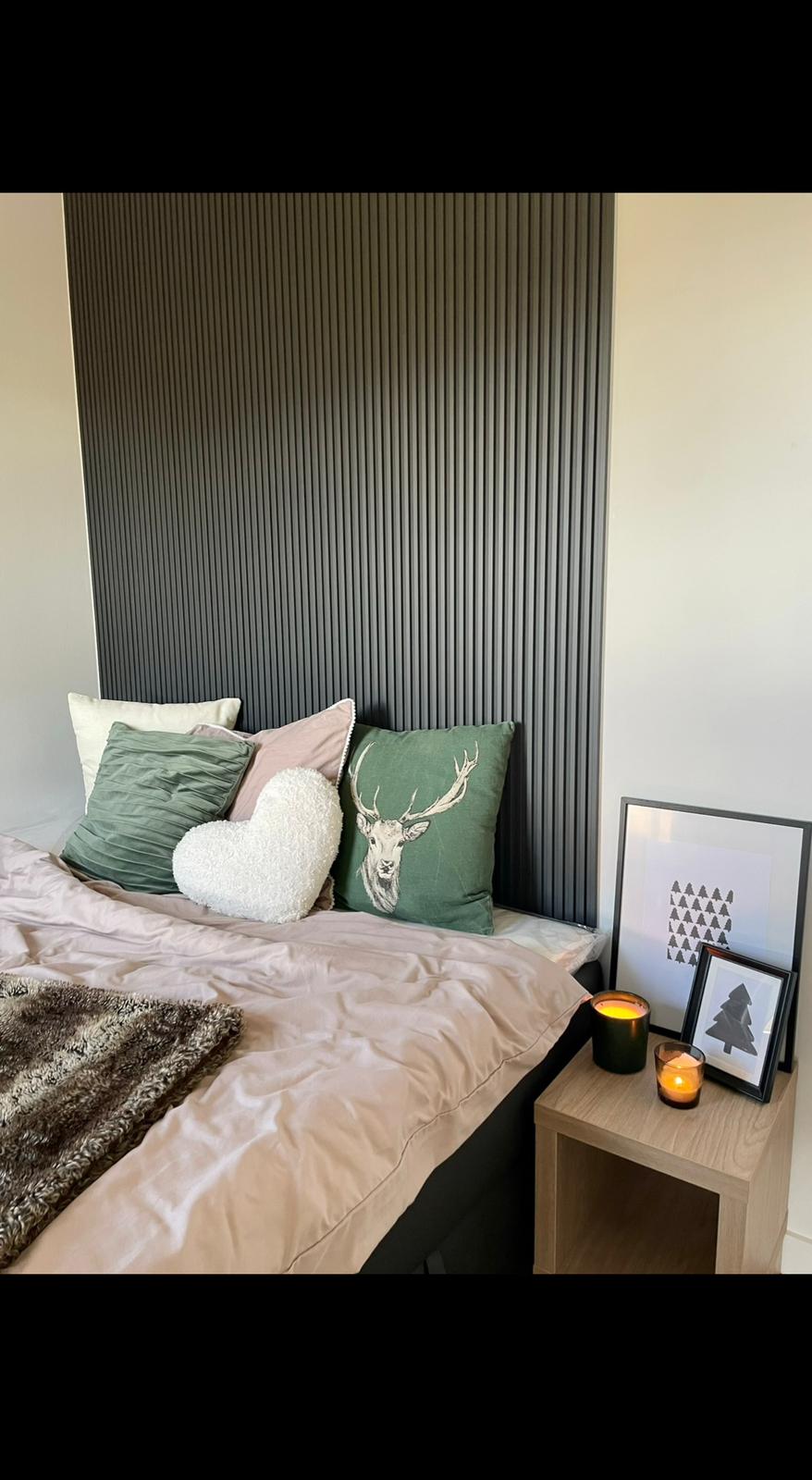
Modular hotels only work commercially when the end user still experiences a good hotel, not merely a fast building process. Guest-room finish, acoustic comfort, circulation quality, arrival experience and shared-space design still matter deeply to room-rate strength and reviews.
That is why some hospitality schemes need to be pushed toward a more premium route even if the base structure is modular. A bland room module may save cost but weaken ADR. A stronger room and public-area proposition may justify more investment.
Cost structure
What affects modular hotel cost most
Hotel projects are rarely priced well when people focus only on gross area. Room count, room type and public-area intensity matter more.
| Cost driver | Why it matters | Commercial impact |
|---|---|---|
| Room count and room type mix | Different room sizes and typologies change module repetition and service strategy | Affects both build cost and rate strategy |
| Public-area scale | Lobby, bar, restaurant, lounge and BOH areas do not behave like repeatable bedrooms | Can materially change cost structure |
| Building height and core efficiency | Structural solution and vertical circulation efficiency affect hospitality viability | Influences room yield and cost per key |
| Façade ambition | Urban hotel identity or premium positioning usually raises the façade bar | Changes capital intensity and brand positioning |
| Site access and logistics | Delivery strategy, cranage and phasing influence modular efficiency directly | Can improve or weaken the modular advantage |
A hotel should usually be judged on cost per key, opening timing, expected ADR and operator fit — not just on floor area or headline construction method.
Revenue timing
Opening date matters commercially
For hospitality projects, opening later than planned can affect operator agreements, early revenue capture and investor confidence.
Earlier keys available
The commercial case often improves when rooms can be opened sooner and more predictably.
Operator onboarding
A more disciplined programme can support earlier operational mobilisation and fit-out planning.
Asset positioning
Not every accommodation project is truly a hotel
Many briefs described as “modular hotel” are actually closer to aparthotel, PBSA, serviced apartment or residential accommodation. That matters because room mix, amenities, operator logic and commercial benchmarks change significantly between those categories.
This is why some users should route instead into student accommodation or modular homes. Classification first, pricing second.
Comparison
Modular hotels vs traditional hospitality delivery
| Question | Modular hotels | Traditional hotel delivery |
|---|---|---|
| Speed to opening | Often stronger where room modules repeat and programme compression is valuable | Usually more exposed to longer live-site sequencing |
| Room consistency | Strong fit for repeated guest-room quality and standardised layouts | Can vary more by contractor and phase |
| Best use case | Repeated room modules, scalable hospitality brands, operator-led delivery | One-off bespoke luxury hospitality with less repetition |
| Commercial edge | Programme-linked revenue timing and room-module discipline | Potentially more bespoke, but often less repeatable |
Typical hotel brief
The kind of hotel development this page is built for
A developer or investor has a viable hotel site and a broad operator or hospitality concept in mind. The commercial question is not just whether modular can build it. The real question is whether room count, room type mix, public-area scale, opening date and operator expectations all support a modular route strongly enough to make it the right answer.
This page is written for that buyer — the one balancing keys, ADR, public-area quality, construction speed and operator readiness at the same time.
Next routes→→→
Move to the right next page
If the project is really a longer-stay or campus-style asset, use student accommodation. If it is closer to permanent residential development, use modular homes. If the modular route itself still needs qualifying, use which modular system to choose and modular vs prefabricated.
Student accommodation
Use this if the room model and operator logic are closer to PBSA than hotel hospitality.
Modular homes
Use this if the brief is drifting toward permanent residential product rather than hotel use.
Modular offices
Useful when hotel back-of-house, management or mixed-use commercial space is growing in importance.
Trust layer
Why this page should convert serious hotel enquiries
Operator-minded qualification
The page aligns room logic, public areas and commercial timing before detailed scope is fixed.
Manufacturing route
Internal routes support deeper trust through manufacturing, certifications and warranty pages.
Hospitality-first language
The commercial argument is based on keys, opening timing, guest quality and operator fit.
UK rollout mindset
Built for live UK hospitality decisions, not generic accommodation traffic.
ISO 9001Manufacturing processWarranty routeOperator-qualified advice
Authority references
Useful external references for compliance and planning context
Hotel projects involving modular construction still need the correct statutory and planning pathways. Useful starting points include the Approved Documents collection and the Planning Portal. Those are not project-specific advice, but they help frame the wider context around the building route.
FAQ
Common modular hotel questions
What are modular hotels?
Factory-built hospitality buildings using repeatable room modules and stronger programme control.
Why do developers use modular?
Because repeated room manufacture and earlier opening can improve commercial delivery logic.
Are modular hotels only for budget brands?
No. They can suit economy, midscale and more premium hospitality depending on the concept and specification.
Objections
The main concerns hotel buyers usually raise
“Will rooms feel too standardised?”
That depends on concept and fit-out quality. Standardised structure does not require bland guest experience.
“Can public areas still feel branded?”
Yes. Guest rooms and public areas do not need to follow the same design logic mechanically.
“Does modular suit premium hospitality?”
It can, but only when the right system, finish level and spatial hierarchy are chosen from the start.
Need the right hotel route first time?
Ask KC to review the modular hotel scheme before room, operator and programme assumptions harden
Send the target room count, room mix, public-area assumptions, operator direction, opening-date target and any drawings or massing information you already have. The first objective is to qualify the right hospitality solution before detailed cost assumptions are fixed.
UK hospitality projectsRoom-module led qualificationFast-track hotel deliveryDeveloper and operator focus
Scope boundary
What this page assumes about KC’s role
KC Cabins Solutions Ltd / KC Modular Buildings normally acts as the modular building supplier and installation contractor only, not the overall main contractor, unless explicitly agreed otherwise. Groundworks, utilities, wider external works, drainage, site preparation, M&E coordination, health and safety responsibilities, RAMS, planning management and Building Control coordination usually sit outside KC’s default quoted scope unless specifically included.