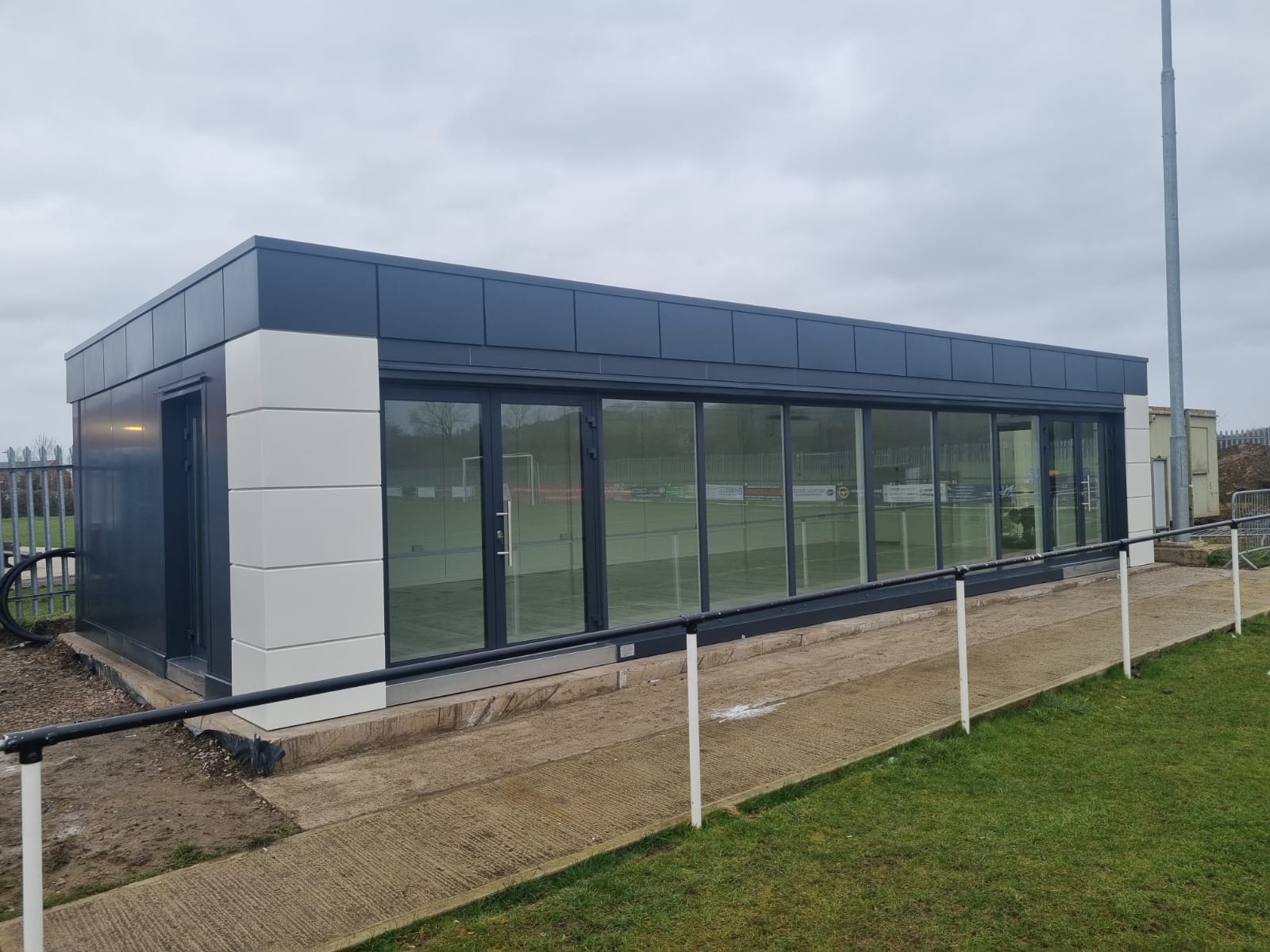
For parish & town councils in England
This guide explains how councils can use Neighbourhood CIL modular buildings to deliver visible facilities quickly. Neighbourhood CIL funding windows (April & October): a fast way to deliver toilets, changing rooms & community space
If you receive Neighbourhood CIL twice a year, the weeks before and after late April / late October are often the best time to move from idea to decision. Factory-built modular units keep scope clear, reduce disruption, and help you deliver visible facilities quickly.
- Visible & useful facilities residents can use
- Deliverable quickly reduced on-site disruption
- Low-risk scope clear costs and boundaries
(Oct–Mar)
(Apr–Sep)
from approved drawings*
*Final specification subject to engineering design and site conditions.
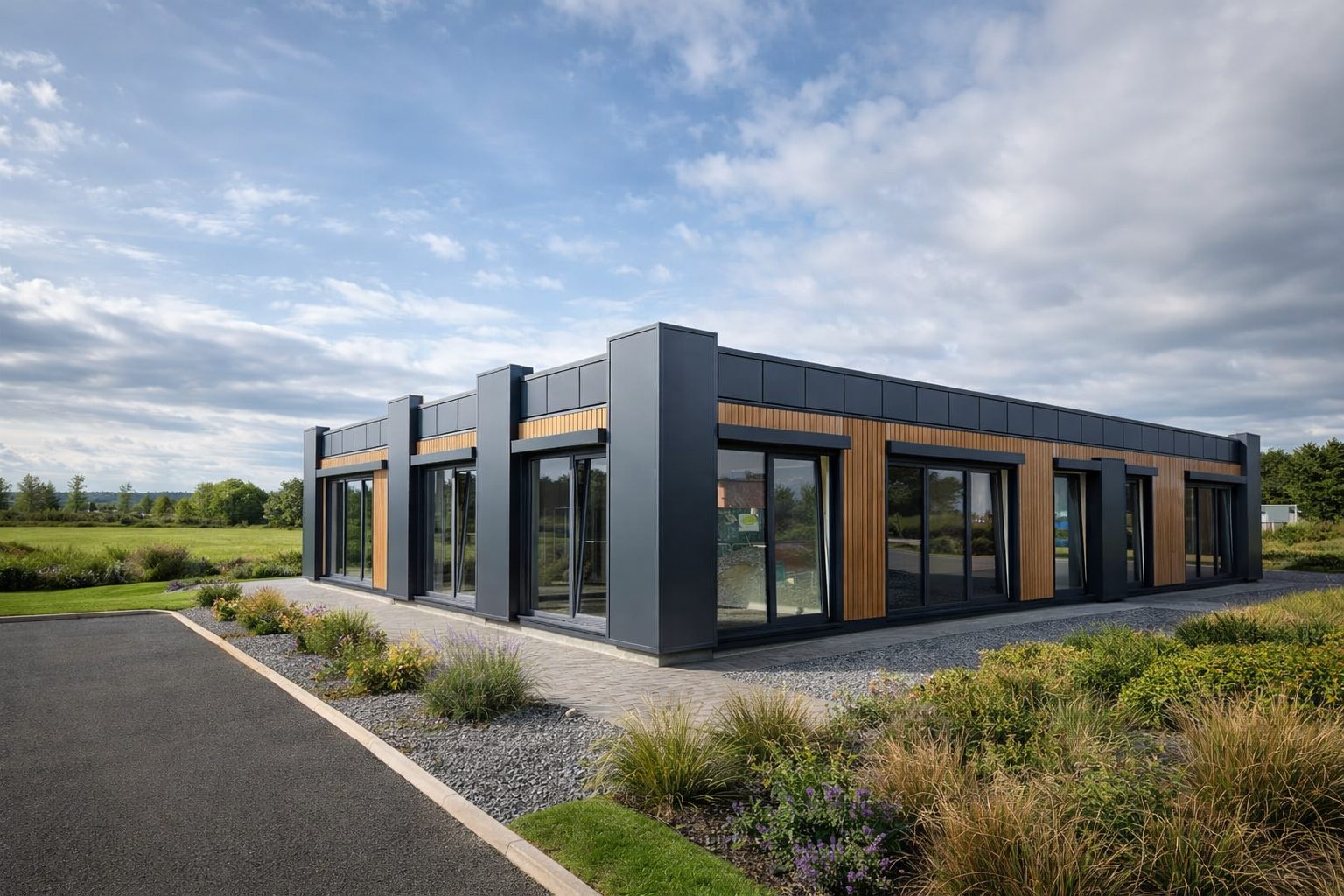
Our Neighbourhood CIL modular buildings cover public toilets, sports changing rooms and small community rooms.
Typical programmes for Neighbourhood CIL modular buildings are 8–12 weeks from approved drawings (subject to specification and site conditions).
WC blocks (DDA options)
Parks, recreation grounds, venues and high-footfall routes.
Changing rooms + showers
Grassroots sports clubs, MUGAs and community grounds.
Community rooms (30–60 m²)
Training, youth activities, meetings and overflow space.
Why modular works for CIL
A practical fit for Neighbourhood CIL: visible, quick, low-risk
Many councils look for projects that are easy to approve and easy to deliver. Modular facilities are factory-built, pre-scoped and installed quickly onto prepared foundations.
Visible and useful
Public toilets, sports changing rooms and small community rooms are immediately valuable to residents and local groups.
Deliverable quickly
Factory manufacture reduces disruption and helps you move from decision to installation faster than traditional builds.
Low-risk scope
Clear inclusions/exclusions and straightforward site requirements make budgeting and approvals simpler.
Neighbourhood CIL explained
What Neighbourhood CIL is (and why timing matters now)
Neighbourhood CIL is the portion of Community Infrastructure Levy passed to the local community:
- 15% of CIL receipts (typically capped at £100 per existing dwelling per year) where there is no Neighbourhood Plan
- 25% of CIL receipts (typically uncapped) where a Neighbourhood Plan is in place
Many district/borough councils communicate payment cycles in half-year blocks:
| Receipts period | Typical payment deadline | Practical implication |
|---|---|---|
| 1 October – 31 March | By 28 April | Good time to move from idea → scope → decision around late April |
| 1 April – 30 September | By 28 October | Second decision window around late October |
Practical takeaway: if you’re planning to use Neighbourhood CIL for small-scale public facilities, the weeks before and after late April / late October are often the best time to progress a project to approval.
Common council outcomes
What Neighbourhood CIL can be spent on (high-impact facilities)
Neighbourhood CIL spending is commonly described broadly as: “Anything concerned with addressing the demands development places on the area.” That scope can include small, high-impact projects such as:
Modular public toilets
For parks, recreation grounds, markets and events — with accessible layout options.
Changing rooms + showers
For grassroots sports clubs and community sports grounds — durable, practical finishes.
Community rooms (30–60 m²)
For local groups, training, youth activities and small meetings — with kitchenette options.
CIL-ready delivery
A practical “8–12 week” delivery approach
KC Modular Buildings provides pre-scoped modular options designed to help councils move quickly:
- Clear footprints and typical layouts
- Defined inclusions/exclusions
- Straightforward site requirements
- Fast programme from approval to installation
Typical lead time: 8–12 weeks from approved production drawings (subject to specification, site conditions and programme).
1) Scope
Confirm the facility type, footprint and key requirements (e.g., accessible layout, showers, kitchenette).
2) Site readiness
Confirm access, foundations/base approach, and utilities nearby (water, drainage, power).
3) Approve → build → install
Approve drawings, manufacture in factory, deliver and install onto prepared foundations.
Final specification subject to engineering design and site conditions.
CIL-ready options
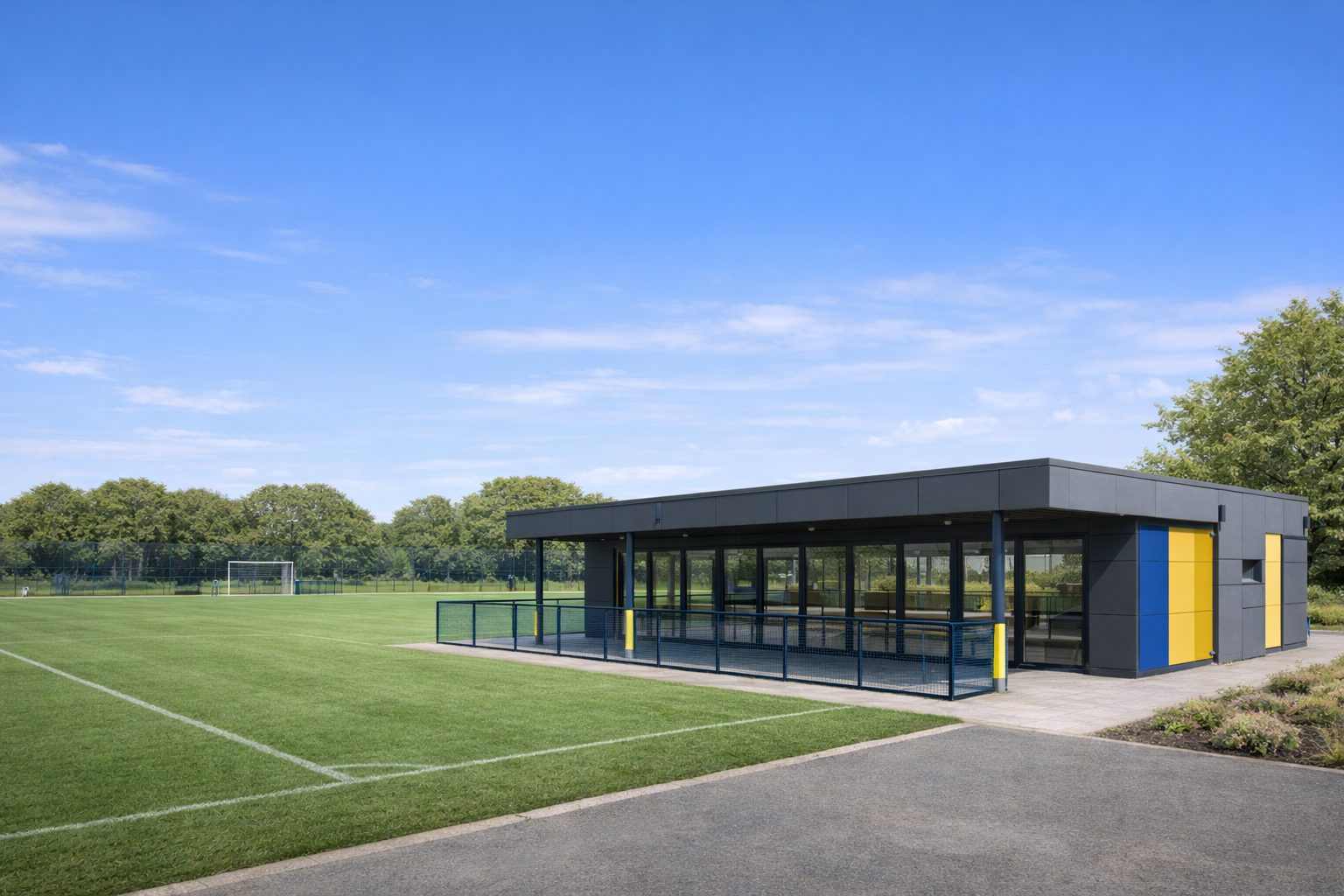
Three CIL‑ready modular options (typical use cases)
Choose the option that best matches your site and the outcome you need residents to see and use.
Modular WC block (2–3 cubicles + accessible WC)
Ideal for parks, recreation grounds, allotments, community venues and high-footfall routes.
- Factory-built quality with predictable scope
- Accessible layout options (Part M / DDA) depending on configuration
- Quick installation onto prepared foundations
Sports changing rooms with showers
Ideal for football, rugby and cricket clubs, MUGAs and community sports grounds.
- Durable internal finishes for frequent use
- Shower/WC configurations to suit club size
- Upgrade path for insulation, acoustics and enhanced finishes
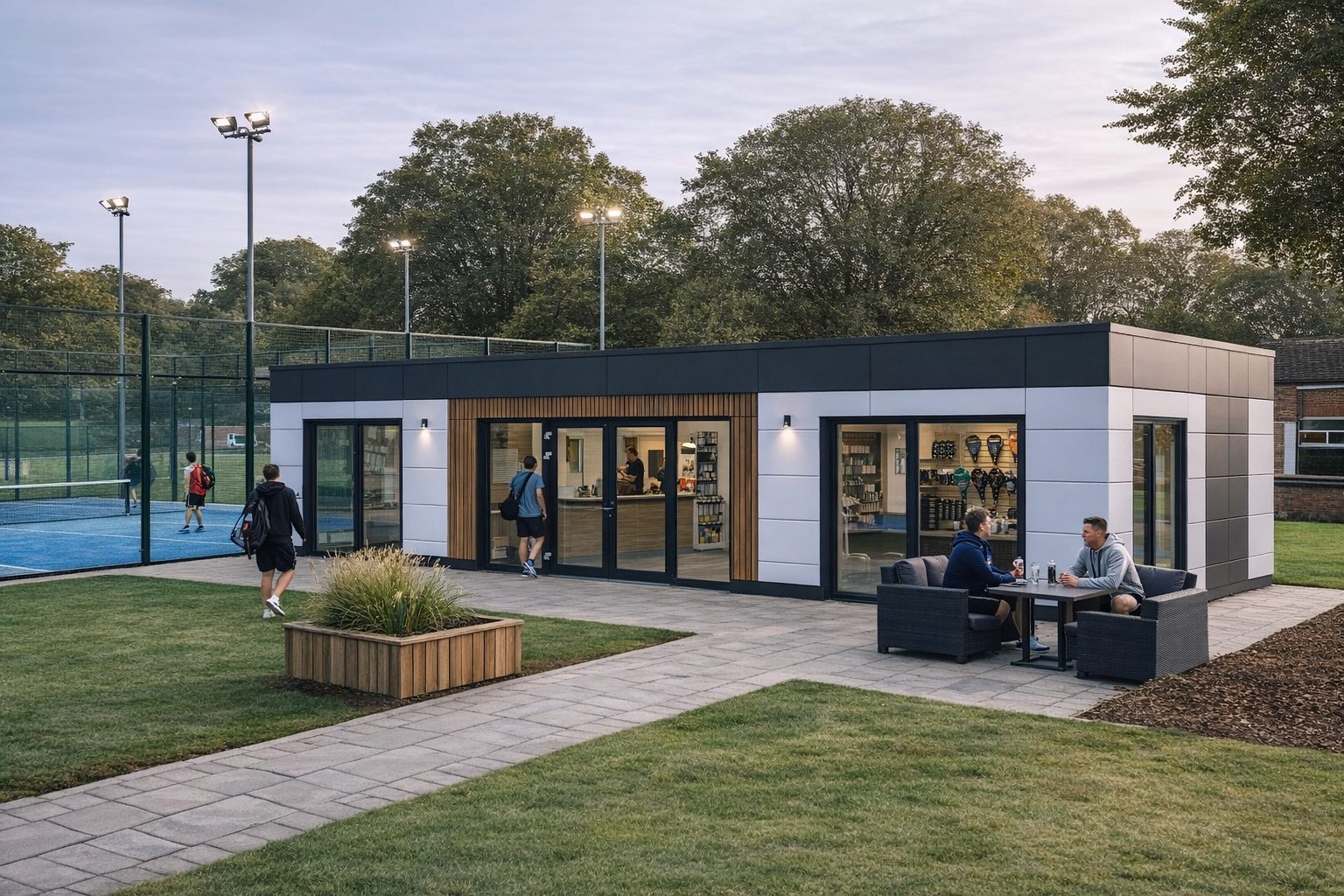
Community room (approx. 30–60 m²) + kitchenette option
Ideal for community groups and classes, youth activities, training and small meetings.
- Rapid creation of usable indoor space
- Flexible internal layout options
- Can be designed for year-round comfort and energy efficiency
Final specification subject to engineering design and site conditions.
Early budgeting
Indicative pricing (ex VAT) — per m²
To support early-stage budgeting, we can provide indicative “from” pricing per m² (ex VAT), depending on the build system:
| Build system | Best for | From price (ex VAT) |
|---|---|---|
| MS (ISO frame) | Fast, cost-effective welfare/community solutions | £1,100 / m² |
| NOVO (bespoke steel frame) | Higher-spec bespoke layouts and finishes | £1,450 / m² |
| LARK (timber system) | Premium feel, residential-style comfort options | £1,950 / m² |
Final pricing depends on size, specification, services, access/logistics and site conditions.
Quick checklist
What we need from you (to move quickly)
To keep the process simple, most councils can progress quickly with a short checklist. If you’re unsure on any item, we can do a 30‑minute walk‑through (remote or on-site) and provide a simple layout sketch.
Site & footprint
- Proposed location and approximate footprint
- Any constraints (trees, boundaries, levels, neighbours)
- Preferred orientation / entrances
Access & logistics
- Access for delivery and offload
- Cranage requirements (if needed)
- Working hours / site restrictions
Services & compliance
- Utilities available nearby (water, drainage, power)
- Ground conditions and foundation/base approach
- Accessibility requirements (Part M / DDA)
- Any planning/building control considerations
Final specification subject to engineering design and site conditions.
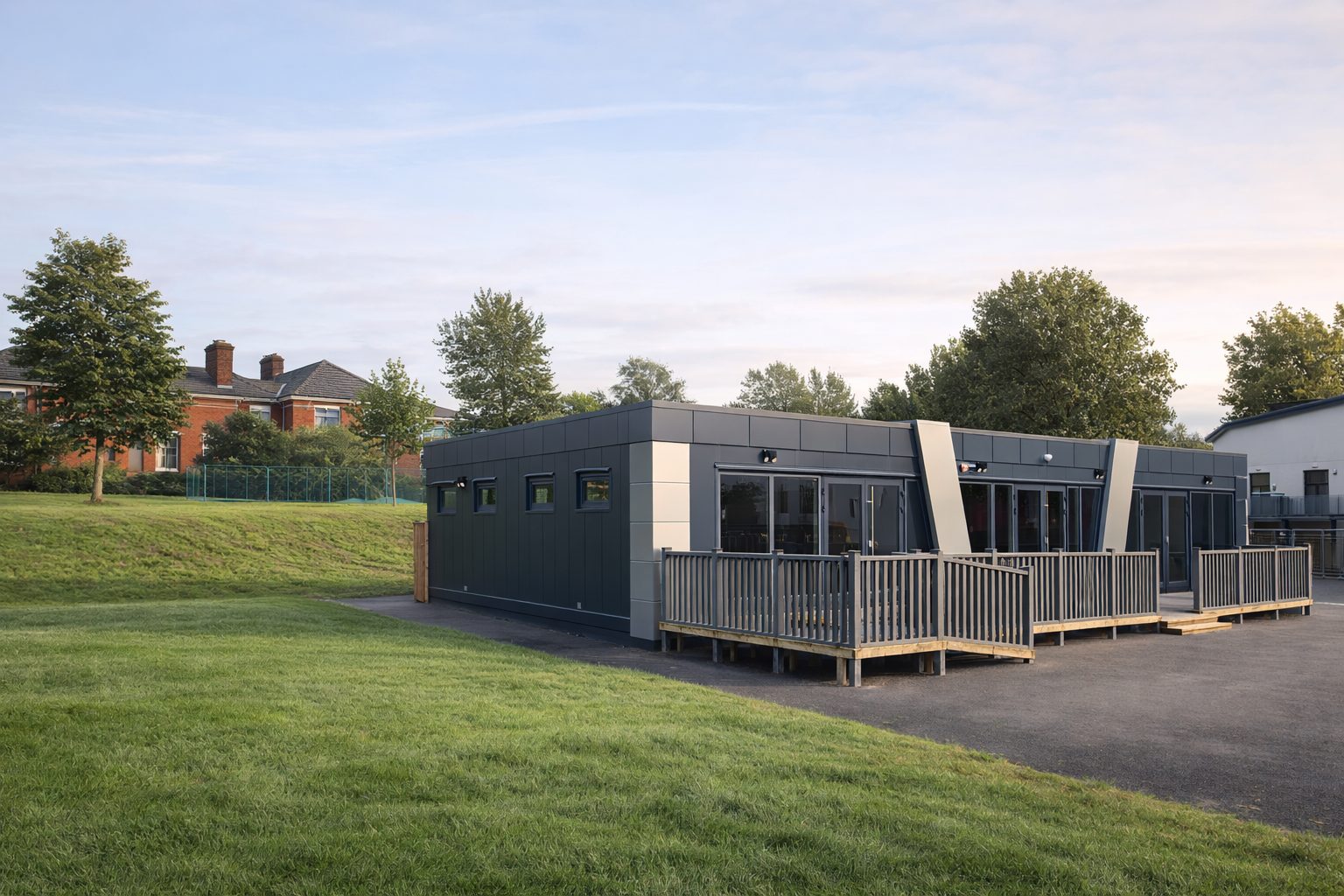
Funding approach
Match-funding options (CIL + grants)
Depending on the project, councils sometimes combine:
- 100% Neighbourhood CIL, or
- CIL + sports grants / community grants
We can structure the scope so it’s easy to present to the council and to external funders: clear assumptions, a defined footprint, and a straightforward programme.
Decision-ready scope
Clear inclusions/exclusions and assumptions suitable for committee papers and funding applications.
Phased options
Where helpful, we can outline a base scope plus upgrades (finishes, insulation, acoustics, accessibility features).
Programme clarity
Typical 8–12 weeks from approved production drawings (subject to specification, site conditions and programme).
Final specification subject to engineering design and site conditions.
Scope boundaries
What’s included / excluded (typical scope boundaries)
We keep scope clear so councils can make decisions confidently. Below is a typical outline; final scope will be confirmed at quotation stage.
Included (typical)
- Modular structure, walls and roof
- Internal partitions, doors and standard internal finishes
- Windows and external doors
- Standard electrical installation (within the unit)
- Factory manufacture
- Delivery (standard access)
- Installation onto prepared foundations
Excluded (typical)
- Groundworks and foundations
- Utility connections (water, drainage, electric)
- External works (paths, steps/ramps beyond the unit, landscaping, fencing)
- Security systems, signage, furniture and loose equipment
- Surveys, RAMS and lifting plans (if required)
- Planning and building control fees
- VAT (unless stated)
Assumptions
- Final specification subject to engineering design and site conditions
- Lead time starts from approved production drawings
- Programme depends on access/logistics and site readiness
Next step
Get a 1-page “CIL-ready” pack for your next meeting
If your council is considering spending Neighbourhood CIL in the April or October window, we can send a 1-page pack suitable for a clerk/chair to circulate ahead of the next meeting, including:
- Scope summary and assumptions
- Indicative budget range (per m²)
- Outline programme (8–12 weeks)
- Site checklist
Contact KC Modular Buildings and we’ll respond within 24 hours.
Final specification subject to engineering design and site conditions.
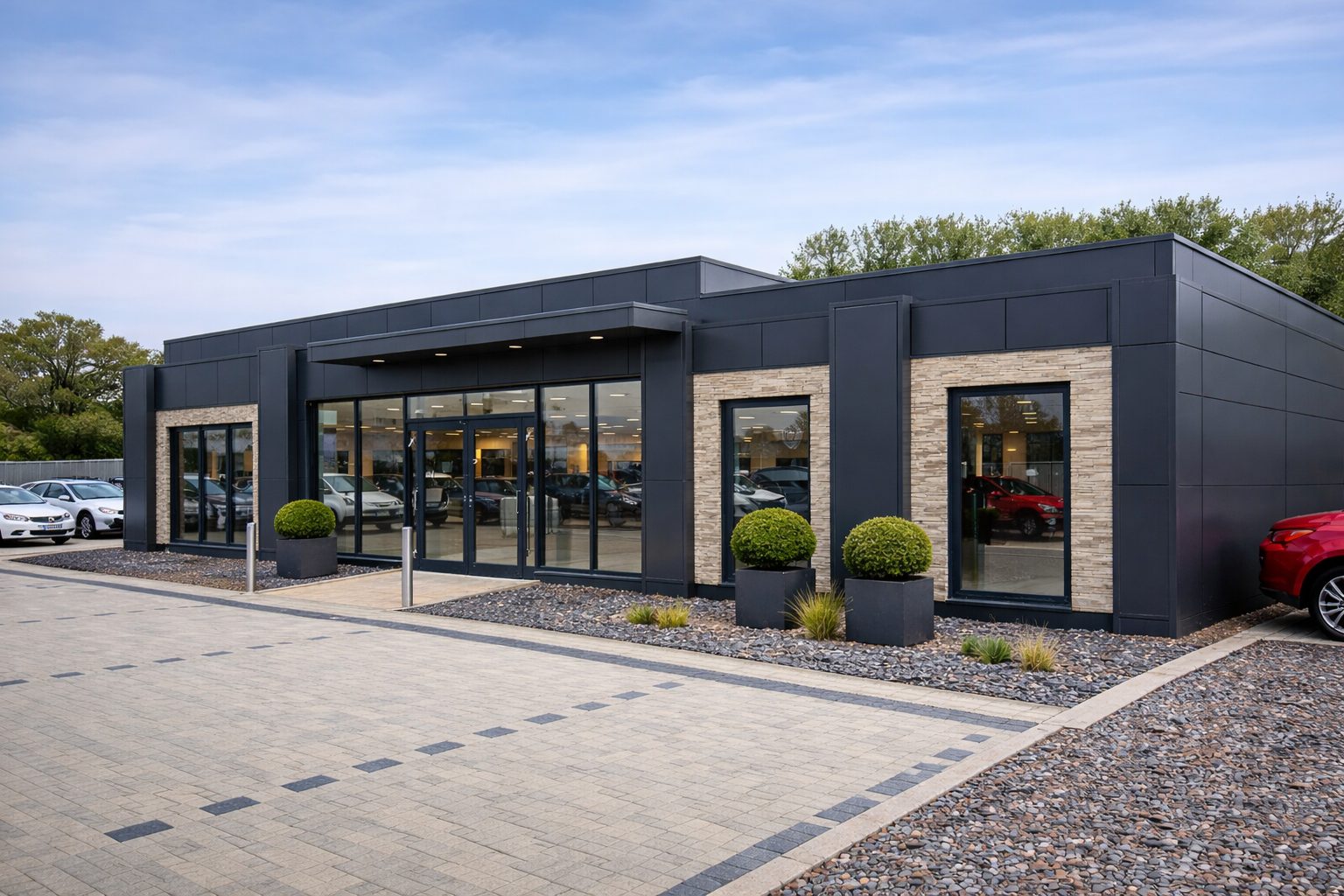
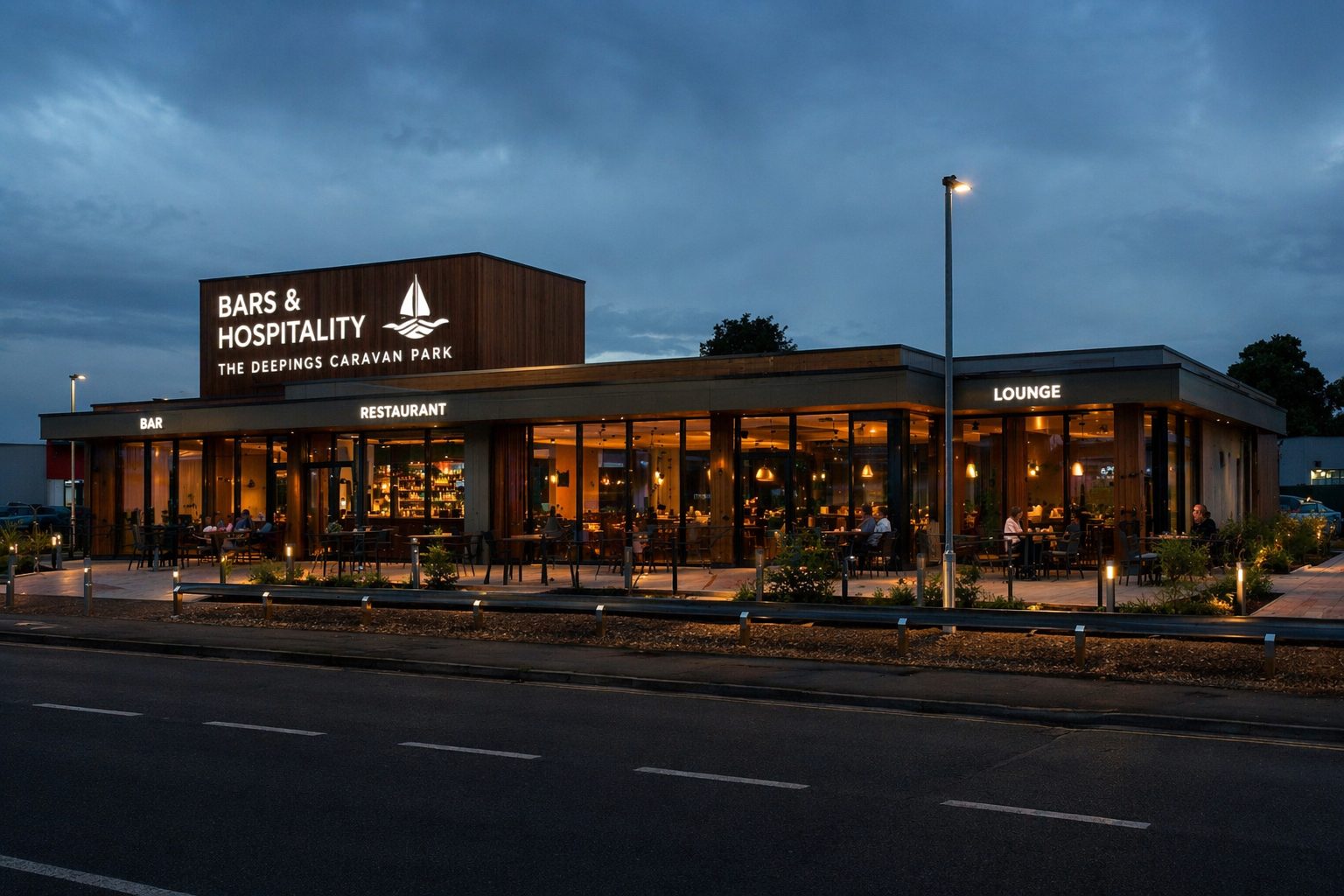
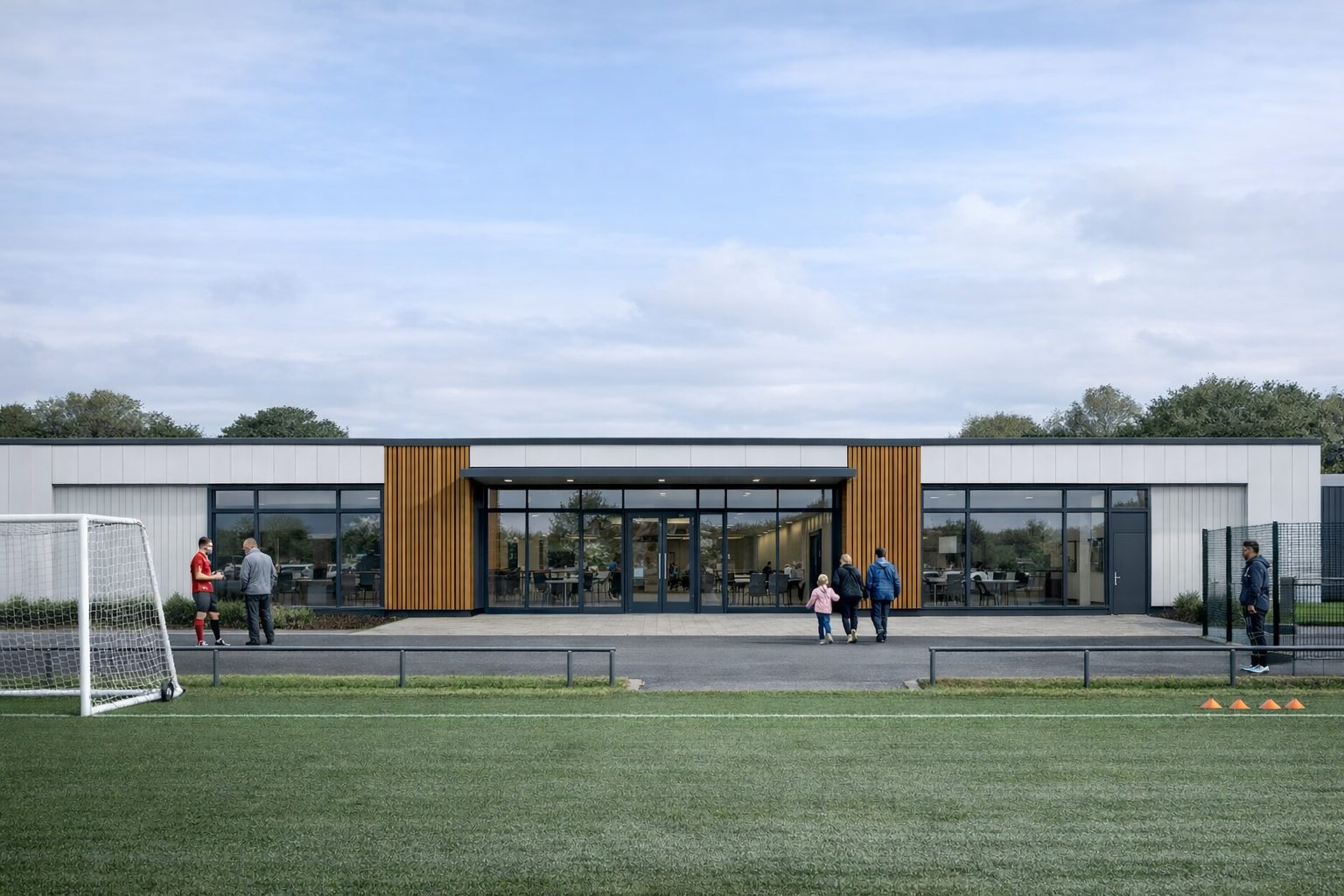
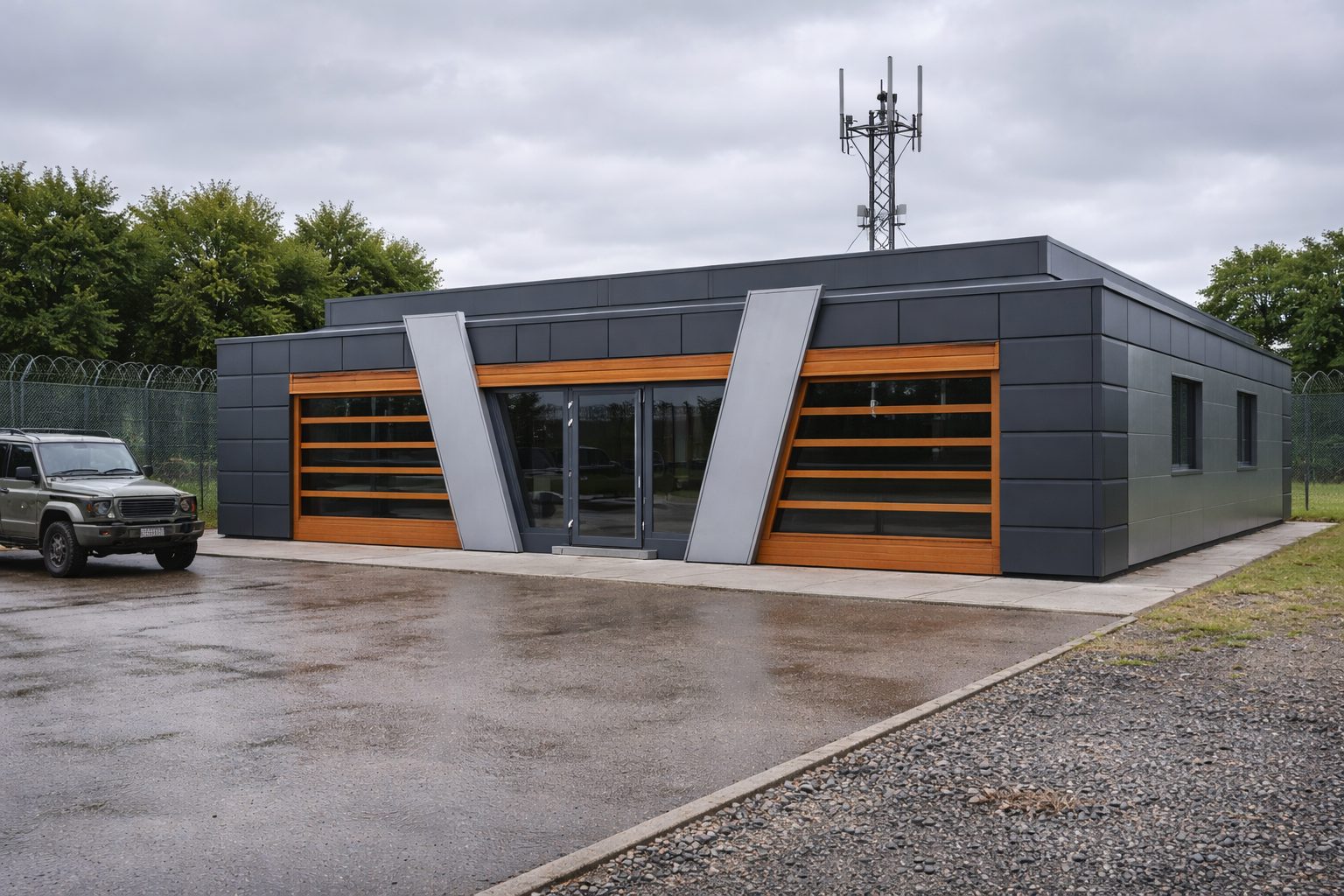
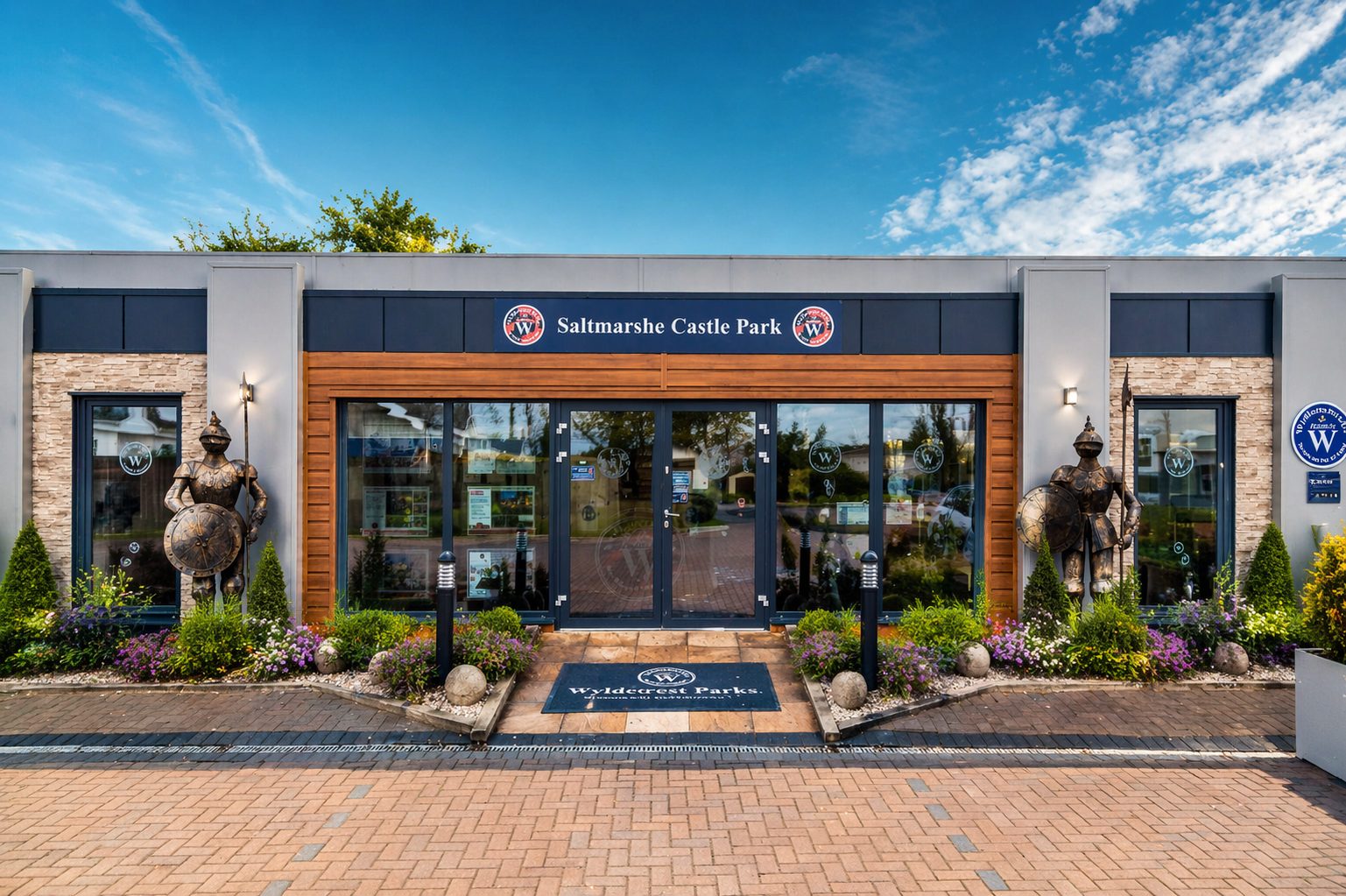
Project visuals
Examples of modular buildings (UK council-ready use cases)
FAQ
FAQ (for parish & town councils)
When are Neighbourhood CIL payments made?
Many councils operate half-year cycles and pay Neighbourhood CIL by 28 April and by 28 October for the previous six months (check your local district/borough council’s published timetable).
Can Neighbourhood CIL be used for toilets, changing rooms or small community buildings?
Neighbourhood CIL spending is commonly described broadly as supporting development impacts in the area. In practice, many councils use it for practical community infrastructure, including small buildings and facilities.
How quickly can a modular unit be delivered?
A typical programme is 8–12 weeks from approved production drawings, subject to specification, site conditions, access and programme.
Do you handle planning and building control?
We can support with information needed for your application, but planning and building control responsibilities vary by site and authority. We recommend confirming requirements early.
What do we need on site before installation?
Typically: a prepared foundation/base, confirmed access for delivery, and a plan for utility connections. We’ll provide a simple checklist to guide you.
Final specification subject to engineering design and site conditions.
References (CIL guidance)
For formal definitions and guidance, refer to the official sources below. This page is designed to help councils scope Neighbourhood CIL modular buildings for quick, visible community infrastructure.
- UK Government guidance: Community Infrastructure Levy (CIL)
- Planning Practice Guidance (PPG): Community Infrastructure Levy
Note: final specification, compliance route and programme are subject to engineering design, approvals and site conditions.