
Modular Student Accommodation UK — Fast-Track PBSA Buildings for Earlier Occupancy and Stronger Yield Logic
Designed for developers, investors and delivery teams who need more than a generic housing page. This page qualifies modular student accommodation as a commercial product: speed, repeatability, bed-space efficiency, density logic and earlier income capture.
If the project still sits somewhere between PBSA, modular hotels, modular homes or mixed-use residential delivery, this page helps decide whether the scheme should be pushed toward a repeatable student-accommodation model before cost assumptions harden in the wrong direction.
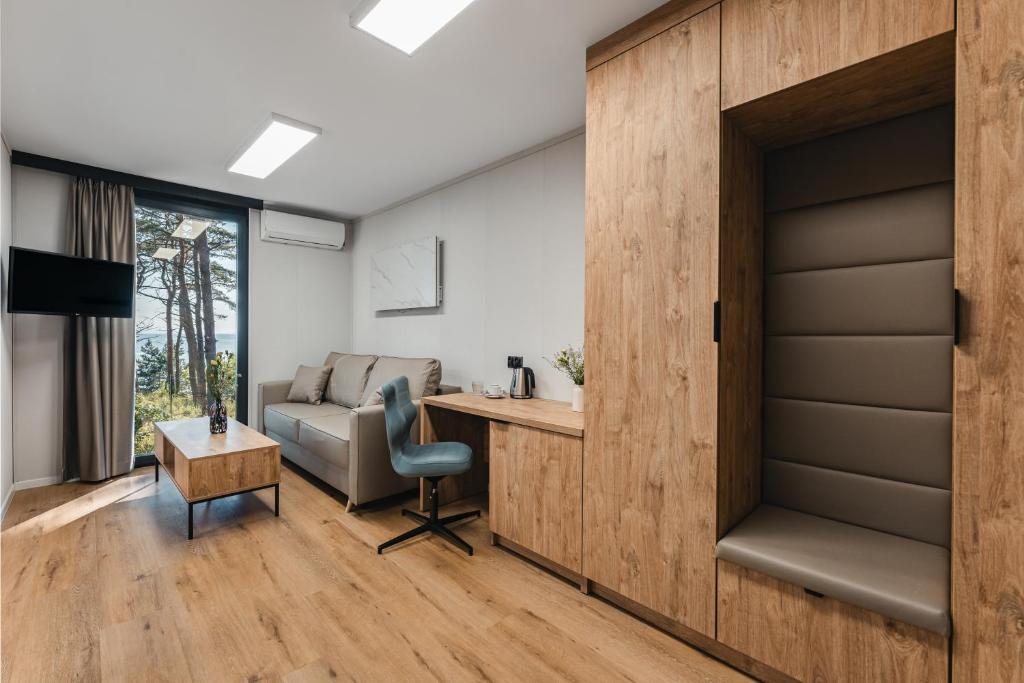
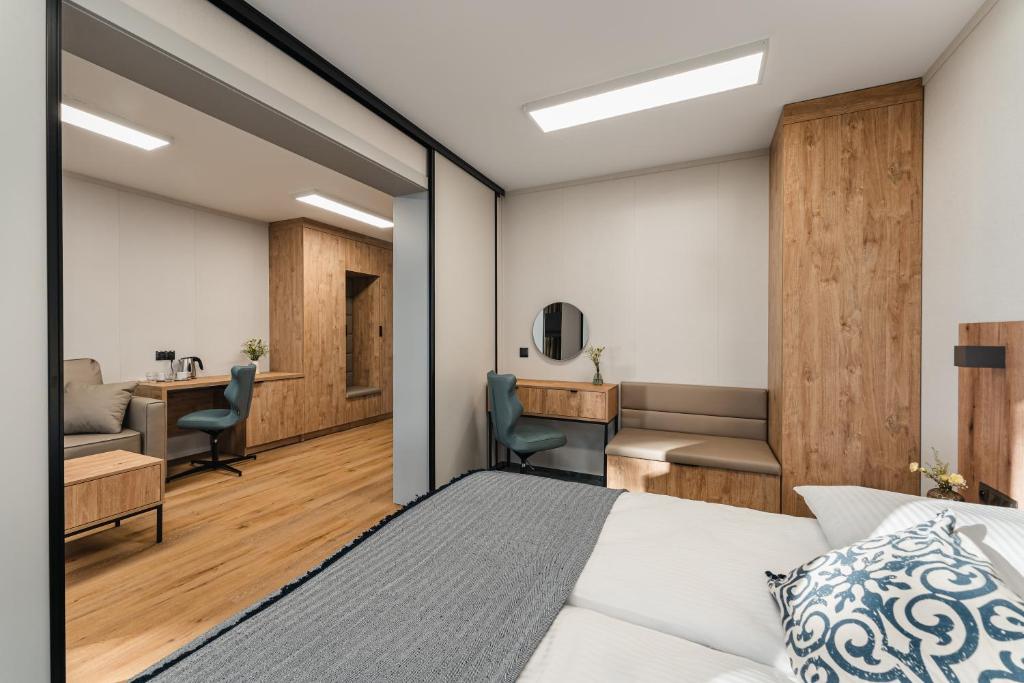
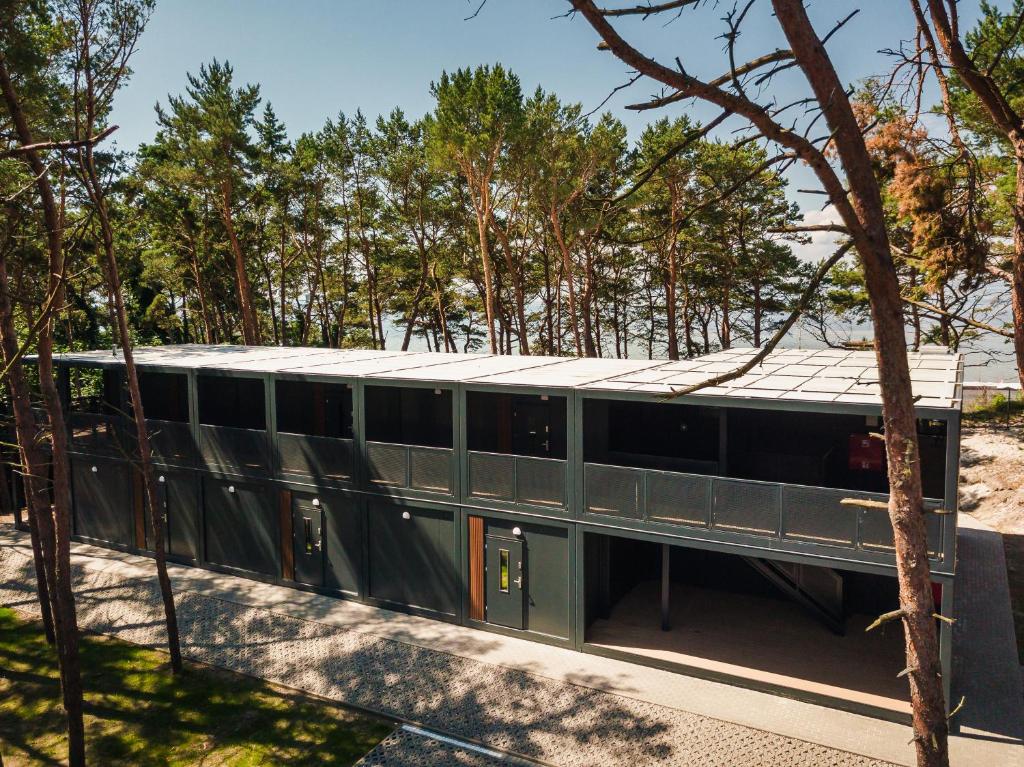
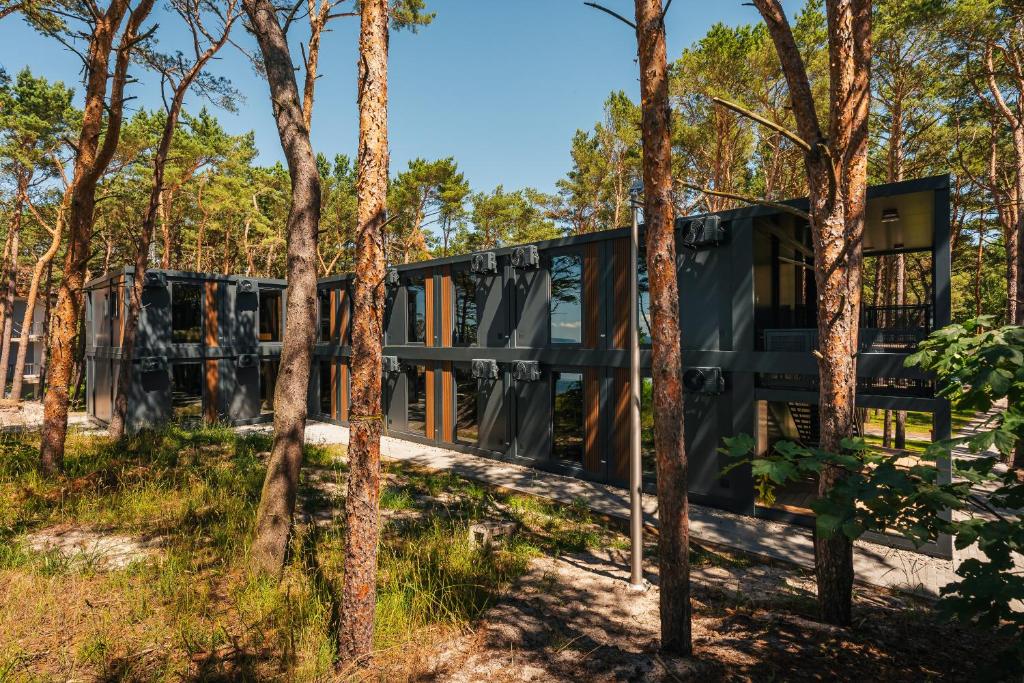
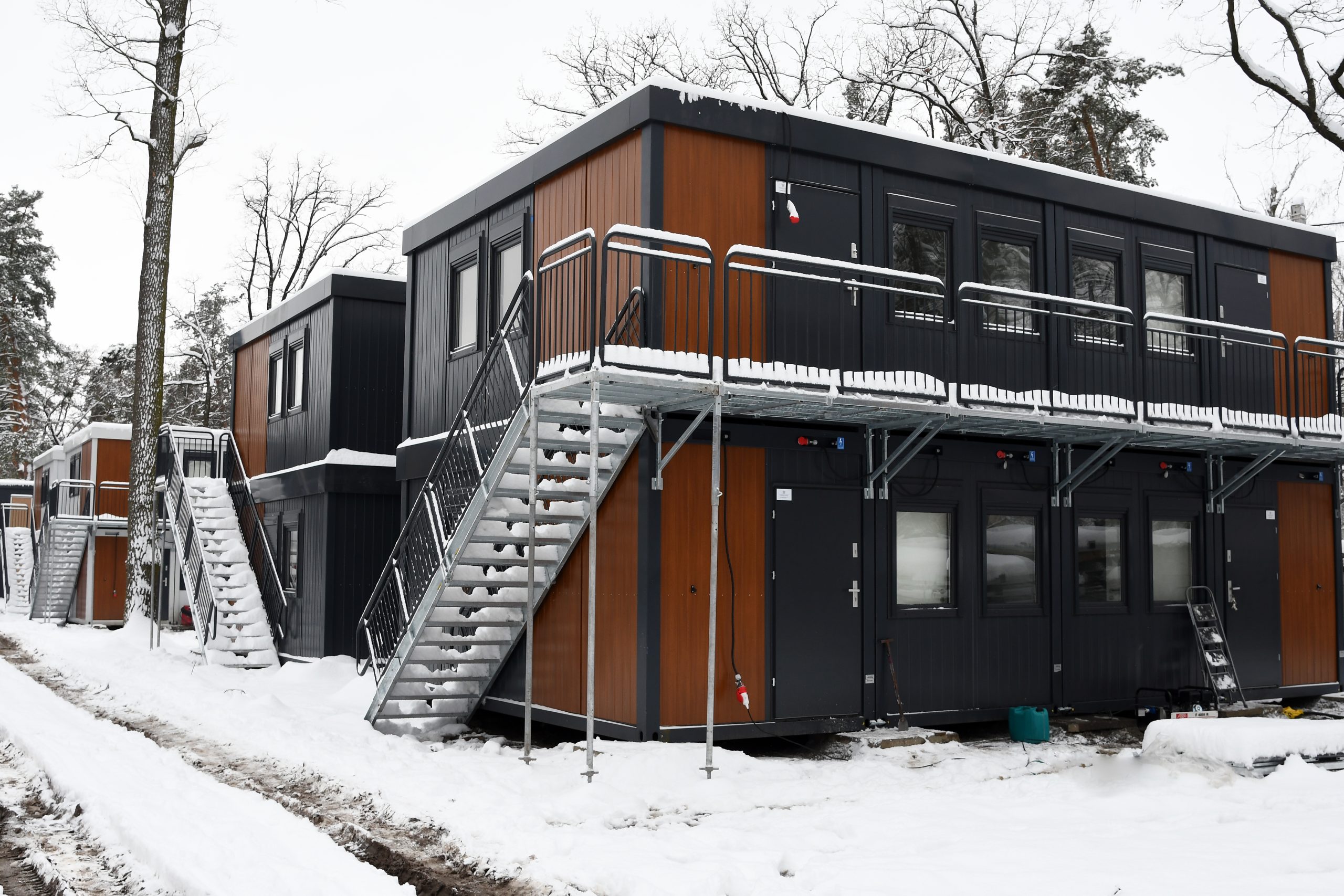
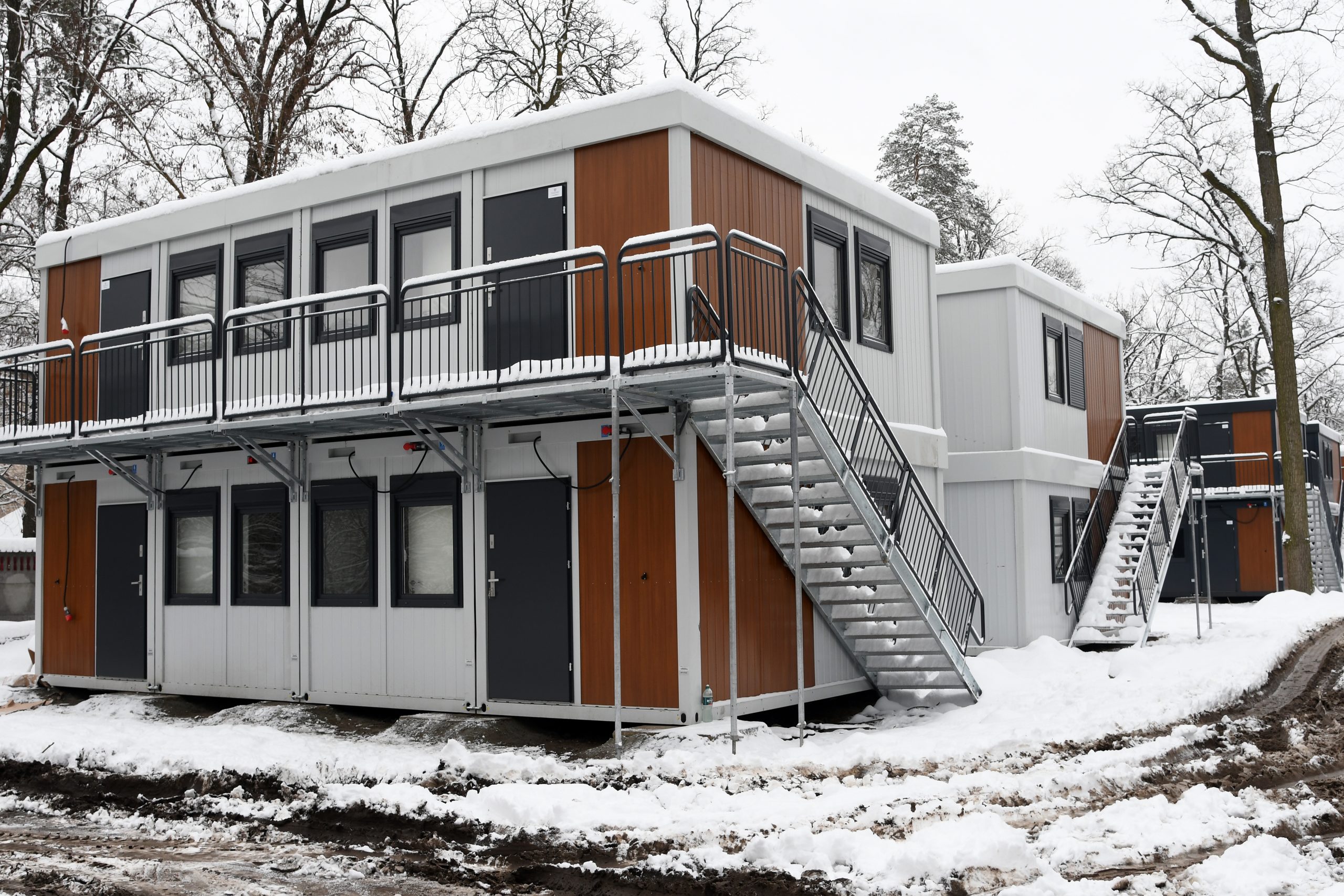
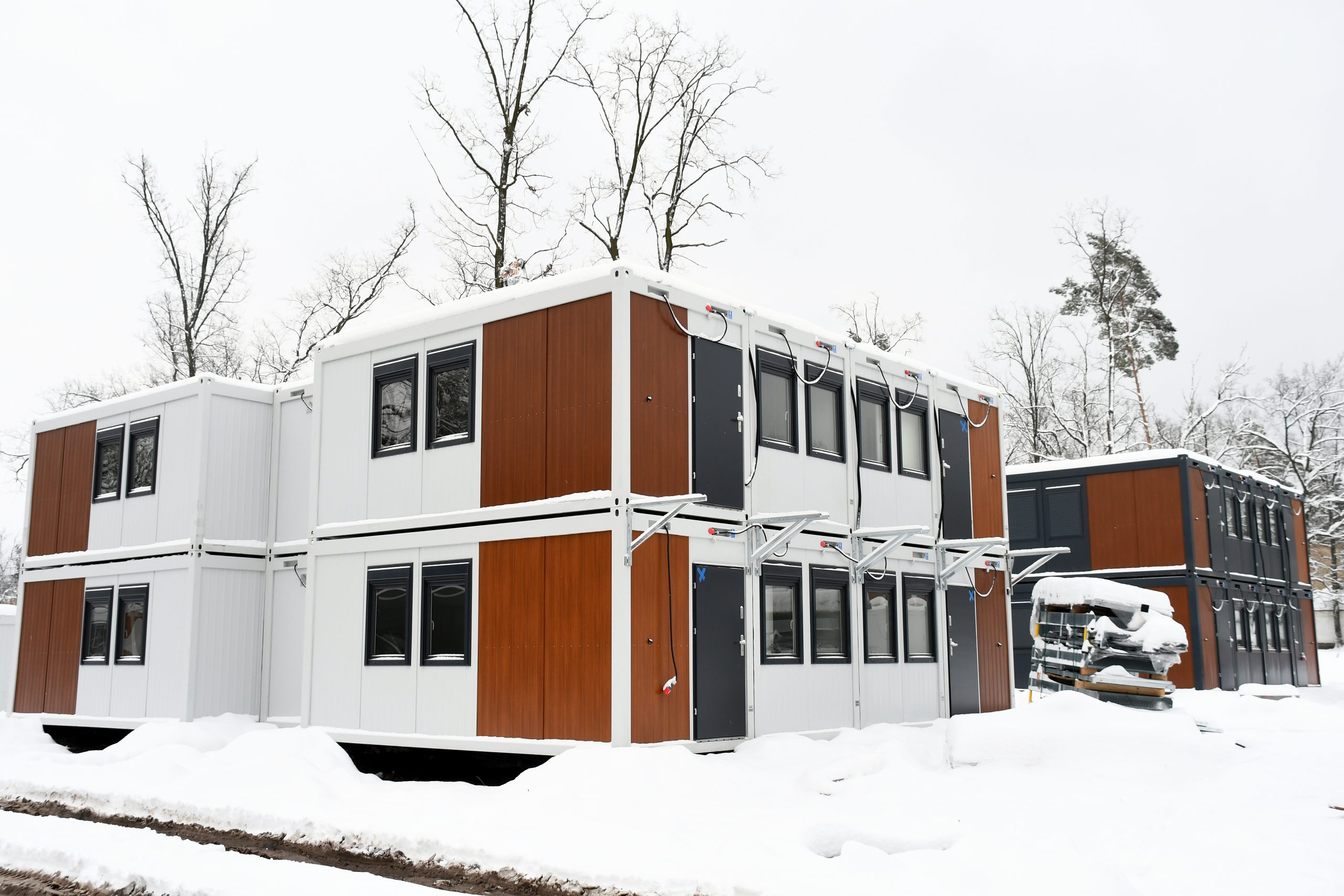
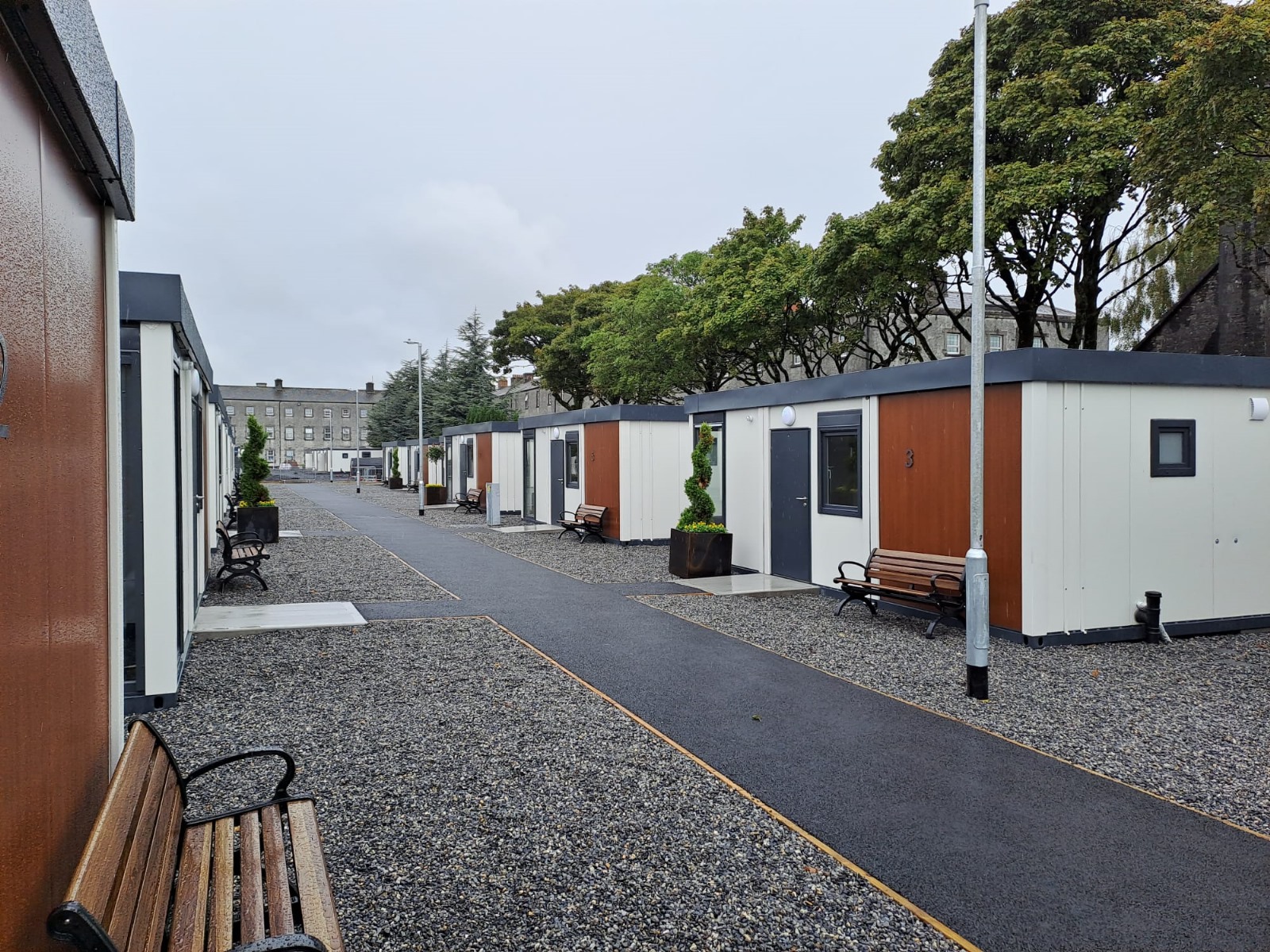



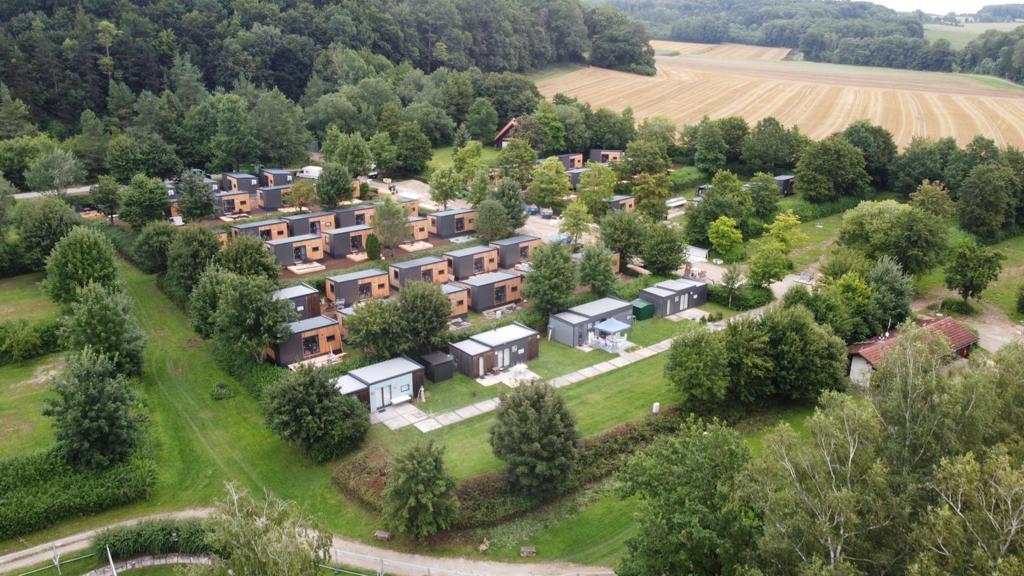
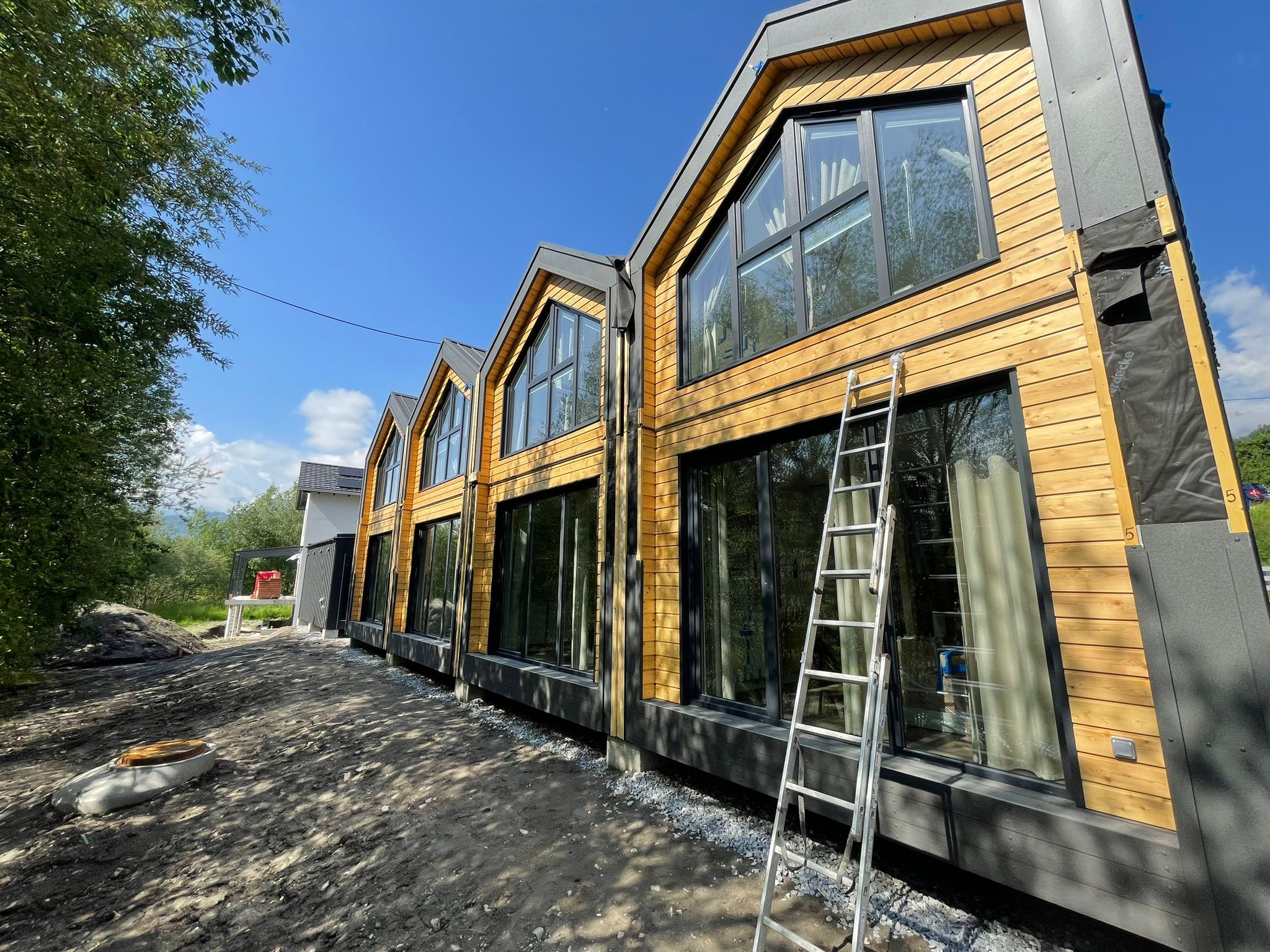
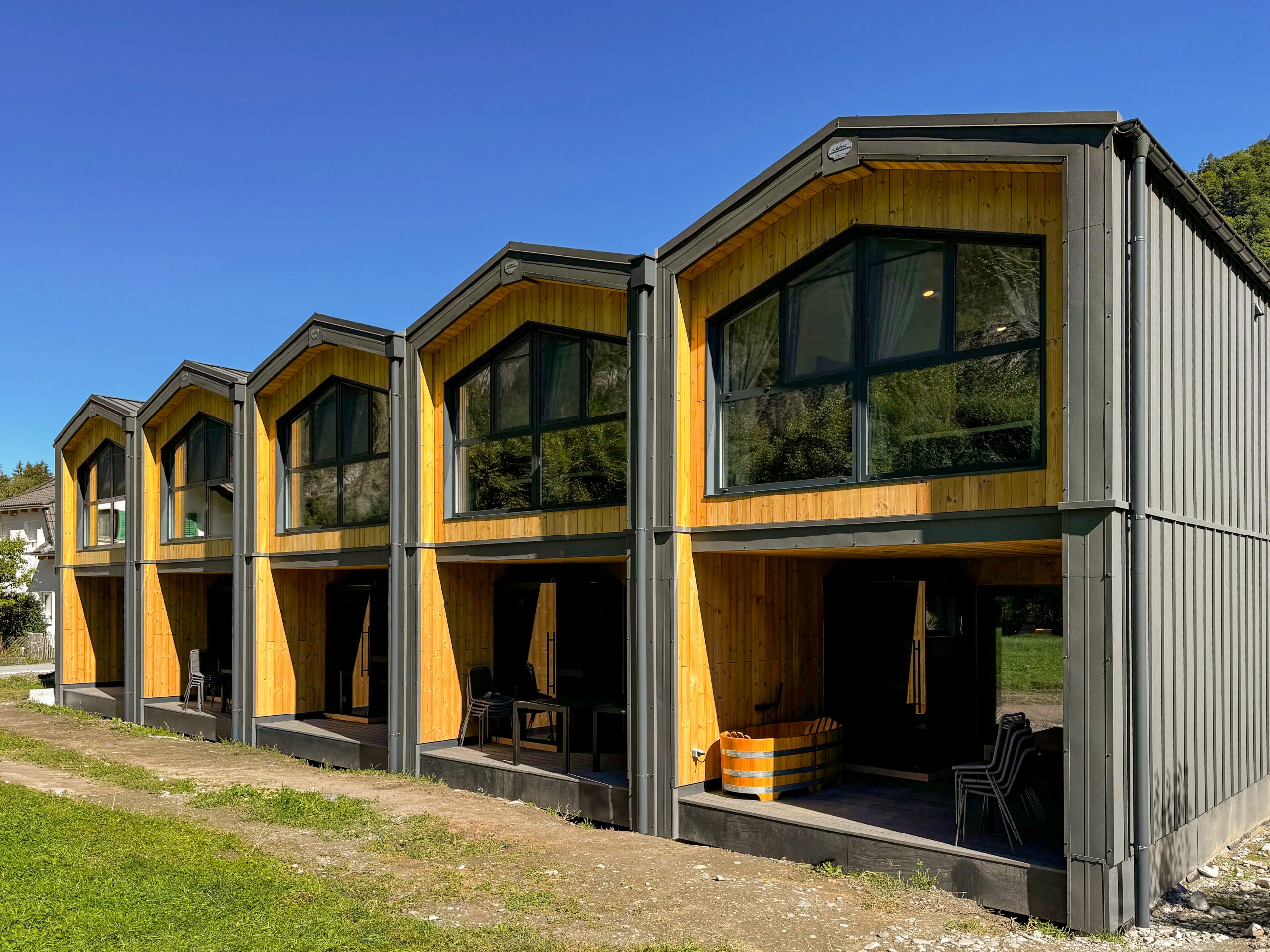
What modular student accommodation actually means in developer terms
This is not just residential modular in general. It is a delivery model for bed-space creation, faster occupancy, repeatable unit logic and tighter PBSA programme control.
Modular student accommodation can be used for cluster flats, studio-led schemes, campus expansion blocks, phased delivery programmes and mixed residential student developments where repeatability, density and programme compression matter. It is usually most commercially powerful when the buyer cares about time to revenue, not only time to build.
Developers looking at modular offices, modular hotels or modular homes often discover that the real decision point is not building type alone. It is the economics of density, letting model, user expectation and long-term asset positioning.
Page job
Qualify the right PBSA route first, then convert. This page is built to stop the wrong scope being priced as though it were the right one.
Why modular PBSA attracts serious developer interest
For developers, modular student accommodation is usually about programme risk, occupancy timing, financing efficiency and repeatable bed-space output.
Earlier revenue
If completion accelerates, occupancy and rental income may begin earlier.
Repeatable units
Standardised bedrooms, clusters and service zones reduce design drift.
Density mindset
The right modular route can support efficient bed-space planning and clearer stacking logic.
Less live-site uncertainty
Moving more work into the factory can improve predictability.
Best-fit student accommodation projects
PBSA urban blocks
Strong where high-density bed-space planning, repeatable room logic and speed to occupancy are central to the financial case.
Campus expansion phases
Useful when universities or private partners need more rooms quickly without waiting on longer traditional programmes.
Multi-site investor rollouts
Best when the same student room or cluster model can be repeated across more than one site or phase.
Where modular student accommodation is a weaker fit
- ✓Ultra-bespoke one-off buildings where repeatability is minimal and the scheme is driven by unique architectural complexity alone.
- ✓Sites where density, circulation and core layouts remain too unresolved to define a sensible modular grid.
- ✓Projects where the accommodation is not actually student-led and is better positioned as modular hotels or another residential typology.
Critical commercial rule
If the scheme economics do not reward speed, density or repeatable unit logic, modular may still work technically, but the commercial edge becomes weaker.
Every student accommodation scheme should still be tested against all three KC systems
The right route depends on speed, permanence, density, façade ambition, investor expectations and the student experience being targeted.
ISO frame route
Best for speed, repeatability and unit-led delivery where modular grid discipline and phased rollout are strong priorities.
Bespoke steel route
Best where the student scheme is more permanent, urban and architecturally expressive, or where larger integrated block forms are required.
Timber frame route
Best where a warmer, more premium living environment or sustainability-led narrative is central to the proposition.
ISO and volumetric student accommodation references
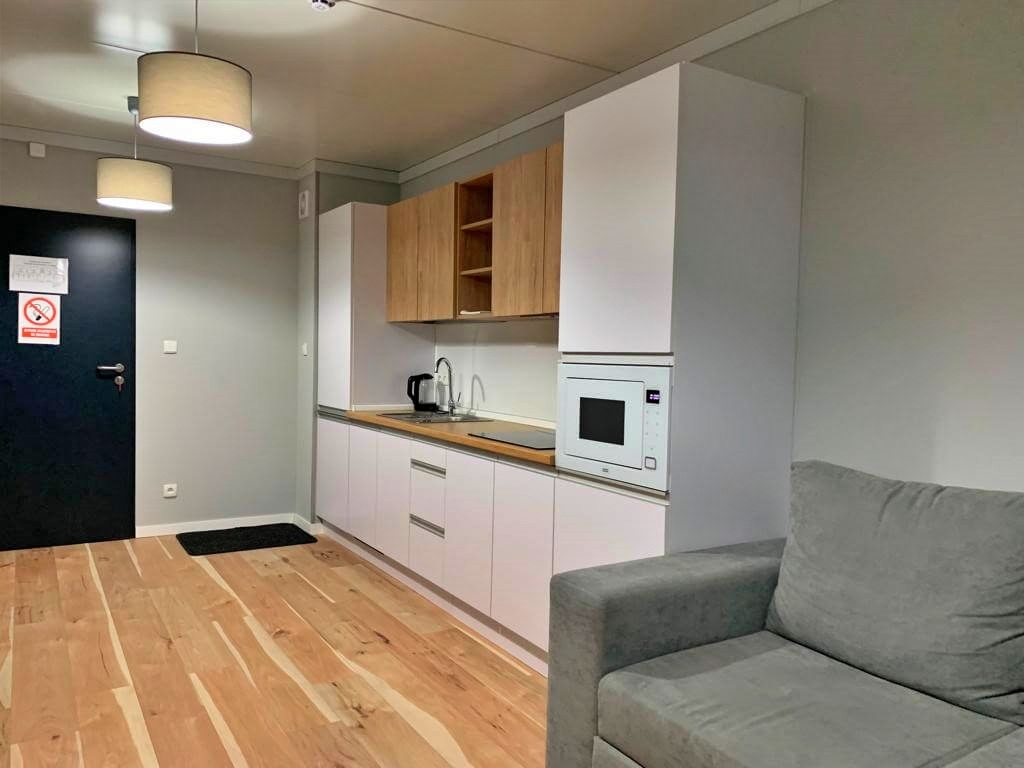
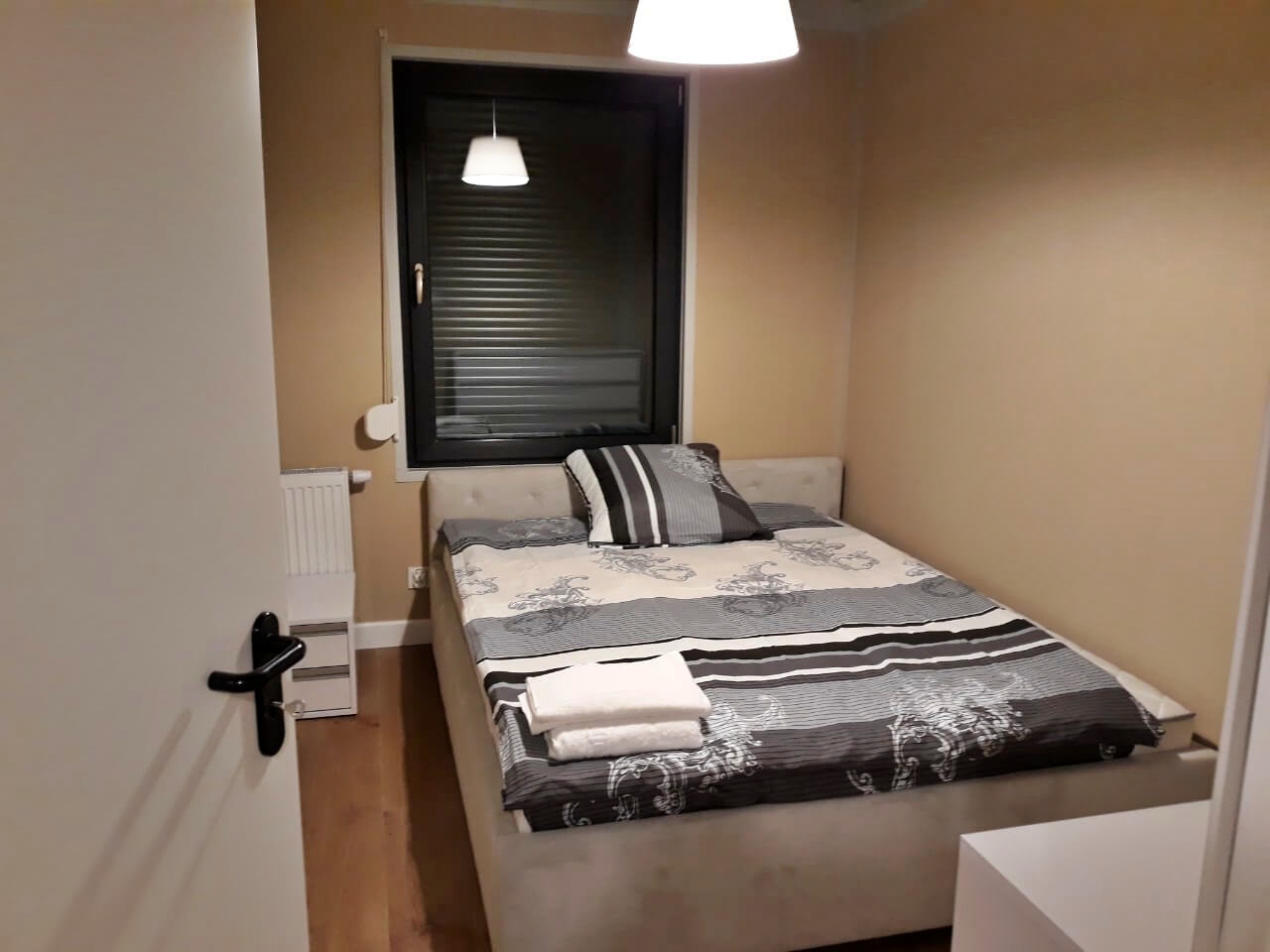
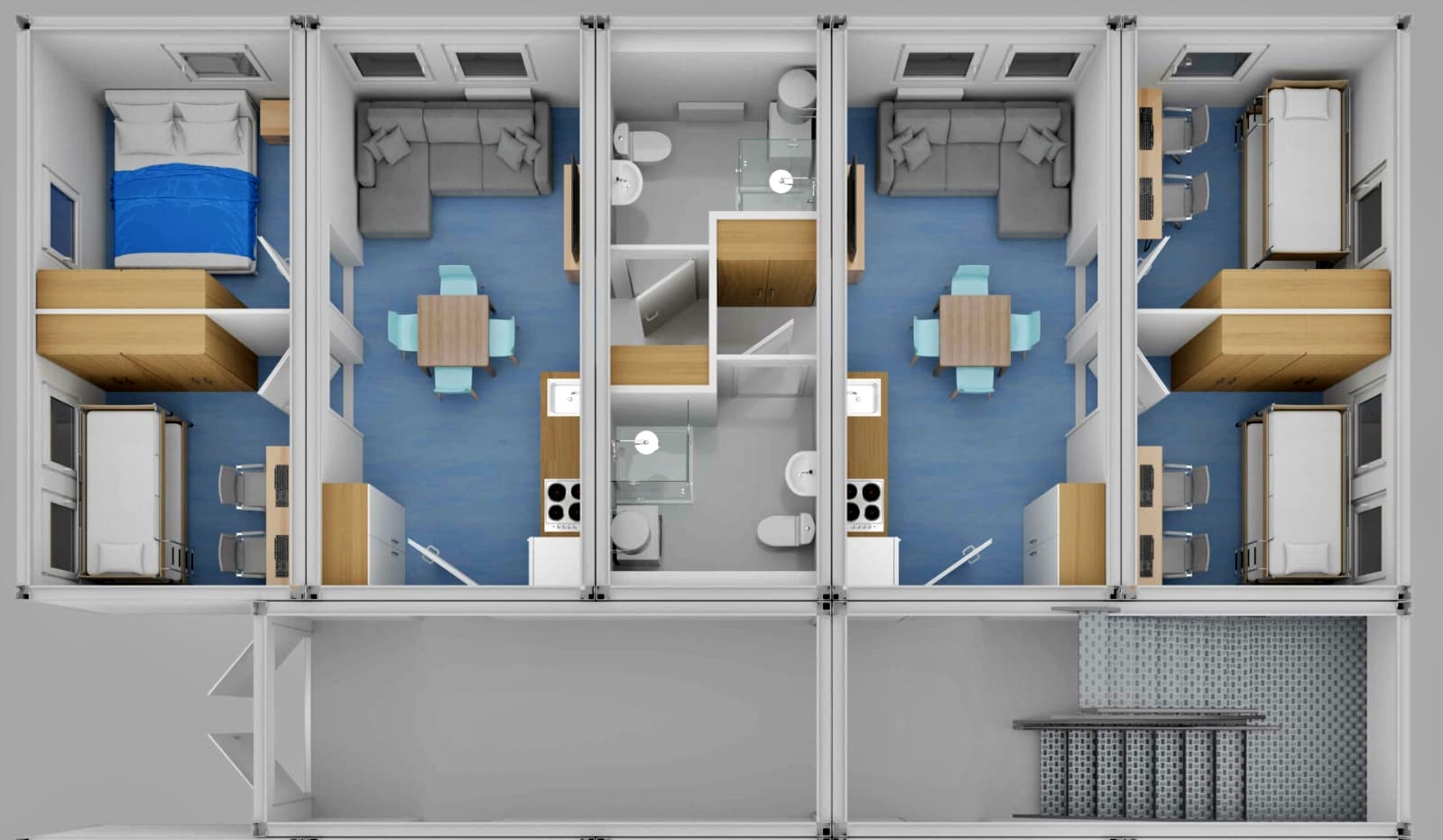
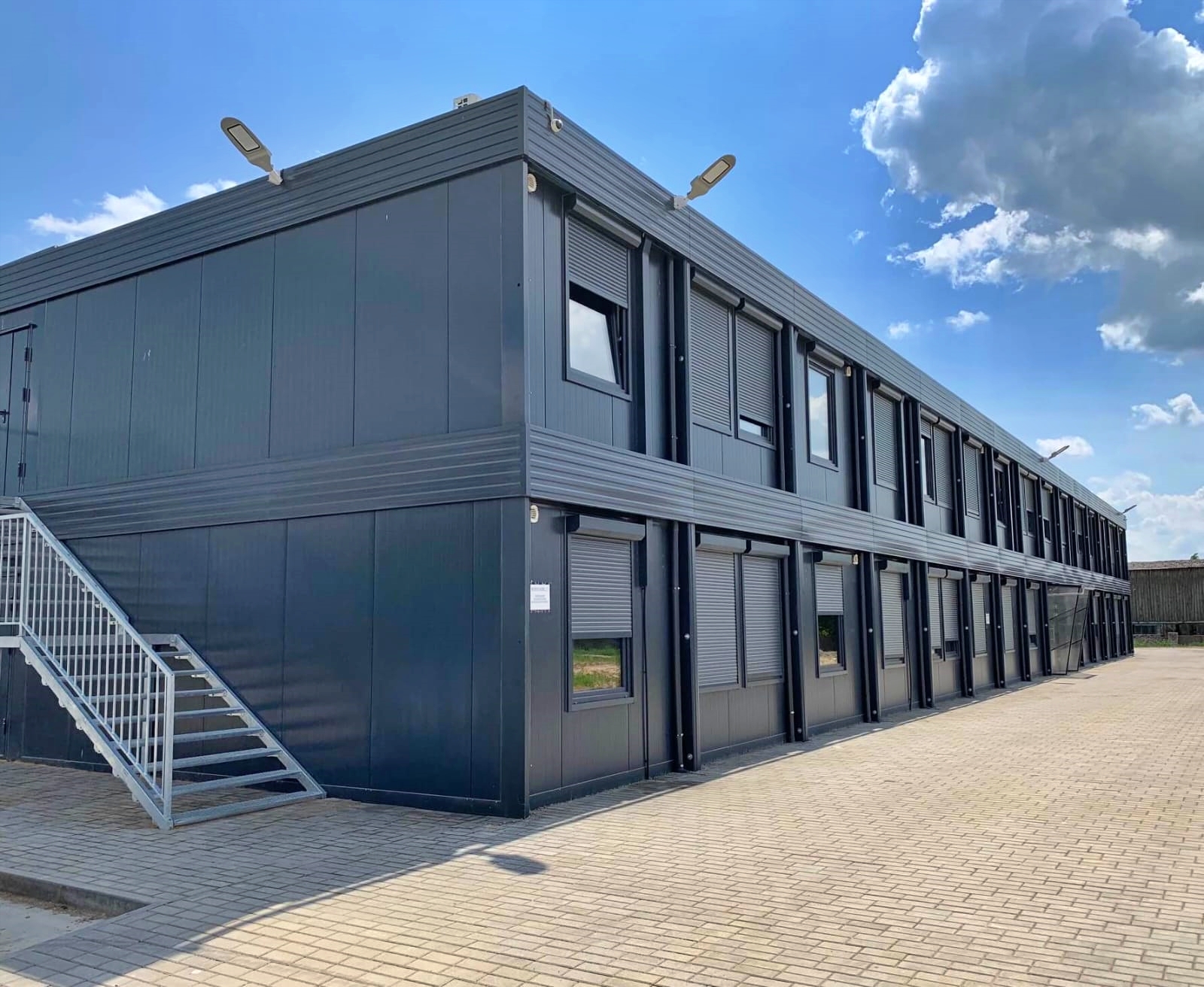
Student accommodation still has to lease well, not just build fast
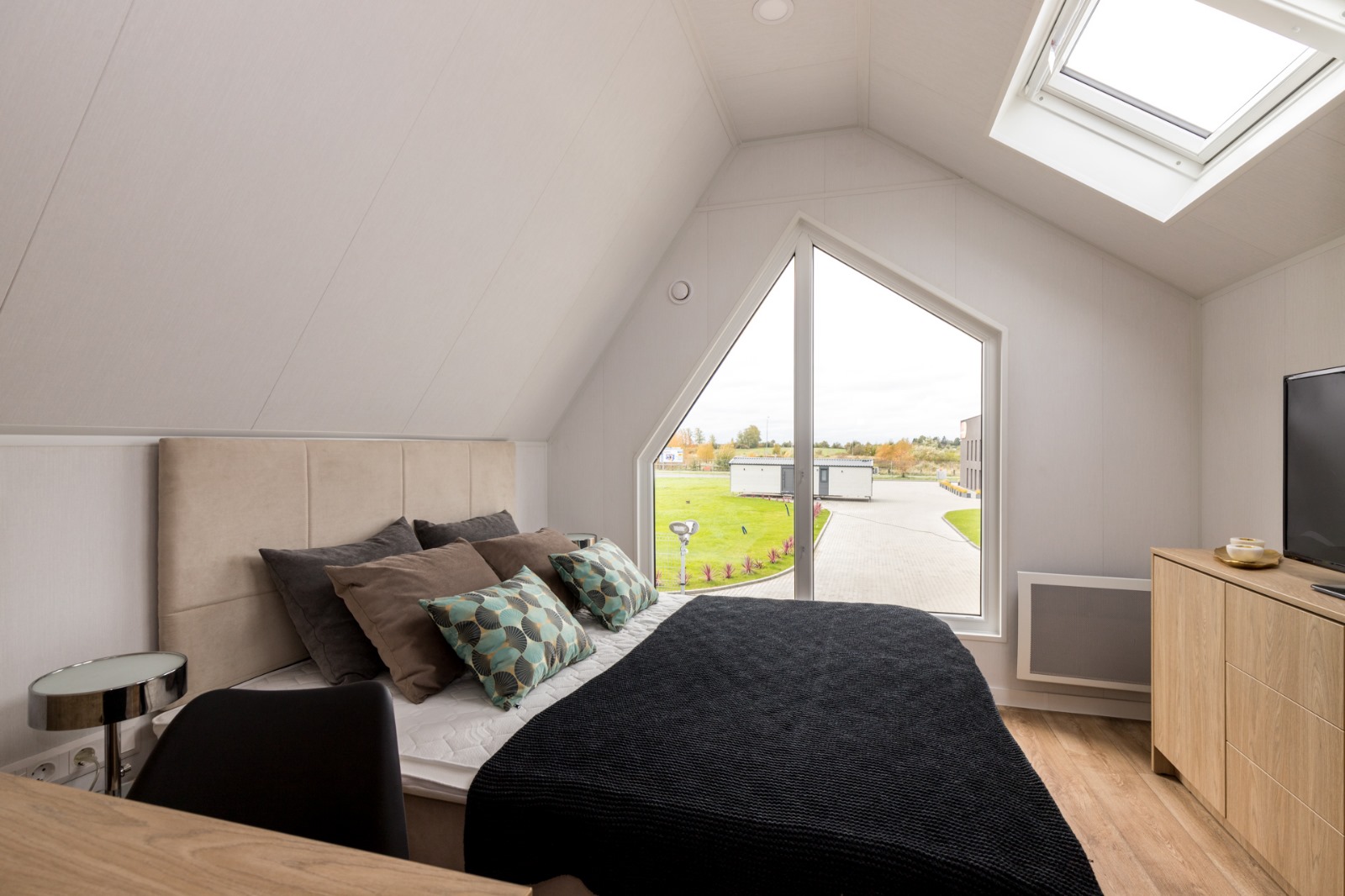
A student scheme is not judged only on how many beds fit the site. It is also judged on how those rooms feel, how shared spaces work, how circulation reads, and whether the overall living environment supports occupancy and market position.
That is where a more premium system route can become commercially justified. If a scheme targets a higher-value tenant profile, better room perception or a more distinctive brand position, interior quality and façade character start to matter more.
This is one reason student accommodation should also be compared with modular hotels and modular homes when the operator is really targeting a more premium residential experience.
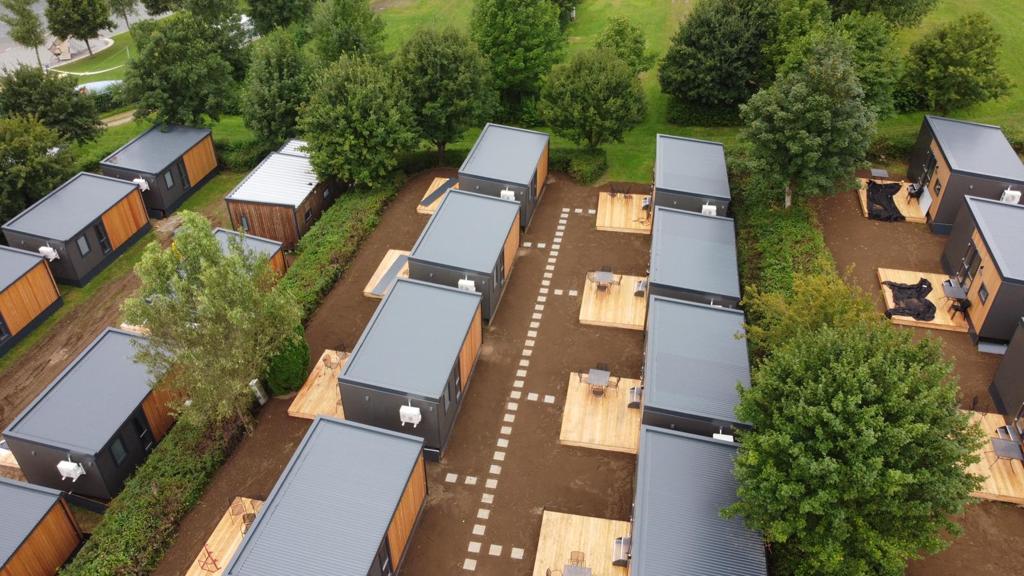
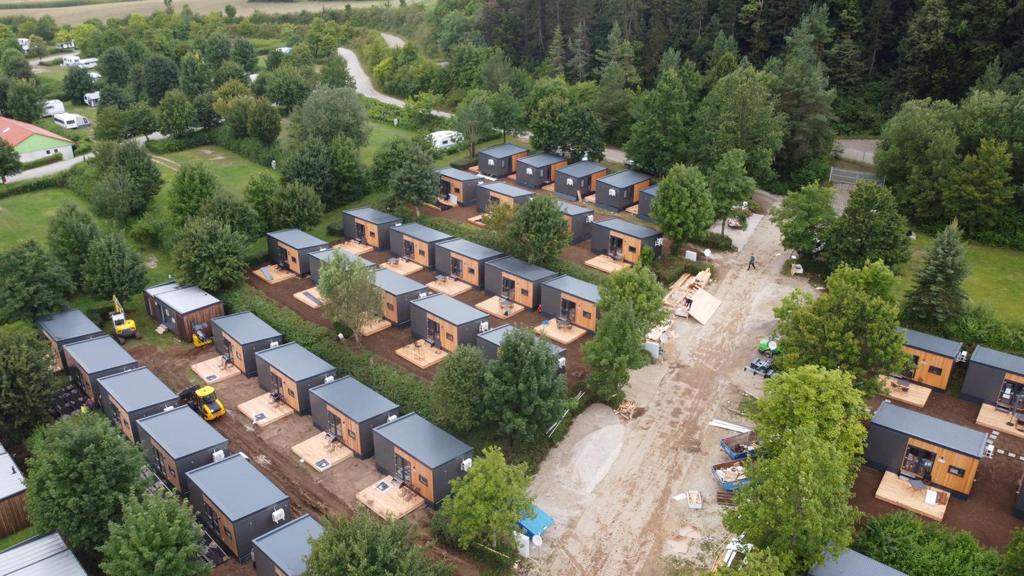
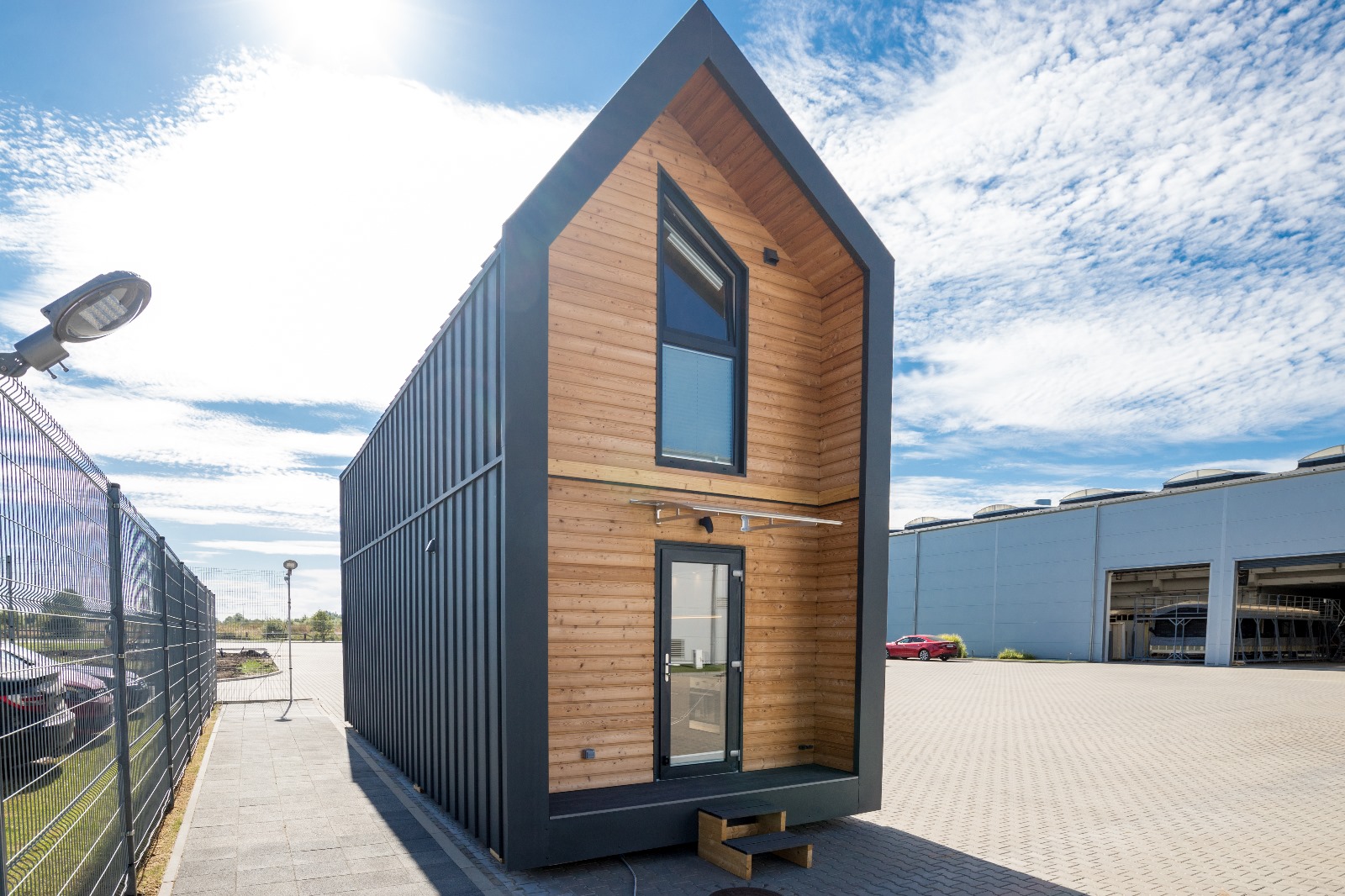
The scheme is usually won or lost on bed-space efficiency
For many student developments, the real question is not “can we build this modularly?” but “can we create the right number of lettable rooms, with the right unit mix, at the right speed, without damaging planning or build viability?”
- ✓Studios versus cluster flats change the commercial profile of the scheme.
- ✓Circulation and core efficiency affect cost per bed and net-to-gross performance.
- ✓Repeatable room layouts support both cost control and manufacturing efficiency.
Developer truth
Modular student accommodation becomes commercially powerful when the room grid, bathroom strategy, circulation and structural rhythm all support the same yield goal. If those pieces fight each other, the model weakens fast.
What affects student accommodation cost per bed
Trying to price PBSA by floor area alone is usually too crude. Cost per bed and income timing matter more.
| Cost driver | Why it matters | Commercial impact |
|---|---|---|
| Bed count and unit mix | Studios, cluster flats and accessible units all affect planning and construction logic differently | Changes both revenue profile and build complexity |
| Building height and form | Structural solution and vertical circulation efficiency influence cost substantially | Can shift cost per bed more than superficial finish choices |
| Interior and amenity specification | Communal quality, kitchens, lounges and shared facilities affect student appeal | Raises or lowers brand position and achievable rents |
| Façade ambition | A highly expressive urban PBSA scheme is not priced like a purely functional repeatable block | Directly affects capital deployment |
| Site logistics and interfaces | Access, cranage, phasing and groundwork assumptions influence modular efficiency | Can materially alter overall viability |
Earlier completion changes the business case
Student accommodation is a timing-sensitive product. Missing an intake window can damage a scheme far more than a simple cost variance line on paper.
Occupancy timing
Completion aligned to the academic calendar can materially affect first-year income capture.
Financing efficiency
Shorter programmes can reduce the period during which capital is tied up before rooms begin earning.
Student accommodation should not be positioned like generic residential
Student accommodation can sit close to residential language, but the commercial and planning logic is different. Bed-space density, amenity mix, circulation quality, noise management, shared space provision and operational strategy all carry more weight than a generic housing page would suggest.
That is why this page deliberately routes some users into modular vs prefabricated and which modular system to choose. Before committing to a build route, the scheme has to be classified correctly.
Modular PBSA vs traditional student accommodation delivery
| Question | Modular student accommodation | Traditional approach |
|---|---|---|
| Speed to occupancy | Often stronger where design can be repeated and factory delivery is used properly | Usually more exposed to longer live-site sequencing |
| Repeatable room logic | Strong fit for standardised bed-space production | Can vary more between phases and contractors |
| Cost predictability | Potentially stronger where the unit mix and system route are disciplined early | Often more open to site-stage variation |
| Best commercial use case | PBSA, campus expansion, multi-site rollout, phase-led schemes | One-off projects with less repeatability |
The kind of student accommodation brief this page is built for
A developer has a viable site in a university city. The question is not whether student demand exists. The real question is how to maximise bed-space, protect programme, avoid unnecessary design drift and open the building in time for the target intake window.
This page is written for that buyer — the one balancing density, cost per bed, room mix, façade ambition, investor expectations and timetable pressure all at once.
Move to the right next page
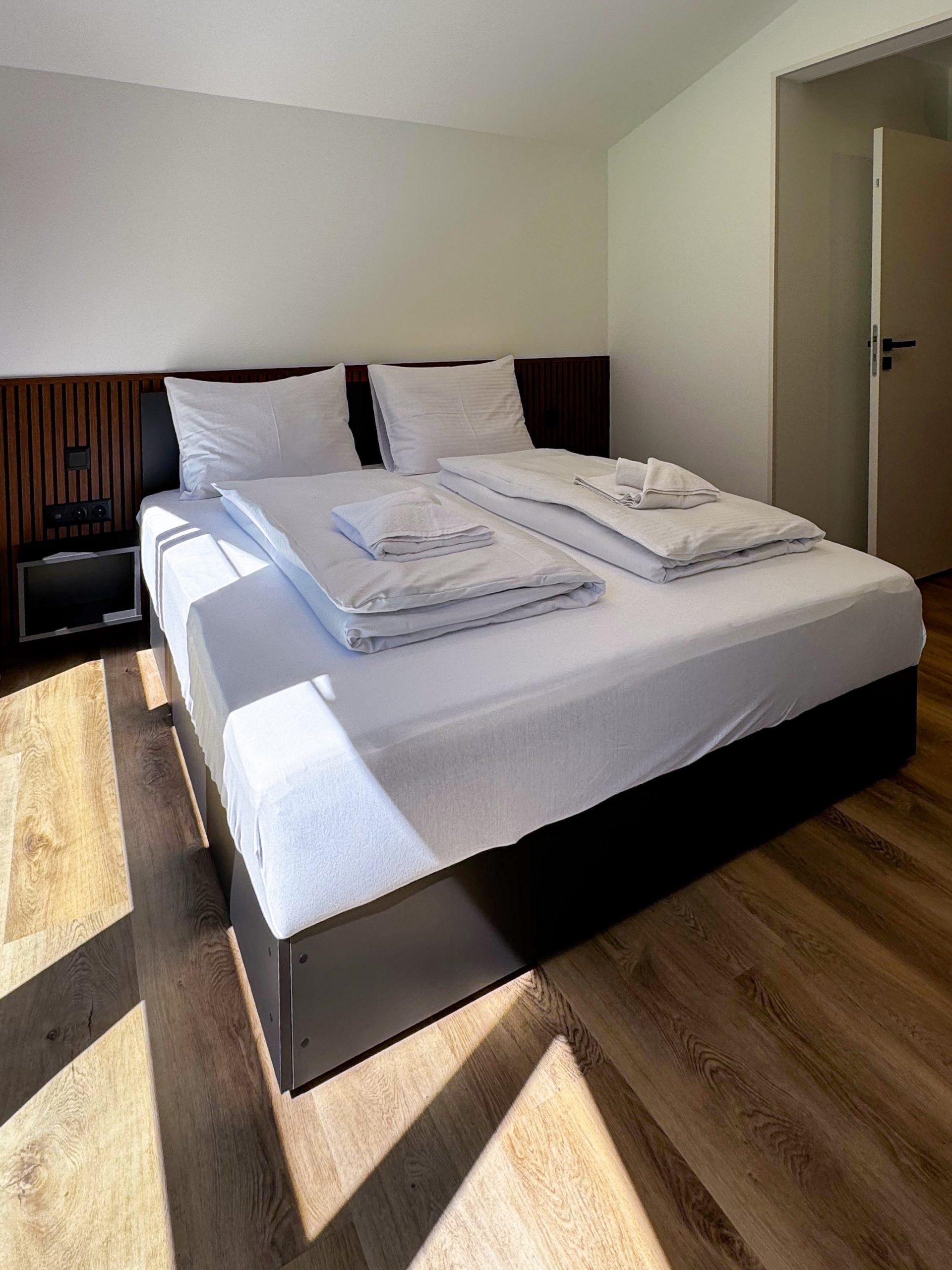
If the accommodation brief is starting to look more like a hospitality asset, move into modular hotels. If the scheme is becoming more residential and less operator-led, compare modular homes. If the building route itself is still not fixed, use which modular system to choose before finalising the commercial assumptions.
Modular offices
Useful if the brief is drifting towards mixed-use management, amenity or commercial space.
Modular hotels
Use this if the scheme economics are becoming closer to hospitality than classic PBSA.
Modular vs prefabricated
Useful when the offsite route itself still needs to be clarified for stakeholders.
Why this page should convert serious PBSA enquiries
System-qualified advice
The page is built to stop the wrong student scheme being priced as though it were the right one.
Manufacturing logic
Internal routes support deeper trust through manufacturing, quality and warranty pages.
Investor language
The commercial argument is based on occupancy, yield timing and repeatable delivery logic.
UK rollout mindset
The content is structured for live UK development decisions, not generic housing traffic.
Useful external references for compliance and planning context
Student accommodation schemes should still be checked against the relevant regulatory and planning routes. Useful starting points include the Approved Documents collection and the Planning Portal. Those do not replace project-specific advice, but they help frame the wider context around the building solution.
Common student accommodation questions
What is modular student accommodation?
Factory-built student accommodation used to deliver PBSA and campus housing faster, with repeatable room logic and better programme control.
Why do developers choose it?
Because earlier completion can improve occupancy timing, financing efficiency and overall delivery discipline across the scheme.
What affects cost per bed most?
Unit mix, building height, circulation efficiency, façade ambition, interior specification and site logistics are usually the biggest drivers.
Ask KC to review the student accommodation scheme before cost and unit assumptions harden
Send the target bed count, proposed mix of studios and clusters, site location, planning status and any drawings or massing assumptions you already have. The first objective is to qualify the right system and commercial structure before detailed pricing is fixed.