
Planning guidance • UK
Modular buildings are often chosen for speed — but planning timelines are usually driven by site context
In UK planning, timelines are shaped by access, layout, neighbours, and policy constraints — not by how quickly a building can be manufactured.

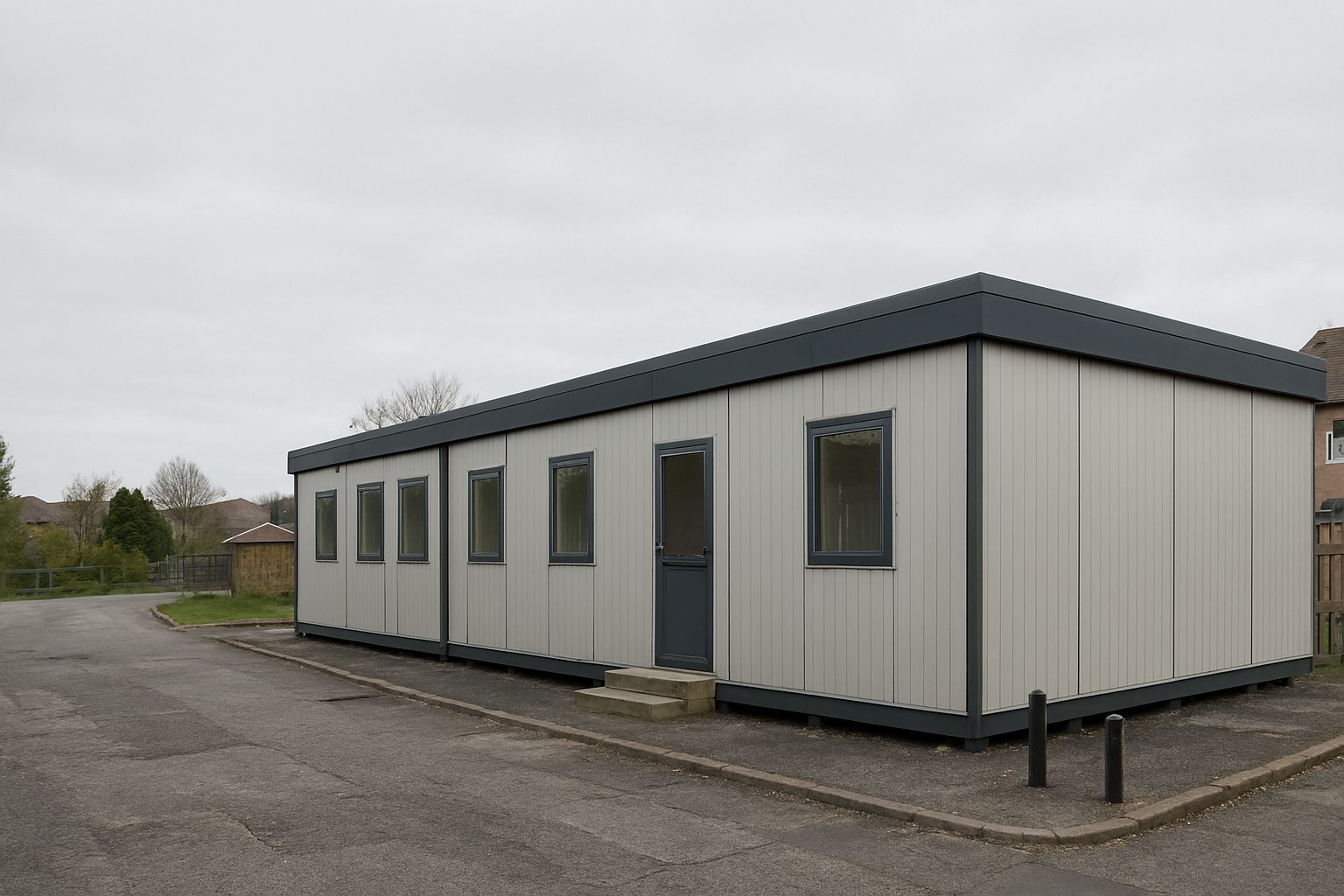
Example of a modular building where site layout and access conditions influence planning review timelines.
Planning timelines depend on site context, not construction speed
Many clients choose modular buildings because of the efficiency that off-site manufacture provides. However, it's important to understand that planning approval timelines operate independently from how quickly a building can be produced in a factory. In other words, even though your modular unit might be ready in 4–12 weeks, the planning process follows its own schedule.
In practice, local planning authorities assess applications based on a range of site-specific factors. These typically include access arrangements, highways impact, relationships with neighbouring properties, environmental constraints, and alignment with local planning policy. As a result, two identical modular buildings proposed on different sites can experience very different approval timescales.
"The speed of modular construction is a post-consent advantage. Before that point, planning timelines are determined by site complexity and how clearly the application addresses potential concerns."
Key factors that influence planning timescales
When you submit a planning application for a modular building, officers will evaluate several aspects of your proposal. Understanding these factors in advance can help you prepare a stronger application and, consequently, reduce the likelihood of delays:
🚗
Access & Highways
Planning officers assess vehicle access, visibility splays, and traffic impact. If your site requires highways consultation, this can add several weeks to the process. Therefore, providing clear access drawings upfront helps avoid delays.
🏘️
Neighbouring Properties
The relationship between your proposed building and adjacent properties matters significantly. For example, officers consider overlooking, overshadowing, and noise impact. Addressing these concerns proactively strengthens your application.
🌳
Environmental Constraints
Sites within flood zones, conservation areas, or near protected habitats require additional assessments. Consequently, these applications typically take longer. However, early engagement with relevant consultees can help streamline the process.
📋
Policy Compliance
Your application must demonstrate alignment with local and national planning policy. In particular, officers check whether the proposed use, scale, and design comply with the development plan. Clear policy justification reduces the need for clarification requests.
📐
Application Quality
Incomplete or unclear applications often trigger requests for additional information. As a result, this extends the determination period. Submitting comprehensive drawings, reports, and supporting statements from the outset helps maintain momentum.
⏱️
Authority Workload
Planning departments have varying caseloads and resources. While the statutory determination period is 8 weeks for minor applications and 13 weeks for major ones, actual timescales can differ. Nevertheless, well-prepared applications tend to progress more smoothly.
Why this matters for your modular project
Understanding the distinction between manufacturing speed and planning timescales helps you set realistic expectations for your project. While modular construction offers significant advantages once consent is granted — including faster installation, reduced site disruption, and better quality control — the planning stage requires careful preparation regardless of your chosen construction method.
Furthermore, where site information is unclear or incomplete, planning officers may request clarification before they can determine the application. This extends timelines regardless of how quickly a building could be delivered after consent. Therefore, investing time in thorough pre-application preparation often pays dividends in the long run.
It's also worth noting that planning outcomes depend on site conditions and local authority interpretation. As a result, no single building approach — whether modular or traditional — guarantees faster approval. However, working with a manufacturer experienced in planning submissions can help you navigate the process more effectively and avoid common pitfalls.
🏫
Modular Schools
Education-specific planning context and DfE compliance guidance
🏢
Modular Buildings Overview
Explore our full range of factory-built solutions for all sectors
📖
Planning Portal
Official UK government planning guidance and application forms
💬
Request Planning Guidance
Speak to our team about your specific site and project requirements