
Modular Construction UK — Guides, Insights & Technical Resources
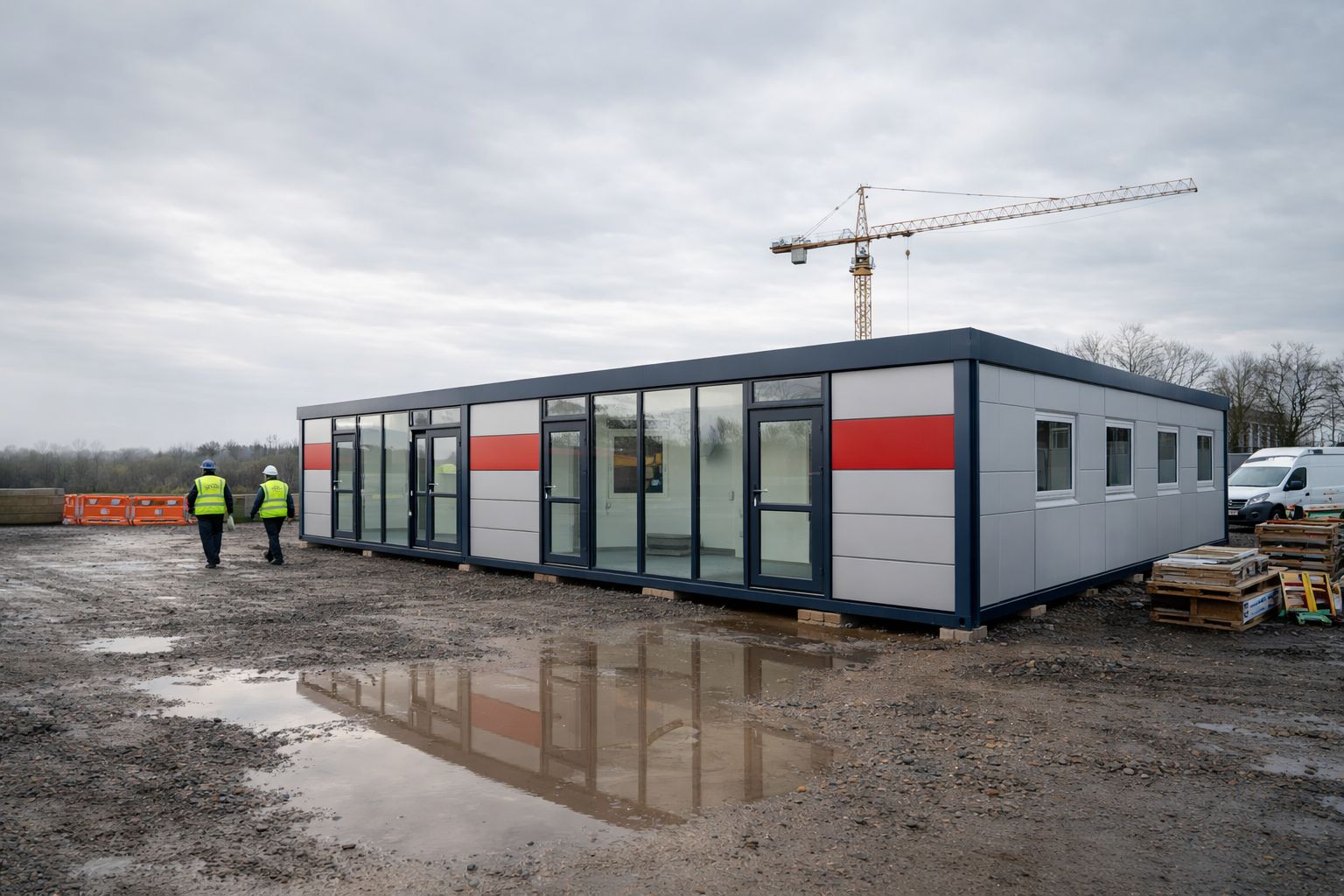
■ Resource Hub — General Construction
Modular Construction UK:
Modular Construction UK:
Expert Guides & Technical Resources
Everything you need to know about modular construction in the UK — from site preparation and foundation choices to assembly methods, design planning and the future of off-site building. Moreover, each guide is written by our in-house team with over 15 years of hands-on manufacturing experience.
19+
Expert Articles
4
Topic Clusters
6+
Sectors Covered
15+
Years Experience
What Is Modular Construction?
A Smarter Way to Build in the UK
Modular construction in the UK is transforming how commercial, education, healthcare and public sector clients procure buildings. In contrast to traditional methods, faster programmes, lower disruption and better energy performance are all achievable — from a controlled factory environment.
As a result, organisations across every sector are switching to modular as their preferred procurement route. Not only does it reduce programme risk, but buildings also exceed current UK Building Regulations on energy efficiency, fire safety and accessibility.
Why Traditional Build Falls Short — and How Modular Solves It
⚠
The Problem with Traditional Build
Traditional construction creates significant challenges for UK organisations. In particular, long programmes and weather dependency combine to drive up costs and delay occupancy. Moreover, poor energy performance leads to Part L compliance failures that are expensive to remedy after the fact.
- ✗ Programmes of 12–24 months delay occupancy and increase holding costs significantly.
- ✗ Weather-dependent labour causes unpredictable delays, consequently pushing budgets beyond initial estimates.
- ✗ Poor insulation standards result in high energy bills and Part L compliance failures.
- ✗ Months of on-site activity disrupt neighbouring businesses, schools and residents throughout the build.
- ✗ Rigid structures cannot be relocated, expanded or repurposed as organisational needs change over time.
✓
The Modular Construction Solution
By contrast, modular construction eliminates each of these pain points. Because 90% of the build happens in a controlled factory, programmes are faster, more predictable and far less disruptive to the surrounding environment.
- ✓ Consequently, programmes of just 8–12 weeks get your building operational far sooner than traditional methods allow.
- ✓ Factory manufacturing eliminates weather risk entirely, therefore keeping every programme on schedule.
- ✓ In addition, KINGSPAN QuadCore panels achieve U-values of 0.16–0.18 W/m²K, exceeding Part L requirements.
- ✓ On-site installation takes just 1–5 days, thereby minimising disruption to your operations and neighbours.
- ✓ Furthermore, fully relocatable modules can be expanded, reconfigured or redeployed whenever your needs evolve.
What You Will Find in This Resource Hub
This hub brings together technical guides, practical how-to articles and industry insights on modular construction UK-wide. Whether you are a contractor, facilities manager, school bursar or developer, actionable guidance is available here. In addition, every article is written by our in-house technical team with over 15 years of hands-on manufacturing experience.
Browse by Topic
⚙
Site Preparation
Concrete bases, jackpads, easypads and plastic base options for every ground condition.
💡
Future of Modular
Why MMC and off-site construction are reshaping the UK building industry in 2025 and beyond.
✎
Design & Planning
Floor plans, module assembly, custom temporary buildings and garden room construction.
📚
History & Innovation
Post-war prefab housing, shipping container architecture and the evolution of modular building.
Why These Guides Matter for Your Project
Each topic cluster addresses a distinct stage of the modular construction process. For instance, the Site Preparation guides help you choose the right foundation before your building arrives on site. Meanwhile, the Design & Planning articles walk you through floor plan options, module sizing and compliance requirements in detail.
Furthermore, the Future of Modular section provides the strategic context needed when making procurement decisions at board level. Taken together, these resources give you a complete picture of modular construction in the UK — from first brief through to final handover.
Explore further: Read our in-depth guides on Custom Modular Buildings, Education Modular Buildings and speak to our team about your next project.
In addition, visit GOV.UK guidance on modular buildings ↗ for planning and regulatory information. Alternatively, browse our Welfare Units and Portable Cabins product pages for specific pricing and specifications.
Featured Guides
Most Popular Modular Construction Guides
These six guides cover the most searched topics in modular construction UK-wide. Each article is written by our technical team and updated regularly to reflect current UK building regulations and MMC best practice.
Furthermore, every guide includes practical specifications, compliance references and real project examples. Whether you are at the briefing stage or ready to order, you will find the detail you need here.
Site Preparation & Design Guides
 Site Preparation
⏱ 8 min read
Site Preparation
⏱ 8 min read
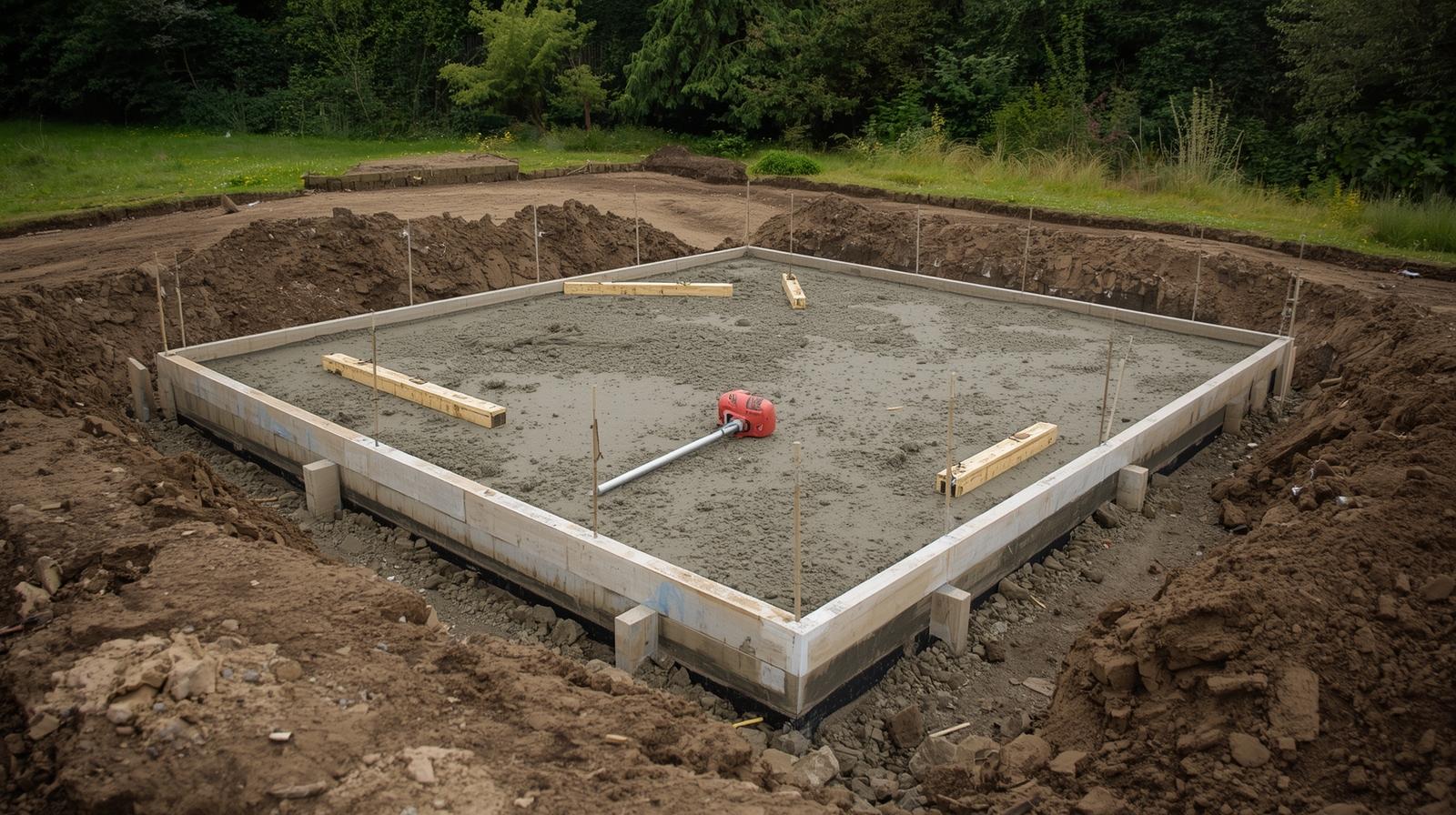
How to Prepare a Concrete Base for a Modular Building
A correctly prepared concrete base is the most critical factor in any modular building installation. Consequently, slab thickness, reinforcement, drainage falls and tolerance requirements all need careful planning. In particular, ISO frame and bespoke modular structures each have distinct foundation specifications covered in full here.
📅 November 2025
Read Guide →
 Design & Planning
⏱ 7 min read
Design & Planning
⏱ 7 min read
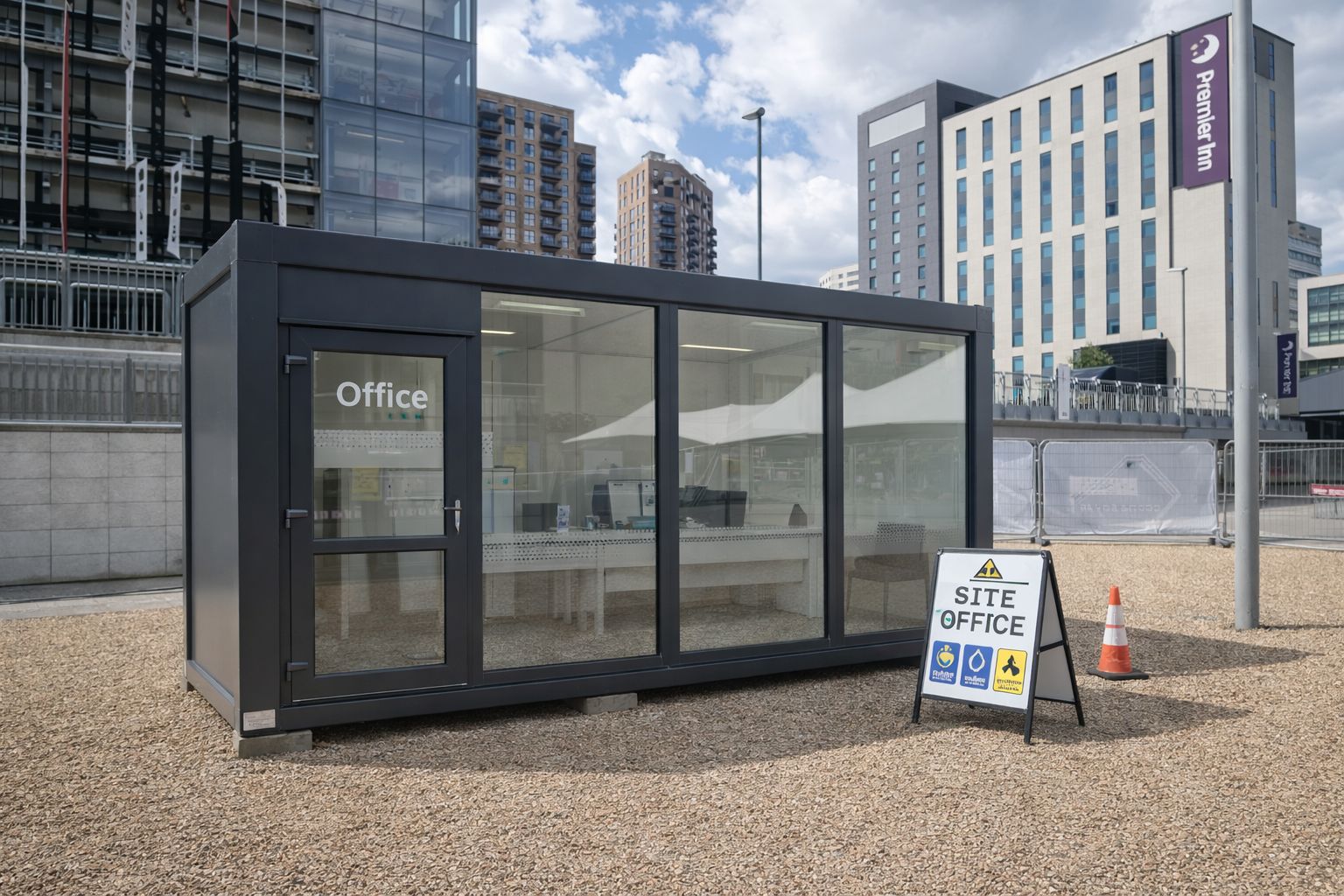
How to Design a Modular Building Floor Plan
A well-designed floor plan determines how efficiently your modular building functions for years ahead. Module sizing ranges from 6×3m to 12×6m, and internal layout options vary considerably depending on use. Moreover, circulation, accessibility and Part M compliance all influence the final design — each factor is addressed in detail here.
📅 December 2025
Read Guide →
★ Most Read
⏱ 10 min read
Why Modular Construction is the Future of the UK Market
The UK faces a chronic shortage of commercial and educational space. Therefore, modular construction offers the only viable route to delivering high-quality buildings at the speed and scale the market demands. Data, policy drivers and procurement trends shaping MMC adoption are all examined in full in this article.
📅 January 2026
Read Guide →
Installation, Foundations & History Guides
 Site Preparation
⏱ 6 min read
Site Preparation
⏱ 6 min read
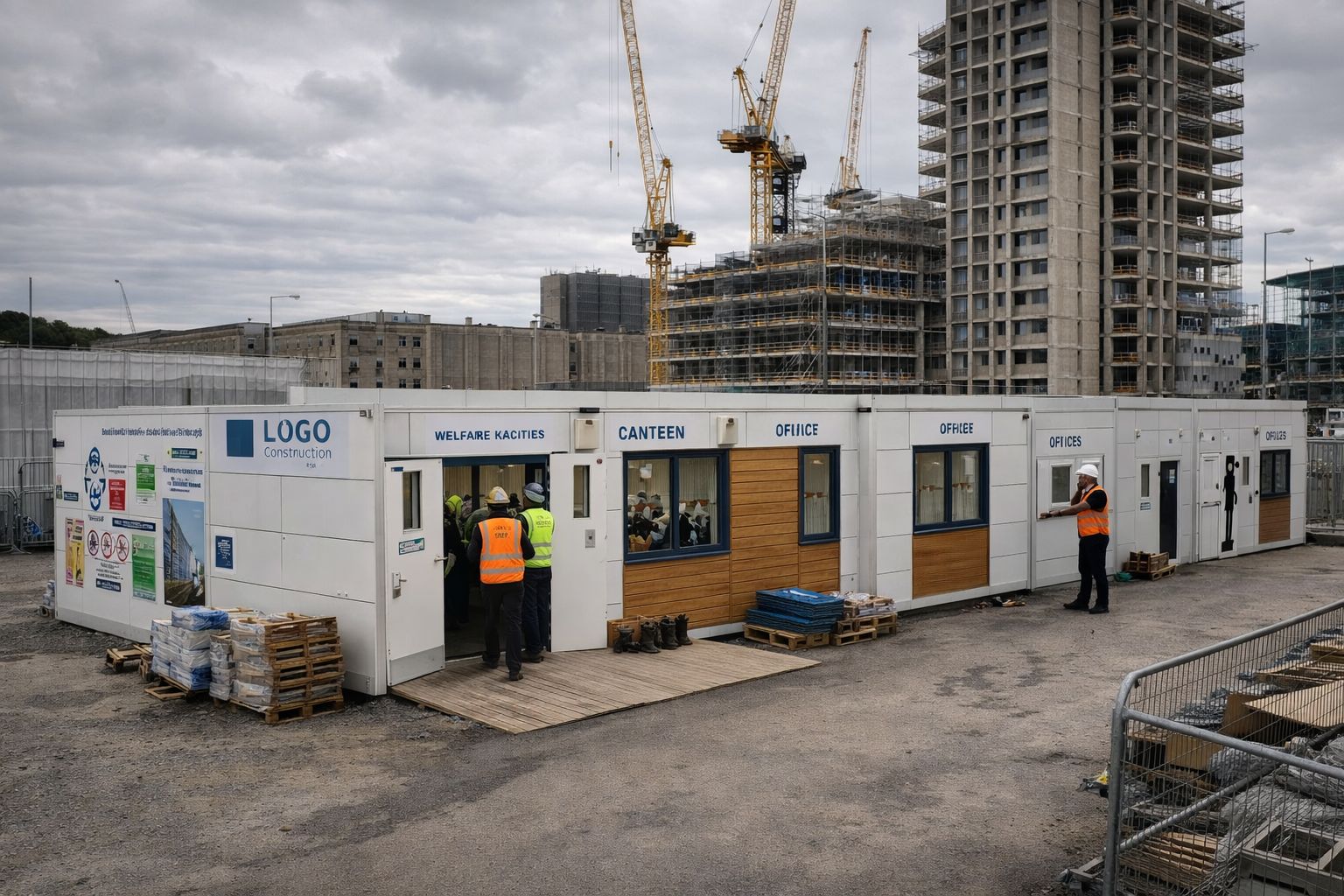
Jackpads & Easypads for Modular Buildings
Jackpads and easypads provide a fast, cost-effective alternative to concrete bases for temporary and semi-permanent modular installations. Moreover, they are particularly well-suited to sites where ground conditions make concrete impractical. Load ratings, levelling tolerances and when each system is appropriate under UK building regulations are all covered here.
📅 October 2025
Read Guide →
 Assembly
⏱ 7 min read
Assembly
⏱ 7 min read
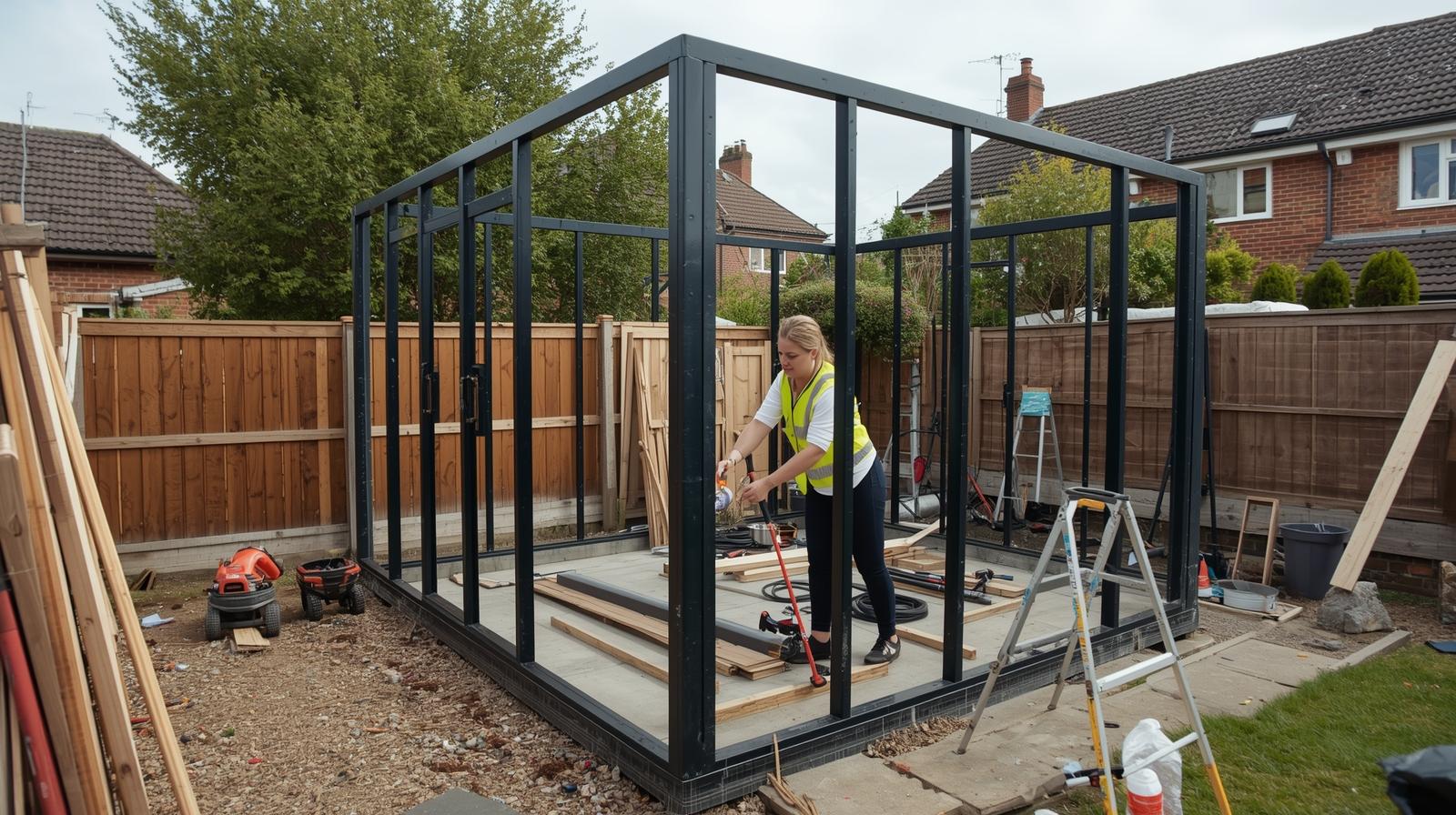
How to Assemble Modular Building Modules
Once your base is prepared, module assembly typically takes just 1–5 days on site. Subsequently, HIAB crane lifts, module alignment, structural connections and weatherproofing joints all follow a defined sequence. In addition, the final commissioning checks required before handover are set out step by step in this guide.
📅 November 2025
Read Guide →
 History & Innovation
⏱ 9 min read
History & Innovation
⏱ 9 min read
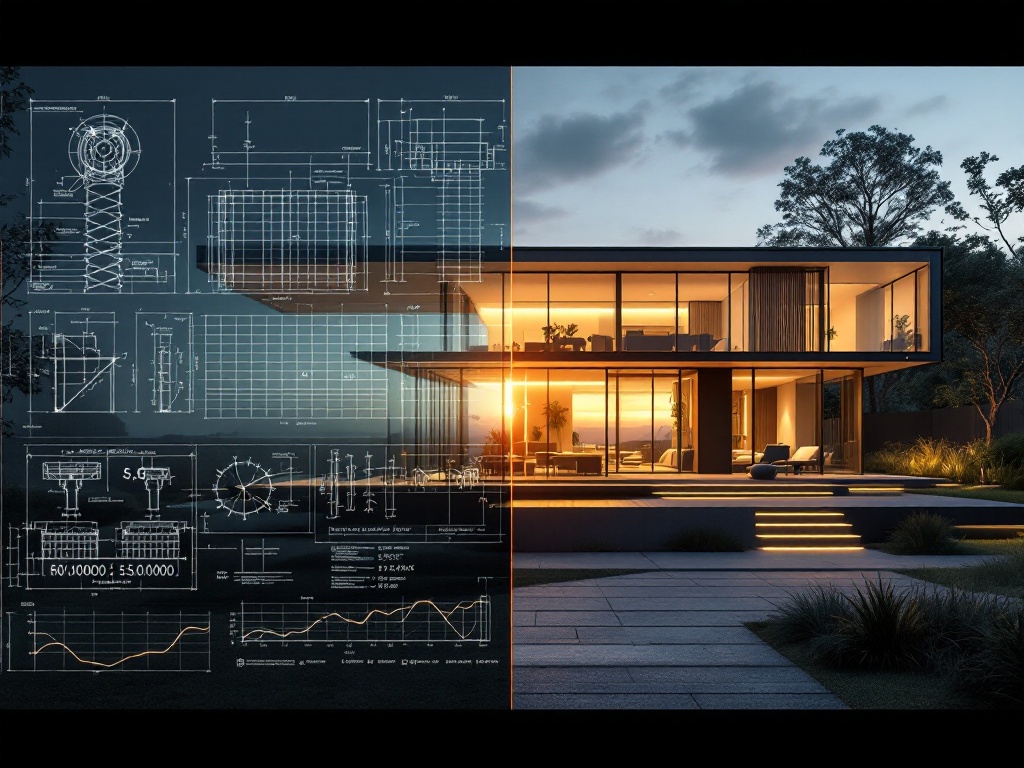
The History of Modular Construction in the UK
From post-war prefab housing programmes to today’s precision-engineered volumetric modules, the history of modular construction in the UK spans over 80 years. As a result, understanding this evolution helps explain why MMC is now the preferred procurement route for public sector clients. Furthermore, the policy shifts that accelerated adoption since 2015 are examined in detail.
📅 September 2025
Read Guide →
Browse by Topic
Modular Construction UK — Topic Clusters
All 19 guides are organised into four topic clusters. Therefore, whether you need practical site preparation advice or want to understand the broader future of modular construction in the UK, you can navigate directly to the most relevant group below.
In addition, each cluster is maintained by our in-house technical team and updated whenever UK building regulations or MMC procurement guidance changes. As a result, you can be confident that every article reflects current best practice.
How to Use These Topic Clusters
Each cluster groups related articles so that you can follow a logical reading path. For instance, if you are planning a new installation, start with Site Preparation before moving on to Design & Planning. Conversely, if you are making a strategic procurement decision, the Future of Modular cluster provides the policy context and market data you need first.
Meanwhile, the History & Innovation cluster is particularly useful for understanding why modular construction has become the dominant method of construction for UK public sector clients. Taken together, all four clusters give you a complete picture of modular construction UK-wide.
⚙
Cluster 1 — 4 Articles
Site Preparation
Covers concrete slabs, concrete blocks, jackpads, easypads and plastic bases. Consequently, this cluster helps you choose the right foundation before your building arrives on site.
How to Prepare a Concrete Base for a Modular Building
→
Concrete Blocks as a Base for Modular Buildings
→
Jackpads & Easypads for Modular Buildings
→
Plastic Base for Modular Buildings
→
ⓘ Topics: concrete slabs, concrete blocks, jackpads, easypads, plastic bases
💡
Cluster 2 — 3 Articles
Future of Modular
Examines MMC policy, procurement trends and sustainability drivers. Furthermore, these articles provide the strategic context needed when presenting modular as a preferred procurement route to boards and budget holders.
Why Modular Construction is the Future
→
Why Modular Construction is the Future of the UK Market
→
Modular Construction: Smarter and Faster Building
→
ⓘ Topics: MMC policy, procurement trends, speed vs traditional build, sustainability
✎
Cluster 3 — 5 Articles
Design & Planning
Covers floor plans, module assembly, temporary buildings and garden room construction. In particular, these guides walk you through compliance requirements for Part M accessibility and Part B fire safety at each design stage.
How to Design a Modular Building Floor Plan
→
How to Assemble Modular Building Modules
→
Custom Temporary Buildings for Any Sector
→
Garden Room Construction Guide
→
Visiting Pods: Modular Innovation
→
ⓘ Topics: floor plans, module assembly, temporary buildings, garden rooms, visiting pods
📚
Cluster 4 — 3 Articles
History & Innovation
Traces modular construction from post-war prefab housing to today’s precision-engineered volumetric modules. Moreover, understanding this 80-year evolution helps explain why public sector clients now consistently choose modular over traditional build.
About the History of Modular Construction
→
Post-War Prefab Housing in the UK
→
Shipping Containers and Architecture
→
ⓘ Topics: modular history, post-war prefab, container architecture, innovation timeline
Regulatory & Standards References
Need regulatory guidance? The UK Government’s GOV.UK guidance on modular and portable buildings ↗ covers planning permission, building regulations and permitted development rights for modular construction UK-wide. Furthermore, it is updated regularly as planning policy evolves.
In addition, ISO 9001 quality management standards ↗ underpin every building we manufacture at KC Modular Buildings. As a result, clients benefit from independently verified quality assurance at every stage of the manufacturing and installation process.
Complete Archive
All Modular Construction UK Guides
Below you will find every article published in this modular construction UK resource hub. Each guide is tagged by topic cluster so you can quickly identify the most relevant content for your project.
In total, the archive covers 19 guides across four topic clusters and four product guides. Whether you are researching site preparation, procurement options or the history of off-site construction, you will find a dedicated article below.
How to Use This Archive
Each row in the table below shows the article title, topic cluster, publication date and estimated read time. To navigate efficiently, use the colour-coded topic badges as a filter guide. For instance, blue badges indicate Site Preparation or Product Guide content, while green badges cover the Future of Modular cluster.
Furthermore, all articles link directly to the full guide on the KC Modular Buildings website. As a result, you can move seamlessly from this index to in-depth technical content without losing your place in the archive.
⚙ Site Preparation (4 articles)
Article Title
Topic Cluster
Published
Read Time
💡 Future of Modular (3 articles)
Article Title
Topic Cluster
Published
Read Time
✎ Design & Planning (5 articles)
Article Title
Topic Cluster
Published
Read Time
📚 History & Innovation (3 articles)
Article Title
Topic Cluster
Published
Read Time
📄 Product Guides (4 articles)
Article Title
Topic Cluster
Published
Read Time
About This Resource Hub
Together, these 19 guides represent the most comprehensive freely available resource on modular construction UK-wide. Each article is written by our in-house technical team and reviewed for accuracy against current UK Building Regulations, pricing data and industry standards.
Moreover, new guides are added regularly as the modular construction industry evolves. In particular, we plan to expand the Design & Planning and Future of Modular clusters throughout 2026. Consequently, bookmarking this page ensures you always have access to the latest guidance.
Looking for Something Specific?
If you cannot find what you need in the archive above, our technical team is available to help. Additionally, you can browse our sector-specific pages for education, healthcare, commercial and public sector modular buildings. Alternatively, contact us directly and we will point you to the right resource.
Topic key:
Site Preparation
Future of Modular
Design & Planning
History & Innovation
Product Guide
Construction Sector
Modular Buildings for the Construction Industry
From site offices and welfare units to multi-storey complexes, modular construction in the UK is the fastest route to compliant, energy-efficient buildings on active sites. Furthermore, our ISO frame and bespoke modules are designed for rapid deployment, stackable configurations and full relocatability.
Why Construction Clients Choose Modular
In particular, principal contractors benefit from 90% factory completion, which reduces on-site labour and programme risk. As a result, buildings arrive ready for immediate use — typically within 8–12 weeks of order. Moreover, every module is manufactured to ISO 9001 and ISO 1090 standards, so quality is independently verified before delivery.
8–12
Week Build Programme
90%
Factory Completion
50+
Year Lifespan
Explore More Sectors
Modular Construction UK Across Every Sector
Our modular buildings serve education, commercial, healthcare and public sector clients across the UK. Consequently, each sector page includes specifications, compliance details and pricing tailored to your industry.
In addition, every sector benefits from the same core advantages: 8–12 week programmes, factory-controlled quality and full Building Regulations compliance. Select a sector below to explore further.
 Education
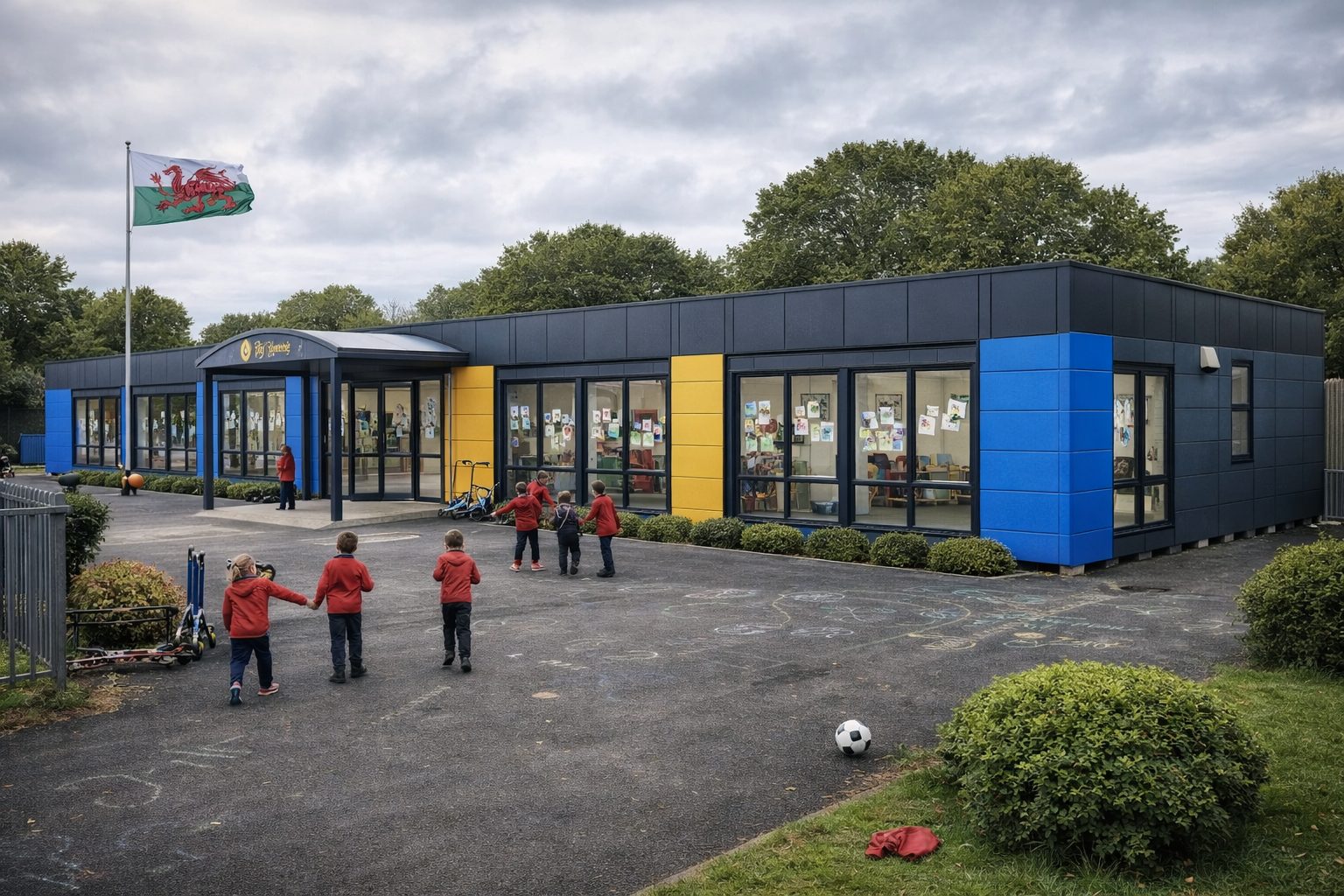
Education Sector
Classrooms, nurseries, SEN units and school expansions. Importantly, all buildings are Part L and BB93 compliant, delivered in 8–12 weeks.
View Education →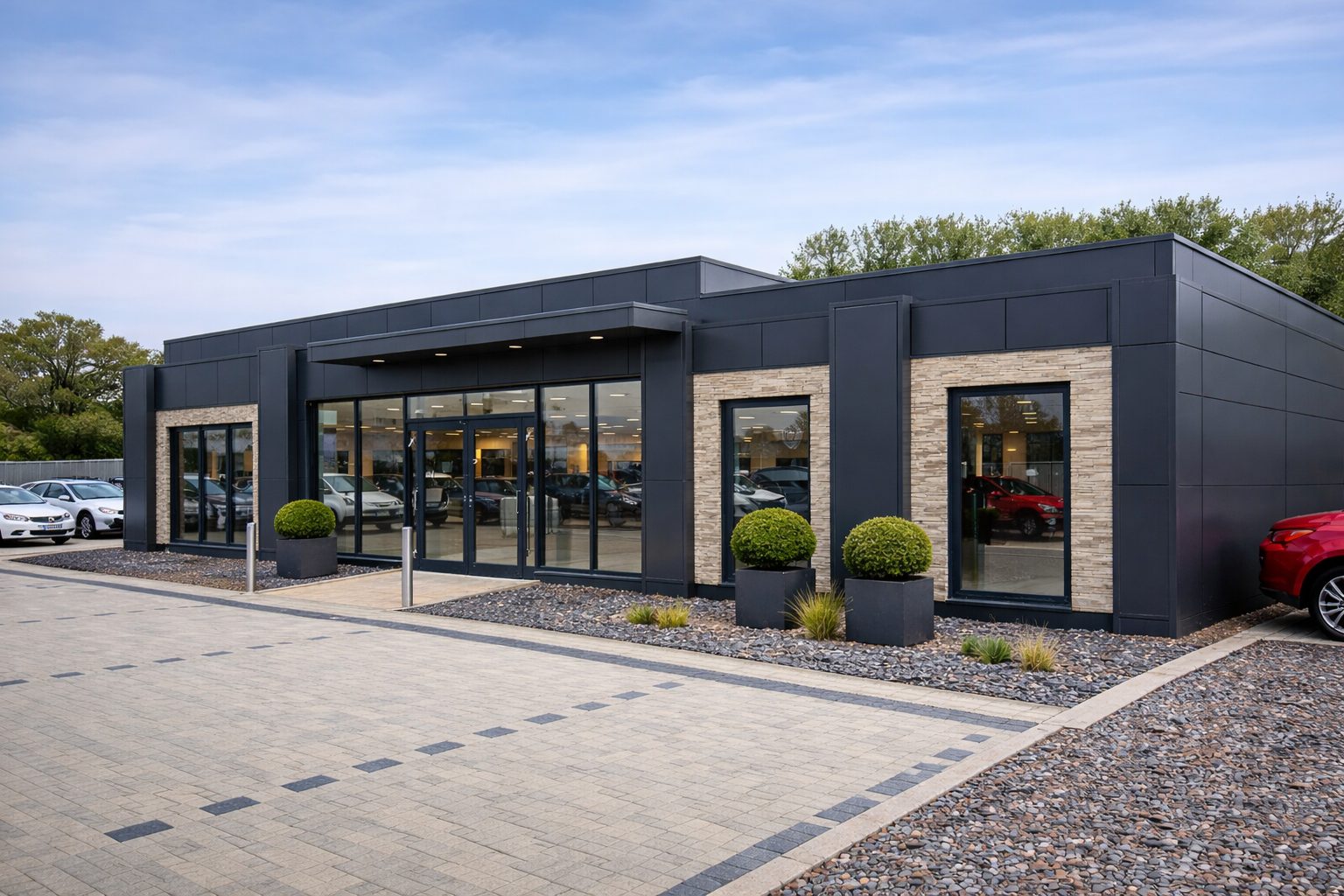 Commercial
Commercial Sector
Offices, showrooms, retail units and multi-storey complexes. Furthermore, bespoke layouts range from 15m² to 2,000m²+ depending on your requirements.
View Commercial →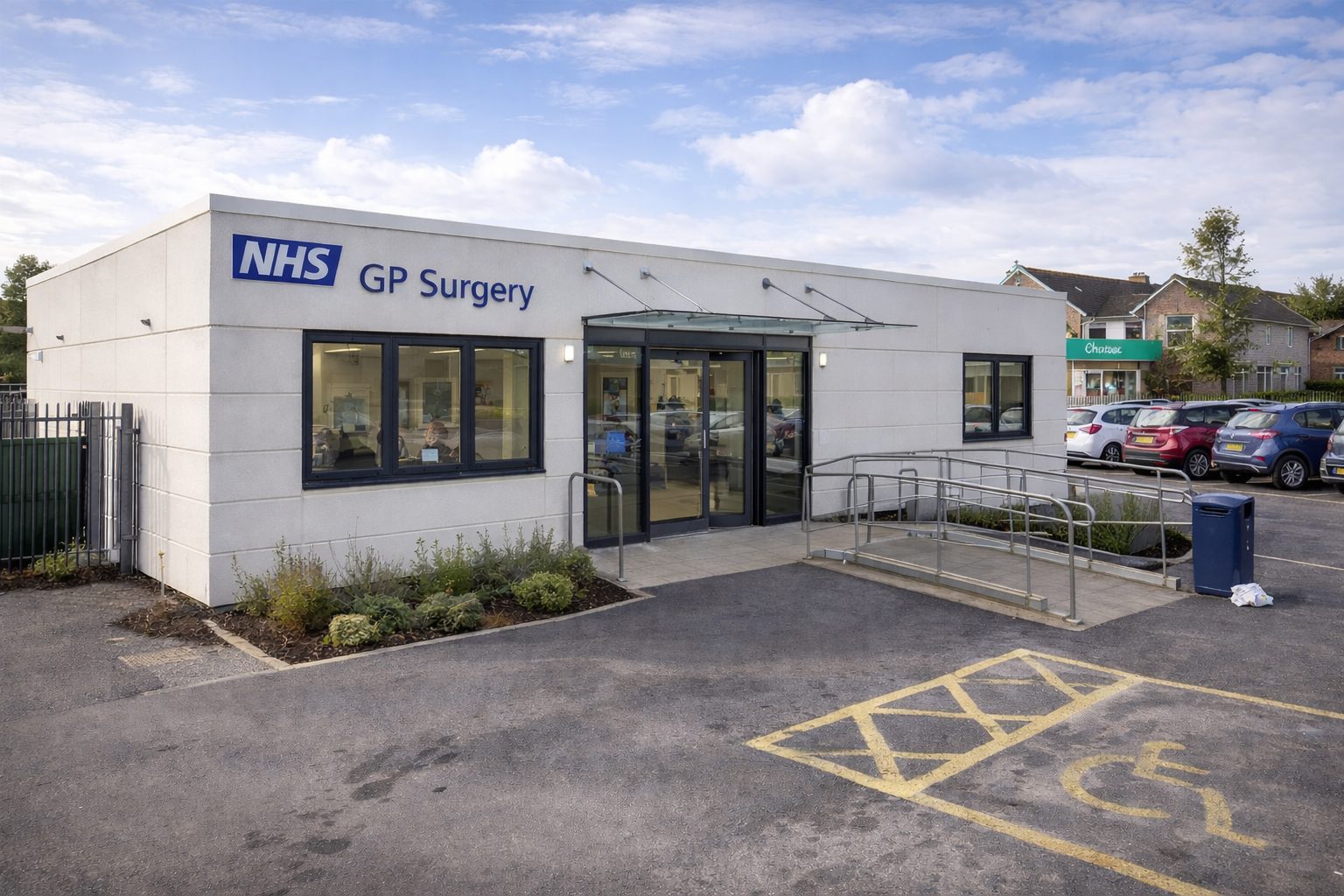 Healthcare
Healthcare Sector
Medical clinics, GP surgeries and NHS-compliant modular facilities. In addition, GEBERIT sanitary systems and FD30 fire doors come as standard in every healthcare module.
Enquire Now →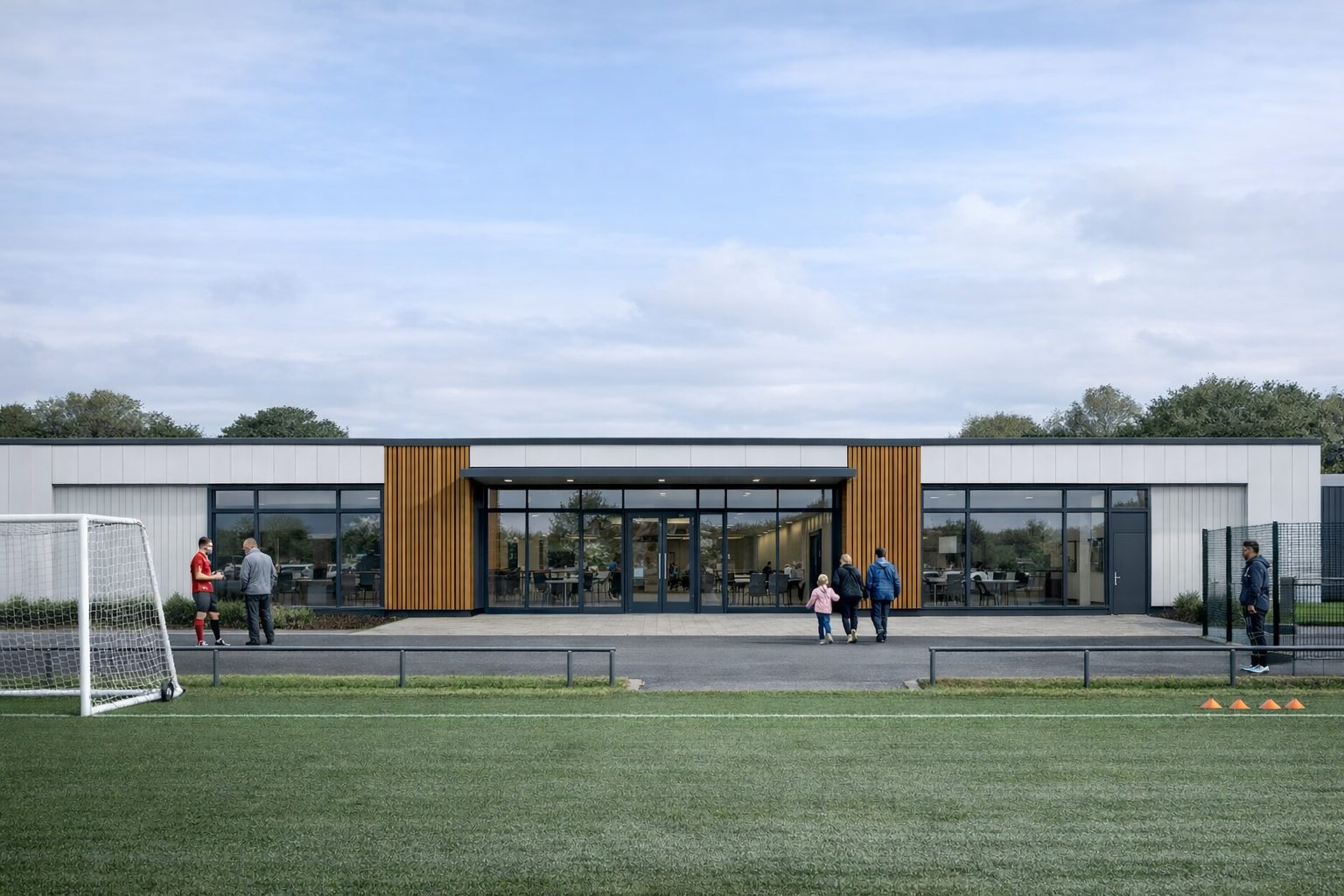 Public Sector
Public Sector
Council offices, welfare hubs and community centres. Moreover, every project is delivered by a Constructionline Bronze, SSIP and Acclaim accredited supply chain.
Enquire Now →Procurement & Compliance Across All Sectors
Regardless of sector, every KC Modular building is procured under the same transparent process. As a result, clients receive a fixed-price quotation, a defined programme and a single point of contact from brief through to handover. In addition, all buildings are manufactured to current UK Building Regulations, including Part L energy efficiency, Part B fire safety and Part M accessibility.
Furthermore, framework and call-off contracts are available for education authorities, NHS trusts and local councils that require repeat or phased procurement. Consequently, budget holders can plan expenditure across multiple financial years without retendering for each project.
Certified:
ISO 9001
|
ISO 14001
|
ISO 1090
|
ISO 3834
|
Constructionline
|
SSIP
|
Acclaim
Frequently Asked Questions
Modular Construction UK — Common Questions Answered
Below you will find answers to the most common questions about modular construction in the UK. Each answer is written by our technical team and reflects current UK Building Regulations, pricing and best practice.
In addition, every response is structured to help contractors, facilities managers, developers and public sector clients make informed procurement decisions.
Build Process & Timescales
What is modular construction in the UK? +
Modular construction in the UK is a method of building where 90% of the structure is manufactured off-site in a controlled factory environment, then transported and assembled on-site in 1–5 days. Steel or timber frames are combined with insulated sandwich panels — such as KINGSPAN QuadCore — to achieve high energy efficiency, meeting or exceeding Part L Building Regulations.
As a result, this approach is widely known as Modern Methods of Construction (MMC) or off-site construction. It is increasingly favoured by public sector, education and commercial clients across the UK.
How long does modular construction take in the UK? +
A typical modular building programme in the UK takes 8–12 weeks from order confirmation to handover. In contrast, traditional construction typically takes 12–24 months for an equivalent building. Because approximately 90% of construction takes place in the factory, on-site installation is completed in just 1–5 days, depending on the number of modules.
Consequently, organisations that need to be operational quickly — such as schools, healthcare providers and contractors — increasingly choose modular as their preferred procurement route.
What foundations do I need for a modular building? +
Several foundation options are available for modular buildings in the UK. The most common choices are:
- Concrete slab — most permanent option, suitable for all ground conditions
- Concrete blocks — cost-effective for semi-permanent installations
- Jackpads or easypads — fast, no-dig option for temporary or relocatable buildings
- Plastic base systems — lightweight, eco-friendly alternative for lighter structures
Ultimately, the right choice depends on ground conditions, load requirements, planning status and whether the building needs to be relocated in future. We therefore recommend a site survey before selecting a foundation type.
Compliance & Regulations
Do modular buildings meet UK Building Regulations? +
Yes. KC Modular Buildings designs and manufactures all modular buildings to comply with UK Building Regulations, including Part L (energy efficiency), Part B (fire safety), Part M (accessibility) and Part F (ventilation). Our structures use KINGSPAN QuadCore panels achieving U-values of 0.16–0.18 W/m²K for walls and 0.11 W/m²K for roofs, exceeding current Part L requirements.
Furthermore, we hold ISO 9001, ISO 1090, ISO 3834, Constructionline Bronze, SSIP and Acclaim certifications — providing independent verification of our quality, structural and health & safety standards.
Does modular construction require planning permission in the UK? +
Whether planning permission is required depends on the size, location and intended use of the building. Many temporary modular buildings fall under Permitted Development rights and do not require full planning permission. However, permanent structures, buildings in conservation areas, Green Belt land or Areas of Outstanding Natural Beauty (AONB) typically require planning consent.
Consequently, KC Modular Buildings advises on planning requirements as part of every project consultation. For official guidance, visit GOV.UK modular buildings guidance ↗.
Cost & Procurement
How much does a modular building cost in the UK? +
Costs vary depending on size, specification and sector. As a guide, typical price ranges are:
- ISO frame portable cabins — from £14,000–£34,000
- Bespoke modular offices — from £25,000–£112,750 for standard sizes
- Large bespoke modular buildings — from £266,250 for A-rated, fully fitted structures
Moreover, payment terms are typically 40% deposit, 55% before delivery and 5% within 14 days of handover. Hire, hire-to-buy and lease finance options are also available for qualifying projects.
Can modular buildings be relocated or expanded? +
Yes. Relocatability is one of the defining advantages of modular construction. ISO frame modules can be lifted by HIAB crane, transported and reinstalled on a new site with minimal disruption. In addition, buildings can be expanded by adding further modules, reconfigured internally, or stacked to create multi-storey structures up to 3 floors.
This flexibility makes modular construction particularly cost-effective for growing organisations, temporary programmes and phased developments. As a result, many clients choose modular specifically because it protects their long-term capital investment.
Lifespan, Sectors & Sustainability
What is the lifespan of a modular building in the UK? +
Lifespan varies by specification. The three main tiers are:
- Standard ISO frame — 25–35 year structural lifespan
- Premium bespoke modular — 50–75 year structural lifespan
- LARK Series lodges — up to 75 years with C24 timber frame construction
Furthermore, KC Modular Buildings provides a 10–15 year structural warranty as standard, together with 5–10 years on panels and roof, and 5 years on windows and doors. By contrast, many competitors offer only 5–10 years on structural elements.
What sectors use modular construction in the UK? +
Modular construction serves a wide range of UK sectors. In particular, demand is strongest in time-critical and compliance-heavy environments:
- Education — classrooms, nurseries, SEN units
- Healthcare — GP surgeries, NHS clinics, medical centres
- Commercial — offices, showrooms, retail units
- Construction — site offices, welfare units, canteens
- Public sector — council offices, community centres, welfare hubs
- Leisure & hospitality — holiday lodges, glamping pods, golf simulator rooms
- Residential — garden rooms, annexes, modular homes
Consequently, modular construction is one of the most versatile procurement routes available to UK organisations today.
Is modular construction more sustainable than traditional building? +
Yes. Modular construction is significantly more sustainable than traditional building methods. Factory manufacturing reduces material waste by up to 90% compared to on-site construction. Furthermore, KINGSPAN QuadCore panels achieve U-values of 0.16–0.18 W/m²K, dramatically reducing operational energy consumption throughout the building's life.
In addition, air-to-air heat pumps with SCOP ratings of 4.5 further reduce carbon emissions in use. Because modular buildings are fully relocatable, their useful life is extended and demolition waste is avoided altogether. KC Modular Buildings therefore holds ISO 14001 Environmental Management certification as evidence of our commitment to sustainable construction.
Have a question not listed here? Contact our team → or call 07443 564 451 for expert advice on your modular construction project.
Start Your Project
Ready to Build with Modular Construction in the UK?
Whether you need a single portable cabin or a multi-building modular campus, our team will guide you from initial brief through to handover. Furthermore, every project includes a free consultation, detailed specification and transparent pricing with no hidden costs.
In addition, all buildings are manufactured to current UK Building Regulations, including Part L energy efficiency, Part B fire safety and Part M accessibility. As a result, you receive a fully compliant, energy-efficient building without managing multiple contractors or compliance consultants.
What Is Included as Standard
- ✓ Free consultation and no-obligation quote
- ✓ 8–12 week programme from order to handover
- ✓ UK-wide delivery and installation included
- ✓ 10–15 year structural warranty as standard
- ✓ ISO 9001, Constructionline Bronze and Acclaim certified
Your Next Steps
Simply call or email our team to discuss your requirements. Consequently, we will prepare a no-obligation quotation within 24 hours. Moreover, if you are not yet ready to commit, our technical guides on modular construction UK-wide are available free of charge throughout this resource hub.
Email
[email protected]
Coverage
UK-wide
England, Wales & Scotland.
Islands and N. Ireland by quotation.
Islands and N. Ireland by quotation.
Response Time
Within 24 Hours
All enquiries responded to within one working day.
Languages
English & Polish
Technical documentation available in both languages.
Finance Options
Buy, Hire or Lease
Asset finance available via partners over 3–7 years.
Why Act Now on Your Modular Construction Project
Demand for modular construction UK-wide peaks between March and September, particularly in the education and public sector. Therefore, early enquiry secures your preferred programme slot and avoids delays caused by peak-season manufacturing capacity. In addition, submitting your brief now allows our team to complete site surveys, foundation design and planning checks before your target start date.
Alternatively, if your project is at an early feasibility stage, our technical team can provide budget-level pricing and indicative specifications at no cost. As a result, you can present accurate figures to budget holders or planning committees without committing to a full order.
Accreditations:
✓
ISO 9001
✓
ISO 14001
✓
ISO 1090
✓
ISO 3834
✓
ISO 27001
✓
Constructionline Bronze
✓
SSIP
✓
Acclaim
Home
|
Custom Modular Buildings
|
Education
|
Welfare Units
|
Portable Cabins
|
Modular Construction Guides
|
Contact
© 2026 KC Cabins Solutions Ltd t/a KC Modular Buildings. Registered in England & Wales. All modular buildings are designed and manufactured to comply with UK Building Regulations.