Modular Bars & Hospitality Buildings
Home › Solutions › Modular Bars
Modular Bars UK
Modular bars UK help venues open faster than a traditional build. Therefore, if your season window is tight, offsite manufacture can cut on-site time and reduce delays.
In practice, modular works well for events, leisure parks, resorts and destination venues. However, the best result depends on how the bar will run day to day, not only how it looks.
How to choose the right route
ISO suits speed, bespoke steel suits a strong look, and timber suits premium venues. Moreover, it helps to confirm early whether you need portable use, an REI60 option (tested assemblies where required), or a permanent “A-path” intent under Part L 2021.
As a result, you get clearer pricing and fewer late changes. For example, a portable unit can reduce risk while you test demand.
Typical quote response within 48h (Mon–Fri)
Hospitality-ready modular delivery
Caption: Trust badge — modular bars & hospitality buildings.
Description: Reassurance badge used on UK hospitality solution pages to highlight reliable delivery planning, compliance-led wording and structured next steps for operators.
Typical quote response within 48h (Mon–Fri)
Call: 01782 561110
Portable & permanent pathways
ISO · Bespoke · Timber systems
Designed around hospitality operations
Hospitality growth often depends on speed to revenue
Bar operators, leisure venues and event organisers frequently face short seasonal windows. However, traditional construction timelines can delay opening dates and increase financial exposure. Therefore, speed and programme certainty directly affect revenue performance.
Modular bars UK provide a structured alternative. In practice, offsite manufacture reduces on-site duration and allows controlled interior fit-out before delivery. As a result, operators can plan marketing, staffing and licensing milestones with greater confidence.
- Seasonal event launches requiring rapid deployment
- Leisure park expansion ahead of peak visitor periods
- Permanent bar venues requiring architectural integration
- Pop-up concepts testing new locations before long-term investment
Moreover, system selection — ISO volumetric for speed, bespoke steel for architectural design, or timber for premium hospitality — ensures the building aligns with operational strategy rather than simply “filling space”.
Choose the right hospitality system
The most successful modular bars UK projects begin with correct system selection. Therefore, we clarify whether speed, architectural presence or premium finish is the priority before locking the pathway. However, each system can be aligned with portable or permanent use.
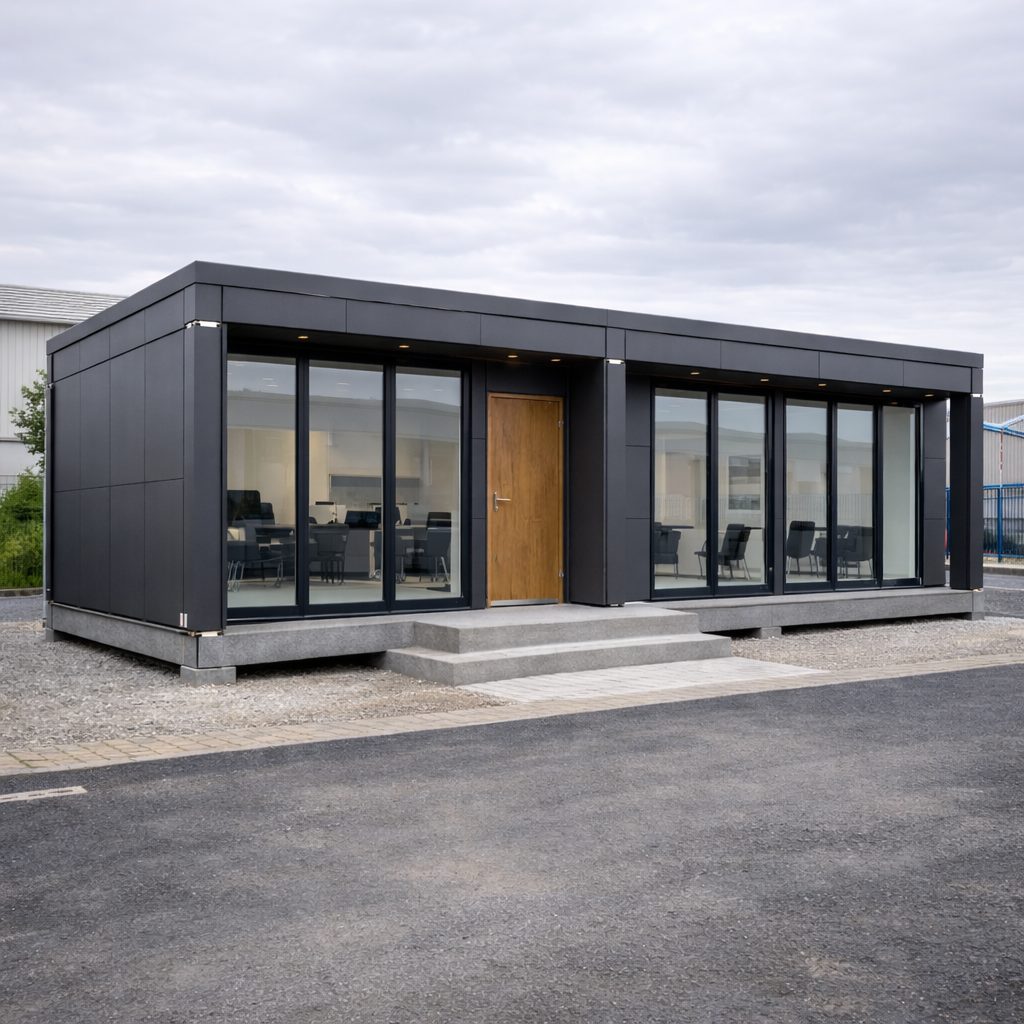
1) ISO Frame (Steel Volumetric)
Best suited for rapid deployment, repeatable layouts and seasonal hospitality operations. As a result, ISO volumetric systems are often selected for event bars, leisure parks and temporary venue expansions.
- Temporary / Portable: Fastest deployment option.
- REI60 option: Where tested assemblies are required (project dependent).
- Permanent “A-path” intent: Designed to achieve A Energy Performance under Part L 2021 pathway.
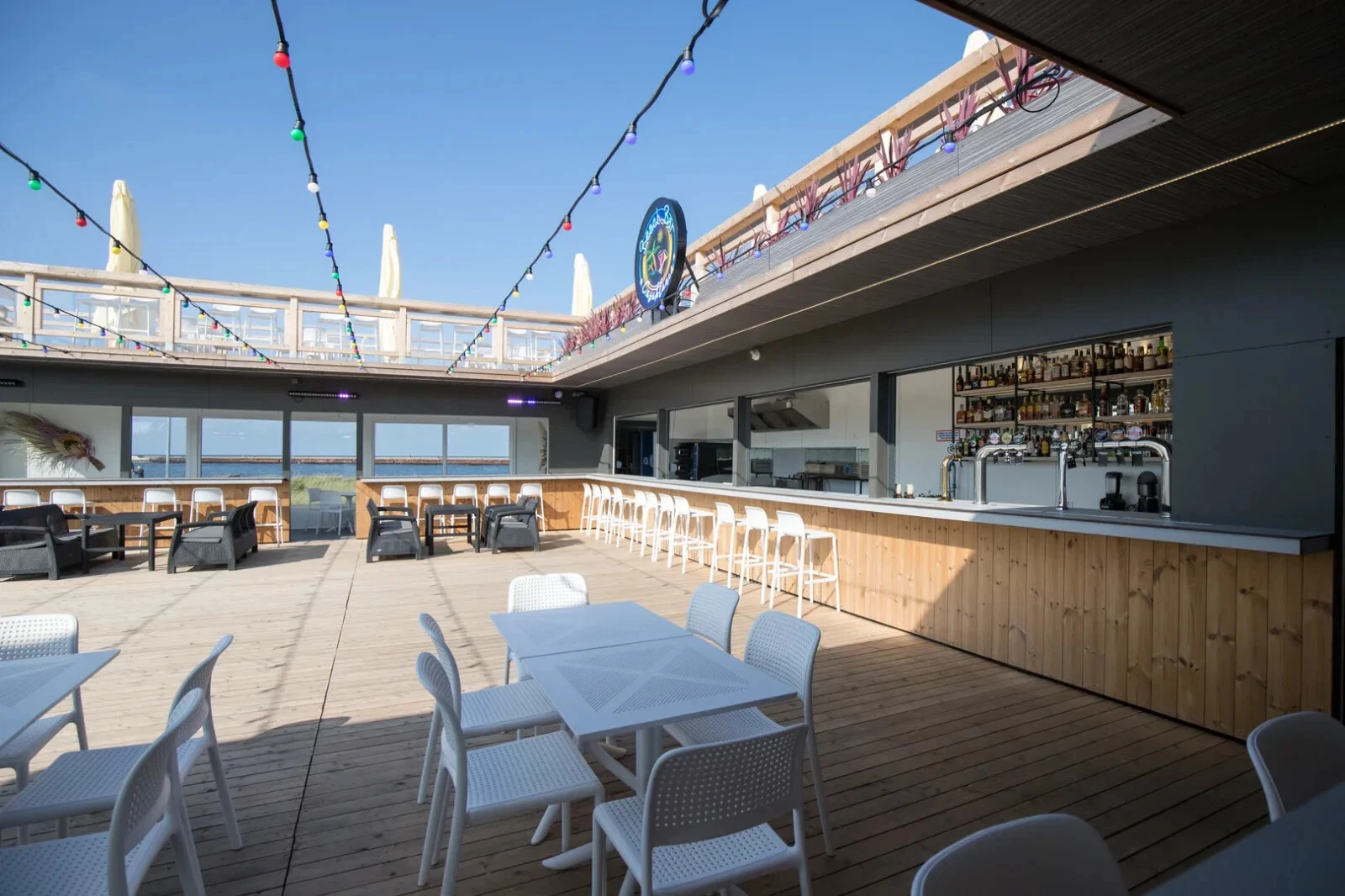
2) Bespoke Modular Buildings (Steel Frame Custom)
Ideal for architectural bar venues, rooftop terraces and destination hospitality concepts. Therefore, bespoke steel is selected when circulation, façade presence and branding are critical.
- Temporary / Portable: Custom layouts with short programmes.
- Permanent “A-path” intent: Designed to achieve A Energy Performance under Part L 2021 pathway.
- Hi-End Permanent: Premium interior finishes and branded façade detailing.
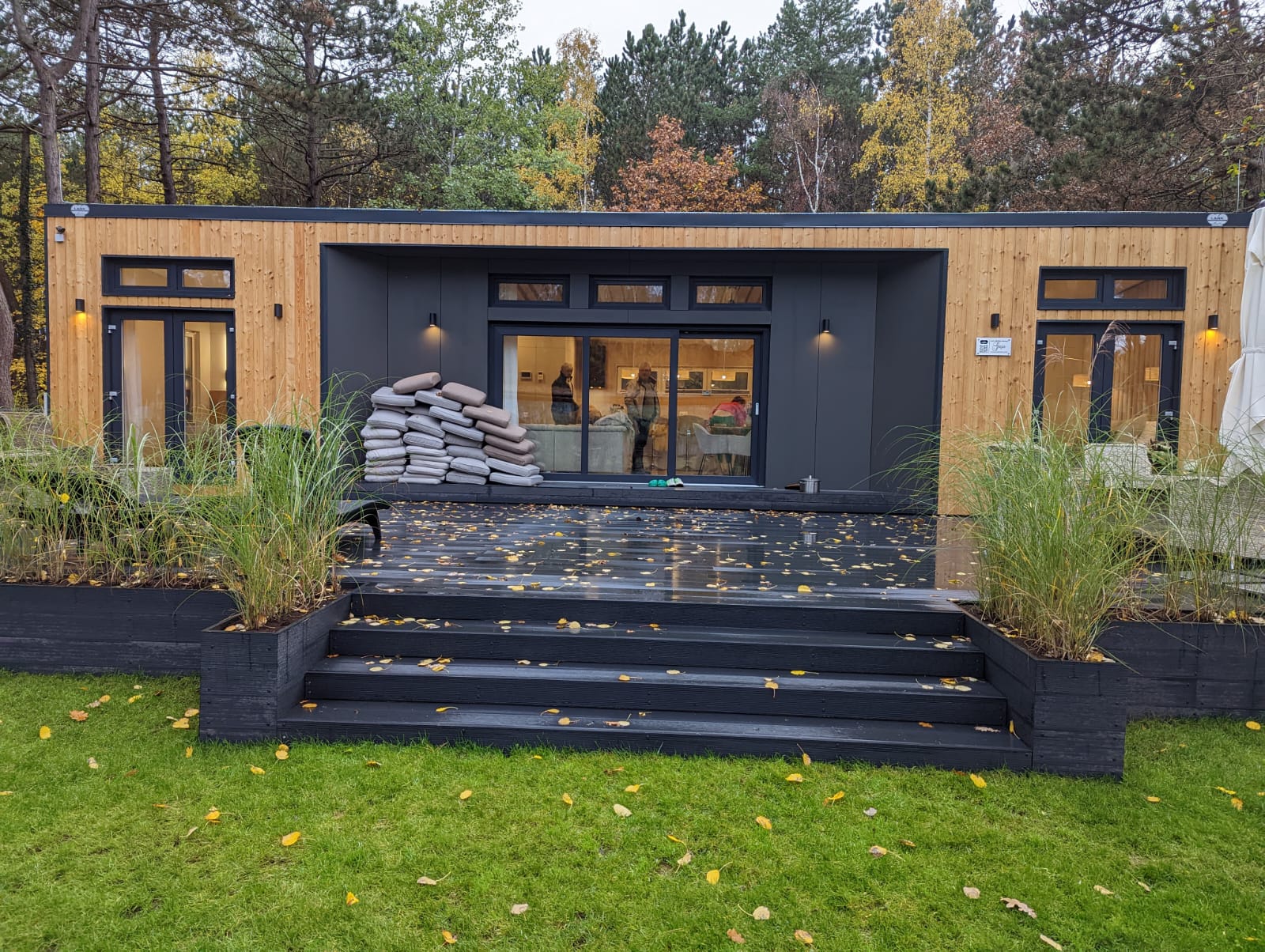
3) Timber Frame Modular Buildings
Often chosen for premium leisure resorts or environmentally positioned hospitality venues. However, timber systems can also support long-term hospitality buildings where aesthetic warmth is important.
- Temporary / Portable: Short-term leisure or seasonal use.
- Permanent “A-path” intent: Designed to achieve A Energy Performance under Part L 2021 pathway.
- Hi-End Permanent: Interior-led premium hospitality environments.
Moreover, modular bars UK benefit from early pathway confirmation. In practice, choosing ISO, bespoke or timber before finalising layouts reduces redesign cycles and improves budgeting clarity.
Specification snapshot for hospitality environments
Hospitality buildings must balance operational efficiency, compliance requirements and customer experience. Therefore, modular bar projects are typically specified around service flow, ventilation strategy and energy intent from the outset.
Energy pathway
Designed to achieve A Energy Performance under Part L 2021 pathway
Fire strategy
Options including REI60 tested assemblies (project specific)
Ventilation
Mechanical extraction & airflow planning for hospitality use
Electrical load
Planned for bar equipment, refrigeration & POS systems
Accessibility intent
Pathways aligned with Approved Document M principles
However, final specification depends on location, licensing conditions and intended lifespan. As a result, early clarity improves approvals discussions and reduces redesign risk.
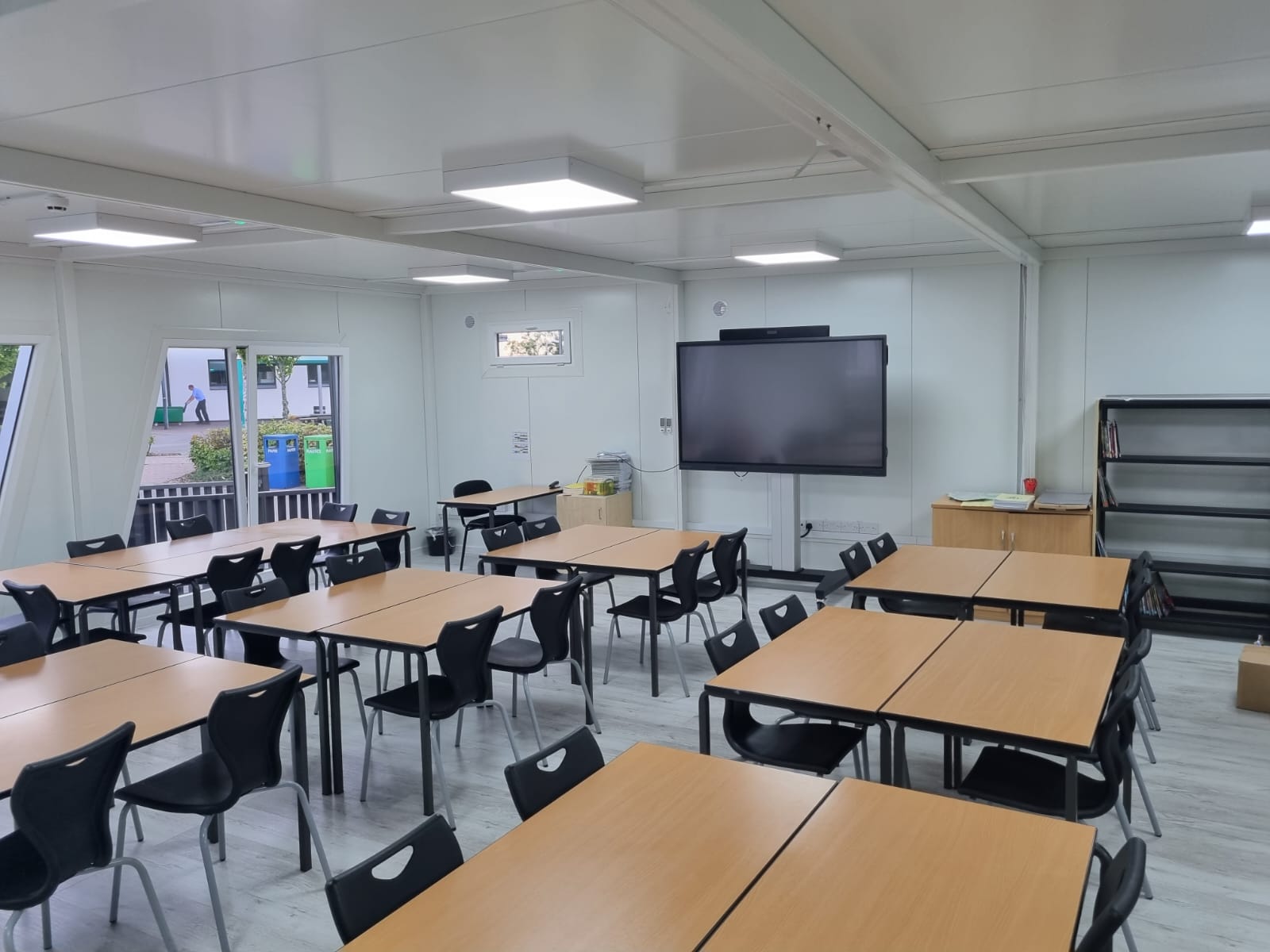
Hospitality outcomes from modular delivery
Modular hospitality projects vary widely in size and concept. However, the strongest results come from aligning system choice with operational needs. Therefore, these reference examples illustrate how modular bars and hospitality buildings can support customer flow, service efficiency and brand presence.
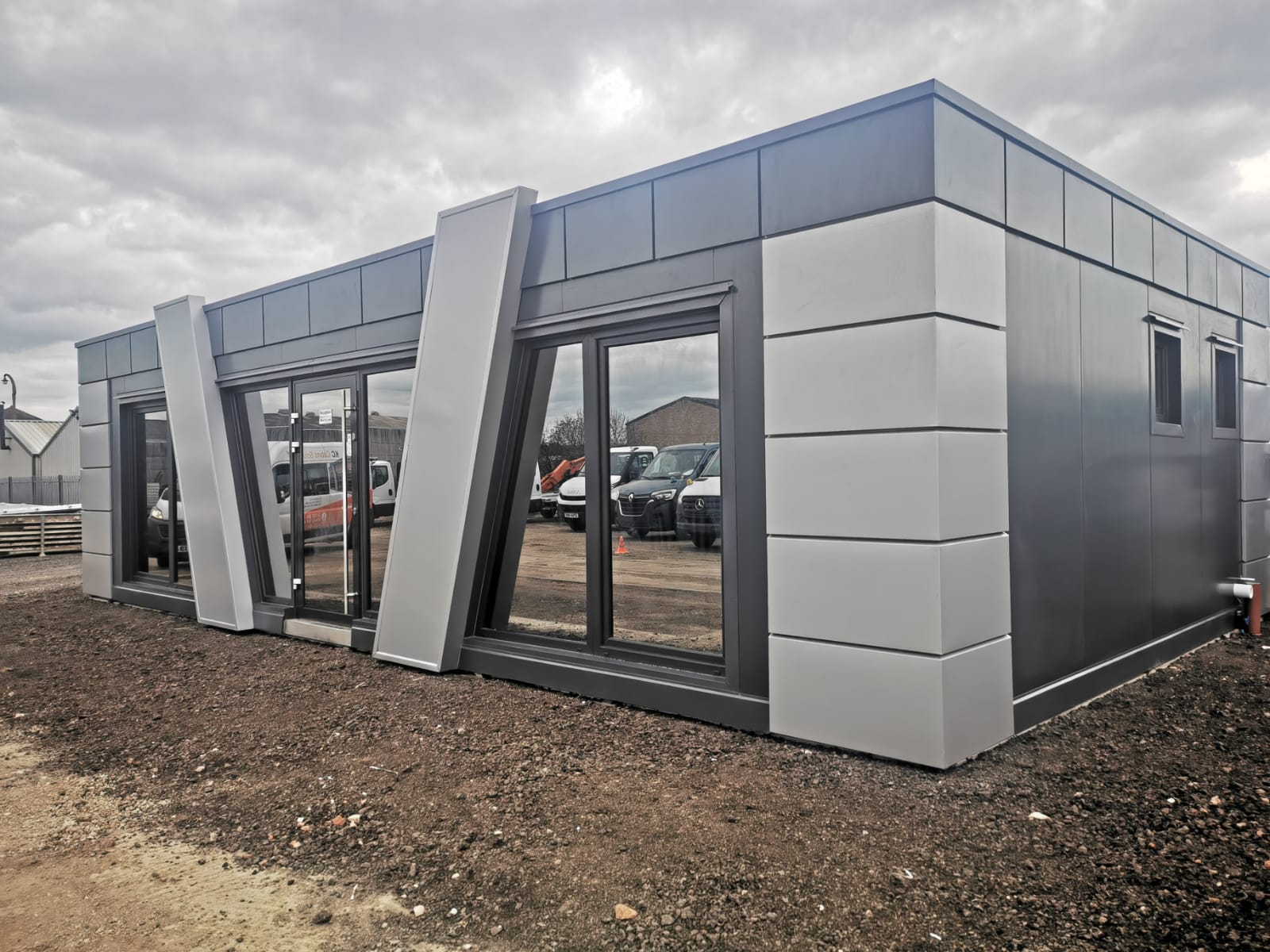
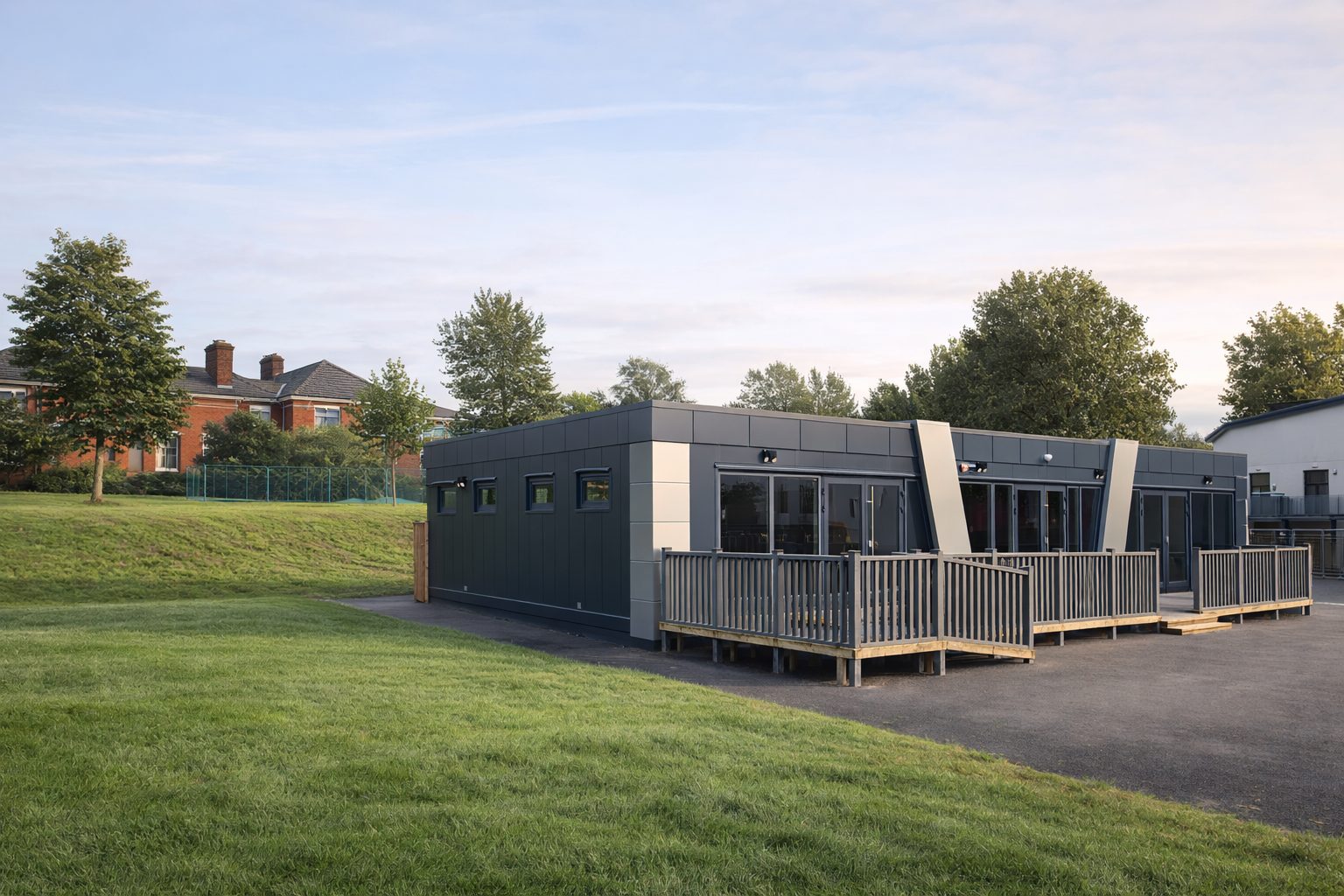
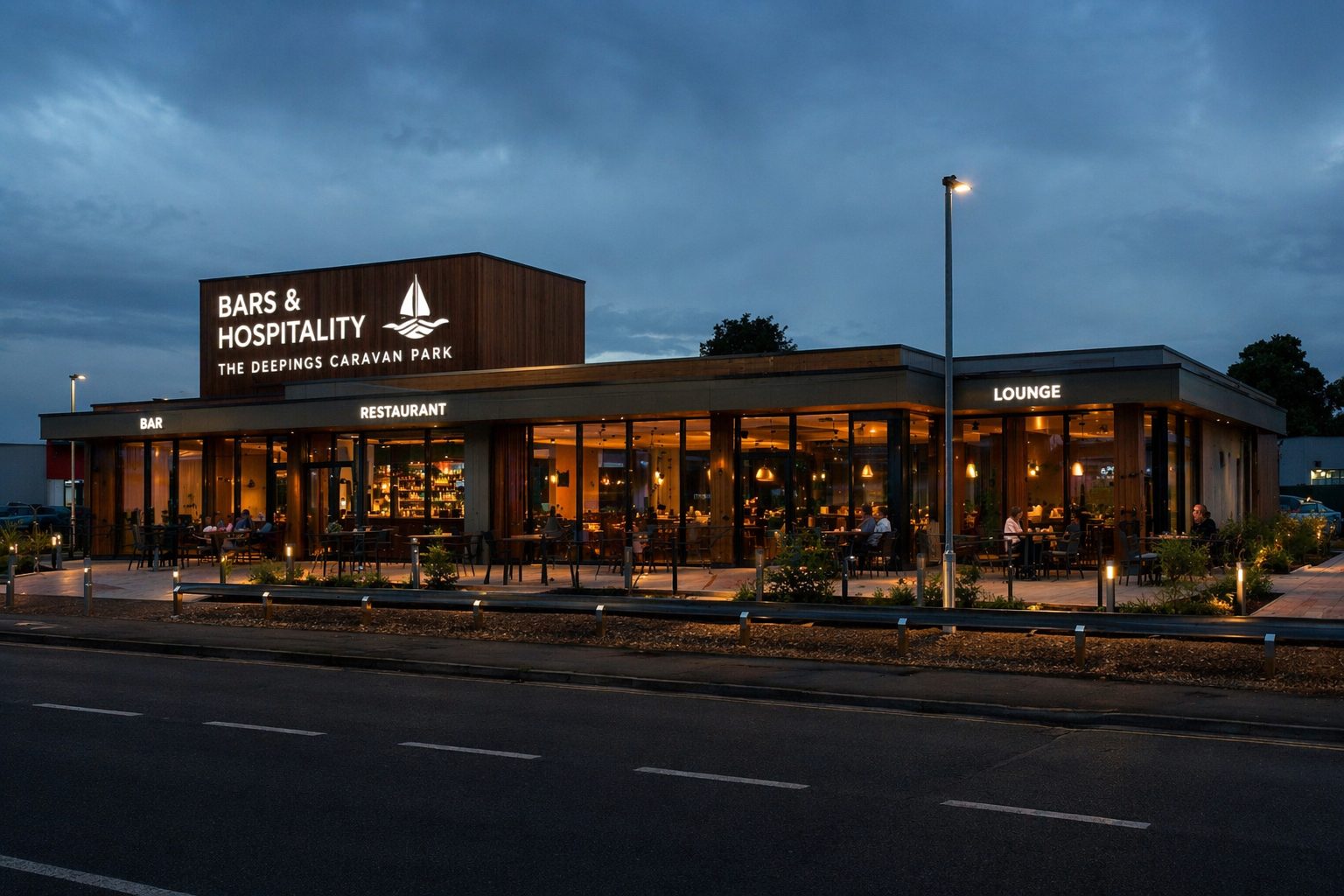
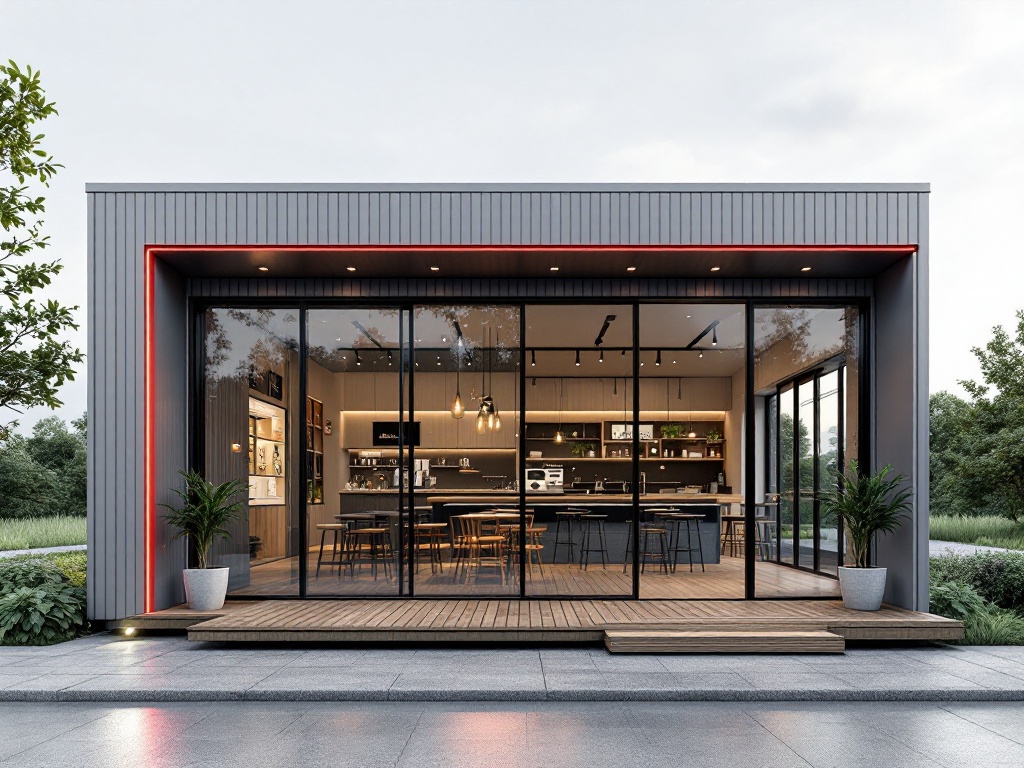
Architectural modular hospitality venue
Bespoke modular hospitality buildings allow operators to create architectural bar venues with strong visual identity. As a result, venues can combine rapid construction with high-quality finishes suitable for permanent leisure destinations.
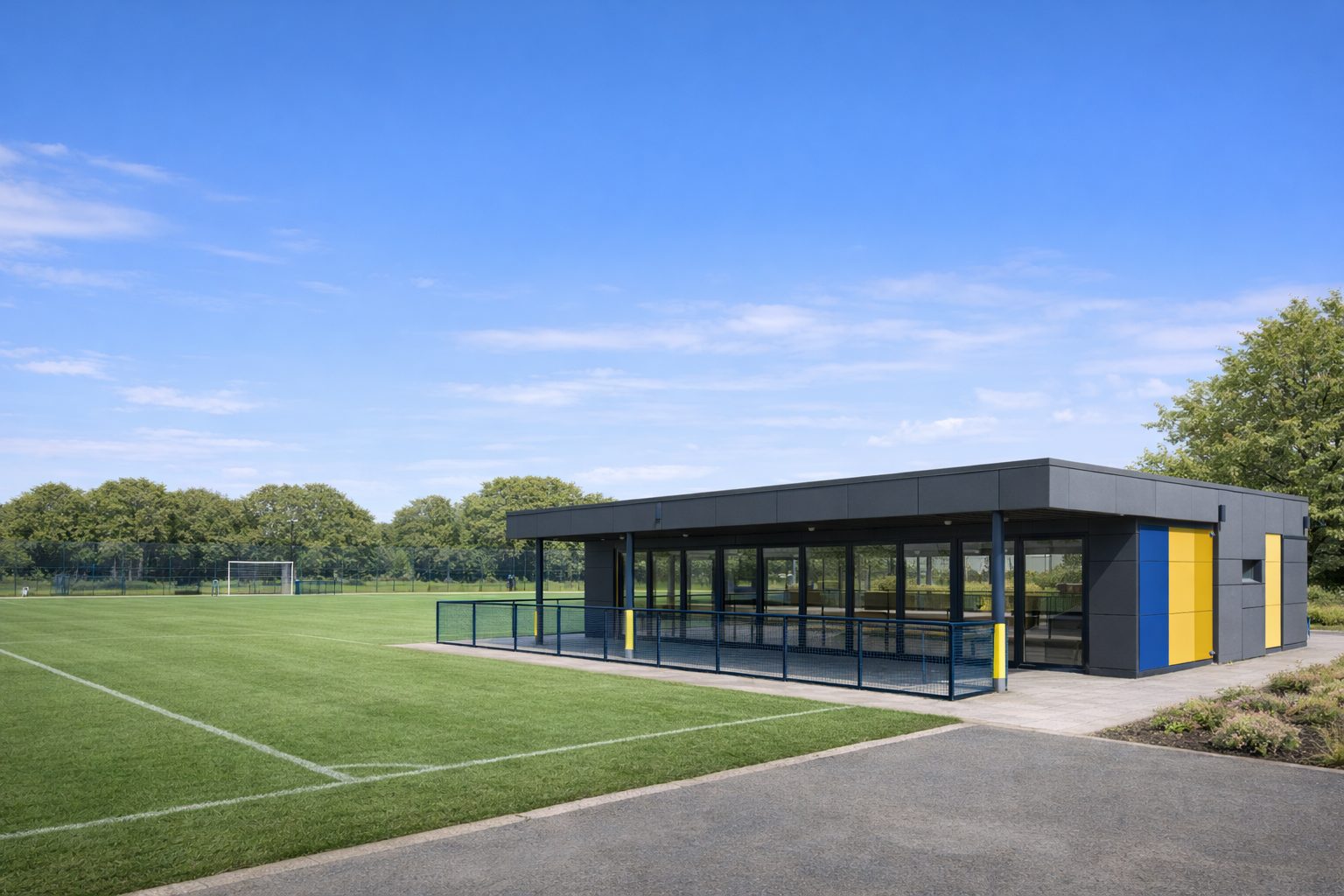
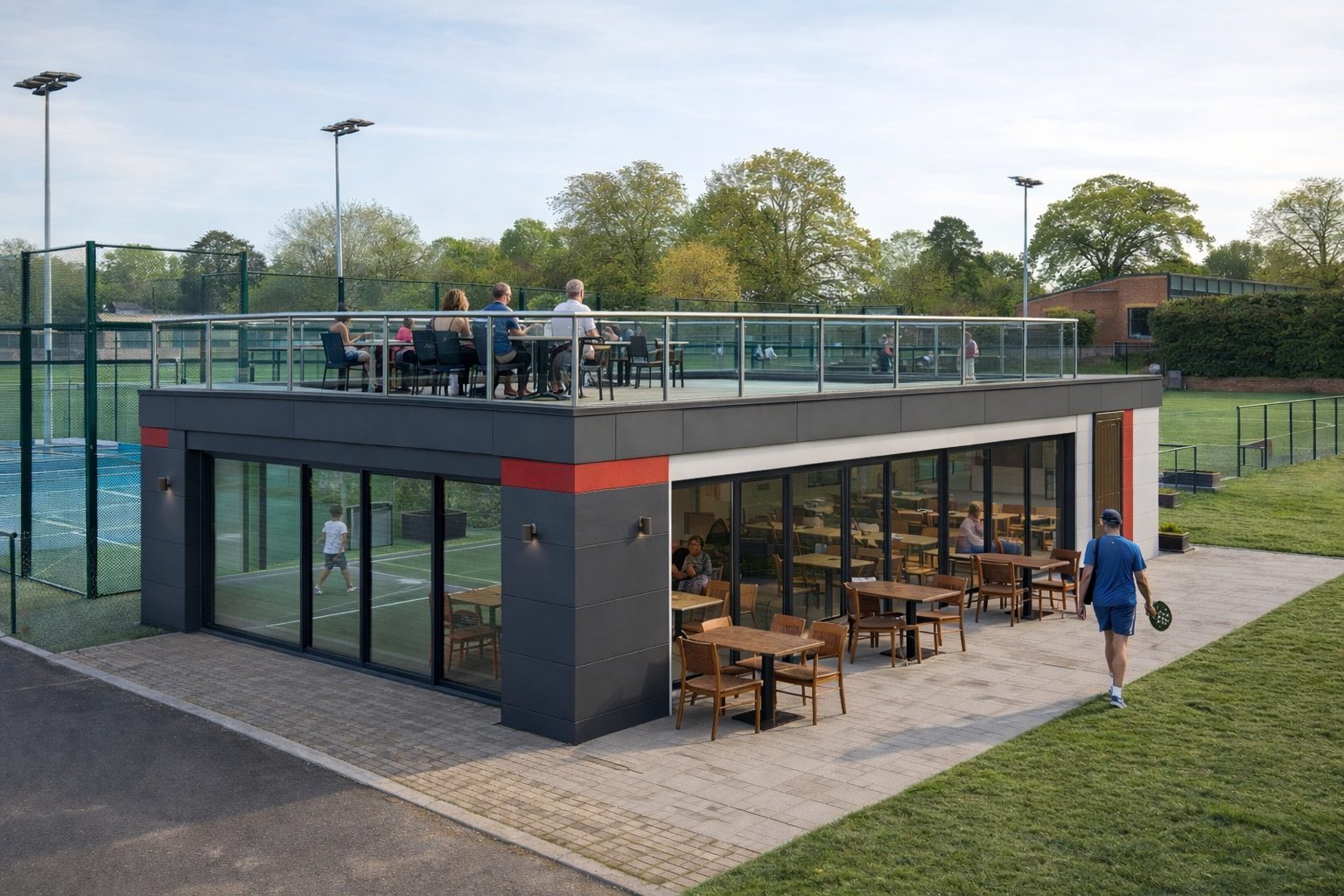
Leisure venue bar & pavilion
Modular hospitality buildings are frequently used within leisure parks, sports venues and event destinations. In practice, bar service areas, seating zones and terrace access can all be integrated into a modular pavilion layout.
Moreover, modular hospitality buildings can scale from compact bar units to multi-room venues depending on operational needs and site constraints.
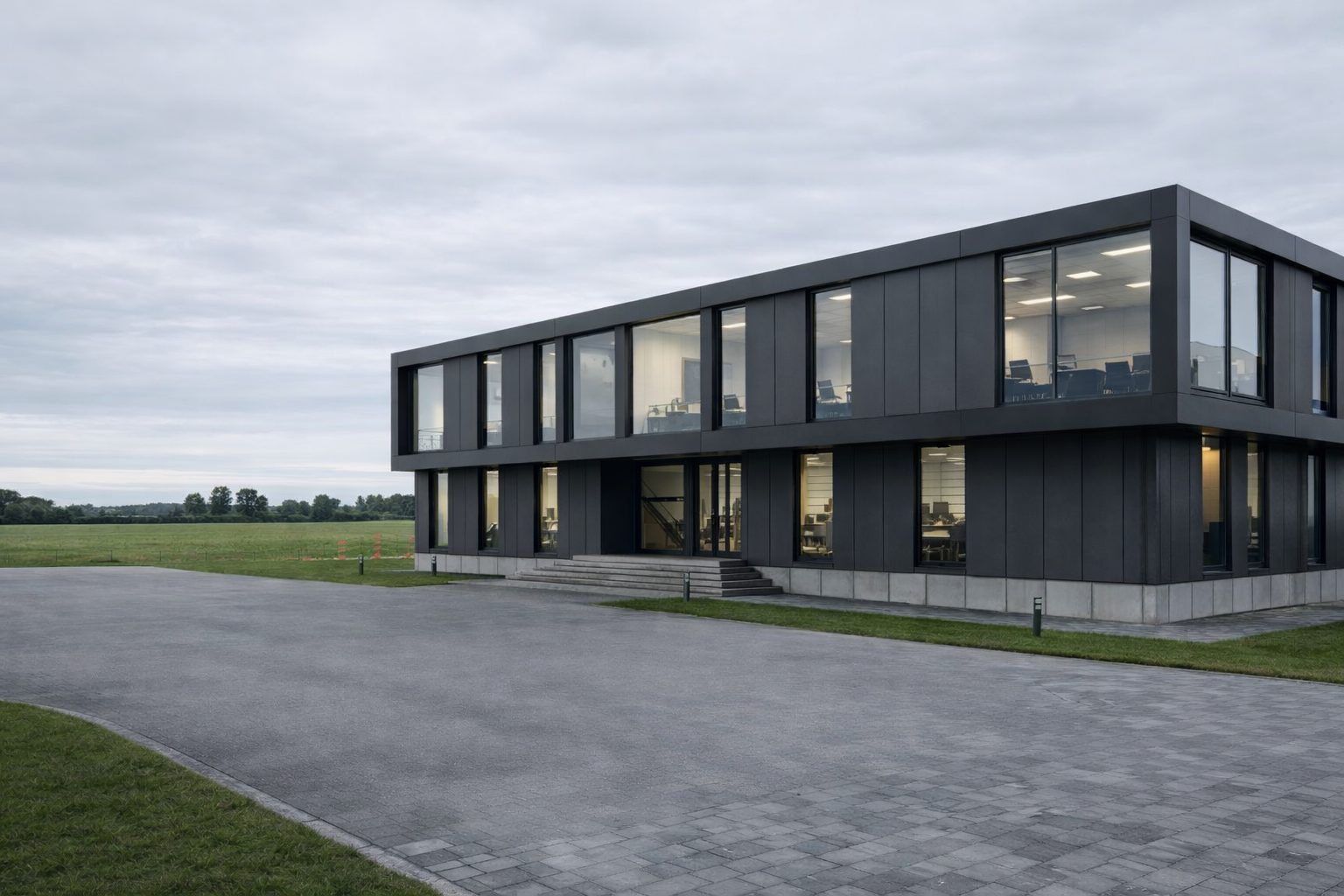
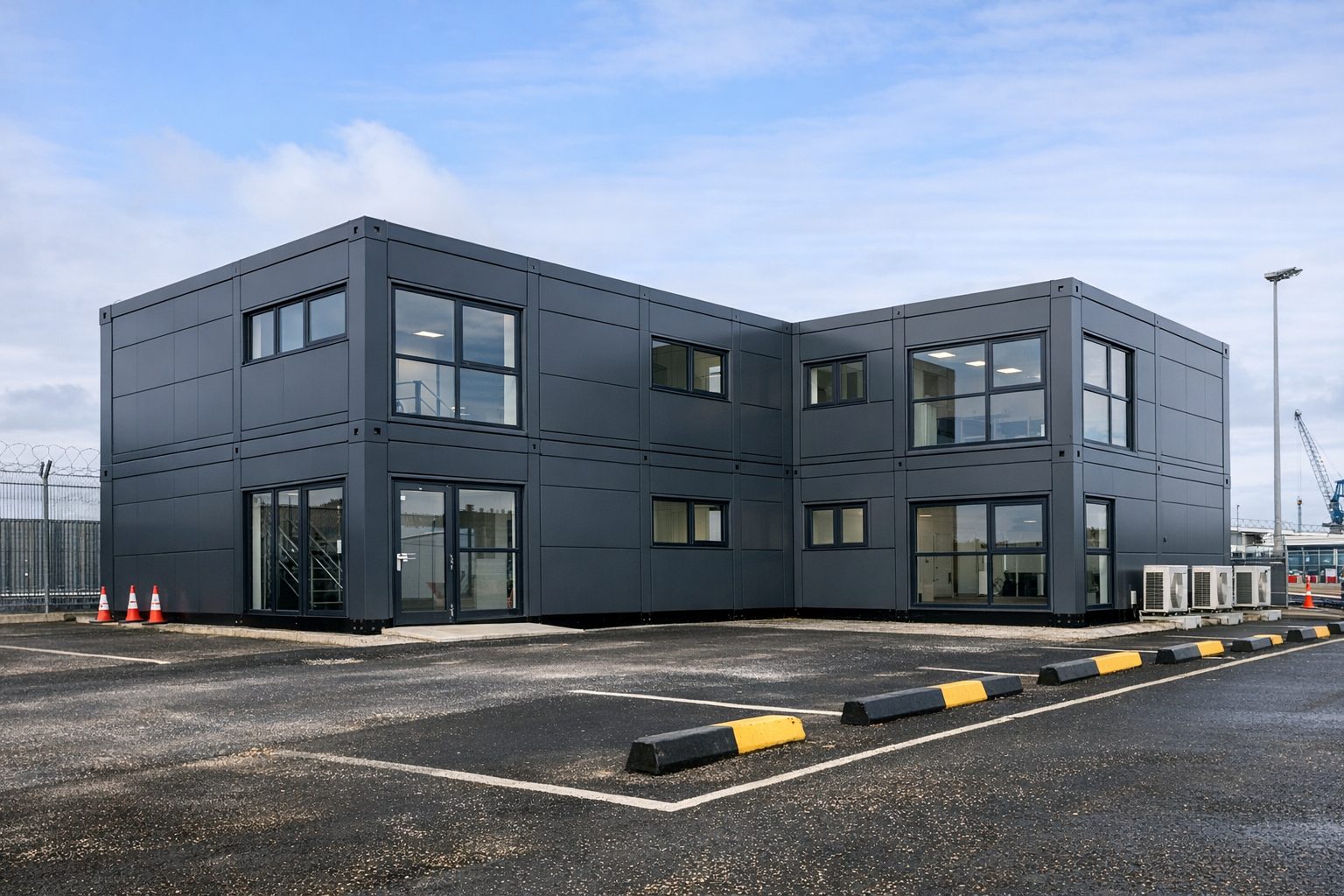
Large hospitality venue layouts
Larger modular hospitality buildings can combine bar service areas, seating zones and terrace access within one structure. Therefore operators can scale venues quickly while maintaining controlled customer circulation.
- Main bar service counters
- Indoor seating areas
- Outdoor terrace connections
- Back-of-house storage zones
- Integrated WC or welfare areas
In practice bespoke steel frame systems are often selected because they allow wider spans and stronger architectural presence.
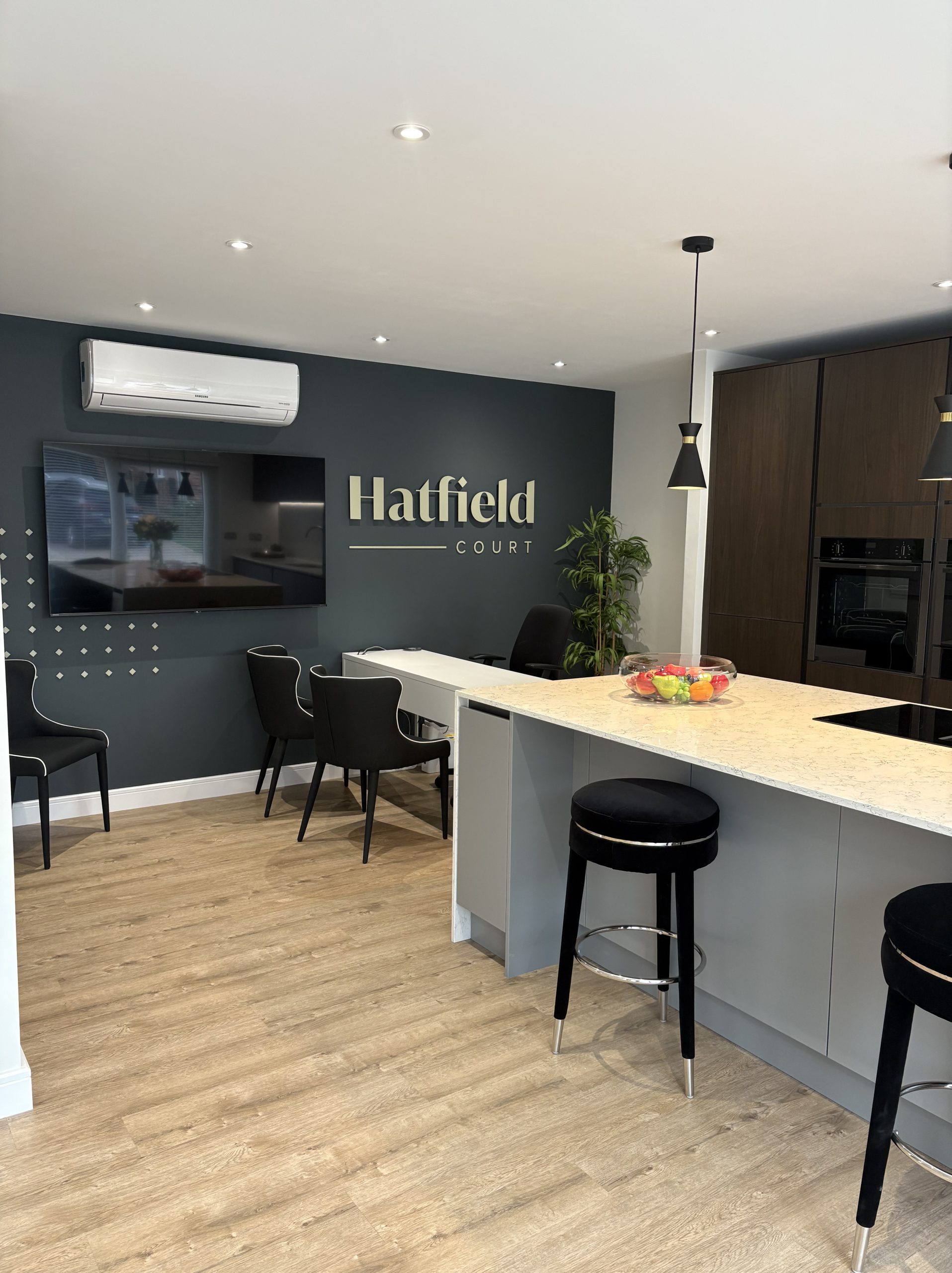
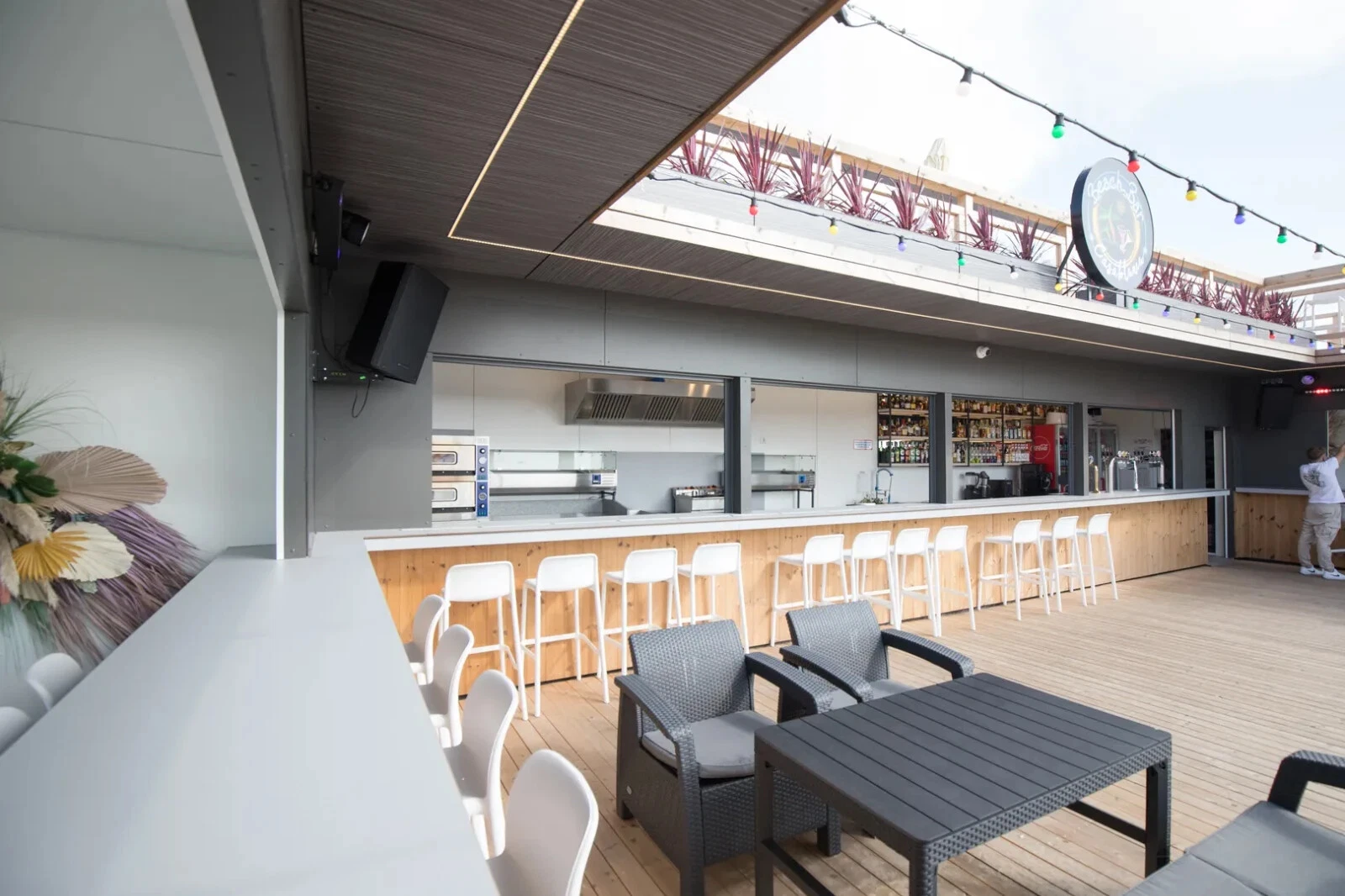
Compact bar & event venue units
Smaller modular bar units are commonly used for festivals, leisure parks and seasonal venues. However compact layouts can still deliver efficient service when counter flow and storage zones are designed correctly.
- Portable bar service counter
- Compact preparation space
- Integrated refrigeration storage
- Queue management circulation
- Optional terrace seating
As a result ISO volumetric systems are often used because they allow rapid deployment and relocation when venue strategies change.
Moreover modular bars UK can expand from compact units to multi-room hospitality venues depending on operational growth and site constraints.
Compliance, performance and delivery transparency
Hospitality venues must balance regulatory requirements with commercial performance. Therefore, our approach focuses on defensible compliance wording, realistic energy performance pathways and transparent delivery planning. However, final approvals always depend on site conditions and local authority guidance.
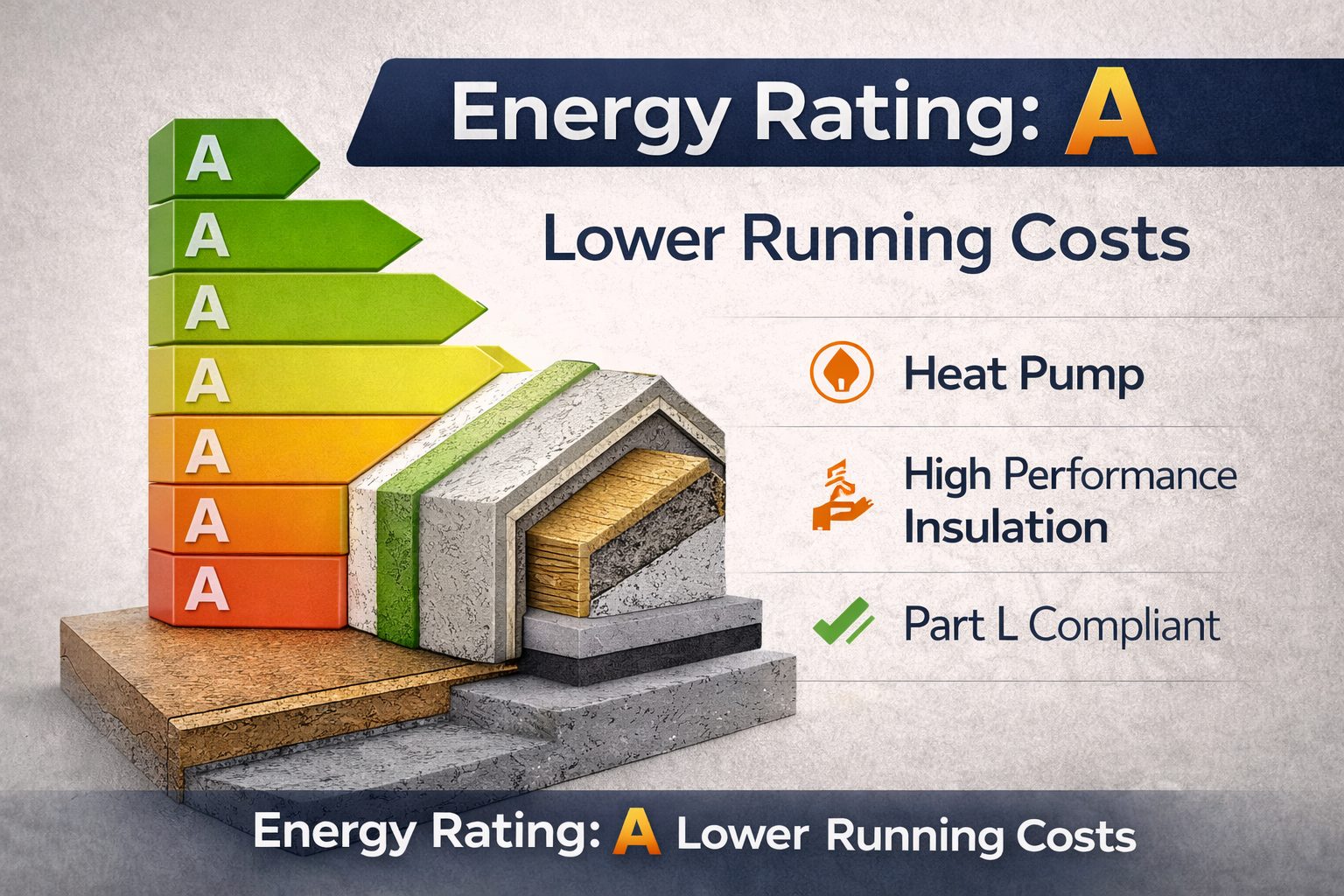
Energy performance pathway
Modern modular hospitality buildings can be designed with strong insulation and efficient services strategies. As a result, permanent buildings may follow a pathway designed to achieve A Energy Performance under Part L 2021.
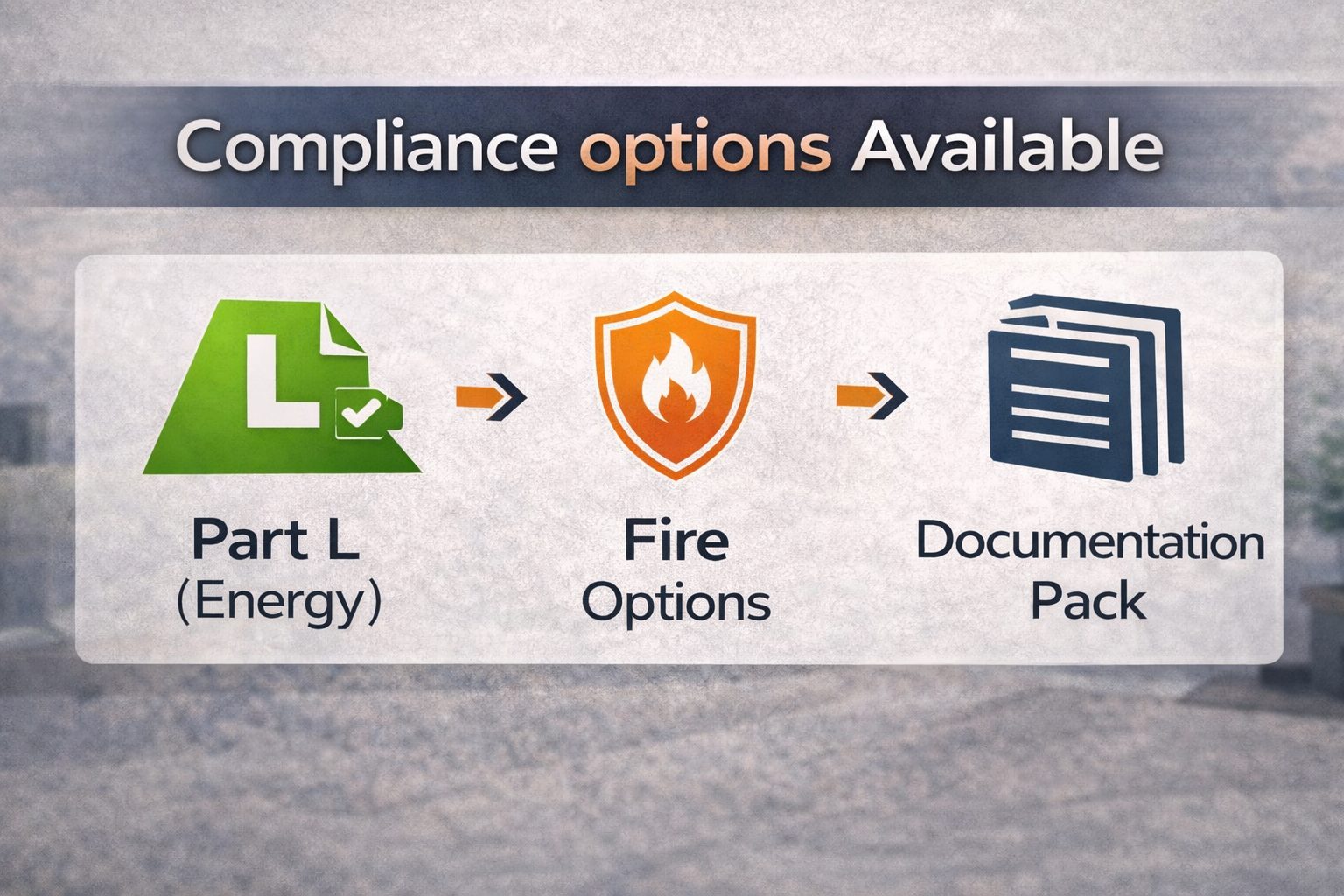
Compliance strategy clarity
Fire performance, ventilation and accessibility requirements depend on building use and local approvals. Therefore, modular hospitality projects normally review compliance pathways early to reduce redesign later.
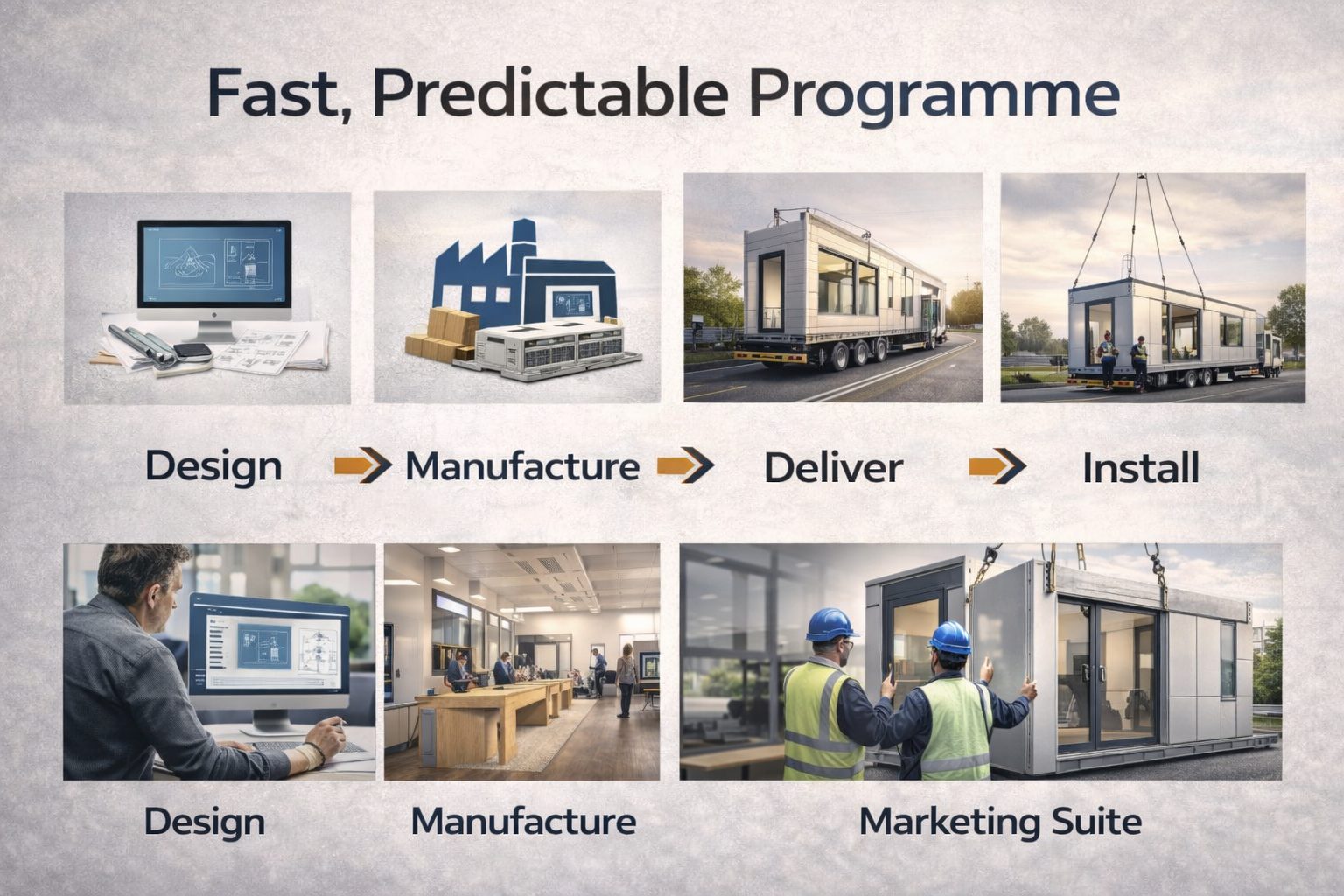
Delivery and installation planning
Hospitality projects often require precise opening dates. In practice, modular construction allows manufacturing to occur offsite while site preparation progresses, helping operators plan launch schedules with greater certainty.
Moreover, modular bars UK benefit from early coordination between designers, operators and regulators. Therefore, clarity around compliance pathways typically accelerates both approvals and operational readiness.
Start planning your modular bar or hospitality venue
If you are planning a bar venue, leisure destination or hospitality expansion, modular construction can provide a faster route to opening. Therefore operators can align construction timelines with event seasons, visitor demand and licensing schedules.
However, choosing the correct system early — ISO volumetric, bespoke steel or timber — significantly reduces redesign risk and improves budgeting clarity. As a result, hospitality operators can focus on brand experience rather than construction delays.
Typical quote response within 48h (Mon–Fri)
Visit our showroom (finish levels, layouts & system routing)
Many hospitality buyers prefer to see finishes, cladding options and internal layout approaches before locking decisions. Therefore, the showroom is the quickest way to confirm whether ISO volumetric, bespoke steel or timber is the best-fit route for your venue.
Showroom addressLondon Rd, Chesterton, Stoke-on-Trent, Staffordshire, ST5 7HT
Phone01782 561110
Quote responseTypical quote response within 48h (Mon–Fri)
However, if you cannot visit, a quote request with your site postcode and venue concept is still enough to start a structured route recommendation.
Assumption: travel times vary by traffic. As a guide, we are positioned for access from the North West and Midlands, including Manchester/Cheshire and Birmingham.