
Method, Process & Delivery
Offsite Modular Construction
Offsite modular construction uses a factory-led delivery model for commercial, education and public-sector projects. Specifically, this approach helps clients compare programme efficiency, quality control and procurement routes.
Furthermore, teams move into detailed specification and installation planning with greater confidence and clarity.
This page guides method-led buyers evaluating how offsite delivery works. In contrast, short-term hire and product-only searches sit within our other service pages.
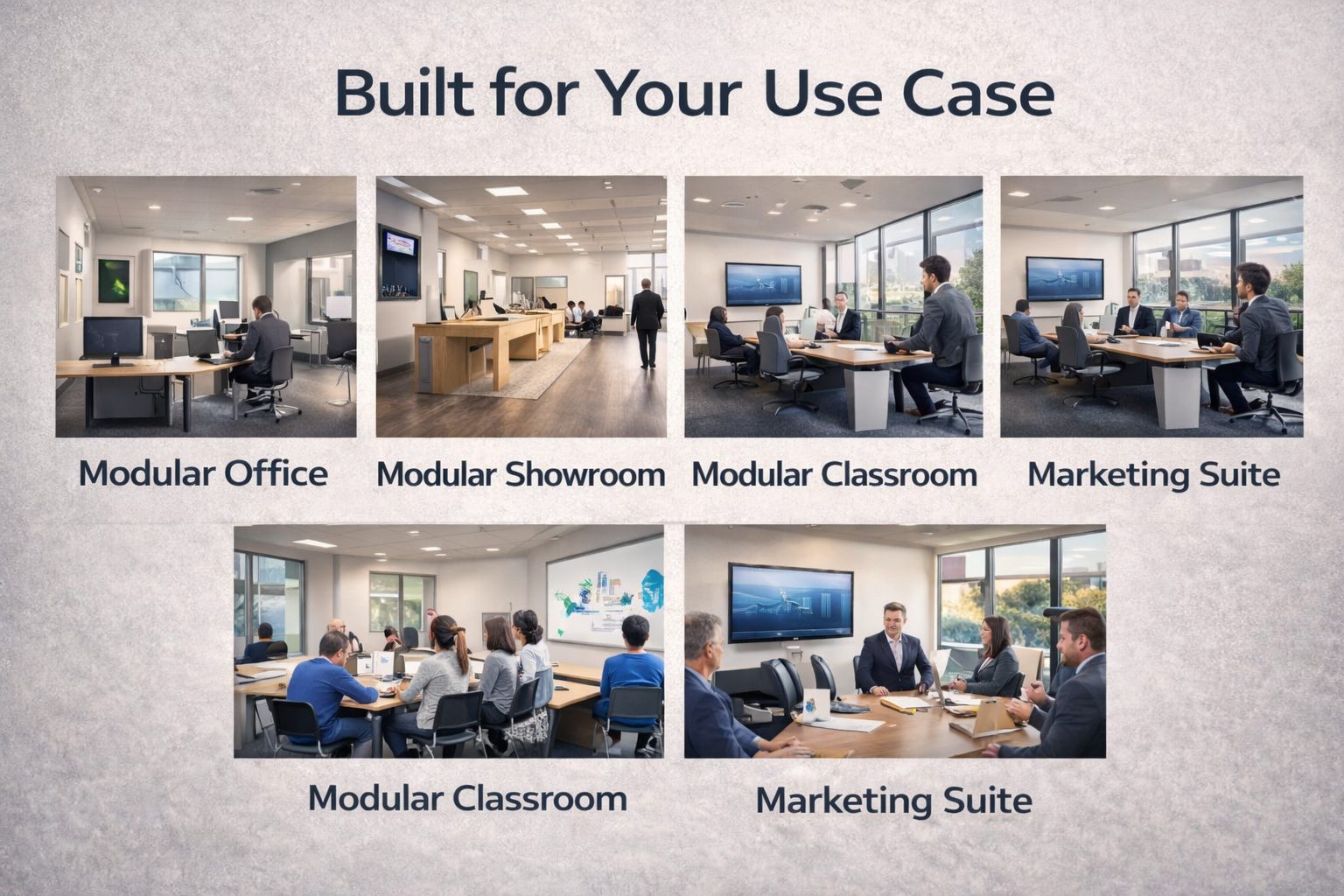
Overview
Offsite Modular Construction for Commercial and Public-Sector Projects
Clients choose offsite modular construction for better programme control and reduced site disruption. In addition, factory manufacturing delivers clearer, more consistent build quality.
Specifically, this route suits project teams who need a structured path from design through production and installation.
For a broader sector view, explore our modular buildings page as a useful reference point.
How the Offsite Delivery Model Works
The delivery model runs design development, factory manufacture and site preparation in parallel. Consequently, project teams improve sequencing and reduce weather-related delays.
Furthermore, parallel working gives teams better visibility over the full construction programme. As a result, decisions happen earlier and with greater confidence.
Therefore, offsite modular construction suits projects where certainty, coordination and repeatable outcomes all matter.
Key Advantages
Benefits of Offsite Modular Construction
Clients choose offsite modular construction for better manufacturing control and reduced site pressure. As a result, the build sequence becomes more predictable from start to finish.
Moreover, the main value lies in how we manage the process. This matters more than any single product category.
⏱
Programme Control
Factory manufacture runs in parallel with site preparation. Consequently, overall delivery time reduces and sequencing confidence improves.
Furthermore, fewer weather delays keep the programme on track throughout.
✓
Quality Assurance
Factory-led production delivers consistent assembly and tighter process control. In addition, clearer inspection stages catch issues before modules leave the facility.
Therefore, every unit meets specification before it arrives on site.
⚫
Reduced Site Disruption
Shorter on-site activity reduces disruption to live environments. Specifically, schools, hospitals and constrained sites benefit the most.
As a result, neighbours, staff and operations experience minimal impact during installation.
Sector Application
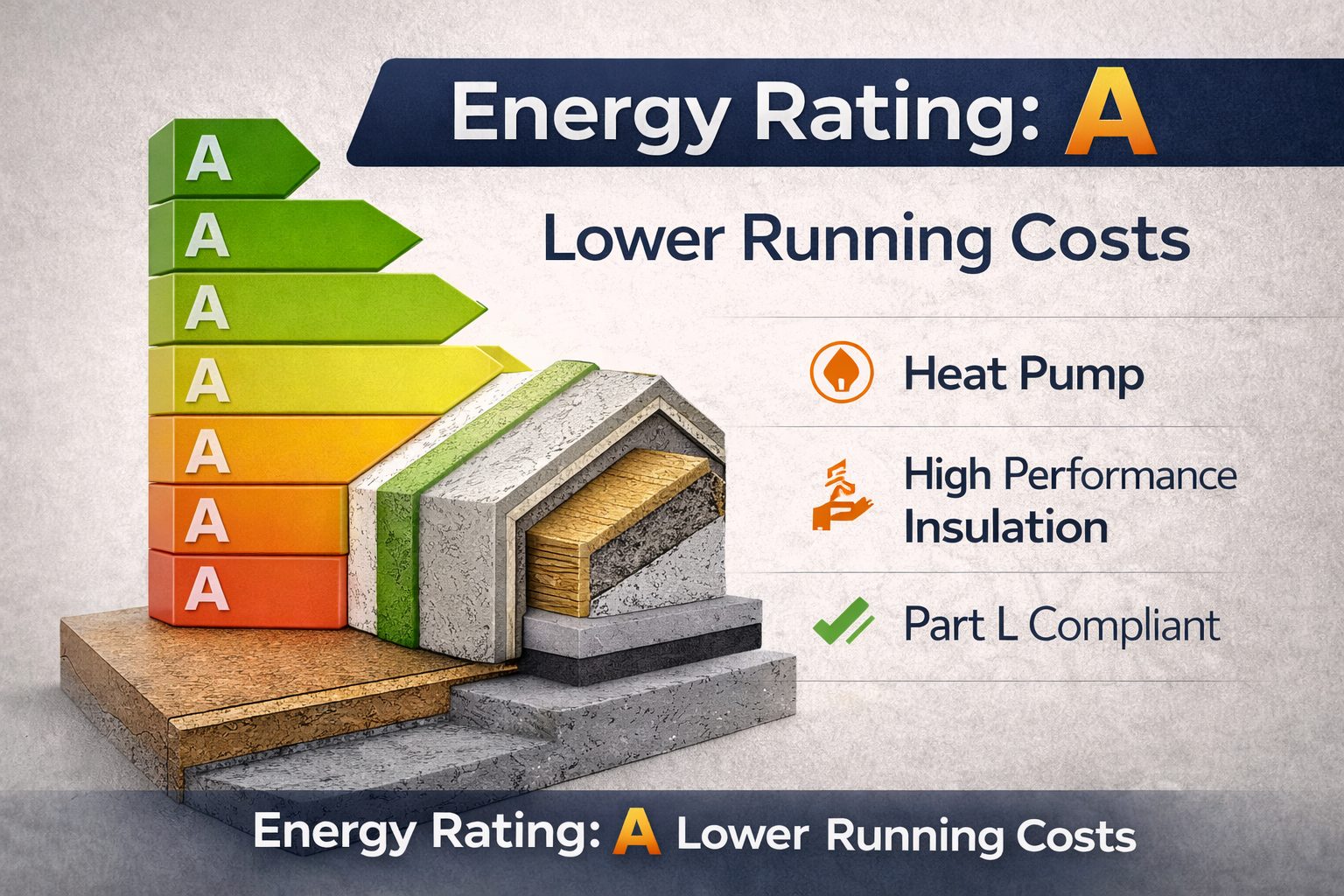
Education Projects: Programme, Compliance and Handover
Education teams use offsite modular construction to manage programme constraints and term-time pressures. Specifically, factory manufacture runs during term time without disrupting the school environment.
Furthermore, handover expectations become clearer when the delivery route follows a structured, factory-led sequence. As a result, project teams meet compliance requirements and handover deadlines with greater confidence.
If your requirement is classroom-led, see our modular classrooms page for a sector-specific solution.
Sectors & Systems
Healthcare and Commercial Use Cases
Healthcare and commercial clients use offsite modular delivery for controlled quality and reduced site disruption. Specifically, reliable coordination across the programme makes this route particularly effective.
Typical applications include clinics, offices, support accommodation and operational buildings. Furthermore, the delivery model directly affects programme, logistics and risk management across the wider build.
As a result, clients treat the delivery route as a key decision factor. It shapes the project as much as the building specification itself.
Offsite Modular Building Systems and Options
Offsite modular building systems include steel frame, timber-led and hybrid configurations. Consequently, each system suits different briefs, span requirements and design priorities.
Moreover, installation logistics and site constraints shape the final system choice. This keeps the project focused on fit-for-purpose delivery rather than a fixed construction route.
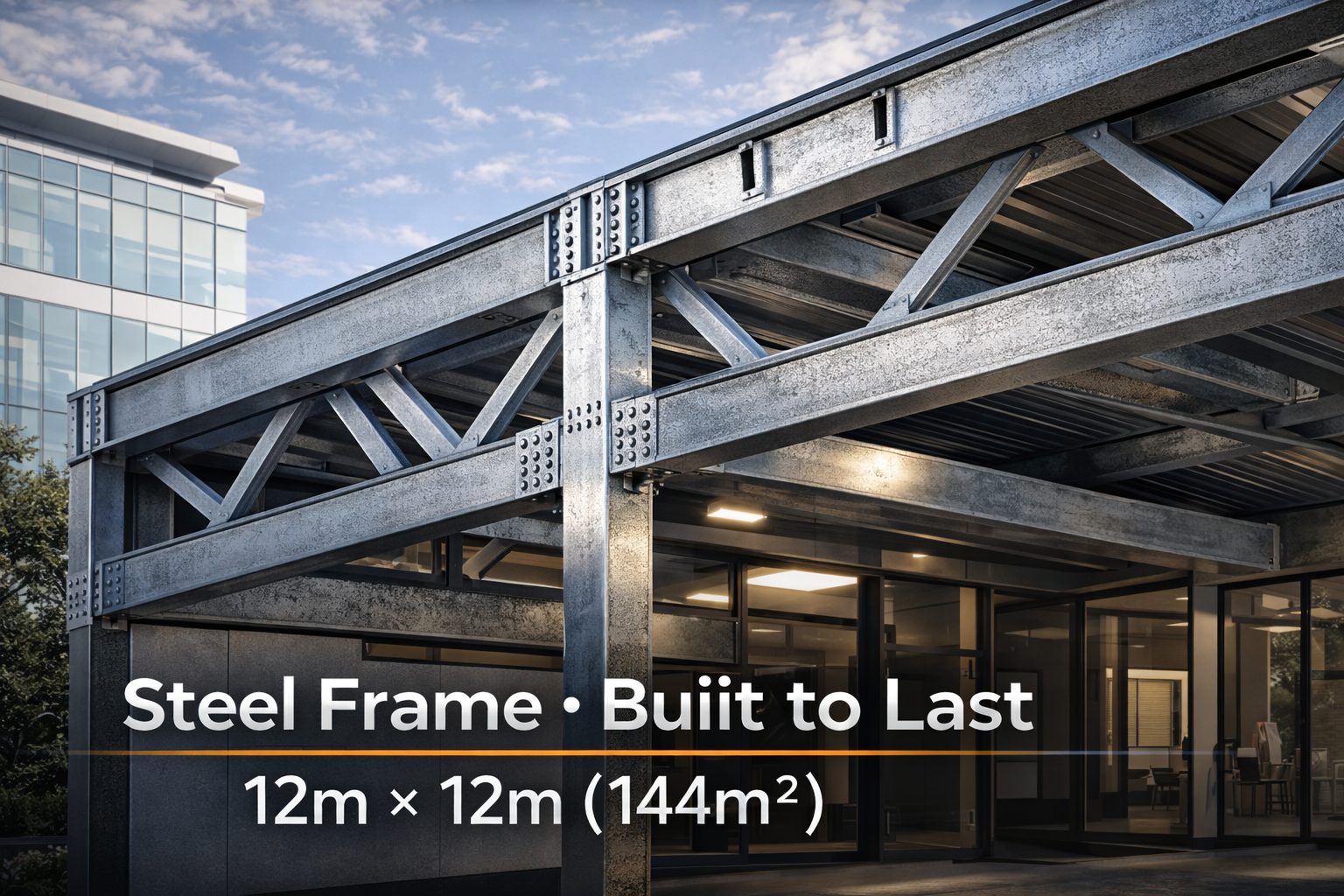
- → Steel frame (NOVO) — bespoke spans, high load, long lifespan
- → Timber-led (LARK) — sustainable, fast, residential and lodge use
- → ISO frame (MS) — rapid deployment, hire or buy, welfare and office
How It Works
Design, Manufacture and Installation Process
The offsite modular delivery process moves through four coordinated stages. Specifically, these cover design development, factory manufacture, logistics planning and on-site installation.
Furthermore, early decisions around access, cranage, services and sequencing directly shape the final programme. As a result, teams who engage the process early achieve better outcomes.
Therefore, offsite modular delivery works best as a project-planning decision. It loses value when teams treat it as a late product choice.
-
1
Design Development
Brief, layout, specification and planning coordination confirmed.
-
2
Factory Manufacture
90% of the build completes in a controlled factory environment.
-
3
Logistics Planning
Access routes, cranage, delivery sequencing and site readiness confirmed.
-
4
On-Site Installation
Modules craned into position, connected and handed over to programme.
Supplier & Procurement
Offsite Construction Company UK: What to Look For
Buyers comparing an offsite construction company should look beyond visuals. Specifically, process clarity, design coordination and manufacturing capability matter most.
Furthermore, installation planning and scope definition separate strong suppliers from weak ones. The right route matches the project brief and delivery team structure precisely.
Scope of Supply
We design, manufacture and install modular buildings. However, groundworks, utility connections and external works remain the responsibility of others unless agreed in writing.
In addition, we coordinate with your principal contractor and design team. As a result, handover into groundworks and service connections runs smoothly.
Process and Procurement Route
Method-led buyers need to understand how decisions move from concept and design into manufacture, transport and installation. Consequently, a clear procurement route reduces confusion at every project stage.
Moreover, clear routes improve handover between the offsite modular supplier, design team and site-based works. Therefore, all parties understand their responsibilities from day one.
- ✓ Concept and brief — use, size, programme and budget confirmed
- ✓ Design coordination — layout, specification and planning aligned
- ✓ Manufacture and logistics — factory build runs parallel to site prep
- ✓ Installation and handover — scope boundaries agreed before delivery
Build Method Comparison
Offsite vs Prefab vs Traditional Build
Offsite modular construction is often compared with prefabricated and traditional build routes. Specifically, the right choice depends on delivery priorities and the level of process control required.
Furthermore, buyers must decide whether they are evaluating method, product or long-term building strategy. Each route carries different implications for programme, cost and quality control.
For method-led offsite delivery, see our permanent modular buildings page. For prefab-led comparison context, see our prefabricated buildings UK page.
Method-Led
Offsite Modular Construction
Choose this route when factory-led coordination and programme strategy drive the decision. Consequently, delivery speed and quality control improve significantly.
- ✓Factory-controlled build quality
- ✓Parallel site and factory programme
- ✓Clear scope and handover boundaries
Product-Led
Prefab Routes
Use this route when comparing offsite-manufactured solutions at product and system level. Moreover, prefab comparisons help buyers evaluate specification, finish and component choice directly.
- ✓Component and system comparison
- ✓Product-level specification review
- ✓Finish, material and supplier comparison
Conventional Route
Traditional Build
This route suits projects where on-site sequencing and conventional procurement remain the preferred approach. However, traditional build typically carries longer programmes and greater weather dependency.
- ✓Bespoke on-site construction
- ✓Conventional procurement routes
- ✓Longer programme, higher weather risk
Industry Context
Modern Methods of Construction
Offsite modular construction sits within the wider industry shift toward modern methods of construction. Specifically, it represents a more controlled, factory-led approach to project delivery.
Furthermore, the UK Government recognises modern methods of construction as a strategic priority. As a result, demand for offsite and modular delivery continues to grow across public and private sectors.
Category 1
Volumetric Modular
Three-dimensional units arrive fully fitted. Consequently, site installation time reduces dramatically compared to traditional build.
Category 2
Pre-Manufactured Value
UK Government targets 70% pre-manufactured value on public projects. Moreover, offsite methods directly support this target.
Category 3
Waste and Carbon Reduction
Factory construction reduces site waste by up to 90%. Therefore, offsite delivery supports net-zero and sustainability commitments.
For broader UK policy context, review the official government guidance below.
UK Government: Modern Methods of Construction ↗FAQ
Frequently Asked Questions About Offsite Modular Construction
Q1
What is offsite modular construction?
Offsite modular construction is a factory-led delivery model. Specifically, a manufacturer builds complete modules in a controlled environment before transporting them to site.
As a result, installation follows a coordinated sequence on the final project location. This approach reduces site time, waste and weather dependency.
Q2
Why do clients choose offsite modular construction?
Clients choose offsite modular construction for better programme control and improved manufacturing quality. Furthermore, a structured delivery process reduces risk at every project stage.
In addition, factory-led production runs parallel to site preparation. Therefore, overall project timelines shorten significantly.
Q3
Is offsite modular construction suitable for schools and healthcare projects?
Yes. Offsite modular construction suits schools and healthcare projects where programme certainty matters most. Consequently, reduced disruption protects daily operations during the build.
Moreover, controlled handover ensures compliance with sector-specific standards. For education projects, see our modular buildings UK page.
Q4
Does offsite modular construction always mean the same building system?
No. Different structural systems and project strategies sit within the same offsite delivery model. Specifically, the building use and brief determine which system applies.
For example, ISO frame, bespoke steel and timber systems all deliver under offsite methodology. As a result, buyers select the system that matches their programme, specification and budget.
Project Resources
Need More Background Before You Enquire?
Our brochure covers the full range of offsite modular construction options. Specifically, it helps buyers review building categories, systems and delivery routes before entering a live quotation stage.
Furthermore, the brochure includes technical specifications, sector examples and procurement guidance. As a result, you arrive at the enquiry stage with a clearer brief.
- ✓Building systems: ISO frame, bespoke steel and timber
- ✓Sector examples: education, healthcare, commercial and welfare
- ✓Technical specs, lead times and procurement guidance included
Get Started
Need a Quote for an Offsite Modular Construction Project?
Tell us your project type, approximate size and delivery priorities. Consequently, we review the right offsite modular construction route and respond with a tailored proposal.
Furthermore, our team clarifies scope, system options and lead times at the first stage. As a result, you move forward with full clarity before committing.
01
Submit Enquiry
Share your brief, size and programme priorities.
02
We Review the Route
We confirm the right system, scope and lead time.
03
Receive Your Proposal
A tailored quote with full scope and assumptions.
No obligation · UK-based team · Responds within 1 business day