
SIP Modular Systems for UK Projects Where the Right Answer Depends on the Exact Brief
SIP modular systems are a valid off-site route for some UK projects, but this is not a universal default-system page. SIP modular systems should be treated as a conditional route that may suit some projects well and other projects poorly depending on the structural logic, fire strategy, detailing, services, building use and programme.

A system page designed to reduce wrong-fit enquiries
Educational posture
SIP modular systems are explained here as a conditional route, not as a default sales answer.
Fit / misfit guidance
The value of this page is helping buyers understand when SIP modular systems may or may not fit.
Trust-first language
No floating claims, no automatic compliance language, and no false universal promises.
Routing role
This page routes users toward better-fit systems if SIP modular systems are not the strongest answer.
What SIP modular systems actually mean
SIP modular systems can deliver a fast, insulated, panel-led building route in the right circumstances. However, SIP modular systems should not be treated as a universal answer because the route can strengthen some briefs and weaken others depending on span, detailing, openings, services, fire strategy and building type.
That is why this page is educational and conditional. It is here to help system selection rather than to force a SIP-led conclusion where another route would deliver a cleaner, safer or more commercially effective result.
Panel-led route
SIP modular systems usually sit closer to panel-led off-site delivery than full volumetric modular.
Needs real technical review
Fire, detailing, use class and compliance path all matter before a SIP route is chosen.
May suit some envelope-led briefs
Some lower-rise, housing-adjacent or lodge-style briefs may align better than others.
Not universal
SIP modular systems are not a safe default when other structural or delivery routes are stronger.
Structural insulated panels UK and modular system selection
Anyone researching structural insulated panels UK should understand that structural insulated panels UK projects are not all the same. Some structural insulated panels UK enquiries fit a panel-led route well, while other structural insulated panels UK enquiries are better served by timber, hybrid, panelised or steel-led systems. A proper review of structural insulated panels UK options must look at use class, detailing, fire strategy and buildability, not just insulation claims. The strongest structural insulated panels UK decision is always the one that matches the real project rather than the trendiest phrase.
A true SIP vs timber frame modular review is essential because SIP vs timber frame modular is one of the most common decision points on lower-rise and lodge-adjacent projects. A serious SIP vs timber frame modular review should compare feel, detailing, structural logic, thermal strategy, route to compliance and commercial fit. In some cases SIP vs timber frame modular will point toward SIP modular systems. In other cases SIP vs timber frame modular will show that a timber frame modular route is cleaner and more appropriate.
The phrase SIP vs panelised modular matters because SIP vs panelised modular is often where buyers realise that not all panel-led off-site routes behave the same way. A good SIP vs panelised modular analysis compares structural fabric, design freedom, panel logic, services coordination and envelope detailing. The outcome of SIP vs panelised modular should be project-led rather than assumption-led.
Strong modular system selection UK thinking should always include alternatives to SIP modular systems. A disciplined modular system selection UK process looks at permanence, site conditions, energy targets, regulations, programme and project risk. The best modular system selection UK work prevents a buyer from locking the wrong route too early.
Many people search for insulated panel buildings without realising that insulated panel buildings can cover multiple routes with different structural and delivery consequences. Some insulated panel buildings may align with SIP-led logic, while others do not. A proper review of insulated panel buildings should move beyond generic assumptions and into real system selection.
The wider category of off-site insulated panel systems also deserves careful review. Some off-site insulated panel systems are efficient and appropriate. Other off-site insulated panel systems may become weak fits once span, façade, fire, openings or services are assessed. Good system selection means treating off-site insulated panel systems as one route family, not as an automatic answer.
SIP modular systems should always be compared against stronger alternatives
Because this is a conditional page, the safest decision is not “choose SIP first.” The safest decision is “compare SIP modular systems properly before committing.”
SIP modular systems
Potentially strong on some panel-led, envelope-led projects, but not a universal default system.
Panelised modular systems
Often a clearer comparison route when the project needs panel-led off-site delivery without a SIP-led commitment.
Modular timber system
May be stronger where timber-led feel, hospitality tone or lodge-style architecture matters more.
Hybrid modular systems
Useful when one method alone creates too much technical or commercial compromise.
Request system review
Best route if the brief is live but the safest system still needs technical comparison.
Where SIP modular systems may fit best
SIP modular systems may be strongest where the project benefits from an insulated panel-led envelope strategy, lower-rise logic, and a clearly defined detailing route that does not fight the system.
- ✓Some lower-rise projects where panel-led off-site delivery makes practical sense.
- ✓Some lodge, leisure, residential-adjacent or small building briefs where the envelope logic suits SIP-led detailing.
- ✓Projects where the team understands the exact route to detailing, services, compliance and sequencing.
Where SIP modular systems may be the wrong choice
This is the most important section on the page. If SIP modular systems are the wrong fit, choosing them anyway can create structural, detailing, compliance, services or commercial problems that were avoidable at system-selection stage.
Larger-span commercial needs
If the project demands larger spans or a stronger steel-led structural logic, SIP modular systems may weaken the brief.
Complex services / interfaces
Projects with difficult MEP, interface or sequencing needs may be better served by a different route.
Fire strategy complexity
If the route to fire performance and evidence is more complex than the team expects, a different system may be safer.
Mixed priorities
If the brief contains conflicting priorities, hybrid or another route may outperform SIP modular systems.
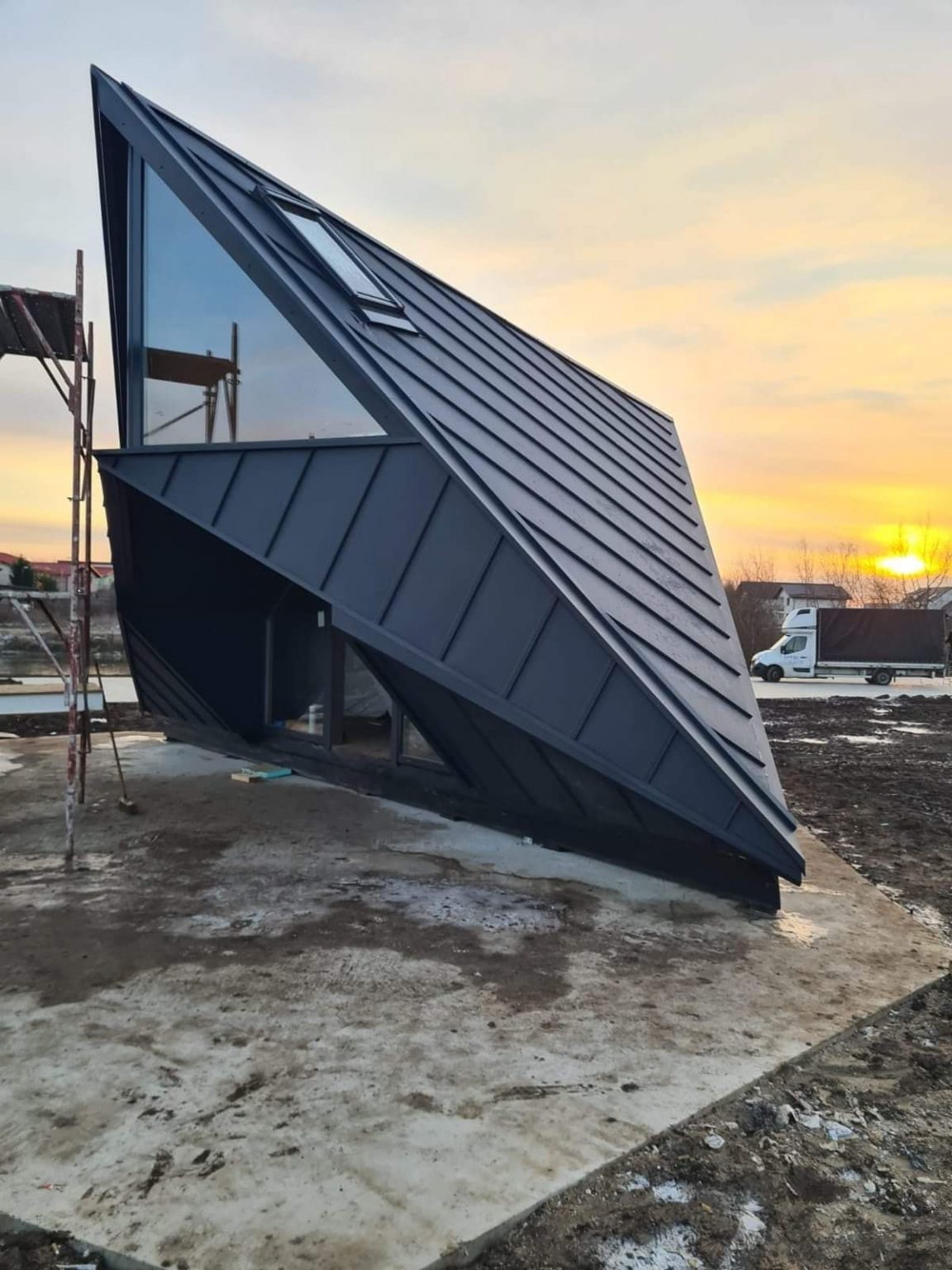
SIP-led and timber-adjacent visual language can overlap, but route selection still matters

How SIP modular systems should be discussed from a compliance perspective
SIP modular systems must be discussed with project-specific compliance logic. For UK regulatory context, use the Approved Documents guidance and the Planning Portal where planning context is relevant. System pages should guide this discussion, not over-claim it.
England, Wales, Scotland and Northern Ireland are not one identical compliance pathway.
SIP modular systems must be assessed against the actual fire strategy rather than general assumptions.
Openings, junctions, moisture management, services and sequencing all affect real project performance.
Do not imply that SIP modular systems are automatically compliant for every building type or use case.
Simple rules for deciding whether SIP modular systems deserve further review
If the brief is envelope-led, SIP may strengthen
Some lower-rise or lodge-adjacent projects may align with SIP-led logic.
If the project needs bigger structural freedom, SIP may weaken
Steel-led, hybrid or another route may be stronger when the brief is more demanding.
If compliance gets more complex than expected, stop assuming
A technical review is essential before treating SIP modular systems as the preferred route.
If timber or panelised is cleaner, use them
This page exists to prevent wrong-fit selection, not to push SIP where it is weaker.
If mixed priorities dominate, review hybrid
A mixed-method route may outperform a pure SIP logic when the brief is conflicted.
If unsure, do not quote blind
Use system review first so the quote reflects the right route rather than the first route considered.
Frequently asked questions about SIP modular systems
What are SIP modular systems?
SIP modular systems use structural insulated panels as the primary building envelope or structural fabric, often as part of a panel-led off-site build approach rather than a fully volumetric room-sized module route.
Are SIP modular systems always the best option?
No. SIP modular systems can be strong on some projects, but they are conditional rather than universal. The right answer depends on span, layout, fire strategy, detailing, services, permanence, and the exact building use.
How do SIP modular systems compare with timber frame modular?
SIP modular systems and timber frame modular can overlap in some project types, but they are not identical. SIP-led builds may suit some envelope-led projects, while timber frame modular may suit other projects better depending on detailing, feel, structural logic and route to compliance.
Can SIP modular systems work in the UK?
Yes, SIP modular systems can work in the UK, but the route must always be assessed against the exact project brief, jurisdiction, regulations, fire strategy, energy targets and buildability logic.
Why is this page educational and conditional?
Because SIP modular systems should not be pushed as a default route for every project. This page is designed to help buyers understand where SIP systems may fit and where another KC system may be stronger.
What should I do if I am unsure whether SIP is right?
Use the project review route. KC can help compare SIP modular systems against panelised, timber, hybrid or steel-led systems before a quote is anchored around the wrong method.
Go to the strongest next page for the real brief
Panelised modular systems
Best next route if the project is panel-led but not necessarily SIP-led.
Modular timber system
Use when warmth, hospitality tone or timber-led architecture matters more.
Hybrid modular systems
Use when one method alone still creates too much compromise.
Holiday lodges
Useful if the live brief is leisure or lodge-led rather than system-led.
Modular homes
Use if the project is residential-adjacent and needs a clearer end-use route.
Request a quote
Best route if you need system qualification plus commercial response now.
Let KC review whether SIP modular systems are genuinely right for your project
Send the building use, likely size, site conditions, permanence, design priorities and any drawings or room schedules. KC can compare SIP modular systems with better-fit alternatives before the wrong route gets priced in.