
Modular Building Systems
Systems Hub • Authority + Routing + Decision
Modular Building Systems Explained for UK Projects That Need the Right Route First Time
This modular building systems hub exists to compare modular building systems clearly, reduce confusion between route types, answer which modular system to choose, and route buyers into the correct deeper KC page before the wrong assumptions shape design, cost or programme decisions.
If you already know your likely route, move directly into volumetric modular systems, the modular steel frame system, the modular timber system, panelised modular systems or hybrid modular systems. If not, stay on this hub and use the decision logic below.
Modular building systems hub
Modular system comparison
Which modular system to choose
Offsite construction systems guidance
10Core system routes surfaced here
1Primary hub for system selection
UKProject-specific routing logic
FitMore important than any single label
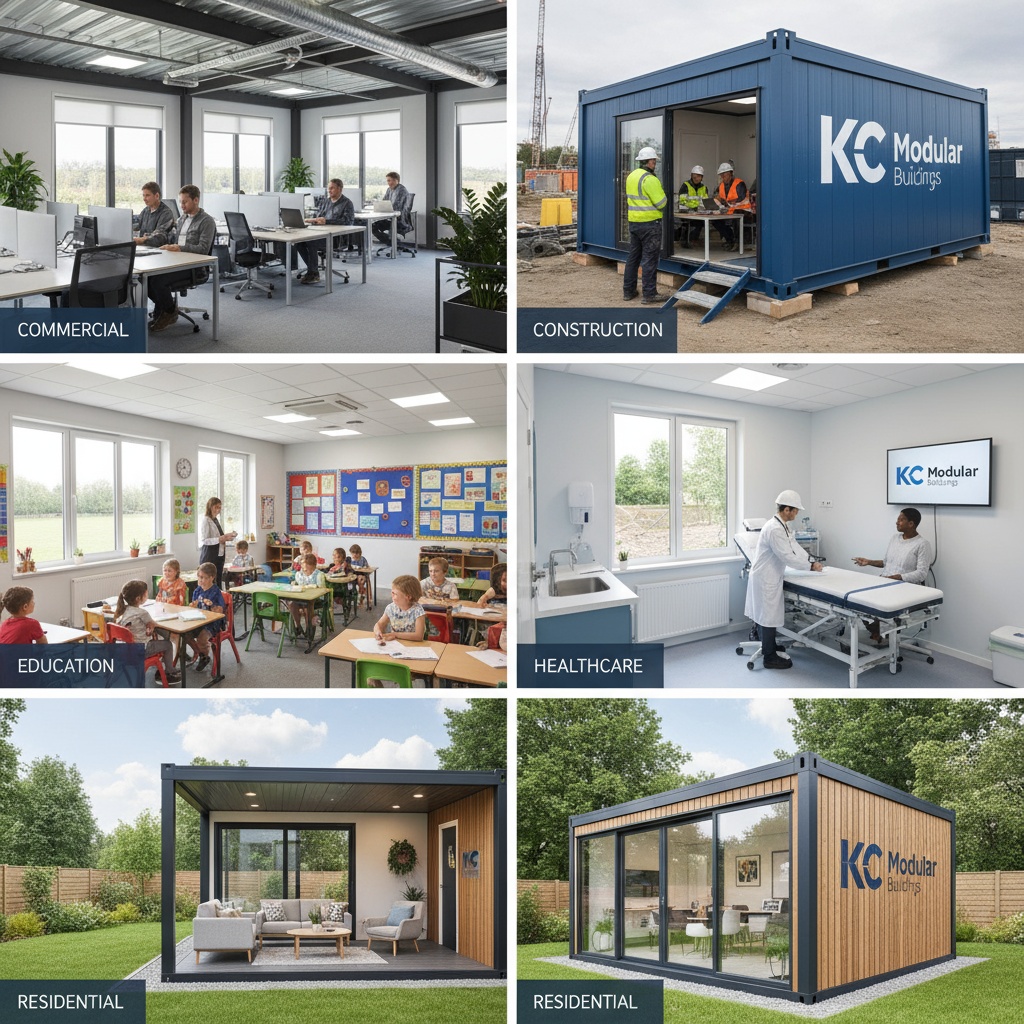
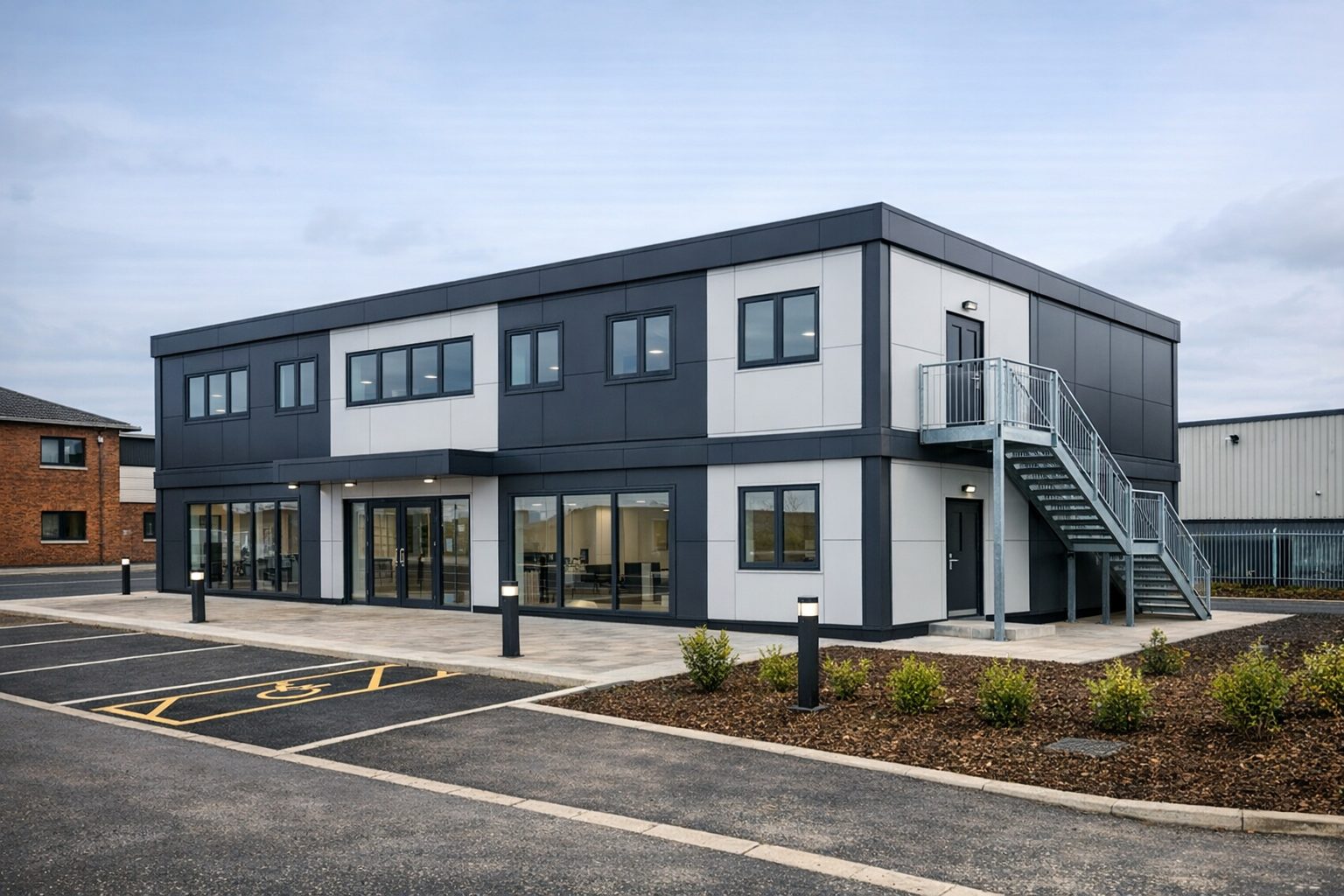
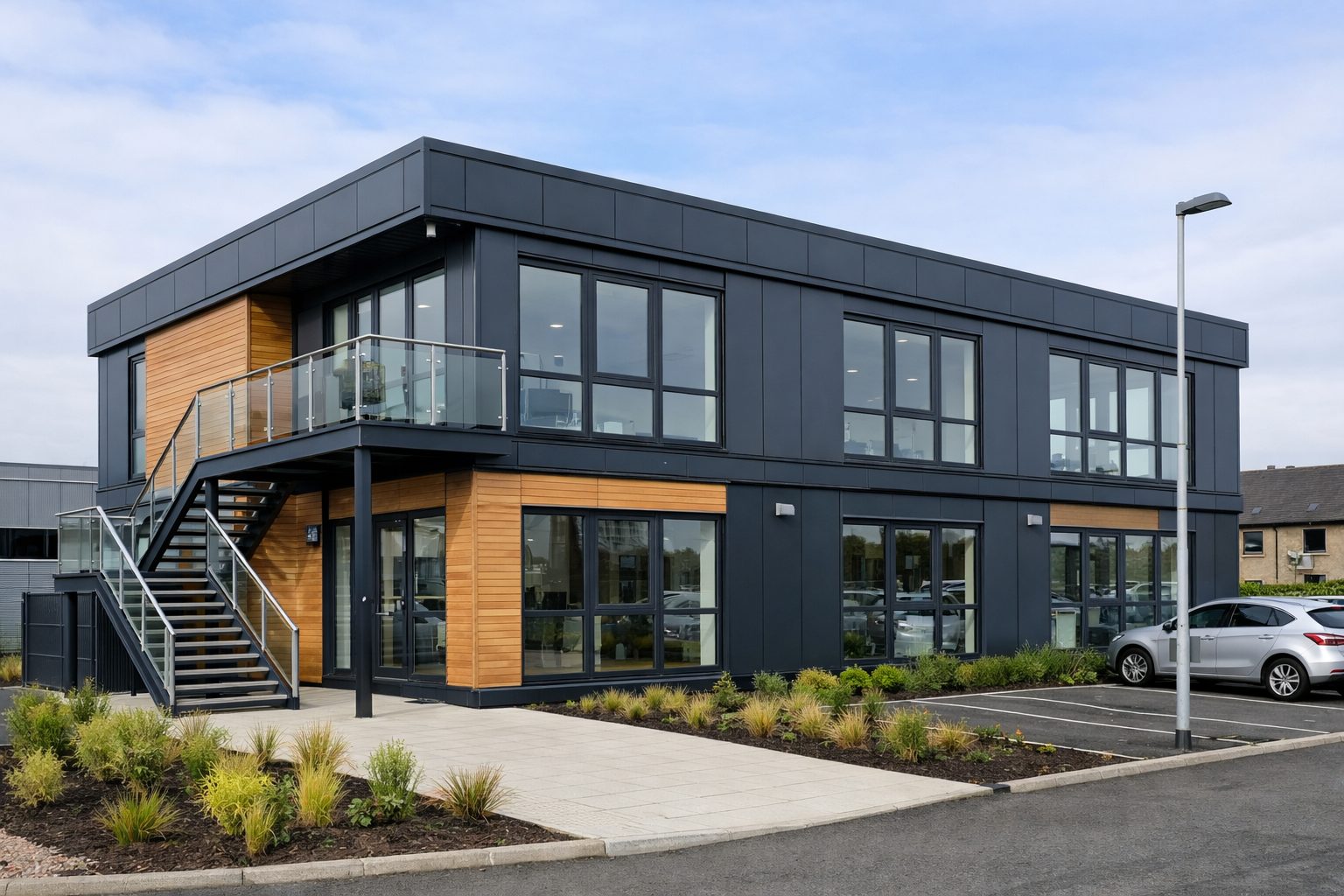

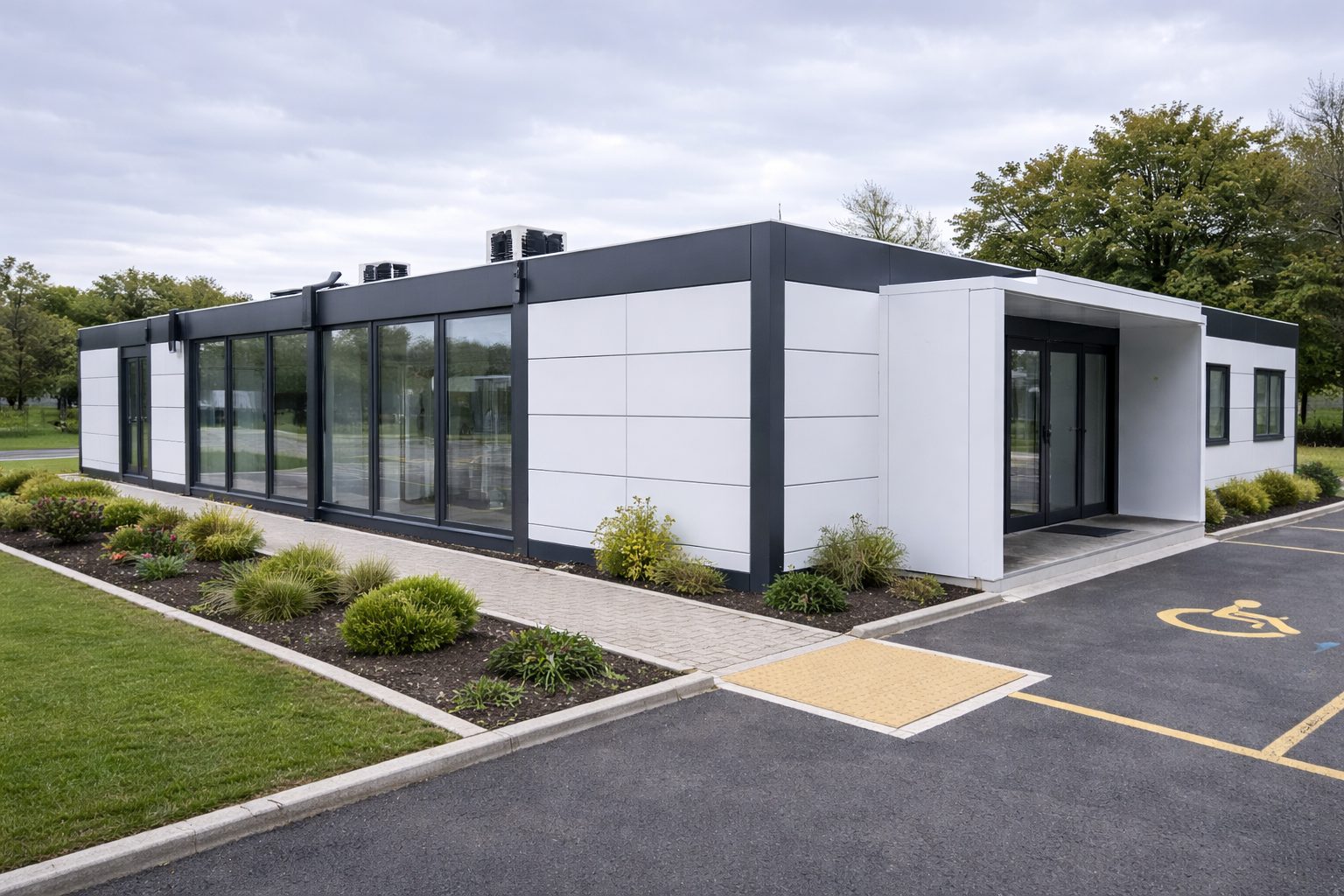
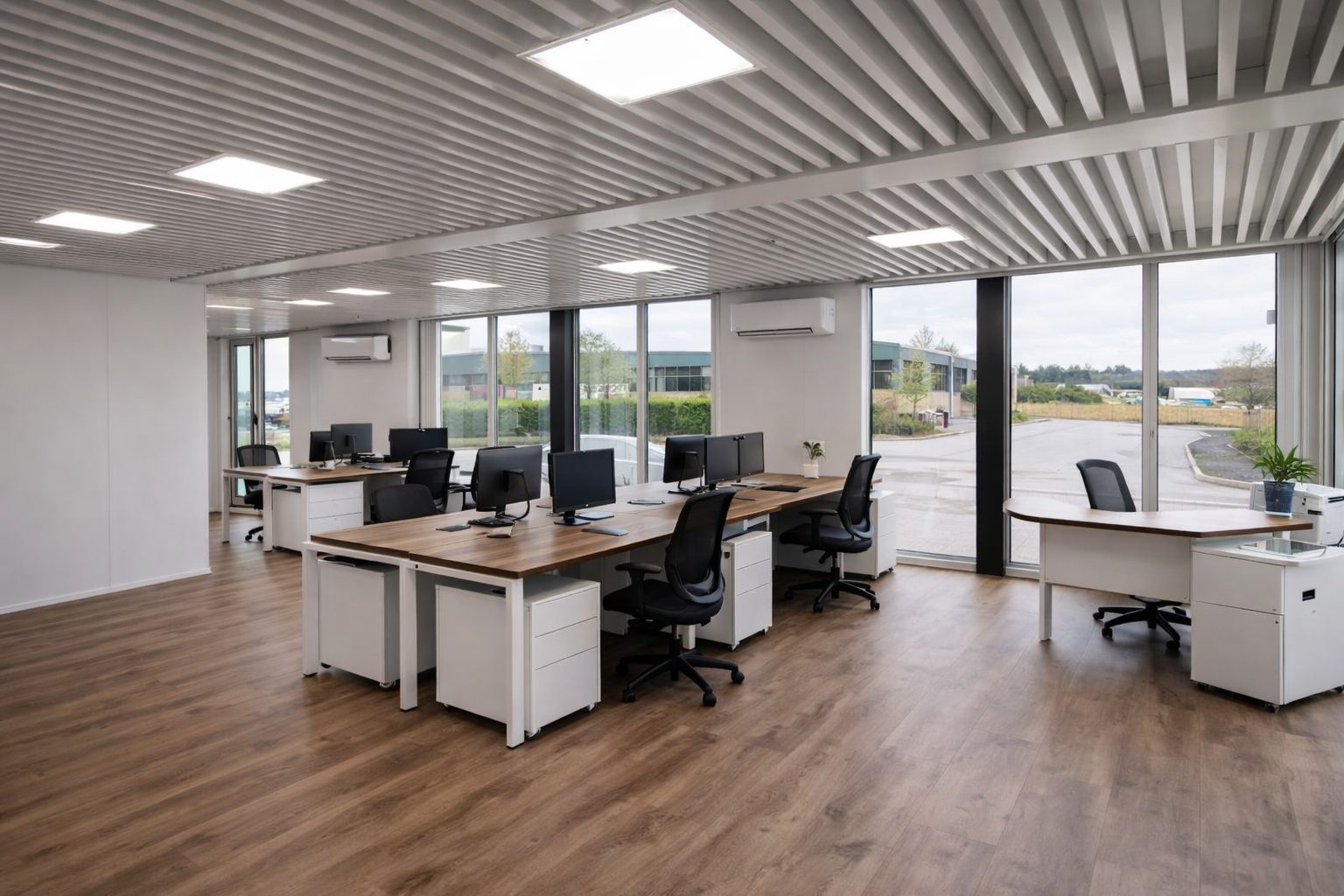
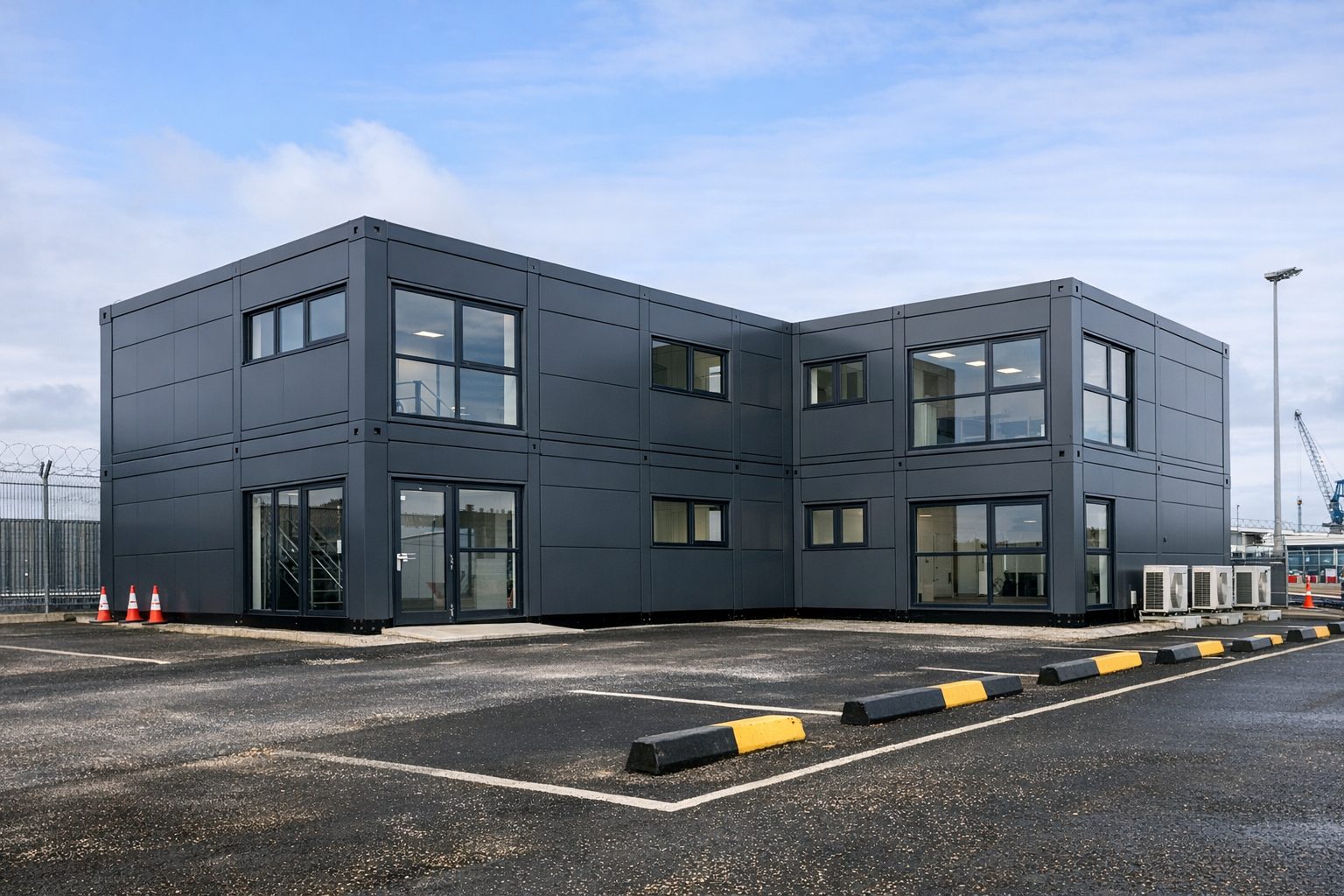
Category Hub
Systems overview across sectors
Installation Logic
Factory-built delivery route
Steel Route
Permanent office-led schemes
Volumetric Route
Repeated classroom-style layouts
Offsite Route
Healthcare and controlled use
Interior Finish
End-result quality matters
Hybrid Route
Complex mixed-condition briefs
Definition and quote-ready clarity
What modular building systems actually mean
Definition: modular building systems are structured offsite construction methods where buildings are partially or fully manufactured in factory conditions and then transported and assembled on site. Different modular building systems behave differently in terms of structure, transport, installation, programme, finish flexibility and final project fit.
That is why modular system comparison matters. A systems hub should not flatten every route into one vague category. It should explain the real differences clearly enough that a buyer can tell whether volumetric vs panelised, steel vs timber, or hybrid vs single-method thinking is the better next question.
If a user arrives through broad research terms such as offsite construction systems or prefabricated building systems, this page should narrow the route logically. If a user arrives already searching which modular system to choose, this page should provide a useful decision framework before routing into pages such as which modular system to choose or modular vs prefabricated.
Routing first
The hub exists to guide the next correct page, not push one route blindly.
Method differences matter
Each system changes structure, logistics, programme, flexibility and risk.
Better qualification
A clearer systems hub improves lead quality and reduces wrong-fit enquiries.
AI citation readiness
Definitions, comparisons and fit guidance make this page easier to quote and summarise.
Authority depth
Modular system comparison, which modular system to choose, volumetric vs panelised, hybrid modular systems, offsite construction systems and prefabricated building systems
A serious modular system comparison does not start with sales language. It starts with project constraints. A strong modular system comparison shows how modular building systems behave differently when repetition, access, transport, design freeze, finish ambition or programme pressure change. The best modular system comparison pages therefore help buyers compare modular building systems in a practical way instead of just listing buzzwords. That is exactly the job of this systems hub.
Many buyers arrive here trying to understand which modular system to choose. A useful answer to which modular system to choose cannot come from one generic paragraph, because different modular building systems solve different problems. Some users asking which modular system to choose are really deciding between speed and flexibility. Others are deciding between public-facing permanence and hospitality-led design tone. The hub needs to clarify those forks clearly enough that users can move to the right next page.
The question of volumetric vs panelised is one of the most commercially important route decisions in the whole cluster. A strong volumetric vs panelised explanation shows why both routes can be right, but not for the same project logic. A serious volumetric vs panelised decision should consider repetition, transport profile, factory completion, access restrictions and the amount of assembly work left for site.
This hub must also explain where hybrid modular systems fit. Strong hybrid modular systems thinking recognises that some briefs do not fit neatly into one method. The role of hybrid modular systems is to reduce compromise when structure, logistics, speed, envelope and final use all pull the project in different directions.
Some users begin even higher up, using language such as offsite construction systems. For that audience, the hub should translate broad offsite construction systems research into a narrower system choice. This is where the systems page is stronger than a generic guide. It takes offsite construction systems intent and turns it into modular route logic.
The same applies to prefabricated building systems. Some prefabricated building systems overlap directly with modular routes, while others sit in adjacent offsite families. A clear hub helps the reader understand prefabricated building systems without collapsing every method into one indistinct label.
System comparison table
Quick modular system comparison for the main route families
This comparison table is deliberately short and decision-led. It is designed to support fast scanning, AI extraction and better first-step routing.
| System | Speed | Flexibility | Transport profile | Best for | Main watch-out |
|---|---|---|---|---|---|
| Volumetric modular systems | High | Lower | More demanding | Repeated layouts, reduced site disruption, high factory completion | Transport, cranage and early design freeze matter heavily |
| Panelised modular systems | Medium | High | More efficient | Projects needing greater transport efficiency and assembly flexibility | Lower factory completion than some volumetric routes |
| Modular steel frame system | Medium | Medium to high | Balanced | Permanent commercial, civic and public-facing schemes | Not every scheme needs that structural posture |
| Modular timber system | Medium | Medium | Balanced | Hospitality, lodges, leisure and design-sensitive environments | Not always the strongest route for heavy commercial or infrastructure-led briefs |
| Hybrid modular systems | Variable | High | Balanced | Complex briefs where one route alone creates too much compromise | Needs stronger coordination and clearer decision-making |
Why volumetric vs panelised matters
The volumetric vs panelised decision is often the first real systems fork. Both can be right, but they perform differently when repetition, logistics and assembly conditions change.
Why hybrid modular systems matter
Hybrid modular systems are not a compromise label. They are often the strongest answer when one method alone creates too much inefficiency, risk or design limitation.
Why prefabricated building systems matter
Broad prefabricated building systems research should route into a narrower modular decision. That is one of the main jobs of this page.
Fit and misfit guidance
The fastest way to understand which modular system to choose
This section is intentionally practical. It helps answer which modular system to choose through decision rules, not through generic promotion.
Strong fit signals
- ✓Clear room repetition and strong programme pressure
- ✓Good early design clarity and manageable logistics
- ✓Need to reduce site activity and increase delivery certainty
Weak fit signals
- ✓Constant late-stage design changes
- ✓Unknown access conditions or unresolved logistics
- ✓Highly bespoke spatial or structural demands without route review
Biggest mistake
Choosing a modular building system because the label sounds right rather than because the route genuinely matches the building brief, site conditions and delivery strategy.
Speed + repetition
Usually points toward volumetric modular systems.
Transport + flexibility
Often points toward panelised modular systems.
Design + experience
Often points toward the modular timber system.
Conflicting constraints
Often means hybrid modular systems deserve review.
Experience and credibility
Why the right system choice changes the whole project outcome
A school expansion needing rapid delivery during term time is not the same as a commercial office building with facade complexity, nor the same as a hospitality-led leisure building where user perception matters more strongly.
For an education brief with repeated classroom layouts and pressure to reduce disruption, volumetric modular systems are often stronger because the layout repeats and more work can be pushed into factory conditions. For a permanent commercial office scheme with more demanding visual expression, the modular steel frame system may become the better answer. For leisure, lodge or hospitality-led briefs where warmth and finish tone matter commercially, the modular timber system can be the stronger route.
Hybrid modular systems become especially useful when the project cannot be solved cleanly by a single route. That can happen when one part of the brief pushes toward speed, another toward facade freedom, another toward transport efficiency and another toward end-user experience. In those cases, hybrid modular systems are not a fallback. They are often the most intelligent systems response.
That is why this hub routes users into the correct deeper page rather than flattening every project into one route. Use which modular system to choose if you still need a decision guide, or read modular vs prefabricated if the terminology itself is still creating confusion.
Real route logic
Complete system ecosystem
All modular building systems surfaced from the full KC structure
This is the complete system family view. The purpose is not to rank every route equally. The purpose is to show the full ecosystem clearly so users understand where each route sits.
Core system3D route
Volumetric Modular Systems
Best for repeated layouts, more factory completion and shorter live-site installation windows.
Core systemPermanent route
Modular Steel Frame System
Best for permanent, civic, commercial and public-facing schemes needing stronger structural posture.
Core systemDesign-led
Modular Timber System
Best for hospitality, lodges, leisure and warmer design-led building briefs.
Core systemFlexible route
Panelised Modular Systems
Best for transport efficiency, assembly flexibility and more site-adaptive project conditions.
Core systemComplex briefs
Hybrid Modular Systems
Best where one route alone creates too much compromise across structure, logistics and finish requirements.
ConditionalEducational
SIP Modular Systems
Useful where SIP logic is part of the research or evaluation process rather than the default route.
Category entryBroad research
Offsite Prefabrication
Best for users starting at a wider category level before narrowing into a specific system family.
SpecialisedISO route
ISO Frame Systems
Useful where ISO-based modular logic supports the project brief or deployment conditions.
SpecialisedContainer route
Container Conversions
Useful for briefs that genuinely suit container-based logic rather than generic modular assumptions.
SpecialisedBespoke route
Custom Modular Systems
Useful where the project needs a more bespoke modular answer than a standard route family provides.
Contextual internal routing
Where to go next based on what matters most
If speed, repetition and reduced live-site disruption dominate the brief, read volumetric modular systems. If transport, flexibility and assembly sequence matter more, move into panelised modular systems. If permanence, civic presentation and commercial building posture matter more strongly, the modular steel frame system is the right next route.
If the project is hospitality-led, leisure-led or user-experience-led, read the modular timber system page. If one route alone does not solve the whole brief, review hybrid modular systems. If you are still at a broad educational stage, start with offsite prefabrication or the guide on offsite construction explained.
For deeper guidance, use the decision page which modular system to choose or the terminology comparison page modular vs prefabricated. For trust-building support, you can also review manufacturing process, quality certifications and warranty.
Premium authority layer
A strong systems hub should stop expensive mistakes before they enter design, price or planning
The value of this page is not that it lists modular building systems. The value is that it helps a buyer avoid choosing the wrong one too early. That is a commercial advantage, a UX advantage and an SEO advantage at the same time.
Most competitor pages either oversimplify modular building systems or bury the decision logic under vague marketing language. This hub does the opposite. It separates volumetric vs panelised questions, explains why hybrid modular systems exist, and gives broader offsite construction systems users a way to narrow their path without forcing a generic answer.
Qualification first
Better system clarity means better-fit enquiries and fewer wasted conversations.
Routing first
The hub exists to route into deeper pages, not cannibalise them.
AI-first clarity
Definitions, comparison logic and fit guidance improve citation and summarisation.
Commercial trust
No overclaiming. No flattening. No one-size-fits-all recommendations.
Authority and compliance framing
System selection still needs project-specific UK compliance thinking
Use official guidance such as the Approved Documents and the Planning Portal where relevant. No modular building system should be treated as an automatic compliance answer without project-specific design and scope definition.
System choice matters
Different routes create different structural, fire, detailing, logistics and installation implications.
Use class matters
A classroom project, clinic, lodge and office do not all want the same route family.
Scope matters
Responsibilities, planning context, structure, services and fit-out strategy must still be defined clearly.
Evidence matters
The strongest system decision is built on project logic, not on a generic promise.
Next action
Get the right modular building system first time
The biggest mistake is choosing a route too early and then forcing the project to fit it. KC can review the brief, compare modular building systems around the real constraints, and help you move into the right next page or project route with more confidence.
Need a softer next step before a quote? Start with the comparison pages or ask KC to review the brief and recommend the right route family first.
Authority-led system hub
Decision-first UX
Deeper compare page routing
No generic one-size-fits-all answer