
Modular Buildings FAQ
What Is a Modular Building?
A clear FAQ guide for UK buyers comparing modular buildings, portable cabins, offsite construction, prefabricated buildings and factory-built accommodation for offices, classrooms, welfare facilities, hospitality, healthcare, residential and commercial use.
Short answer
A modular building is a building made from factory-built sections or units that are transported to site and installed to form usable accommodation. Modular buildings can be used for offices, classrooms, welfare units, healthcare spaces, hospitality buildings, residential accommodation, sports facilities, sales suites and bespoke commercial projects. The right specification depends on the use, site, size, lifespan, access, services, planning position and Building Regulations route.
What does “modular building” mean?
A modular building is created using pre-manufactured sections, modules or structural systems that are built in a controlled factory environment before being delivered to site. These modules can be installed as a single standalone building or combined to form larger layouts.
The phrase covers a wide range of building types. A small portable cabin, a modular office, a welfare unit, a classroom block, a healthcare building, a hospitality unit and a residential-style lodge can all sit within the broader modular building category, provided the building is manufactured off site and installed using a modular construction route.
For UK buyers, the practical question is not only “what is a modular building?” It is also: which modular building route is right for this site, use, budget, programme and approval requirement?
Who is this FAQ for?
This guide is for buyers, project managers and decision-makers comparing modular buildings for practical UK projects, including:
- Businesses needing modular offices or commercial workspace
- Contractors looking for welfare units or site accommodation
- Schools planning classrooms, staff rooms or education buildings
- Councils and public sector teams reviewing public-facing modular buildings
- Healthcare providers considering clinics, consultation rooms or decant space
- Developers needing sales suites, hospitality units or customer-facing buildings
- Holiday park, leisure and accommodation operators comparing lodge-style modular options
- Homeowners comparing garden rooms or small outdoor modular buildings
Common modular building types
OfficesCommercial workspace, site offices, meeting rooms and reception buildings
ClassroomsTeaching space, school offices, nurseries and education support buildings
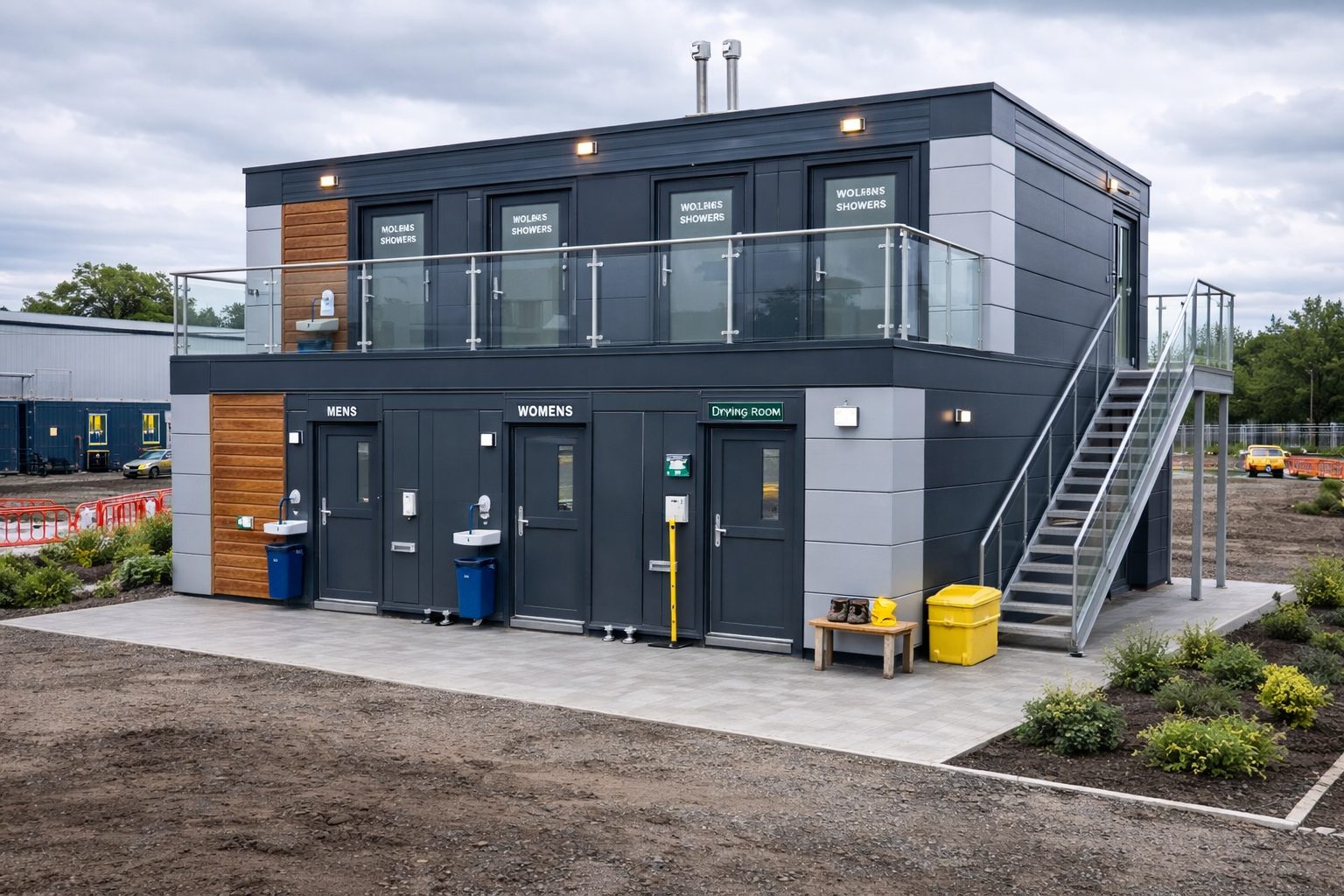
WelfareToilets, canteens, drying rooms, changing areas and staff facilities
HealthcareConsultation rooms, temporary clinics, decant buildings and support space
HospitalityCafés, bars, viewing rooms, sports and leisure buildings
BespokeCustom modular buildings for specialist commercial or residential-style use
How is a modular building different from traditional construction?
Traditional construction is usually built mainly on site. Modular construction moves a large part of the building process into a factory environment. This can reduce the amount of site work, improve programme control and help limit disruption, especially on live commercial, school, healthcare or public-facing sites.
However, modular construction still needs proper planning. Access, foundations, lifting, services, drainage, Building Regulations, fire strategy, energy performance and site constraints can still affect the final design and programme.
| Comparison point | Traditional construction | Modular building route |
|---|---|---|
| Build location | Mostly built on site. | Factory-built sections or modules installed on site. |
| Site disruption | Can involve longer periods of trades, deliveries and weather exposure. | Can reduce time on site because much of the work is completed before delivery. |
| Programme | Can be more exposed to weather and site sequencing issues. | Can be more controlled, subject to specification, approvals, access and manufacturing capacity. |
| Flexibility | High design flexibility, but usually slower and more site intensive. | Can be standard, bespoke, temporary, relocatable, semi-permanent or permanent. |
| Approvals | Planning and Building Regulations may be required depending on the project. | Planning and Building Regulations may also be required depending on the project. |
Is a modular building the same as a portable cabin?
A portable cabin is one type of modular building, but the two terms are not identical. A portable cabin is usually a relocatable building used for site offices, welfare space, storage or temporary accommodation. A modular building can be much broader and may include higher-specification offices, classrooms, healthcare spaces, multi-unit buildings, leisure buildings, sales suites and bespoke structures.
If the building needs only short-term practical accommodation, a portable cabin may be suitable. If it needs stronger appearance, better insulation, a longer lifespan, public-facing finish or complex layout, a more developed modular building route may be more appropriate.
Modular building FAQ
What is a modular building?
A modular building is a structure made from factory-built modules or sections that are transported to site and installed to create usable accommodation. Modular buildings can be temporary, relocatable, semi-permanent or permanent, depending on the system, specification, foundation route and intended use.
What are modular buildings used for?
Modular buildings are used for offices, classrooms, welfare facilities, healthcare rooms, staff accommodation, sales suites, hospitality buildings, sports facilities, garden rooms, lodges, storage hubs and bespoke commercial projects. The same construction principle can support many different uses, but the specification must match the actual building function.
Are modular buildings permanent?
Some modular buildings are temporary or relocatable, while others are designed for long-term or permanent use. Whether a building is temporary, semi-permanent or permanent depends on the intended lifespan, foundation design, energy performance, fire strategy, cladding, structure, planning position and Building Regulations route.
Are modular buildings cheaper than traditional buildings?
Modular buildings can be cost-effective, but they are not automatically cheaper in every situation. Cost depends on size, layout, specification, access, foundations, services, drainage, fire requirements, energy performance, finish, delivery distance and installation complexity. The safest route is to compare like-for-like scope rather than headline price only.
How long does a modular building take to install?
Installation time depends on the building type, number of modules, access, groundworks, services, crane or lifting requirements, approvals and site conditions. A small modular unit may be installed quickly once the site is prepared, while larger or bespoke projects need more planning, coordination and commissioning.
Do modular buildings need planning permission?
Planning requirements depend on the intended use, size, height, location, duration, appearance, site constraints and local planning authority position. Some projects may need planning permission, some may be permitted development, and some may need other checks. Buyers should confirm project-specific requirements before assuming approval is not needed.
Do modular buildings need Building Regulations approval?
Building Regulations approval is separate from planning permission. A modular building may need Building Regulations approval depending on how it is used, occupied, connected, insulated, heated, accessed and installed. The final requirement depends on the project and should be checked before construction or installation proceeds.
Can modular buildings include toilets, kitchens and welfare facilities?
Yes. Modular buildings can include toilets, accessible WCs, showers, kitchens, staff welfare areas, canteens, drying rooms, treatment rooms, changing space and other internal facilities. Water, waste, drainage, ventilation, heating, electrics and layout must be considered during specification.
Can modular buildings be moved later?
Some modular buildings can be relocated, especially if they are designed as portable or relocatable units from the start. Relocation depends on the system, foundations, service connections, lifting points, transport route, building condition and any site-specific constraints.
What is the difference between standard and bespoke modular buildings?
Standard modular buildings use established layouts, frames and specifications, which can help with speed and repeatability. Bespoke modular buildings are designed around a more specific requirement, such as brand appearance, unusual room layouts, premium façade finishes, specialist use, larger glazing or a more permanent architectural finish.
What information is needed for a modular building quote?
KC Cabins Solutions Ltd usually needs the site postcode, intended use, approximate size, number of users, layout requirements, temporary or permanent requirement, access details, utility needs, groundworks position, target date and any available drawings, sketches or site photos.
Which modular building route might fit your project?
The best route depends on what the building needs to do. A site office, modular classroom, welfare unit, healthcare room and premium commercial building may all be modular, but they should not be specified in the same way.
| If you need... | Likely route to consider | Key points to discuss |
|---|---|---|
| Fast office or site accommodation | Portable cabin or modular office | Duration, number of users, heating, electrics, data, toilets and site access. |
| Staff or contractor welfare | Modular welfare unit | Toilets, washing, changing, drying, canteen, drainage, water and workforce numbers. |
| Teaching space | Modular classroom or education building | Safeguarding, access, acoustics, ventilation, fire strategy, energy performance and installation timing. |
| Customer-facing commercial space | Bespoke modular building or premium modular office | External finish, glazing, layout, branding, accessibility, M&E and permanent appearance. |
| Healthcare or consultation space | Modular clinic or treatment room | Patient flow, privacy, cleanable finishes, services, approvals and live-site constraints. |
| Accommodation or leisure use | Lodge, holiday unit or residential-style modular building | Insulation, heating, layout, services, guest experience, planning and site rules. |
What affects modular building cost?
Modular building cost is not set by size alone. A simple open-plan portable building will price differently from a high-specification modular office, a classroom with toilets, a healthcare room, or a bespoke commercial building with architectural cladding and upgraded glazing.
Building type
Office, classroom, welfare, healthcare, hospitality, lodge or bespoke commercial use.
Size and layout
Number of modules, rooms, WCs, kitchens, corridors, storage and access points.
Specification
Insulation, windows, doors, finishes, heating, cooling, ventilation and fire requirements.
Site conditions
Access, lifting, foundations, utilities, drainage, groundworks and delivery restrictions.
Image gallery and SEO image metadata
The following image metadata is ready for WordPress Media Library use. Descriptions support modular building, portable cabin, commercial, residential, welfare, sports and bespoke modular building search intent.
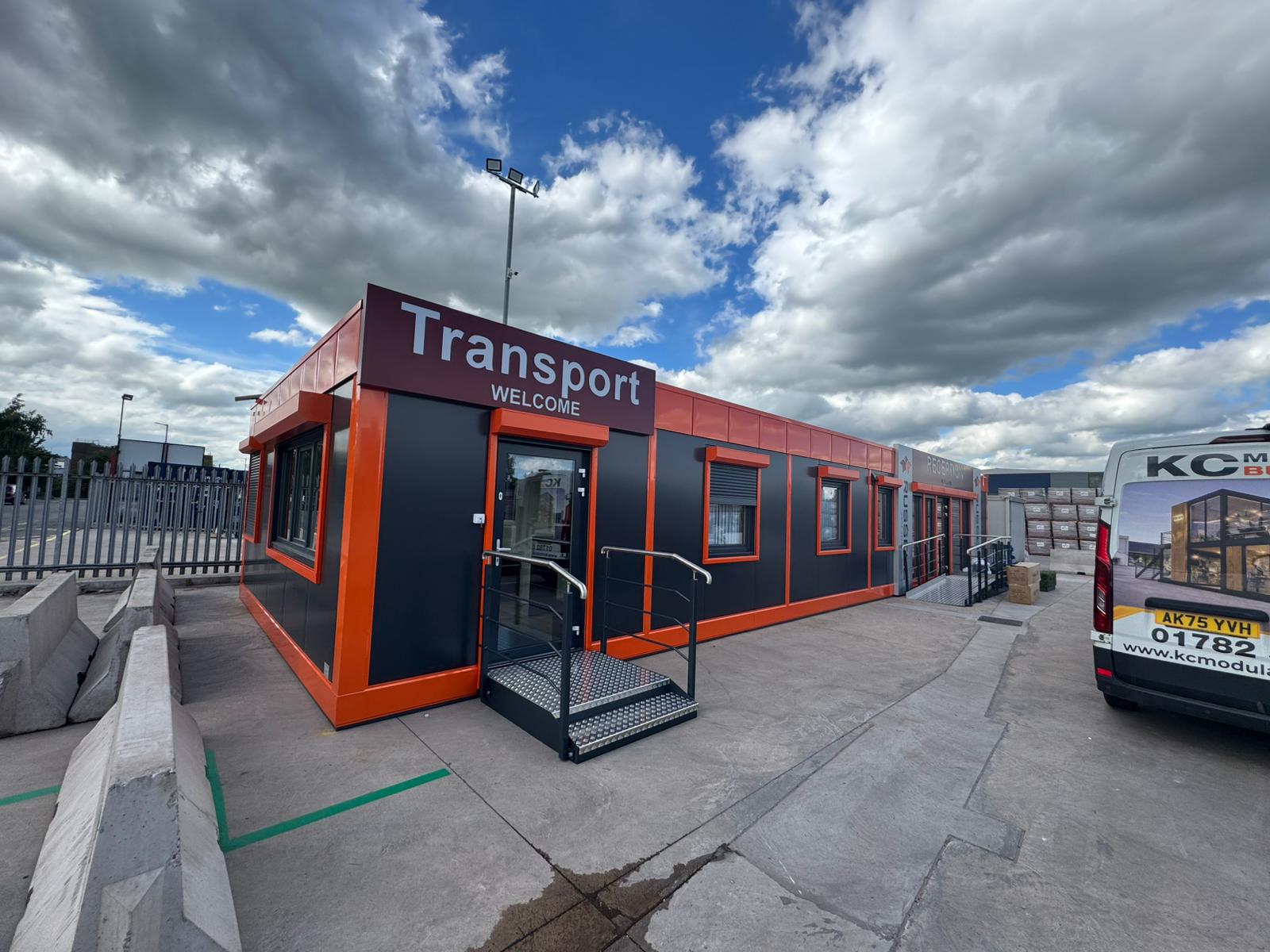
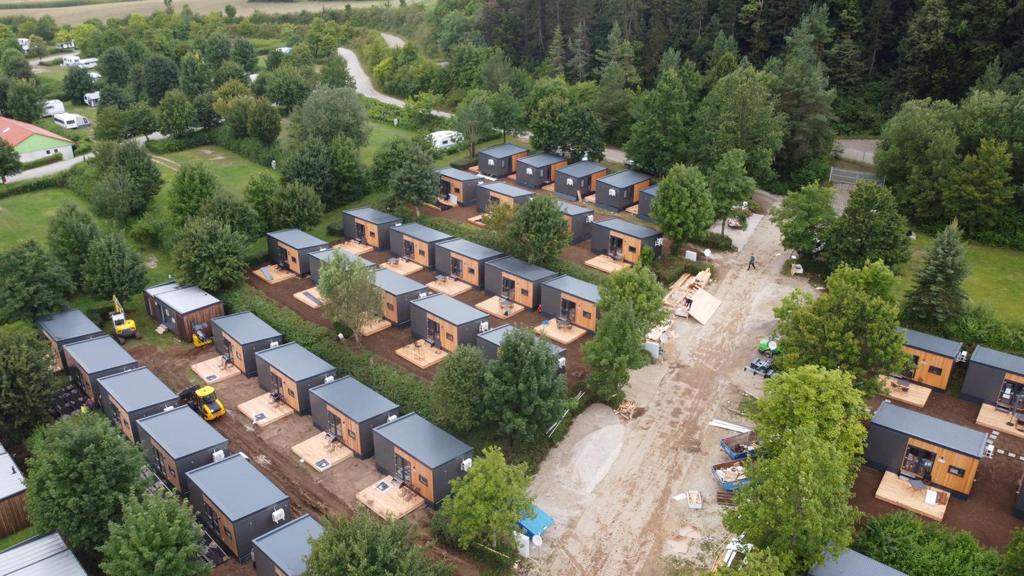
Description: Example of a modular building suitable for commercial premises, offices, staff accommodation or public-facing site use.
Description: Portable modular building example for offices, site accommodation or operational support space.
Description: Visual reference for buyers comparing modular buildings, offsite construction and prefabricated building options.
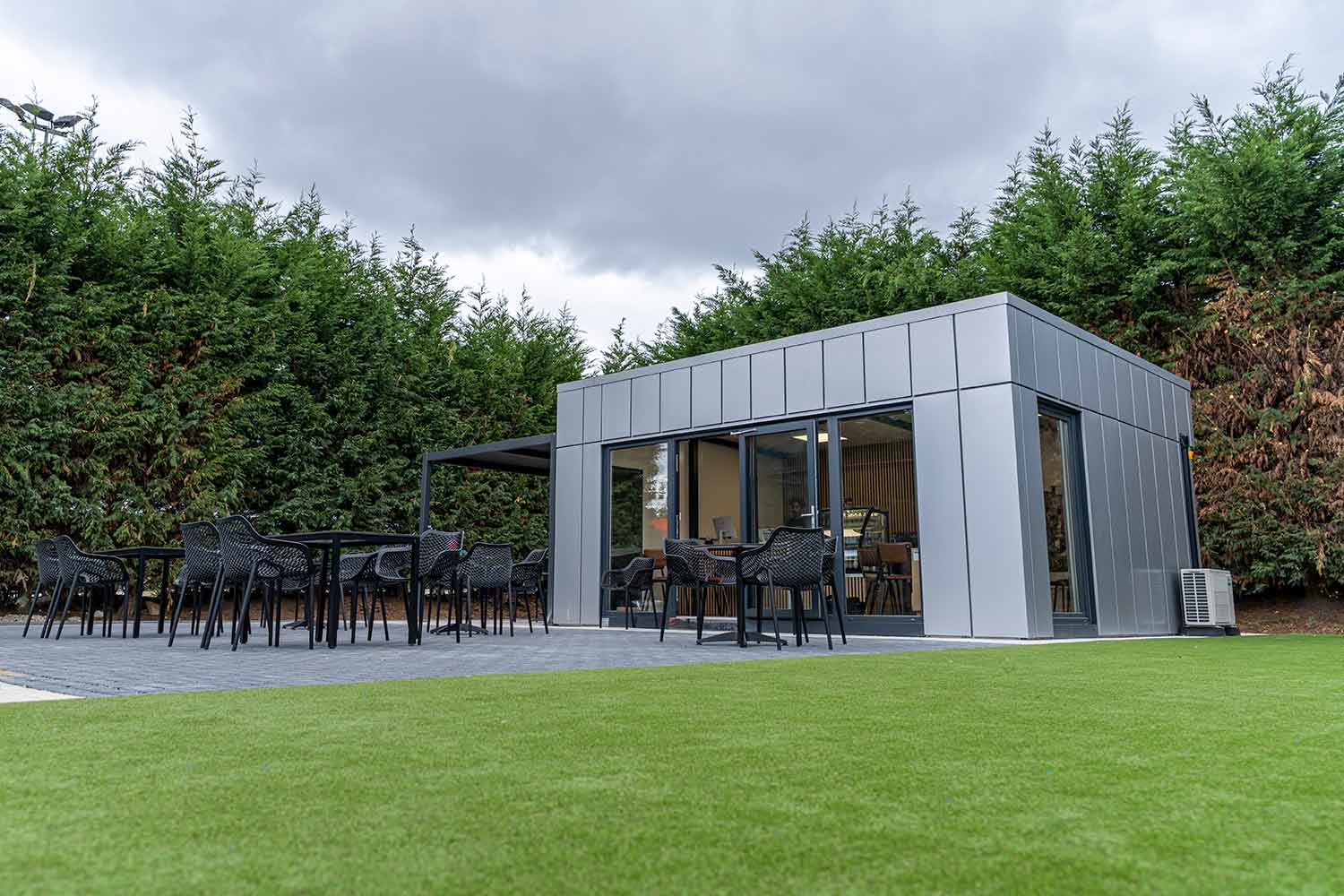
Description: Example of modular construction supporting padel clubs, hospitality, viewing facilities and leisure sites.
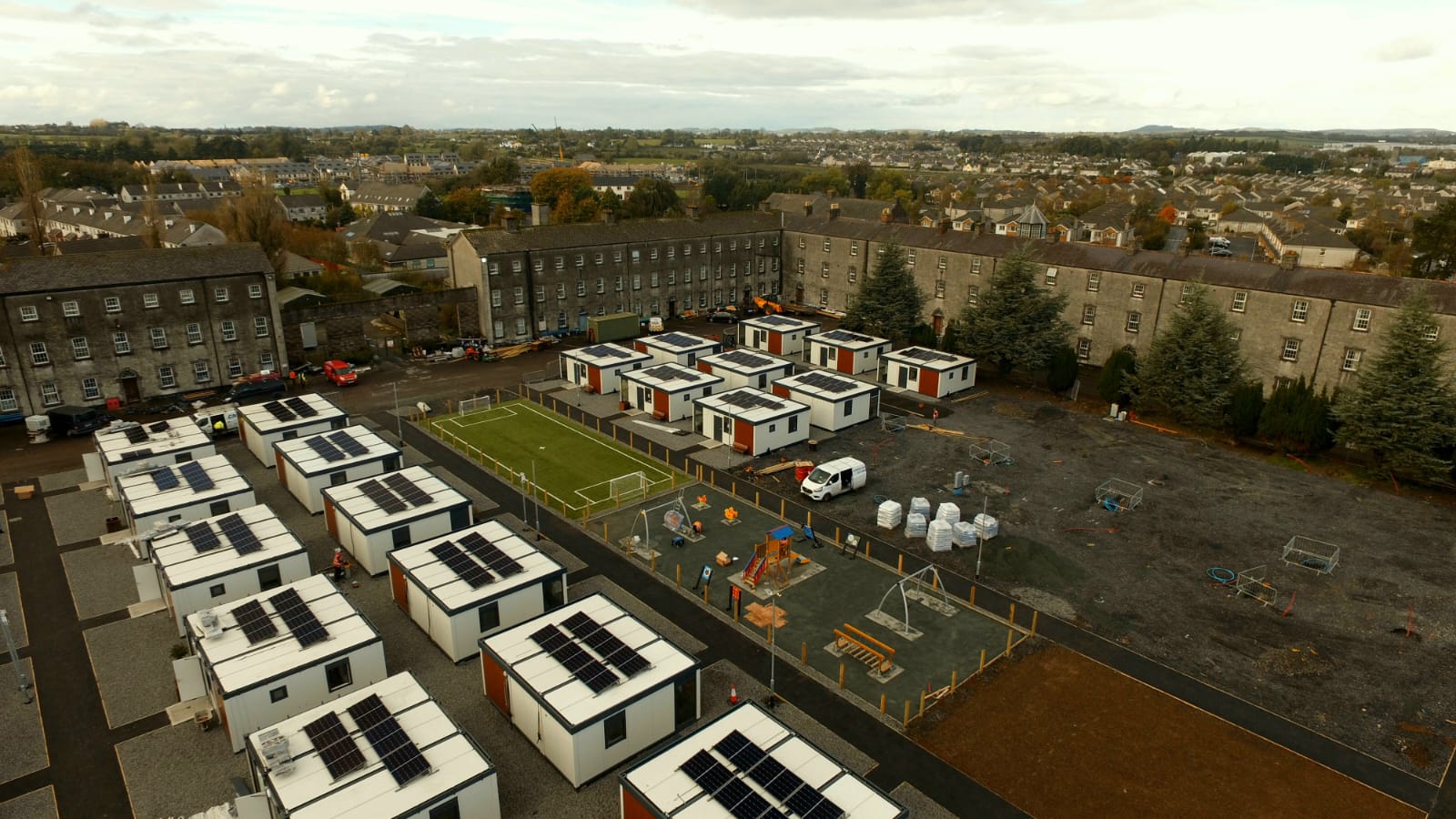
Description: Project image showing how modular buildings can be installed for commercial, welfare or operational use.
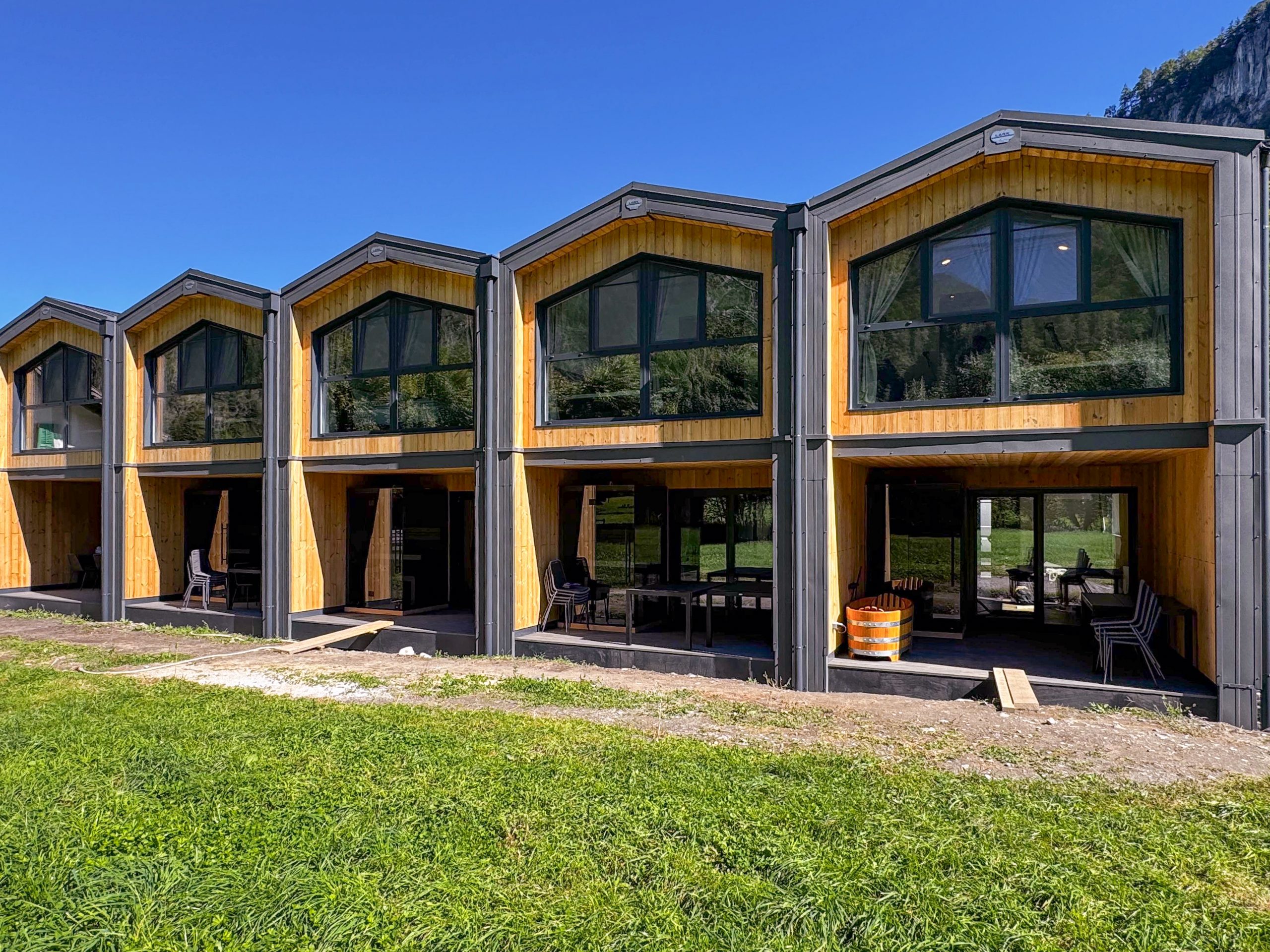
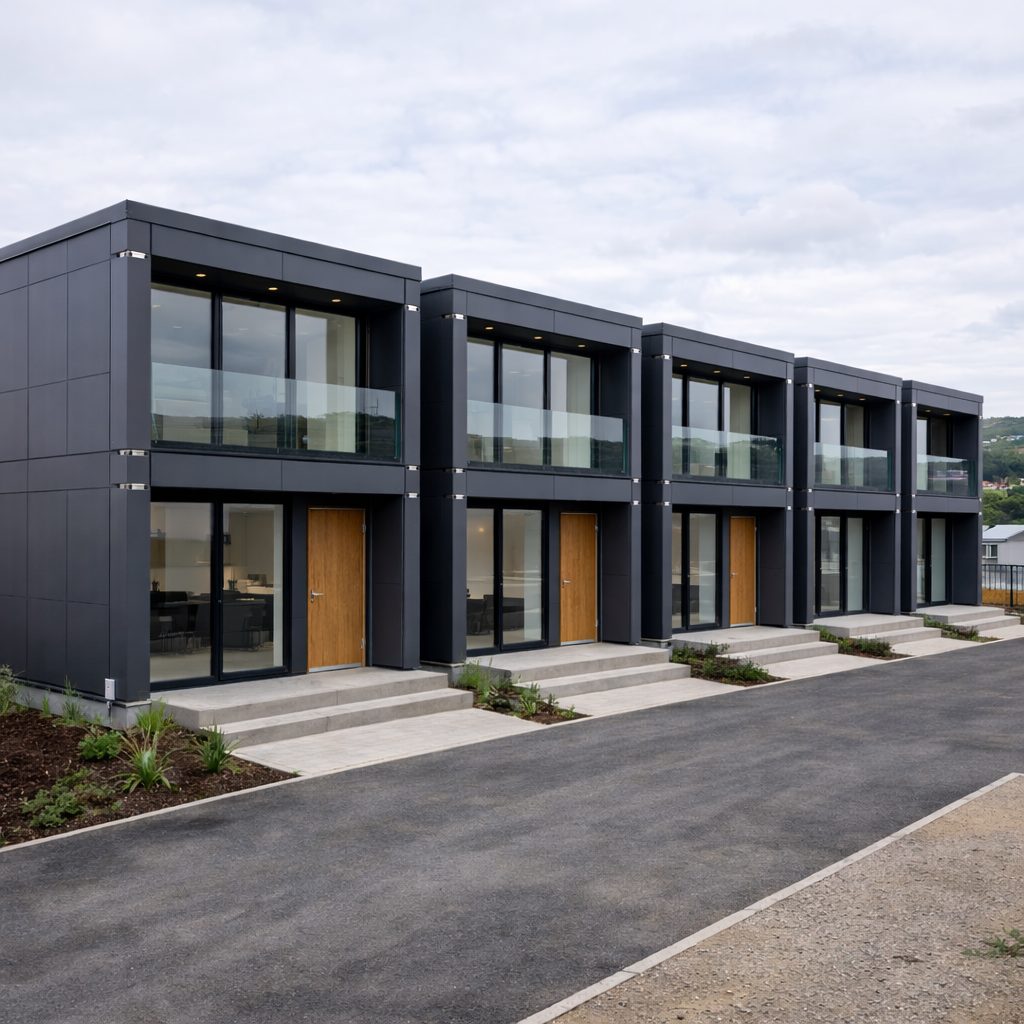
Description: Residential modular building example for buyers comparing accommodation units, lodges or housing-style modular construction.
Description: Example of a factory-built modular system for accommodation, residential-style or semi-permanent modular building projects.
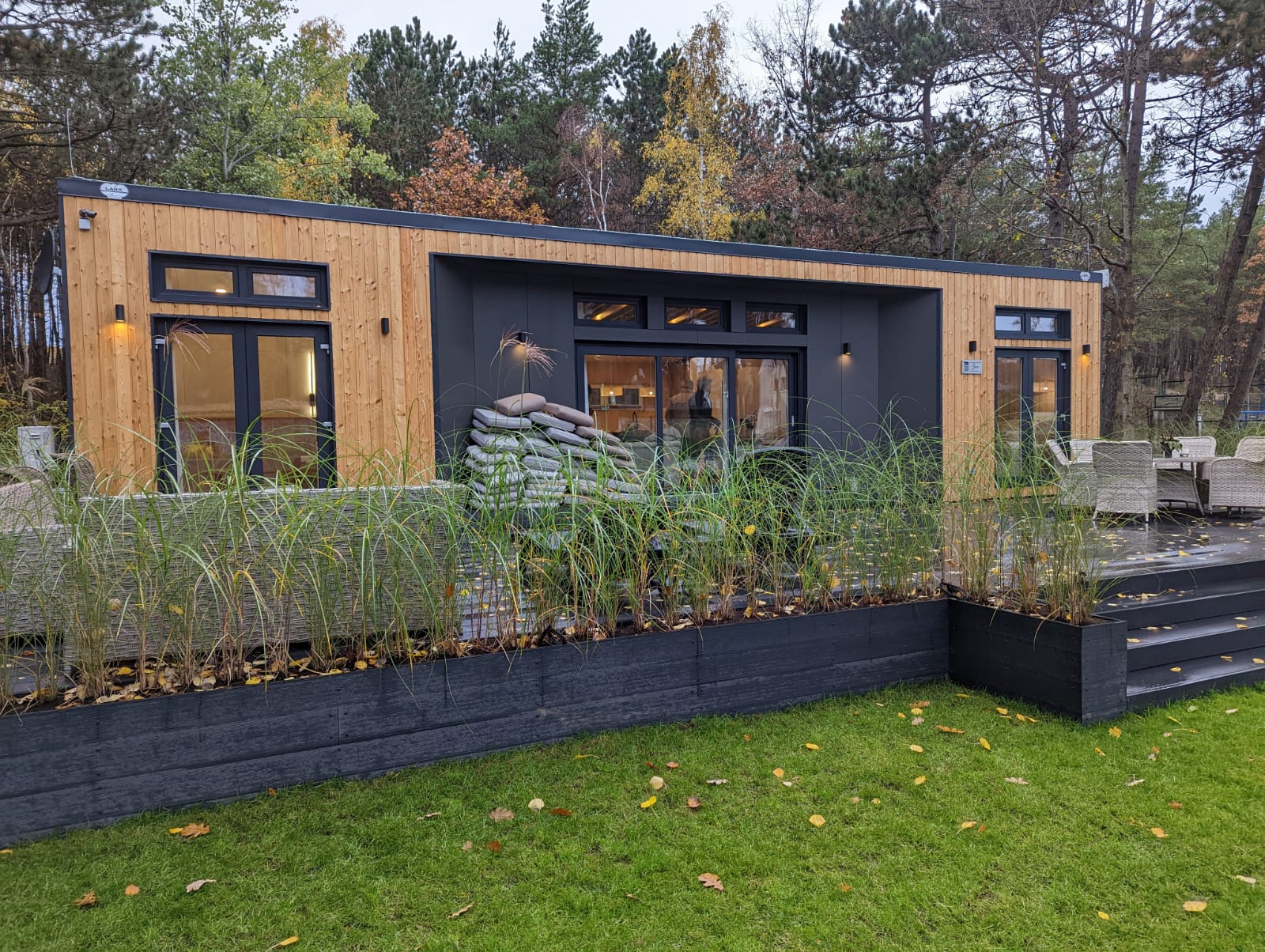
Description: Portable cabin-style modular building for site accommodation, offices, welfare or commercial support use.
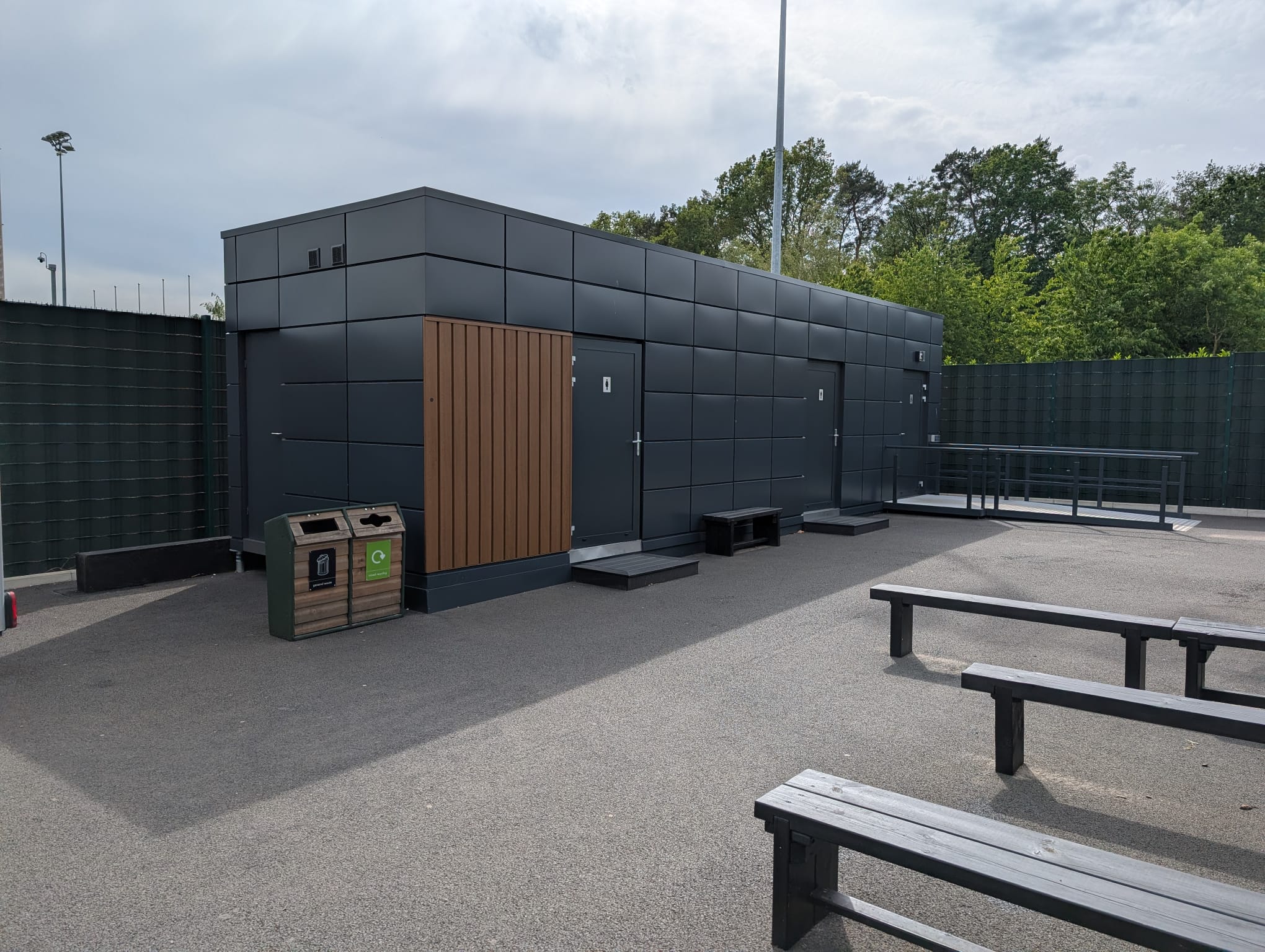
Description: Modular welfare building example for contractors, staff facilities, site accommodation and commercial welfare requirements.
What KC Cabins Solutions Ltd needs to quote a modular building
To prepare a useful quote, KC Cabins Solutions Ltd usually needs enough project information to understand the use, size, site, access and specification. The more complete the brief, the more useful the quote can be.
- Site postcode and delivery location
- Intended use: office, classroom, welfare, healthcare, hospitality, lodge, garden room or bespoke building
- Approximate size, number of modules or room schedule
- Temporary, semi-permanent, relocatable or permanent requirement
- Number of users, visitors, staff or occupants
- Required rooms, WCs, kitchens, showers, storage or welfare areas
- Photos of the site and access route
- Utility requirements for power, water, waste, drainage and data
- Preferred external finish, glazing, doors and internal specification
- Target delivery or installation period
- Any known planning, Building Control, fire or energy-performance requirements
Related KC Modular Buildings pages
Helpful external guidance
Planning permission and Building Regulations approval are separate topics. Requirements depend on the project, location, use, design and local authority or Building Control route.
Request a modular building quote
KC Cabins Solutions Ltd supplies modular buildings, portable cabins, offices, classrooms, welfare units, bespoke buildings, hospitality buildings and modular accommodation solutions across the UK.
Primary phone: 01782 561110
Mobile: 07443 564 451
Email: [email protected]
Website: www.kcmodularbuildings.co.uk
Uncertainty statement: Final suitability, specification, cost, delivery method, installation programme, planning position, Building Regulations route, fire strategy, energy performance, foundation route, service connections and approval requirements depend on the site, intended use, layout, access, utilities, drainage, local authority position and project-specific requirements. KC Cabins Solutions Ltd acts as modular building supplier and installation contractor only unless a wider scope is agreed in writing.