
History & Reconstruction
Post-War Prefab Housing: What It Can Teach Modern Reconstruction
After the Second World War, prefabricated housing helped the UK respond to a severe housing shortage. Today, the same principle — fast, factory-built, repeatable accommodation — has renewed relevance for Ukraine, Gaza/Palestine and other conflict-affected regions that will need homes, schools, clinics and community facilities rebuilt at scale.
Short answer
Post-war prefab housing shows that factory-built buildings can help a country respond quickly when housing, schools, clinics and community infrastructure are urgently needed. Prefabs are not a complete solution on their own: land rights, utilities, roads, safety, local planning, cultural expectations, finance and governance all matter. But when used correctly, modular and prefabricated buildings can form a practical bridge between emergency shelter and long-term reconstruction.
Why look back at UK post-war prefabs?
After the Second World War, the United Kingdom faced a severe housing crisis. Housebuilding had slowed during the war, many homes had been damaged or destroyed, and returning servicemen and families needed somewhere safe to live.
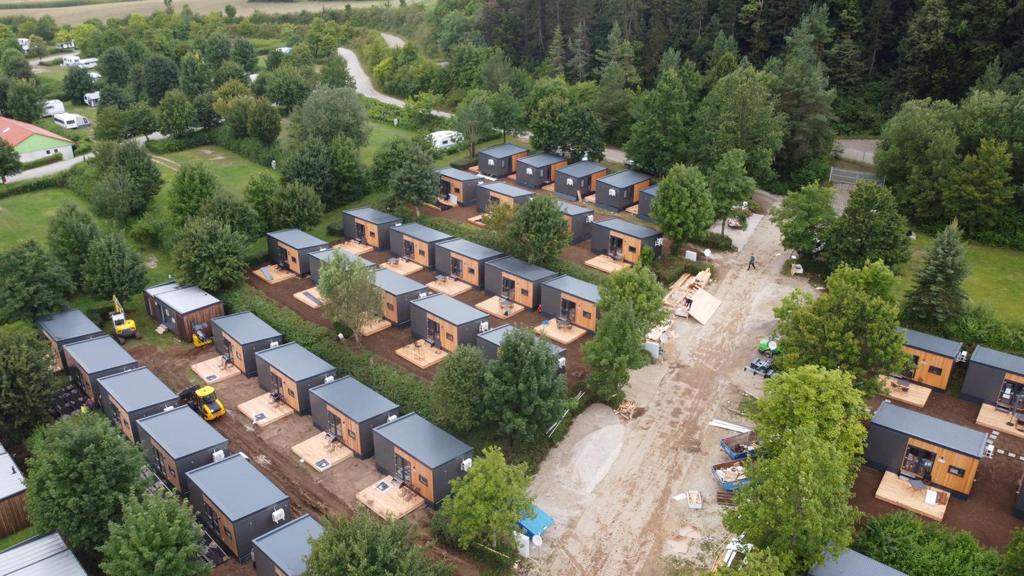
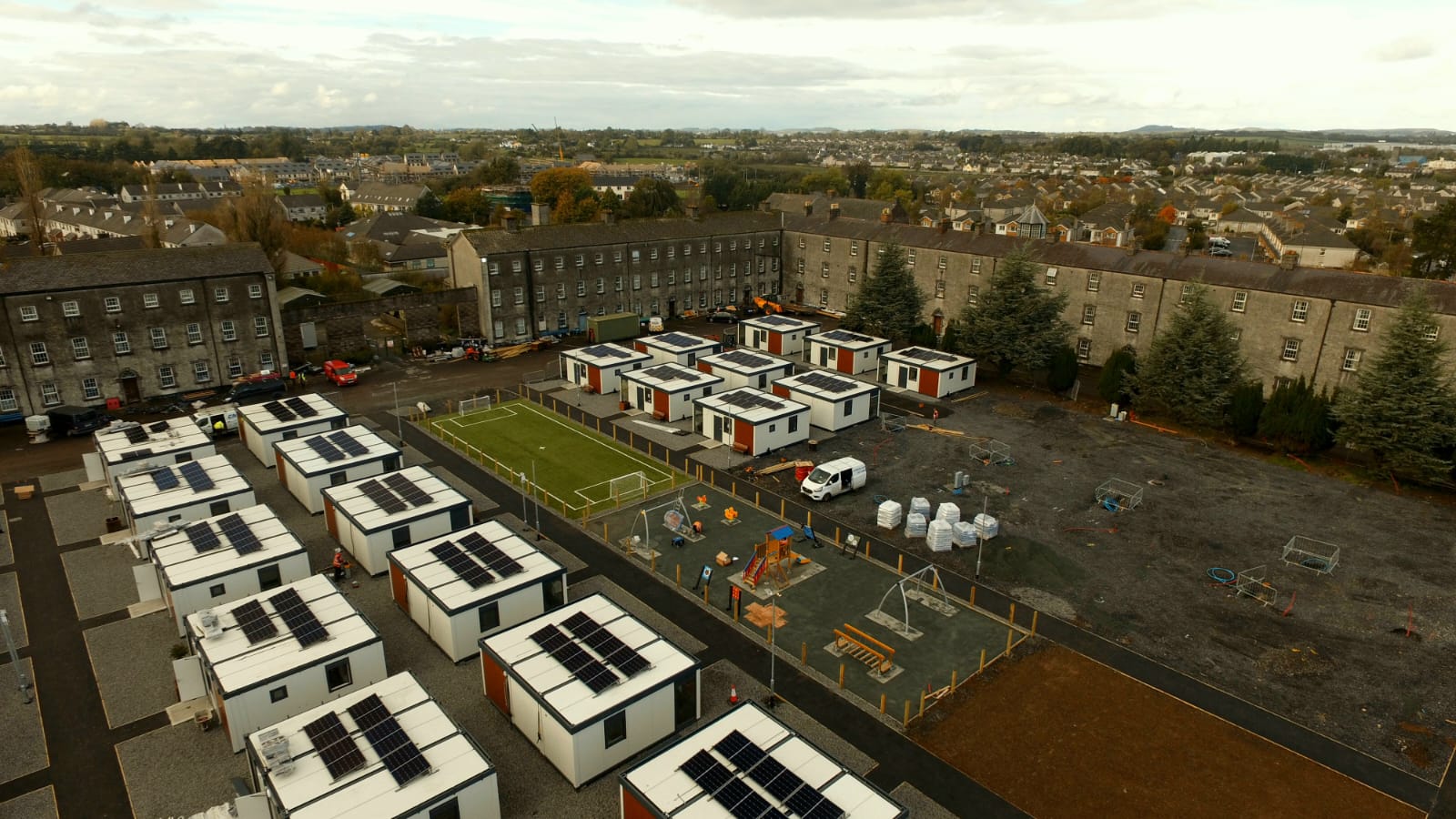
Prefabricated housing became one of the tools used to respond quickly. The idea was simple: move as much work as possible into factories, produce standardised components at scale, and assemble homes more quickly than conventional construction could manage under shortage conditions.
The Prefab Museum records that 156,623 prefabricated buildings were erected across the UK between 1945 and 1948 as part of the Temporary Housing and Emergency Factory Made Homes programmes, helping rehouse ex-servicemen, families and people made homeless by bombing. Source: Prefab Museum
The original purpose was temporary. Yet many prefabs lasted far longer than expected. They became homes, neighbourhoods, memories and part of Britain’s post-war social history.
The modern reconstruction question
Today, the world is again facing severe reconstruction pressures. Ukraine, Gaza/Palestine, Lebanon, Iran-related conflict-affected areas and other regions affected by war or disaster all show the same basic challenge: people cannot rebuild lives without safe accommodation, functioning services and community infrastructure.
The scale is large. The World Bank’s 2026 Ukraine RDNA5 estimates recovery and reconstruction needs at US$587.7 billion over a 10-year horizon. The EU and UN final Gaza Rapid Damage and Needs Assessment estimates US$71.4 billion in recovery and reconstruction needs over the next decade. Source: World Bank Ukraine RDNA5 Source: EU / UN Gaza RDNA
That does not mean modular buildings are a magic answer. Rebuilding after conflict is not only a construction problem. It is also a question of safety, land ownership, supply chains, local labour, utilities, finance, governance, trauma, social cohesion and long-term urban planning. But the UK’s post-war prefab story does show how factory-built buildings can help when conventional construction capacity is under extreme pressure.
Three lessons from post-war prefab housing
1. Speed matters
When people are displaced, safe usable space is urgent.
2. Standardisation helps
Repeatable components make large-scale delivery easier.
3. Temporary can become long-term
Buildings expected to last a decade may shape communities for generations.
Lesson 1: speed must not remove dignity
The UK did not only need structures after the war. It needed homes. A successful prefab was not just a roof and four walls; it needed heat, sanitation, cooking space, privacy and a sense of stability.
Modern reconstruction has the same challenge. A temporary modular unit used after conflict must not be treated only as an object to deliver quickly. It must be designed around people: family life, privacy, accessibility, cultural expectations, safety, community layout, water, sanitation, power and access to services.
Lesson 2: factories can turn emergency into repeatable delivery
Post-war prefab housing used factory production because the UK did not have enough time, labour or materials to rely only on conventional site construction. Modern modular buildings use the same principle in a more advanced form: controlled production, repeatable detailing, better logistics planning and faster site installation.
This can be valuable in reconstruction because the demand is not usually for one building. It may be for hundreds or thousands of homes, classrooms, clinics, welfare spaces, washrooms, offices and community support buildings.
Lesson 3: “temporary” buildings must be designed responsibly
Many UK prefabs were expected to last around a decade, but some remained in use for much longer. That history is important for modern reconstruction. Emergency or temporary buildings often remain part of the built environment for longer than planned.
That means short-term modular buildings should still be designed with maintenance, weather resistance, ventilation, insulation, dignity and future adaptability in mind. A poor temporary building can become a long-term problem. A well-designed temporary building can become a useful bridge to recovery.
Where modular buildings can help after conflict
In post-conflict and post-disaster reconstruction, modular buildings can support more than housing. Communities need a network of facilities to function again. Schools, clinics, washrooms, staff welfare buildings, storage units, offices and community spaces can all be part of recovery.
| Reconstruction need | How modular buildings can help | Key checks |
|---|---|---|
| Temporary accommodation | Factory-built units can provide rapid shelter or transitional housing while permanent homes are repaired or rebuilt. | Land rights, utilities, climate, sanitation, privacy, cultural fit and duration of use. |
| Schools and classrooms | Modular classrooms can help restore education where school buildings are damaged or unsafe. | Safeguarding, accessibility, ventilation, sanitation, heating/cooling and local education standards. |
| Clinics and healthcare rooms | Modular consultation rooms or treatment spaces can support healthcare continuity during reconstruction. | Patient flow, cleanable finishes, privacy, services, infection control and local healthcare approvals. |
| Washrooms and sanitation | Modular washroom, toilet and shower units can support temporary settlements, camps or community facilities. | Water, waste, drainage, maintenance, user safety and gender-sensitive layouts. |
| Staff and contractor welfare | Recovery teams need welfare, rest, canteen, changing and operational support spaces. | Workforce numbers, site safety, services, movement routes and phased delivery. |
| Local administration | Modular offices can help councils, NGOs, contractors or local authorities coordinate recovery. | Security, communications, power, data, access and public interface. |
| Community buildings | Modular halls, meeting spaces or support centres can help rebuild local social infrastructure. | Community consultation, accessibility, location, long-term ownership and maintenance. |
Ukraine, Gaza/Palestine and other reconstruction contexts
Every reconstruction context is different. Ukraine has major housing, energy, transport and public-service reconstruction needs. Gaza/Palestine has severe housing, health, education and infrastructure recovery needs. Other conflict-affected or disaster-affected places — including parts of the Middle East and regions affected by instability, sanctions or damaged infrastructure — may require different approaches again.
The modular principle can still be relevant, but it must be adapted to the local situation. A solution that works for a UK site, a Ukrainian municipality, a Palestinian-led recovery programme or an Iranian post-crisis reconstruction scenario will not be identical.
Important note on conflict reconstruction
This article is not making political claims and does not suggest that KC Cabins Solutions Ltd is currently appointed to any Ukraine, Gaza/Palestine, Iran or international reconstruction programme. It explains how the historical principle of prefabricated housing can inform modern recovery thinking. Any real project would require government, NGO, donor, legal, sanctions, procurement, logistics, safety and local authority review.
Emergency shelter is not the same as reconstruction
Humanitarian shelter normally moves through stages. UNHCR describes emergency shelter as immediate temporary protection for people forced to flee, while durable shelter refers to longer-term housing solutions connected to essential services. Source: UNHCR shelter and settlement guidance
This distinction matters. A tent, temporary shelter, modular unit, transitional home and permanent house are not the same thing. They may all be needed at different points in recovery.
| Stage | Typical purpose | Role for modular or prefabricated buildings |
|---|---|---|
| Emergency response | Immediate protection from weather, danger and displacement. | Rapid shelters, temporary cabins, welfare units, washrooms, medical support spaces. |
| Transitional recovery | Safe accommodation while permanent rebuilding is planned. | Modular homes, schools, clinics, community hubs and administrative offices. |
| Permanent reconstruction | Long-term homes, neighbourhoods and public infrastructure. | Higher-spec modular housing, schools, clinics and public buildings where modular suits the local plan. |
Why prefabrication can be powerful at reconstruction scale
The value of prefabrication in reconstruction is not only speed. It is also the ability to repeat a controlled system many times while adapting it to local conditions.
Factory control
Components can be built in a controlled environment, reducing weather exposure and improving consistency.
Repeatable design
Standardised modules can be replicated across multiple sites while still allowing layout variations.
Reduced site disruption
Less work on site can help in damaged, crowded or operationally sensitive areas.
Faster service restoration
Schools, clinics, offices and washrooms can be deployed while permanent works continue.
Transportable assets
Some modular systems can be relocated, expanded or repurposed as recovery needs change.
Local partnership potential
Modules can be combined with local works, local labour, utilities and community-led planning.
What modern prefab reconstruction must get right
The UK post-war prefab story is inspiring, but modern reconstruction needs higher standards and more careful planning. It is not enough to deliver units quickly. The units must work for the climate, the people, the services and the long-term recovery plan.
Key requirements
- Local planning and building approval route
- Land ownership, tenure and community consultation
- Safe roads, delivery access and lifting strategy
- Water, waste, drainage and power connections
- Heating, cooling, insulation and ventilation suitable for the climate
- Fire safety, accessibility and user protection
- Culturally appropriate layouts and privacy
- Maintenance plan and spare parts supply
- Local labour training and involvement where possible
- Clear handover, ownership and long-term use plan
Humanitarian standards also matter. The Sphere Handbook is widely used to guide humanitarian response and accountability in disaster and conflict settings. Source: Sphere Handbook
Image gallery and SEO image metadata
The following image metadata is ready for WordPress Media Library use. The descriptions are written to support search intent around prefabricated housing, modular reconstruction, emergency accommodation, modular community buildings and modern factory-built construction.
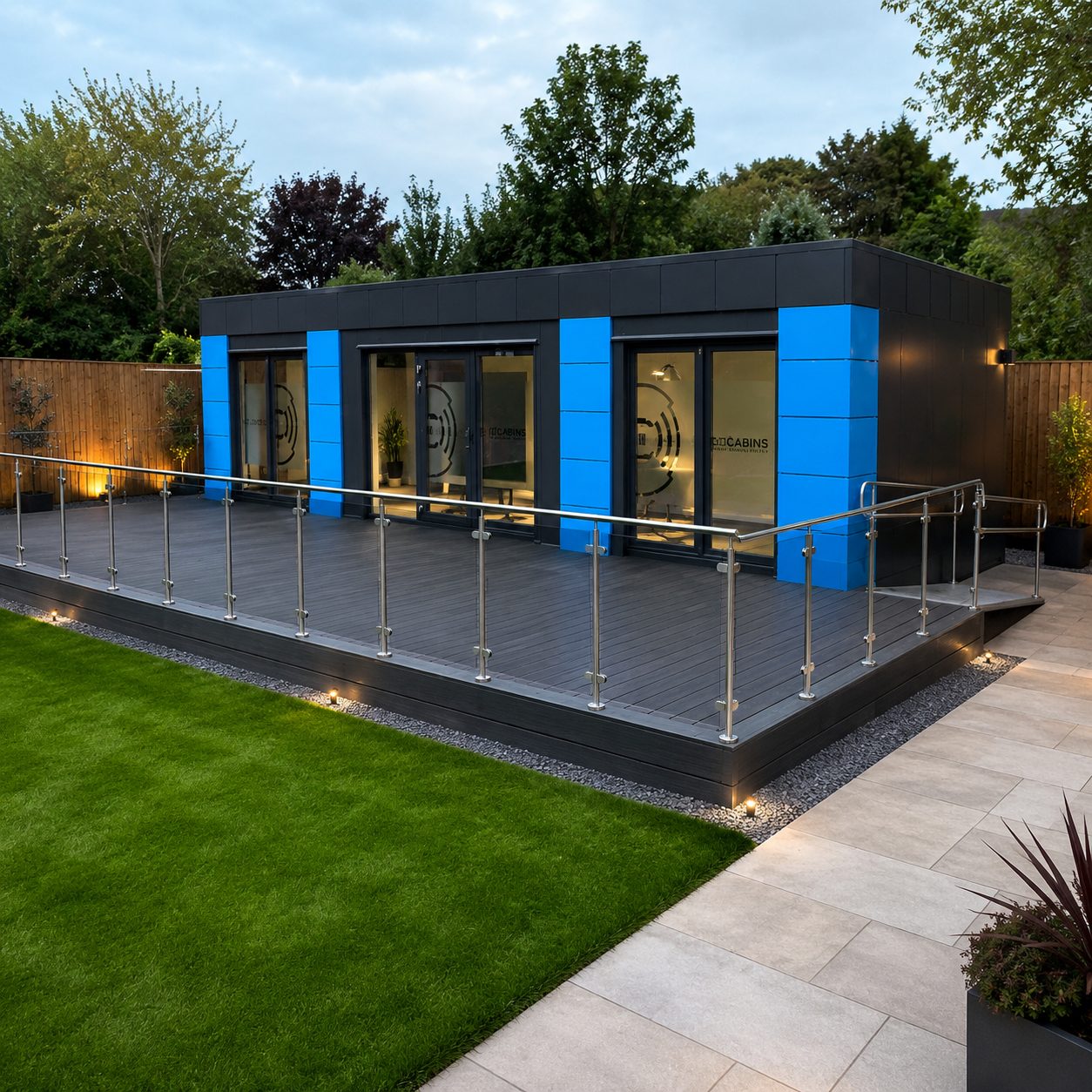
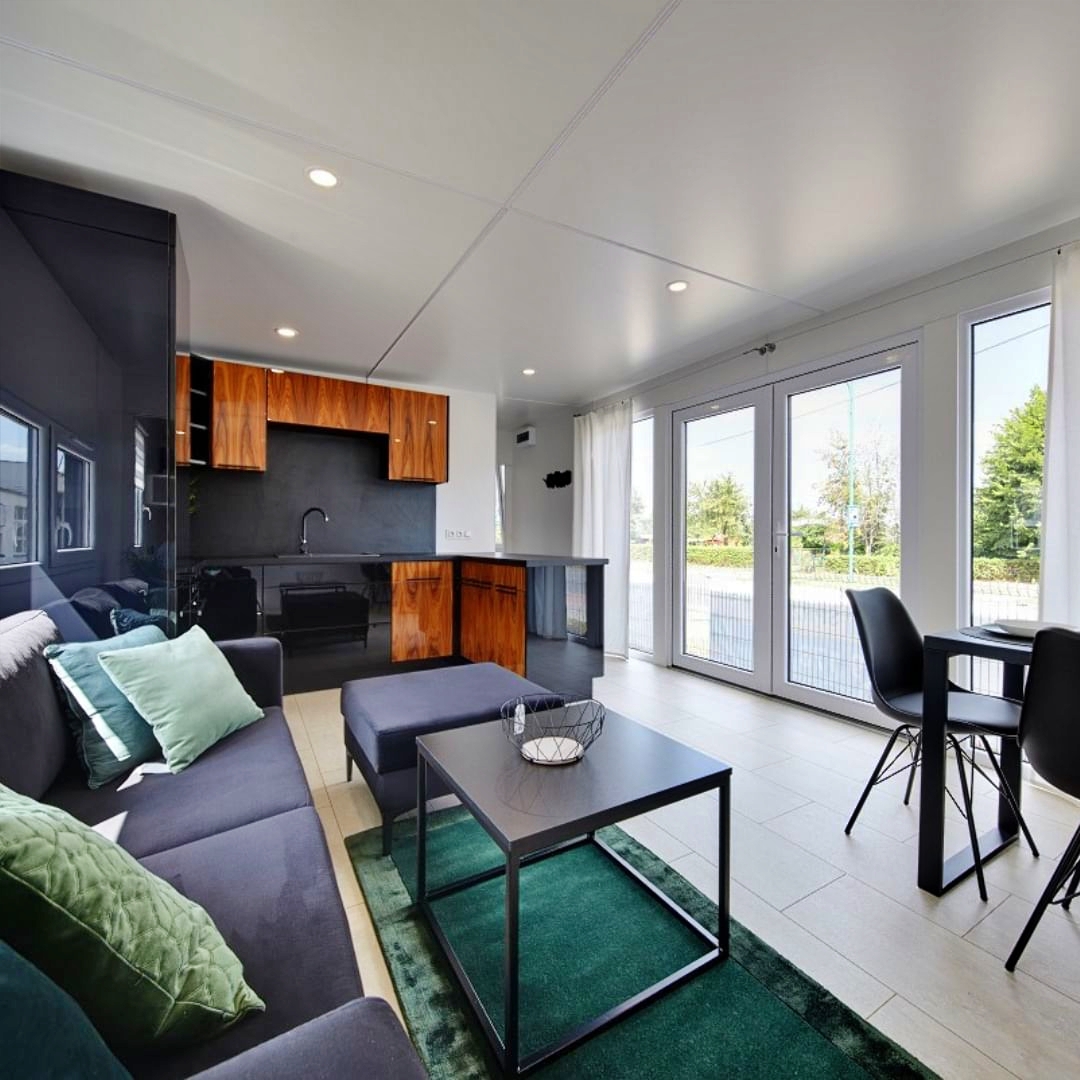
Description: Example of how modern prefabricated design can create comfortable, well-presented living or community support spaces.
Description: Modular systems can be adapted for cafés, community hubs, reception buildings or recovery support facilities.
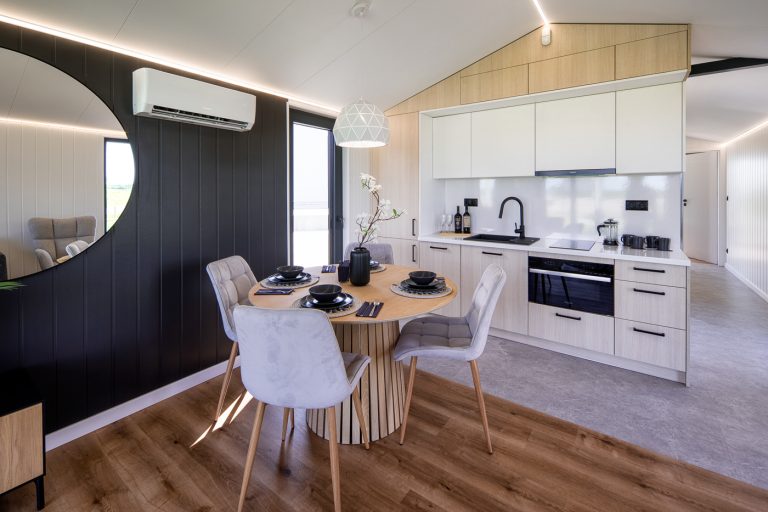
Description: Visual reference for accommodation-led modular buildings where comfort, layout and privacy are important.
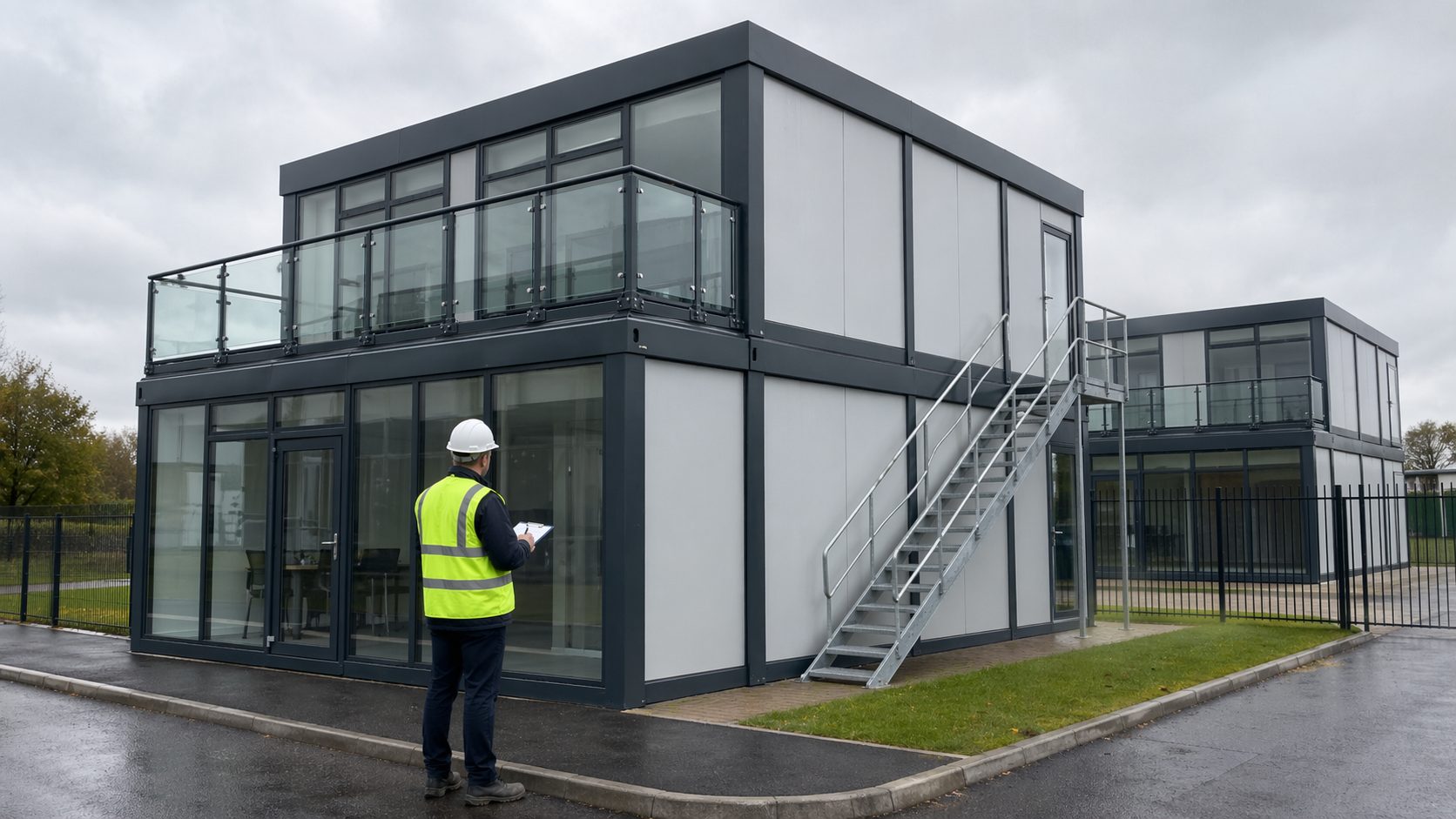
Description: Modern modular buildings must be designed around use, safety, services, approval route and long-term performance.
Description: Factory preparation can reduce site work and support faster deployment where access and logistics are suitable.
Description: Modular buildings can support offices, reception spaces, community buildings and temporary service facilities.
Description: Offsite production and planned installation can help reduce disruption compared with fully site-built construction.
Description: Useful visual reference for modular buildings used in commercial, welfare, community or operational settings.
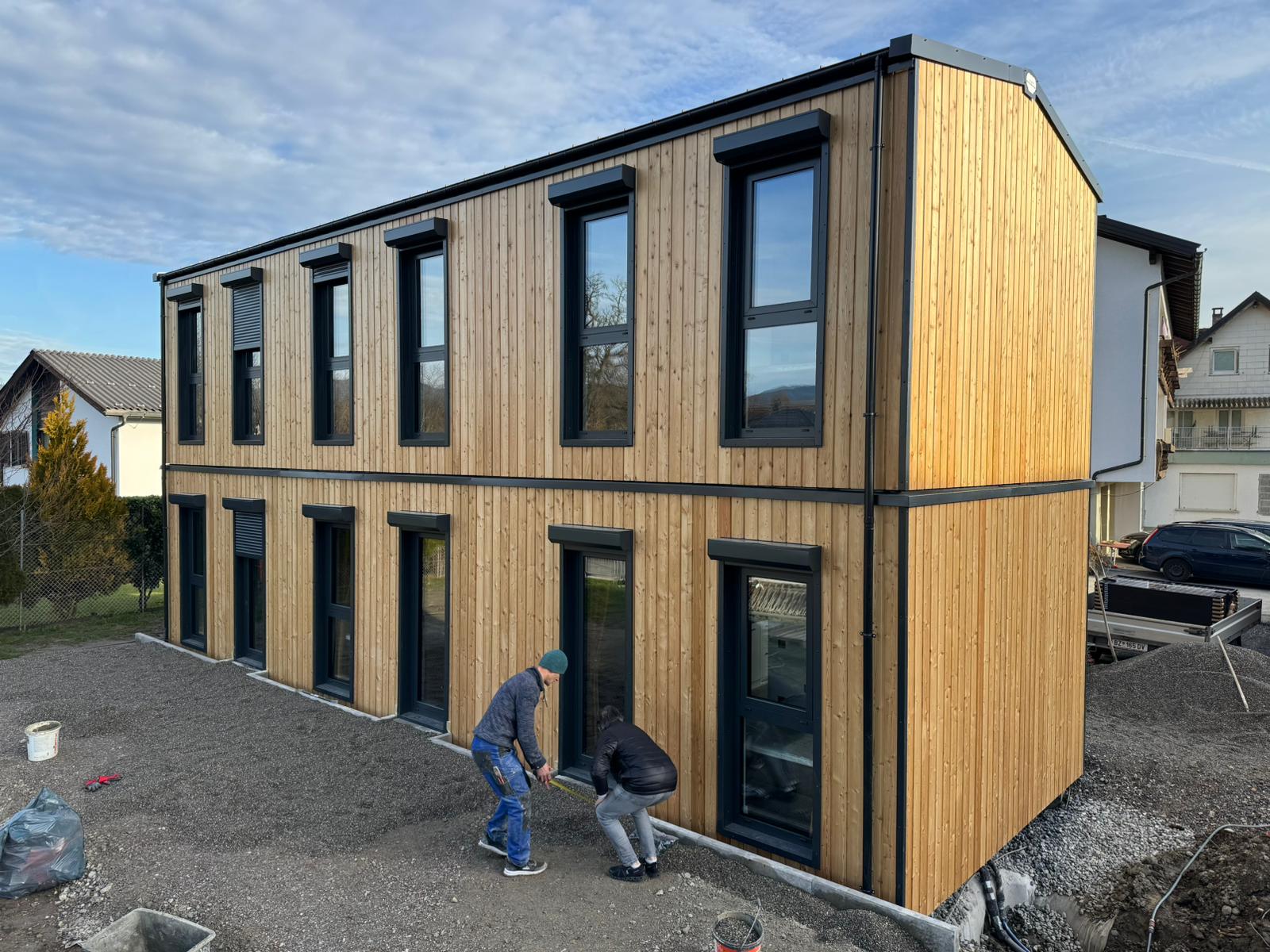
Description: Modular buildings can help restore practical accommodation where time, logistics and site disruption matter.
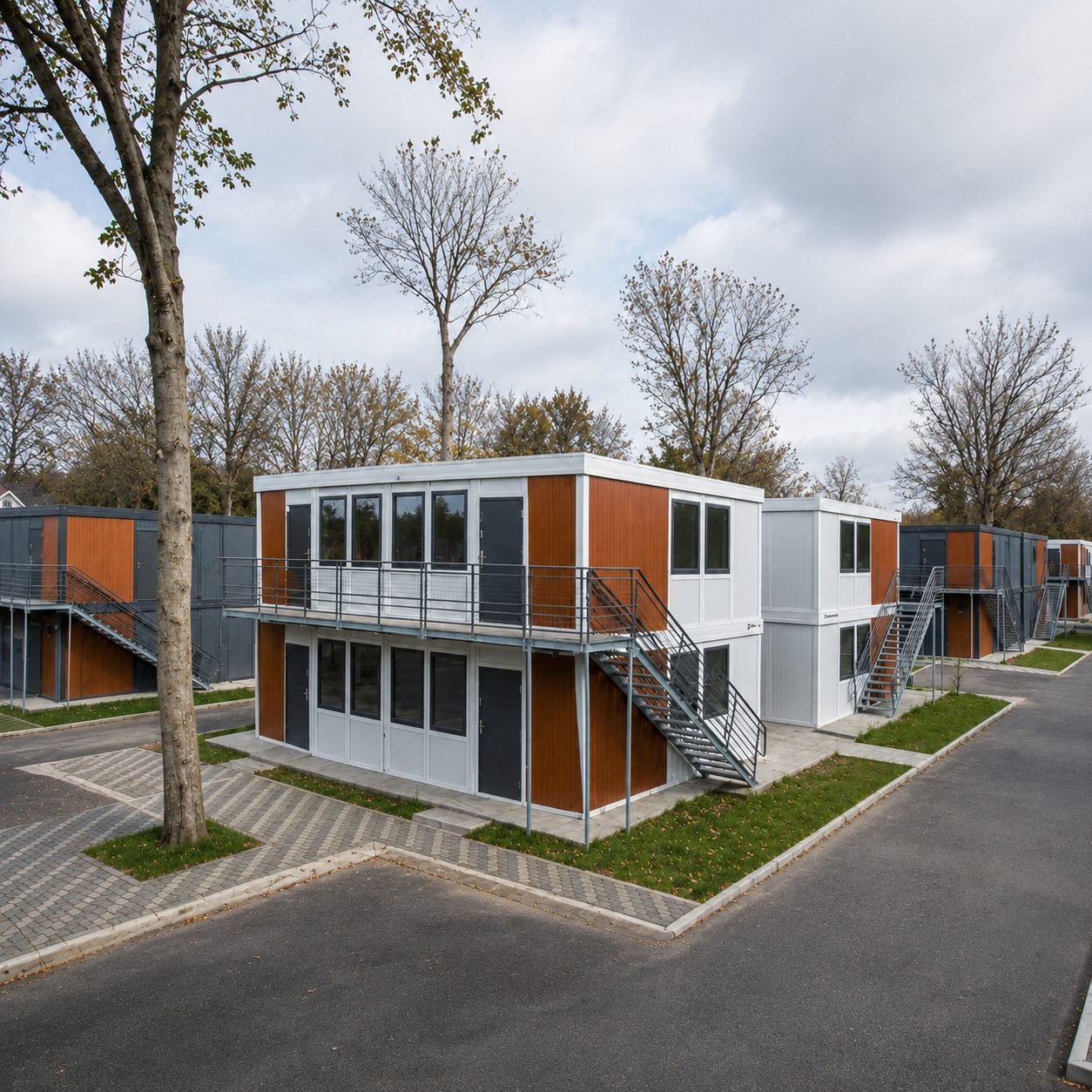
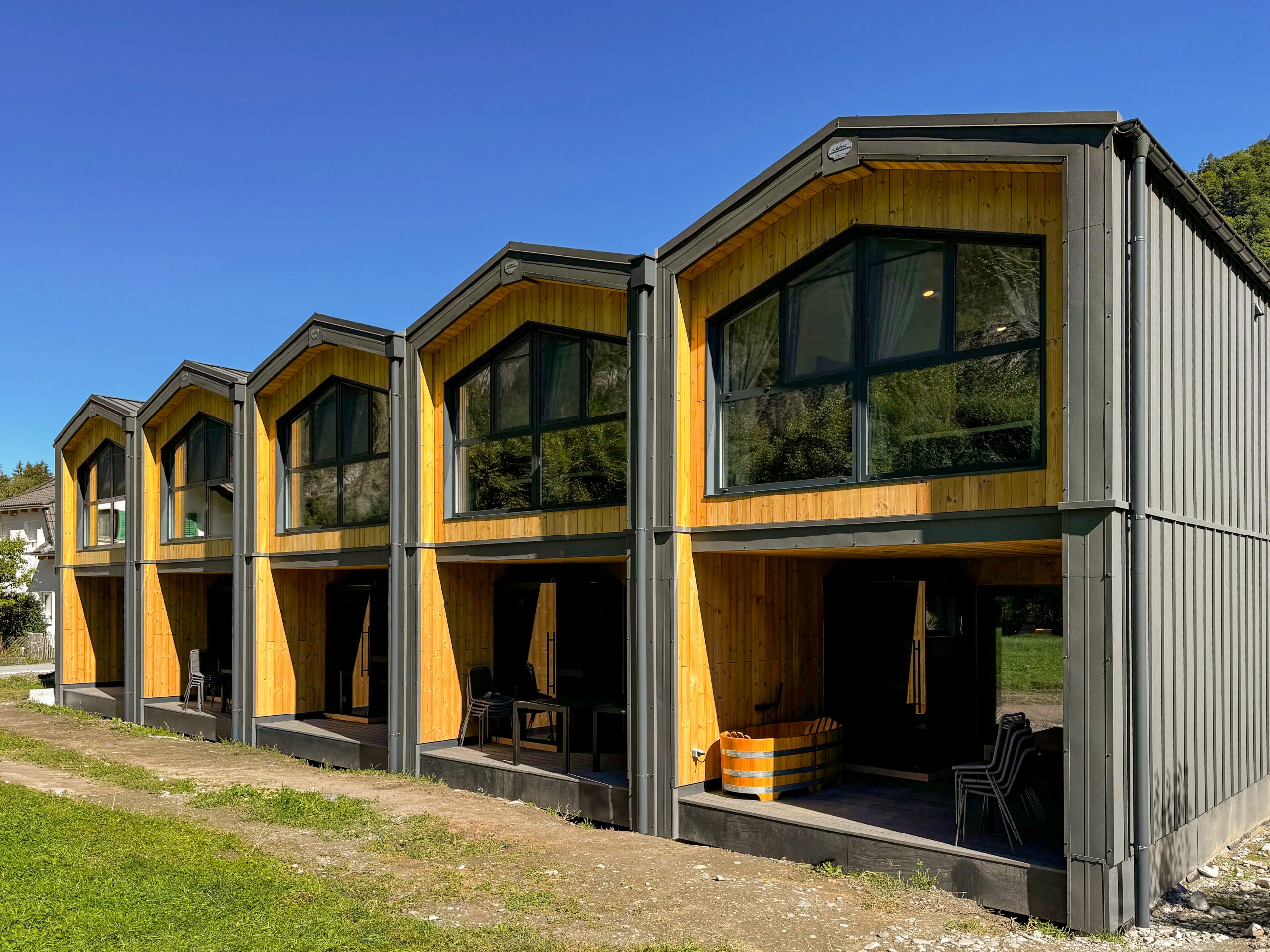
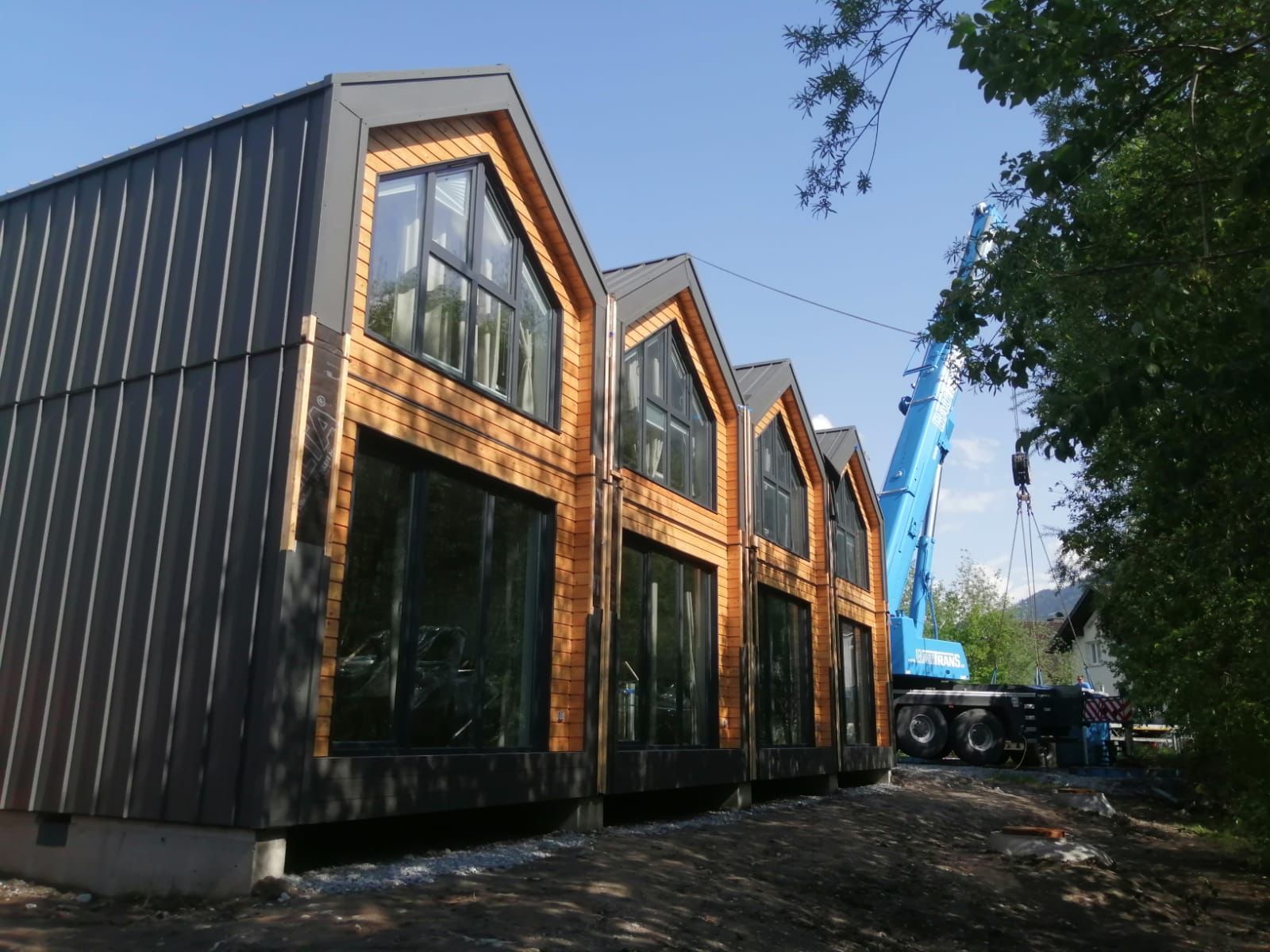
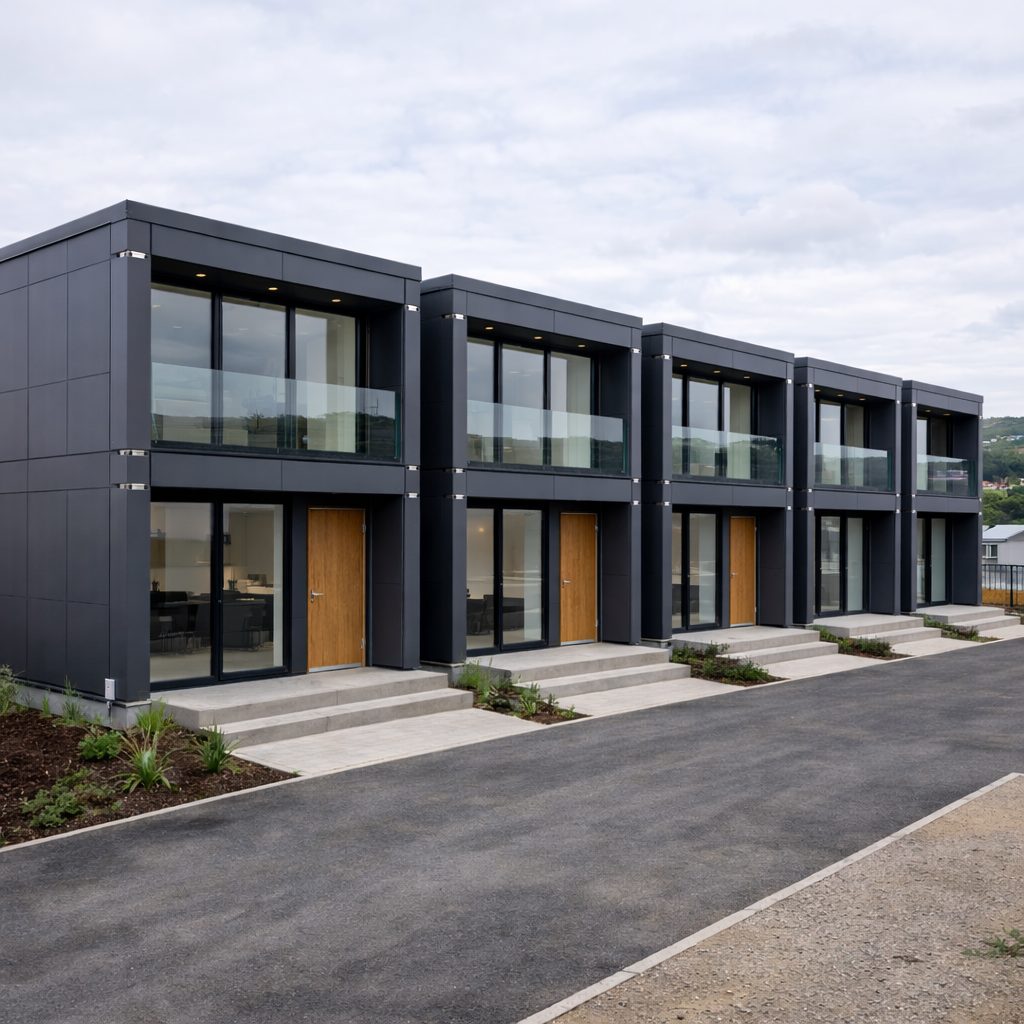
Description: Housing-style modular units show how repeatable accommodation can support wider residential and community recovery thinking.
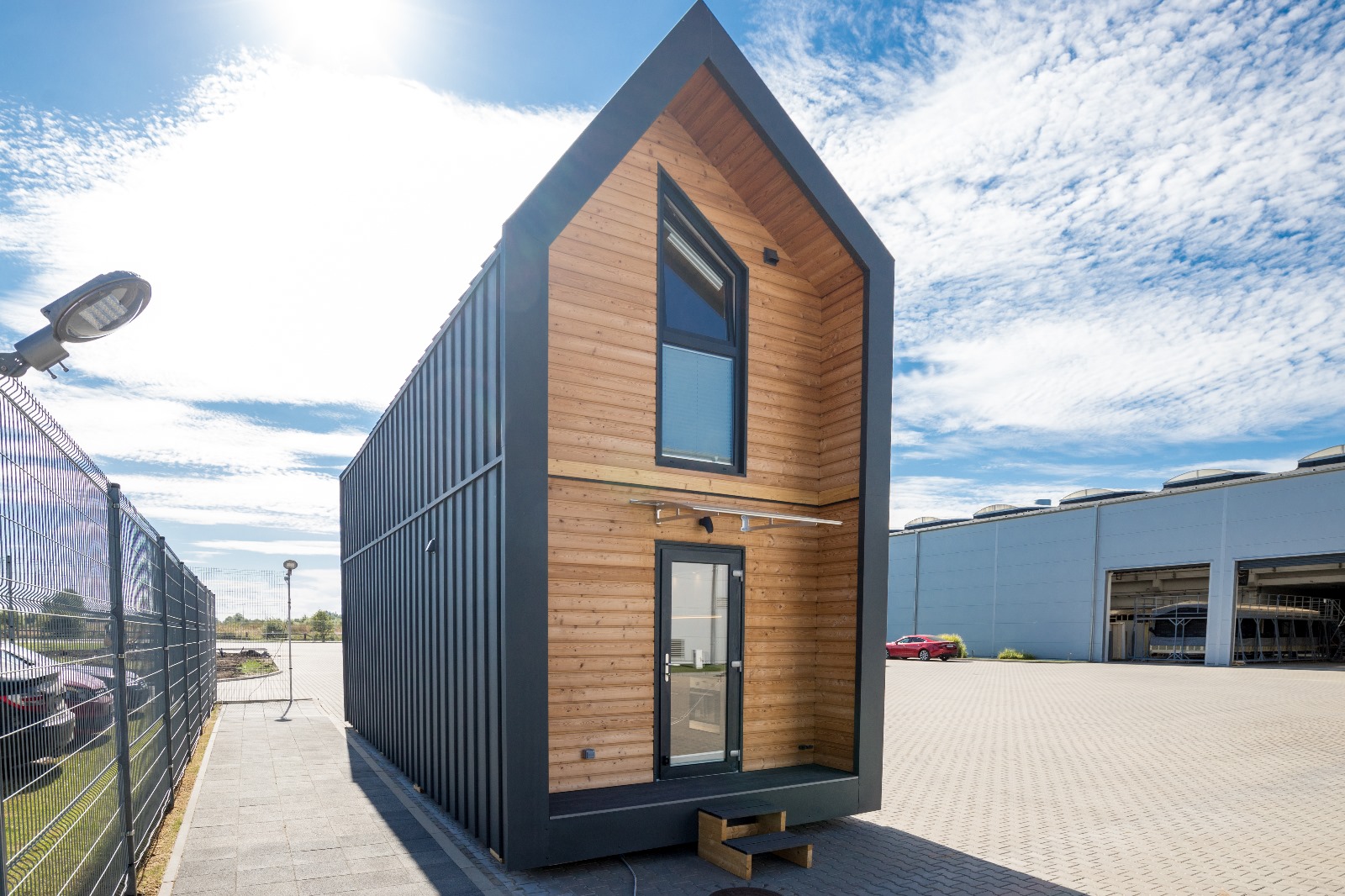
Description: Modern prefabricated housing can help bridge the gap between urgent space needs and longer-term redevelopment.
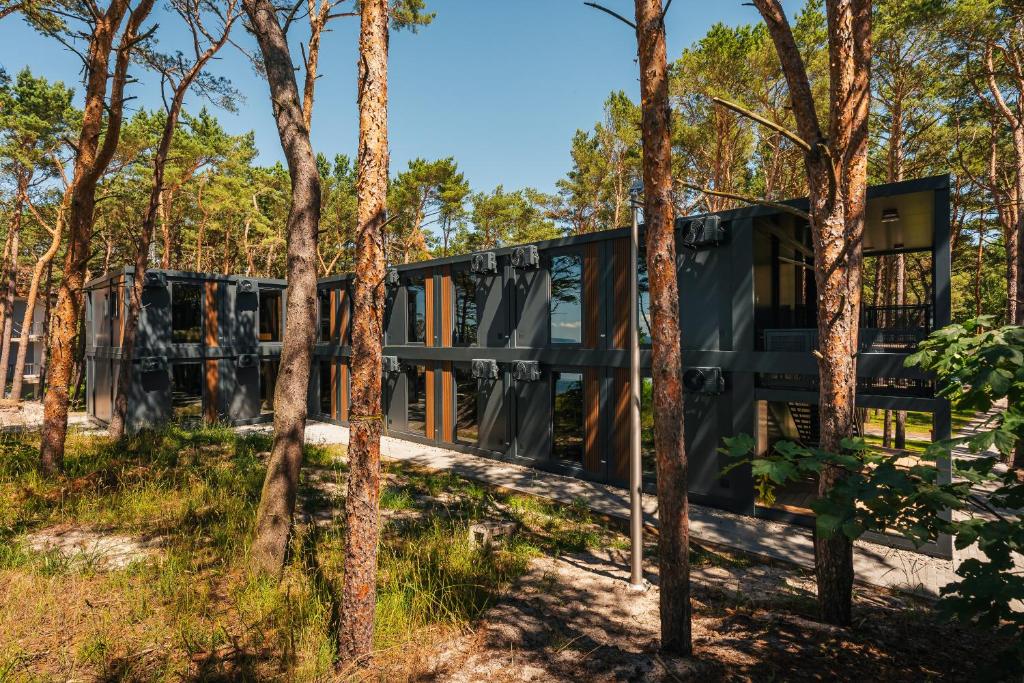
Description: Repeatable modular accommodation systems can be adapted for leisure, residential-style and temporary accommodation settings.
Description: Volumetric modular construction can support accommodation-led projects where speed, transportability and repeatability matter.
How KC’s modular building experience connects to this topic
KC Cabins Solutions Ltd supplies modular buildings across the UK for many of the same building functions that matter in recovery and redevelopment: offices, welfare units, classrooms, washrooms, accommodation support buildings, bespoke commercial units and modular building systems.
The lesson from post-war prefab housing is not simply “build quickly”. The better lesson is: design a repeatable system that responds to real human needs, then connect it to services, communities, maintenance and long-term use.
For UK clients, that might mean a modular office, a welfare building, a washroom cabin, a classroom, a lodge, a garden room, a clinic or a bespoke public-facing building. For international reconstruction programmes, the same principles would need to be adapted through local partners, donor requirements, humanitarian standards, country-specific approvals and logistics planning.
What information is needed for a modular reconstruction-style brief?
Whether the project is in the UK or part of a wider recovery discussion, the starting point is a clear brief. A useful modular building proposal normally needs more than a headline request for “temporary buildings”.
- Country, region, site location and security context
- Intended use: housing, school, clinic, welfare, washroom, office or community facility
- Expected number of users, families, staff, pupils or patients
- Temporary, transitional or long-term requirement
- Climate, insulation, heating, cooling and ventilation needs
- Water, waste, power, drainage and communications requirements
- Transport route, port access, road access and lifting constraints
- Local planning, building approval, donor or NGO standards
- Maintenance responsibility and local labour involvement
- Budget, funding route, procurement method and target deployment date
Related KC Modular Buildings pages
Helpful external sources
- Prefab Museum: History of Britain’s post-war prefabs
- World Bank: Ukraine Fifth Rapid Damage and Needs Assessment
- EU / UN: Final Gaza Rapid Damage and Needs Assessment
- UNHCR: Settlement and shelter guidance
- Sphere Handbook: Humanitarian Charter and Minimum Standards
- World Bank: Resilient housing reconstruction lessons
Frequently asked questions
What was post-war prefab housing in the UK?
Post-war prefab housing refers to prefabricated homes produced after the Second World War to help address Britain’s housing shortage. Many were built using factory-made components and assembled quickly on prepared sites. They were intended as temporary homes, but some remained in use for much longer and became an important part of post-war social history.
Can prefabricated housing help rebuild Ukraine?
Prefabricated and modular housing can be one useful part of Ukraine’s reconstruction toolkit, especially for temporary accommodation, schools, clinics, welfare facilities and community buildings. It is not a complete solution on its own. Successful reconstruction also needs land rights, utilities, funding, roads, local labour, security, planning, governance and long-term maintenance.
Could modular buildings help in Gaza/Palestine reconstruction?
Modular buildings could potentially support recovery by providing temporary accommodation, classrooms, clinics, sanitation units, offices and community facilities. However, any real deployment would depend on humanitarian access, security, local governance, Palestinian-led planning, donor requirements, material movement, utilities, land issues and long-term reconstruction policy.
Can modular buildings help after conflicts in Iran or other regions?
The principle can apply in any conflict or disaster-affected region where rapid, safe and repeatable buildings are needed. In practice, each country requires a specific review of sanctions, procurement rules, logistics, building standards, climate, utilities, land ownership, safety and local partner capacity.
Are modular buildings only temporary?
No. Modular buildings can be temporary, relocatable, semi-permanent or permanent depending on the system, structure, insulation, foundation design, services, approval route and intended use. The most important step is to define the expected lifespan before selecting a specification.
What is the difference between emergency shelter and modular reconstruction?
Emergency shelter provides immediate protection after displacement. Modular reconstruction is a wider approach that can include transitional or longer-term buildings such as homes, schools, clinics, washrooms, offices and community facilities. The two can overlap, but they serve different stages of recovery.
What can the UK post-war prefab story teach modern reconstruction?
It shows that factory-built buildings can help when a country needs safe space quickly and conventional construction capacity is limited. It also shows that “temporary” buildings may remain in use longer than expected, so they must be designed responsibly with services, comfort, maintenance and community life in mind.
Discuss modular building options with KC Cabins Solutions Ltd
KC Cabins Solutions Ltd supplies modular buildings, portable cabins, offices, classrooms, welfare units, washroom cabins, lodges and bespoke modular solutions across the UK. For any international, government, NGO or reconstruction-related enquiry, project scope, procurement route, legal position and logistics would need to be reviewed case by case.
Primary phone: 01782 561110
Mobile: 07443 564 451
Email: [email protected]
Website: www.kcmodularbuildings.co.uk
Uncertainty statement: This article is educational and strategic, not legal, humanitarian, political, procurement or engineering advice. International reconstruction projects depend on security, access, land rights, sanctions, export controls, donor requirements, local building standards, utilities, climate, community needs, logistics and government or NGO approval routes. KC Cabins Solutions Ltd acts as modular building supplier and installation contractor only where a project scope is agreed in writing.