
System comparison guide
Modular Buildings Like LEGO? What the Building-Block Analogy Gets Right and Wrong
Buyers often describe modular buildings as “like LEGO” because sections are manufactured, delivered and assembled into a finished building. That analogy can be useful, but it can also create wrong assumptions about planning, foundations, utilities, fire strategy, accessibility, transport and future expansion.
LEGO® is a registered trademark of the LEGO Group. This article uses the term only as a common buyer analogy; KC Modular Buildings is not affiliated with or endorsed by the LEGO Group.
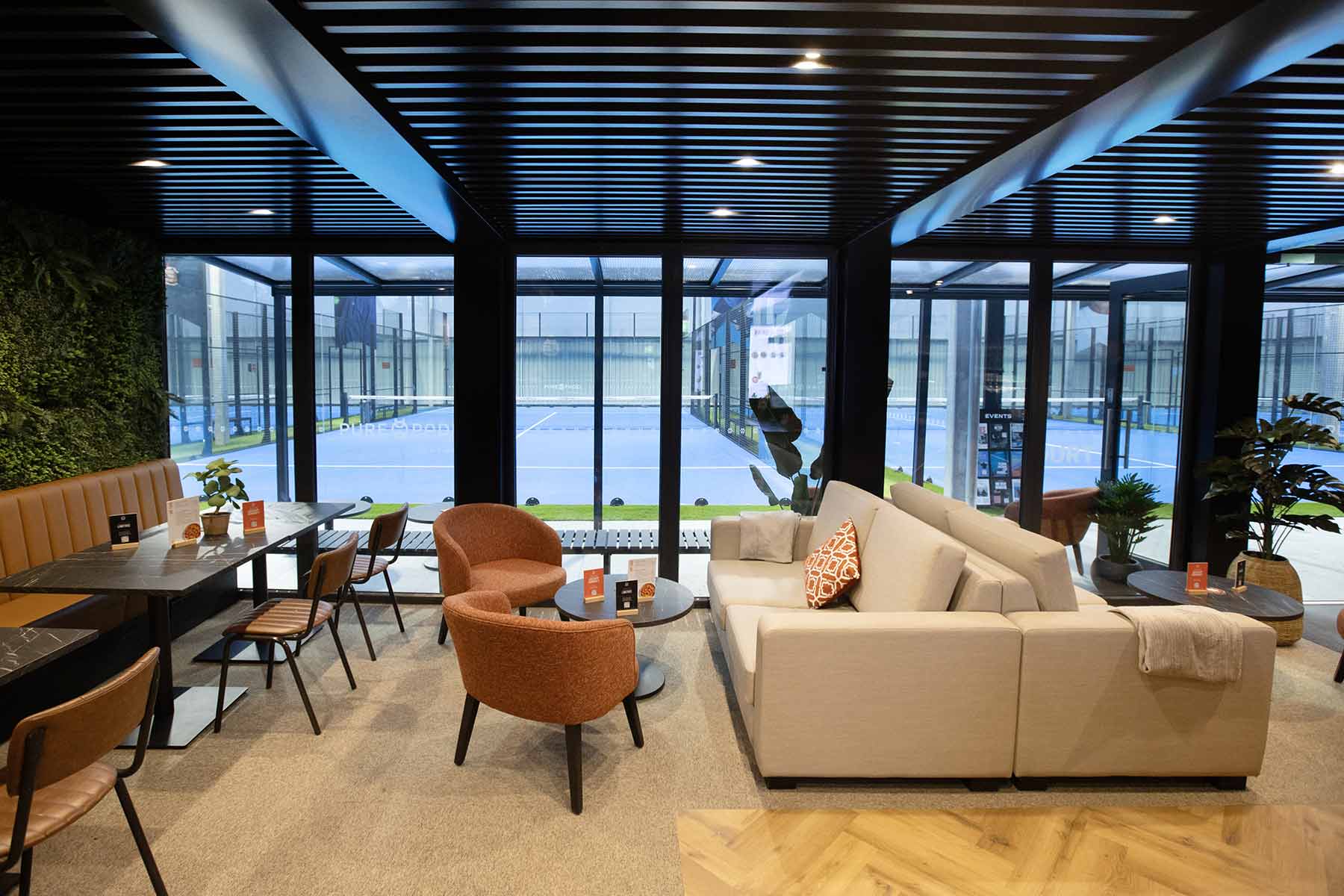
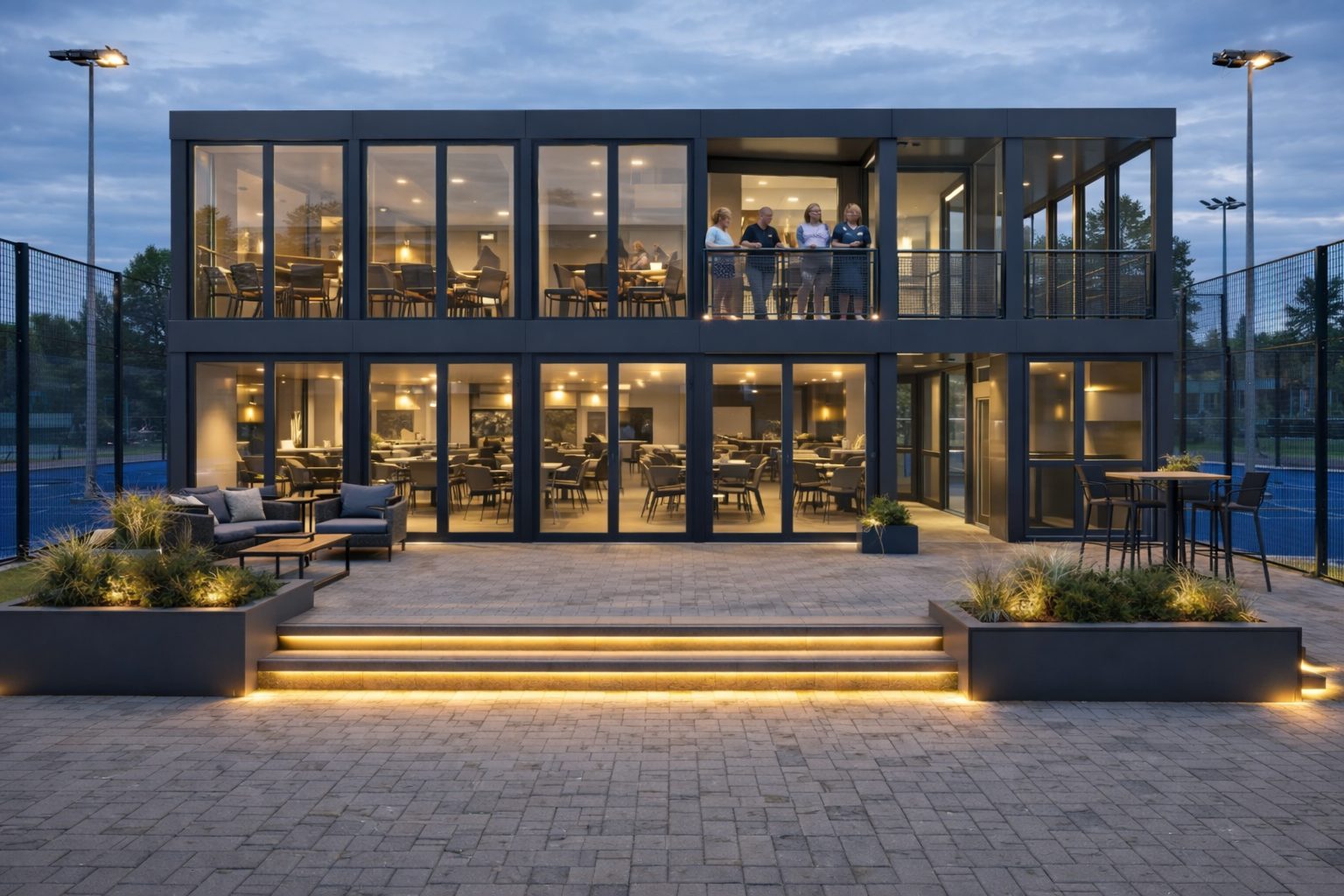
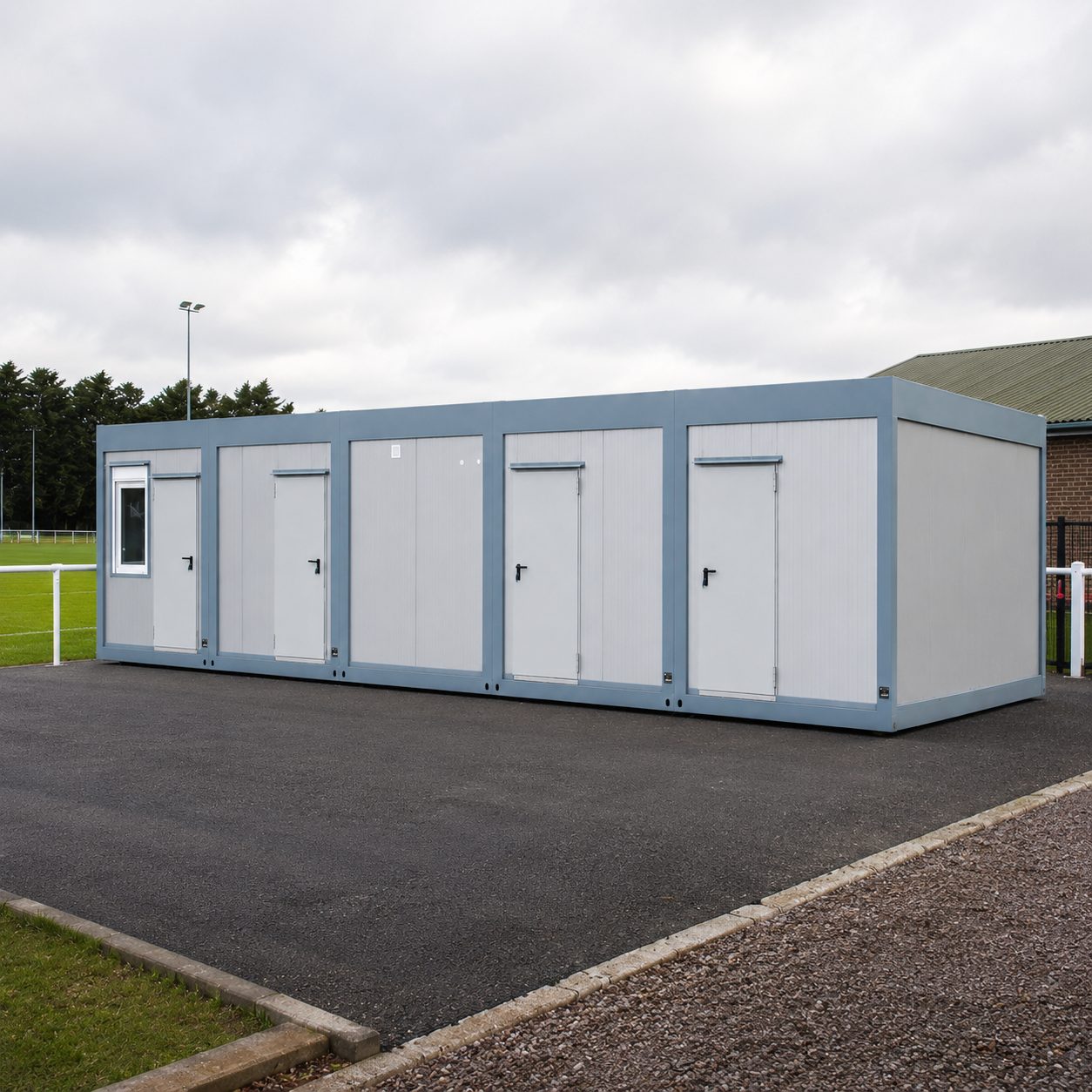
Short answer
Modular buildings can be “LEGO-like” in the sense that repeatable sections can be manufactured off site, transported and assembled into a larger building. The comparison helps explain scalability, repeatable layouts and phased projects. It becomes misleading when buyers assume every module simply clips together without design work. A real modular building still needs structural design, foundations, services, fire and accessibility considerations, transport planning, site access checks and the correct approval route. Requirements depend on intended use, duration, size, location, local authority position, Building Control route, specification, services, access and site conditions.
Who this guide is for
Commercial buyers
Facilities managers, business owners and project leads comparing modular offices, reception buildings, showrooms, hospitality buildings and customer-facing space.
Technical specifiers
Architects, contractors, project managers and consultants who need a practical explanation of modular systems, site constraints and specification limits.
Public sector and education teams
Schools, councils and public-facing organisations considering modular buildings but needing clarity on approvals, access, compliance and quote assumptions.
Sports, leisure and hospitality operators
Operators who need a quick but professional building route for hospitality, padel, sales suites, club facilities or front-of-house commercial use.
Decision table: where the LEGO analogy helps and where it does not
| Buyer question | Where the analogy helps | Where it becomes risky | Best next step |
|---|---|---|---|
| Can I add more space later? | Some modular systems can be planned for future extension or phased installation. | Expansion is not automatic. Structure, foundations, access, services, fire strategy and planning position must be considered from the start. | Tell KC whether future expansion is likely before the first quote. |
| Can I use repeated modules to reduce complexity? | Repeated room sizes, service zones and layouts can make design and installation more predictable. | Repeated modules still need project-specific specification, transport checks, foundations and services. | Prepare a room schedule and identify repeated spaces. |
| Is ISO frame the most “building block” route? | ISO frame modular buildings can suit repeatable, transportable and scalable layouts. | ISO frame is not the right answer for every site, finish or use case. | Compare ISO frame with bespoke modular before deciding. |
| Can modular buildings be bespoke? | Yes. Modular principles can support custom layouts, cladding, glazing and fit-out. | More bespoke design usually changes cost, programme, manufacturing detail and approval considerations. | Send drawings, visual references or a required room schedule. |
| Does modular mean planning is easier? | Factory manufacture and shorter site works can help the project programme once approvals and site readiness are in place. | Planning permission and Building Regulations approval are separate issues and may both apply. | Check the intended use, duration, location and local authority position early. |
Why people compare modular buildings to LEGO
The comparison usually comes from the visible assembly process. A modular building is not created from a loose pile of materials on site in the same way as traditional construction. Instead, key building sections are planned, manufactured or prepared in controlled conditions, transported to site and installed as part of a coordinated programme.
For a buyer, that can make modular construction feel like a set of building blocks: offices can be arranged into room layouts, hospitality units can be configured around customer flow, and ISO frame buildings can provide a repeatable base for different uses. This is why the analogy is useful at the early decision stage.
The important difference
LEGO bricks are interchangeable toys. Modular buildings are engineered, specified and installed assets. The “block” may be standardised, but the finished building must still respond to use, site, structure, access, services, approval route, fire strategy, accessibility and budget.
What the building-block analogy gets right
Repeatable layouts
Where rooms are repeated, such as offices, changing rooms, classrooms, welfare spaces or hospitality support areas, modular design can make layout planning more efficient.
Scalable planning
Modular buildings can support phased projects when future expansion is discussed early and reflected in structure, foundations, services and site layout.
Controlled manufacturing
More work can be completed before the building reaches site, helping reduce some site disruption compared with fully site-built routes.
System choice
Buyers can compare ISO frame, bespoke modular, container conversion and portable cabin routes depending on use, finish, timescale and location.
What the analogy gets wrong
Modules do not simply clip together
Modular units and frames must be coordinated structurally and technically. Junctions, weatherproofing, floor levels, roof details, service routes, fire separation, accessibility and interfaces with existing buildings all need proper review.
Standard modules still need project-specific specification
Two buildings may look similar from the outside but have very different specifications. Fire strategy, insulation, heating, cooling, ventilation, glazing, cladding, internal fit-out, toilets, kitchens, drainage, electrical load and user occupancy can all affect the quote.
Approvals are not automatic
Modular construction does not remove the need to consider planning permission, Building Regulations, Building Control, CDM duties, fire safety, accessibility, insurance requirements or landlord/site rules. The correct route depends on the project.
ISO frame vs bespoke modular: which feels more “building block”?
An ISO frame modular building is often closer to the building-block idea because the frame creates a repeatable, transportable base. This can suit offices, sports facilities, hospitality spaces, site buildings and scalable commercial uses.
A bespoke modular building is usually better when the buyer needs a more tailored footprint, finish, glazing arrangement, internal layout, brand-led appearance or site-specific design. It is still modular, but the design process is less like selecting standard blocks and more like developing a coordinated building system.
| Route | Best for | Main limitations to check | Useful KC page |
|---|---|---|---|
| ISO frame modular | Repeatable layouts, fast programme planning, commercial buildings, sports and leisure, hospitality support and scalable use cases. | Transport dimensions, external appearance, module size, layout constraints, site access and intended lifespan. | ISO Frame Modular Buildings |
| Bespoke modular | Customer-facing buildings, unusual layouts, premium finish, branded commercial space and projects with tighter design requirements. | Cost, design time, specification detail, approval route and site-specific coordination. | Bespoke Modular Buildings |
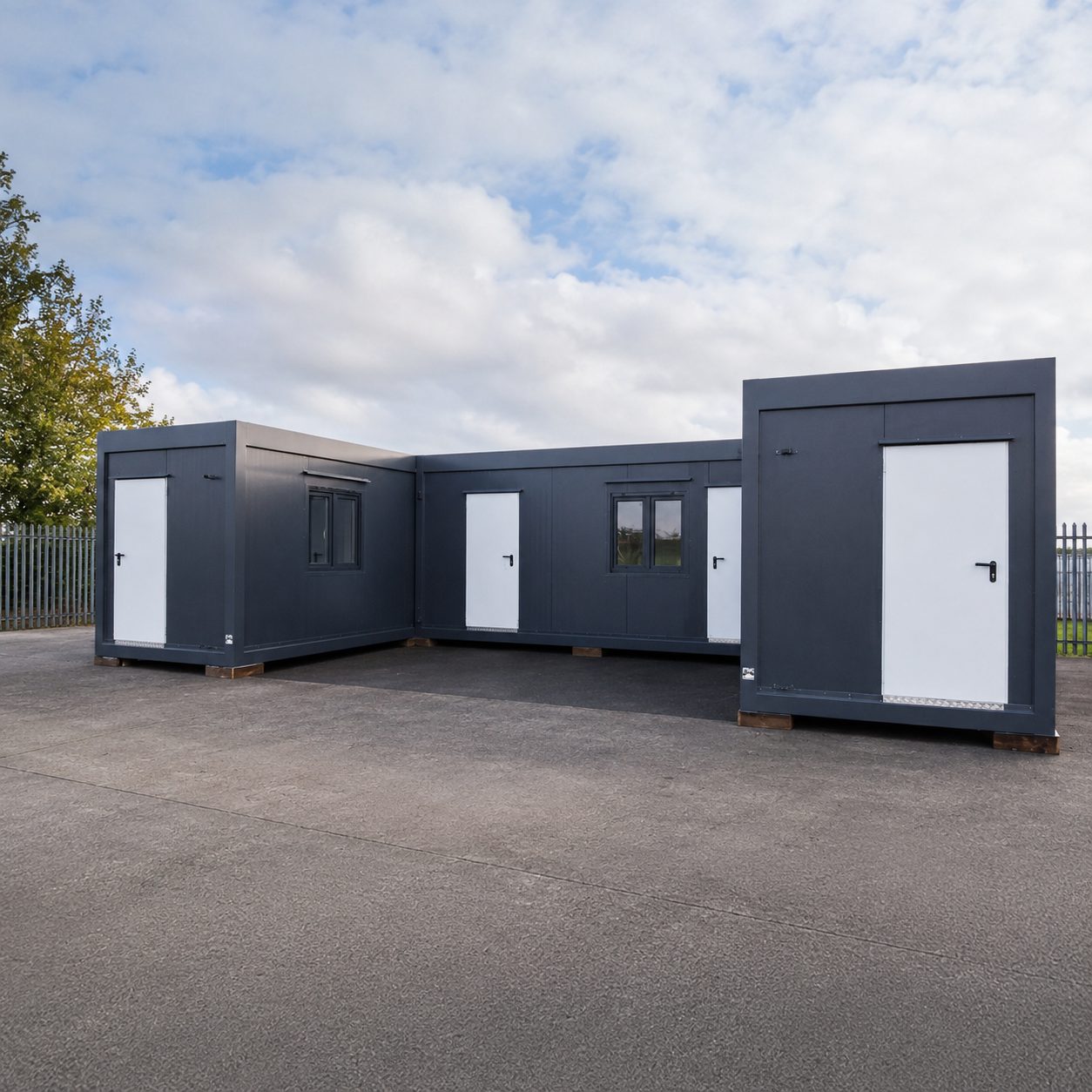
| Portable cabins | Temporary accommodation, site offices, welfare support and simpler short-term space needs. | Finish, user comfort, long-term appearance, relocation assumptions and suitability for customer-facing use. | Portable Cabins |
| Container conversions | Robust conversions, compact commercial use, storage-linked applications and some specialist projects. | Internal width, insulation, condensation control, finish, services, planning and use-case fit. | Container Conversions |
What affects cost, time and specification?
A modular building can be more predictable when the brief is clear, but it is not priced like buying identical toy blocks. The final quote depends on what the building must do, where it will go and how it will be used.
- Building use: office, classroom, hospitality, sports, welfare, healthcare, public-facing service or storage-linked use.
- Size and layout: footprint, number of rooms, circulation, toilets, kitchens, staff areas and customer zones.
- System route: ISO frame, bespoke modular, portable cabin, container conversion or another suitable approach.
- Site access: delivery route, gates, turning space, overhead obstructions, public access, lifting area and working hours.
- Foundations and groundworks: ground conditions, levels, drainage, existing surfaces and load requirements.
- Services: electricity, water, foul drainage, data, heating, cooling and ventilation requirements.
- Specification: cladding, glazing, fire strategy, accessibility, insulation, finishes, fixtures and M&E design.
- Approvals: planning, Building Regulations, Building Control, landlord approvals, insurance and sector-specific requirements.
Planning, Building Regulations and formal limitations
The fact that a building is modular does not automatically decide whether planning permission or Building Regulations approval is needed. GOV.UK guidance explains that Building Regulations approval is different from planning permission and that some projects may need both. Temporary buildings may also have specific planning criteria, and the local planning authority position should be checked before assumptions are made.
For construction sites, welfare and site accommodation should also be considered in the context of HSE and CDM 2015 duties. A modular welfare or site building can help provide facilities, but overall site compliance depends on the full site setup, management arrangements and the facilities actually provided.
Buyer caveat
KC can help review the building route and the information needed for a quote, but planning permission, Building Regulations, Building Control and sector-specific compliance requirements should be confirmed through the appropriate professional or authority route for the project.
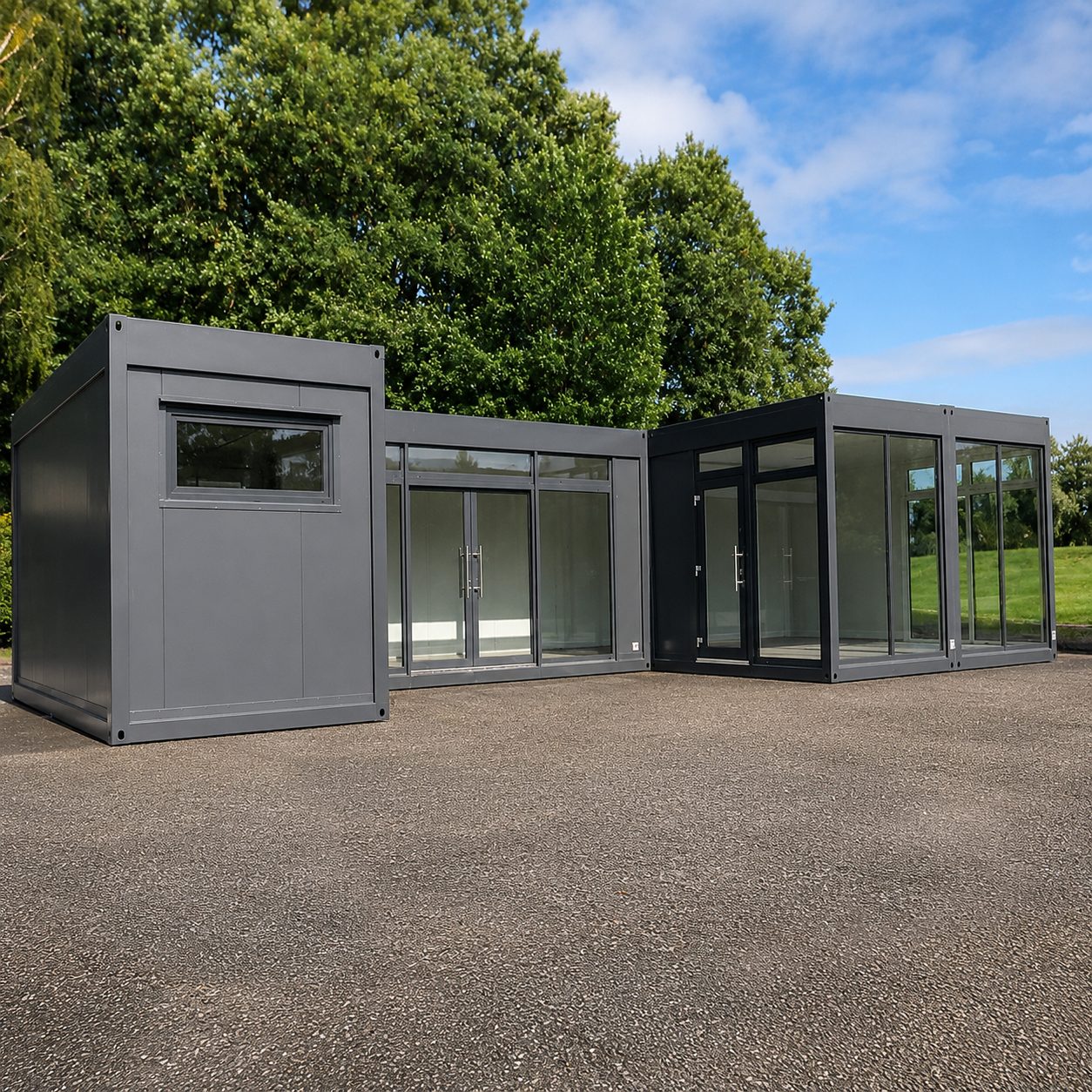
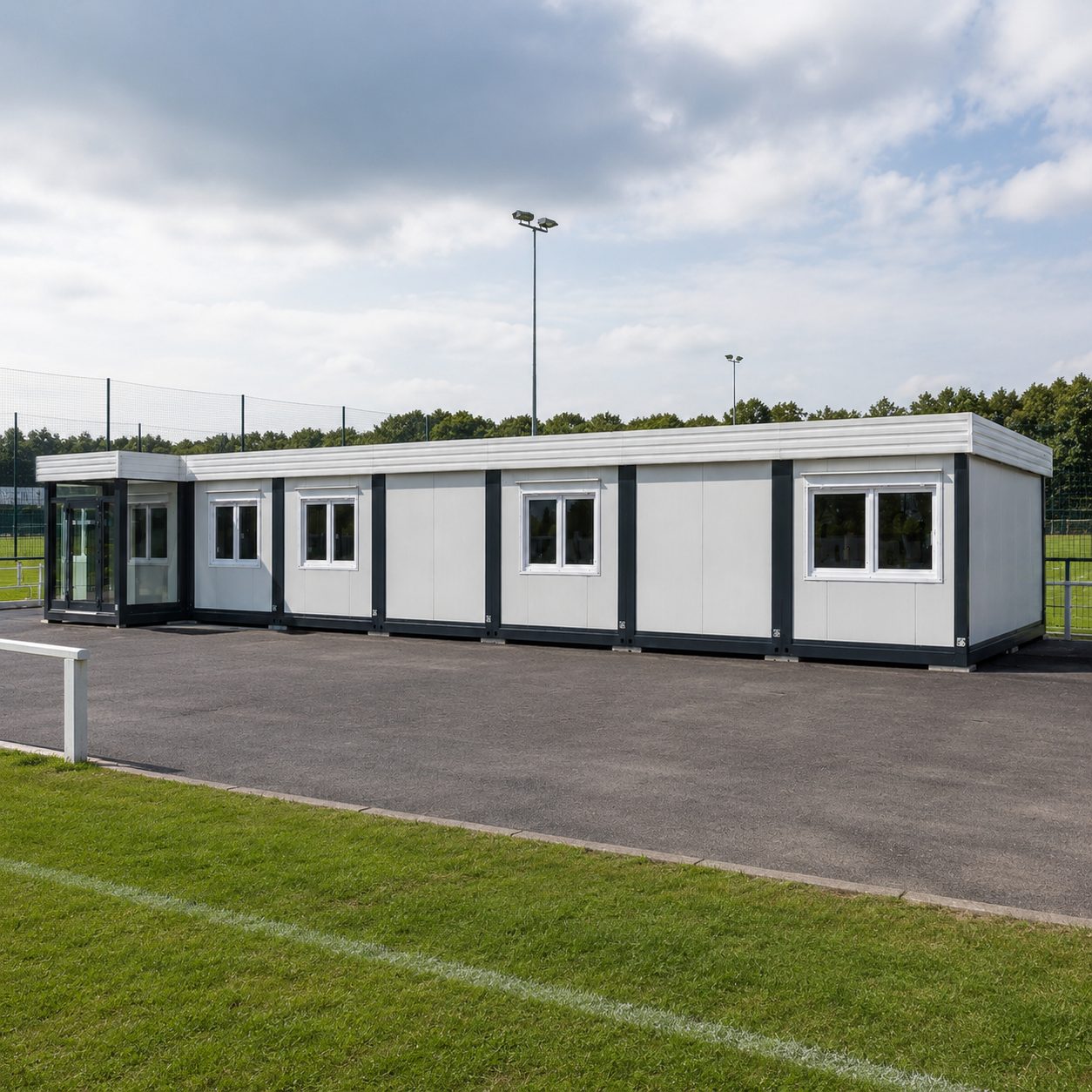
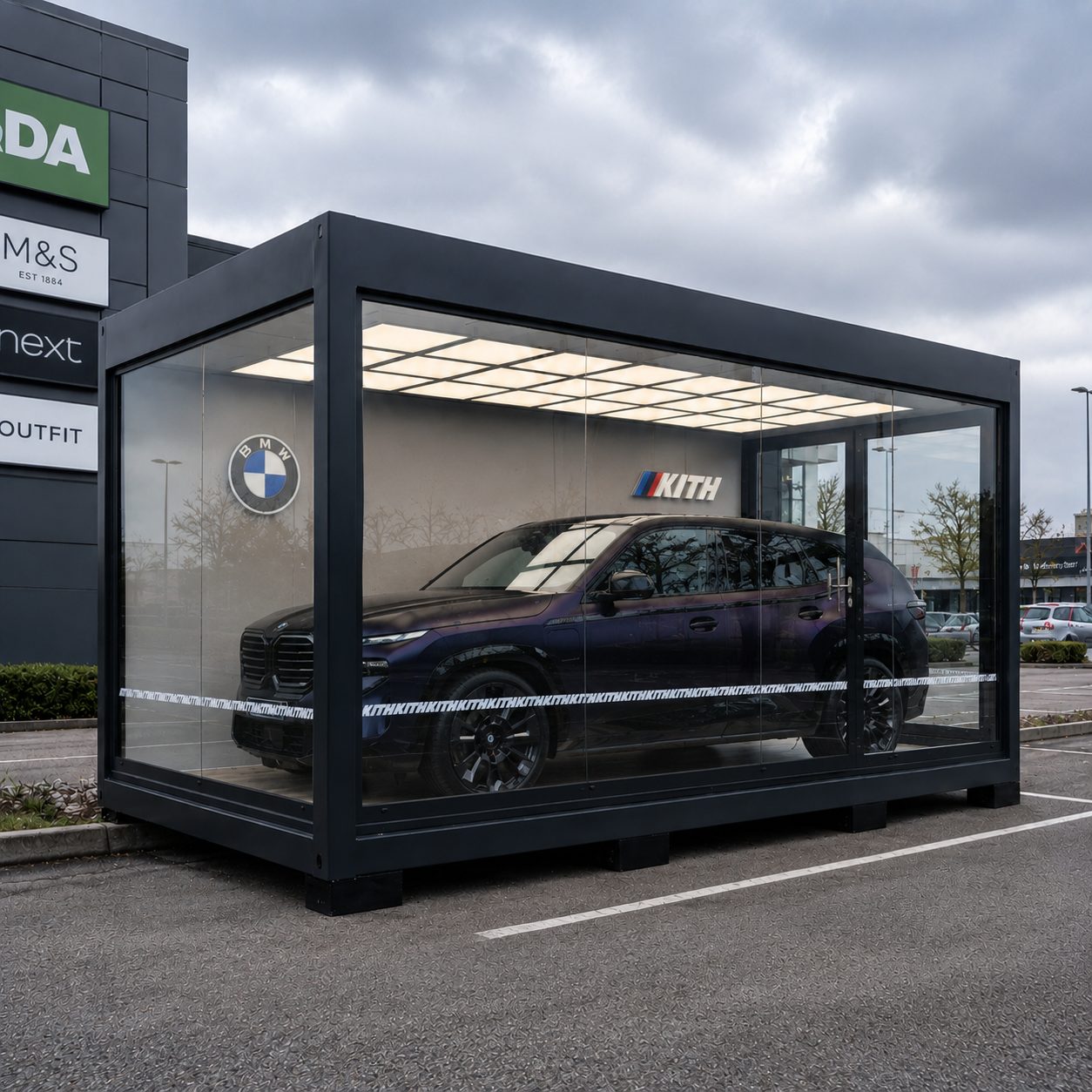
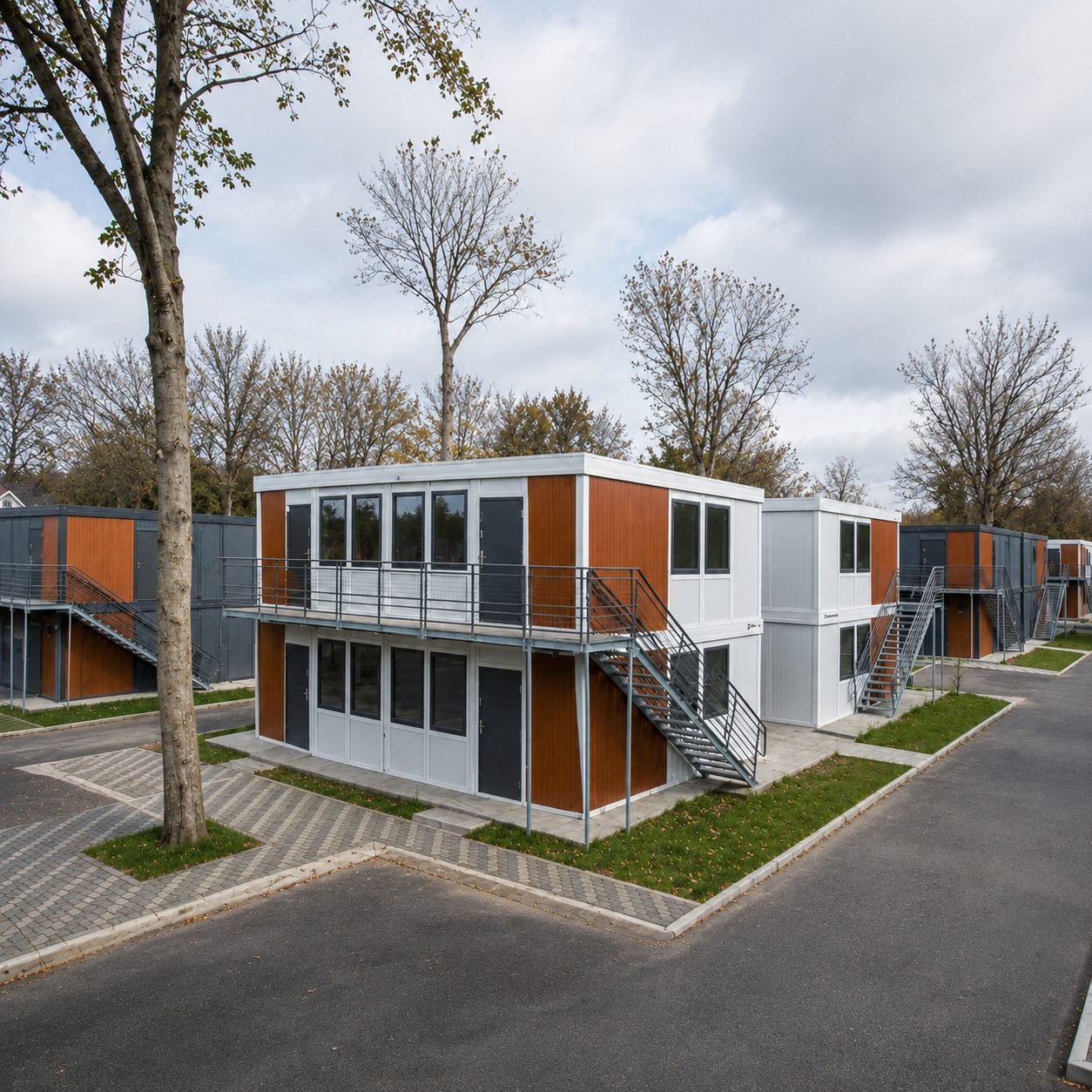
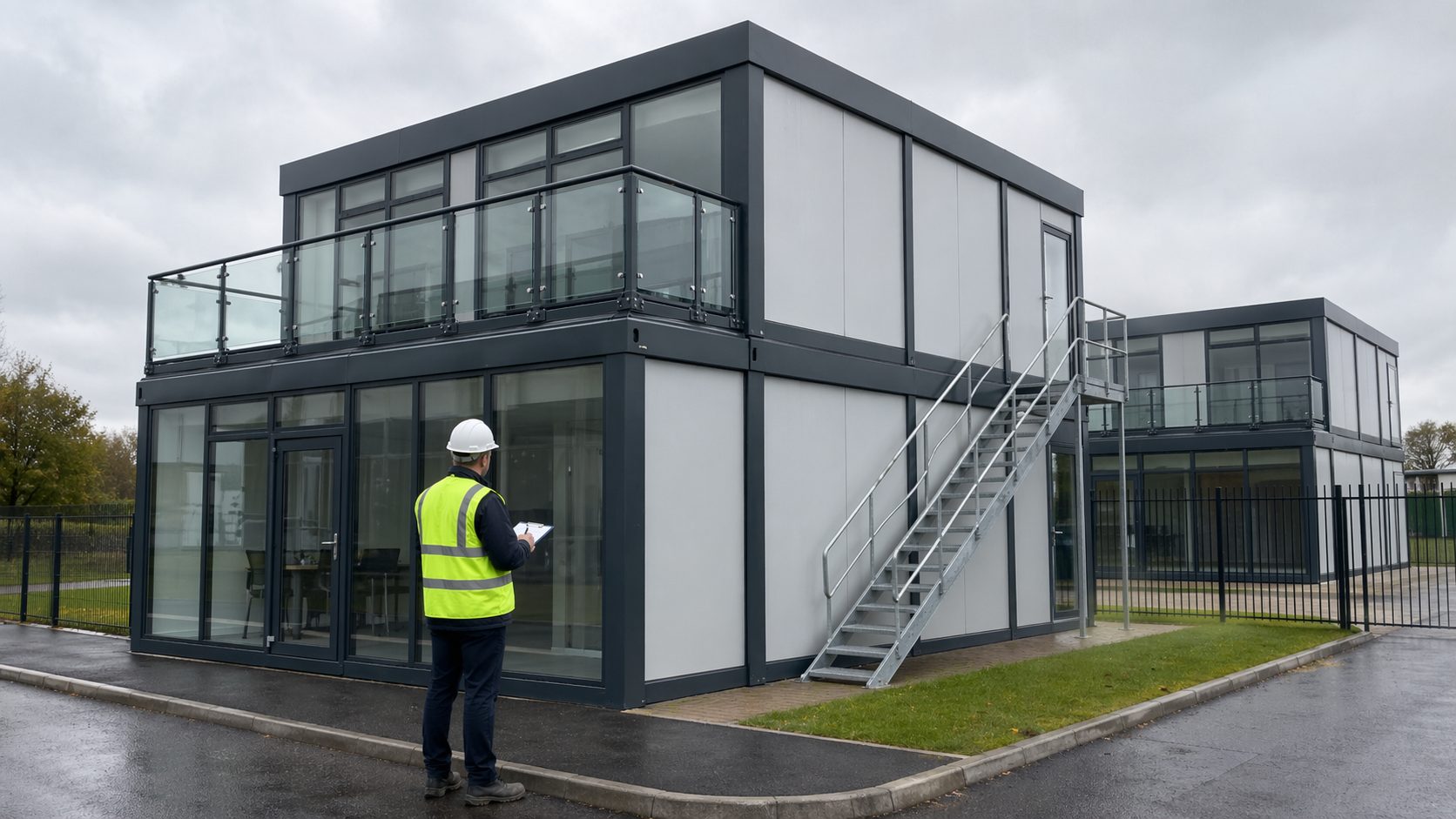
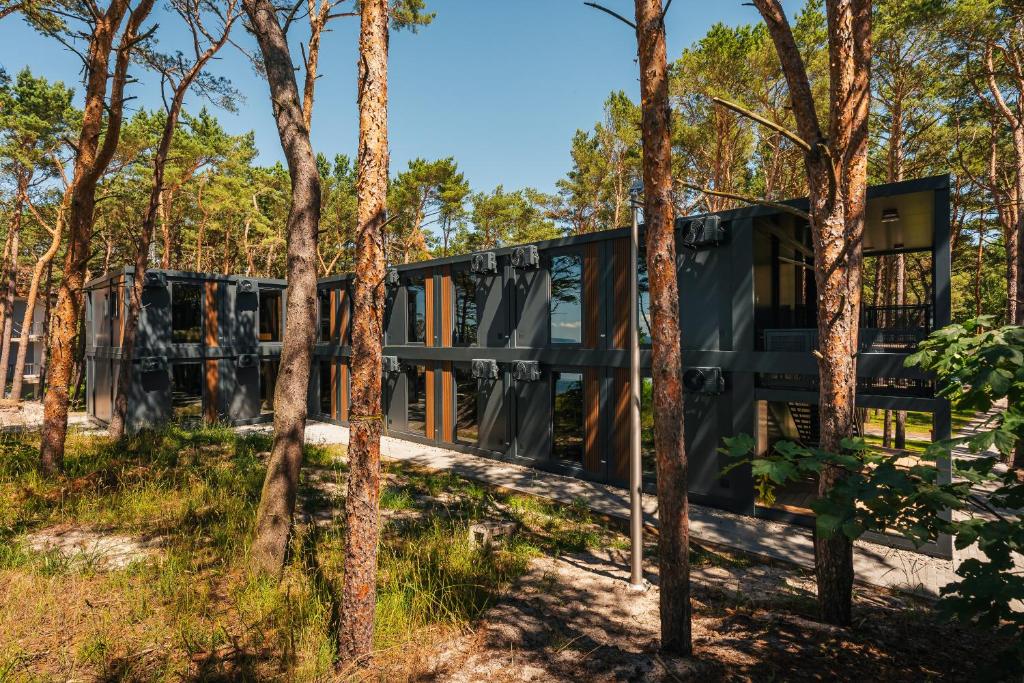
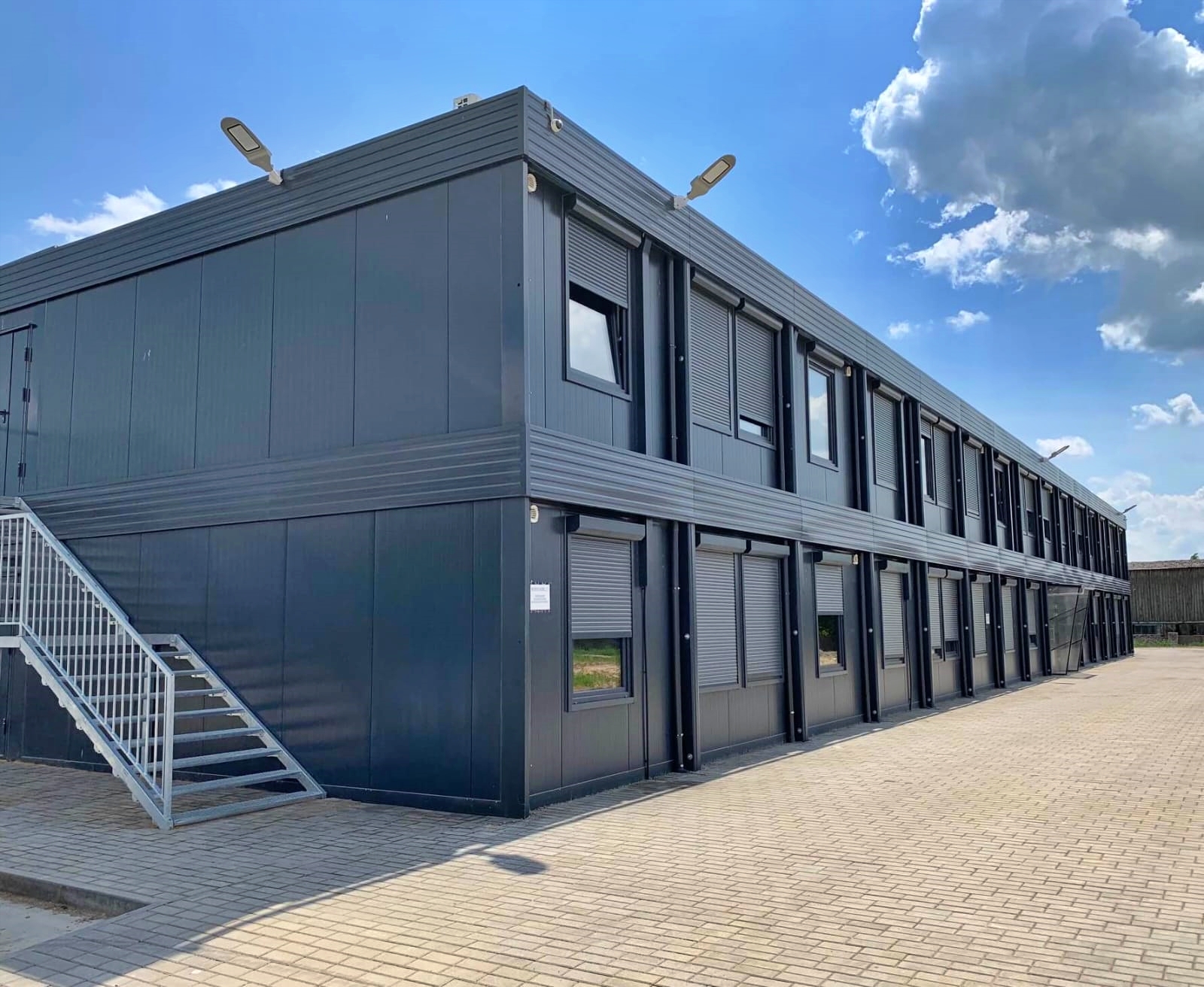
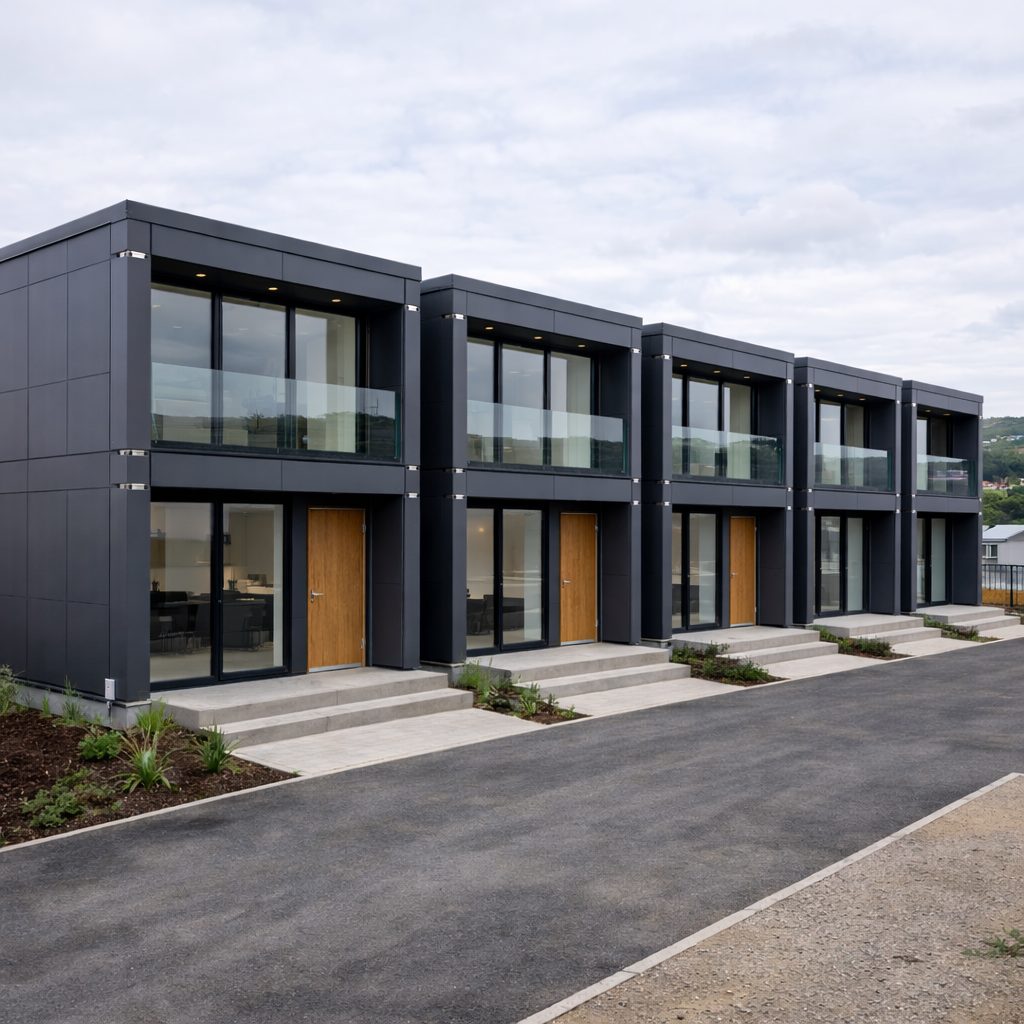
Example modular building routes and visual references
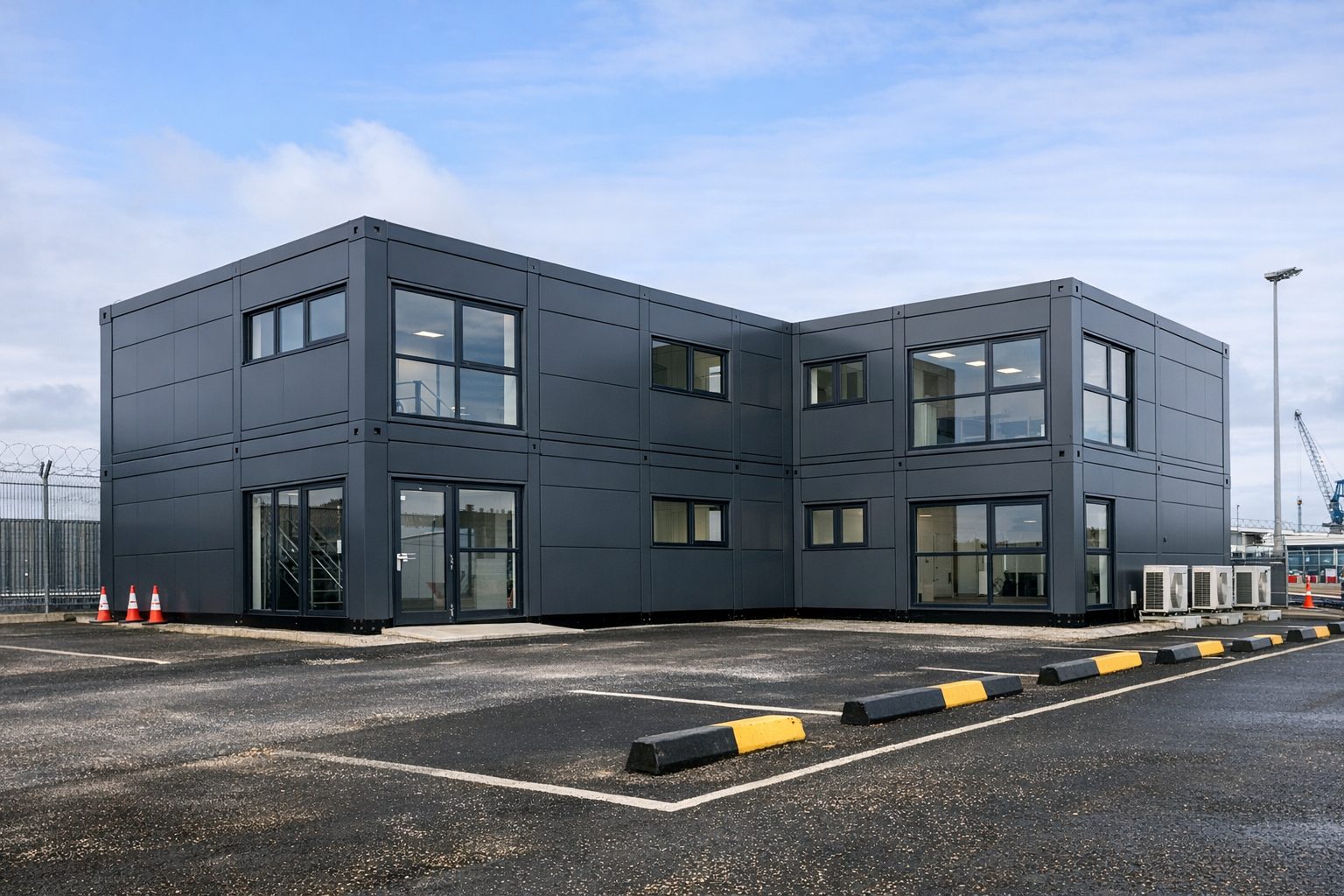
What KC needs to recommend the right modular route
The fastest way to move from the “LEGO-style modular” idea to a usable quote is to give KC enough information to understand the building use, site and constraints.
- Building use: office, hospitality, sports, classroom, welfare, healthcare, public sector, retail or other use.
- Approximate size: footprint, number of rooms, capacity or required room schedule.
- Temporary or permanent requirement: intended duration and whether future relocation or expansion matters.
- Site postcode: delivery location, access route and local context.
- Site access photos: gates, roads, turning areas, overhead cables, trees, boundaries and lifting area.
- Services: electricity, water, drainage, data, heating, cooling and ventilation assumptions.
- Groundworks status: existing surface, levels, foundations and known ground conditions.
- Target date: required installation window, opening date, school holiday period or commercial deadline.
- Specification expectations: cladding, glazing, toilets, kitchens, internal finish, accessibility and fire strategy requirements.
- Approval status: any known planning, landlord, Building Control, insurance or stakeholder requirements.
Helpful external guidance
These sources are useful starting points for buyers checking approval and site-duty assumptions. They do not replace project-specific advice.
FAQ
Are modular buildings really like LEGO?
Only as a simple analogy. Modular buildings can use repeatable sections, frames or units, but they are engineered buildings rather than interchangeable toy blocks. Structure, foundations, services, fire strategy, accessibility, planning, Building Regulations and site access still need to be reviewed for the specific project.
Can a modular building be extended later?
Sometimes, but future expansion should be planned early. Foundations, structure, service routes, fire strategy, access, drainage and the planning position may all affect whether later expansion is practical. Tell KC during the first enquiry if future growth is likely.
Does modular construction mean planning permission is not needed?
No. Modular construction does not automatically remove planning requirements. Planning permission, Building Regulations approval, Building Control review and local authority position may all be relevant depending on the building use, size, duration, location and site conditions.
Is ISO frame modular the closest option to a building-block system?
ISO frame modular buildings can be closer to the building-block analogy because the frame route is repeatable and transportable. However, ISO frame is not suitable for every specification or site. Bespoke modular may be better when appearance, layout, glazing, cladding or project-specific design matters more.
Do modular buildings need foundations?
Most modular buildings need a suitable foundation or support strategy. The right approach depends on building size, weight, ground conditions, intended lifespan, site levels and services. Groundworks should be reviewed before assuming the building can simply be placed on an existing surface.
Can modular buildings include toilets, kitchens and services?
Yes, modular buildings can include toilets, kitchens, staff areas, heating, cooling, ventilation, lighting, power, data and other services. These items affect design, cost, lead time and site connections, so they should be included in the quote brief.
What information should I send to KC if I do not know which system I need?
Send the intended use, approximate size, site postcode, photos of the access route, target date, whether the building is temporary or permanent, and any layout or finish requirements. KC can then advise whether ISO frame, bespoke modular, portable cabin or another route appears more suitable.
Need help choosing the right modular building route?
Send KC your intended use, approximate size, site postcode, access photos and target date. The team can help identify whether an ISO frame, bespoke modular, portable cabin, container conversion or another modular route is likely to fit the project.