
Benefits / Sustainability Guide
Sustainable Modular Buildings: Practical Benefits, Limits and Buyer Checklist
Sustainable modular buildings are not automatically low-carbon because they are modular. The real benefit depends on the specification, manufacturing control, material choices, operational energy performance, transport, reuse potential, site works and the approval route.
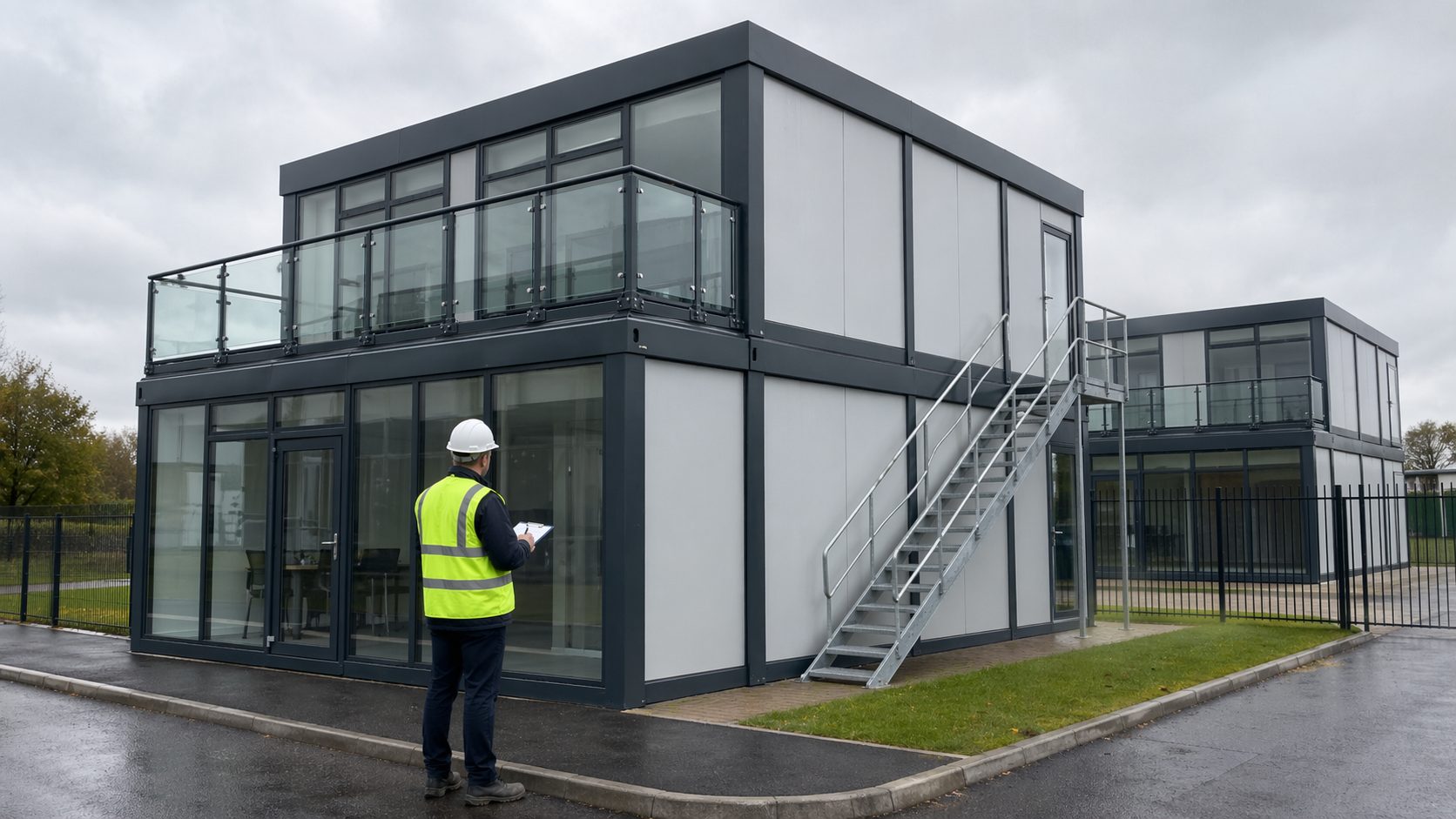
Short answer
A sustainable modular building is one where the whole project is designed to reduce avoidable waste, manage whole-life carbon, improve operational energy performance and support future adaptability. Modular construction can help because more work is carried out in controlled factory conditions, but sustainability is not automatic. Buyers should check insulation, glazing, airtightness, heating and cooling, materials, transport, foundations, service connections, reuse potential and end-of-life assumptions before treating any modular building as a lower-impact option.
Who this guide is for
Facilities and estates managers
For teams comparing modular offices, staff space, welfare buildings, classrooms or customer-facing buildings where waste, energy use and lifecycle value matter.
Procurement and ESG teams
For buyers who need clearer assumptions around waste, carbon, reuse, documentation, specification and responsible procurement before requesting a quote.
Schools, councils and public sector buyers
For organisations that need practical sustainability evidence, but also need careful language around planning, Building Regulations, fire, accessibility and programme risk.
Commercial and leisure operators
For businesses planning modular offices, hospitality buildings, sports facilities or front-of-house spaces where operational performance and appearance both affect the decision.
Decision table: is a sustainable modular building the right route?
| Buyer question | What to check | Potential sustainability benefit | Important limitation | What KC needs |
|---|---|---|---|---|
| Do we need a temporary or permanent building? | Intended lifespan, relocation need, foundation approach and future expansion plans. | A reusable or relocatable route may reduce waste if the building is genuinely redeployed later. | Relocation is not automatic; it depends on structure, services, access and original design assumptions. | Required duration, future use plans and whether relocation or extension is likely. |
| Will modular reduce waste? | Factory process, material ordering, design freeze, waste handling and site works. | Controlled manufacture can reduce avoidable waste compared with poorly managed site works. | Waste reduction depends on design discipline, specification and project management. | Layout, finish level, material preferences and any waste or ESG reporting requirements. |
| Will the building use less energy? | Insulation, glazing, airtightness, heating, cooling, ventilation, lighting and controls. | A better fabric and efficient services can reduce operational energy demand. | A modular building with poor services or weak specification will not perform well just because it is modular. | Occupancy, hours of use, comfort requirements, M&E needs and any energy-performance targets. |
| Does transport cancel out the benefit? | Delivery distance, module size, number of loads, lifting method and site access. | Fewer site deliveries and shorter site programmes can help reduce disruption and some logistics impacts. | Transport is still part of the carbon picture and should not be ignored. | Site postcode, access photos, delivery restrictions and installation constraints. |
| Do we need sustainability evidence for approval or procurement? | Client ESG requirements, public sector procurement, planning expectations and required documentation. | Early documentation makes sustainability claims easier to validate and compare. | Some formal assessments may require specialist input beyond a standard supplier quote. | Any ESG, planning, Building Control, BREEAM, whole-life carbon or stakeholder documentation requirements. |
What makes a modular building sustainable?
A modular building is more credible from a sustainability point of view when the whole project is considered, not just the manufacturing method. Buyers should look at embodied carbon, operational energy, avoidable waste, material efficiency, site disruption, transport, foundations, maintenance, reuse and end-of-life planning.
The strongest sustainability decisions are made early. Once the layout, module sizes, structure, services and finishes are fixed, later changes can increase waste, cost and programme risk. That is why a sustainability-led quote should start with the building use, expected lifespan, site conditions, specification and required evidence.
Buyer reality check
“Sustainable modular building” should not be treated as a single product label. It is a project outcome. Requirements depend on intended use, duration, size, location, local authority position, Building Control route, specification, services, access and site conditions.
Practical benefits of sustainable modular buildings
1. Better control of materials
Factory-led manufacture can support more controlled material ordering, repeatable processes and reduced avoidable waste when the design is stable before production.
2. Reduced site disruption
More work completed before arrival can reduce the amount of time spent on site, which may help live schools, operating businesses, public sites and constrained commercial locations.
3. Improved specification control
Insulation, glazing, heating, cooling, lighting and ventilation can be reviewed early so the building is specified around comfort, energy use and operational performance.
4. Future adaptability
Some modular buildings can be designed with future extension, relocation or reconfiguration in mind, provided those requirements are discussed before the first quote.
5. Shorter programme risk on site
Factory preparation can help reduce exposure to some site delays, although approvals, access, foundations, weather-sensitive site works and utility connections can still affect the programme.
6. Clearer procurement comparison
A sustainability-focused modular quote can separate building fabric, M&E, foundations, transport, installation, exclusions and optional upgrades so buyers can compare like-for-like.
Where sustainability claims can become misleading
Sustainability claims become weak when they focus only on speed or factory manufacture. A modular building still has embodied carbon, transport impacts, service connections, foundations, installation requirements and operational energy demand. The brief must also consider how long the building will be used and whether it will be reused, extended, maintained or removed later.
- Not automatically low carbon: the final impact depends on structure, fabric, M&E, finishes, transport, site works and use.
- Not automatically zero waste: waste depends on design freeze, material control, manufacturing process and site management.
- Not automatically reusable: relocation depends on the original structure, access, services and installation method.
- Not exempt from approvals: planning, Building Regulations and Building Control requirements may still apply.
- Not always cheaper: higher-performance fabric, glazing, services or documentation can increase upfront cost.
- Not proven by labels alone: buyers should ask what evidence, assumptions and exclusions sit behind the sustainability claim.
What affects cost, time and specification?
| Cost or specification driver | Why it matters | Typical buyer decision | Quote impact |
|---|---|---|---|
| Building fabric | Insulation, thermal bridging, airtightness and roof/wall construction affect comfort and energy demand. | Standard fabric or upgraded performance route. | Can affect material cost, design detail and manufacturing specification. |
| Glazing and doors | Glazing affects heat loss, solar gain, daylight, comfort, security and visual appearance. | More daylight and appearance versus thermal and cooling considerations. | Can change envelope cost, overheating risk review and façade design. |
| Heating, cooling and ventilation | Operational energy depends heavily on the M&E strategy and occupancy pattern. | Basic provision or more efficient comfort-control system. | Can change electrical load, service design and commissioning requirements. |
| Foundations and groundworks | The site support strategy can influence cost, programme, waste and reversibility. | Permanent foundation route or potentially more reversible support approach where suitable. | Depends on ground conditions, levels, loads and site access. |
| Internal fit-out | Flooring, partitions, kitchens, toilets, finishes and fixtures affect material choice and future flexibility. | Standard fit-out, durable commercial finish or higher-spec branded interior. | Can change cost, lead time and maintenance assumptions. |
| Documentation and ESG evidence | Some buyers need carbon, waste, procurement or stakeholder evidence. | Basic quote or enhanced evidence pack. | May require extra technical input, data collection or specialist assessment. |
Carbon, waste and energy: what buyers should separate
Embodied carbon
Embodied carbon relates to the carbon associated with materials, manufacture, transport, construction, maintenance and end-of-life. A modular building may help control some of these factors, but the result depends on the structural system, material quantities, manufacturing process, transport, foundations and design life.
Operational carbon and energy use
Operational energy depends on how the building performs in use. Insulation, glazing, air leakage, heating, cooling, lighting, controls, ventilation, occupancy and operating hours all matter. A modular building used daily as an office or classroom needs a different energy strategy from a lightly used storage or seasonal building.
Waste and circularity
Waste reduction comes from design discipline, manufacturing control, accurate ordering, reduced rework and sensible end-of-life planning. For a circular approach, buyers should ask whether the building can be maintained, adapted, relocated, expanded or dismantled more easily later.
Project image references
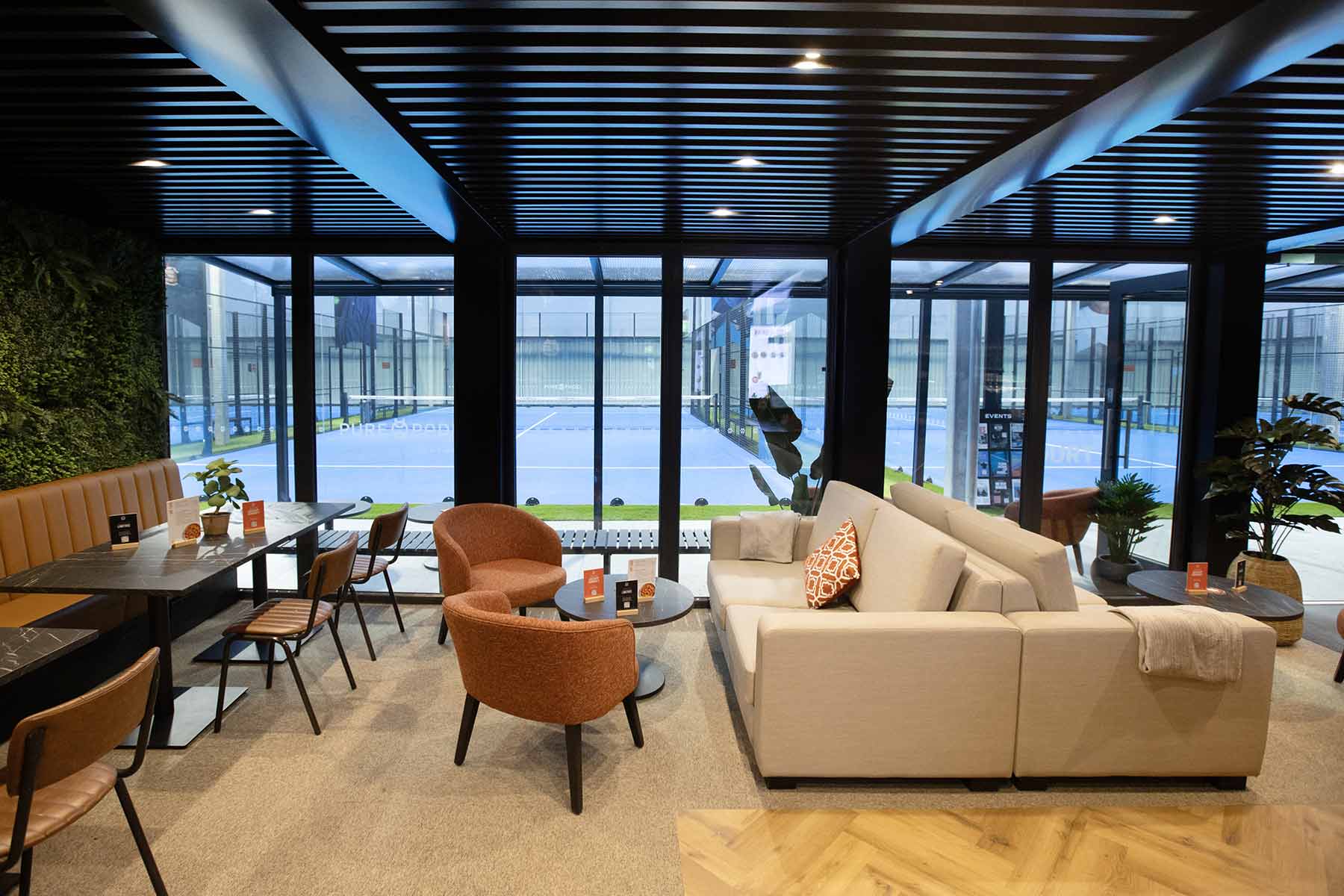
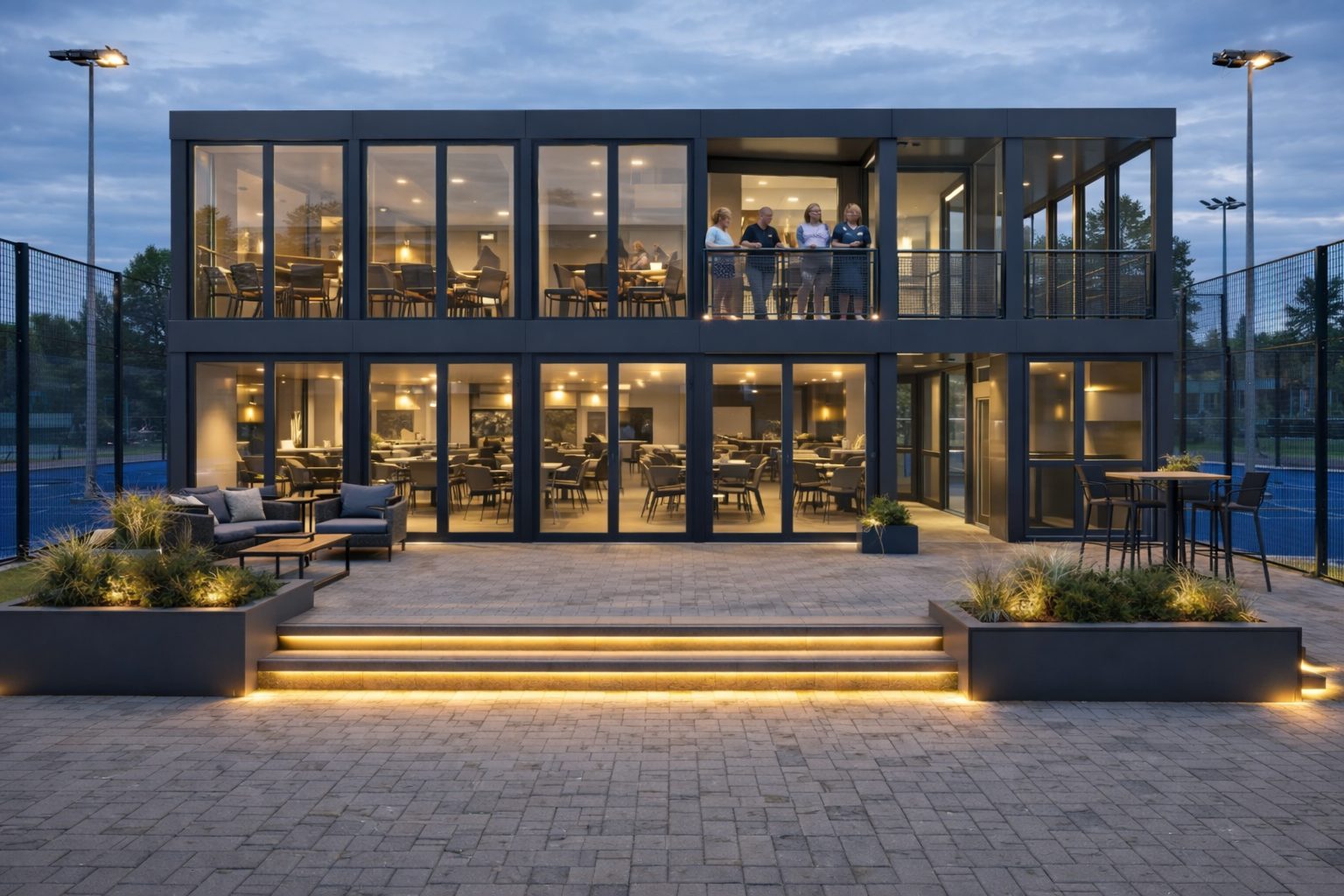
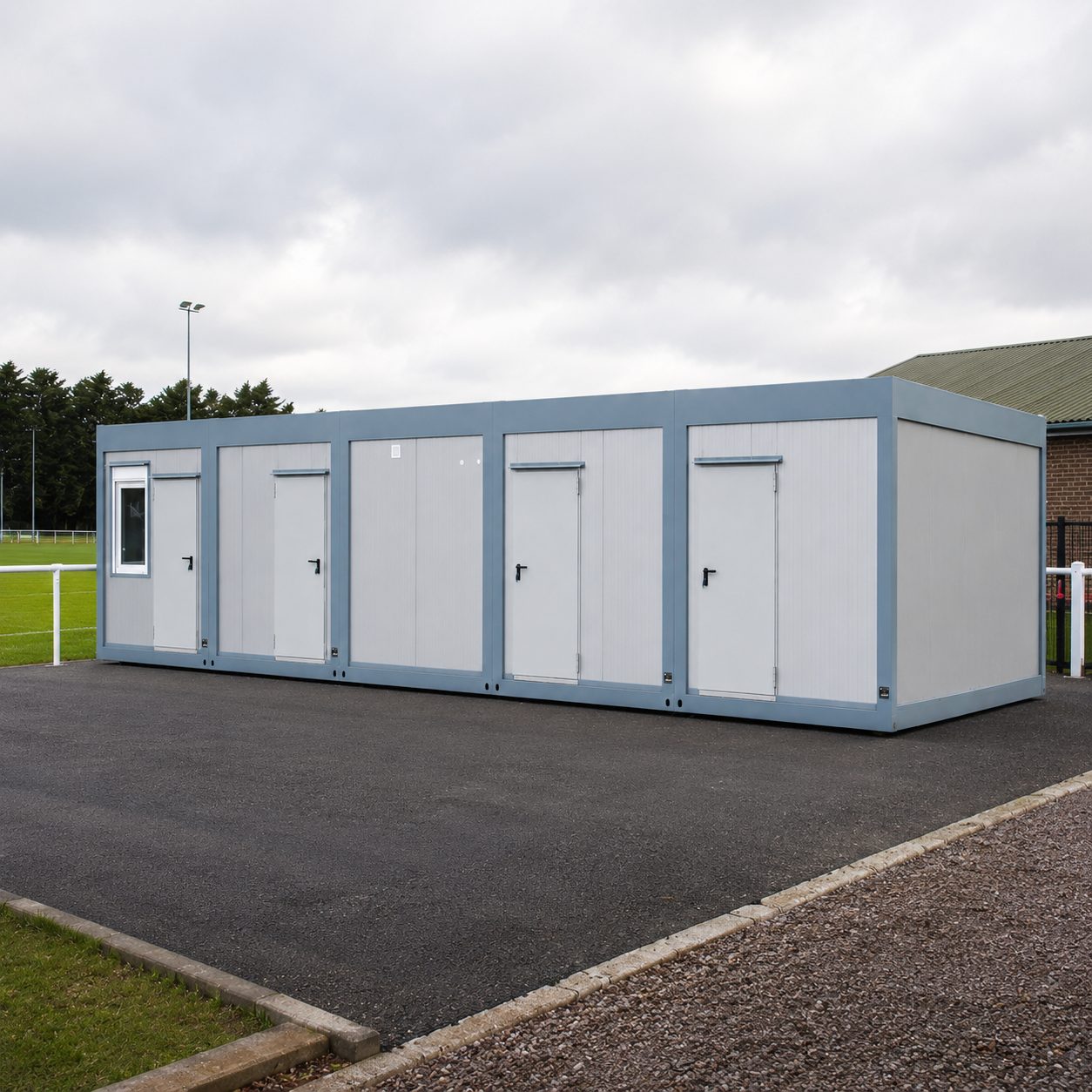

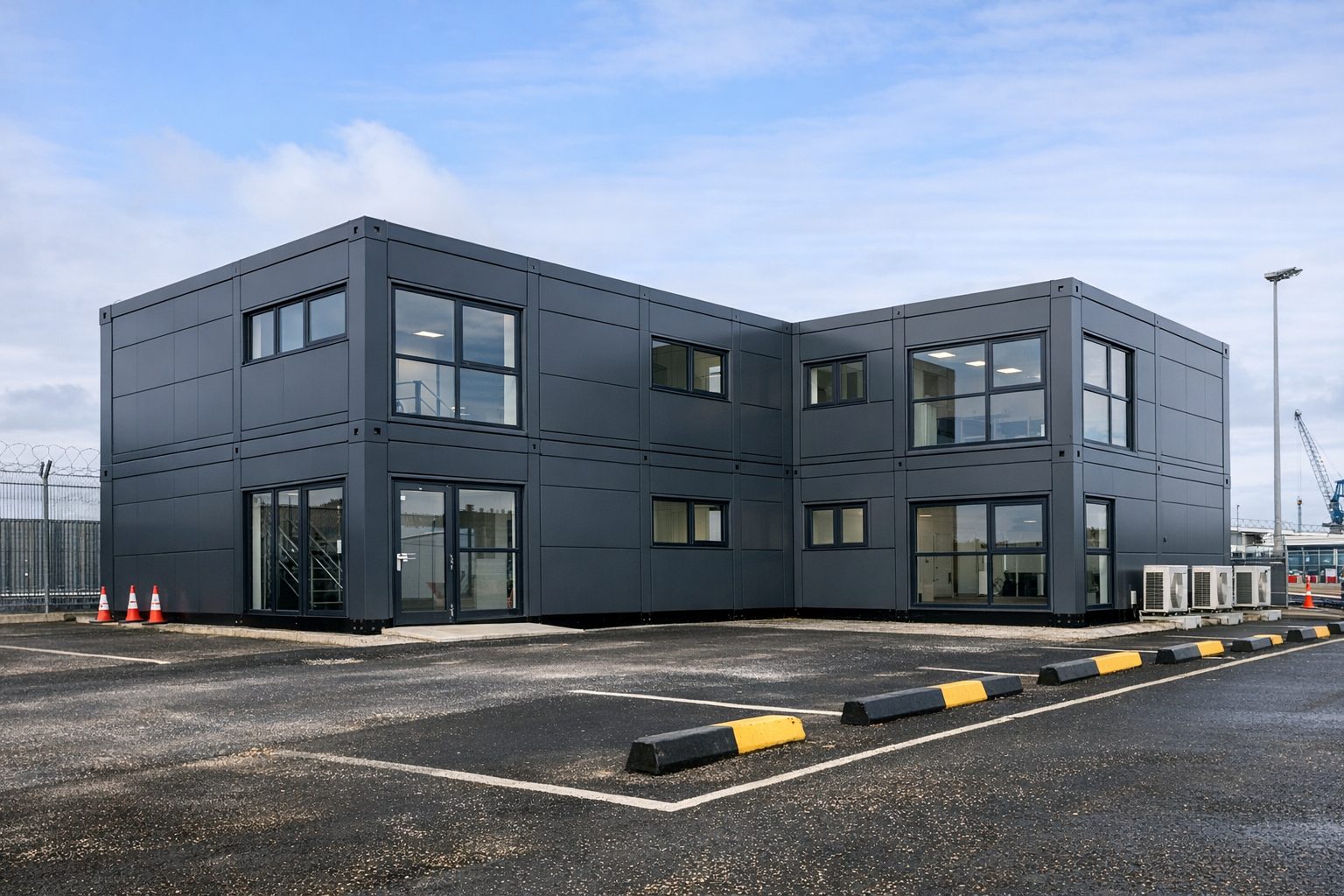
Sustainable modular building buyer checklist
Use these questions before comparing quotes. They help separate general sustainability language from project-specific value.
- Building use: What will the building be used for and how many people will occupy it?
- Design life: Is the building temporary, long-term, permanent, relocatable or likely to be extended?
- Fabric performance: What insulation, glazing, airtightness and thermal performance are required?
- Services: What heating, cooling, ventilation, lighting, controls, water and drainage are needed?
- Material choices: Are there preferences for cladding, flooring, internal finishes or lower-impact materials?
- Waste control: How will design changes, factory waste and site waste be managed?
- Transport and access: How many loads, lifting requirements and delivery constraints are expected?
- Future reuse: Should the building be designed for relocation, extension, reconfiguration or dismantling?
- Evidence needs: Do you require ESG, carbon, procurement, planning or stakeholder documentation?
- Approval route: What is known about planning, Building Control, fire, accessibility and local authority requirements?
What KC needs to quote a sustainability-focused modular building
To recommend the right route, KC needs enough information to understand the practical brief, not just the sustainability ambition. A clear brief helps avoid comparing quotes that are not like-for-like.
| Information KC needs | Why it matters | Example detail to send |
|---|---|---|
| Building type and use | Use affects specification, occupancy, services, approvals and operating hours. | Office, classroom, welfare unit, clinic, showroom, hospitality or sports facility. |
| Approximate size or room schedule | Area, layout and repetition affect material use, heating/cooling load and cost. | Footprint, number of rooms, toilets, kitchen, reception, storage and staff areas. |
| Site postcode and access photos | Transport, lifting and installation assumptions affect programme and logistics. | Gate widths, approach roads, turning space, overhead cables, trees and working hours. |
| Temporary or permanent requirement | Design life affects structure, foundations, services, relocation potential and approval route. | Expected use period, future relocation, possible extension or long-term occupation. |
| Energy and comfort priorities | Operational energy and user comfort are driven by fabric, M&E and operating pattern. | Hours of use, heating/cooling expectations, ventilation needs and occupancy level. |
| Evidence or ESG requirements | Public sector, corporate or planning requirements may need additional documentation. | Carbon reporting, waste reporting, procurement requirements, BREEAM targets or internal ESG criteria. |
Related KC pages
Helpful external guidance
These sources are useful starting points for buyers reviewing sustainability, carbon, waste and energy-performance assumptions. They do not replace project-specific advice.
FAQ
Are modular buildings more sustainable than traditional construction?
They can be, but it depends on the whole project. Modular construction can support controlled manufacture, reduced avoidable waste, shorter site programmes and future reuse. The result still depends on materials, structure, services, transport, foundations, operational energy, maintenance and end-of-life assumptions.
What makes a modular building sustainable?
A modular building is more sustainable when it is designed around whole-life carbon, efficient material use, good fabric performance, appropriate services, reduced site waste, future adaptability and clear end-of-life planning. The building use, lifespan, site conditions and specification need to be reviewed before making sustainability claims.
Can modular buildings reduce construction waste?
Factory-led manufacture can help reduce avoidable waste because materials, processes and sequencing are more controlled. However, waste reduction is not guaranteed. It depends on design stability, accurate ordering, manufacturing practice, site preparation, late design changes and how waste streams are managed.
Do sustainable modular buildings need planning permission?
They may do. Sustainability does not remove planning, Building Regulations, Building Control, fire safety, accessibility or site-specific requirements. The approval route depends on intended use, duration, size, location, local authority position, specification and whether the building is temporary or permanent.
Does a sustainable modular specification cost more?
Sometimes. Better fabric performance, upgraded glazing, efficient heating and cooling, enhanced controls, specialist materials or additional reporting can increase upfront cost. The commercial decision should consider operating costs, user comfort, design life, reuse potential and whether the specification is required for approval, procurement or ESG reporting.
Can modular buildings be reused or relocated?
Some modular buildings can be designed with relocation, reconfiguration or future extension in mind. This should be discussed at the first quote stage because structure, foundations, service connections, access and installation details can affect whether later reuse is practical.
What should I ask for in a sustainable modular building quote?
Ask for clear assumptions around building fabric, services, foundations, transport, installation, materials, waste control, evidence requirements, exclusions and future adaptability. Also confirm what information the supplier needs from you, including site postcode, access photos, intended use, operating hours and required performance targets.
Need a modular building with clearer sustainability assumptions?
Send KC your intended use, approximate size, site postcode, access photos, target date and sustainability priorities. The team can help review whether ISO frame, bespoke modular, portable cabin, container conversion or another modular route is likely to suit the project.