
Benefits
Benefits of a Home Garden Office: Why UK Homeowners Choose Outdoor Workspace
A home garden office can create a dedicated place to work, reduce household disruption, improve privacy, support year-round productivity and give unused garden space a practical purpose. This guide explains the real benefits, design choices and checks UK homeowners should consider before ordering.
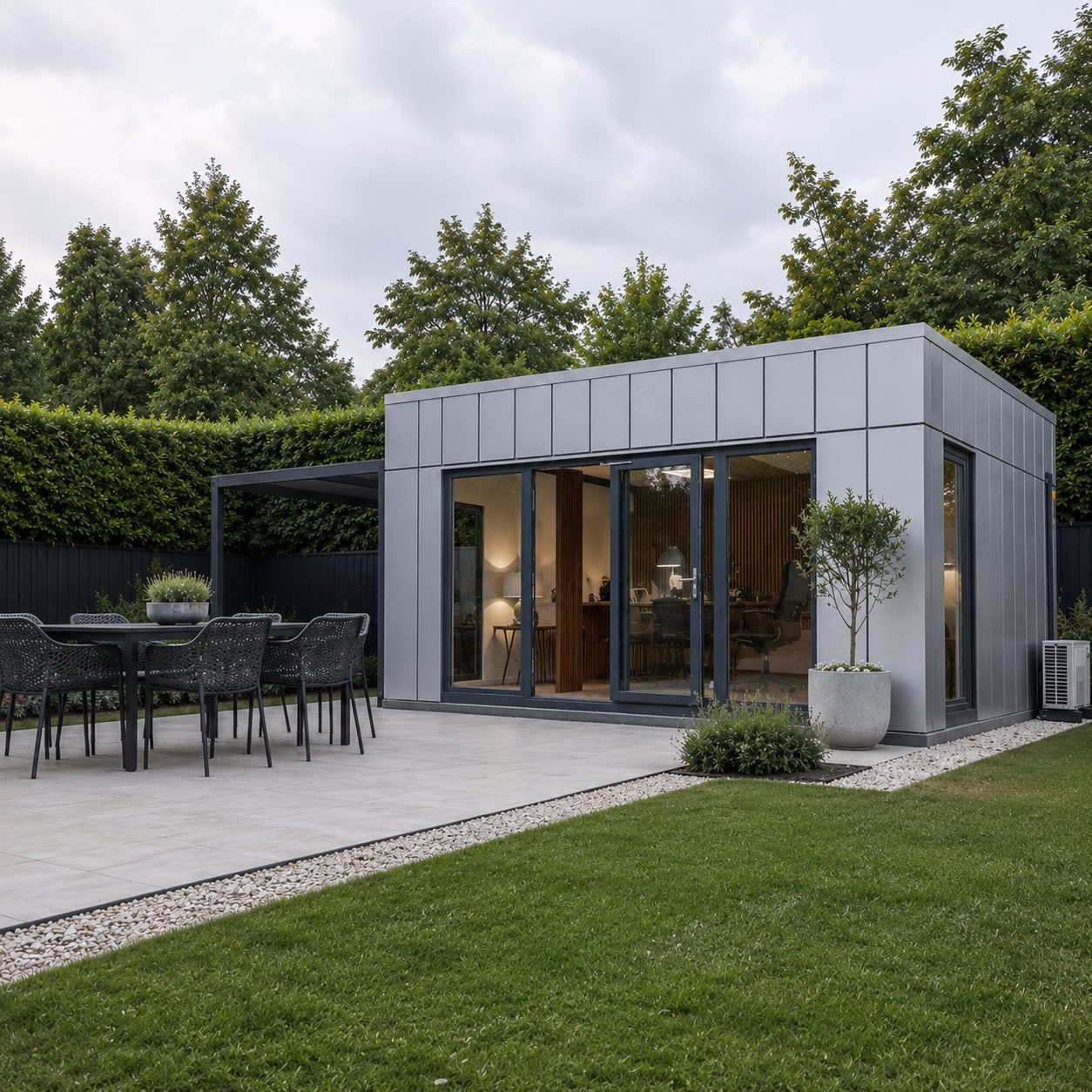
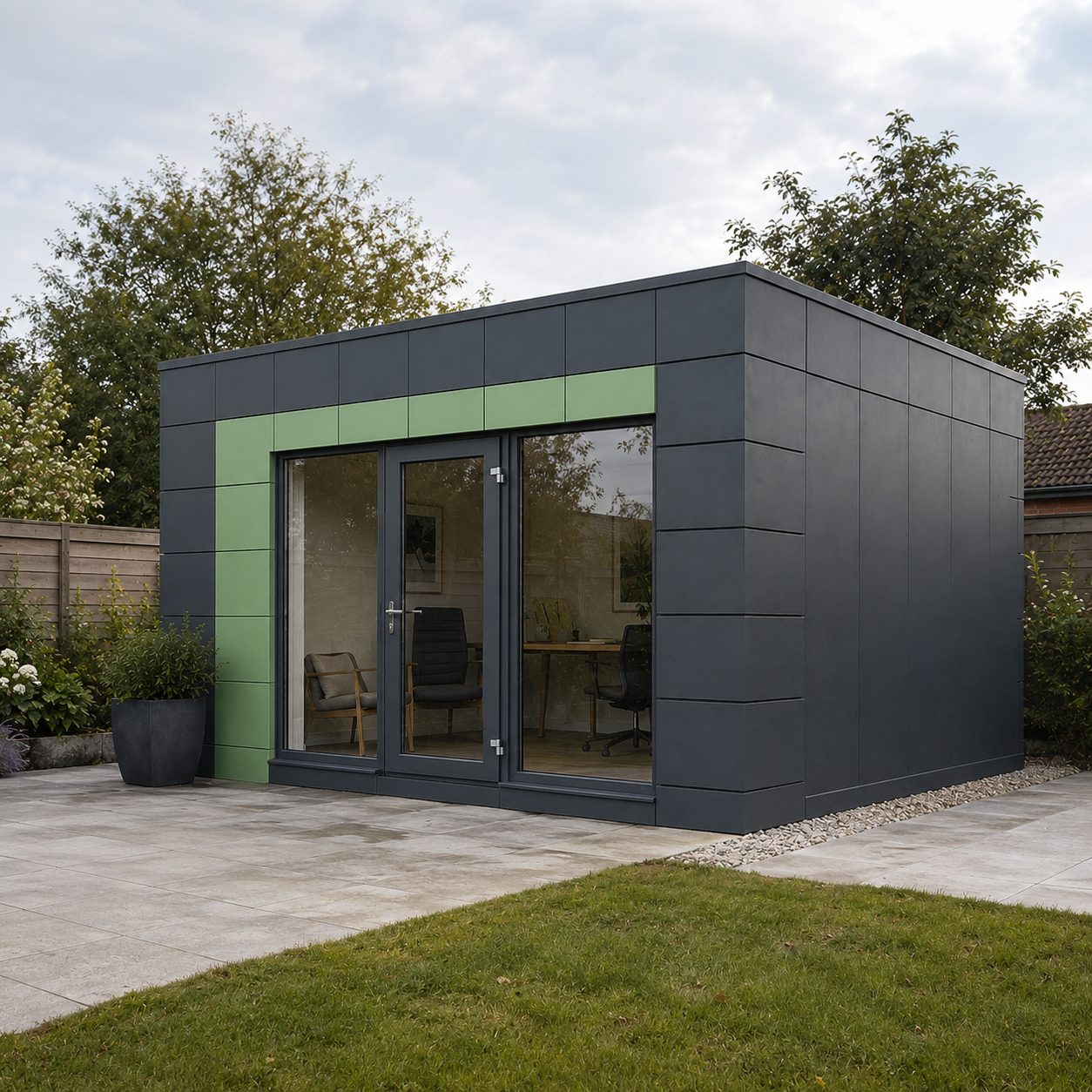
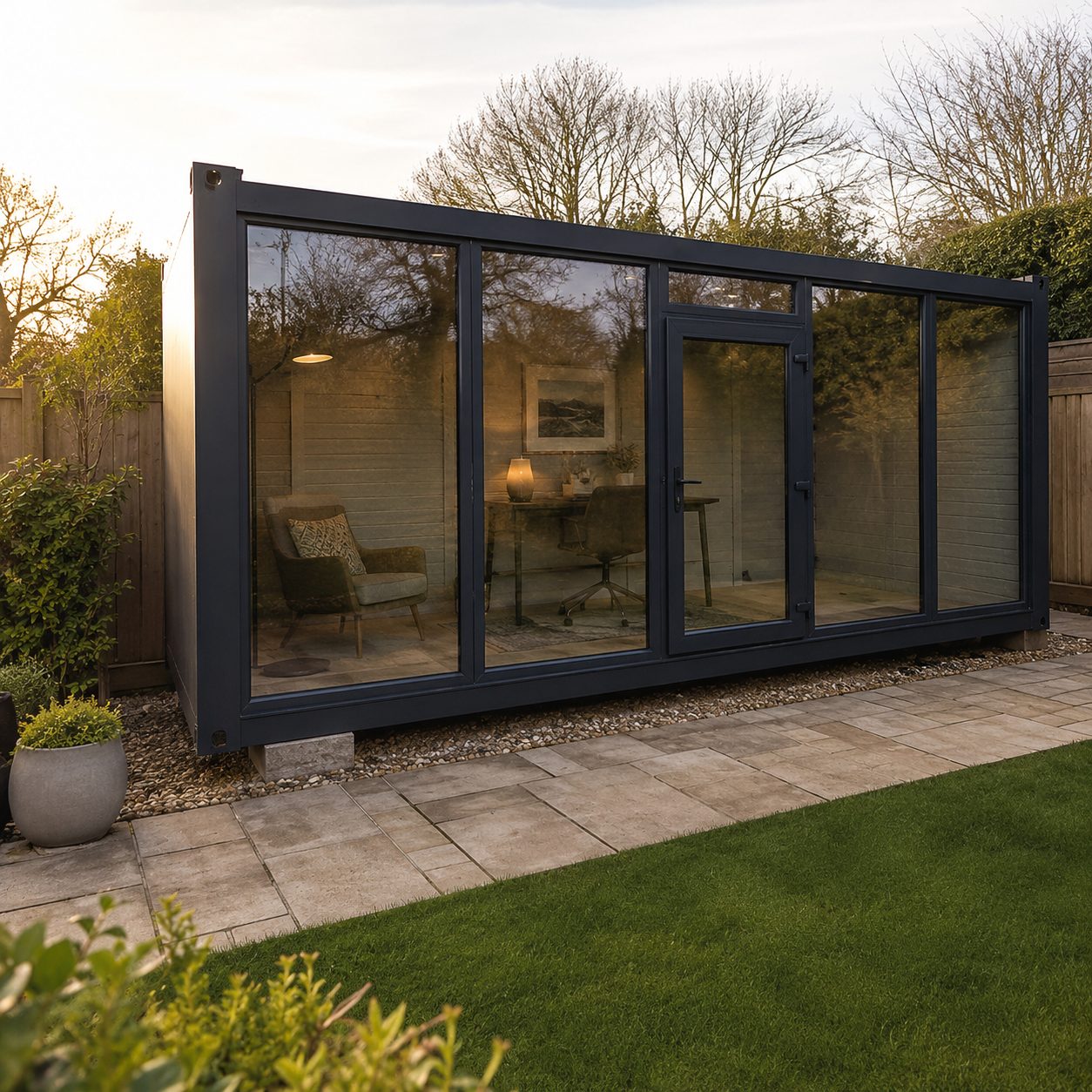
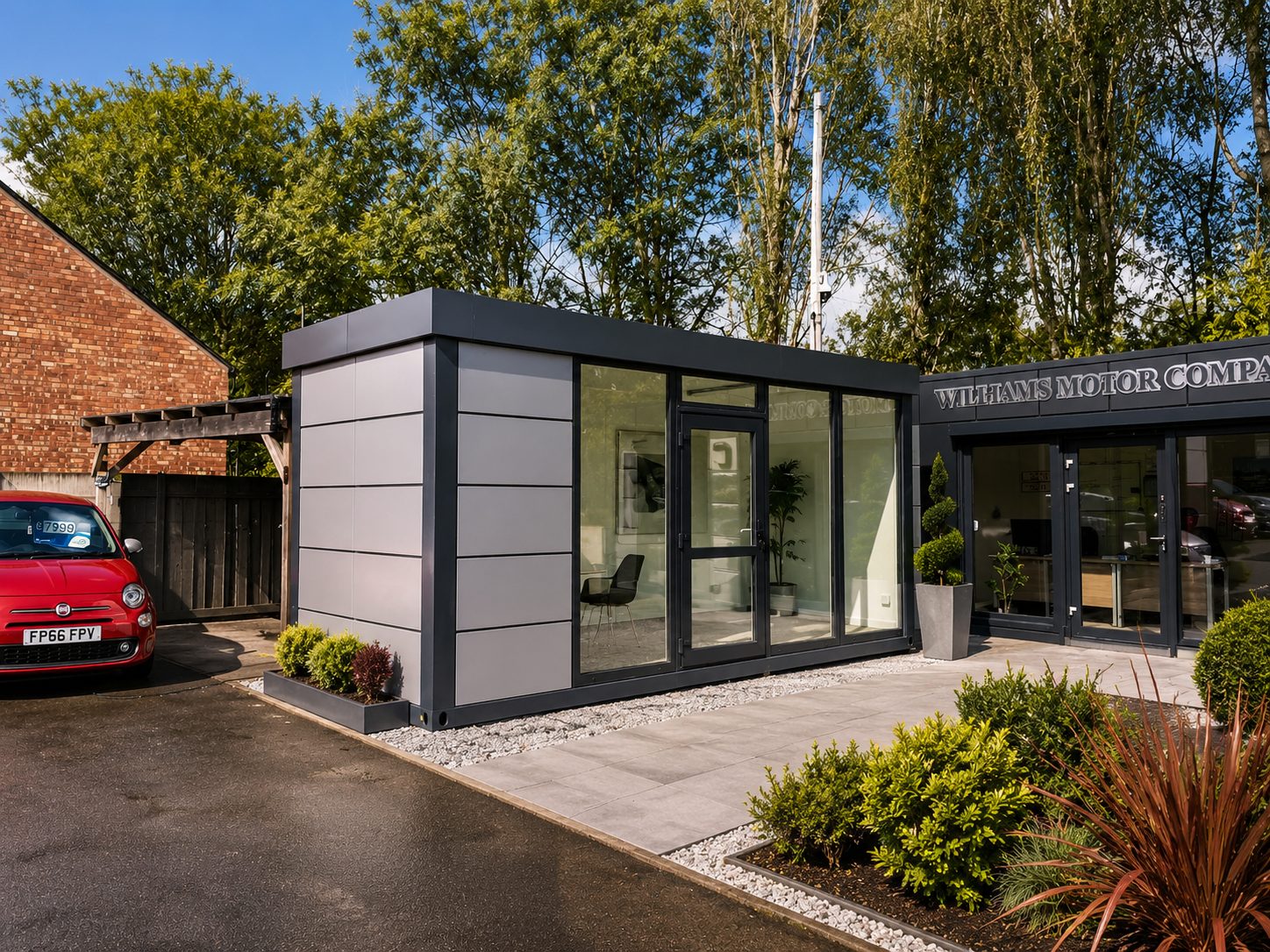
Quick answer
A home garden office gives you a dedicated work-from-home space outside the main house. The main benefits are separation from household noise, better routine, improved privacy, more usable internal space, a professional background for calls, flexible future use and a garden building that can be designed around your work pattern. The best results come from choosing the right size, insulation, glazing, heating, electrics, access route and external finish before the quote is finalised.
Why homeowners choose a home garden office
Working from the kitchen table, spare bedroom or dining room can work for a short period, but it often becomes impractical. A home garden office creates a defined workspace away from everyday household activity while keeping you close to home.
For many UK homeowners, the appeal is simple: you gain a professional, comfortable and flexible work area without committing to a full house extension. A modular garden office can be designed around the garden, the house, your work style and the level of finish you need.
FocusDedicated workspace away from household interruptions
PrivacyBetter separation for calls, meetings and quiet work
ComfortInsulated space planned for year-round working
FlexibilityFuture use as studio, gym, treatment room or retreat
Key benefits of a home garden office
1. Clear separation between work and home
A garden office creates a physical boundary. You can leave the house to start work and leave the office to end the day, without commuting.
2. More control over noise and interruption
A separate garden workspace can reduce disruption from family life, appliances, pets, visitors and shared rooms inside the house.
3. A professional setting for calls and meetings
A clean, well-lit garden office gives a stronger background for video calls and a more serious setting for client or supplier conversations.
4. Better use of unused garden space
A well-positioned garden office can turn underused outdoor space into a practical room for work, study, administration or creative projects.
5. Year-round comfort when insulated properly
With suitable insulation, glazing, heating and ventilation, a garden office can be designed for winter mornings and summer afternoons.
6. Flexible future use
A home garden office can later become a studio, gym, hobby room, treatment space, teen room or quiet retreat, depending on layout and specification.
Home garden office benefits decision table
The benefit you get depends on how the building is designed. A desk-only office, creative studio and client-facing workspace need different decisions.
| Benefit wanted | Design choice that supports it | What to confirm before quoting |
|---|---|---|
| Better focus | Quiet position in the garden, insulated structure, blinds and desk-facing layout. | Distance from the house, noise sources, desk position, Wi-Fi/data and lighting. |
| Professional work setting | Clean exterior finish, large glazing, proper electrical layout and uncluttered background. | Video-call background, sockets, heating, lighting, wall finishes and storage. |
| Year-round use | Insulated walls, roof and floor, suitable glazing, heating and ventilation. | Heating preference, use pattern, glazing orientation and winter/summer comfort expectations. |
| Space-saving inside the home | Garden office sized around desk, chair, shelves, printer and storage. | Furniture dimensions, number of users, files/equipment and storage needs. |
| Client-facing use | Smart approach route, privacy, cleanable finishes, waiting/entry logic and professional appearance. | Insurance, business use, planning position, client access, toilet needs and public liability. |
| Future flexibility | Open-plan layout, durable floor, adaptable electrics and simple furniture zoning. | Potential future uses: gym, studio, hobby room, treatment room or retreat. |
How to design a home garden office that works every day
1. Start with how you actually work
Before choosing the size, decide how the office will be used. A laptop-only workspace needs less room than a dual-screen desk, printer, filing storage, sample shelves, meeting table or creative equipment. The best home garden office is sized around the daily routine, not guesswork.
2. Plan daylight without over-glazing
Large glazed doors can make a garden office feel premium and open. However, too much glass can create glare, privacy issues and heat gain. A strong glazed frontage with blinds and sensible orientation often gives a better balance than glazing on every side.
3. Treat insulation as a core benefit
Insulation is one of the main reasons to choose a proper garden office instead of a basic shed. Walls, roof, floor, doors and glazing should all be considered together. If the office is used through the year, comfort should not depend on running a heater constantly.
4. Make electrics part of the design
Socket locations, lighting, heating, external lights, Wi-Fi or data routes, charging points and equipment loads should be discussed before the design is fixed. Late electrical changes can complicate the build and make the space less practical.
5. Connect the office to the garden
A small patio, clear path, external light and level threshold can make the garden office feel like a finished part of the home rather than a separate box at the end of the garden. The outside approach matters as much as the desk position inside.
Benefits by use case
| Use case | Main benefit | Specification to discuss |
|---|---|---|
| Desk-based home office | Focused daily work without taking over a room inside the house. | Desk layout, sockets, lighting, heating, blinds and Wi-Fi/data route. |
| Creative studio | A separate room for making, editing, designing, writing or recording. | Open floor area, storage, acoustic comfort, wall finish and equipment needs. |
| Client-facing workspace | A more professional setting for appointments or private consultations. | Insurance, business use, privacy, access, finish, seating, toilets and public liability checks. |
| Hybrid office and retreat | Work during the day and quiet leisure use outside office hours. | Flexible furniture, soft lighting, heating, blinds, storage and garden connection. |
| Future studio or gym | A long-term flexible room that can change with household needs. | Durable flooring, ventilation, open layout, power provision and equipment clearance. |
Planning, Building Regulations and business-use checks
Many garden offices may fall under permitted development, but only where the relevant limits and conditions are met. Height, position, use, location, boundary distance, listed-building status and designated land can all affect the position.
Building Regulations approval is separate from planning permission. A simple detached garden office used incidentally to the home may be treated differently from sleeping accommodation, plumbing-heavy use, client-facing commercial use or a self-contained annexe.
If the garden office will be used for business activity, check insurance, mortgage or landlord conditions, local planning position and whether business rates may be relevant. GOV.UK states that running a business from home may require permission or separate insurance, and business rates should be checked where relevant.
Safe homeowner checklist
- Check whether the proposed garden office meets permitted development limits and conditions.
- Confirm whether Building Regulations approval is relevant to the size, use and specification.
- Tell your insurer before installation and confirm structure and contents cover.
- Check business-use restrictions if clients, customers, stock, employees or equipment are involved.
- Check leasehold, mortgage, landlord, neighbour or estate restrictions where relevant.
How to keep a home garden office cost-effective
The cheapest visible option is not always the best value. A very basic structure may cost less upfront, but poor insulation, awkward layout, limited electrics or weak doors can reduce daily usability.
For cost control, focus on a clear specification:
- Choose a simple footprint rather than a complex shape.
- Size the office around furniture and equipment, not guesswork.
- Use a smart but practical exterior finish.
- Invest in insulation, doors, glazing and electrics where they affect daily use.
- Control glazing so the room is bright without becoming overheated or exposed.
- Prepare access photos and site details early to reduce quote uncertainty.
- Decide whether the room is office-only or needs future studio, gym or treatment flexibility.
Home garden office image gallery and SEO metadata
The following image metadata is ready for WordPress Media Library use. It supports search intent around home garden office, garden office UK, insulated garden office, modular garden rooms and work-from-home garden room design.
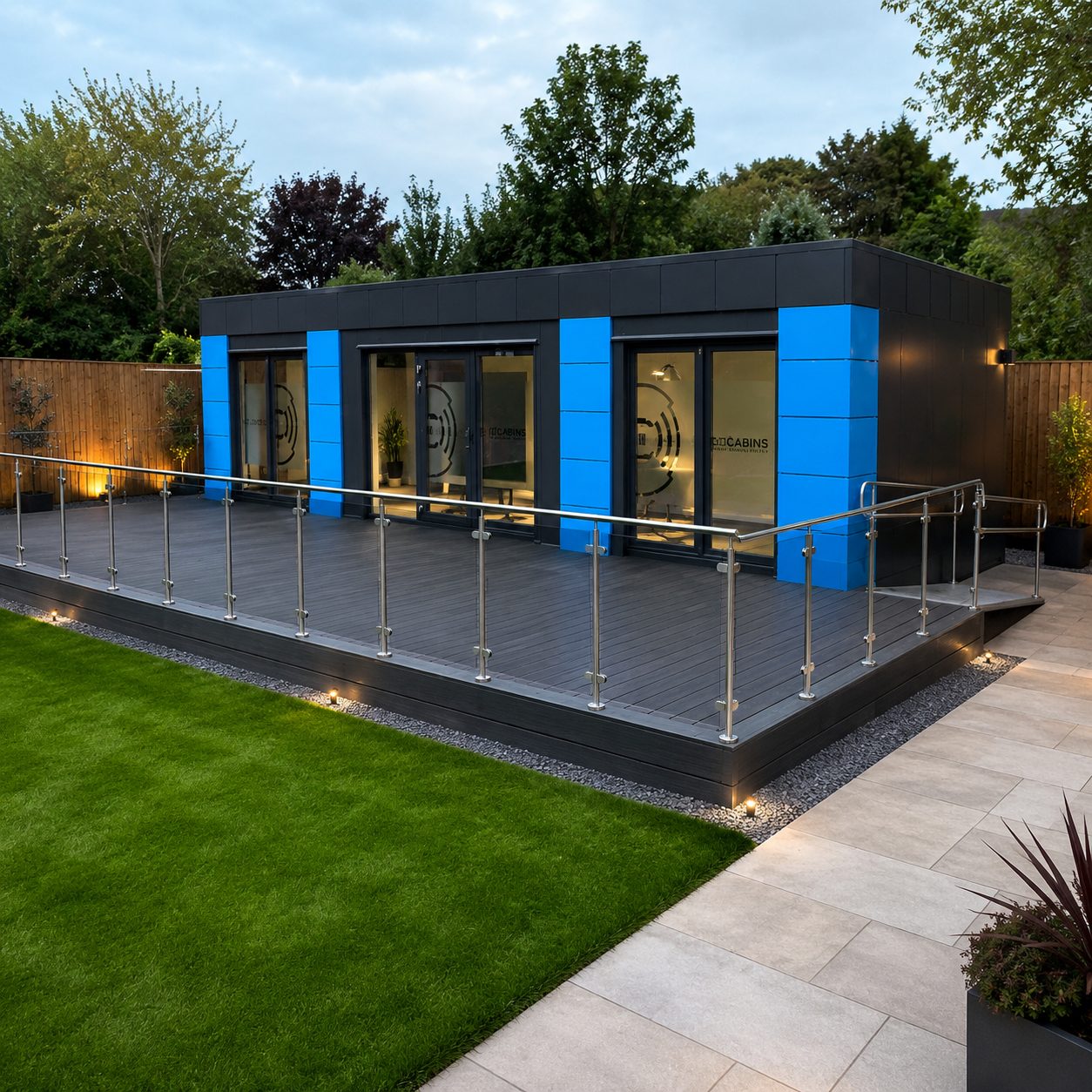
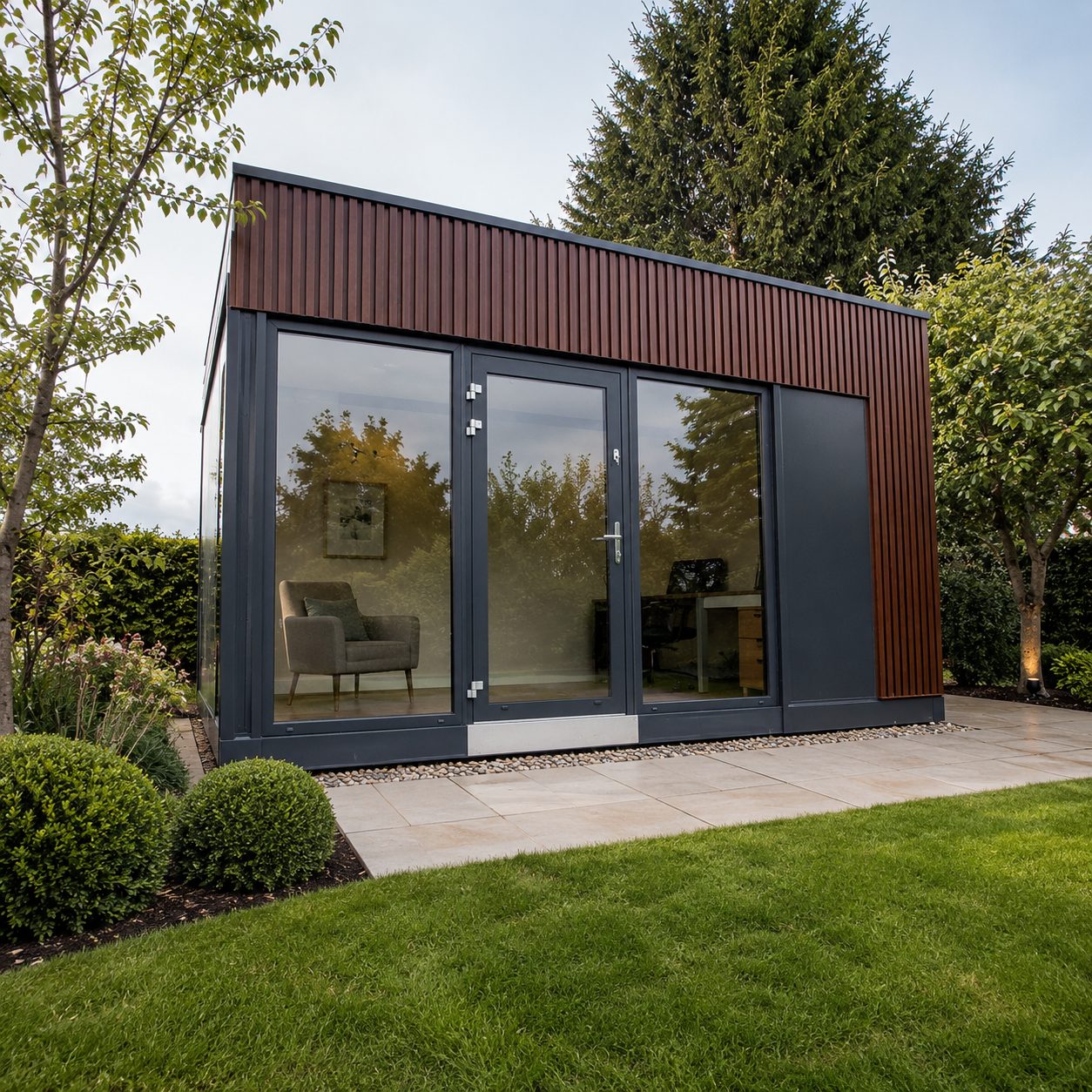
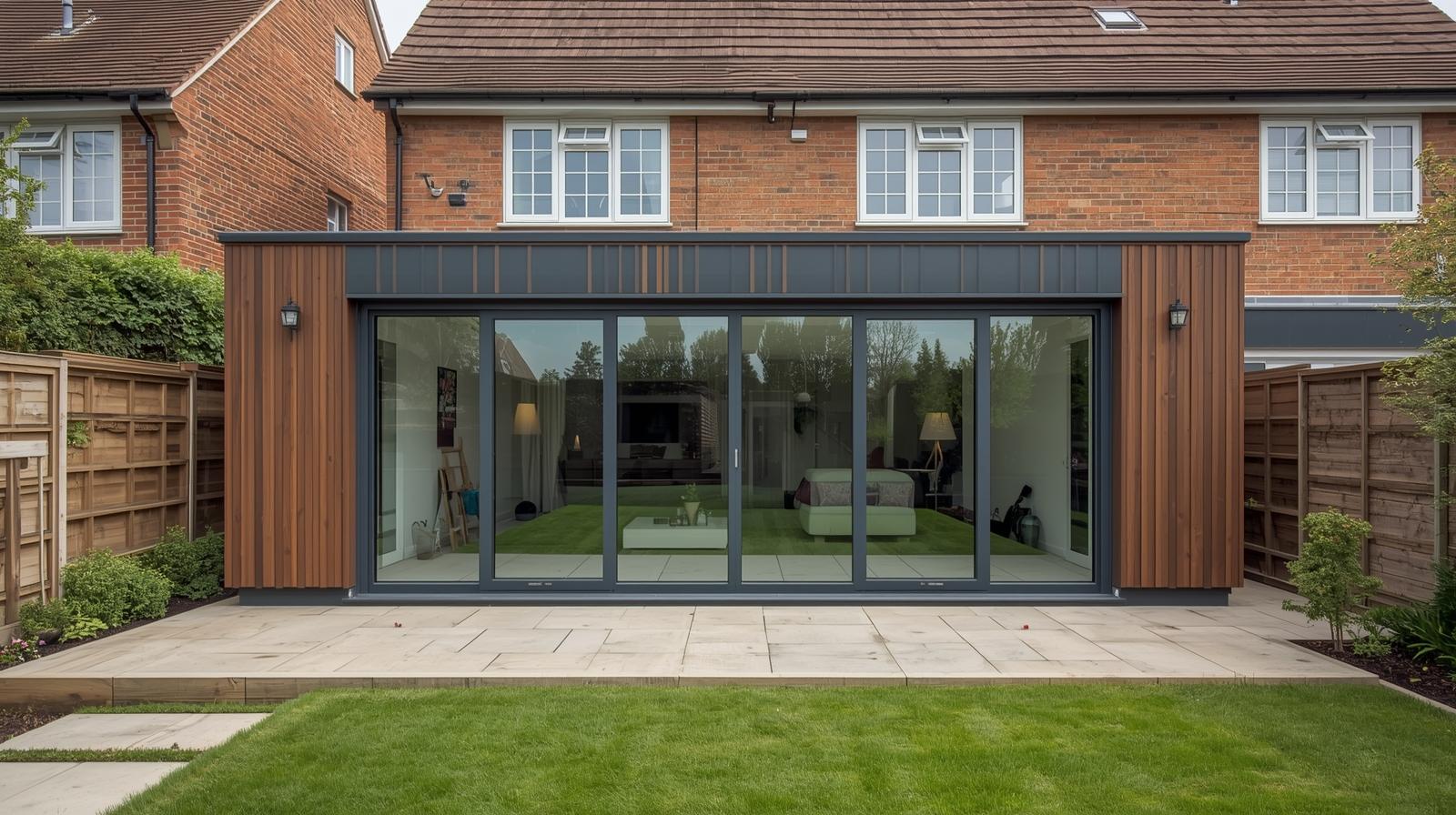
Description: A strong glazed elevation and clean grey exterior can create a professional work-from-home setting.
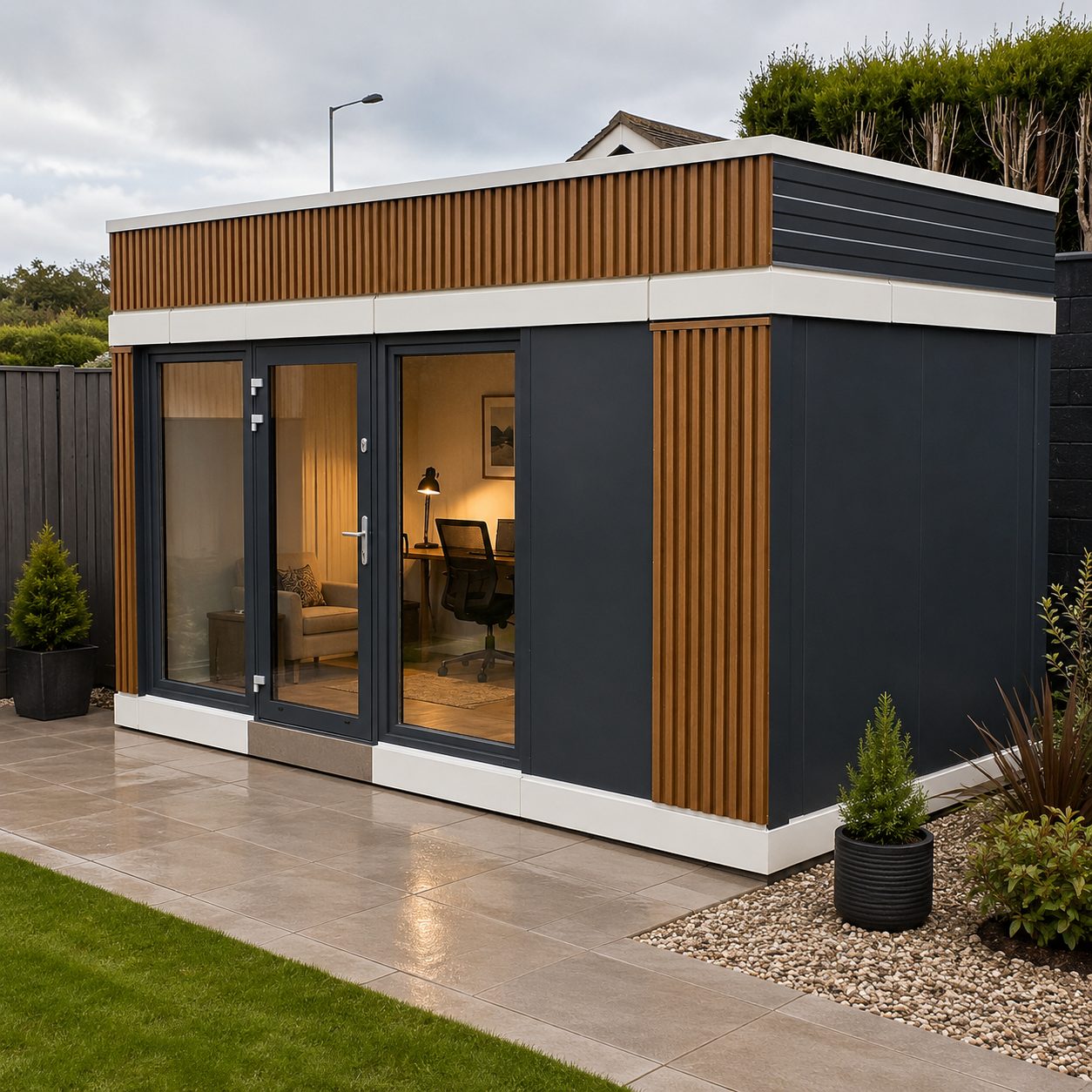
Description: A simple rectangular garden office can provide focused workspace without overcomplicating the design.
Description: Patio connection, lighting and access route can make the office feel integrated with the home.
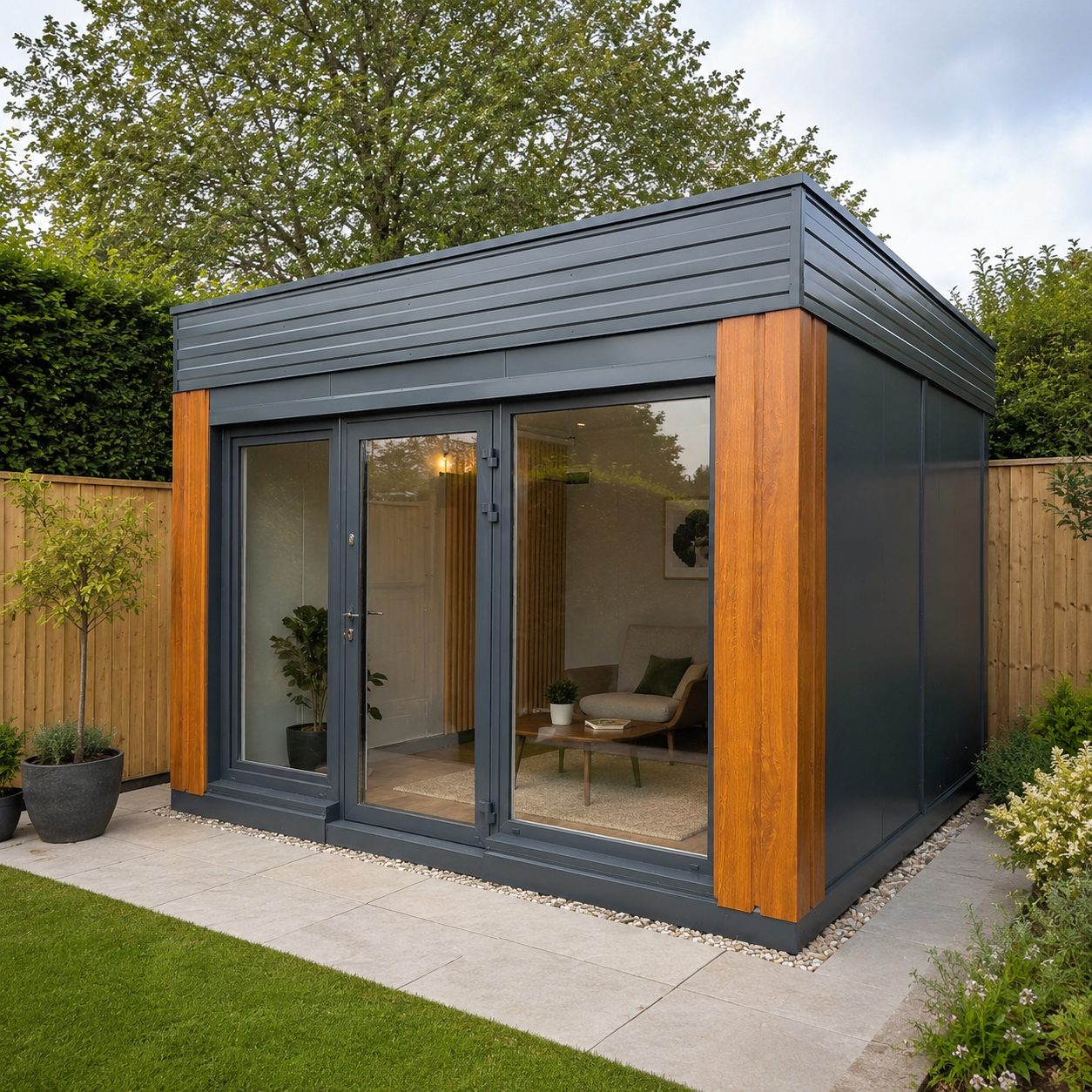
Description: Controlled glazing and a modern finish can create a high-quality video-call and work setting.
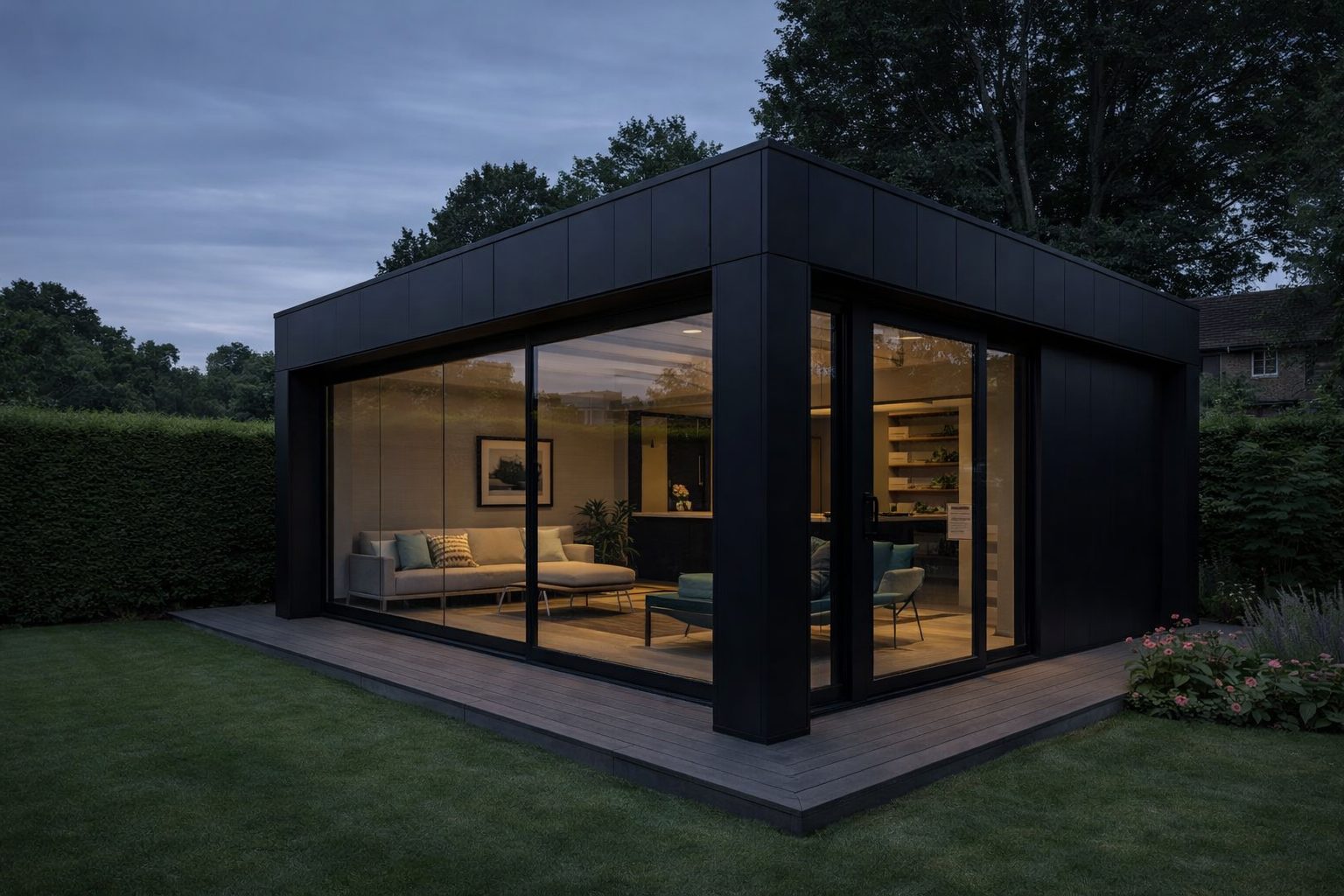
Description: Open-plan layouts support future use as a studio, gym, treatment room or retreat.
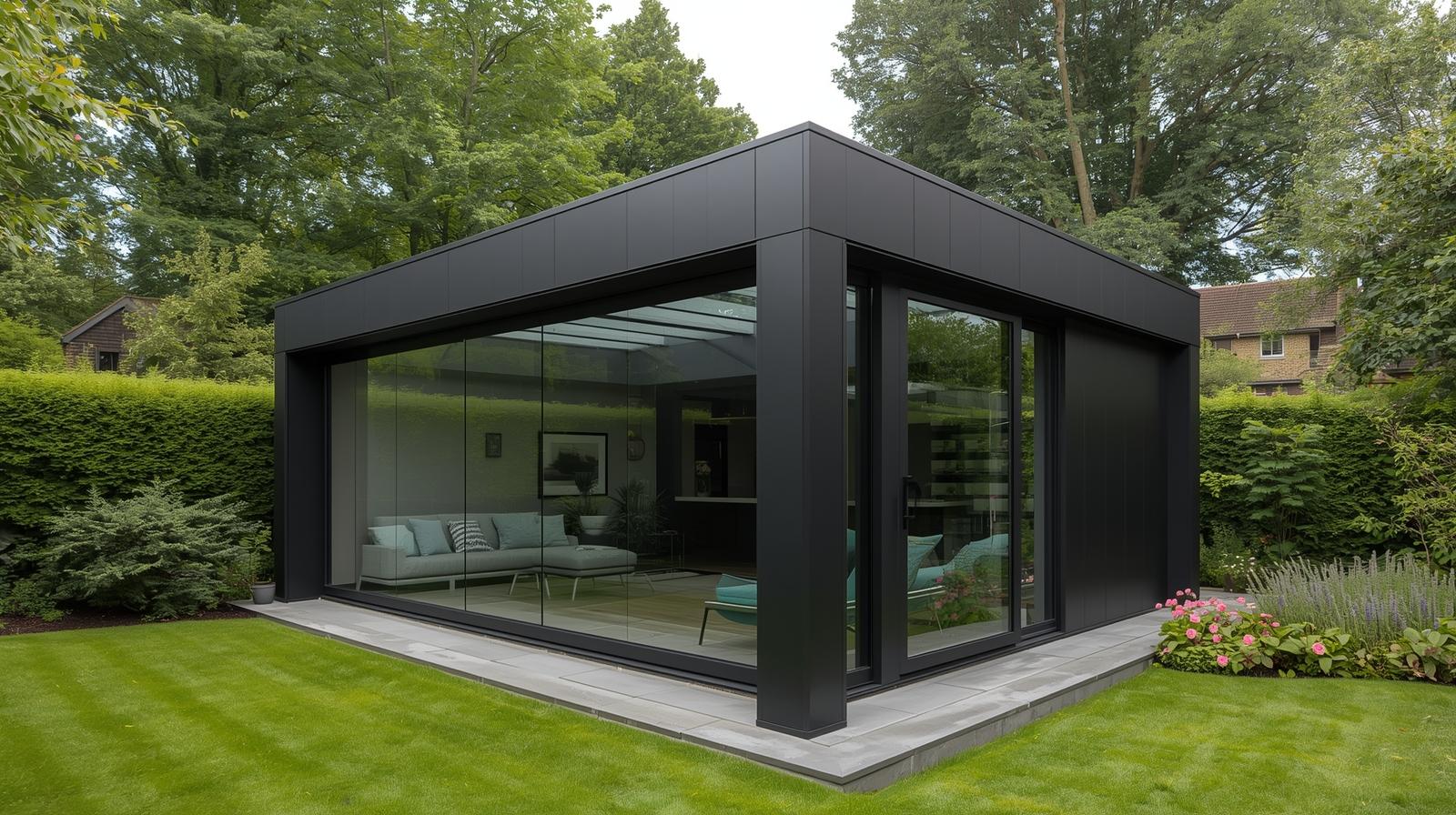
Description: A grey external finish can sit cleanly in a UK residential garden while maintaining a professional look.
Description: Simple forms often help control cost while delivering strong daily usability.
Description: The approach and surrounding garden can make the office feel like a finished extension of the home.
Description: A modular garden office can be specified around desk layout, insulation, glazing and year-round comfort.
Description: Smaller garden offices can work well where the main requirement is focused desk space and privacy.
Description: Dark cladding can create a strong design statement where the garden and planning context suit it.
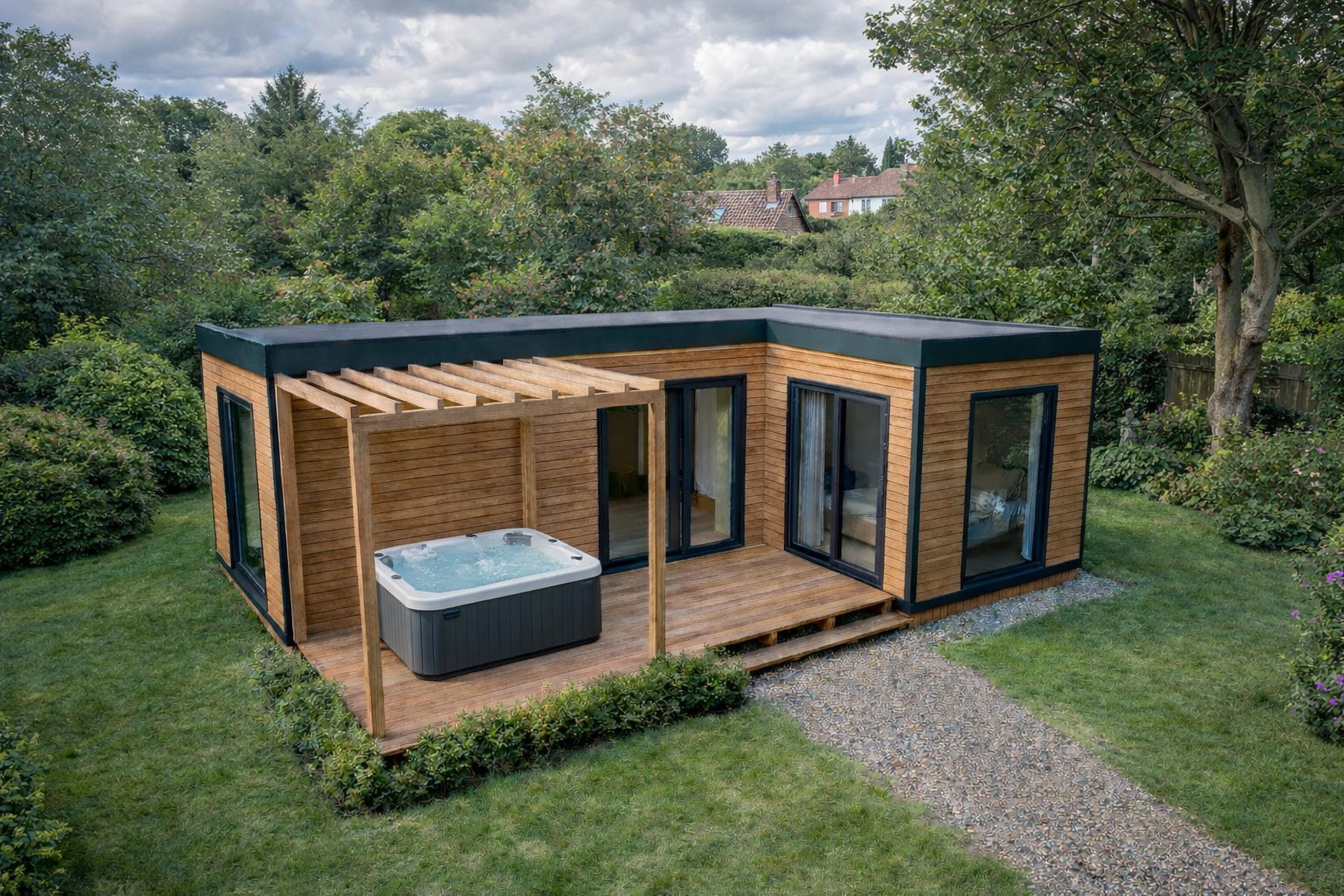
Description: Premium cladding and outdoor leisure features can support dual office and retreat use.
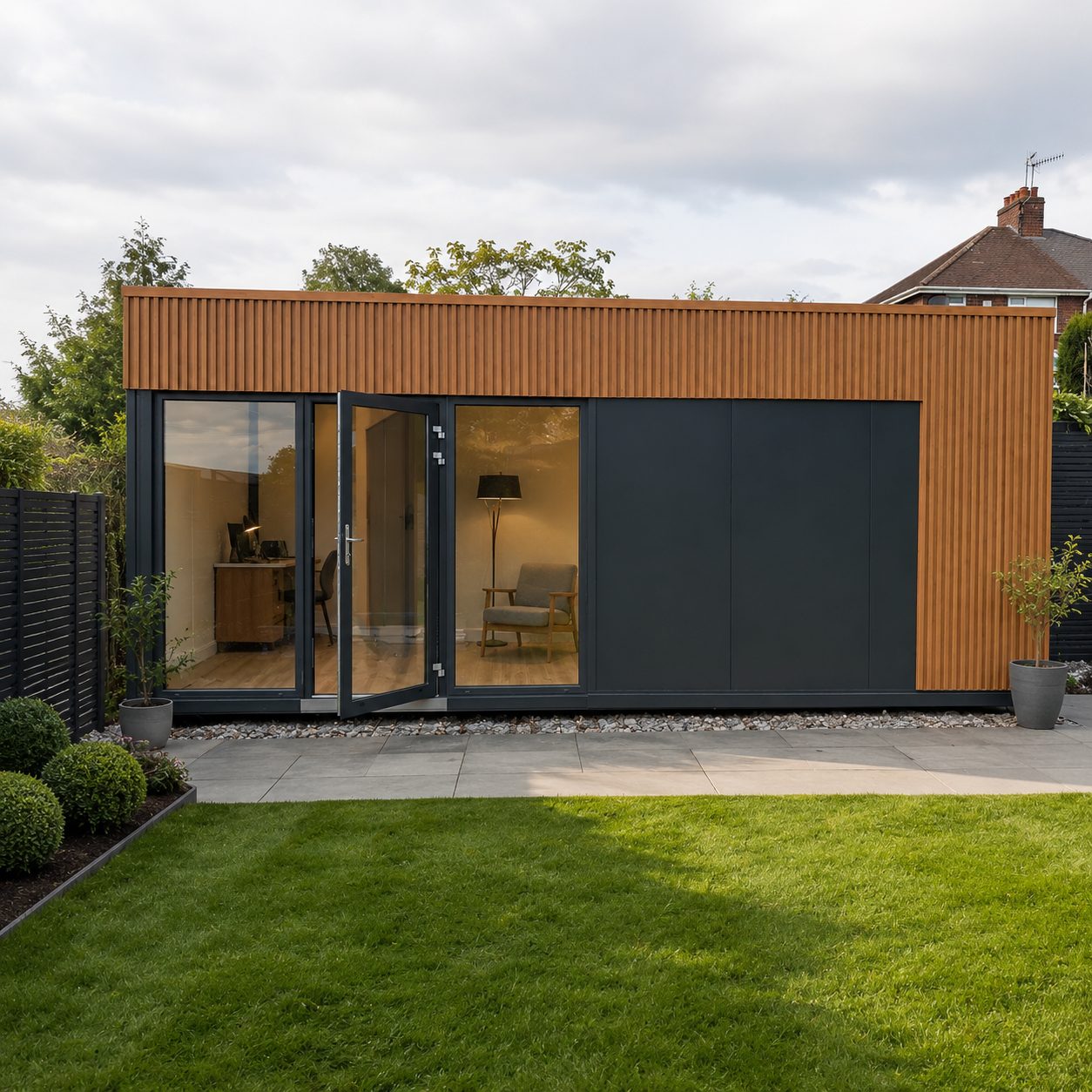
Description: Timber-style finishes can create a warmer residential look for garden offices, studios and retreats.
What KC needs to quote a home garden office
To recommend the right modular garden office specification, KC Cabins Solutions Ltd usually needs practical information about the property, access route, intended use and finish expectations.
- Property postcode and delivery location
- Intended use: home office, studio, treatment room, gym, retreat or mixed use
- Approximate size or preferred footprint
- Photos of the proposed garden position
- Photos of side access, gates, steps, slopes, narrow routes and ground condition
- Desk layout, number of users and furniture/equipment requirements
- Preferred exterior finish: grey, black, timber-effect, composite, slatted or other
- Door and glazing preference
- Electrical needs: sockets, heating, lighting, data/Wi-Fi route, external lighting and equipment loads
- Whether client visits, business use, plumbing, WC or overnight use is being considered
- Any known planning, Building Regulations, leasehold, neighbour, mortgage or insurance restrictions
- Target installation period and budget direction
Ready to plan your home garden office?
Send your postcode, intended use, approximate size, access photos and preferred finish. KC can discuss a modular garden office design that supports focus, comfort and practical work-from-home use.
Helpful official guidance
Frequently asked questions
What are the main benefits of a home garden office?
The main benefits are better focus, separation from household noise, a professional work setting, improved privacy, more usable space inside the house and future flexibility. A garden office can later be adapted for studio, leisure, gym or retreat use if the layout and specification are planned properly.
Is a garden office better than using a spare room?
A garden office can be better when you need stronger work-life separation, fewer interruptions, a professional call environment or a room that is not competing with guests, storage or family use. A spare room may still be enough if the work is occasional and privacy is not a problem.
Can a home garden office be used all year round?
Yes, if it is designed for year-round use. The specification should include suitable insulation, glazing, heating, ventilation, electrics and moisture control. Comfort also depends on building size, orientation, shade, exposure and the way the room is used.
Does a garden office need planning permission?
Some garden offices may fall within permitted development limits, but this is not automatic. Planning position depends on size, height, location, use, designated land, listed status, boundaries and property-specific restrictions. Check the project-specific position before ordering.
Does working from a garden office affect insurance?
It can. You should tell your insurer before installation and explain how the garden office will be used. Check structure cover, contents cover, business equipment, client visits, public liability, business use and any high-value items kept in the building.
Can clients visit a home garden office?
Client visits may change planning, insurance, access, parking, public liability and business-use considerations. If the building will be used for treatment, consultation, therapy, beauty, teaching or other client-facing services, this should be checked before the design and quote are finalised.
What should I include in a garden office quote request?
Send your postcode, intended use, approximate size, garden photos, access photos, desk and equipment requirements, preferred exterior finish, glazing preference, electrical requirements and target date. Mention any known planning, leasehold, mortgage, insurance or neighbour restrictions.
Request a modular home garden office quote
KC Cabins Solutions Ltd supplies modular garden offices and garden rooms for UK homeowners who need a dedicated workspace, studio, gym, treatment room or private retreat outside the main house.
Primary phone: 01782 561110
Mobile: 07443 564 451
Email: [email protected]
Website: www.kcmodularbuildings.co.uk
Scope boundary: This article is general homeowner guidance only. It is not planning, Building Regulations, legal, tax, mortgage or insurance advice. Final suitability, specification, price, delivery method, foundation route, electrical works, planning position, Building Regulations position, business-use position, insurance cover and installation programme depend on the property, intended use, size, garden access, ground conditions, utilities, insurer, local authority position and project-specific requirements. KC Cabins Solutions Ltd acts as modular building supplier and installation contractor only unless a wider scope is agreed in writing.