
FAQ / System Guide
Modular Construction Techniques: Buyer FAQ for UK Modular Buildings
Modular construction is not one single method. Buyers may be comparing volumetric modular, panelised systems, ISO frame buildings, bespoke modular construction, container conversions, pods, hybrid offsite methods or portable cabins. This guide explains the main techniques and how to choose the right route before requesting a quote.
3D modules
Volumetric units manufactured before delivery.
2D systems
Panels or frames assembled on site.
ISO frame
Transportable frame-led modular route.
Bespoke modular
Project-specific layout, finish and specification.
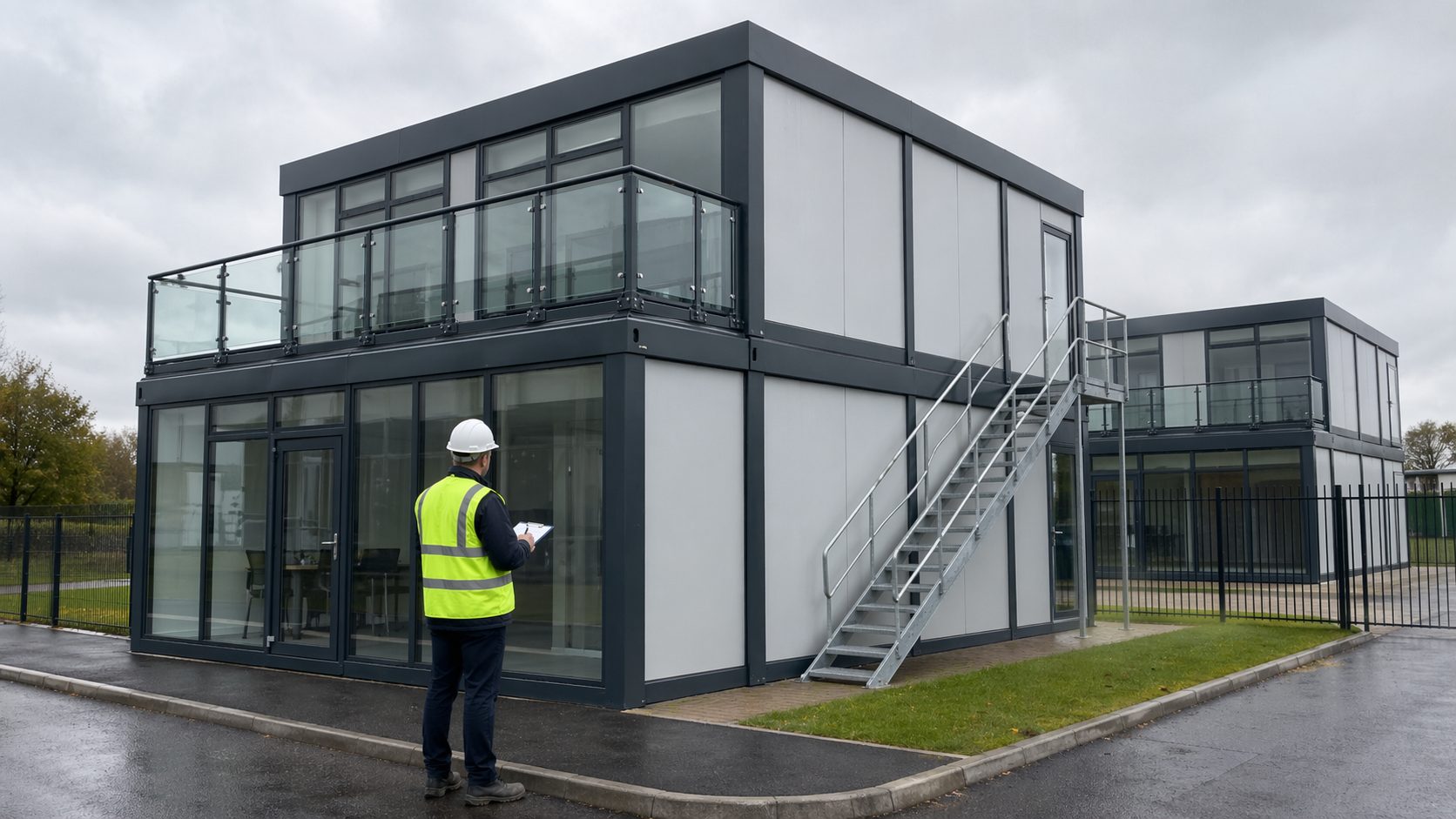
Short answer
Modular construction techniques are the methods used to manufacture, transport and assemble building elements away from or partly away from site. Common techniques include 3D volumetric modules, 2D panelised systems, ISO frame modular buildings, bespoke steel or timber frame modular buildings, container conversions, service pods and hybrid approaches. The right technique depends on the intended use, size, layout, specification, transport route, site access, foundations, services, Building Control route, planning position, fire strategy, accessibility requirements and target programme.
Who this guide is for
Commercial buyers
For facilities managers, business owners and project leads comparing modular offices, reception buildings, showrooms, hospitality buildings or customer-facing commercial space.
Schools and public sector teams
For buyers who need classroom, welfare, community, public-facing or service buildings and need to understand system choice before procurement or stakeholder approval.
Contractors and site managers
For construction teams comparing welfare units, site accommodation, temporary offices, portable cabins and modular compounds with practical access and services constraints.
Architects and technical specifiers
For project teams who need an early-stage explanation of modular techniques, interfaces, logistics, design freeze, foundations and specification implications.
Decision table: which modular construction technique might fit your project?
| Technique | Best suited to | Main strengths | Key limitations to check | KC route to discuss |
|---|---|---|---|---|
| 3D volumetric modular | Repeatable room layouts, teaching blocks, offices, accommodation-style layouts and buildings where more work can be completed before delivery. | High level of offsite preparation, repeatability, controlled manufacture and shorter site assembly phase. | Transport dimensions, lifting, site access, module interfaces, structural design, services and design freeze. | Modular Building Solutions |
| 2D panelised construction | Projects where wall, floor or roof panels are manufactured offsite and assembled into a structure on site. | Design flexibility, efficient transport, panel repeatability and suitability for some constrained access routes. | More site assembly than volumetric methods, weather exposure during assembly, sequencing, interface detailing and site labour. | Bespoke Modular Buildings |
| ISO frame modular | Transportable commercial buildings, sports and leisure facilities, hospitality spaces, site buildings and scalable modular layouts. | Repeatable frame logic, transport-led design, scalable layouts and robust modular structure. | Frame dimensions, external appearance, layout constraints, foundations, delivery access and intended lifespan. | ISO Frame Modular Buildings |
| Bespoke modular construction | Customer-facing buildings, unusual layouts, branded spaces, premium finishes, classrooms, offices and commercial projects with specific design requirements. | Greater layout and finish flexibility, improved design response and stronger fit for non-standard briefs. | Design time, cost, manufacturing detail, approval requirements, interfaces and specification sign-off. | Bespoke Modular Buildings |
| Container conversions | Compact offices, storage-linked spaces, kiosks, robust commercial units and projects where a converted container format fits the brief. | Robust base structure, defined footprint, transportability and conversion potential. | Internal width, insulation, condensation control, glazing, services, accessibility, fire strategy and planning position. | Container Conversions |
| Portable cabins and demountable units | Temporary offices, site accommodation, welfare support and simpler short-term space requirements. | Practical, familiar route for temporary or lower-complexity needs. | Finish, comfort, long-term use, planning position, appearance, relocation assumptions and site services. | Portable Cabins |
What are modular construction techniques?
Modular construction techniques are different ways of moving work away from traditional site-by-site construction and into a more controlled manufacturing or pre-assembly process. Some techniques create complete 3D building modules before delivery. Others create panels, frames, pods or components that are assembled on site.
In buyer terms, the technique affects how the building is designed, transported, installed, connected to services, finished, extended, relocated and approved. It can also affect cost, lead time, site disruption, design flexibility and how much work must happen on site.
Important buyer point
“Modular” does not automatically mean one product, one standard specification or one approval route. Requirements depend on intended use, duration, size, location, local authority position, Building Control route, specification, services, access and site conditions.
Main modular construction techniques explained
1. 3D volumetric modular construction
Volumetric modular construction uses three-dimensional building modules manufactured before delivery to site. Depending on the project, modules may include structure, internal finishes, service routes, openings, doors, windows, fixtures or specialist fit-out. The modules are then transported, lifted or positioned and connected on site.
This route can suit repeatable layouts, but it is not automatically the best option for every brief. Transport dimensions, cranage, module junctions, services, structural design and site access must be checked early.
2. 2D panelised construction
Panelised construction uses wall, floor, roof or frame panels manufactured offsite and assembled into the building structure on site. It can provide flexibility where a fully volumetric module is not the right fit, or where transport and access constraints make large 3D modules harder.
Panelised methods usually involve more on-site assembly than volumetric methods. This means sequencing, weather protection, site labour, temporary works and interfaces need proper planning.
3. ISO frame modular buildings
ISO frame modular buildings use a frame-led approach that can suit commercial, sports, leisure, hospitality, office and scalable modular applications. The frame provides a repeatable base for building configuration, transport and assembly.
ISO frame can be a strong route where the building needs to be robust, modular and transportable, but buyers still need to consider appearance, internal layout, services, foundations, access and long-term use.
4. Bespoke modular construction
Bespoke modular construction uses modular principles but develops the building around a more specific brief. This may include unusual footprints, customer-facing finishes, specific glazing, branded external design, classroom layouts, office fit-out, accessibility requirements or site-specific constraints.
This route is often more suitable when the building needs to look and function like a tailored commercial or public-facing building rather than a standard unit. It can involve more design and coordination than a simpler modular route.
5. Container conversions
Container conversions use shipping-container-style structures as a base for converted offices, kiosks, commercial spaces, storage-linked units or specialist applications. They can be robust and practical, but the format has limitations.
Buyers should check internal dimensions, insulation, condensation control, fire strategy, accessibility, glazing, services, drainage, planning position and whether the converted format is suitable for the intended users.
6. Pods, service modules and sub-assemblies
Some modular or offsite projects use pre-assembled pods or service modules, such as toilet pods, kitchen pods, M&E modules or plant/service zones. These can reduce site coordination and help standardise complex service areas.
Pods are not always the main building system. They may be part of a broader modular, panelised, traditional or hybrid construction approach.
7. Hybrid modular construction
Hybrid modular construction combines more than one technique. For example, a project might use a structural frame, panelised elements, pre-assembled service pods and site-finished areas. This can be useful where the building has both repeatable areas and bespoke requirements.
The advantage is flexibility. The limitation is coordination. Interfaces, design responsibility, approvals, sequencing and quality control need to be clear.
8. Portable cabins and demountable buildings
Portable cabins and demountable units are often used for temporary offices, site accommodation, welfare units and simpler space needs. They may be the right answer where speed, practicality and short-term use matter more than premium finish or bespoke appearance.
They should still be assessed against intended use, site duration, comfort, accessibility, fire, services, planning position and user expectations.
Which technique is best by project type?
| Project type | Often worth considering | Why | Information needed before recommendation |
|---|---|---|---|
| Modular offices | ISO frame, bespoke modular, portable cabins or hybrid routes. | The right choice depends on whether the office is temporary, permanent, customer-facing, relocatable or high-specification. | Occupancy, layout, toilets, kitchen, meeting rooms, finish level, site access, duration and budget direction. |
| Classrooms and education buildings | Volumetric modular, bespoke modular or panelised/hybrid approaches. | Schools often need repeatable teaching spaces, staff support, toilets, accessibility, acoustic and ventilation considerations. | Room schedule, pupil numbers, school site plan, target date, term-time constraints, access and approval status. |
| Construction welfare units | Portable cabins, welfare units, modular compounds or ISO frame routes for larger requirements. | The priority is usually practical welfare provision, workforce size, site duration, buy/hire route and relocation needs. | Site duration, workforce numbers, toilets, washing, canteen, drying, office space, power, water and drainage assumptions. |
| Hospitality, sports and leisure | ISO frame, bespoke modular or hybrid routes. | These projects often need a balance of speed, appearance, customer circulation, glazing, durability and front-of-house finish. | Customer flow, operating hours, services, glazing, toilets, kitchen/bar areas, access, branding and finish requirements. |
| Storage-linked or compact commercial units | Container conversions, portable cabins or compact modular buildings. | The decision often depends on robustness, internal width, insulation, services, security and customer-facing expectations. | Use, occupancy, storage requirement, access, insulation level, power, water, drainage and finish expectations. |
What affects cost, time and specification?
The modular construction technique affects the quote, but it is only one part of the project. Two buildings using the same technique may still have very different costs if the site, specification, layout, services or approval requirements differ.
- Building use: office, classroom, welfare, hospitality, healthcare, public sector, showroom, storage or mixed use.
- System route: ISO frame, bespoke modular, volumetric, panelised, container conversion, portable cabin or hybrid approach.
- Size and layout: footprint, room schedule, circulation, toilets, kitchens, staff areas and public-facing spaces.
- Specification: insulation, glazing, cladding, internal finishes, M&E, heating, cooling, ventilation, accessibility and fire strategy.
- Site access: delivery route, gates, turning area, cranage, overhead obstructions, working hours and public access constraints.
- Foundations and groundworks: ground conditions, levels, drainage, existing slab, support strategy and loading.
- Services: power, water, foul drainage, data, ventilation, heating, cooling and plant location.
- Approval route: planning, Building Regulations, Building Control, landlord requirements, insurance and sector-specific documentation.
- Design freeze: modular construction benefits from early decisions; late changes can affect cost, manufacture and delivery.
- Future use: extension, relocation, reconfiguration, long-term maintenance and end-of-life assumptions.
Technical and formal limitations buyers should check
Modular construction techniques can support faster and more controlled delivery, but they do not remove project responsibilities. The building still needs the right structure, fire strategy, accessibility approach, services design, foundations, installation method and approval route.
Planning and Building Regulations
Modular construction does not automatically decide whether planning permission, Building Regulations approval or Building Control involvement is needed. The intended use, duration, size, location and local authority position must be checked.
Transport and lifting
Larger 3D modules may reduce site assembly, but they can require more careful delivery, lifting, cranage and route planning. Panelised or hybrid routes may suit some constrained sites better.
Fire, accessibility and insurance
Fire strategy, escape routes, compartmentation, accessibility, insurer requirements and sector-specific expectations must be reviewed for the actual building use and layout.
Interfaces and responsibility
Interfaces between factory-made elements, site-built works, utilities, foundations, drainage and existing buildings need clear ownership. This is especially important on hybrid projects.
Project image references
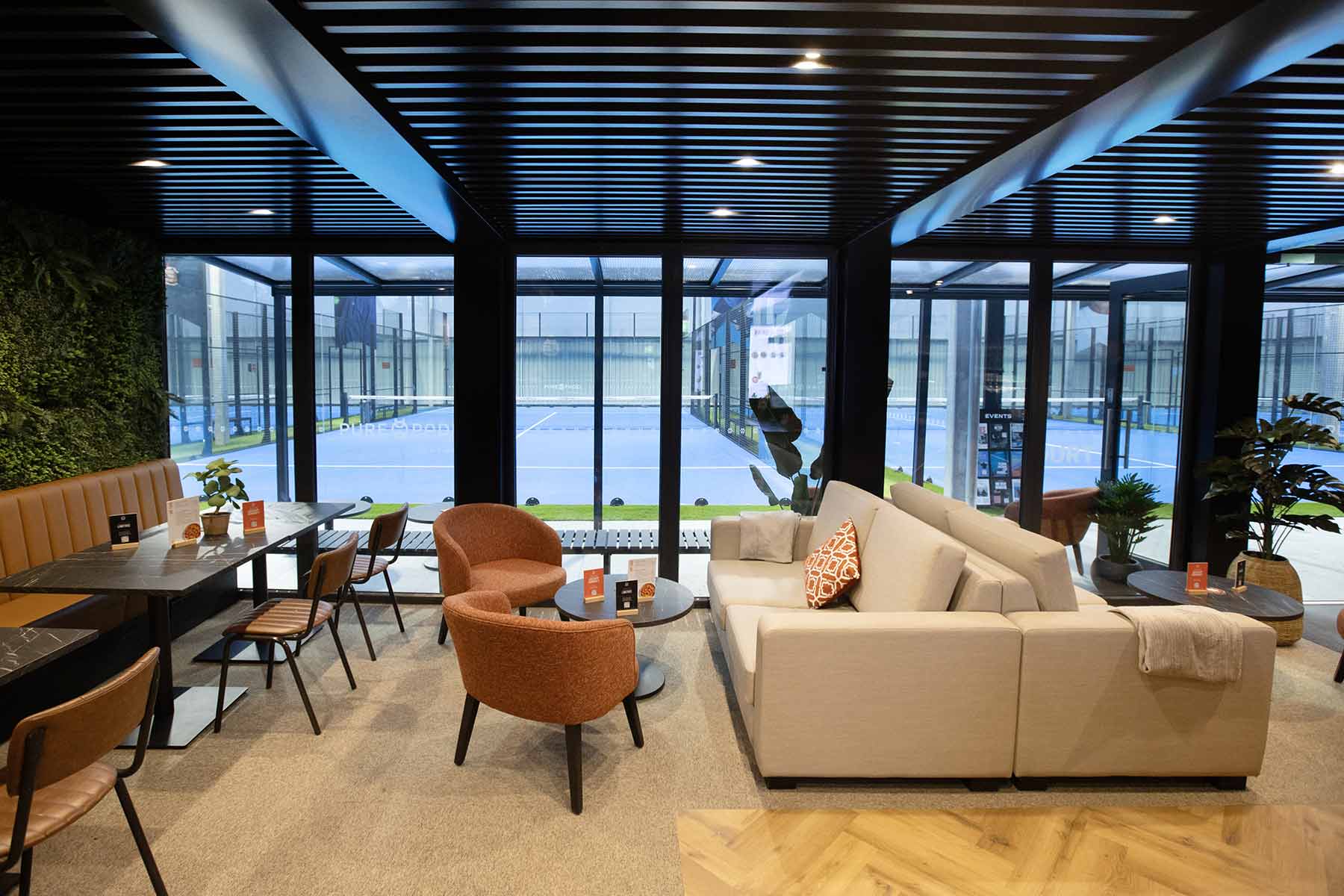
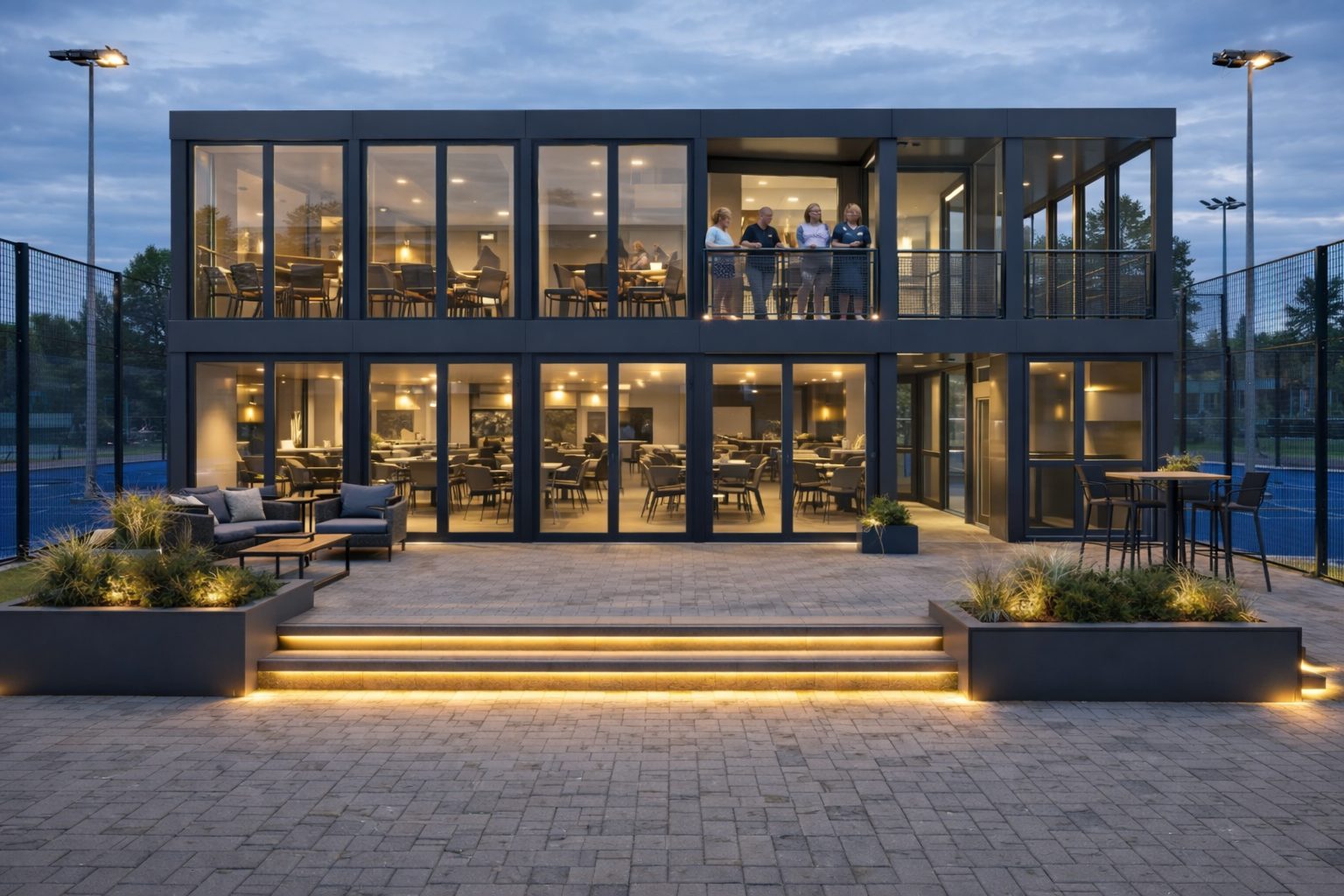
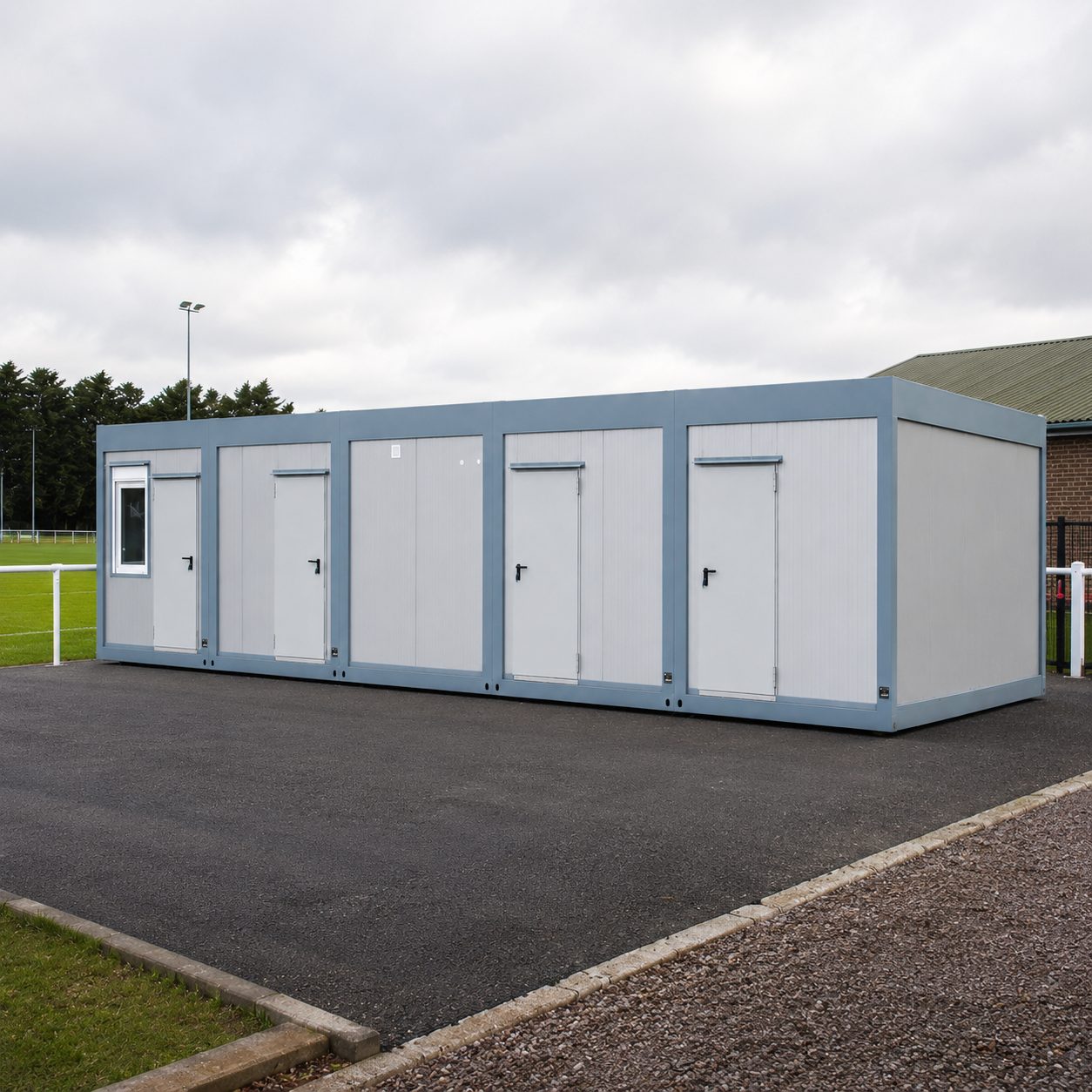

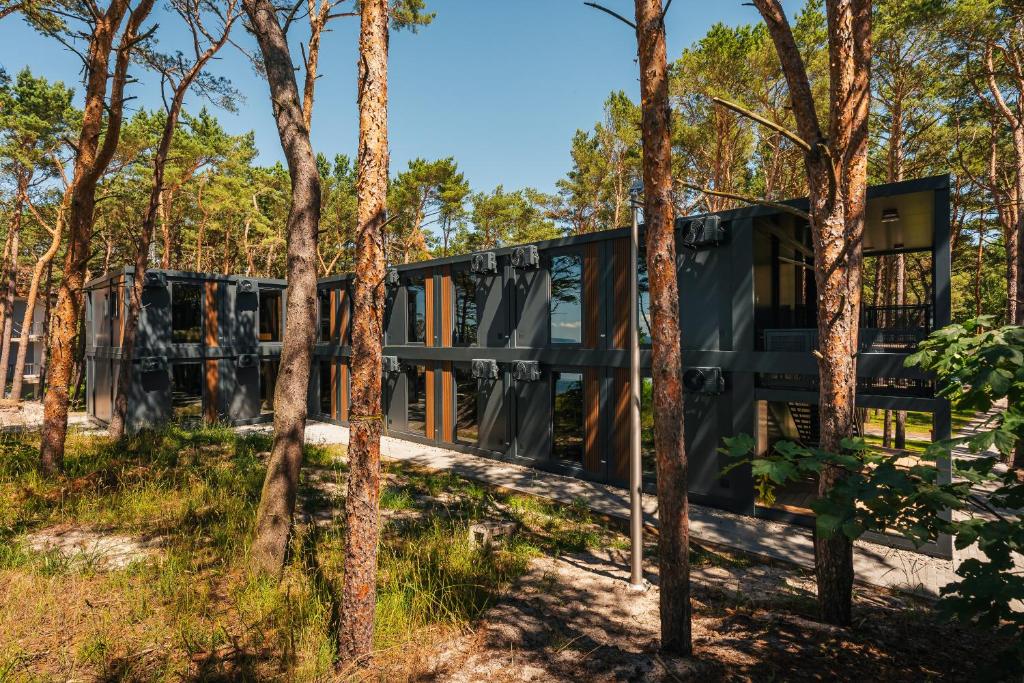
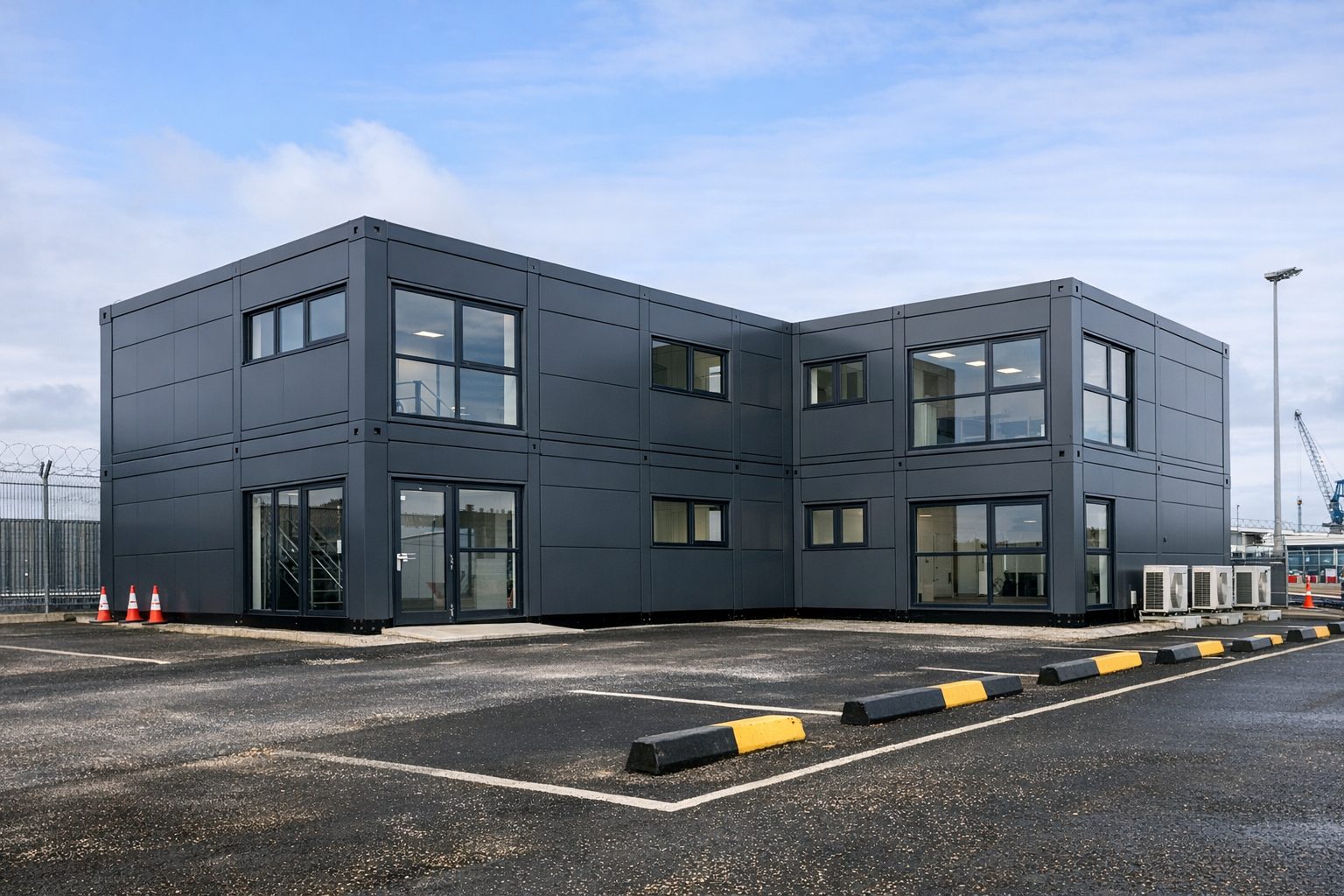
What KC needs to recommend the right technique
KC can give a more useful recommendation when the enquiry explains the building use, site and constraints. The technique is selected around the project, not the other way around.
- Intended use: office, classroom, welfare, hospitality, public sector, healthcare, showroom, storage or mixed use.
- Temporary or permanent route: expected duration, future relocation, expansion or long-term use.
- Approximate size: footprint, number of rooms, capacity, storeys and room schedule.
- Site postcode: delivery location, access route and local context.
- Site access photos: gates, roads, turning areas, overhead cables, trees, slopes, boundaries and lifting space.
- Services: electricity, water, foul drainage, data, heating, cooling and ventilation assumptions.
- Groundworks status: existing surface, levels, foundations, ground conditions and drainage constraints.
- Specification expectations: cladding, glazing, toilets, kitchens, accessibility, fire strategy, finishes and comfort level.
- Target date: required installation window, opening date, school holiday period or commercial deadline.
- Approval status: any known planning, Building Control, landlord, insurance or stakeholder requirements.
Helpful external guidance
These sources are useful for buyers who want wider context on modern methods of construction, public works procurement and approval considerations. They do not replace project-specific design, planning, Building Control or compliance advice.
FAQ
What are the main modular construction techniques?
The main techniques include 3D volumetric modules, 2D panelised systems, ISO frame modular buildings, bespoke modular construction, container conversions, pods, pre-assembled service modules, hybrid modular methods and portable cabins. The right method depends on the building use, layout, site, transport route, specification and approval requirements.
Is volumetric modular construction the same as modular construction?
No. Volumetric modular construction is one type of modular construction. It uses three-dimensional modules made before delivery to site. Modular construction is broader and may also include panelised systems, ISO frame buildings, container conversions, service pods and hybrid offsite methods.
What is panelised modular construction?
Panelised modular construction uses manufactured wall, floor, roof or frame panels that are transported to site and assembled into a building. It can provide more flexibility than fully volumetric construction on some projects, but usually needs more site assembly and careful sequencing.
What is an ISO frame modular building?
An ISO frame modular building uses a frame-led modular route that can suit transportable commercial buildings, offices, hospitality spaces, sports facilities and scalable layouts. It can be a practical system where robustness, transport and repeatable modular design matter, but the site, finish, services and approval route still need review.
Is a container conversion a modular building?
A container conversion can be part of the wider modular and offsite building market, but it is not the same as every modular building. It uses a converted container-style structure as the base. Buyers should check internal dimensions, insulation, condensation, services, accessibility, fire strategy and suitability for the intended use.
Which modular construction technique is best for offices?
For offices, the right route may be ISO frame, bespoke modular, portable cabin or another modular system depending on whether the office is temporary, permanent, customer-facing, relocatable, two-storey, high-specification or connected to existing services. KC needs the layout, site postcode, access details and intended lifespan before recommending a route.
Which technique is best for modular classrooms?
Modular classrooms may use volumetric, bespoke modular, panelised or hybrid methods depending on the number of classrooms, room schedule, toilets, staff space, access, school calendar, approvals and specification. Requirements for acoustics, ventilation, accessibility and fire strategy should be reviewed for the specific project.
Do modular construction techniques affect planning permission?
The construction technique can affect how the project is described, transported and installed, but planning requirements depend on the intended use, duration, size, location, local authority position and site context. A modular building is not automatically exempt from planning just because it is manufactured offsite.
Do modular buildings need Building Regulations approval?
They may do. Building Regulations approval is separate from planning permission. Whether approval is needed depends on the building type, use, size, specification and work being carried out. Building Control requirements should be checked early, especially for occupied, public-facing, education, healthcare or long-term buildings.
What information should I send before asking KC to recommend a technique?
Send the intended use, approximate size, site postcode, layout requirements, target date, temporary or permanent requirement, site access photos, services information, groundworks status and any known planning or Building Control constraints. This helps KC route the project towards the most suitable system.
Not sure which modular construction technique fits your project?
Send KC your intended use, approximate size, site postcode, access photos, target date and specification priorities. The team can help review whether ISO frame, bespoke modular, portable cabin, container conversion or another modular route is likely to suit the project.