
Education / Sports & Community Guide
Modular Buildings for Schools and Sports Clubs: Classrooms, Pavilions and Community Space
Schools, academies, sports clubs and community organisations often need extra space without turning the site into a long-running construction project. Modular buildings can help, but the right route depends on use, layout, access, services, approvals, term dates, safeguarding and long-term plans.
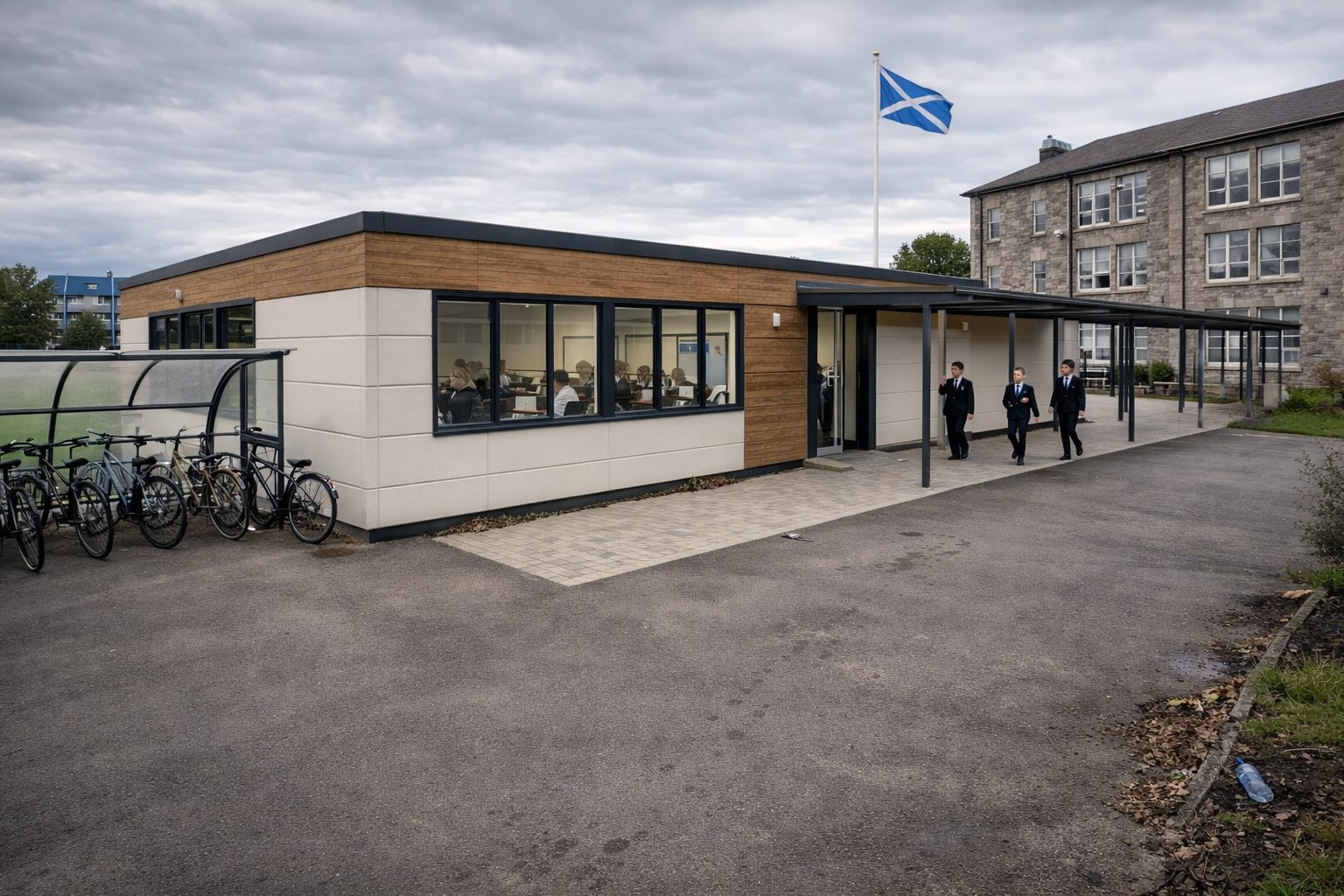
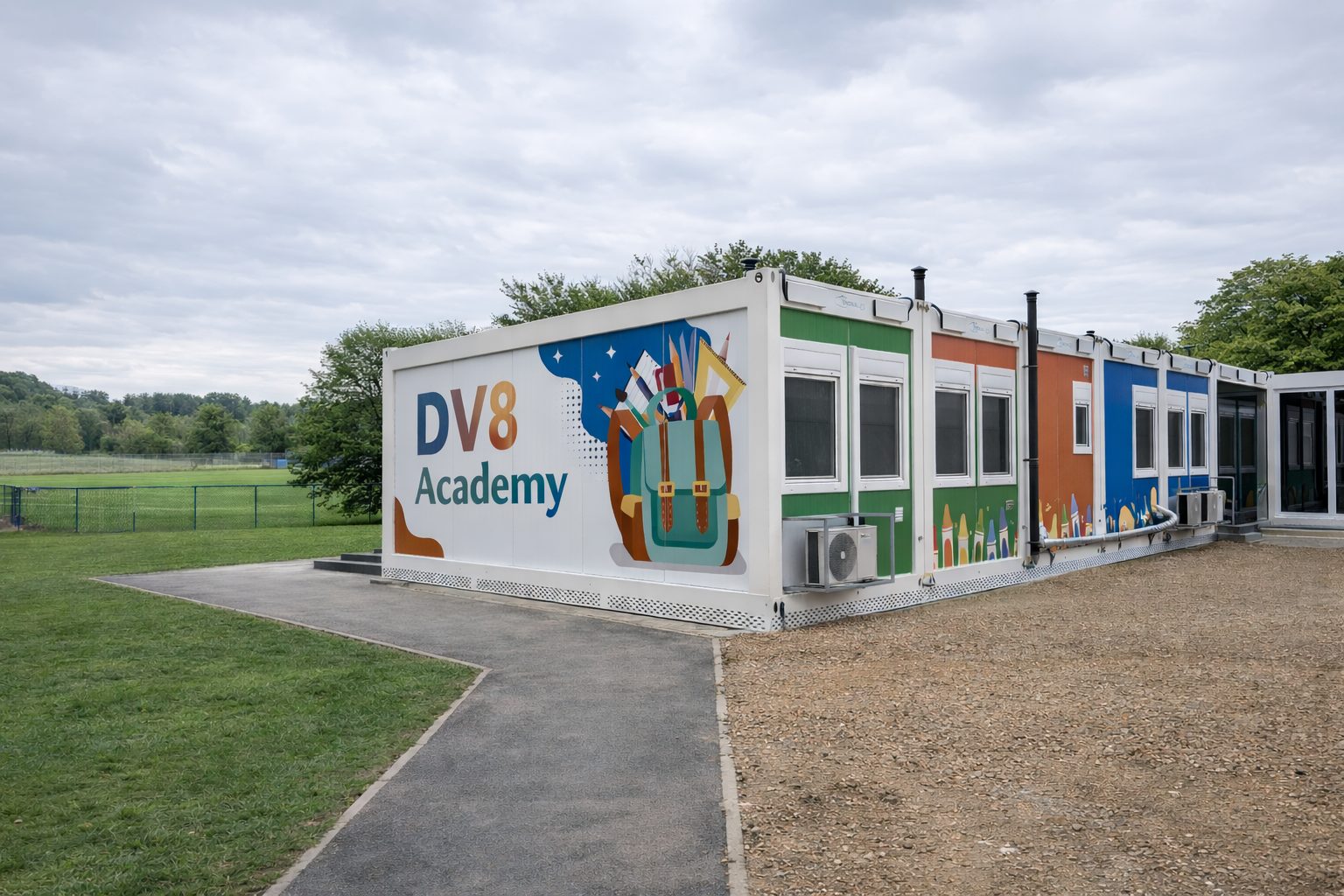
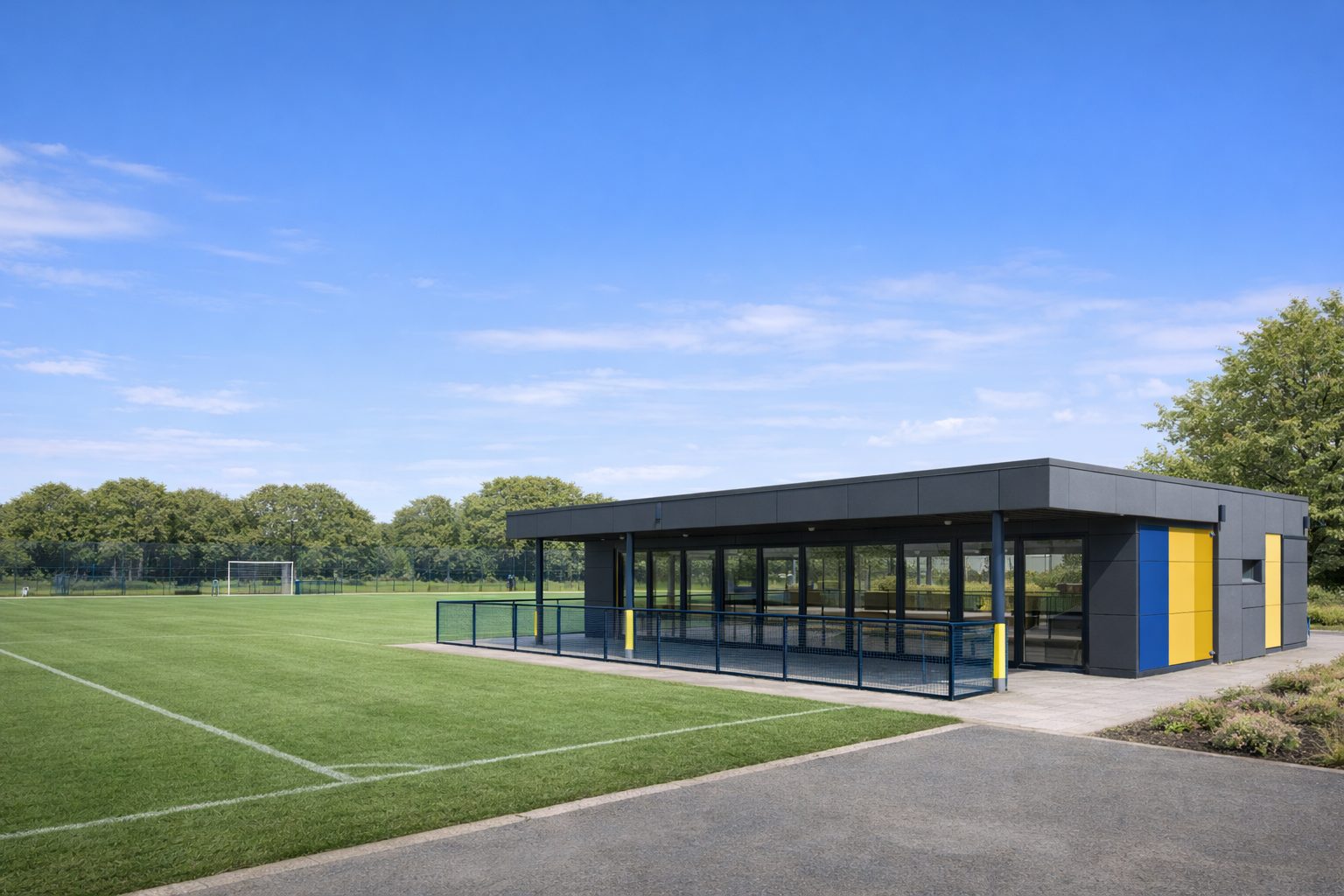
Short answer
Modular buildings can be suitable for schools, academies, sports clubs and community facilities where extra classroom, changing, staff, office, clubroom or pavilion space is needed. They are often most effective when the project has a clear room schedule, site access plan, services strategy, approval route and target date. They are not automatically exempt from planning permission or Building Regulations. Requirements depend on intended use, duration, size, location, local authority position, Building Control route, specification, services, access and site conditions.
Who this guide is for
Schools, academies and MATs
For headteachers, school business managers, bursars and estates teams planning modular classrooms, staff space, SEND support rooms, toilets or temporary teaching accommodation.
Sports clubs and community groups
For football, rugby, cricket, tennis, athletics, multi-sport and community clubs considering changing rooms, pavilions, clubhouses, stores or flexible meeting space.
Councils and public sector buyers
For local authority and public-sector teams that need a clear scope, stakeholder-ready brief, site access assumptions and a quote route that supports approval conversations.
Architects, project managers and contractors
For technical influencers checking whether a modular building route fits site access, safeguarding, services, sports facility use, education requirements and programme constraints.
Decision table: which modular route should you consider?
| Project need | Common modular route | What to check first | Possible limitations | Best next step |
|---|---|---|---|---|
| Extra classrooms or teaching space | Modular classroom building, ISO frame system or bespoke modular layout. | Number of rooms, pupil capacity, toilets, staff support, access route, safeguarding and target term. | Approvals, groundworks, utilities, school calendar, fire strategy, acoustics, ventilation and site disruption. | Prepare a room schedule and request a classroom quote. |
| School staff, admin or support space | Modular office, staffroom, support building or bespoke modular unit. | User numbers, layout, access, heating/cooling, data, toilets, connection to existing school operations. | Live-site access, safeguarding, utilities, planning and Building Control route. | Send layout needs, site photos and target date. |
| Sports pavilion or clubhouse | Bespoke modular pavilion, ISO frame building or modular changing-room building. | Changing rooms, showers, WCs, kitchen/servery, social area, storage, accessibility and funder criteria. | Drainage, water supply, power, parking, spectator flow, ground conditions and planning context. | Confirm sports use, room schedule and site services. |
| Temporary space during refurbishment | Temporary modular building, portable cabins or phased modular accommodation. | Required duration, pupil or club user numbers, site phasing, services and removal route. | Temporary use does not automatically remove planning or Building Regulations considerations. | Ask KC to review temporary vs long-term route. |
| Long-term community or public-facing facility | Bespoke modular building, ISO frame system or permanent modular solution. | Public access, accessibility, toilets, security, fire strategy, durability, opening hours and maintenance. | Specification, stakeholder approval, funding, public realm, parking and local authority requirements. | Prepare a scope pack and request a project-specific quote. |
Why schools and sports clubs consider modular buildings
Schools and sports clubs usually start with a practical problem: not enough space, an ageing pavilion, a growing pupil roll, a new funding window, a refurbishment project or a need to keep users on site while other works happen. A modular building can provide a defined route for extra accommodation, but the buyer still needs to treat it as a building project, not a simple product purchase.
The benefit is strongest when the room schedule, site access, services and decision route are known early. For schools, that may mean classrooms, WCs, staff space, SEND support, admin areas or temporary decant space. For sports clubs, it may mean changing rooms, showers, toilets, clubroom, office, storage, kitchen/servery space or a public-facing pavilion.
Buyer reality check
A modular school building or sports pavilion still needs proper review. Site access, ground conditions, drainage, power, water, fire strategy, accessibility, safeguarding, planning, Building Control and insurance requirements can all affect the final route.
Common school modular building uses
Modular classrooms
Extra teaching space for growing schools, short-term capacity pressure or longer-term expansion. The brief should include room sizes, pupil numbers, circulation, storage, ventilation and acoustic expectations.
Staff and admin space
Office, meeting, staffroom or support buildings for schools that need operational space separate from existing classrooms or main school buildings.
SEND or support rooms
Specialist or support use may need more detailed review of layout, accessibility, sensory needs, circulation, staff supervision and stakeholder requirements.
Temporary decant buildings
Temporary accommodation during refurbishment, estate works or urgent capacity needs. Duration, access, services and approvals should be checked before assuming a temporary route is simple.
Common sports club and pavilion uses
Changing rooms and showers
Changing layouts need early decisions on team numbers, officials, gender use, safeguarding, showers, toilets, privacy, ventilation and cleaning requirements.
Clubhouse and social space
Clubroom, meeting, kitchen, servery or viewing areas can make the building more commercially useful, but they also affect services, fire, access and specification.
Storage and maintenance space
Sports equipment, grounds maintenance, kit storage and secure stores should be included in the room schedule rather than treated as an afterthought.
Community-use facilities
Public-facing or shared-use buildings may need more attention to accessibility, toilets, parking, signage, security, opening hours and stakeholder approval.
Planning, Building Regulations and formal checks
Modular construction does not automatically decide whether planning permission, Building Regulations approval or Building Control review is needed. A school classroom, sports pavilion, clubhouse or community building may have different requirements depending on intended use, duration, size, location, access, services and the local authority position.
School projects may also need to consider education-specific guidance, safeguarding arrangements, term-time disruption, pupil movement, fire strategy, accessibility, acoustics, ventilation, thermal comfort and stakeholder approval. Sports club projects may need to consider club governance, funder requirements, national governing body expectations, parking, changing-room layout, accessibility, drainage and spectator or community use.
Careful wording for buyers
KC can help review the building route and the information needed for a quote. Planning permission, Building Regulations, Building Control, fire strategy, accessibility, sports-body guidance and school-specific requirements should be confirmed through the correct project route.
What affects cost, time and specification?
School and sports club projects are often more sensitive than simple storage or basic cabin projects because the building may be used by children, members of the public, sports teams, staff, visitors and community groups. That means the specification can change quickly once the room schedule and user groups are understood.
- Intended use: classrooms, changing rooms, pavilion, staff space, clubroom, office, storage or mixed use.
- Room schedule: number of classrooms, changing rooms, showers, WCs, offices, stores, kitchens and social spaces.
- Occupancy: pupils, staff, teams, officials, spectators, community users and peak-use patterns.
- Temporary or long-term need: duration, future extension, relocation, refurbishment decant or permanent accommodation.
- Site access: delivery route, gate widths, turning space, overhead cables, trees, car parks, school gates and public access.
- Groundworks: levels, foundations, drainage, existing hardstanding, playing-field constraints and ground conditions.
- Services: power, water, foul drainage, data, heating, cooling, ventilation and hot water for showers.
- Specification: cladding, glazing, insulation, internal finishes, doors, floor finishes, fire strategy and accessibility.
- Programme: school holiday windows, club season, funding deadlines, exam periods, fixtures and live-site restrictions.
- Approvals: planning, Building Control, landlord, local authority, funder, insurer, governing body or stakeholder requirements.
Can modular buildings be installed during school holidays?
A school holiday installation may be possible on some projects, but it should not be assumed at the start. The feasibility depends on design sign-off, approvals, manufacturing lead time, site access, foundations, services, health and safety planning, safeguarding arrangements and the specific school calendar.
Schools should check their local term dates and allow time for approval, stakeholder sign-off and site preparation. Academies, local authority schools and independent schools may have different decision routes, so the programme should be built around the actual school rather than a generic national holiday window.
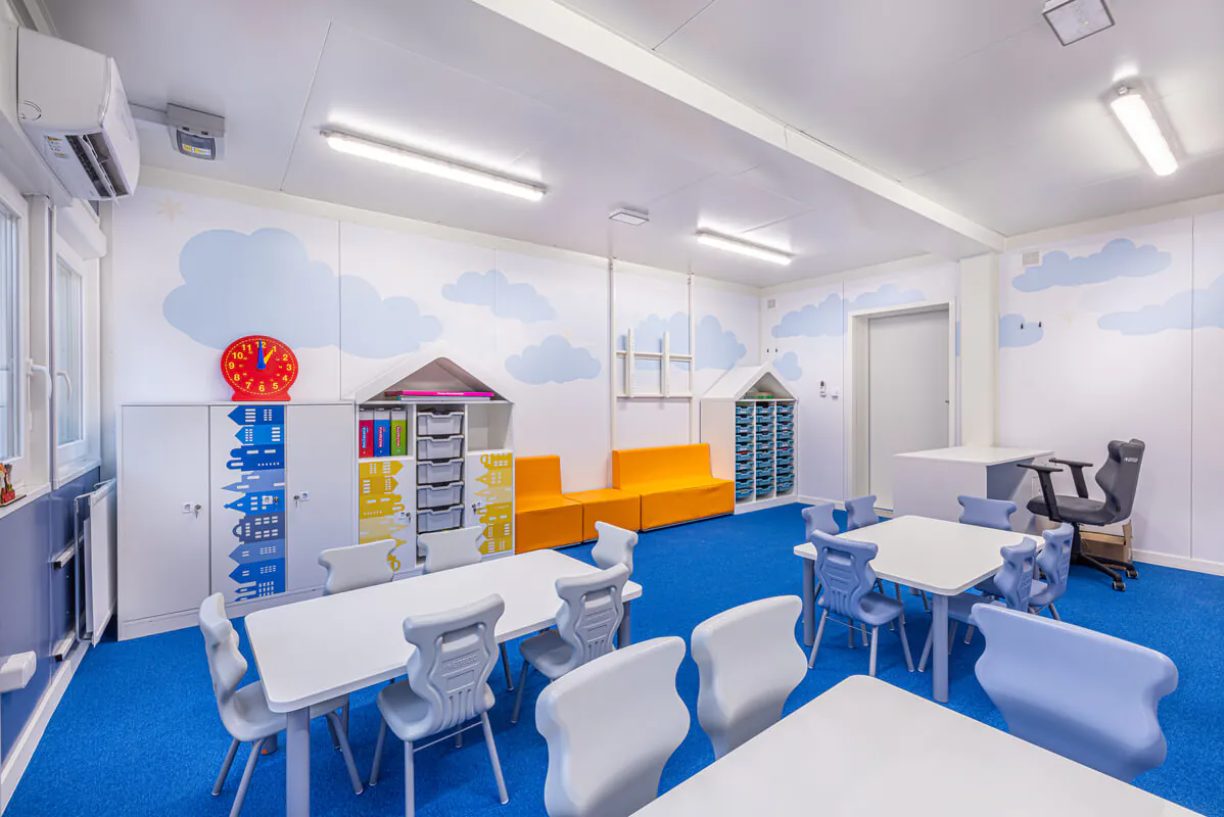
Project image references
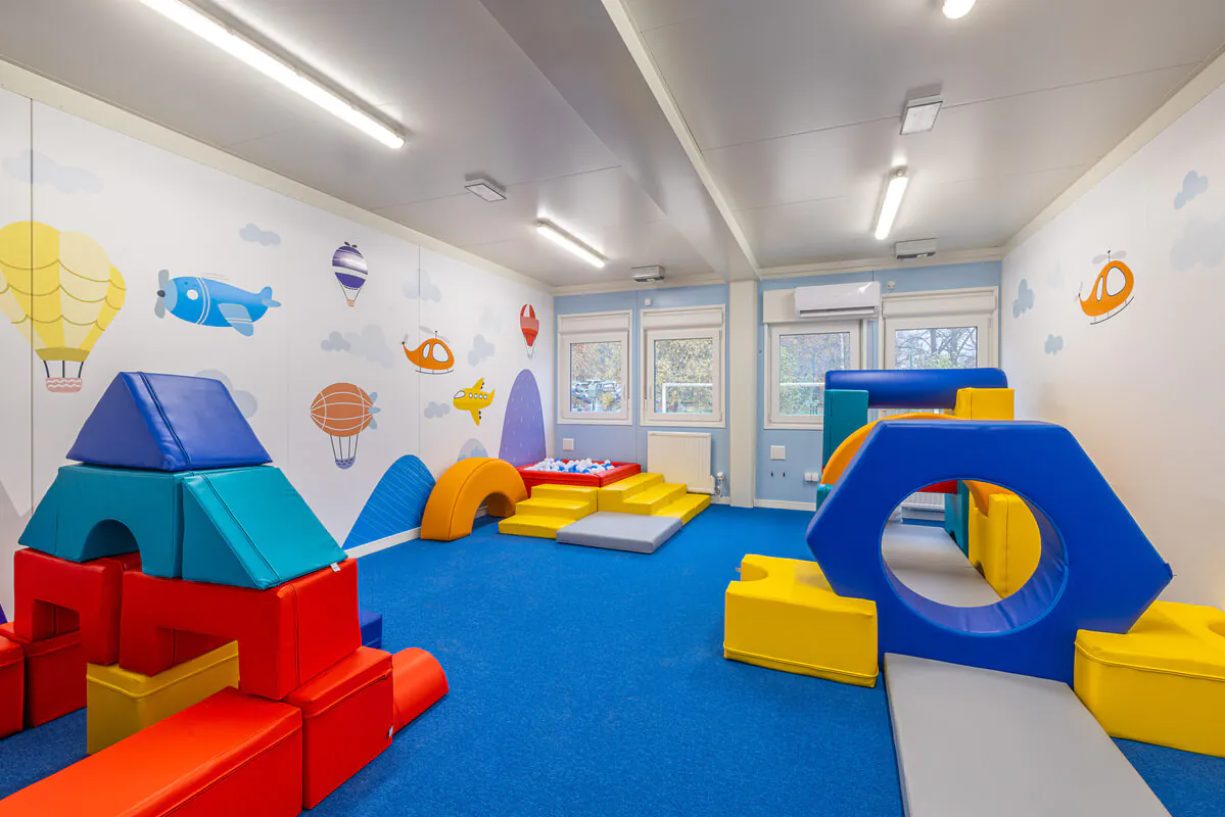
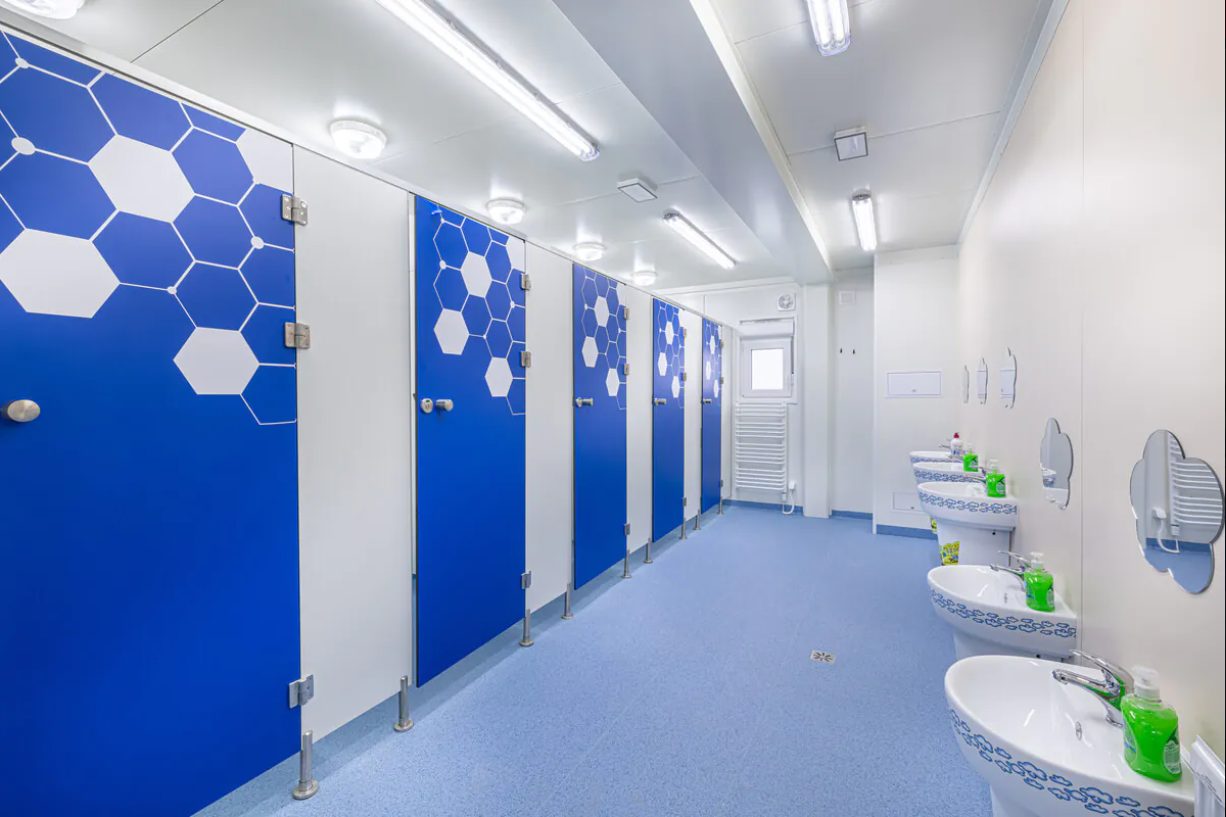
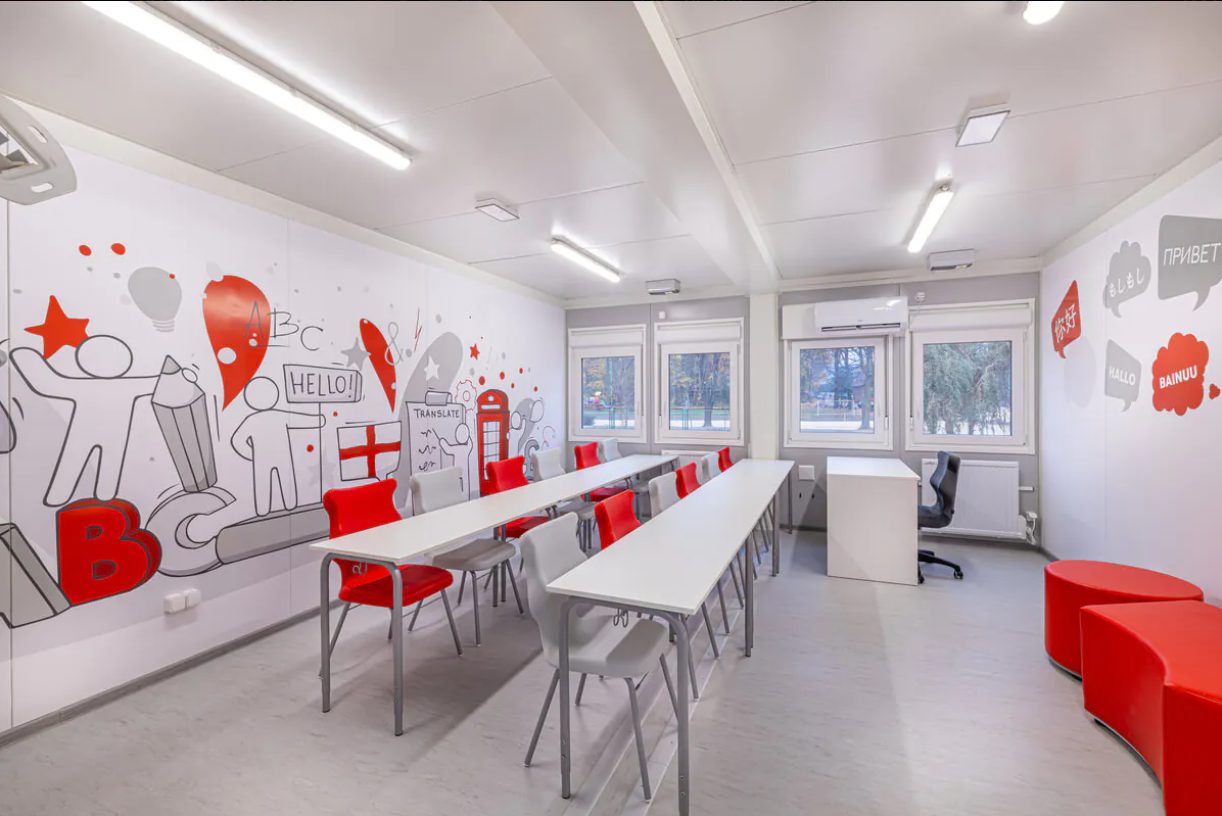
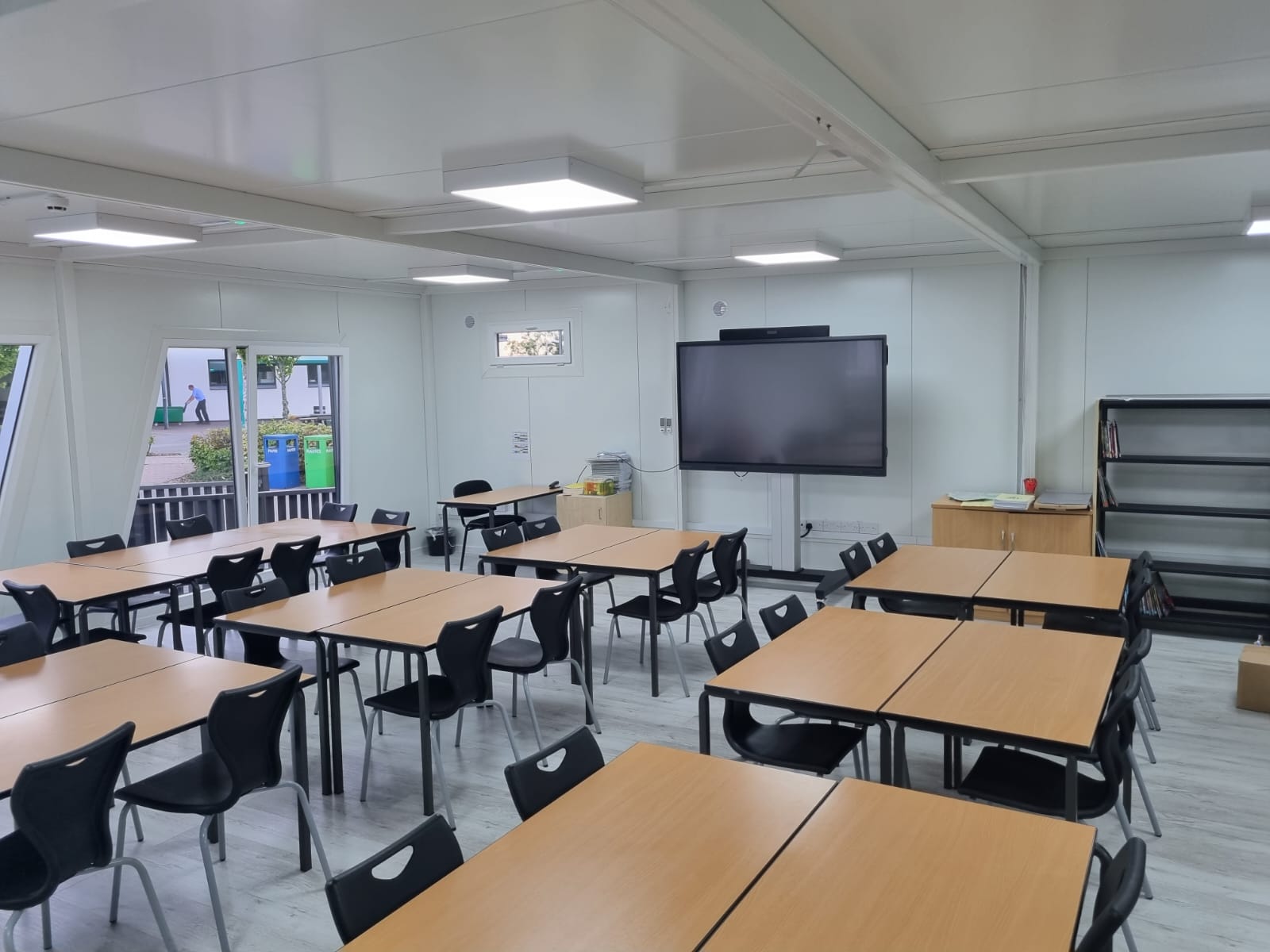
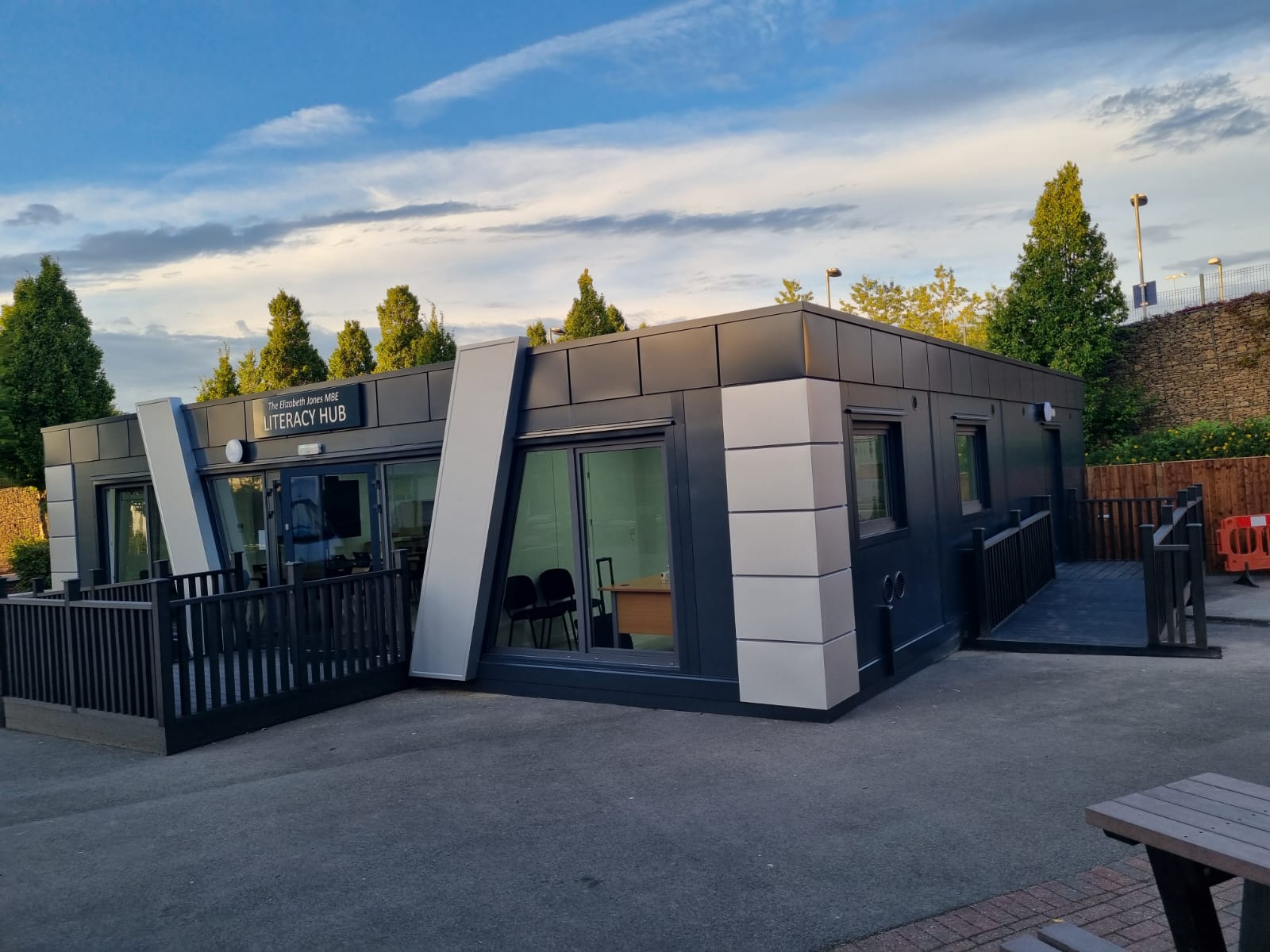
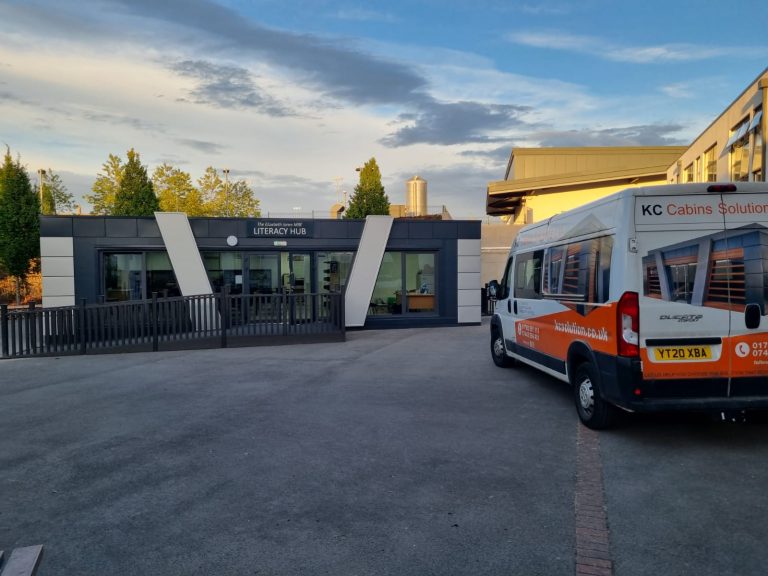
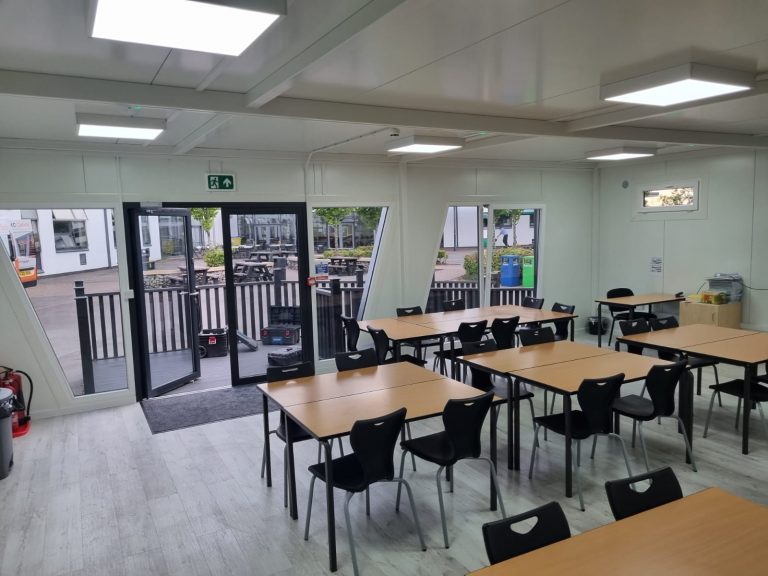
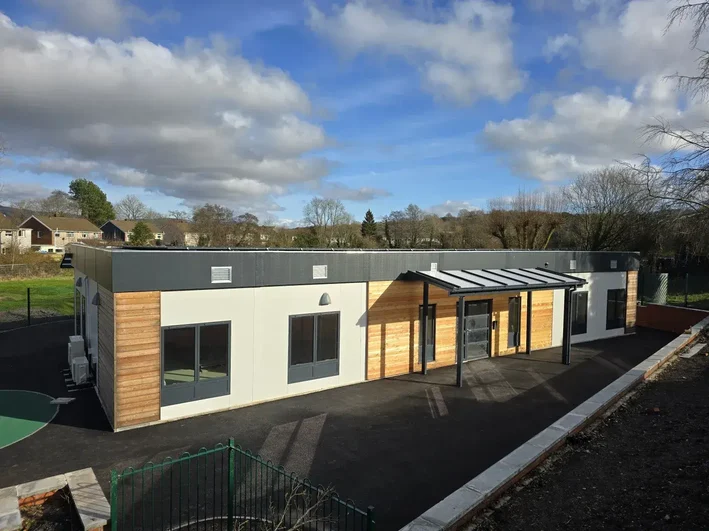
What KC needs to quote a school or sports club modular building
KC can give a more useful response when the enquiry includes the intended use, approximate size, site conditions and any known stakeholder requirements. The information does not need to be perfect, but the first quote is more accurate when the core constraints are visible.
- Project type: classroom, staff building, changing rooms, pavilion, clubhouse, storage, office or mixed-use facility.
- Room schedule: number of rooms, toilets, showers, stores, kitchen/servery, staff areas and support spaces.
- Occupancy: pupils, staff, players, officials, community users, visitors and peak-use numbers.
- Site postcode: delivery location, local authority area and access context.
- Site access photos: gates, roads, car parks, turning space, overhead cables, trees, slopes and lifting area.
- Services: power, water, foul drainage, data, heating, cooling, ventilation and hot water requirements.
- Groundworks status: existing slab, car park, grassed area, playing field, levels, known drainage or ground conditions.
- Target date: school holiday period, club season, fixture schedule, funding deadline or public opening date.
- Specification expectations: cladding, glazing, floor finishes, accessibility, fire strategy, security, showers and durability.
- Approval status: planning, Building Control, school trust, local authority, landlord, funder, insurer or sports body requirements.
Helpful external guidance
These sources are useful starting points for school, sports club and community-building buyers. They do not replace project-specific advice.
FAQ
Are modular buildings suitable for schools?
Yes, modular buildings can be suitable for schools where extra classrooms, staff rooms, support spaces, offices, toilets or temporary accommodation are needed. Suitability depends on the room schedule, site access, services, safeguarding, approvals, fire strategy, accessibility, acoustic and ventilation requirements, and the intended duration of use.
Can modular buildings be used as sports pavilions?
Yes, modular buildings can be used for sports pavilions, clubhouses, changing rooms, showers, toilets, kit storage, office space and community rooms. The specification should be developed around the sport, user numbers, safeguarding, accessibility, drainage, water supply, power, parking, funder requirements and local authority position.
Do modular classrooms need planning permission?
They may do. A modular classroom is not automatically exempt from planning permission because it is modular or because it is needed by a school. The position depends on intended use, size, duration, site location, existing school estate, local authority view, stakeholder requirements and whether Building Regulations approval or Building Control review is also needed.
Can a modular building be installed during the school holidays?
Sometimes, but it depends on design sign-off, approvals, manufacturing lead time, site access, foundations, services, installation sequence and the actual school calendar. Schools should avoid assuming a holiday window is available until the project route, site readiness and decision timeline have been reviewed.
What affects the cost of a modular school building or sports pavilion?
Cost is affected by size, layout, number of rooms, toilets, showers, M&E, cladding, glazing, insulation, accessibility, fire strategy, finishes, drainage, groundworks, site access, delivery distance, installation constraints and formal approval requirements. A like-for-like quote should separate the building, services, groundworks, delivery, installation and exclusions.
Can modular buildings include changing rooms, showers and toilets?
Yes, modular buildings can include changing rooms, showers, toilets, kitchens, serveries, staff rooms and storage. These items should be included in the first brief because they affect water supply, foul drainage, hot water, ventilation, internal layout, finishes, cleaning, accessibility and cost.
What information should a school or club send to KC before requesting a quote?
Send the intended use, approximate size, room schedule, user numbers, site postcode, access photos, target date, services information, groundworks status and any known planning, Building Control, landlord, funder, insurer or stakeholder requirements. Photos of the access route are particularly useful for early feasibility review.
Planning a modular classroom, pavilion or club building?
Send KC your room schedule, site postcode, access photos, target date and any known approval or funder requirements. The team can review whether an ISO frame, bespoke modular, portable cabin or another route is likely to fit the project.