
Quality / Insurance Note
Certified Insulated Panel Cabins: Why Fire Certification Can Affect Insurance and Supplier Comparisons
When comparing cabins online, the lowest upfront price can hide a serious specification issue: whether the insulated panels are tested, certified and suitable for the building use. This matters for fire performance, site risk, insurer questions and future documentation.
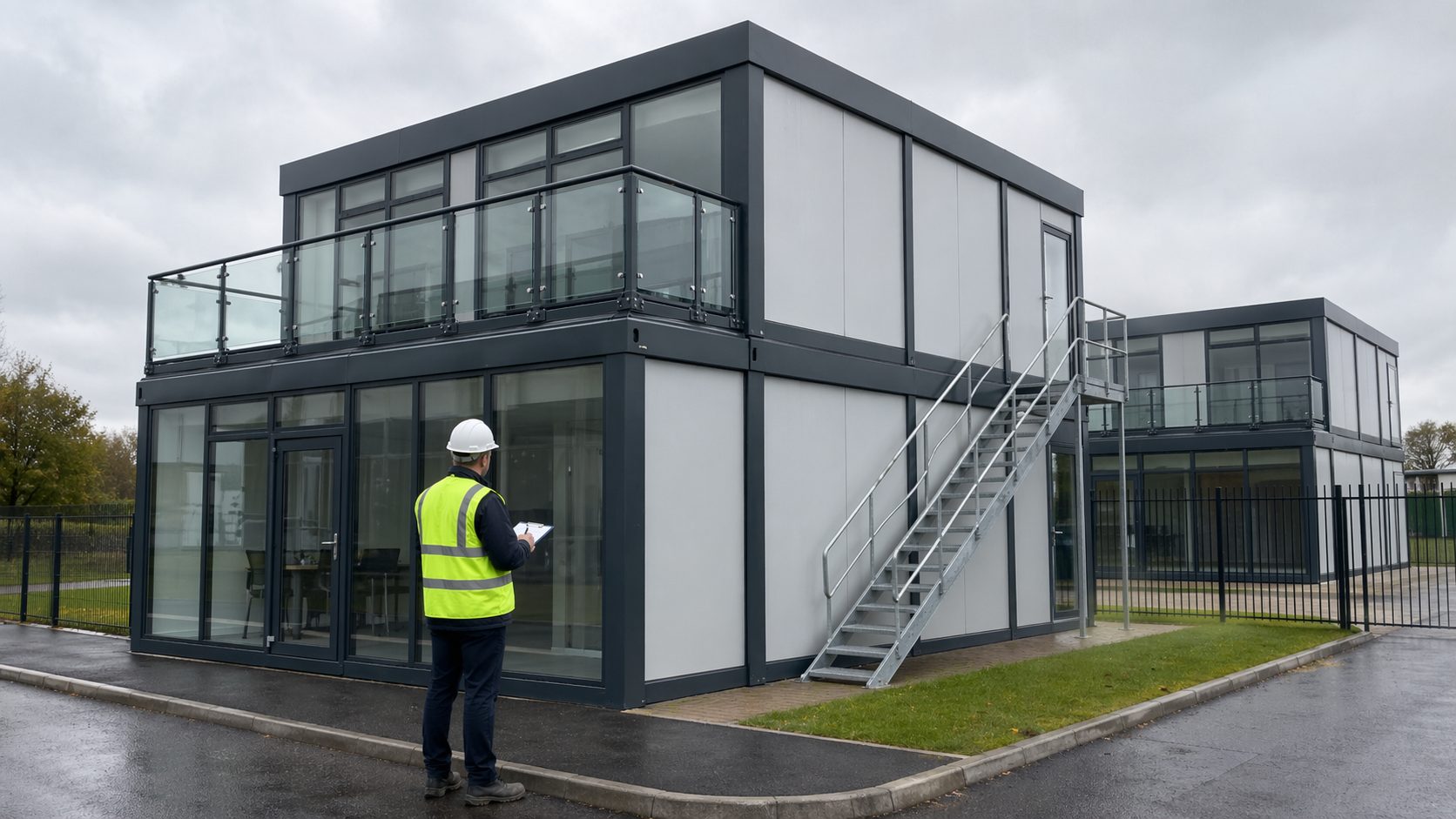
Short answer
Certified insulated panels matter because insurers, landlords, principal contractors and site owners may ask what the cabin is built from and whether the panel system has suitable fire-performance documentation. KC cabins are manufactured using certified insulated panel systems. Relevant certification can be supplied for the specified panel system, such as Euroclass fire classification and, where specified, LPCB or FM approvals. Cheaper cabins built with unknown or non-certified panels may create problems later when arranging building insurance, public liability cover, site approval or project handover documentation.
Who this guide is for
Buyers comparing cabin quotes
For businesses comparing online cabin prices and trying to understand why two visually similar cabins may not be equal in construction quality or documentation.
Contractors and site managers
For teams ordering site offices, welfare cabins or accommodation units where the site owner, client or insurer may ask for panel information.
Facilities and estates teams
For buyers who need cabins for commercial, education, public sector or operational sites and need a clear paper trail before installation.
Procurement and insurance reviewers
For anyone checking whether a quoted cabin has a defined panel system, relevant fire classification and suitable supplier documentation.
Decision table: what to check before buying a cabin
| Supplier answer | What it suggests | Buyer risk | What to ask for next |
|---|---|---|---|
| “Certified insulated panel system with fire classification available.” | The supplier can identify the panel product and provide relevant documentation. | Lower documentation risk, subject to the actual building use, specification and insurer requirements. | Ask for the panel certificate, Euroclass classification and any project-specific documentation needed by your insurer or site owner. |
| “Fire-rated panels.” | The wording may be too vague unless backed by a named test or certificate. | Insurers or clients may reject generic wording if no certificate is available. | Ask which standard, which classification, which panel manufacturer and whether the certificate applies to the complete panel system. |
| “Insulated panels, but no certificate available.” | The panel system may not be verified, or the seller may not have adequate documentation. | Higher risk of later insurance, landlord, site approval or handover problems. | Ask for written confirmation of panel type, core material, fire-performance data and whether the insurer will accept the construction. |
| “We can supply LPCB or FM approved panels where specified.” | The supplier can route the project towards an enhanced third-party certified panel specification if required. | Usually more documentation clarity, but cost and lead time may change. | Confirm whether LPCB or FM approval is required by your insurer, end client, landlord or project specification. |
Important KC quality and insurance note
KC cabins use certified insulated panel systems
All KC cabins are manufactured using certified insulated panel systems. The panels used are tested for fire performance and can be supplied with relevant certification, such as Euroclass fire classification and, where specified, LPCB or FM approvals.
This is important because some cheaper cabins available online are built using non-certified panels. That can create issues later when the buyer tries to arrange insurance for the building, public liability insurance for the site, landlord approval, contractor sign-off or project handover evidence. It is worth checking this carefully before comparing prices.
Why panel certification matters
A cabin is not just a shell. The panel system affects fire performance, thermal performance, durability, documentation and how easily the building can be reviewed by insurers or site stakeholders. Two cabins can look similar in photographs but be built using very different panel systems.
For commercial and site use, buyers may need to answer questions from an insurer, broker, landlord, principal contractor, client, local authority, Building Control route or health and safety team. A clear certificate pack makes that discussion easier than a quote that only says “insulated panels” without naming the system or classification.
Certification is not the same as a whole-building approval
Panel certification supports the specification, but it does not automatically approve the whole cabin for every use. The full building still needs to be considered in context, including layout, doors, windows, internal linings, electrics, heating, fire detection, escape routes, occupancy, location, intended duration and any project-specific approval route.
What certificates or approvals might be relevant?
Euroclass fire classification
Euroclass classifications are commonly used to describe reaction-to-fire performance for construction products and building elements. Ask which classification applies to the panel system being quoted and whether the document covers the specific product proposed.
LPCB approval
LPCB certification is a third-party approval route used for fire and security products and services. Where LPCB is required, ask for the relevant RedBookLive-listed product information and the standard or listing that applies.
FM approval
FM Approvals are often relevant to property loss prevention and insurer-led risk review. Where FM approval is specified, check exactly which FM standard and assembly is required for the intended building use.
Product and conformity documentation
For construction products, documentation may also include product identification, declared performance, CE/UKCA-related information where applicable and manufacturer data. Requirements depend on the panel and the project route.
How cabin panels can affect insurance discussions
Insurance requirements vary by insurer, broker, site, occupancy, building value and use. KC cannot confirm what an insurer will accept for every project, but panel documentation can be important when answering insurer questions about construction materials and fire risk.
The issue normally appears after purchase, not before. A buyer may order a cheaper cabin, then later discover that the insurer, landlord, main contractor or site owner wants details of the panel core, fire classification or third-party approval. If the supplier cannot provide those documents, the buyer may have to spend time finding alternative cover, obtaining extra risk assessments or replacing the unit earlier than planned.
Do this before ordering
Ask your broker, insurer, landlord or principal contractor whether they need Euroclass, LPCB, FM or other specific panel evidence before you approve a cabin quote. This should be checked before a deposit is paid, especially for public-facing, site-based, education, welfare, commercial or higher-risk uses.
Supplier checklist: questions to ask before comparing cabin prices
- Panel system: What is the panel manufacturer and product name?
- Core material: What is inside the insulated panel?
- Fire classification: What Euroclass or fire-performance classification applies?
- Certificate availability: Can the supplier provide the certificate before order?
- Third-party approvals: Is LPCB or FM approval available if required by the project?
- Scope of certificate: Does the certificate apply to the panel system, core material, wall panel, roof panel or full assembly?
- Substitutions: Can the supplier change panel type after order, and how will this be documented?
- Insurer evidence: Will the documentation satisfy the questions your insurer or broker is likely to ask?
- Installation detail: Are fixings, joints, openings and penetrations consistent with the tested system?
- Use case: Has the supplier priced the cabin for your actual use, occupancy, site and duration?
What affects cost, time and specification?
A cabin built from a certified insulated panel system may cost more than a visually similar online cabin using unknown or non-certified panels. The price difference often reflects documentation, panel quality, fire-performance evidence, manufacturing control, system choice and project suitability.
| Factor | Why it matters | Possible quote impact |
|---|---|---|
| Panel core and thickness | Different insulated panel systems offer different thermal, structural and fire-performance characteristics. | May change material cost, weight, lead time and suitability for the intended use. |
| Euroclass classification | The fire classification may be required for insurer, client, landlord or specification review. | May affect panel selection and documentation requirements. |
| LPCB or FM approval | Some insurers, clients or project specifications may request third-party approved panel systems. | Can affect panel choice, cost, availability and lead time. |
| Use and occupancy | Welfare, office, education, public-facing and storage uses may create different expectations. | May change layout, fire safety assumptions, M&E, doors, windows and certification needs. |
| Services and penetrations | Electrical, heating, ventilation and service penetrations can affect fire-risk management and installation quality. | May require additional design, installation checks and handover documentation. |
Project image references
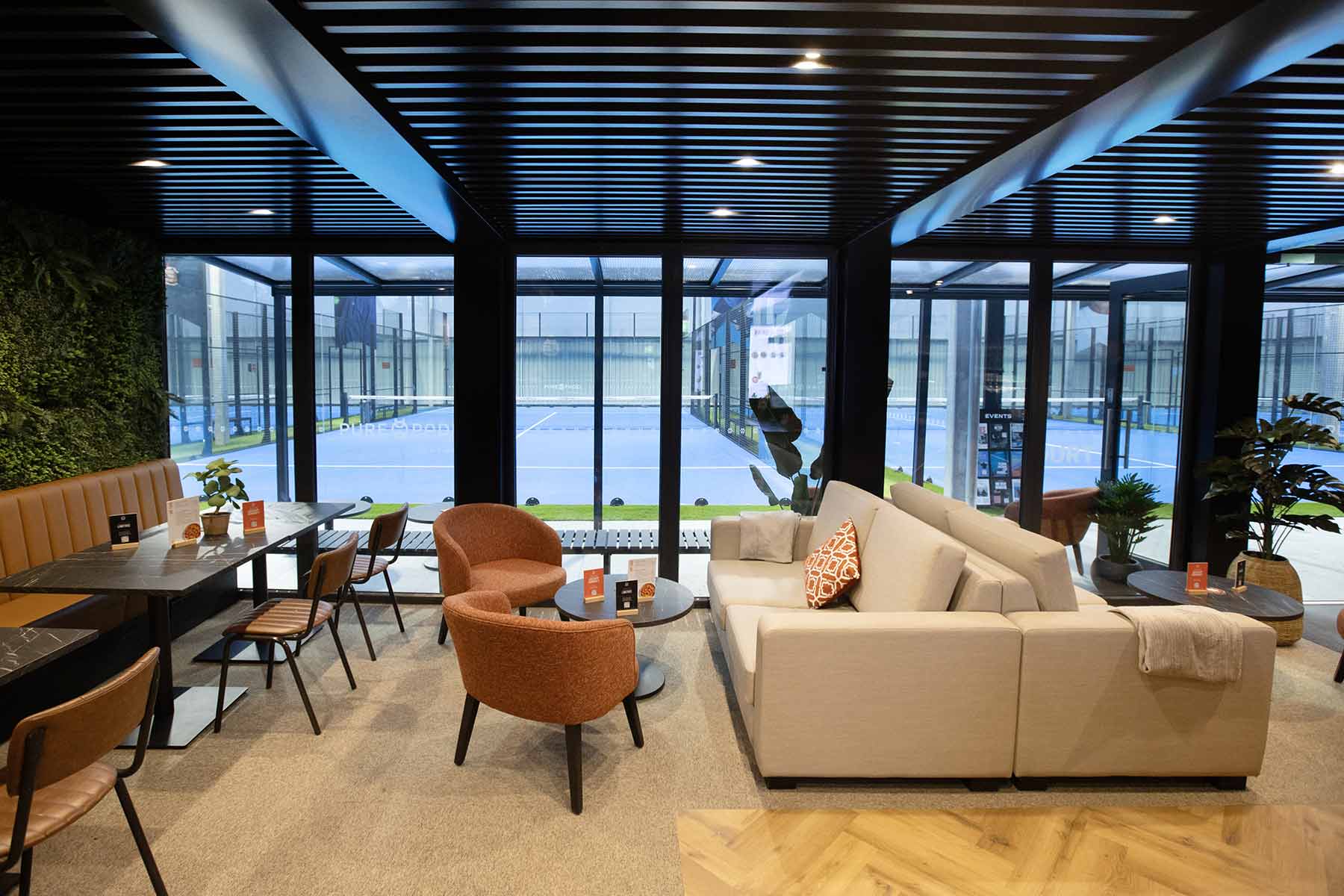
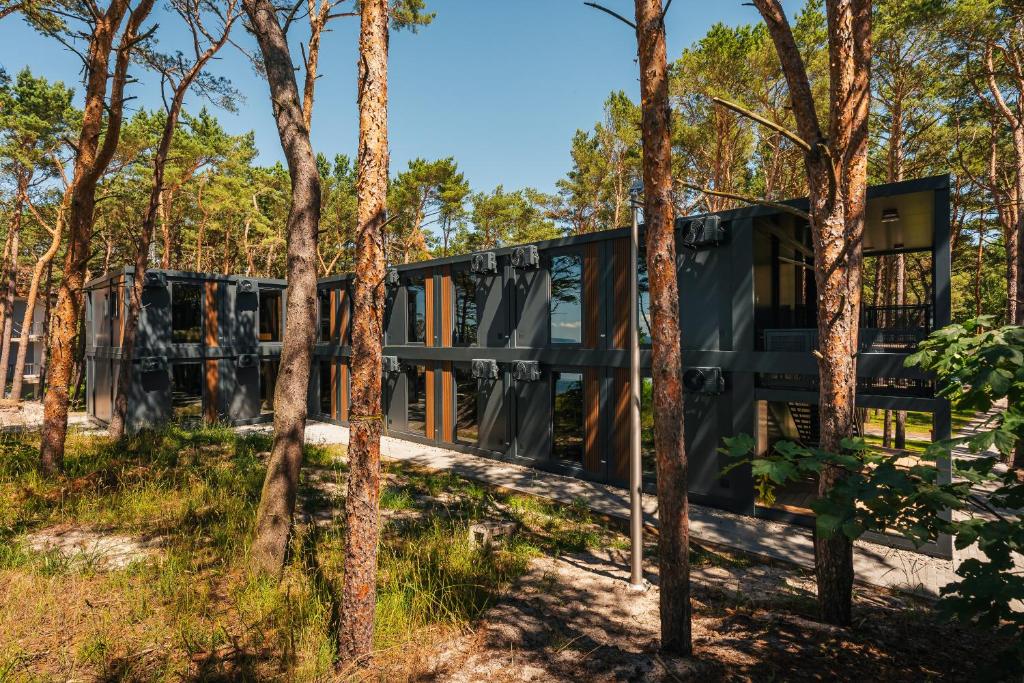
What KC needs to quote the right cabin specification
To recommend the correct cabin and panel specification, KC needs more than a rough size. Insurance, site approval and fire-performance requirements should be raised at the start, not after the cabin has been manufactured.
- Cabin use: office, welfare, storage support, classroom, public-facing unit, sales space or mixed use.
- Temporary or long-term need: expected duration and whether relocation may be required.
- Site postcode: delivery location, access route and local context.
- Approximate size: length, width, number of rooms, occupancy and internal layout.
- Insurance requirements: any specific wording from your insurer, broker, landlord or principal contractor.
- Required certification: Euroclass, LPCB, FM or other certification requested by the project.
- Services: power, heating, cooling, ventilation, water, drainage, toilets or kitchen areas.
- Site constraints: access photos, ground conditions, lifting space, working hours and public access.
- Approval status: any known planning, Building Control, fire, landlord, client or site-specific requirements.
- Target date: required installation date, opening date or site mobilisation date.
Helpful external guidance
These sources are useful when checking fire classification, construction product documentation and insurer-led panel questions. They do not replace project-specific insurance, fire strategy, Building Control or legal advice.
FAQ
Why do certified insulated panels matter when buying a cabin?
Certified insulated panels give the buyer a clearer paper trail for fire-performance review, insurance questions, landlord approval, site acceptance and handover documentation. They help show what the cabin is built from and what panel system has been specified. This is especially important when comparing cheaper online cabins that may use unknown or non-certified panels.
Do cabin panels affect insurance?
They can. Insurance requirements vary by insurer, broker, site and building use, but insurers may ask for construction details, panel type, fire-performance classification and risk-control information. A cabin built from non-certified or unknown panels may be harder to document if those questions arise after purchase.
What certificate should I ask for when comparing cabin suppliers?
Ask for the panel manufacturer, panel product name, core material, Euroclass fire classification and relevant test or classification documents. Where your insurer, landlord or client requires it, also ask whether LPCB or FM approved panel options are available and whether the quoted panel system matches that approval.
Does Euroclass fire classification mean the whole cabin is approved?
No. Euroclass fire classification relates to product or material performance under a classification route. It does not automatically approve the full cabin for every use. The complete building still needs to be considered according to intended use, layout, occupancy, services, fire precautions, site conditions and any approval route.
What are LPCB and FM approvals?
LPCB and FM approvals are third-party certification routes often used in fire, security, property loss prevention and insurer-led specification. They may be requested on some projects, but they are not automatically required for every cabin. The need depends on insurer requirements, client specification, building use and site risk.
Are cheaper online cabins a problem?
Not every cheaper cabin is automatically unsuitable, but buyers should check the construction carefully. A low price may reflect reduced specification, limited documentation, unknown panel type or non-certified materials. The issue may only appear later when the buyer needs insurance, client approval, landlord sign-off or site documentation.
Can KC supply certification for the panels used?
KC cabins are manufactured using certified insulated panel systems. Relevant certification can be supplied according to the specified panel system, including Euroclass fire classification and, where required and specified, LPCB or FM approval documentation. The exact documents depend on the cabin specification and project requirements.
What should I send to KC if my insurer has specific requirements?
Send the insurer or broker wording, the intended cabin use, site postcode, required size, occupancy, duration, and any stated requirements for Euroclass, LPCB, FM or other certification. KC can then review the cabin specification route and identify what documentation can be provided with the quote.
Need a cabin quote with proper panel documentation?
Send KC your intended use, approximate size, site postcode and any insurer, client or site requirements. KC can help specify the right cabin route and confirm what panel certification can be supplied for your project.