
Do It Yourself
DIY Pods for Gardens UK: Build It Yourself, Use a Kit or Choose a Modular Garden Pod?
A practical homeowner guide to pods for gardens, including what you can safely DIY, where professional help is usually needed, and how to compare self-build, kit-form and modular garden pod options for office, studio, gym or leisure use.
Quick answer
DIY pods for gardens can be a good idea for lightweight, seasonal or hobby use where the structure is small, simple and low-risk. For a year-round garden office, studio, gym, treatment room or customer-facing space, a professionally built modular garden pod is often the safer and more predictable route. The main issues are weatherproofing, insulation, foundations, electrics, ventilation, planning checks, insurance, security and long-term durability.
What is a garden pod?
A garden pod is a compact outdoor building designed to create usable space in a residential garden. It may be used as a garden office, studio, gym, reading room, treatment room, hobby space or private retreat.
The phrase “pod” is used widely. Some pods are simple timber buildings or kit cabins. Others are insulated modular garden rooms with factory-built components, glazing, electrical planning and a more permanent finish. Before choosing a DIY route, be clear whether you want a basic outdoor shelter or a proper year-round room.
DIYBest for simple, low-risk, seasonal or hobby use
KitUseful where you can assemble but want pre-cut parts
ModularBetter for insulated, year-round and premium use
BespokeBest for office, studio, gym or treatment needs
DIY garden pod, kit pod or modular garden pod?
The right choice depends on how the space will be used, how long you expect it to last, what level of comfort you need and how much technical responsibility you want to take on.
| Route | Best for | Advantages | Main risks |
|---|---|---|---|
| True DIY garden pod | Small hobby pod, basic summer use, storage-adjacent use or simple retreat. | Maximum control over materials and appearance; can reduce labour cost if you have the skills. | Weatherproofing, structural stability, insulation, damp control, electrics and finish quality can become difficult. |
| Flat-pack or kit garden pod | Homeowners who want pre-cut parts but are comfortable with assembly. | More predictable than true DIY; instructions and component sizing are usually provided. | Still relies on accurate base preparation, assembly quality, sealing, insulation and service coordination. |
| Modular garden pod | Year-round office, studio, gym, treatment room or premium garden room. | More controlled specification, clearer finish quality and reduced build uncertainty. | Higher upfront cost than DIY; access, delivery and specification still need checking. |
| Bespoke modular garden room | Client-facing, premium, larger or multi-use garden space. | Designed around layout, use, glazing, finish, electrics and comfort. | Requires clearer brief, budget direction and project planning before quote. |
What can homeowners realistically DIY?
A DIY approach can work well for parts of the project where the risk is manageable. The key is knowing where DIY ends and professional input should begin.
Layout planning
You can decide how the pod should be used, where furniture will sit and how much floor area is required.
Garden preparation
Clearing the area, removing old sheds, measuring access and planning the route from the house are useful DIY steps.
Interior styling
Furniture, blinds, shelving, storage, soft finishes and décor can usually be selected by the homeowner.
External finishing touches
Patio furniture, planters, gravel, stepping stones and lighting design can improve the pod’s garden connection.
Do not treat all garden pod work as DIY
Structural work, waterproofing, electrical installation, heating, drainage, foundations, glazing installation and anything linked to safety or compliance should be handled carefully. Use competent trades where the work affects safety, durability, insurance or legal compliance.
Technical checks before building a pod for your garden
1. Base and foundations
The base is one of the most important parts of any garden pod. A poor base can lead to movement, damp, door alignment problems, pooling water and reduced lifespan. The correct base depends on ground conditions, size, weight, drainage and whether the pod will be used year-round.
2. Insulation
A pod used as a summer hobby room does not need the same specification as a daily garden office. For year-round use, wall, roof and floor insulation should be considered together with glazing, doors, heating and ventilation.
3. Weatherproofing
DIY builds often fail at junctions: roof edges, wall corners, door thresholds, window openings, cladding joints and base details. Water ingress can damage insulation, flooring, electrics and finishes.
4. Electrics and Part P
Electrical work in a garden pod is not a casual DIY task. Power supply, sockets, lighting, heating, external lights and equipment loads should be planned by a competent person. Outdoor and outbuilding electrical work may need Building Regulations compliance and notification depending on scope and jurisdiction.
5. Ventilation and condensation
Garden pods can develop condensation if they are well sealed but poorly ventilated. This is especially important for gyms, treatment spaces, studios and rooms used for long workdays.
6. Security and insurance
Locks, glazing, external lighting, contents value and the way the pod is used may affect insurance. Tell your insurer before installation and confirm whether the structure and contents are covered.
Planning permission, Building Regulations and insurance
Many garden pods and outbuildings may fall within permitted development, but this is not automatic. The project must meet the relevant limits and conditions. Height, size, position, use, boundaries, listed-building status, designated land and previous changes to the property can affect the planning route.
Building Regulations approval is separate from planning permission. A small detached garden pod used incidentally to the home may be treated differently from a larger building, sleeping accommodation, commercial treatment room, plumbing-heavy pod or self-contained annexe.
Insurance should be checked before the pod is installed. Ask your insurer about the building structure, contents, business use, equipment, client visits, overnight use, security requirements and any policy limits for outbuildings.
| Check | Why it matters | What to do before ordering |
|---|---|---|
| Planning permission | Outbuildings may be permitted development only if limits and conditions are met. | Check size, height, boundary position, use and any property-specific restrictions. |
| Building Regulations | Rules depend on size, use, sleeping accommodation, services and construction. | Check the project-specific position before installing, especially for larger or higher-use pods. |
| Electrical safety | Garden and outbuilding electrical work must be safe and may be notifiable. | Use a competent electrician and keep certification/records where required. |
| Insurance | Outbuilding structure and contents cover can vary, and contents limits may be lower. | Tell your insurer the value, use, contents and security details before installation. |
| Business use | Client visits, stock, employees or treatment use can change the position. | Check planning, insurance, public liability, mortgage or leasehold conditions. |
What affects the cost and time of a garden pod?
A DIY pod can appear cheaper at first, but the final cost depends on materials, waste, tool hire, mistakes, ground preparation, electrics, heating, glazing, insulation and the value of your own time.
Size and footprint
A compact rectangular pod is normally easier to build or manufacture than a complex shape.
Insulation level
Year-round office or studio use needs a better specification than summer-only use.
Glazing and doors
Large glazed doors improve appearance and daylight but increase cost and installation precision.
Base and groundworks
Slopes, soft ground, drainage issues and poor access can change both cost and programme.
Electrics and heating
Sockets, lighting, heating, data and equipment loads should be planned early.
Finish level
Cladding, flooring, internal walls, blinds and external landscaping affect final cost and appearance.
When DIY makes sense — and when to choose modular
DIY is not automatically wrong. It can be appropriate where the pod is small, simple and not relied on as a year-round workspace. Modular is usually stronger where comfort, finish quality, warranty, speed and daily use matter more.
| Your situation | Likely better route | Reason |
|---|---|---|
| You want a small summer hobby pod. | DIY or kit pod | The technical risk is lower if there are no complex services and comfort demands are modest. |
| You need a daily home office. | Insulated modular garden pod | Thermal comfort, electrics, security, weatherproofing and finish quality matter every day. |
| You will meet clients or patients. | Professionally specified garden room | Insurance, appearance, privacy, access and compliance become more important. |
| You want a garden gym. | Modular or professionally reviewed pod | Floor durability, ventilation, equipment loads and condensation control need proper planning. |
| You want a premium garden feature. | Bespoke modular garden room | Cladding, glazing, lighting, patio connection and finish quality drive the result. |
Garden pod image gallery and SEO metadata
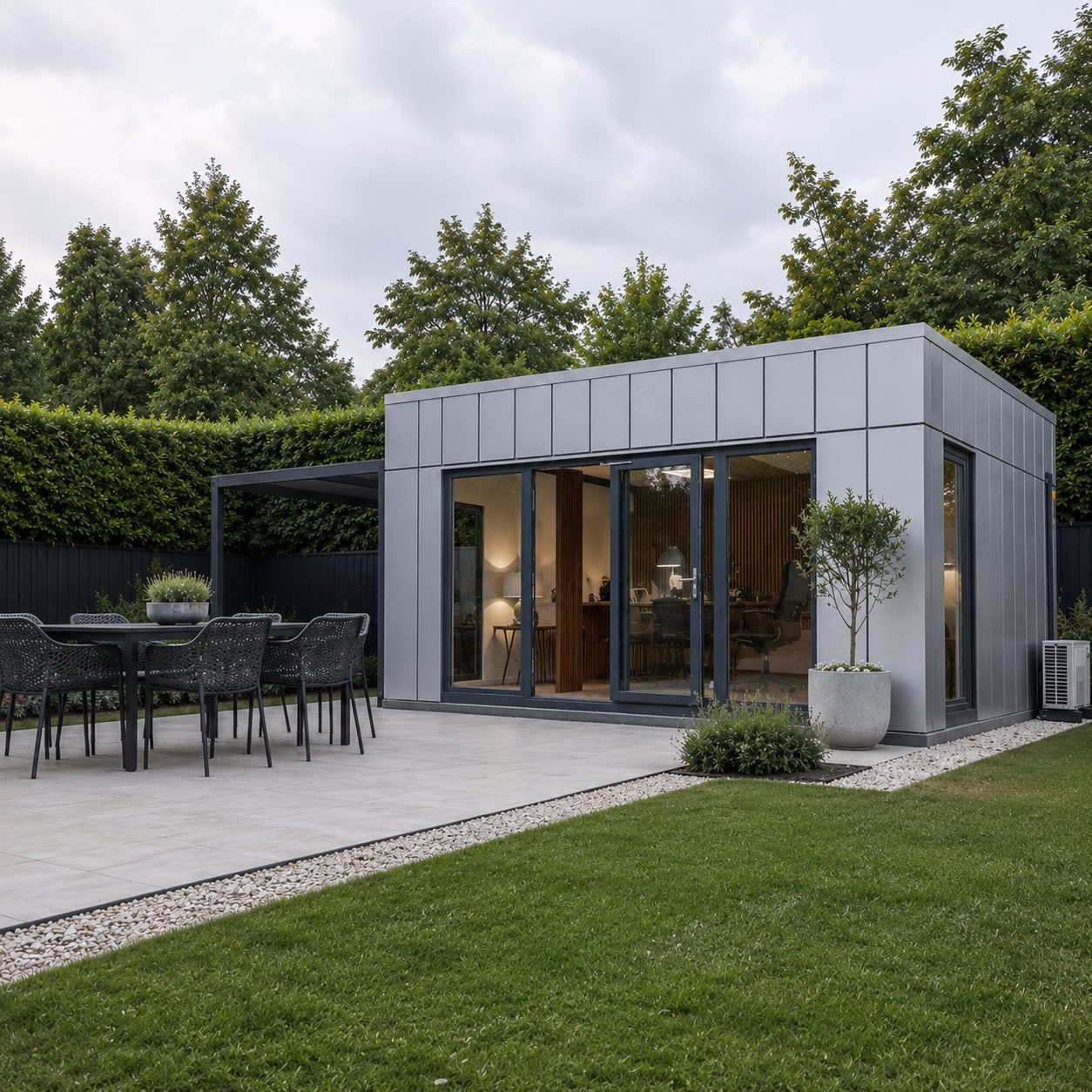
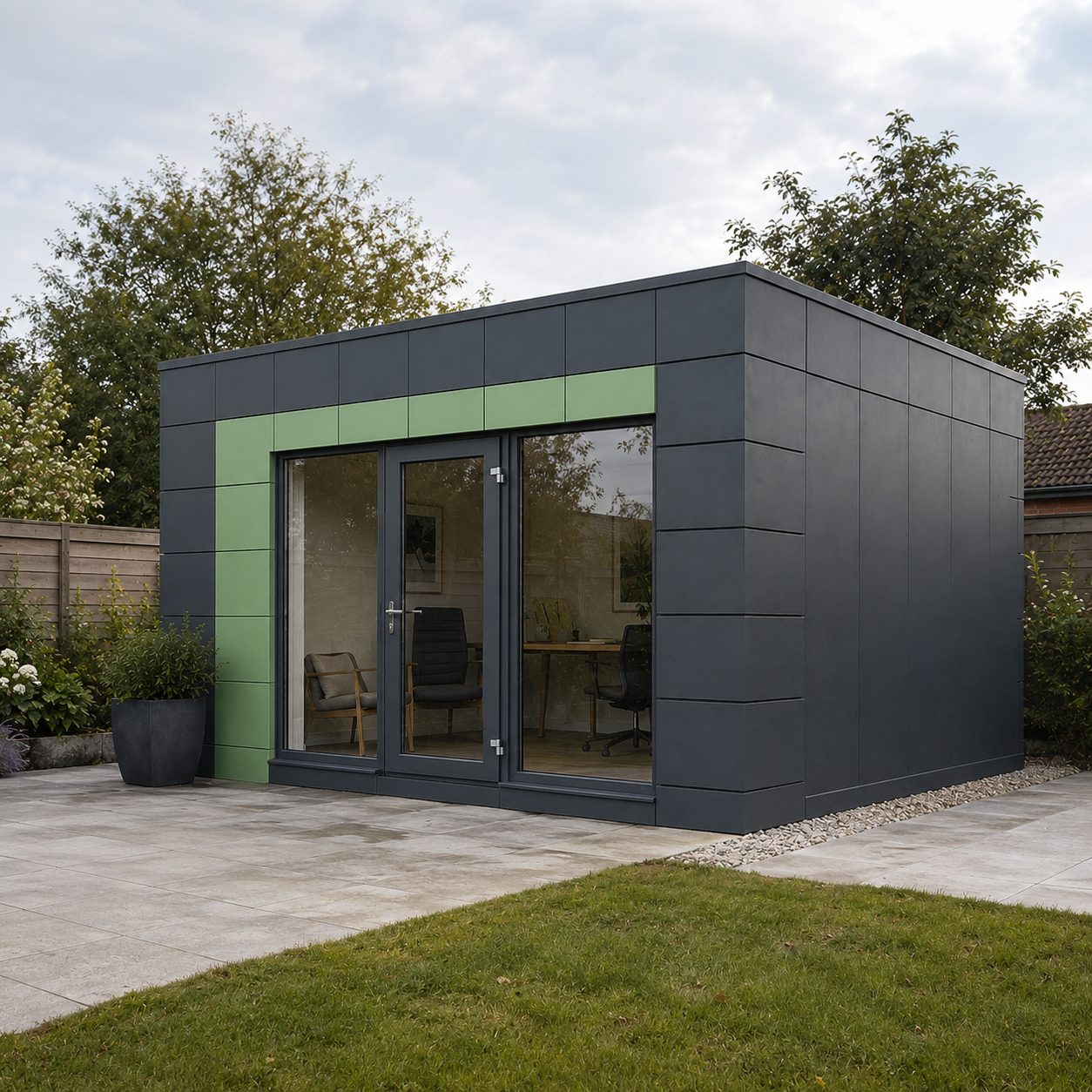
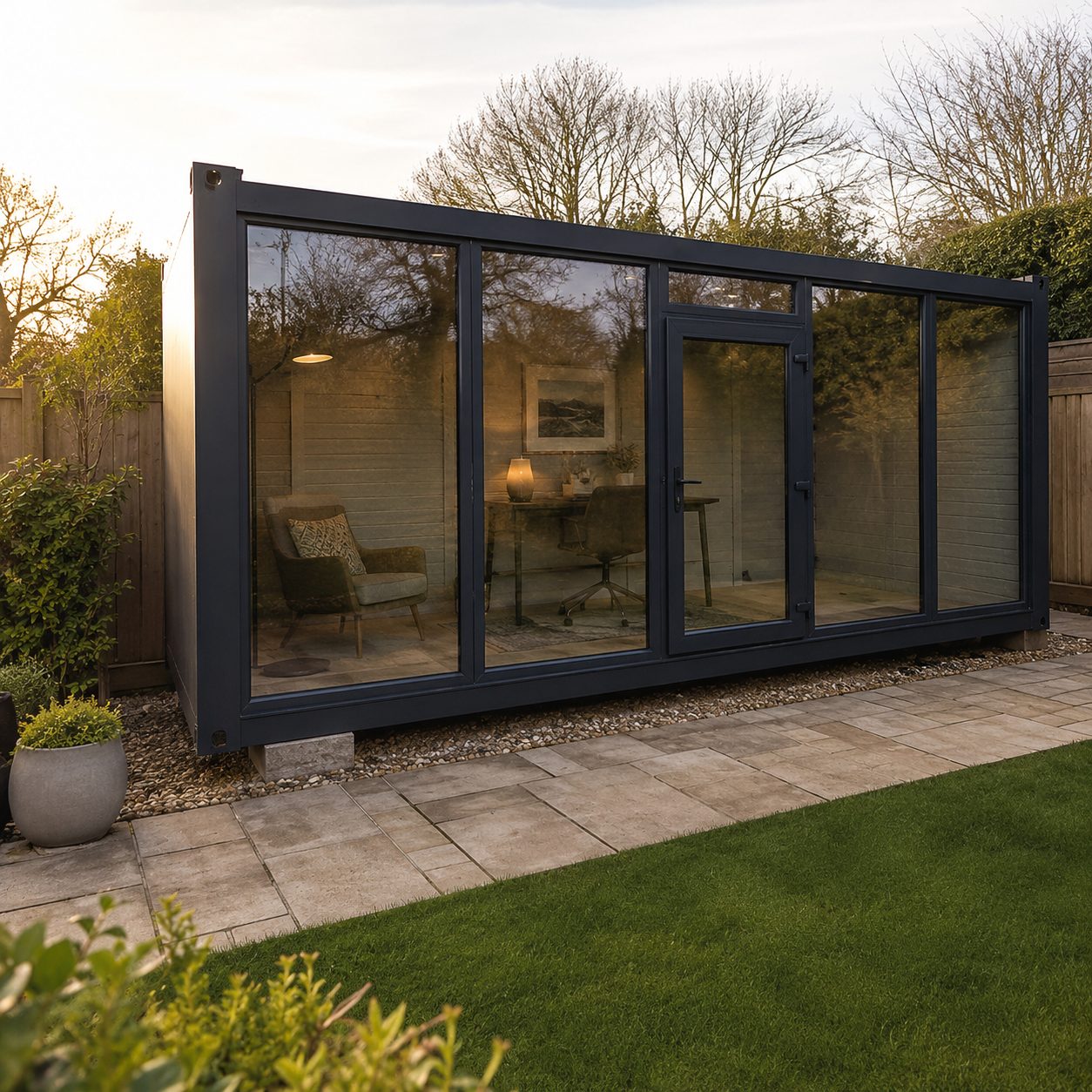
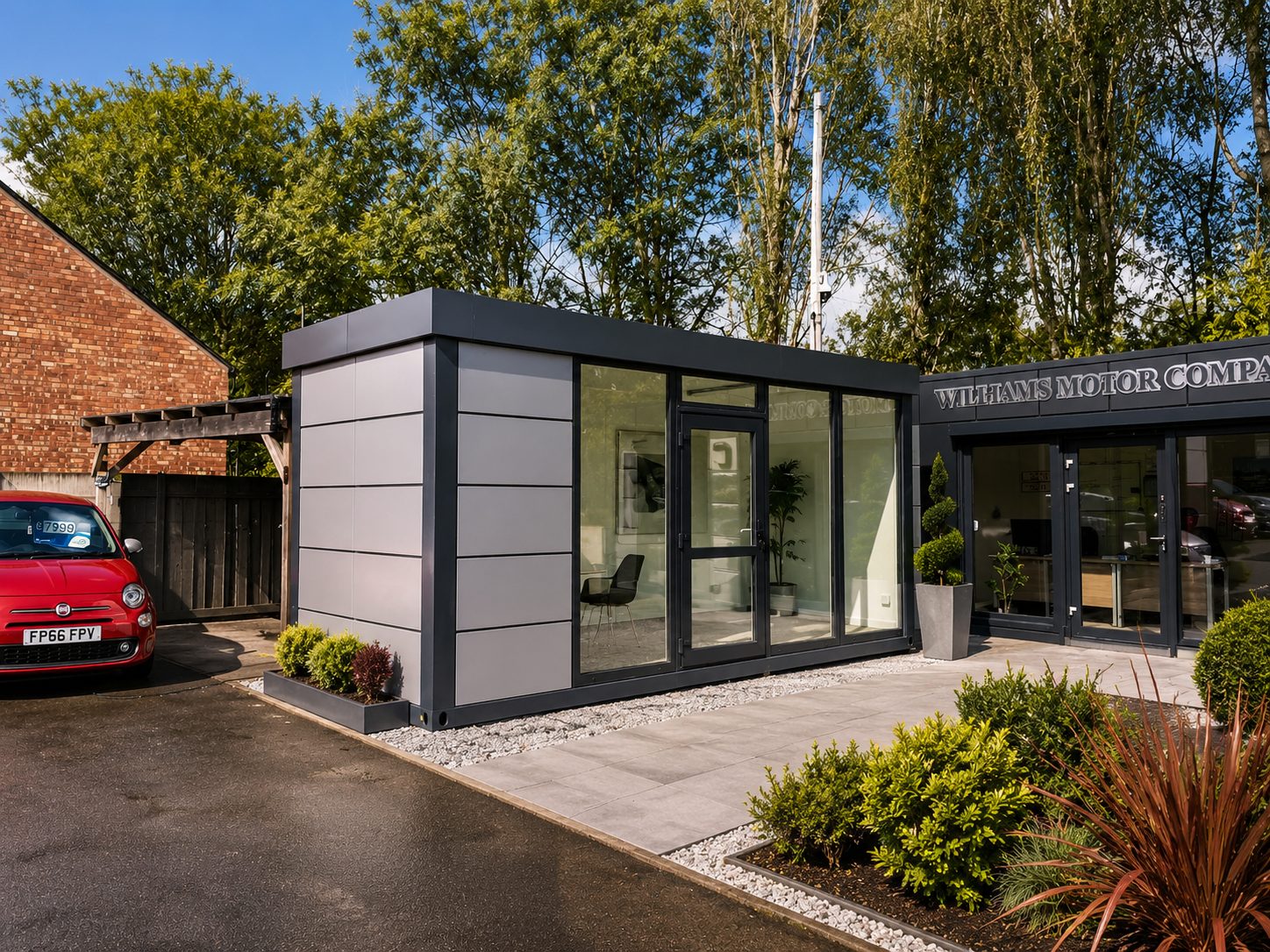
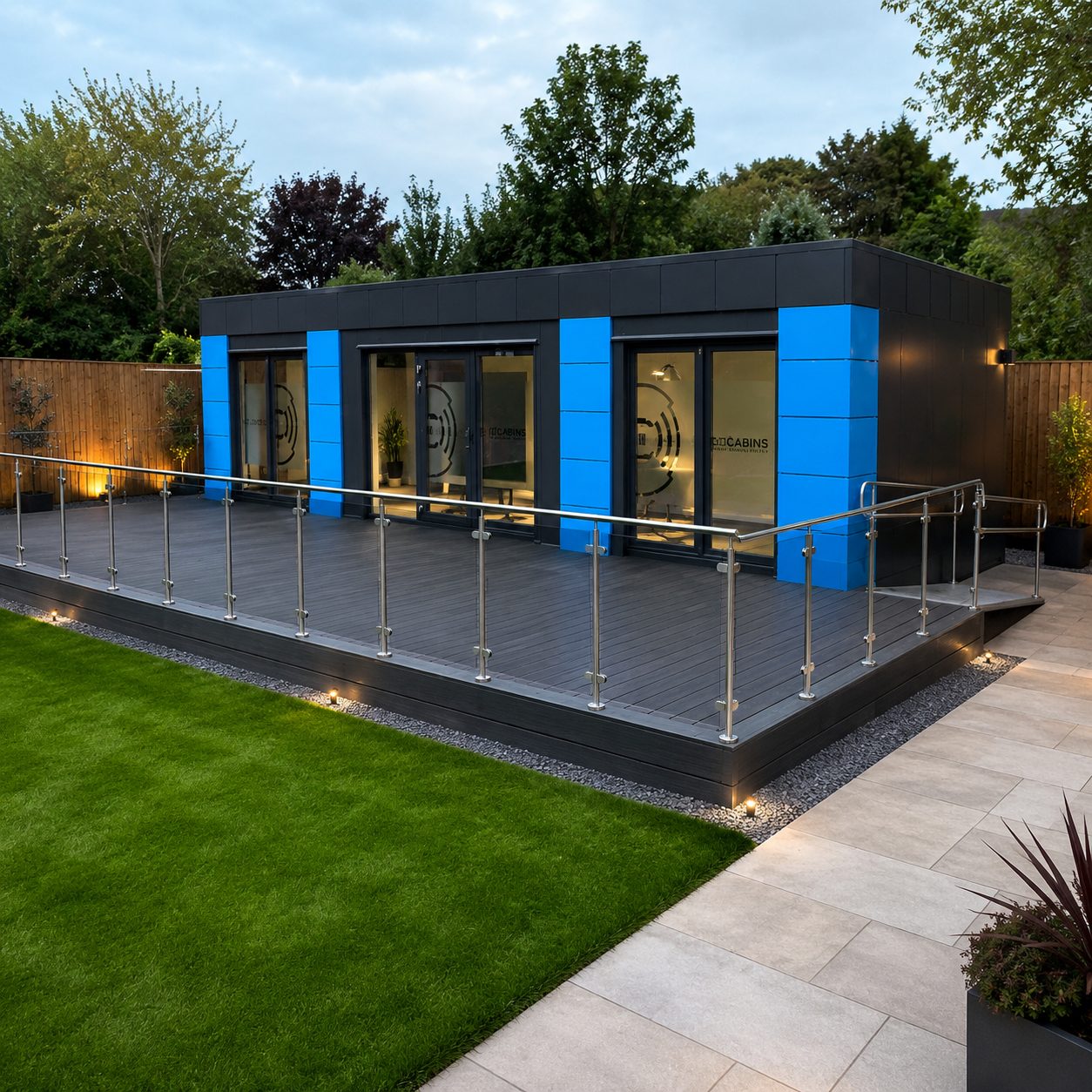
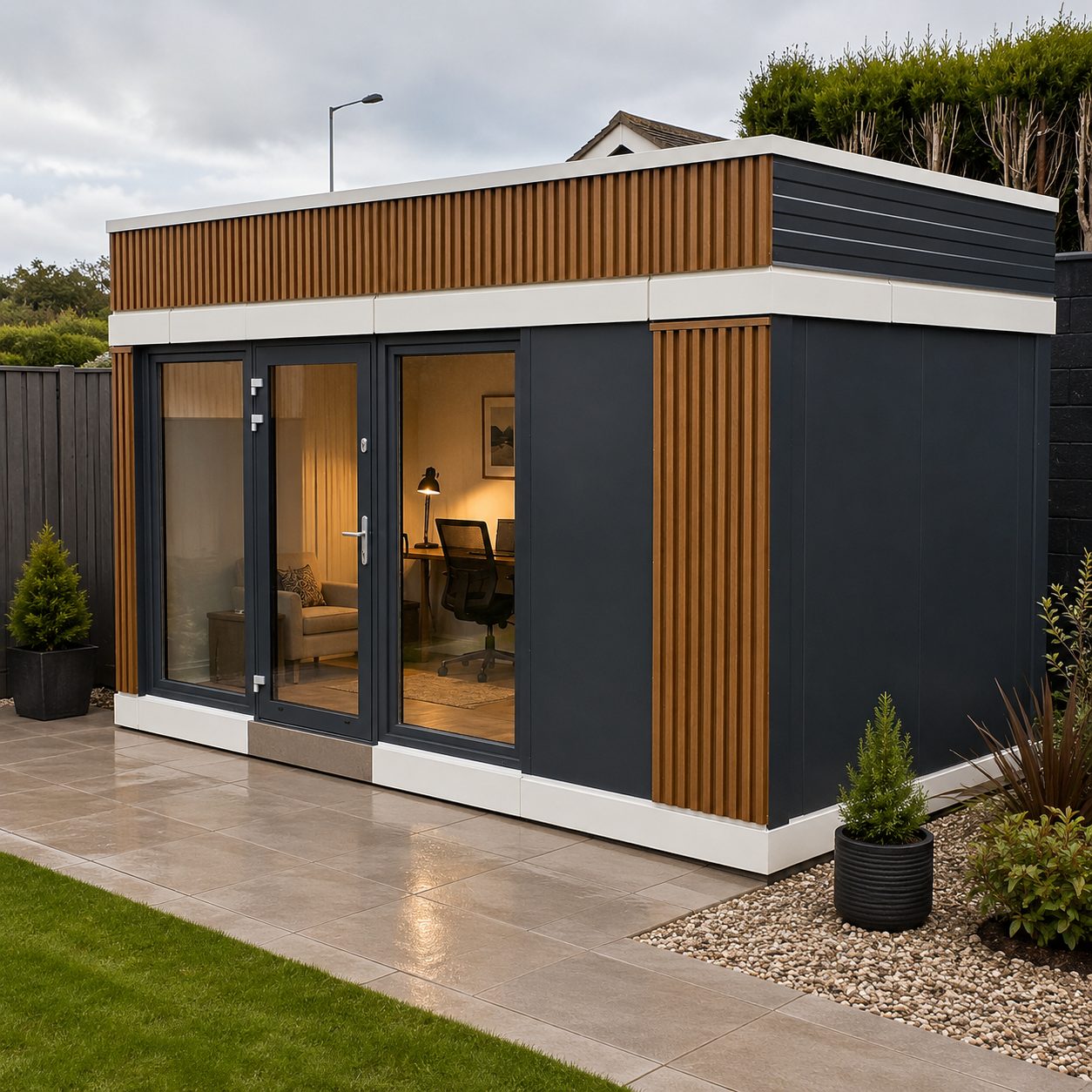
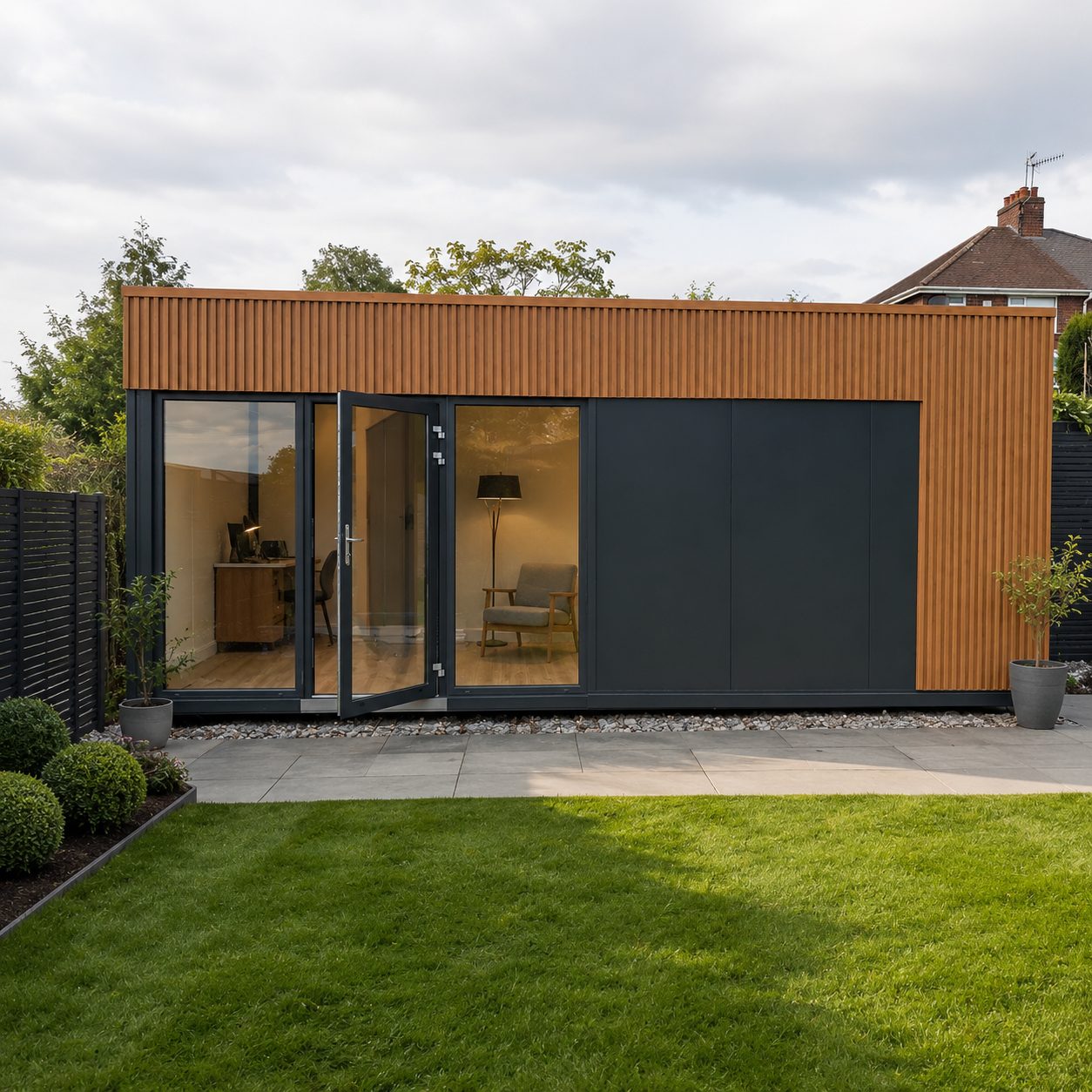
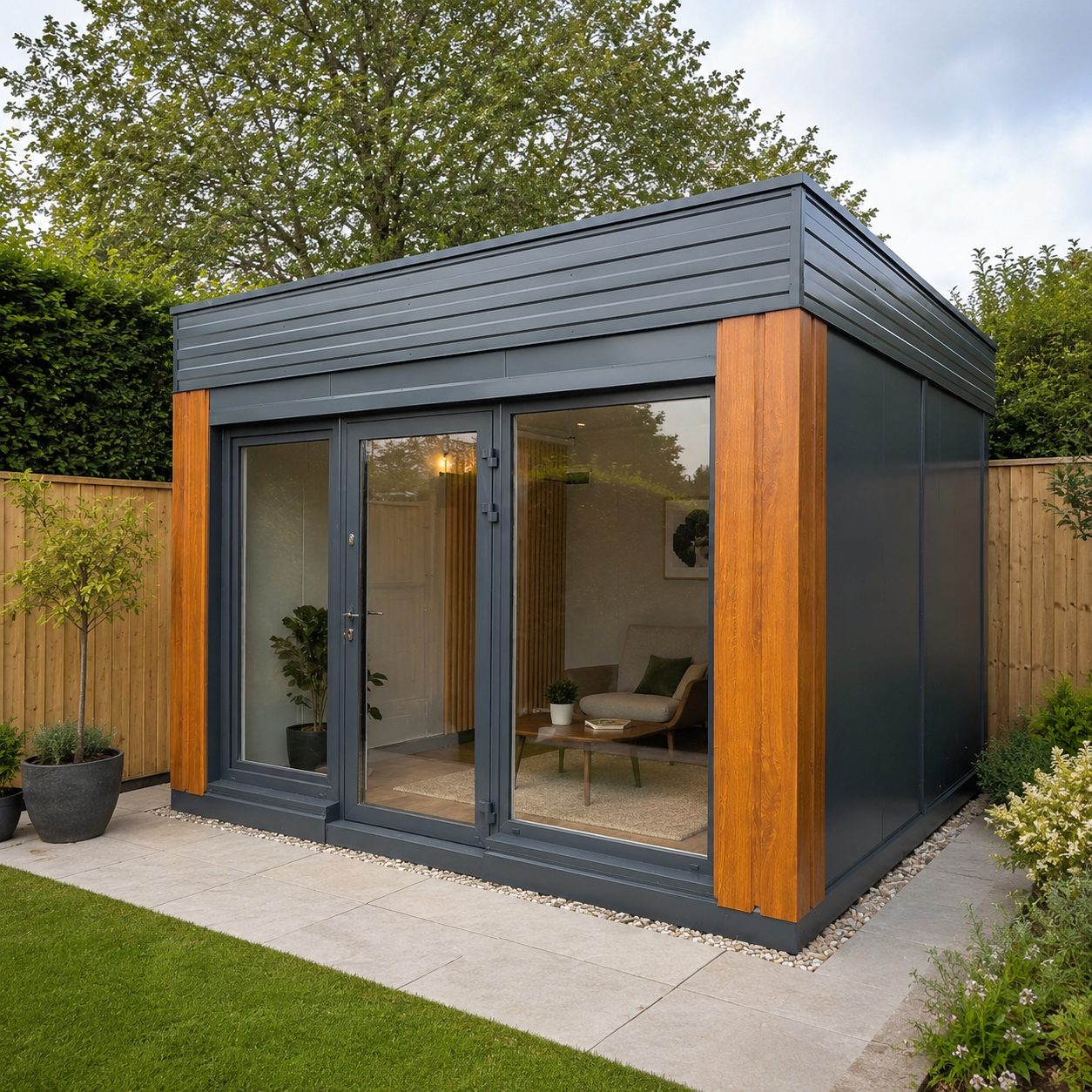
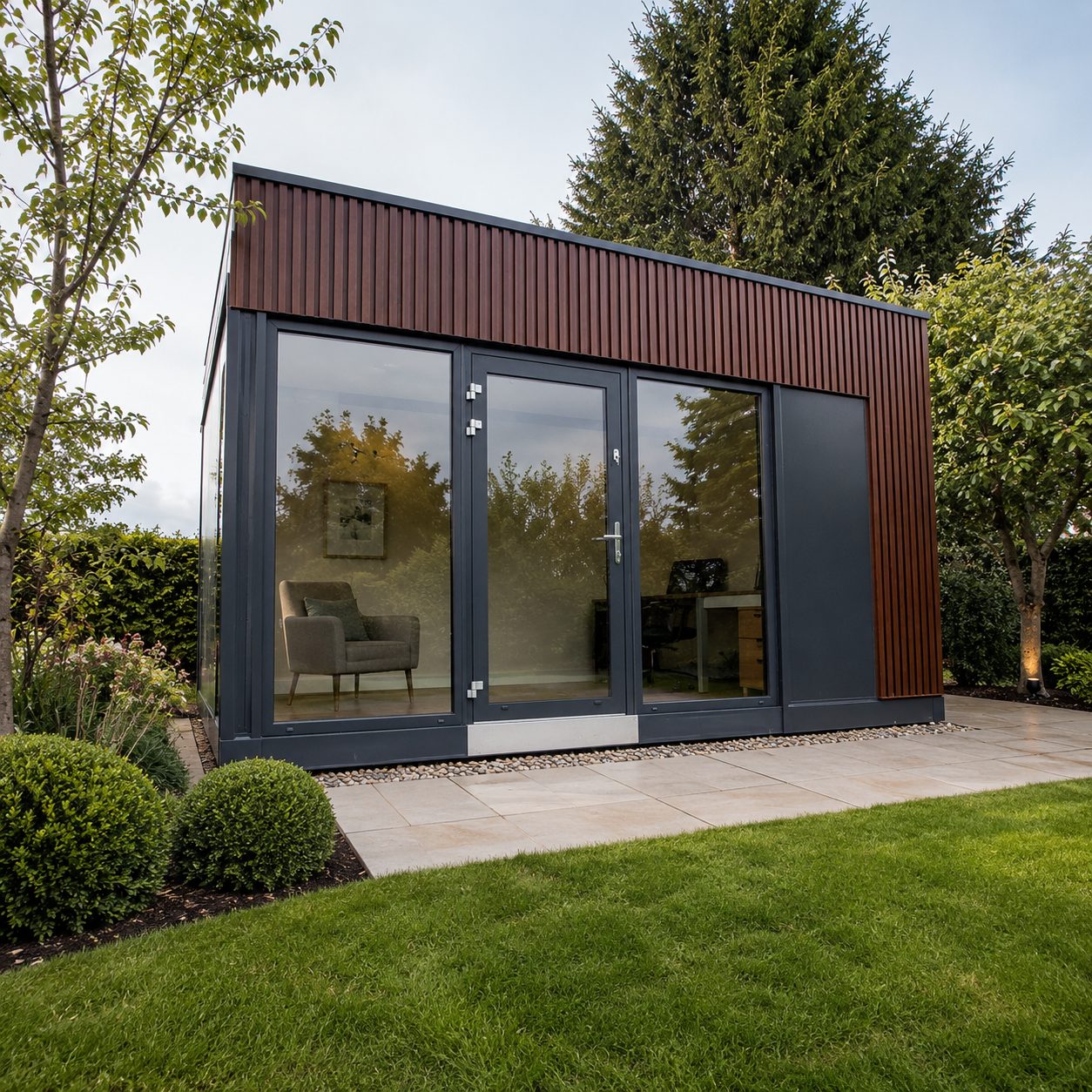
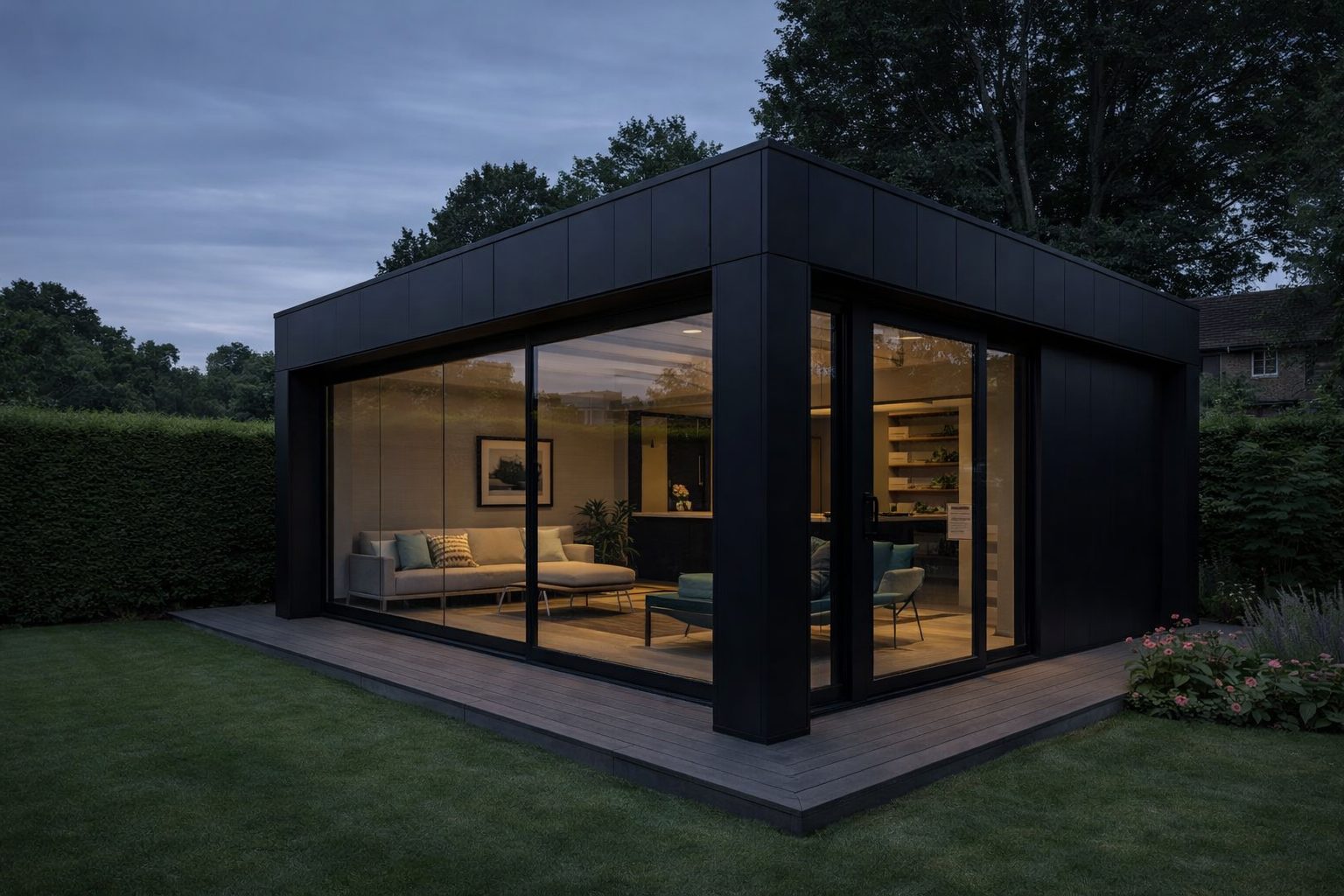
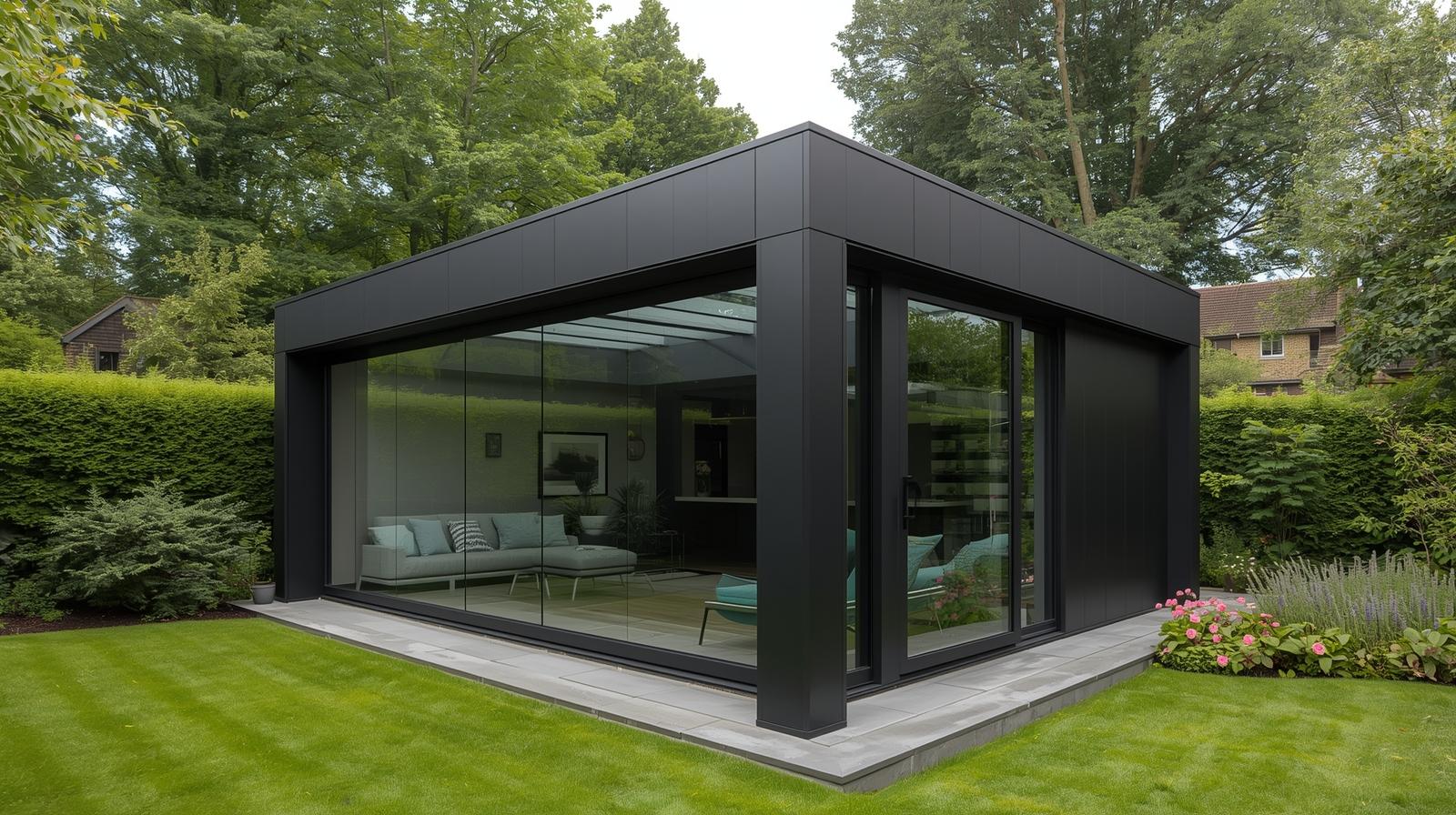
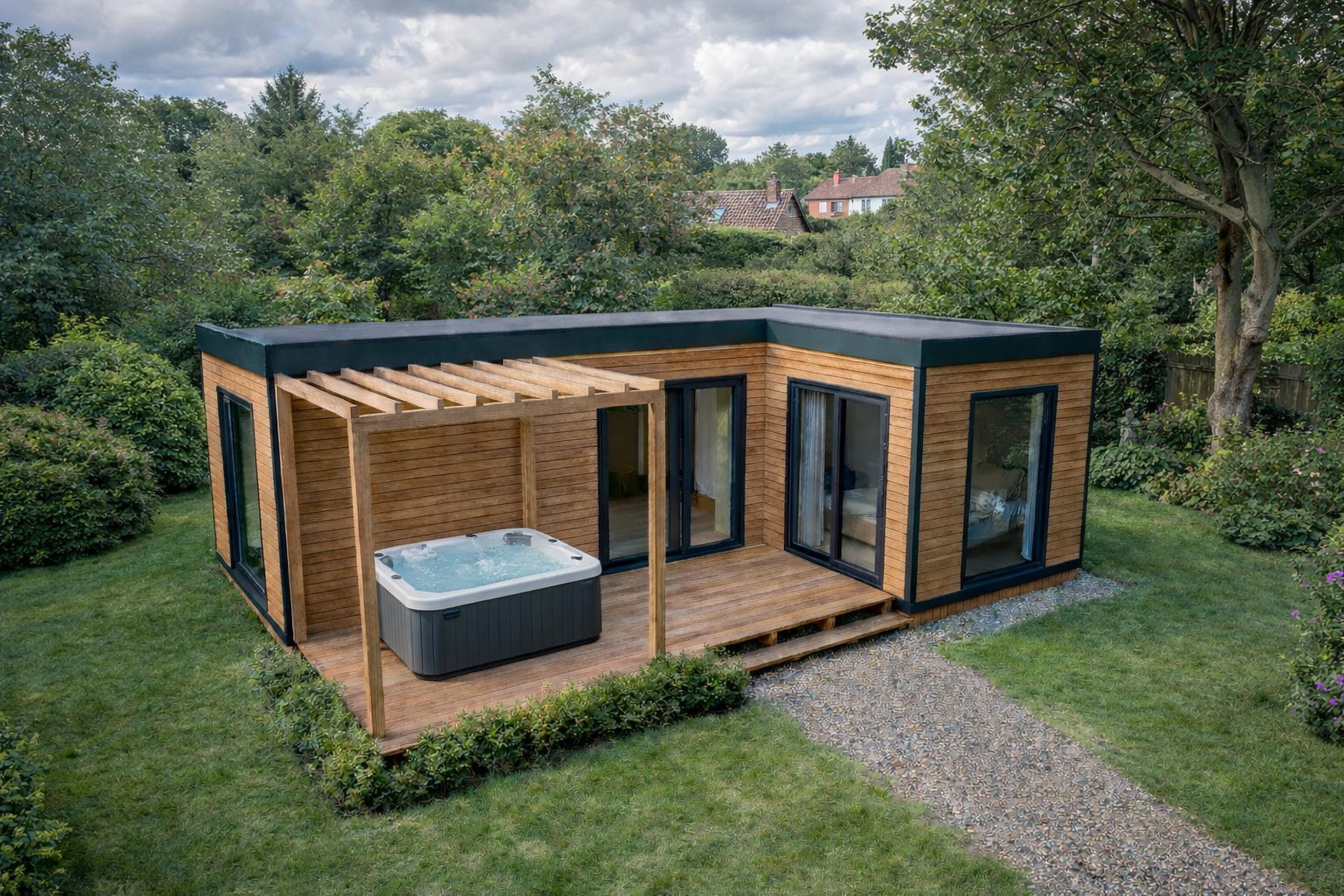
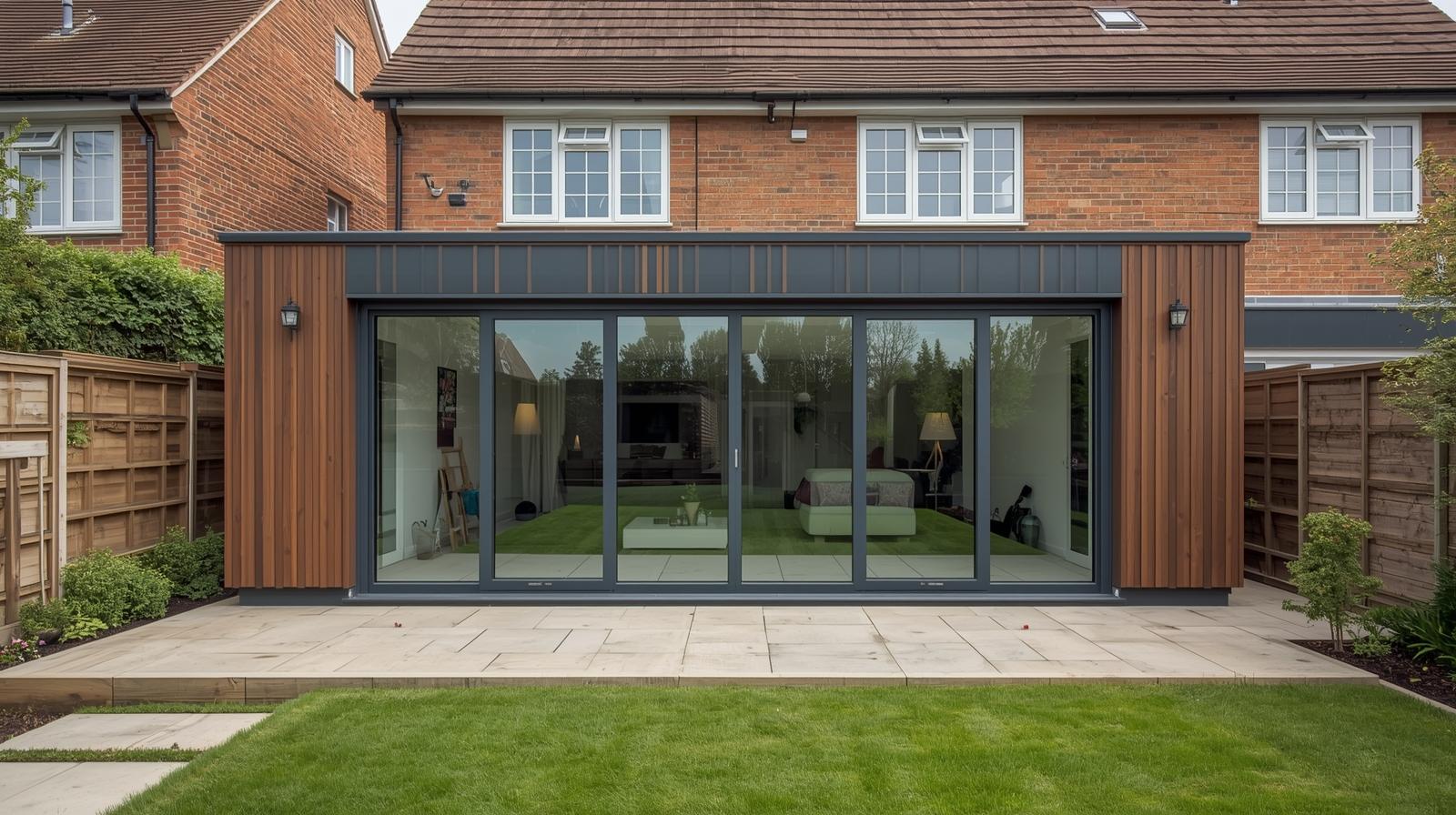
The images below show design directions for pods for gardens: compact eco pods, modern grey garden offices, dark architectural pods, timber-style garden rooms, glazed frontages, patio connections and premium modular finishes.
Description: A strong example of how a garden pod can look premium while keeping a simple modular form.
Description: A simple rectangular pod can support cost control and easier garden integration.
Description: External access, seating and lighting can make a pod feel like a finished part of the garden.
Description: Large glass doors improve daylight but should be planned with insulation, privacy and security.
Description: A good pod brief should include the intended use before deciding between DIY, kit or modular.
Description: Grey cladding is a practical modern finish for many UK garden pod designs.
Description: Simple forms are usually easier to build, insulate, seal and maintain.
Description: Compact pods can suit focused office, hobby or retreat use where space is limited.
Description: Dark cladding can create a strong design statement where the garden and planning context suit it.
Description: Timber-style finishes create a warmer residential look for pods used as offices, studios or retreats.
What KC needs to quote a modular garden pod
To recommend the right route, KC Cabins Solutions Ltd needs to understand whether you want a simple pod, an insulated garden office, a premium studio or a more bespoke outdoor room.
- Property postcode and delivery location
- Intended use: office, studio, gym, treatment room, hobby pod, retreat or mixed use
- Approximate size or preferred footprint
- Photos of the proposed garden position
- Photos of side access, gates, steps, narrow routes, slopes and ground condition
- Preferred external finish: grey, black, timber-effect, composite, slatted or other
- Door and glazing preference
- Electrical requirements: sockets, lighting, heating, data/Wi-Fi route, external lighting and equipment loads
- Whether you are comparing DIY, kit-form or professionally installed modular options
- Whether plumbing, WC, client visits, overnight use or business use is being considered
- Any known planning, Building Regulations, leasehold, insurance, boundary or neighbour restrictions
- Target installation period and budget direction
Comparing DIY with a modular garden pod?
Send your postcode, intended use, approximate size, access photos and preferred finish. KC can review whether a professionally built modular garden pod is a better route than a self-build or kit option for your project.
Helpful official and consumer guidance
- Planning Portal: Outbuildings and planning permission
- GOV.UK: Permitted development rights for householders technical guidance
- GOV.UK: Building Regulations approval
- Approved Document P: Electrical safety in dwellings
- Electrical Safety First: Part P explained
- Citizens Advice: Buildings insurance
- MoneySuperMarket: Shed and outbuilding insurance
Frequently asked questions
Can I build a garden pod myself?
Yes, a homeowner can build some simple garden pods themselves, especially where the structure is small, seasonal and low-risk. The more the pod becomes a year-round office, studio, gym or client-facing room, the more important professional input becomes for base design, insulation, weatherproofing, electrics, heating, ventilation and compliance checks.
Is a DIY garden pod cheaper than a modular garden pod?
It can be cheaper upfront, but only if you have the time, tools, skills and access to suitable materials. DIY can become more expensive if mistakes, waste, leaks, poor insulation, electrical changes or base problems need correcting later. Compare total project cost, not only the material cost.
Do pods for gardens need planning permission?
Some garden pods may fall under permitted development if all relevant limits and conditions are met. This is not automatic. Check size, height, boundary position, use, designated land, listed-building status, previous property changes and local restrictions before ordering or building.
Do DIY garden pods need Building Regulations approval?
Building Regulations requirements depend on size, construction, use, services and whether the building includes sleeping accommodation or other higher-risk use. A small detached outbuilding used incidentally to the home may be treated differently from a larger office, treatment room, annexe or sleeping space.
Can I wire a garden pod myself?
Electrical work in homes, gardens and outbuildings must be safe and may be subject to Building Regulations requirements. Use a competent electrician and keep appropriate certification or Building Control records where needed. Do not treat garden pod electrics as ordinary DIY decoration.
Is a garden pod suitable as a home office?
Yes, but the pod should be specified as a proper working room. A garden office pod needs insulation, glazing, heating, ventilation, sockets, lighting, data/Wi-Fi planning, security and a layout matched to desks, screens, storage and work equipment.
Will insurance cover a DIY garden pod?
Insurance cover varies by policy. Tell your insurer before building or installing the pod. Confirm cover for the structure, contents, business use, high-value equipment, security, client visits and any overnight or guest use.
What should I send KC for a garden pod quote?
Send your postcode, intended use, approximate size, preferred finish, garden photos, access photos, electrical requirements, glazing preference, target date and whether you are comparing DIY, kit-form or professionally installed modular options.
Request a modular garden pod quote
KC Cabins Solutions Ltd supplies modular garden pods and garden rooms for UK homeowners comparing garden offices, studios, gyms, treatment rooms, leisure rooms and private retreats.
Primary phone: 01782 561110
Mobile: 07443 564 451
Email: [email protected]
Website: www.kcmodularbuildings.co.uk
Scope boundary: This article is general homeowner guidance only. It is not planning, Building Regulations, legal, electrical, insurance or structural advice. Final suitability, specification, price, delivery method, foundation route, electrical works, planning position, Building Regulations position, insurance cover and installation programme depend on the property, intended use, size, garden access, ground conditions, utilities, local authority position, insurer and project-specific requirements. KC Cabins Solutions Ltd acts as modular building supplier and installation contractor only unless a wider scope is agreed in writing.